Film review

BlacKkKlansman

2018 · Directed by Spike Lee · 2h 16m · MPA R

In a sentenceThe Ku Klux Klan is rather easily impressed by a convincing telephone manner

CrimeComedyDramaHistory

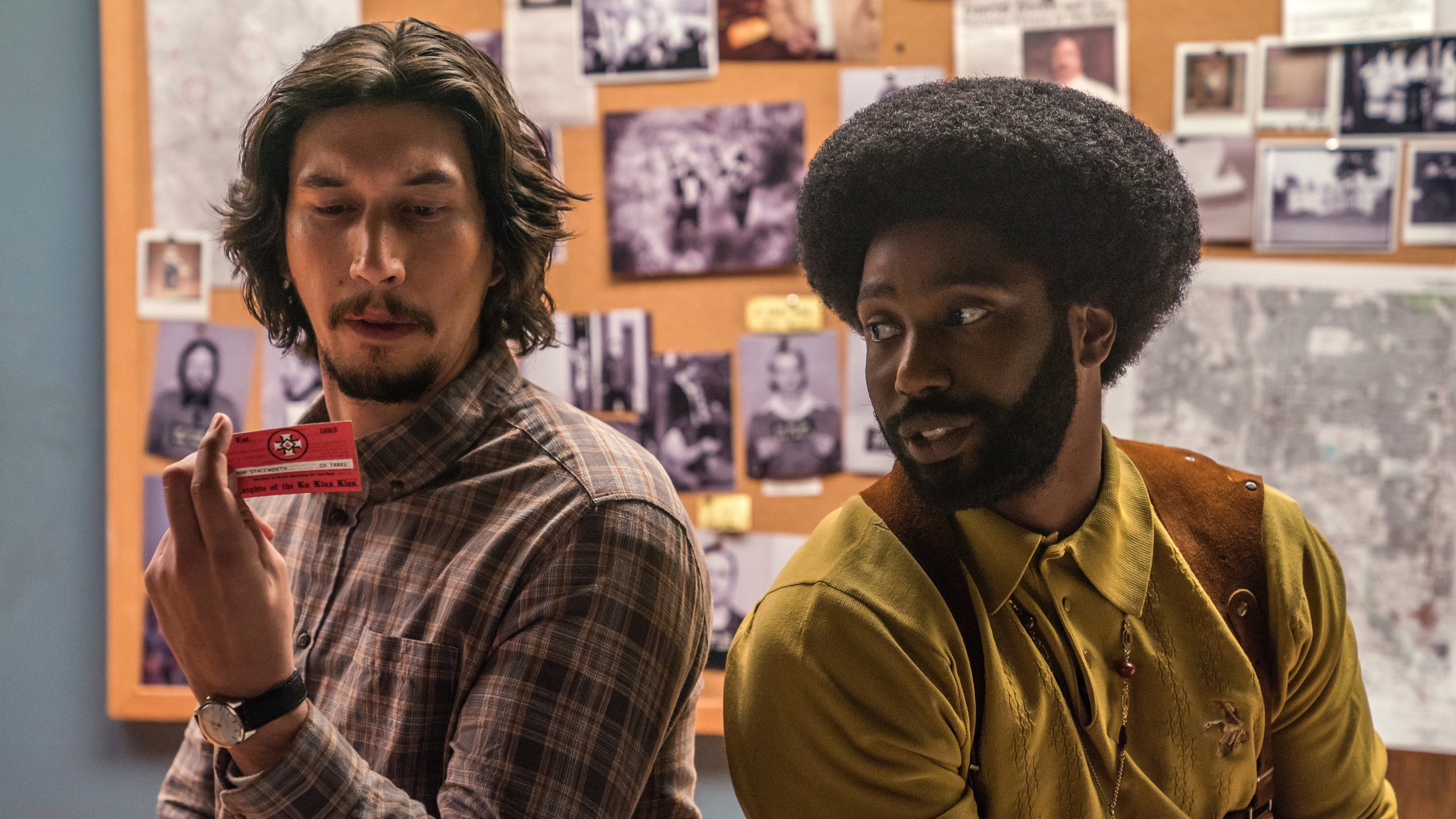
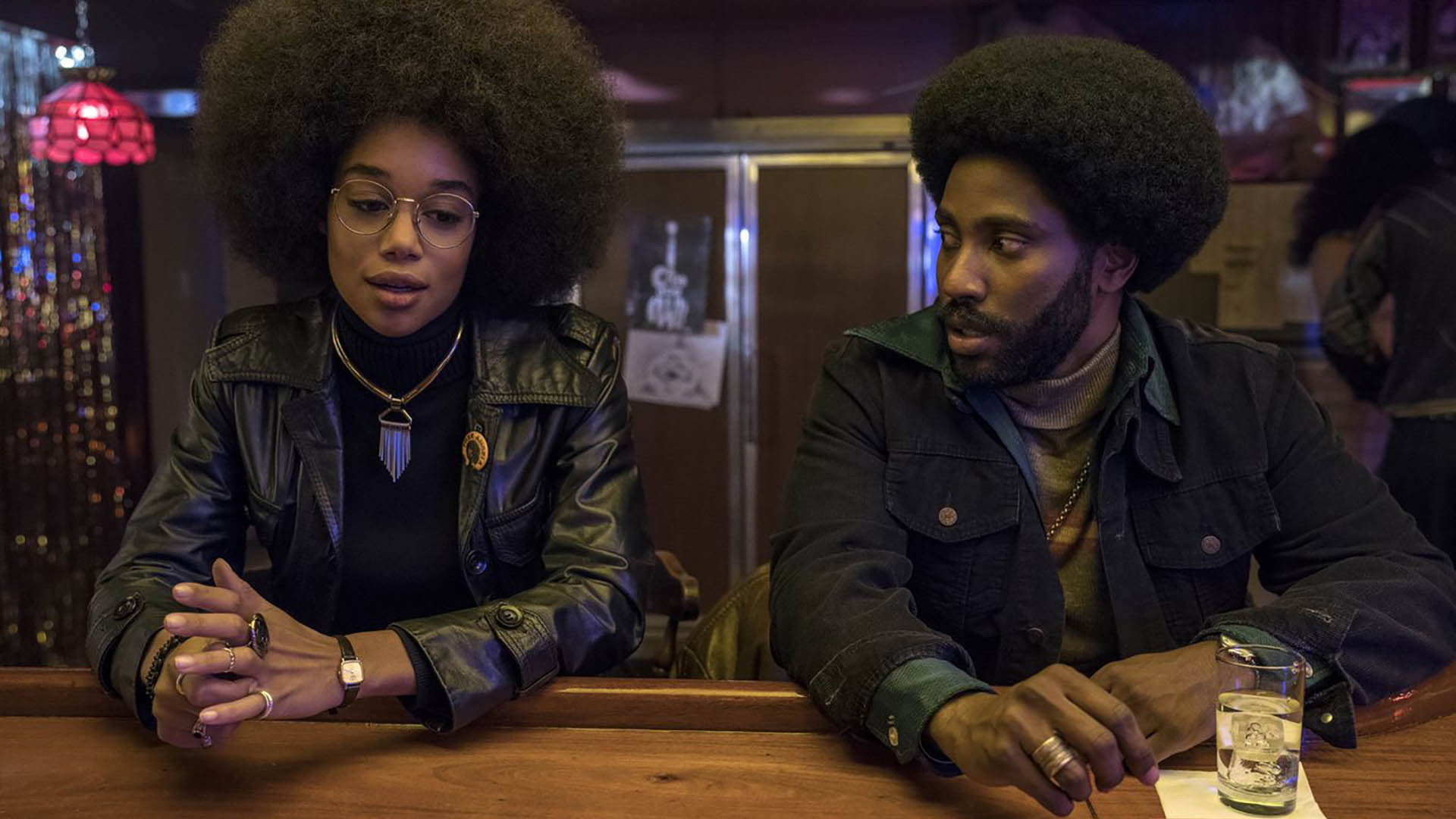
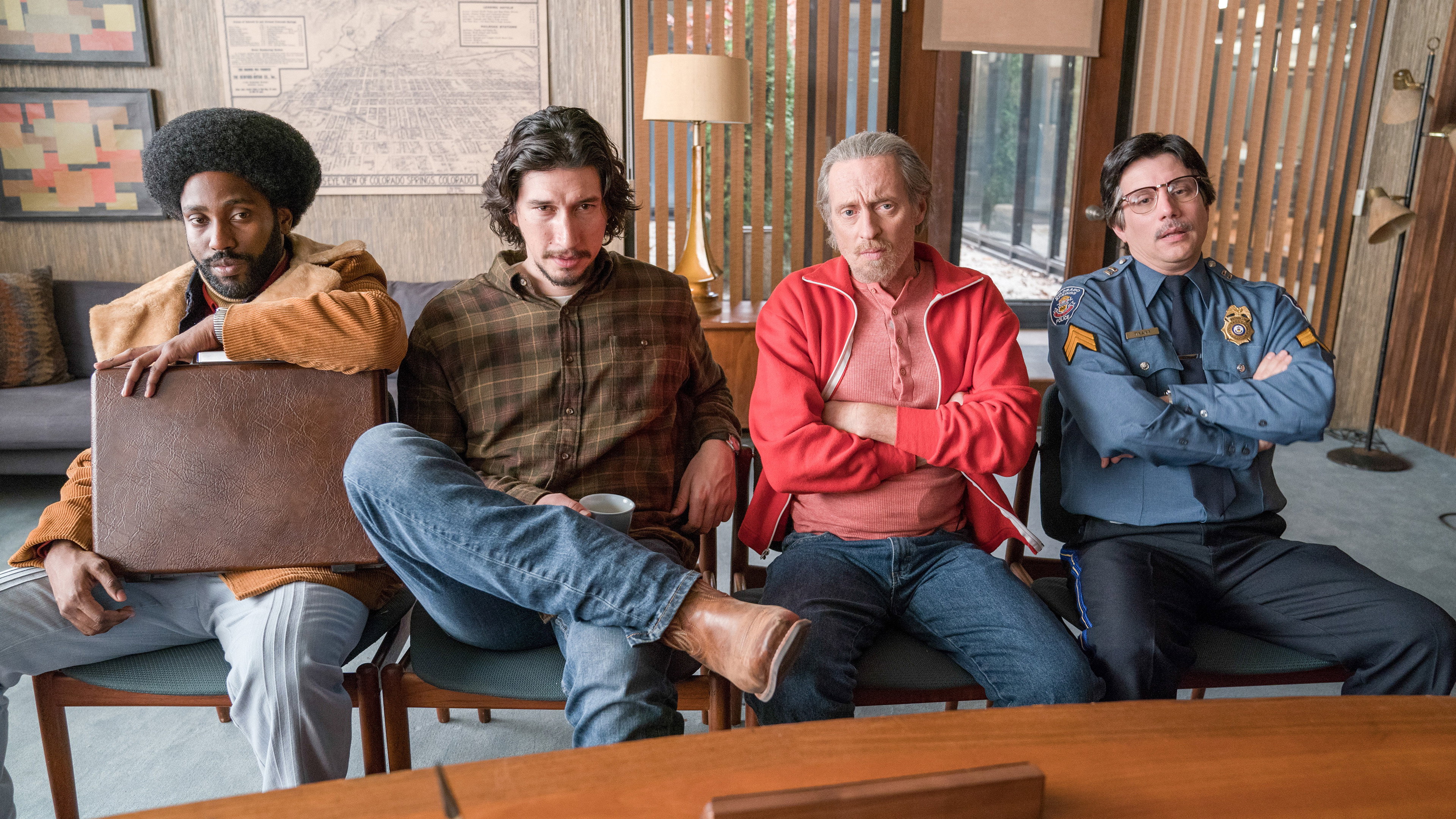
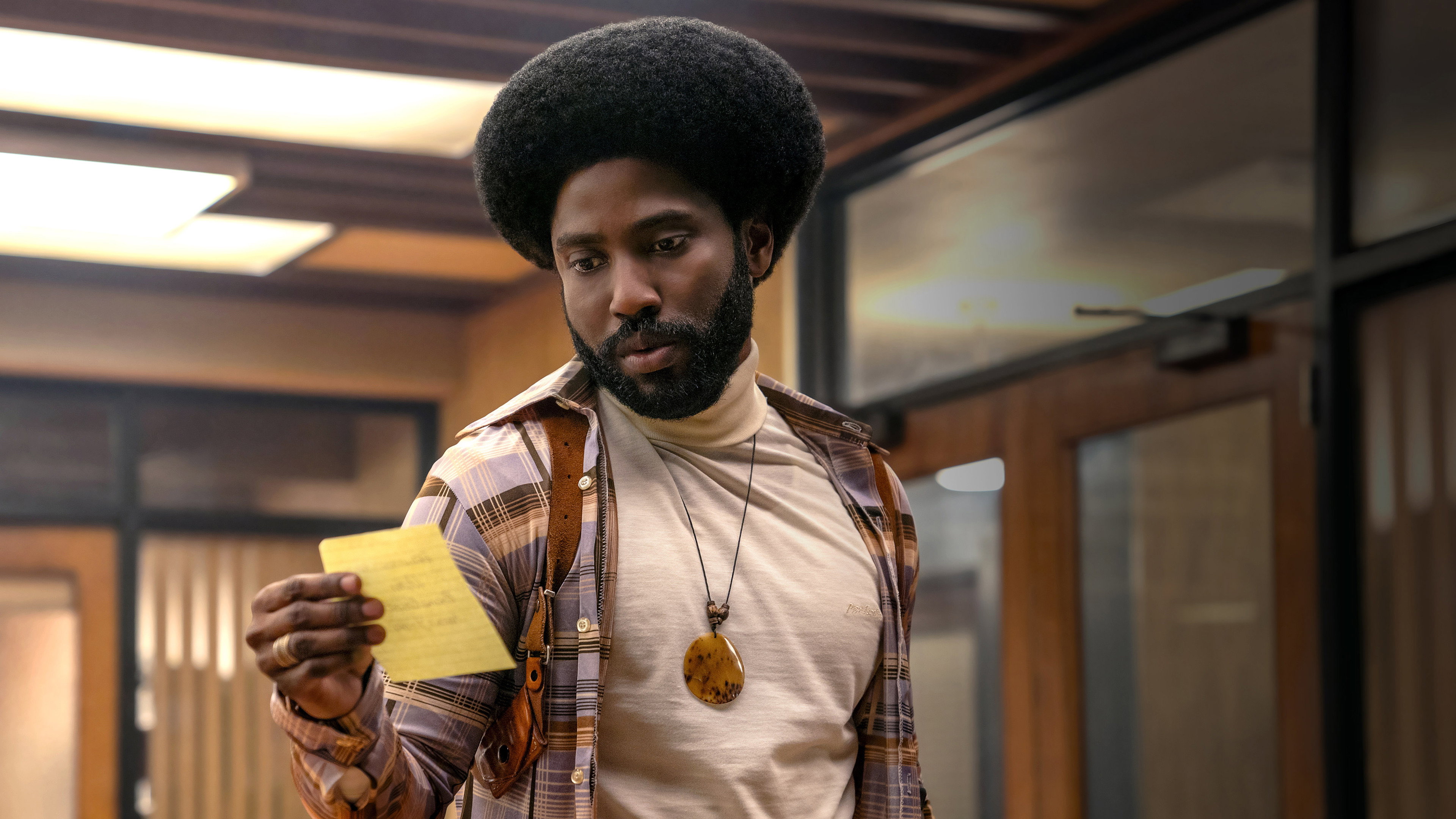
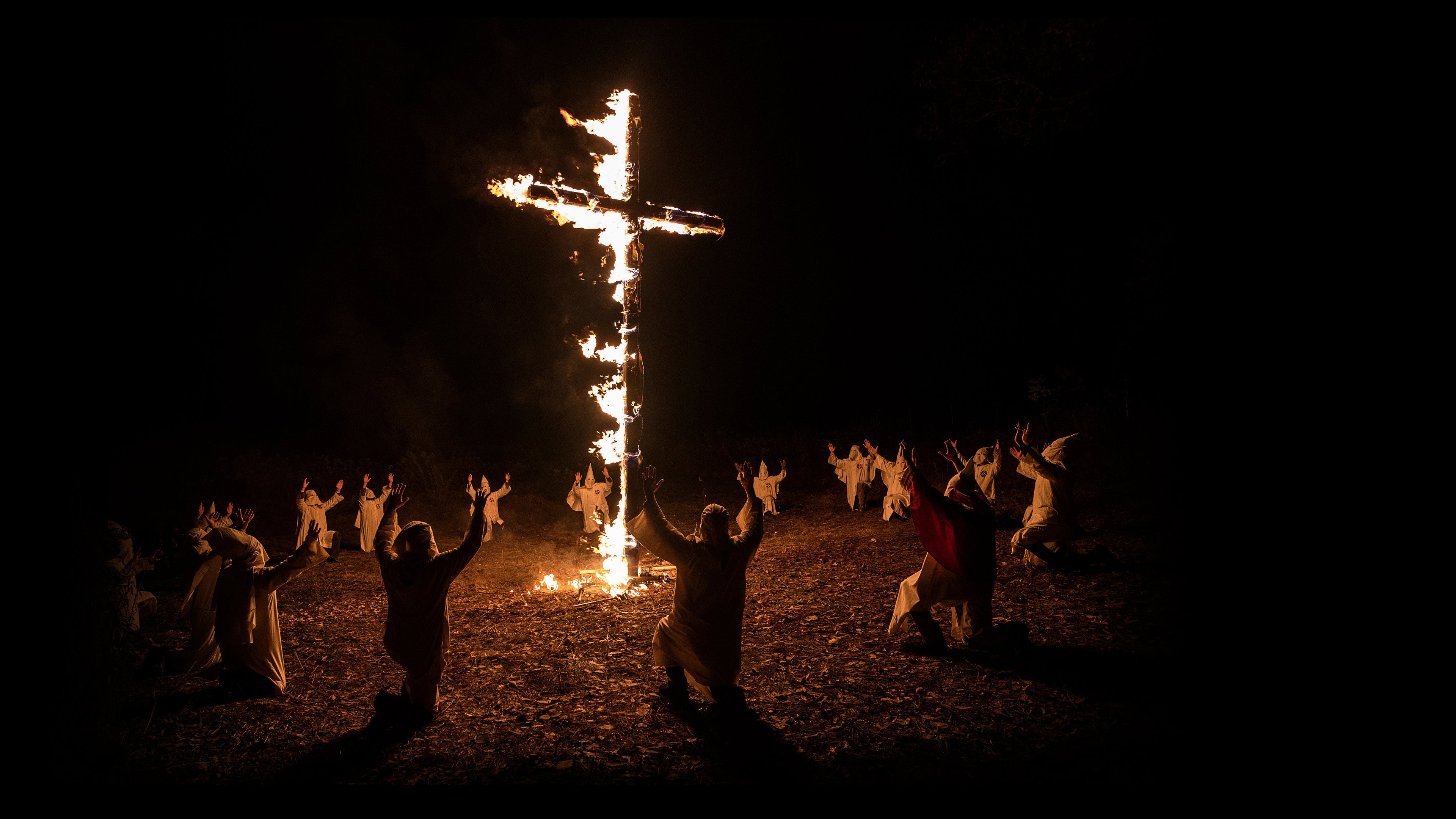
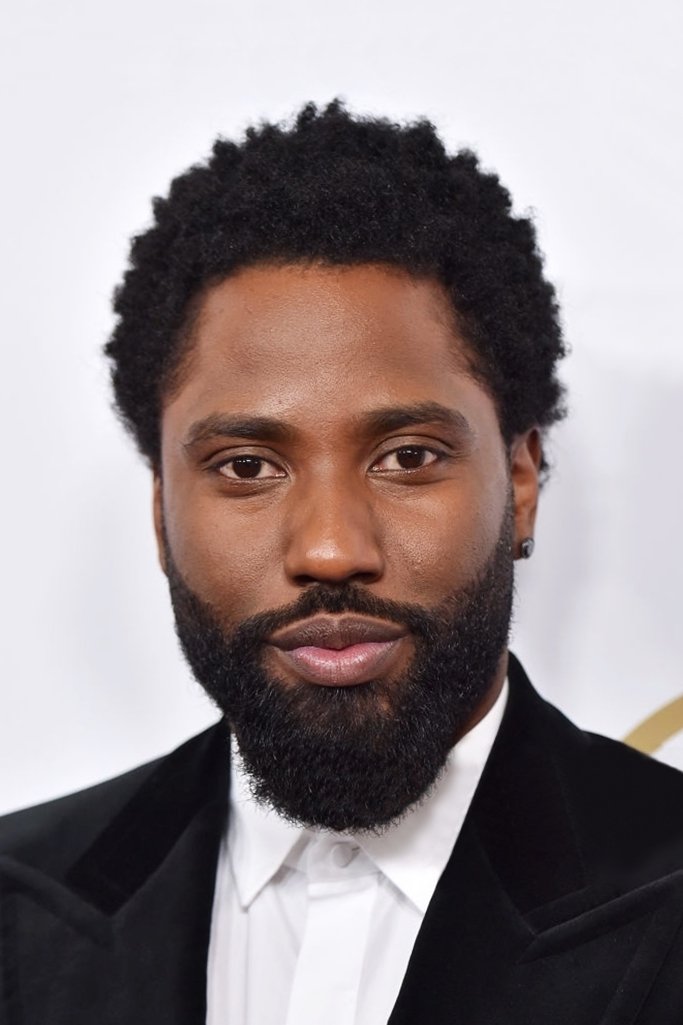
In 1970s Colorado Springs, Black police officer Ron Stallworth (John David Washington) sets out to infiltrate the Ku Klux Klan. Ron can pass himself off as a white racist over the telephone; appearing in person is another matter. Fellow officer Flip Zimmerman (Adam Driver) takes on the meetings, with both men using Ron’s identity. An undercover assignment also brings Ron into contact with student activist Patrice Dumas (Laura Harrier), whose distrust of the police complicates his interest in her. The two officers must keep their shared impersonation working without letting the Klan discover who is actually speaking.

Plays from YouTube when you press play; nothing loads from them until then.

Fi1m review

Spike Lee’s undercover comedy is funny, angry and carried by sharply judged performances. Its broadest jokes make the danger less convincing, but the central partnership and persuasive period setting are worth the evening.

BlacKkKlansman is a good, unruly crime comedy whose jokes are sharper than its suspense. Spike Lee takes the story of a Black policeman infiltrating the Ku Klux Klan and enjoys every opportunity to make the racists look foolish. He also wants their hatred to remain frightening, which is harder when they have just been so thoroughly embarrassed. For much of the film he manages both, helped by actors who find distinct people inside a premise that could easily have produced nothing but comic types.

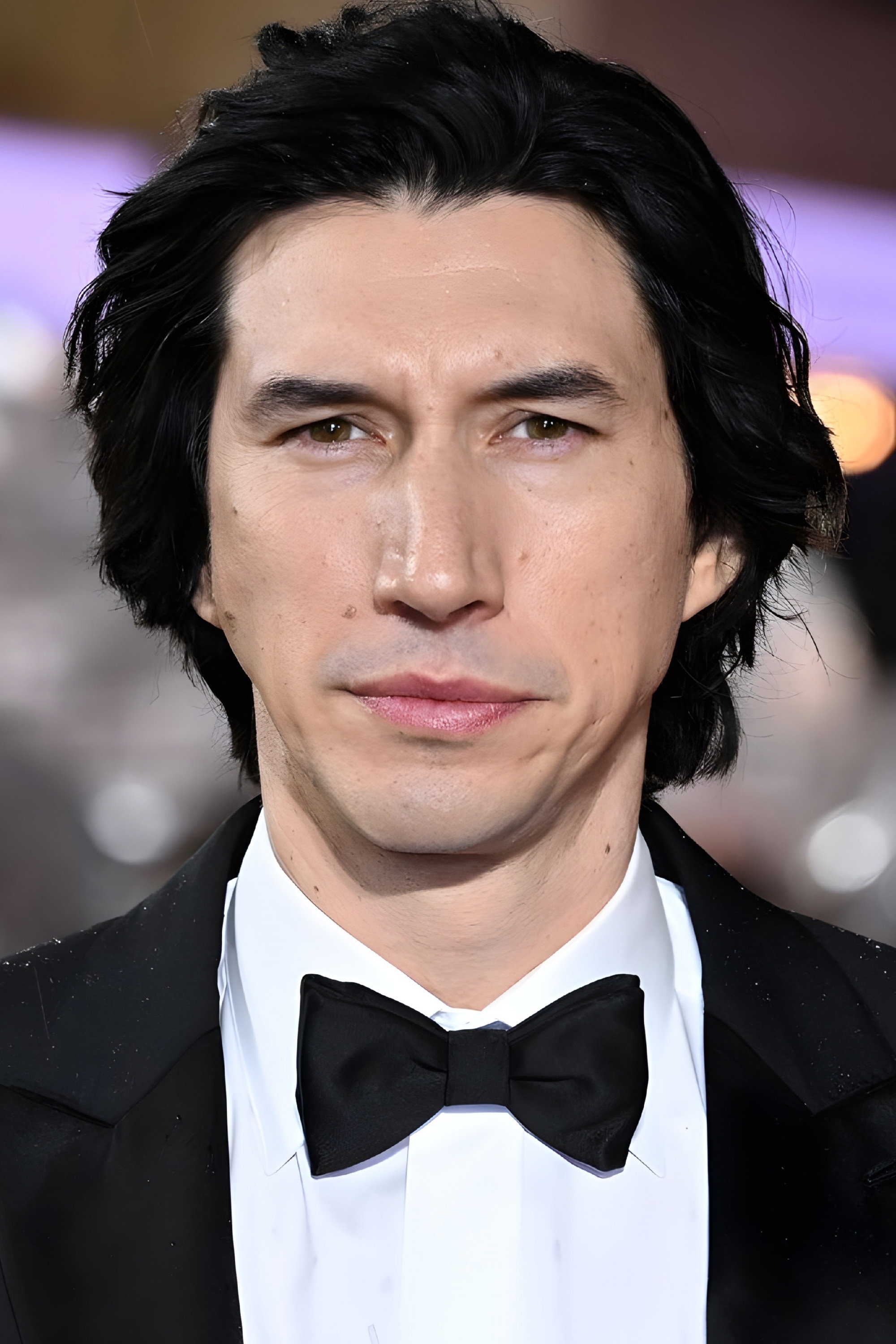
John David Washington plays Ron Stallworth with a relaxed confidence that makes the initial deception feel possible without making it sensible. Adam Driver gives Flip Zimmerman a more watchful manner, fitting for the man who must attend the meetings while his colleague works the telephone. Their different ways of handling the risk provide much of the pleasure, and neither performance needs to compete for attention. We laughed at Ron’s telephone performance because the eagerness of the men listening makes his outrageous impersonation seem almost unnecessary.

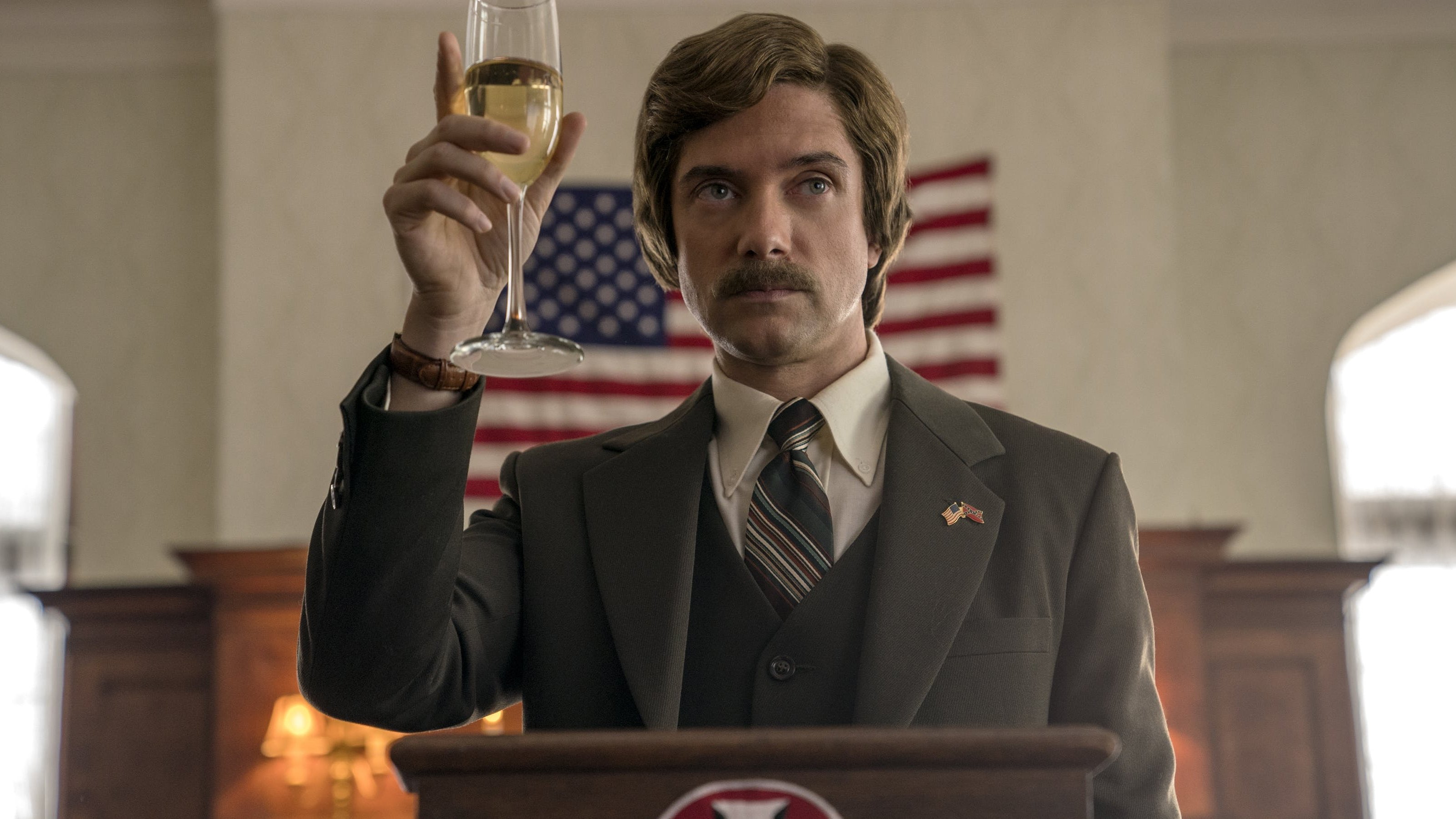
Topher Grace is particularly good as David Duke, giving the racism a smooth, conversational delivery. His self-assurance is comic, but the lack of obvious strain in his manner makes the hatred harder to dismiss as the preserve of a few shouting fools. The performance is a useful corrective to the broader Klan caricatures around him. Those characters offer easier laughs, and their stupidity sometimes makes the undercover work seem less dangerous than the film needs it to be.

Chayse Irvin’s cinematography gives the Seventies setting a warmth that suits the comedy. Curt Beech’s production design keeps the police offices and Klan meeting rooms workaday, a useful decision when the temptation might have been to surround the villains with signs of villainy. Marci Rodgers’s costumes supply much of the swagger, and the actors look comfortable wearing them. The period detail is persuasive without making every scene an opportunity to point out the decade.

Terence Blanchard’s score brings a persistent sadness to the investigation, keeping the music from simply congratulating Ron on his nerve. It is a strong contribution, particularly when the comedy has made the operation look too easy. Barry Alexander Brown’s editing keeps the shared identity clear, but the passages between the main comic encounters can drift. At 136 minutes, the film has room for romance and political disagreement, though it sometimes repeats a point after the actors have already made it clear.

Laura Harrier gives Patrice Dumas a firmness that prevents her from becoming merely an admiring audience for Ron. Their disagreement about policing should be one of the film’s most difficult questions, and it is not always given enough space. The familiar undercover-film pleasures encourage us to cheer for a successful operation, while the treatment of racism inside the police demands a less comfortable response. The script recognises the problem, but too often lets Ron’s individual appeal stand in for an answer.

Expect a looser evening than the undercover premise suggests. The actors make the detours worthwhile, particularly when a conversation reveals how readily these men accept anyone who repeats their prejudices. Watch it for that sharpness, with some patience for the stretches when the investigation stops moving.
Critical consensus AI synthesised

80
Positive
16
Mixed
0
Negative
0

Most critics welcome BlacKkKlansman as an energetic, funny and politically forceful film, praising Spike Lee’s handling of comedy alongside the threat of racist violence. The reviews repeatedly credit him with making the connections between 1970s America and the present feel urgent. Praise also clusters around the performances, particularly John David Washington’s, and the mixture of undercover thriller, broad satire and romance. For most, the entertainment strengthens the political message rather than softening it.

The disagreement concerns how much depth and tension that approach allows. The Playlist finds the pacing too relaxed and the drama less involving than it should be, while /Film considers the contemporary parallels heavy-handed. These reservations sit within a broadly positive consensus, but Sight and Sound offers a sharper dissent: it sees a clumsy parable that favours jokes over examining racial hatred. The central divide is over whether Lee’s directness clarifies his subject or leaves too much unexplored.

Little White Lies
15 May 2018 · festival review · Adam Woodward
85*

Spike Lee’s most entertaining and thought-provoking film in years, blending humour, romance and social commentary on racism while paying homage to blaxploitation cinema.

Read the full review →
The New Yorker
10 August 2018 · Richard Brody
85*

Lee has made a movie of bold and brilliant paradox that is politically passionate yet often bouncy and catchy. It offers a clear view of possible change while revealing the racist rot at the core of American society.

Read the full review →
Los Angeles Times
7 August 2018
80*

The film is one of Lee's best, with the director at his peak using a decades-old story to comment unnervingly on today's world. It balances brutal satiric comedy, social commentary and romance while remaining relevant.

Read the full review →
Radio Times
16 August 2018 · ★★★★ · Emma Simmonds
80

Spike Lee is in raging and righteous form, delivering a playful yet political collage-like film that struts with ambition and gusto while making hard-to-deny connections between past and present.

Read the full review →
The Telegraph
23 August 2018 · ★★★★ · Tim Robey
80

Spike Lee is back on thunderclap form with this true-life account of a black cop in Seventies Colorado Springs who managed to get himself enrolled in the KKK. A heady hybrid of comedy, polemic and period crime drama with rollicking drive and focus.

Read the full review →
Time Out
15 May 2018 · ★★★★ · Phil de Semlyen
80

Spike Lee is back to his energised, fiery best with a high-energy mix of blaxploitation spoof, undercover thriller and savage political bite that connects the 1970s story to modern America.

Read the full review →

Cast

Stills

Awards

Academy Awards, 2019

Nominated
Best Picture

If you liked this, try…

Sapphire poster

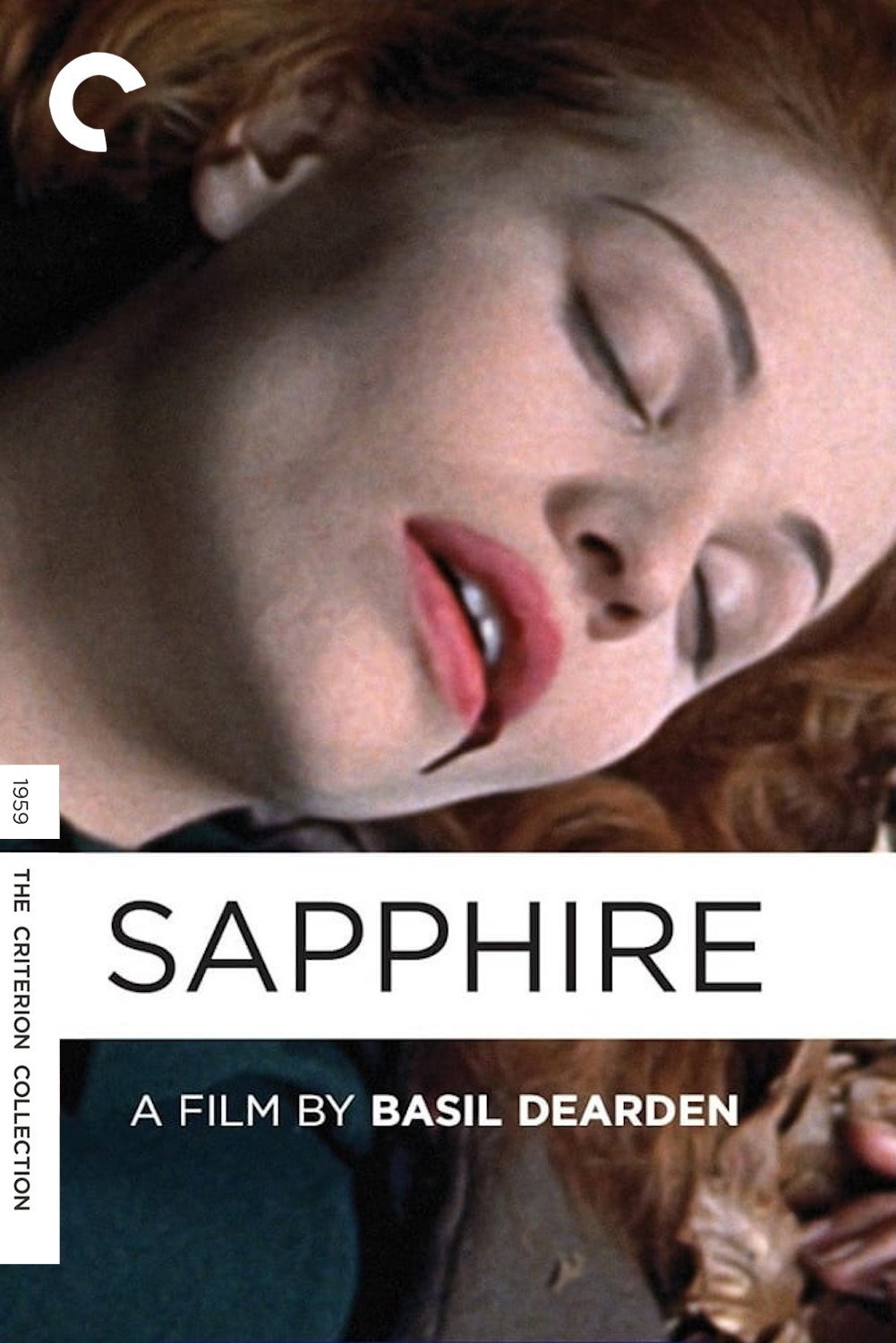
Sapphire

1959 · A murder inquiry exposes racial prejudice beneath respectable British manners.

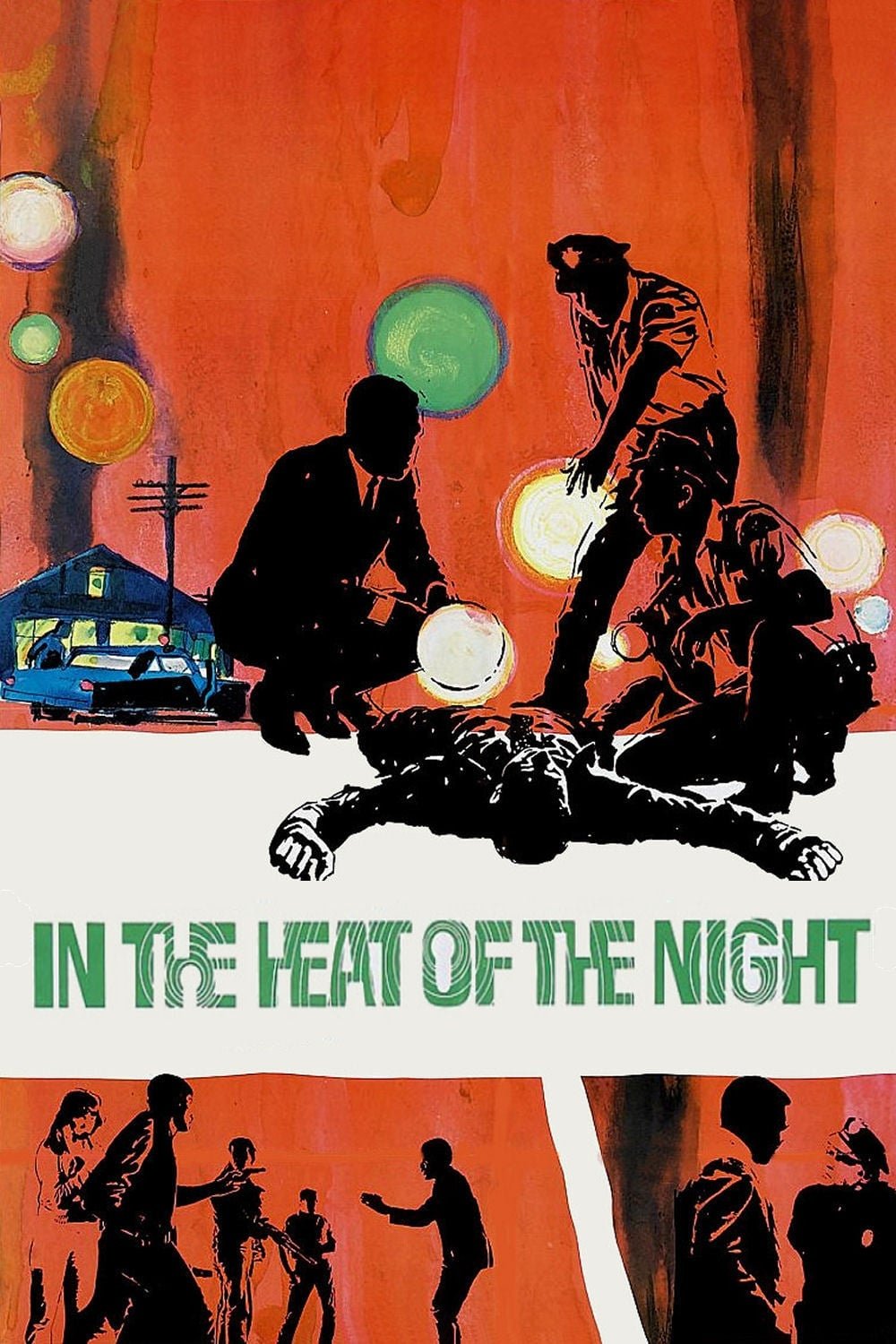
In the Heat of the Night poster

In the Heat of the Night

1967 · A Black detective’s uneasy police partnership gives the murder investigation its force.

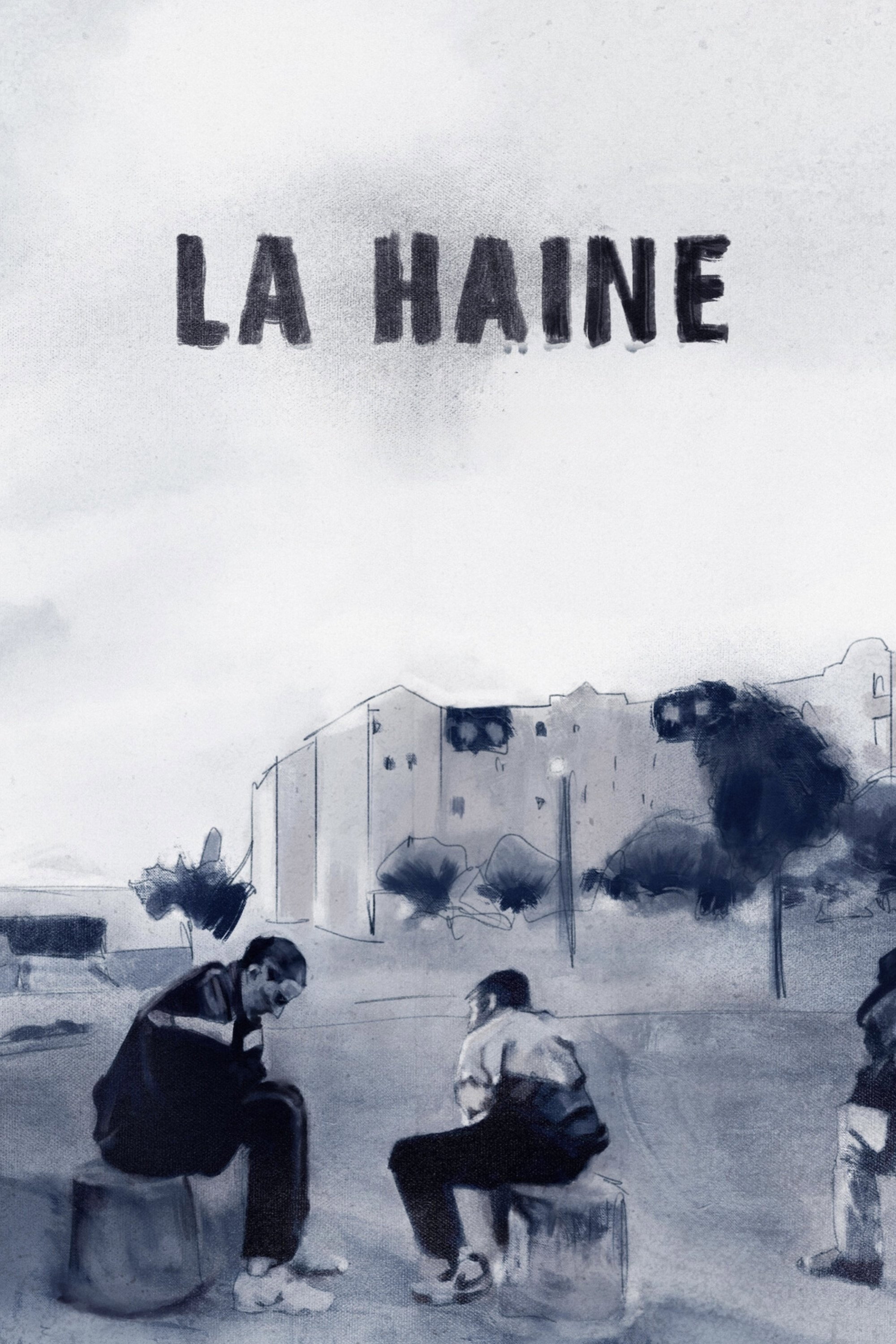
La Haine poster90

La Haine

1995 · Young men living with police hostility get the attention the officers usually claim.

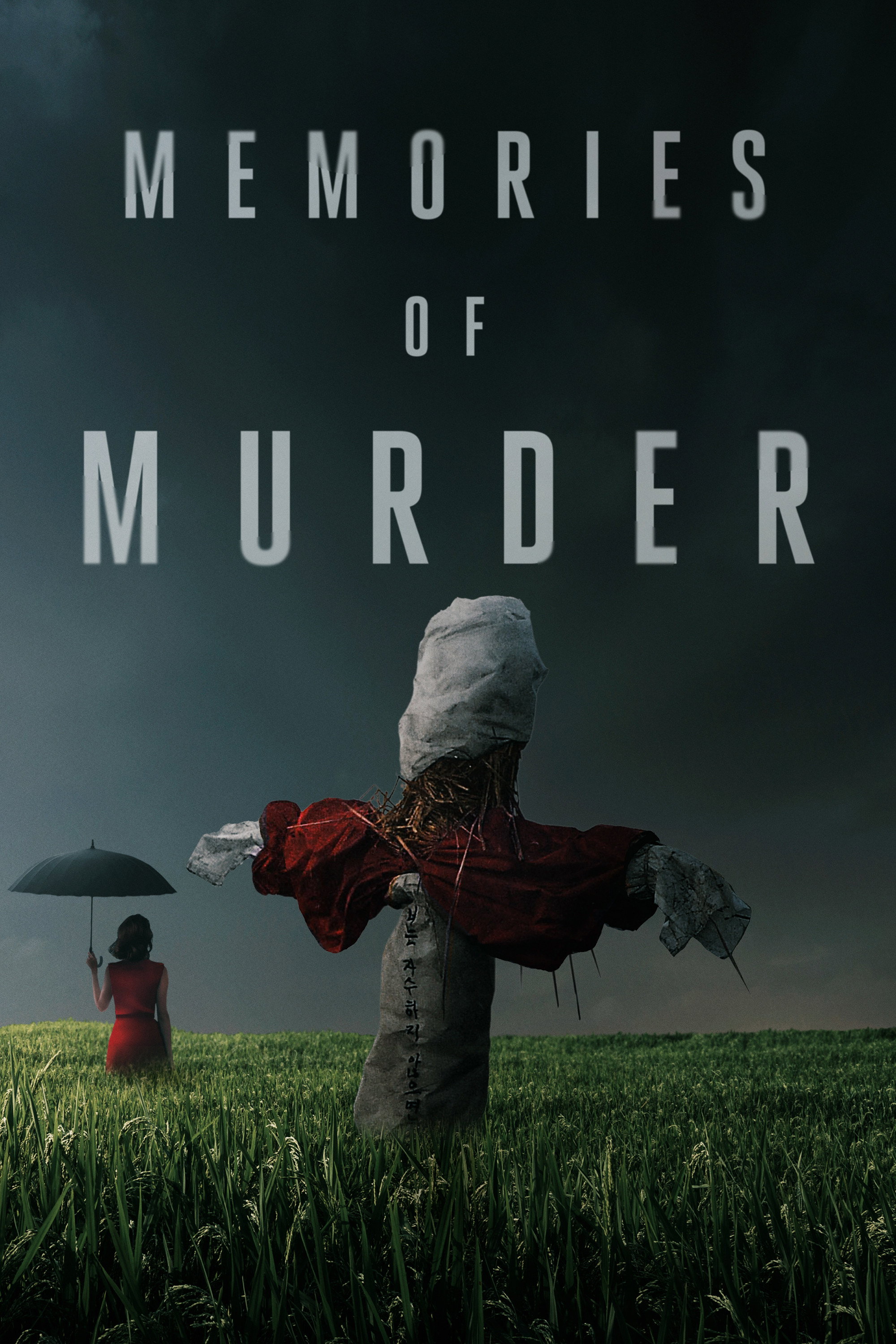
Memories of Murder poster

Memories of Murder

2003 · Police incompetence becomes horribly consequential in this Korean mixture of comedy and dread.

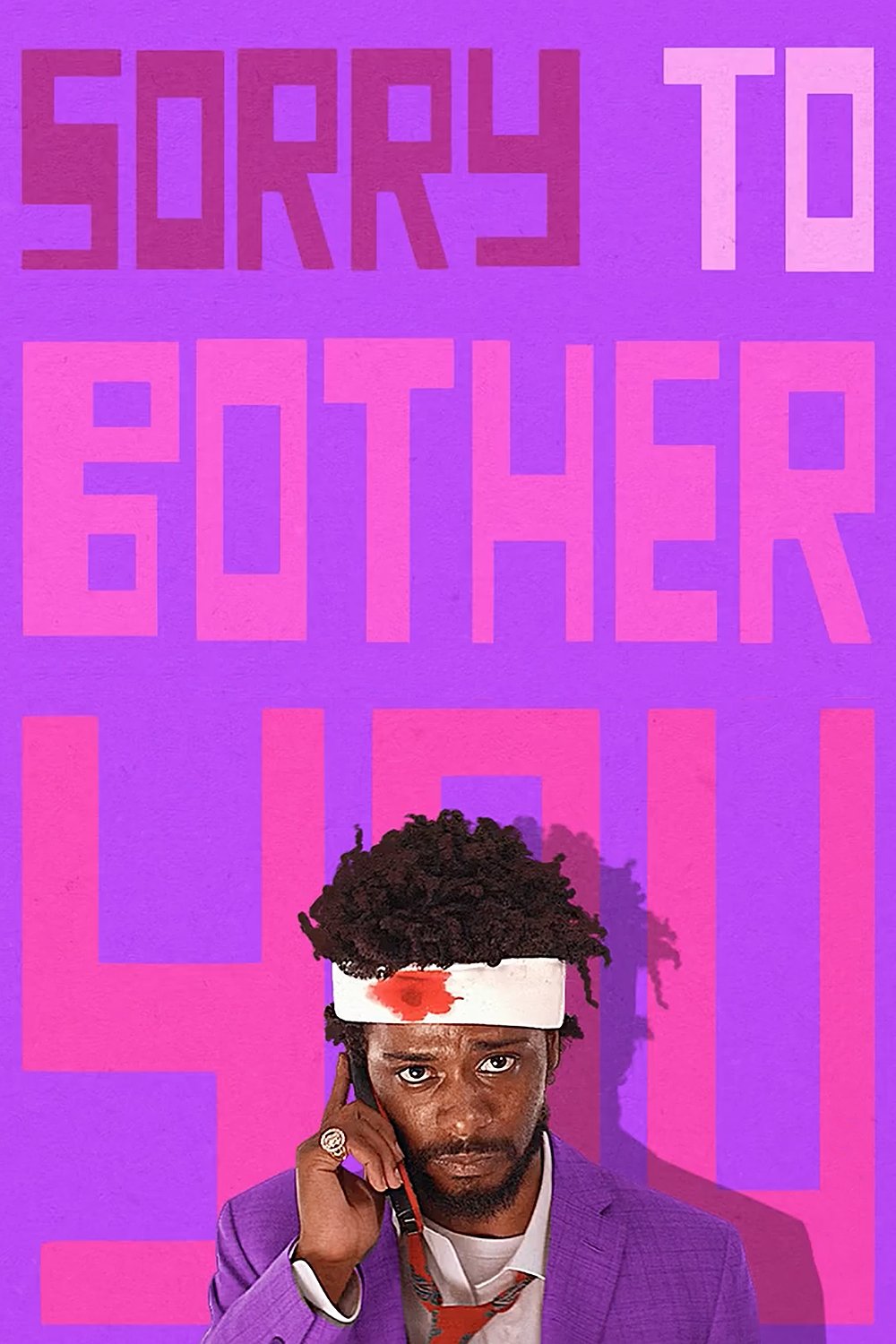
Sorry to Bother You poster

Sorry to Bother You

2018 · Workplace ambition and racial impersonation become stranger, harsher and less reassuring.