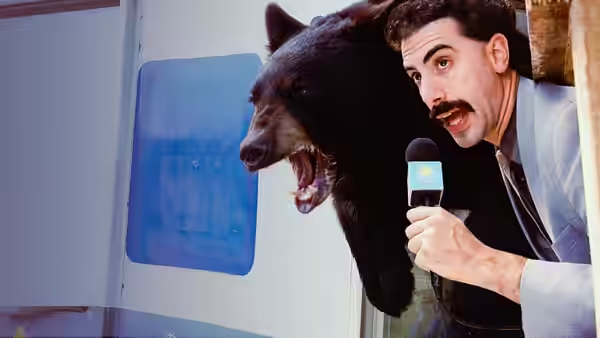
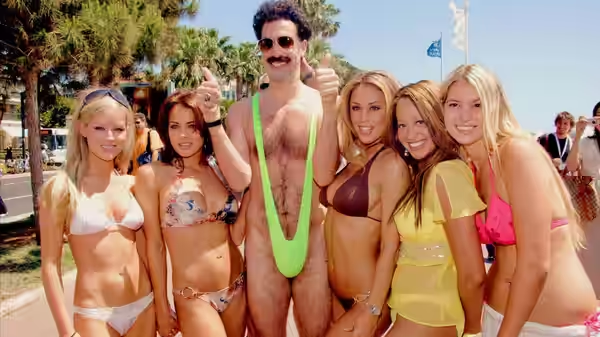
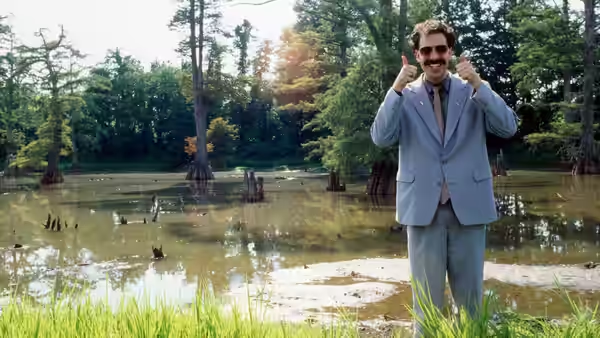
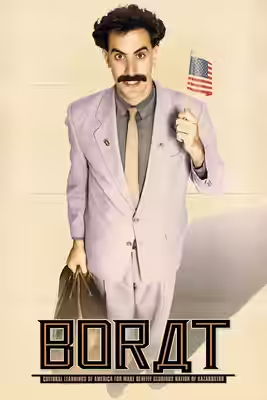
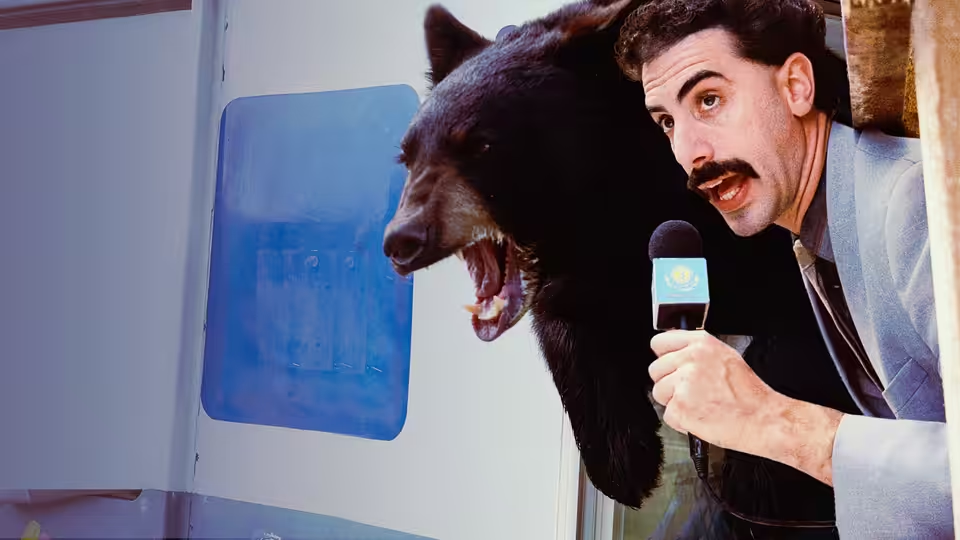
Borat (Sacha Baron Cohen) holding a microphone beside a bear with open mouth
Film review

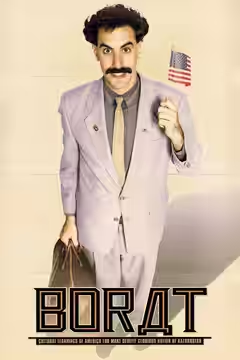
Borat: Cultural Learnings of America for Make Benefit Glorious Nation of Kazakhstan

2006 · Directed by Larry Charles · 1h 24m · IGAC M/12

In a sentenceSacha Baron Cohen says the unforgivable, then waits to see who nods

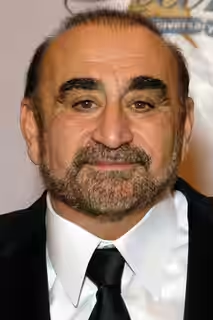
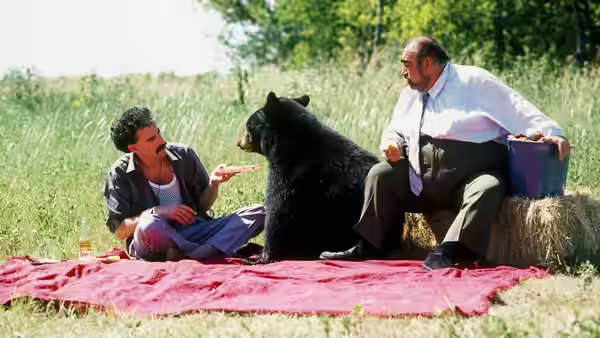
Sacha Baron Cohen plays Borat, whose journey across America in search of Pamela Anderson takes the form of a series of hoax reports. He brings his prejudices into encounters with real people, who react to a visitor whose questions and behaviour ignore the rules they expect him to follow. Some respond with disbelief; others reveal prejudices of their own. The comedy moves between these encounters, physical slapstick and scatological jokes, with Borat remaining at the centre of the confusion. Ken Davitian plays Azamat, and Anderson appears as herself.

Fi1m review

Larry Charles and Sacha Baron Cohen make a painfully funny prank film, with real people’s reactions supplying its sharpest moments. The obscenity works more reliably than the politics, and some of the embarrassment feels cheaply bought.

Borat is a ferociously funny comedy whose taste for humiliation sometimes outruns its judgement. Larry Charles lets Sacha Baron Cohen take an outrageous character into encounters with real Americans, then builds the film around their responses. We recommend it, provided that watching people struggle through an impossible social situation is a pleasure rather than an ordeal. The jokes depend on Borat saying things that most people would know to keep to themselves.

Cohen gives Borat a sweetness that makes people willing to hear him out. The character’s apparent innocence invites patience, and his bigotry then tests how far that patience will go. Cohen does not need to force every laugh; another person’s incredulity can do the work for him. His timing is particularly good at prolonging the uncomfortable business of waiting for somebody to decide how to respond.

The screenplay is credited to Peter Baynham, Anthony Hines, Cohen and Dan Mazer, and the comedy is more carefully organised than its reportorial form suggests. We laughed, then felt slightly ashamed of ourselves, at the ‘running of the Jew’. The grotesque antisemitic premise is presented with the same apparent innocence that Cohen brings to his encounters, so the laughter arrives before we have quite considered it. This is where the character’s combination of naivety and hatred produces something nastier and funnier than provocation alone.

The useful contribution of cinematographers Anthony Hardwick and Luke Geissbühler is keeping the reactions as important as the central performance. A face trying to make sense of Borat can hold our attention without any further assistance from him. Editors James Thomas, Peter Teschner and Craig Alpert keep the encounters moving without losing the hesitations that make them funny. Their handling of those exchanges gives Cohen space without making every participant’s bewilderment feel interminable. Erran Baron Cohen’s music provides useful accompaniment, though the exchanges are what we remember.

Our reservation concerns the people caught in the joke. Some reveal ugly prejudices, and the film gives us ample reason to laugh at their willingness to entertain Borat’s views. Others seem merely bewildered, and Charles is not always sufficiently interested in distinguishing embarrassment from a revealing response. Cohen’s ability to make almost anyone look foolish can become a problem when the film expects that foolishness to tell us something substantial about America: sometimes we have simply watched somebody being wrong-footed by a skilled comedian.

As a feature built from hoax reports, it faces the problem of making each fresh encounter justify starting the joke again. Cohen supplies enough variation in physical comedy and verbal provocation to keep that from becoming a chore. Charles also gives the scatological silliness room to work without requiring every laugh to serve a political purpose. At 84 minutes, the film is sensibly brief for an extended acquaintance with someone whose behaviour requires this much tolerance.

For all our reservations, the laughter is plentiful and often involuntary. We would choose it for an evening with people who can enjoy an appalling joke and still argue about whom it hurts. Anyone hoping for a tidy separation between satirical targets and innocent bystanders should choose something else.
Critical consensus AI synthesised

82
Positive
14
Mixed
0
Negative
1

Most critics find the film extremely funny and say so without much qualification. Fourteen of the fifteen reviews are positive, and the praise gathers around Sacha Baron Cohen’s performance and the real, unscripted encounters in which ordinary Americans meet Borat’s bigotry with their own. Several reviews single out the same scenes: the rodeo with its mangled national anthem, and the extended naked fight in a hotel. Larry Charles’s brisk direction earns a mention more than once.

The reservations concern depth and shape. The AV Club thinks the film leans on scatological gags rather than on satire, and Screen Daily finds the sketch structure bitty, wearing thin before the end. Several critics warn it will offend, real Kazakhs included, and treat that as the point. Film Comment supplies the lone negative notice, describing Borat as a cretin pushing America’s buttons and finding little else in him. Otherwise the spread is narrow, with most scores bunched near the top.

Empire
29 September 2006 · Dan Jolin
90*

Cohen has perfected the prank format by placing the outrageous Borat among real people, delivering an endlessly hilarious and insightful look at American prejudices. It is his finest work, a cult classic in the making that should not be missed by those who can handle the offense.

Read the full review →
Slant Magazine
26 October 2006
90*

The critic celebrates Cohen’s ability to create squirm-inducing, slapstick, and inappropriate scenarios that expose prejudice while delivering nonstop laughs through physical performance and absurd visuals. The naked wrestling scene and various confrontations are highlighted as peaks of the film’s subversive humor.

Read the full review →
The Guardian
27 October 2006 · Peter Bradshaw
90*

The critic calls the film extraordinarily funny, breathtakingly offensive and suicidally discourteous, an anarchic mocu-reality adventure that goes beyond satire. He singles out for praise the real encounters that expose people’s horrified reactions and the surreal rodeo sequence with its absurd national anthem.

Read the full review →
The Hollywood Reporter
12 September 2006 · Kirk Honeycutt
90*

The critic finds the film a wildly inappropriate and hilarious mockumentary that uses crudeness to expose the roots of bigotry and ignorance. The naked hotel fight scene is singled out as a highlight of its boundary-pushing comedy.

Read the full review →
The Independent
4 December 2006
90*

The film establishes Sacha Baron Cohen as a new master of provocation through his Borat character, whose naive yet hateful worldview leads to hilarious and revealing interactions with Americans. The critic highlights the cruel genius of the satire and urges viewers to see it for the laughs.

Read the full review →
The New York Times
3 November 2006 · Manohla Dargis
90*

The critic finds the film a sharp, brainy satire that uses Borat's outrageous persona to expose American prejudices and stupidity while delivering consistent laughs through slapstick and vulgarity. She singles out the film's pitiless social commentary and Baron Cohen's precise comic timing for praise.

Read the full review →

Straight answers AI written, from our review

Is Borat: Cultural Learnings of America for Make Benefit Glorious Nation of Kazakhstan worth watching?
Borat: Cultural Learnings of America for Make Benefit Glorious Nation of Kazakhstan is worth watching for anyone who can laugh at an appalling joke and then argue about whom it hurts, and we scored it 81. Sacha Baron Cohen's hoax encounters with real Americans are ferociously funny, though the film does not always tell a revealing reaction from mere embarrassment.
How long is Borat: Cultural Learnings of America for Make Benefit Glorious Nation of Kazakhstan, and what is it rated?
Borat: Cultural Learnings of America for Make Benefit Glorious Nation of Kazakhstan runs 1h 24m and is rated M/12 by the IGAC in Portugal. It is a comedy film.
Where can I watch Borat: Cultural Learnings of America for Make Benefit Glorious Nation of Kazakhstan in Portugal?
Borat: Cultural Learnings of America for Make Benefit Glorious Nation of Kazakhstan is streaming on Disney+ in Portugal, and it is also available to rent from Amazon Prime Video and Apple TV from €3.99. Availability is checked daily; the links above go straight to each service.
How violent or frightening is Borat: Cultural Learnings of America for Make Benefit Glorious Nation of Kazakhstan, and is it suitable for children?
Borat: Cultural Learnings of America for Make Benefit Glorious Nation of Kazakhstan is not frightening and contains little violence, but it is certified 15 in the UK and R in the US, and is not for children. The comedy rests on crude sexual and scatological jokes, an antisemitic premise played for laughs, and the humiliation of real people, which some adults will find hard to sit through.
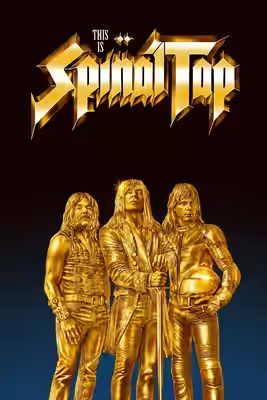
How does Borat: Cultural Learnings of America for Make Benefit Glorious Nation of Kazakhstan compare to This Is Spinal Tap?
Borat: Cultural Learnings of America for Make Benefit Glorious Nation of Kazakhstan and This Is Spinal Tap are both mock documentaries, but Borat plays his pranks on real people while Spinal Tap's musicians are all actors. Spinal Tap is the gentler and more affectionate film and suits almost anyone; Borat is cruder, more provocative and funnier for those who can bear watching strangers squirm.
What should I watch after Borat: Cultural Learnings of America for Make Benefit Glorious Nation of Kazakhstan?
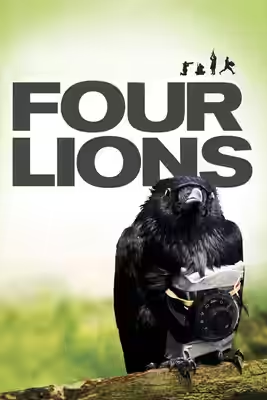
After Borat: Cultural Learnings of America for Make Benefit Glorious Nation of Kazakhstan, try This Is Spinal Tap (1984, Fi1m 91): Another mock-documentary whose performers understand exactly how seriously foolish people take themselves. Then Four Lions (2010, Fi1m 94): Another comedy that risks appalling jokes to make murderous prejudice look pathetically foolish; and Nathan for You (2013, Fi1m 87): Elaborate practical jokes turn ordinary encounters into prolonged tests of politeness and credulity.

Cast

Awards

Academy Awards, 2007

Nominated
Best Writing, Adapted Screenplay

If you liked this, try…

  1. This Is Spinal Tap (1984, Fi1m 91)Another mock-documentary whose performers understand exactly how seriously foolish people take themselves.

  2. The Firemen's Ball (1967) · not reviewed yetA community gathering supplies embarrassment, petty corruption and precious little dignity for anyone.

  3. Four Lions (2010, Fi1m 94)Another comedy that risks appalling jokes to make murderous prejudice look pathetically foolish.

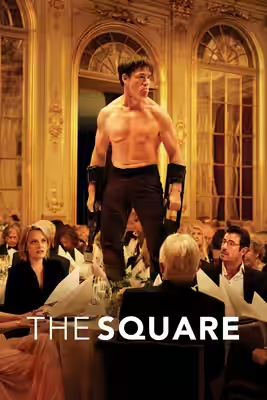
  4. The Square (2017) · not reviewed yetSocial confidence collapses under pressure, with plenty of time to study the discomfort.

  5. Nathan for You (2013, Fi1m 87)Elaborate practical jokes turn ordinary encounters into prolonged tests of politeness and credulity.

Free account

Know what to watch tonight

Two lists that know where things are streaming, collections you can share, your own score beside ours, and Discover that remembers what you have seen.

  • Want to see, sorted by what is streaming now
  • Seen, with your score out of ten
  • No adverts, ever