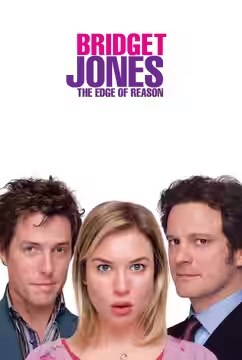
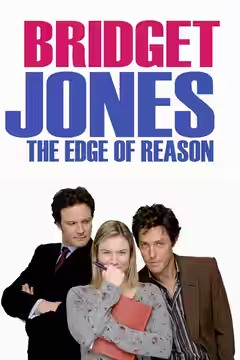
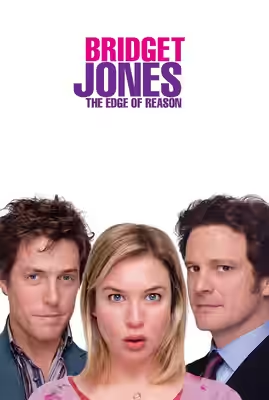
Renée Zellweger and Hugh Grant provide scattered laughs, but this sequel gives Bridget too little to do beyond doubting herself again. The familiar company helps; the recycled romantic troubles make it difficult to recommend.
Bridget Jones: The Edge of Reason is an intermittently funny sequel that asks its cast to compensate for a shortage of fresh writing. Beeban Kidron keeps the romantic comedy agreeable, but too much depends on Bridget getting herself into another muddle. The appeal is easy to understand: spending more time with a character whose romantic anxieties have not been tidied away. The trouble is that those anxieties seldom lead to anything we have not already been asked to laugh at.
The screenplay credits Adam Brooks, Andrew Davies, Helen Fielding and Richard Curtis, but the writing keeps returning to the same limited source of trouble: Bridget’s lack of confidence. A passing worry can be funny, particularly when the audience recognises how foolish it is. Repeated often enough, it starts to make the character seem incapable of learning anything. We grew tired of her self-doubt because the film keeps using it to restart the romantic difficulties, rather than allowing her a thought that might change them.
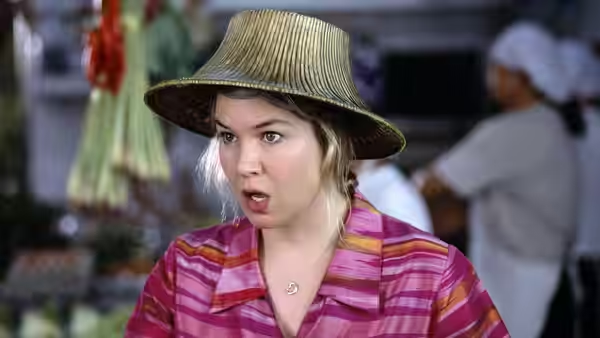
Renée Zellweger works hard to stop that happening, and her comic energy deserves better material. She makes Bridget’s eagerness for affection understandable even when the writing makes her behaviour exasperating. Colin Firth, as Mark, offers a steadier presence, but the romance needs more than a contrast between her agitation and his composure. Both actors retain their appeal through scenes that give them little new to play.
Hugh Grant fares better as Daniel because his dry delivery gives even familiar material a little sting. We laughed at the ease with which he makes bad behaviour sound reasonable. The pleasure comes from the actor’s timing, with just enough charm to explain why Bridget might be tempted again. The comedy becomes much less effortful when someone is allowed to enjoy being objectionable, instead of being made to suffer for being awkward.
Adrian Biddle’s cinematography makes the locations look inviting, and Gemma Jackson’s production design contributes to the comfortable finish. The surroundings are pleasant to spend time in, which helps a film dependent on our willingness to indulge its characters. But that polish does little to sharpen the jokes or make the romantic discomfort more interesting. Beeban Kidron is better at keeping the performers likeable than at finding a fresh way to stage their troubles.
Greg Hayden’s editing gives individual comic passages momentum, yet the film still feels stretched at 108 minutes because the story keeps circling the same concerns. The music credited to Harry Gregson-Williams and Stuart Roslyn does little to distinguish one bout of romantic anxiety from the next. Familiar songs are more conspicuous, sometimes arriving where a scene needs to find its own feeling. The soundtrack keeps offering reassurance that we are having the expected romantic evening.
A romantic sequel need not discard everything people liked, but it does need to give familiar characters something fresh to do. Here the cast supply enough scattered amusement to prevent a complete waste of an evening, while the writing does little to justify asking them back. Those already fond of Bridget may forgive that more readily than we were able to. Return only if spending time with this cast matters more than seeing Bridget given a decent new story.