Kimberly Peirce’s remake is tidy, well acted and almost entirely without fear. Julianne Moore is the reason to watch; Chloë Grace Moretz is asked to play a wallflower and cannot help looking like the prettiest girl in school.
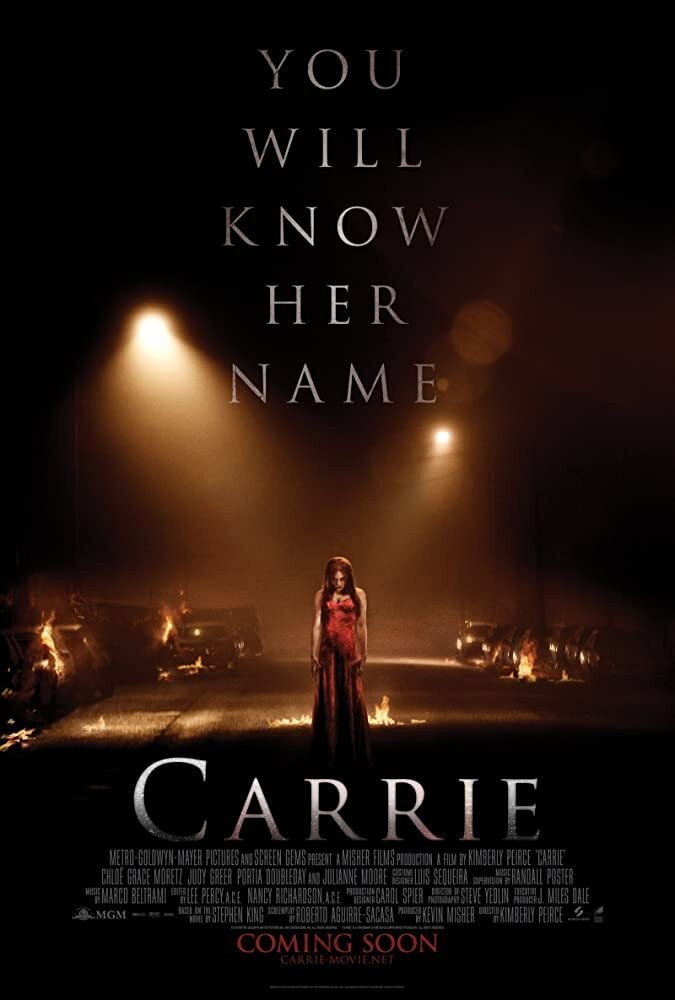
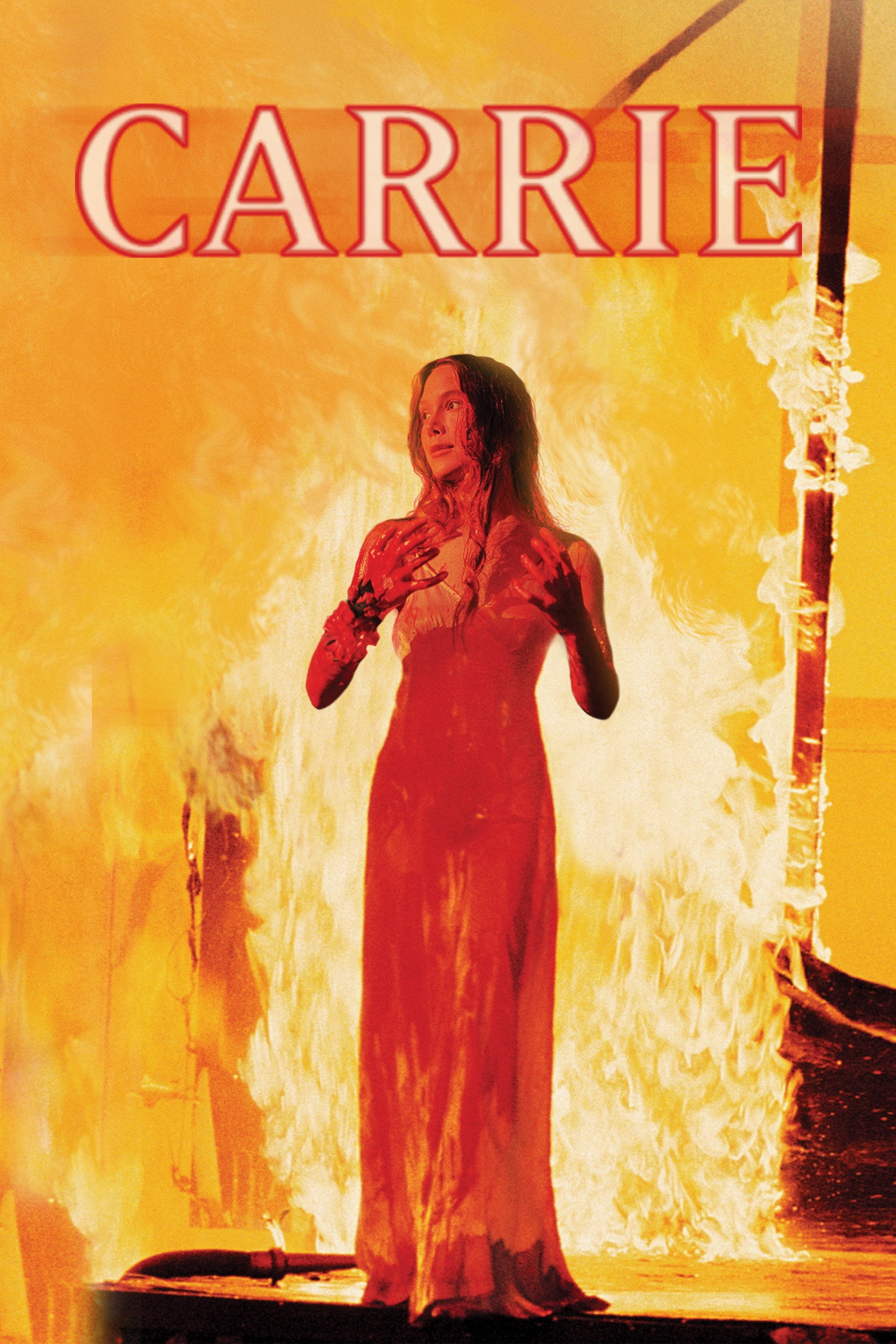
Kimberly Peirce’s Carrie is the second film made from Stephen King’s novel, and it knows the first one well. Roberto Aguirre-Sacasa shares the screenplay credit with Lawrence D. Cohen, who wrote Brian De Palma’s 1976 version, and this one follows that film scene for scene. The one plain addition is a camera phone. When Carrie White (Chloë Grace Moretz) has her first period in the school showers and the other girls pelt her with tampons, Chris Hargensen (Portia Doubleday) films it and puts it online. It is a sensible update and, at 101 minutes, most of what the film has to add.
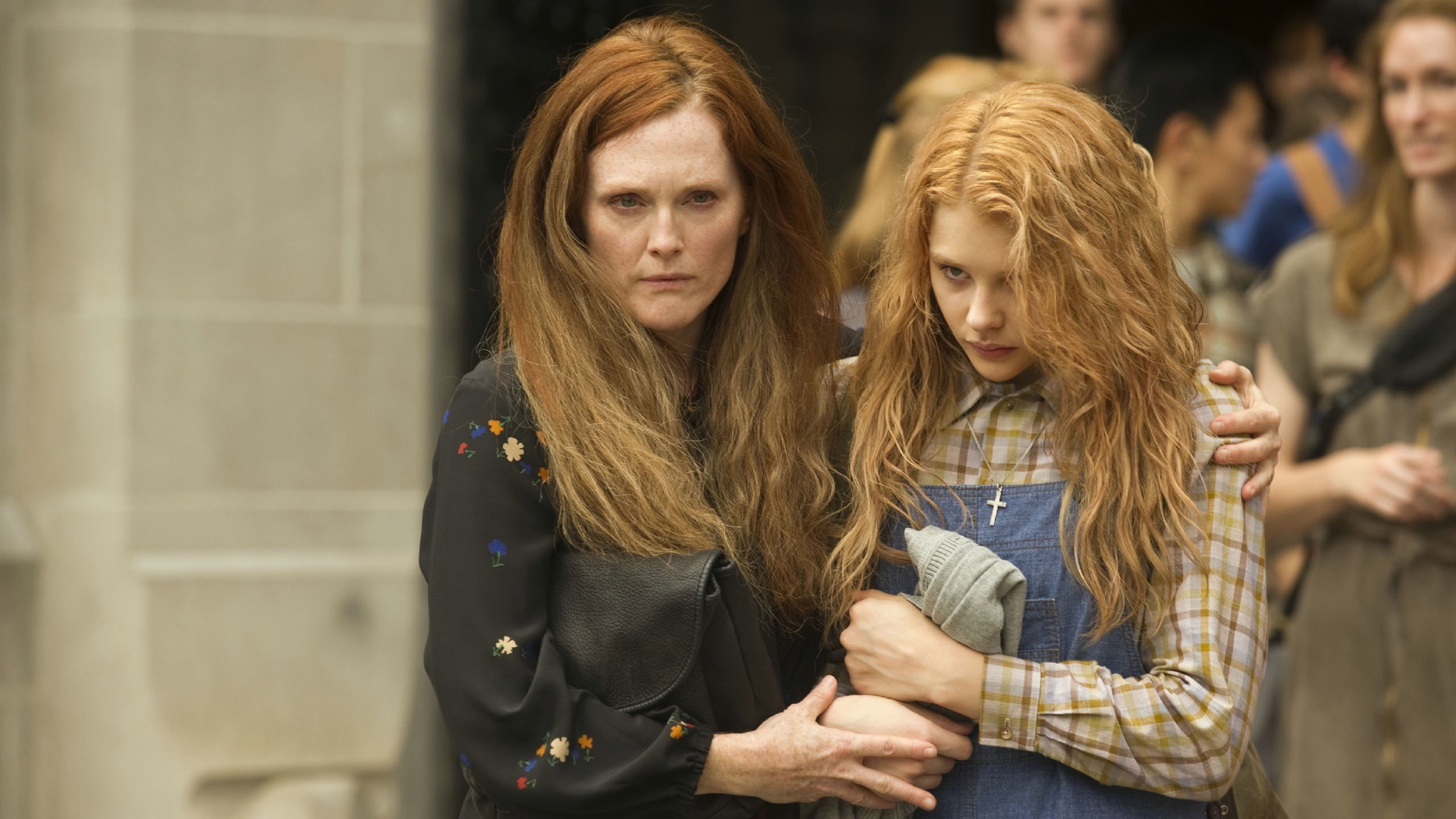
The opening is the best thing in it. Margaret White (Julianne Moore) gives birth alone in her bed, certain the pain is a cancer sent to kill her, and picks up the scissors when she sees what it is. We were more frightened by those two minutes than by anything at the prom, and the reason is Moore, who never raises her voice: this is a woman who has been told all her life that her body is a sin and has just had it confirmed. Carol Spier’s production design keeps the White house dim and brown, peeling paper and a crucifix in the closet, and the film is never as good again as when it stays there.
Moore carries the picture in every scene she is given. Her Margaret takes in alterations and hurts herself with the tools of the trade, and the film lets us see it as a habit rather than a shock. Some critics have called the performance too much. We would say the opposite: she is the only person here who has decided exactly how frightened to be.
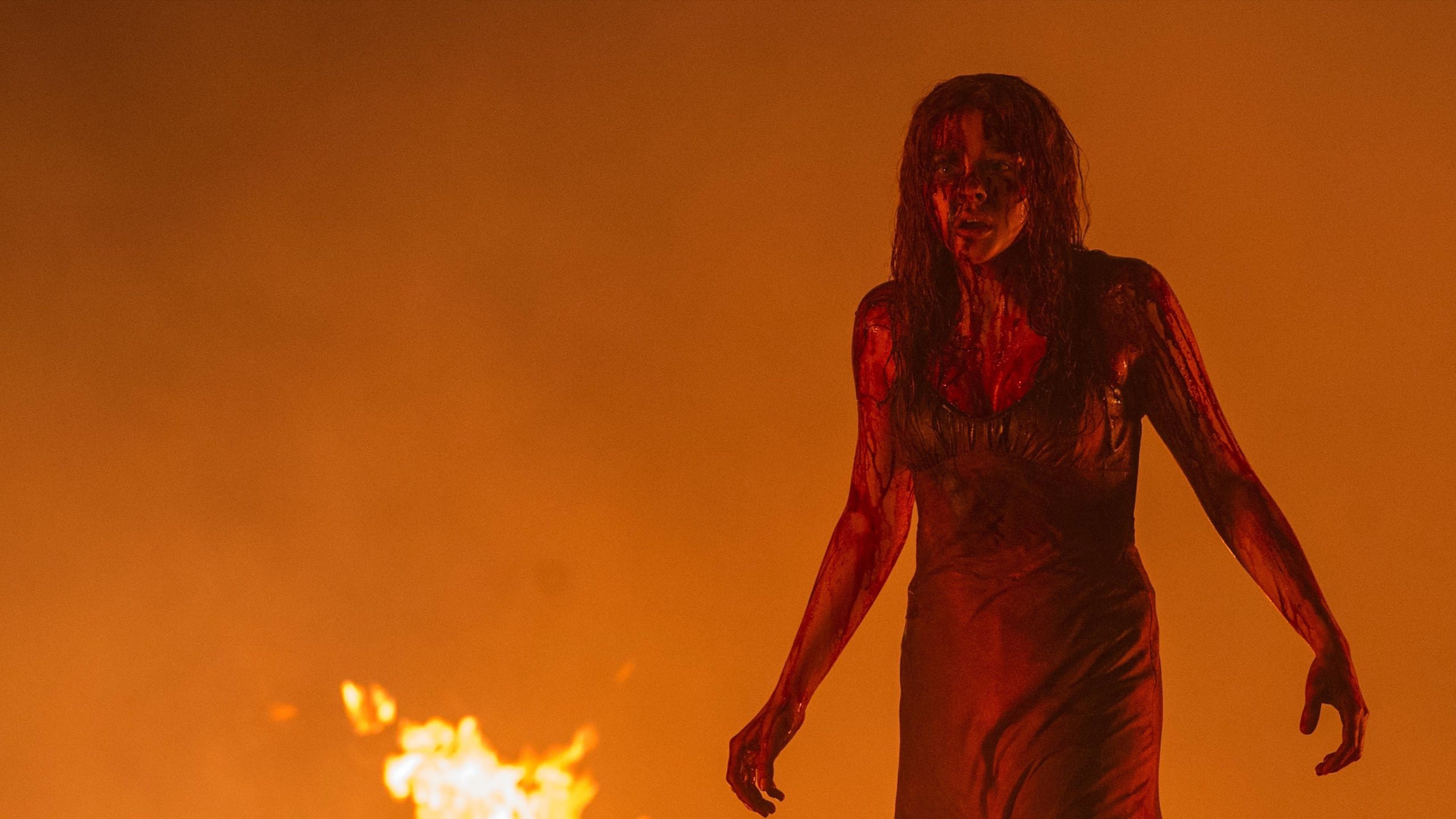
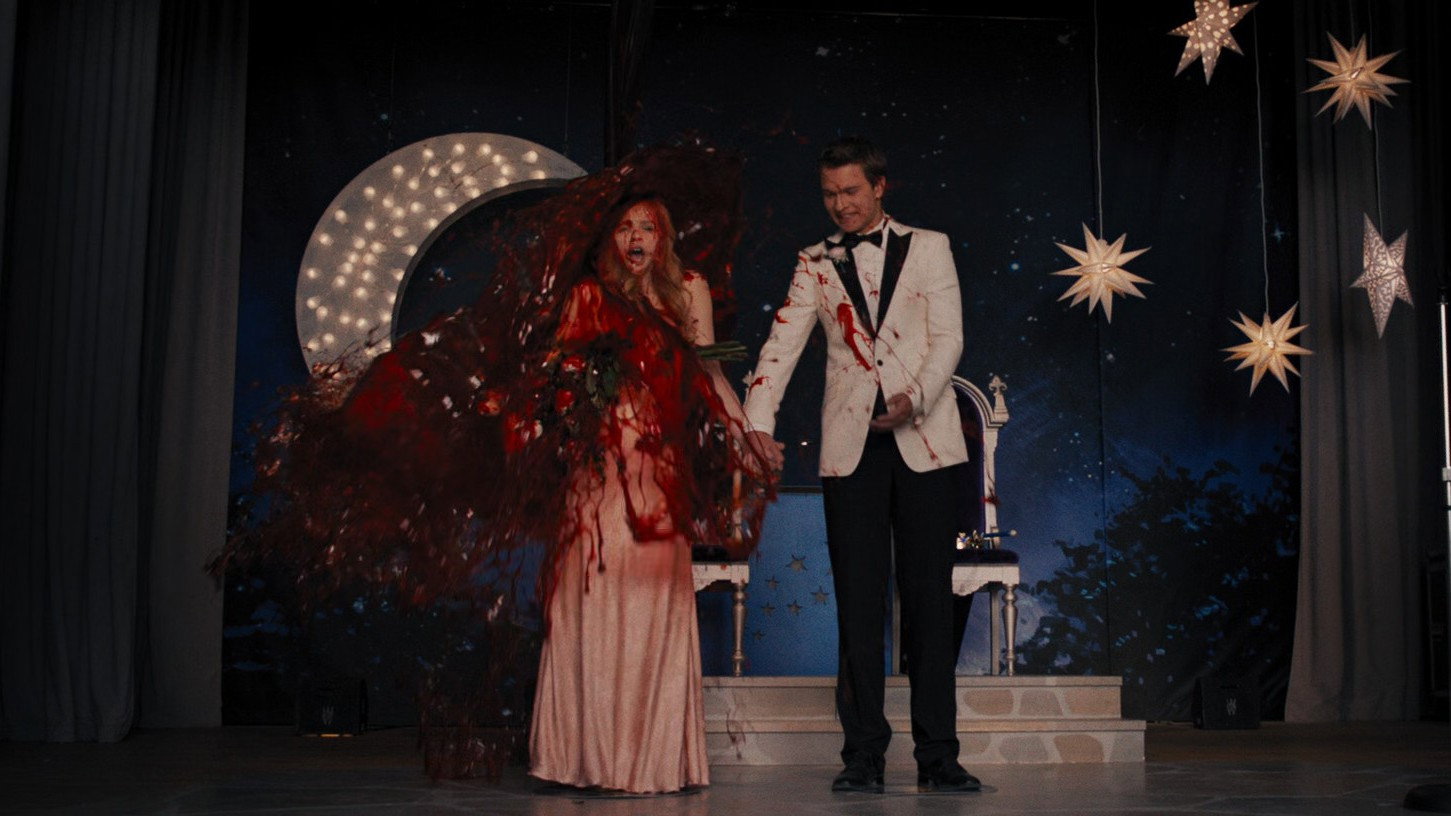
Moretz is the problem, and it is not her fault. She works hard, shoulders up, hair hanging, eyes on the floor. But she looks like a pretty girl made up to look plain, every other character treats her as if she were repellent, and the gap distracts throughout. The bigger difficulty is the script. This Carrie finds her power early, reads up on it, and practises in her bedroom until she can lift the bed. By the prom she is in charge of it. We watched her direct the destruction with her hands, like a conductor, and felt not horror but the interest we bring to a well-run stunt. The terror of the story is a girl who cannot control what is happening to her, and the film has quietly removed it.
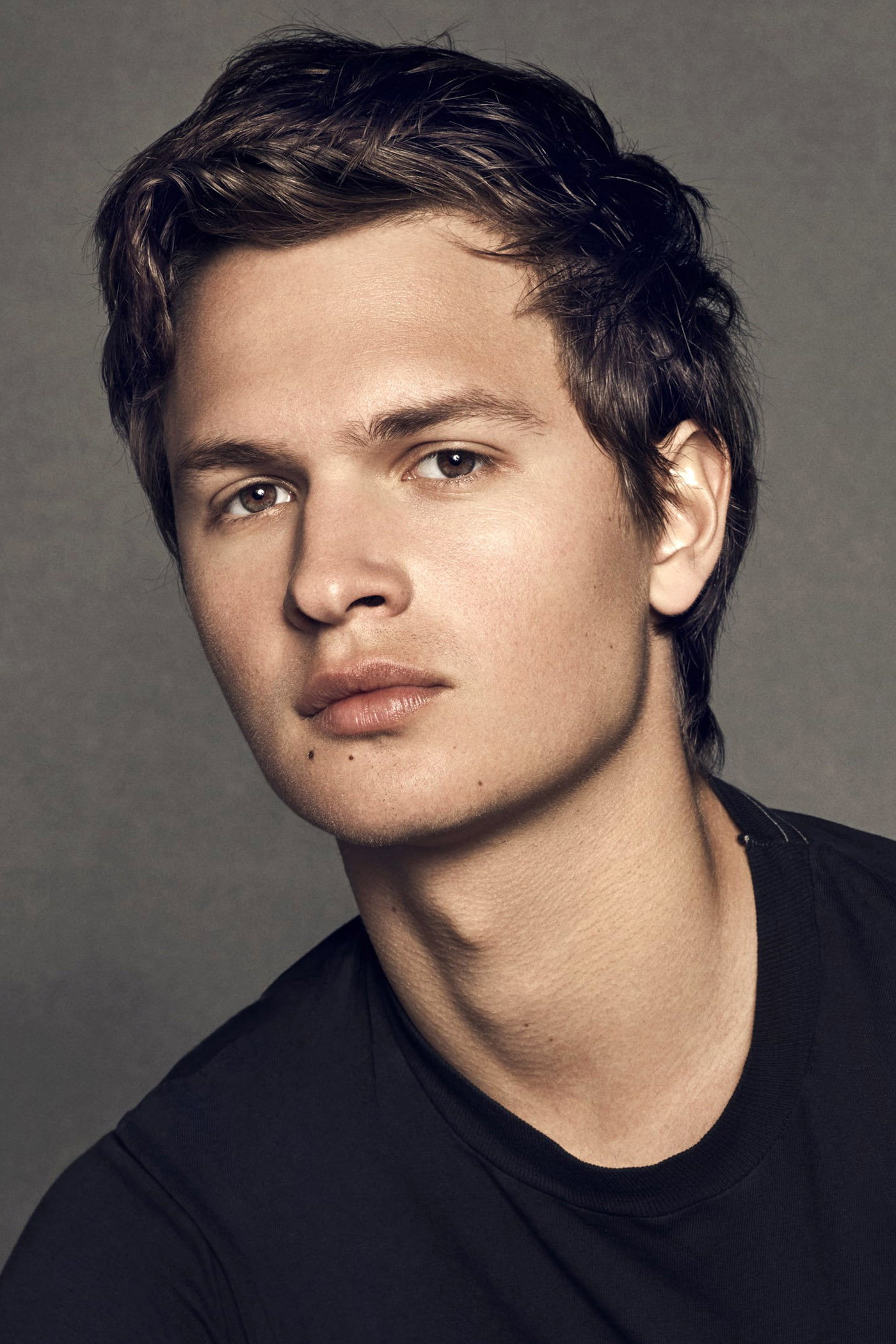
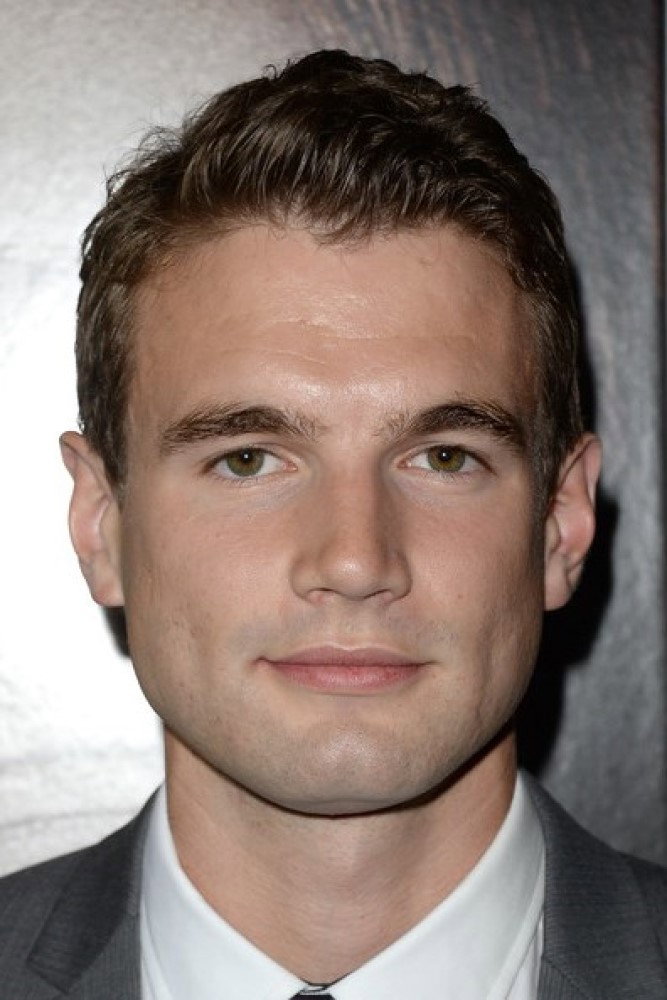
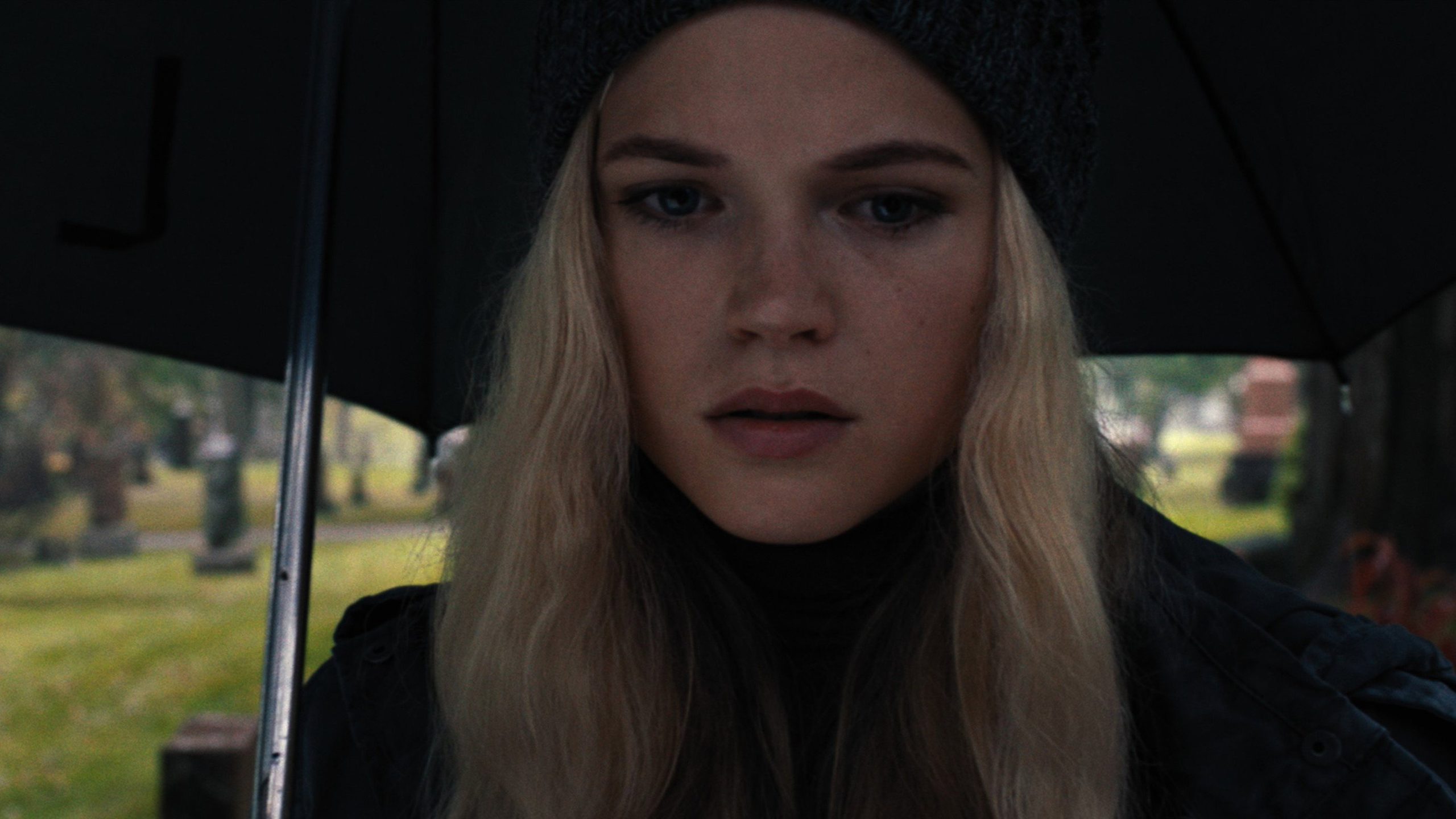
The school is thinly staffed. Judy Greer’s gym teacher Miss Desjardin is the one adult who behaves like one, and she gets the few laughs. Gabriella Wilde’s Sue Snell is decent and blank; Ansel Elgort plays Tommy Ross as so unfailingly nice that the film seems to have forgotten to give him anything else. Doubleday’s Chris has a phone and a grudge; Alex Russell’s Billy Nolan has a car and a sneer. Lee Percy and Nancy Richardson cut their scenes short, which keeps the pace up and stops anybody becoming a person.
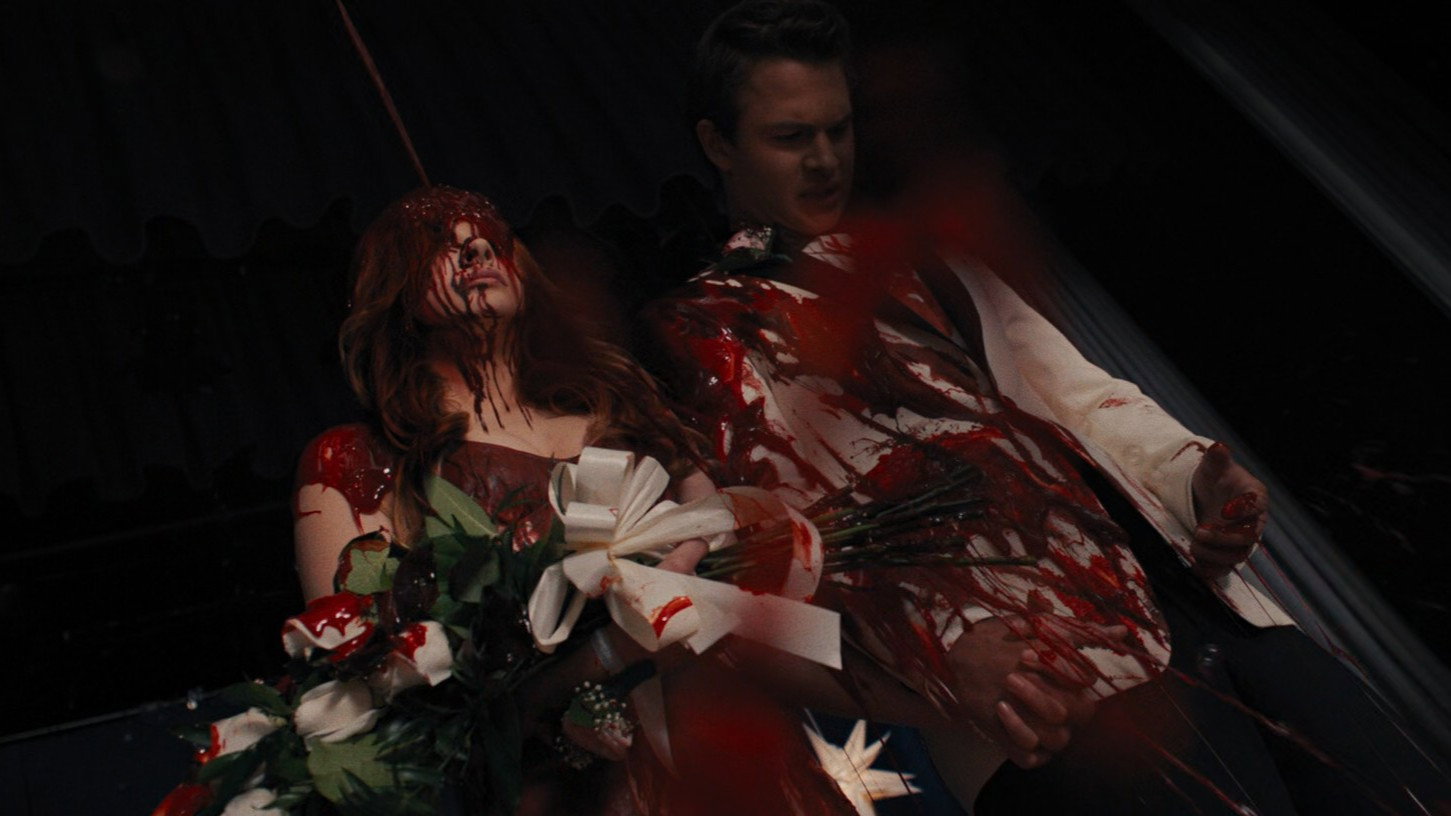
Steve Yedlin shoots the school in clean, even light and the house in shadow, the right idea, done without conviction. Marco Beltrami’s strings rise where you expect and settle where you expect. Luis Sequeira puts Carrie in a pale pink prom dress that photographs well against what follows, which we will not describe. The prom sequence itself is well made; it is the one stretch where the technical people were plainly allowed to work.
De Palma’s film was half in love with its heroine and half afraid of her. Peirce’s is sorry for her from first minute to last, and pity does not drive a horror film far. Most critics landed near where we have, split between those who found it dull and those who found it decent, with hardly anyone who found it frightening.
See it if you have never seen the 1976 film and want the story told straight; Moore is worth the evening on her own. If you have, you will spend 101 minutes noting what has been moved and what has been left out, which is a strange way to spend a Saturday night.