Dakota Johnson brings wit and curiosity to a romance that keeps confusing control with allure. Sam Taylor-Johnson gives the material a careful polish, but the repetitive courtship and subdued sex make this difficult to recommend.
Fifty Shades of Grey is a disappointing erotic romance with a good performance at its centre. Sam Taylor-Johnson, directing Kelly Marcel’s adaptation of the novel by E.L. James, takes Anastasia Steele’s interest in Christian Grey seriously, which is a sound place to start. The trouble is that the film struggles to make his appeal felt once the expensive surroundings have registered. We can understand curiosity about a man who wants to negotiate intimacy through a contract; spending 125 minutes with him requires rather more persuasion.
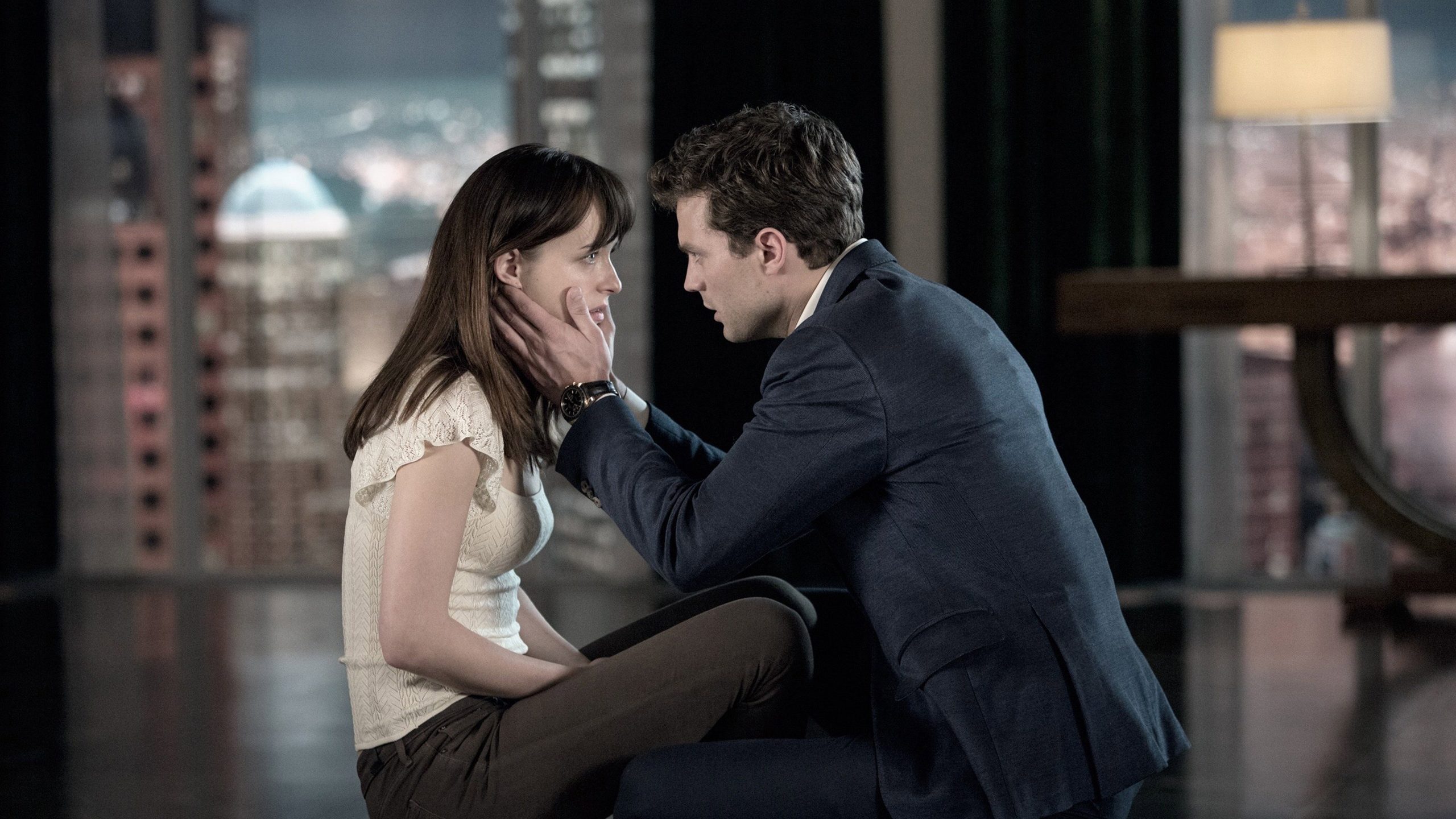
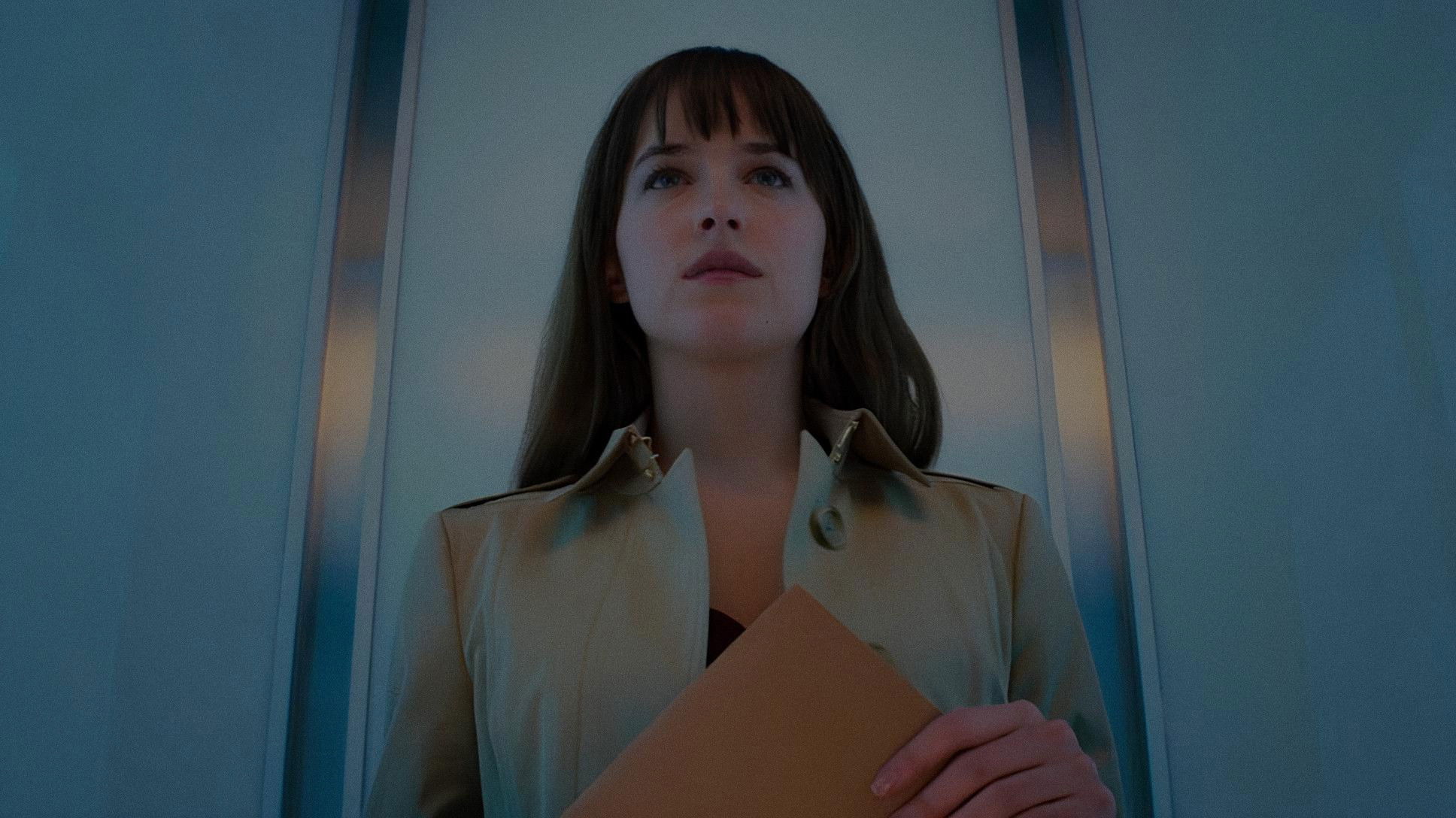
Dakota Johnson supplies much of what is missing. She makes the first meeting awkward without making Anastasia seem empty-headed, and her humour briefly gives the attraction a sense of pleasure. We laughed during the contract discussions, because Johnson makes Anastasia’s questions sound sensible beside Christian’s solemnity. It matters that she can consider what he proposes and find parts of it faintly ridiculous; we have someone on screen capable of an opinion, rather than simply waiting for instruction.
Jamie Dornan has a less rewarding task, and does less to rescue it. His Christian maintains such a firm seriousness that the role has little room for surprise, despite Johnson’s efforts to provoke a response. Keeping a character closed off can create tension, but here it too often means watching one performer supply the curiosity for both of them. The dialogue does not help: Kelly Marcel gives the pair plenty to discuss about their proposed arrangement, yet their conversations become less revealing as they accumulate.
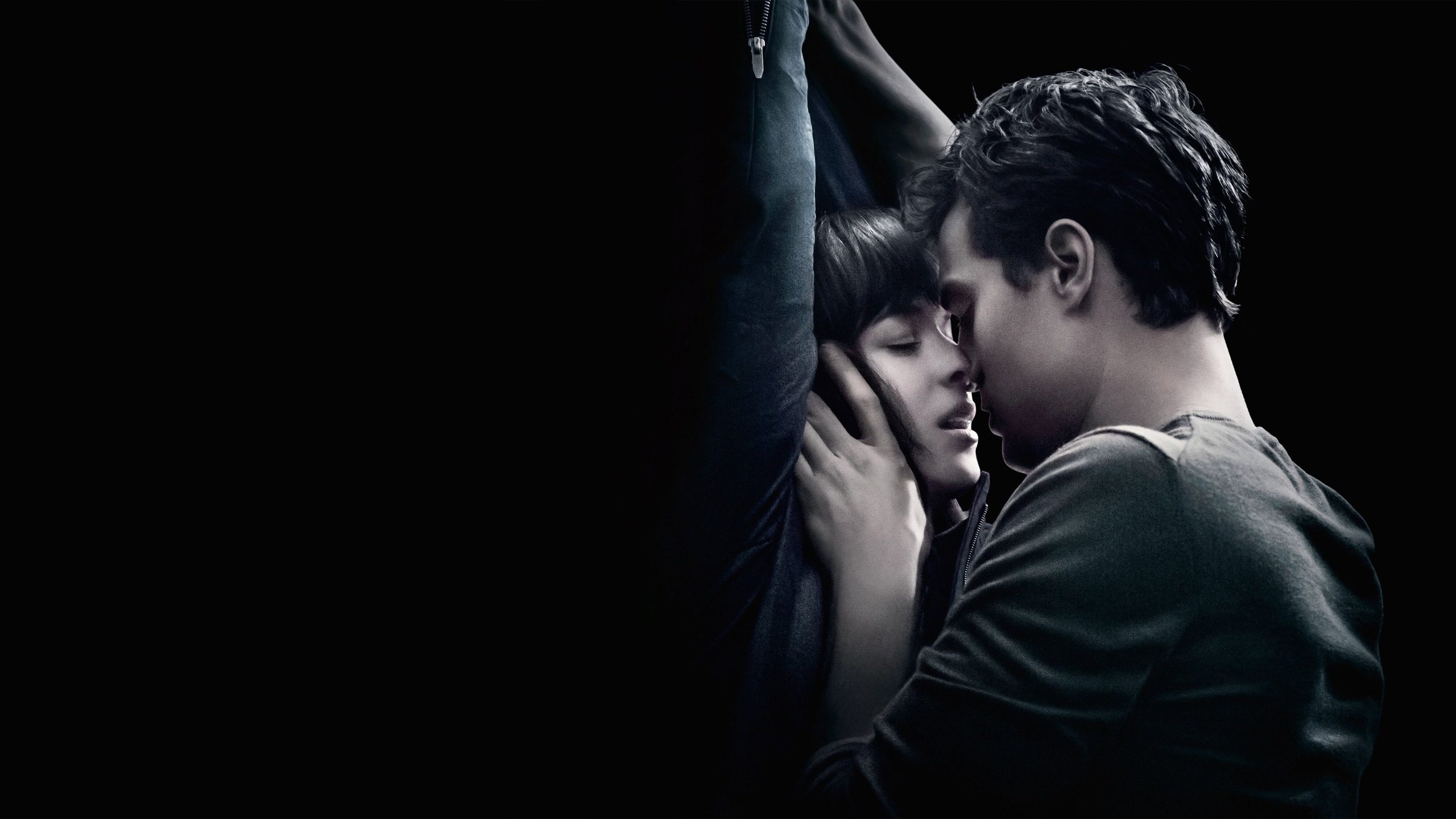
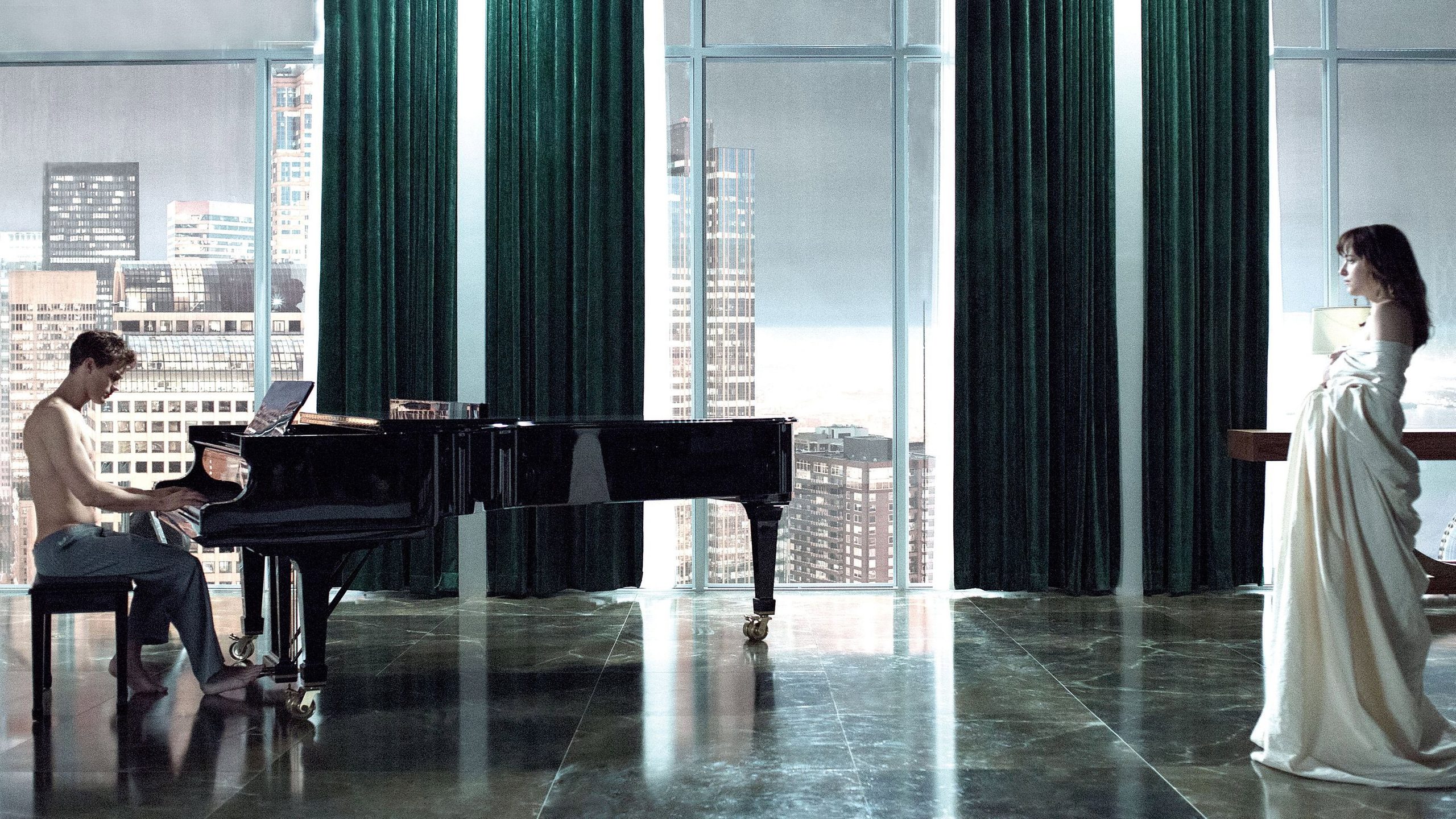
Seamus McGarvey’s cinematography is controlled and flattering, particularly in the discreet handling of bodies, and we would not mistake that restraint for incompetence. The difficulty is that the images remain so carefully composed that the sex seldom feels spontaneous. David Wasco’s production design makes the luxury credible and gives the eye something to settle on when the conversations stall. There is nothing wrong with enjoying handsome surroundings in a romantic fantasy, though here they become a substantial part of Christian’s personality. Danny Elfman’s music encourages us to take the attraction seriously, without supplying the excitement missing between the actors.
Lisa Gunning, Anne V. Coates and Debra Neil-Fisher share the editing credit, and the larger difficulty is repetition rather than confusion within scenes. Encounters give way to disagreements, then another encounter starts the same discussion again. At first, this seems a reasonable way to show two people testing what they can accept. After a while, the questions stop developing, and the film keeps asking us to invest in a relationship it has given little fresh reason to care about.
As an erotic romance, it need not provide a model of sensible behaviour, and sexual fantasy is allowed its improbabilities. The problem is that its pleasures are so cautious while its treatment of power remains muddled. Taking Anastasia’s desires seriously ought to mean giving her uncertainty as much attention as Christian’s rules, and Taylor-Johnson only intermittently manages that. We wanted more time to understand what Anastasia enjoys about this particular man beyond the attention he pays her.
Anyone drawn to the premise may find enough in Johnson’s performance to tolerate the stops and starts. There are flashes of a more playful film in the exchanges, and we wished Taylor-Johnson had followed them further. The 18 certificate should not be mistaken for a promise of daring. For an evening that depends on erotic tension, we would look elsewhere.