Tom Hanks gives this technically accomplished fable warmth and a welcome lack of condescension. But Robert Zemeckis lets it run too long, and its comforting account of American history leaves too much unexamined.
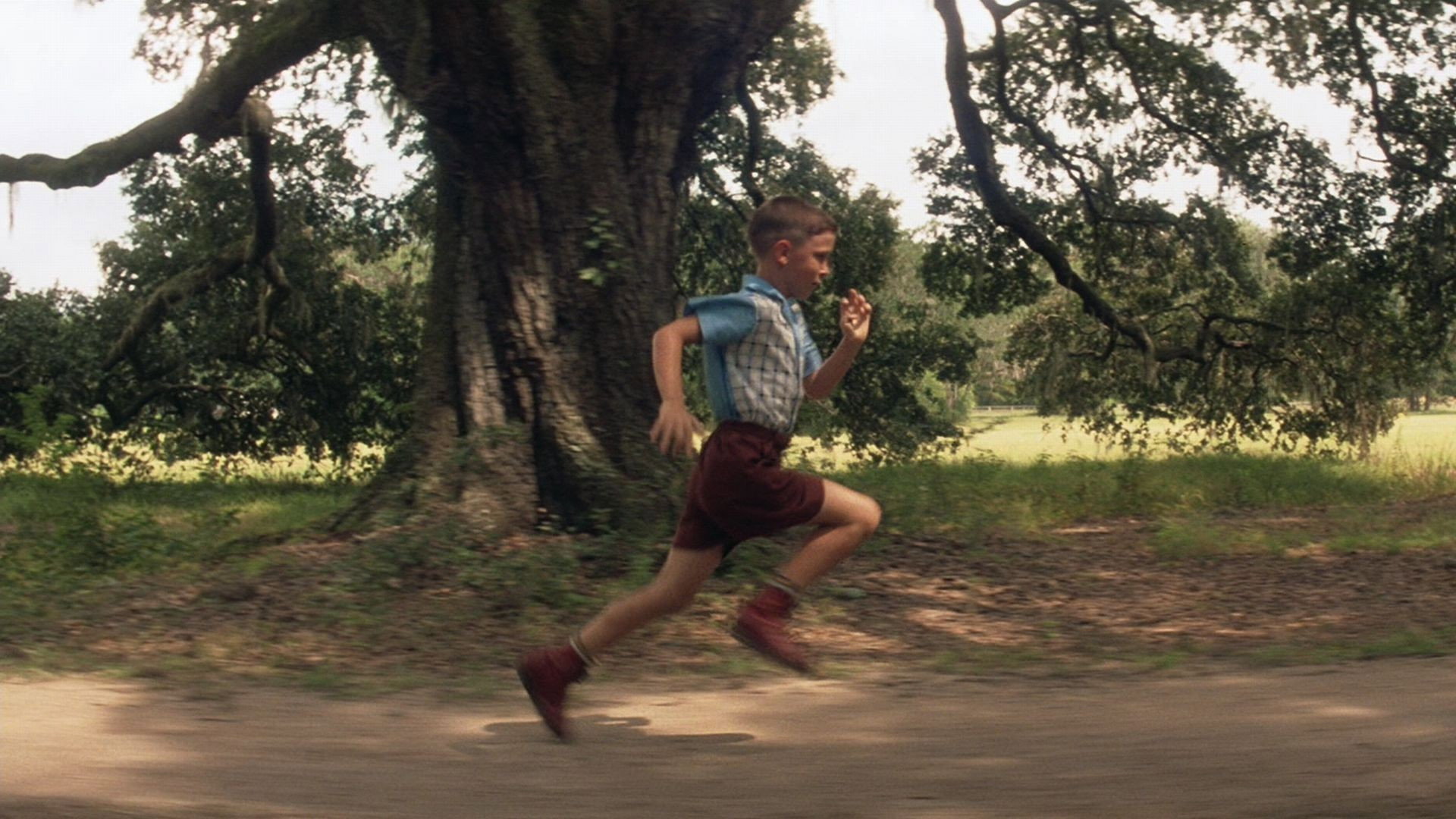
Robert Zemeckis asks us to follow an innocent through upheavals in American history and to value the decency that survives the journey. Forrest Gump is easy to like in stretches, chiefly because Tom Hanks makes Forrest such agreeable company. It is also overlong and too satisfied with the comforting lessons it draws from difficult subjects. The comic encounters work better than the attempts to make Forrest’s uncomprehending progress explain something about the country around him.
Hanks gives the part a directness that keeps its sweetness from becoming unbearable. He does not invite us to feel cleverer than Forrest, or turn every misunderstanding into a plea for sympathy. We laughed at his appearances inside historical footage, because his deadpan manner makes these improbable meetings seem perfectly ordinary to him. The effects are ingenious, but Hanks avoids the knowing manner that would spoil the joke. His performance gives us someone to care about even when the film seems content merely to keep moving.
Don Burgess’s photography helps the manufactured encounters sit comfortably beside the rest of the film; Forrest looks no less solid when the footage around him belongs to another time. Rick Carter’s production design makes the changes of period easy to read, so the comedy need not pause to explain where Forrest has landed. That clarity is useful, although Zemeckis makes this changing America rather too easy to pass through. We are seldom encouraged to look beyond the historical encounter to the people who cannot simply move on to the next episode.
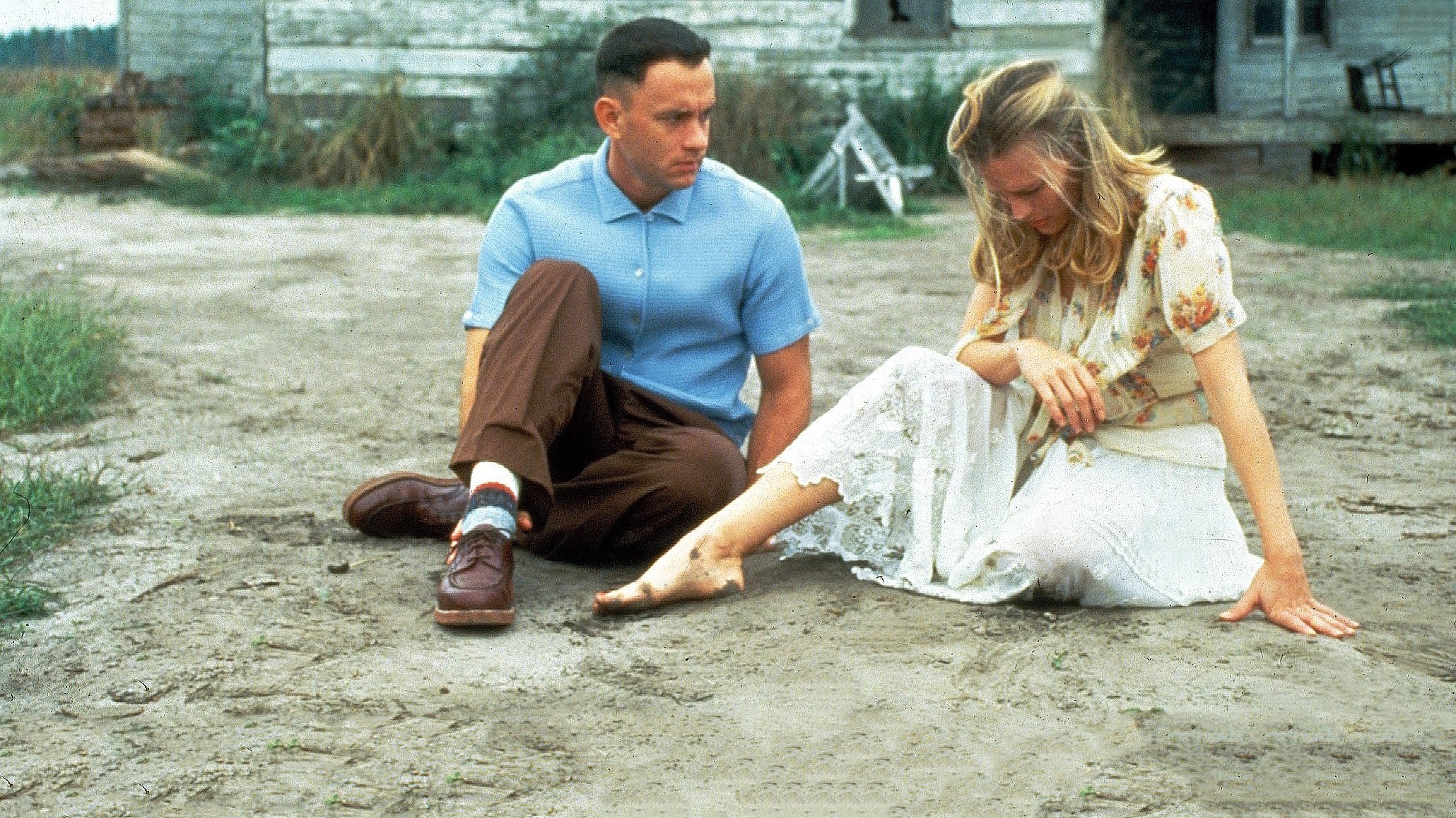
Eric Roth’s screenplay, adapted from Winston Groom’s novel, is much less persuasive when it sets Forrest’s innocence against Jenny’s involvement with the counterculture. The contrast makes Forrest’s lack of curiosity look like sound judgement, and other people’s attempts to change their lives look suspect. That is a cramped way of thinking about a country, even for a fable. Robin Wright gives Jenny enough emotional weight to trouble that easy division, but the writing keeps pushing us back towards Forrest’s reassuring view.
Arthur Schmidt’s editing keeps the individual episodes clear and often gives Hanks’s comedy just enough time. What it cannot do is make each new historical encounter feel necessary to the last. At 142 minutes, the succession becomes tiring: another setting, another brush with history, another opportunity to admire Forrest’s goodness. There is not enough development between these episodes to justify their number, and the emotional emphasis grows heavier as the structure grows more obvious.
Alan Silvestri’s score contributes to that pressure by underlining feelings the performance has already made plain. Its tenderness is effective in isolation, but the repeated encouragement to be moved leaves too little space for a quieter response. A sentimental comedy has every right to ask for tears; our objection is how insistently this one asks. Hanks has the patience and sincerity to earn them without so much assistance.
There is enough good acting and technical ingenuity here to justify an evening for anyone fond of an expansive, sentimental fable. We would be less keen to recommend it to someone looking for much insight into the history it borrows. Go for Hanks, and allow yourself to remain unmoved when the music decides it is time.