Anurag Kashyap’s fierce, funny crime saga is worth the concentration it demands. The performances and music keep its feuding families compelling, even when the crowded plotting makes it hard to keep track of them.
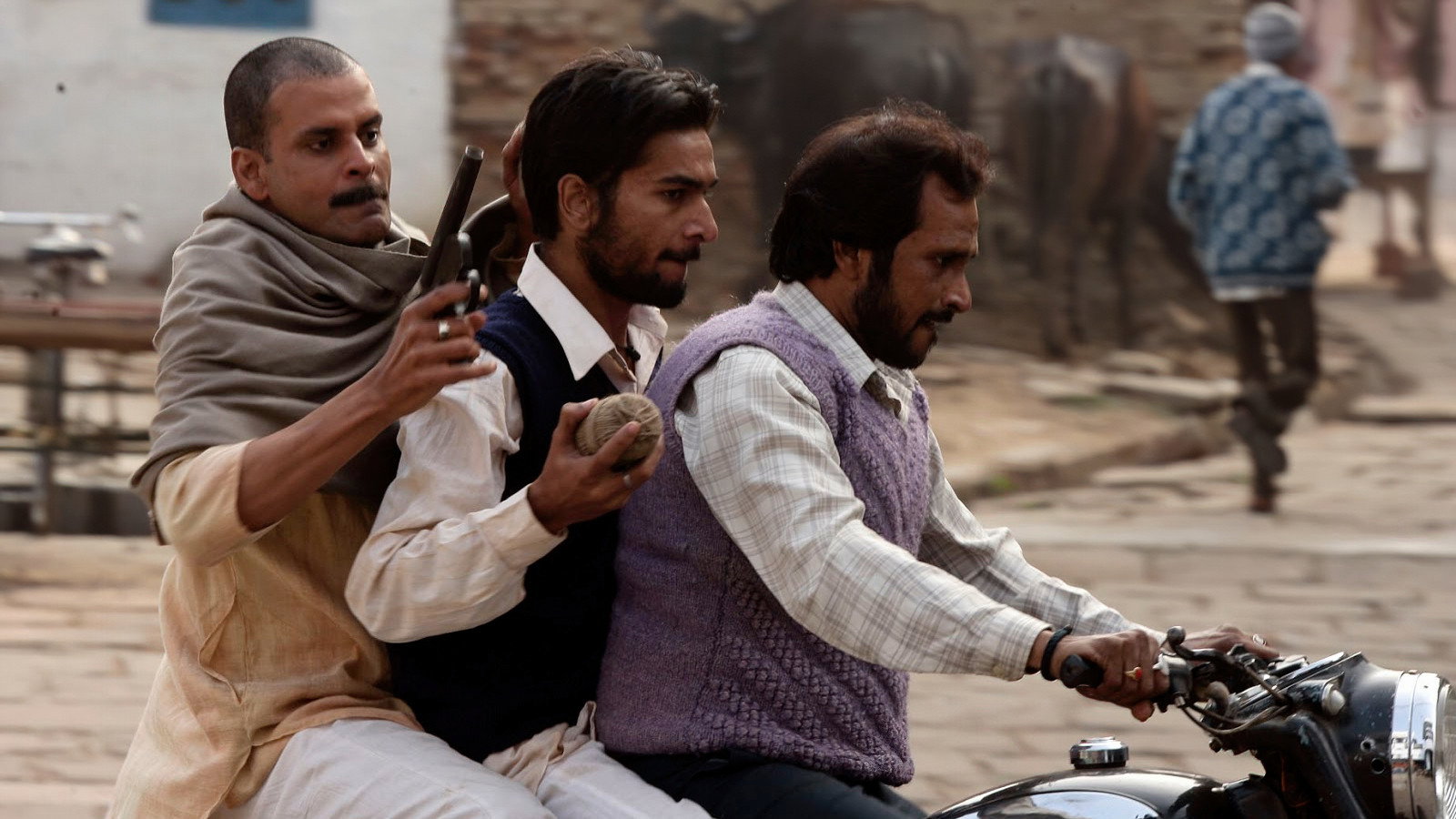
Gangs of Wasseypur – Part 1 is a violent, funny and demanding crime film, and we recommend it with one practical warning: keeping track of the families takes concentration. Anurag Kashyap follows revenge through a mining town where criminal ambition, political influence and domestic life are closely entangled. He gives family dealings as much attention as the gunfire, which is the right decision. The men may think their grudges deserve everyone’s attention, but the people living alongside them have their own concerns.
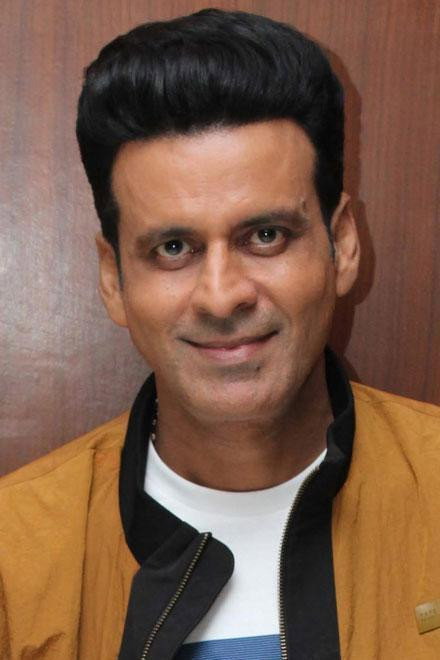
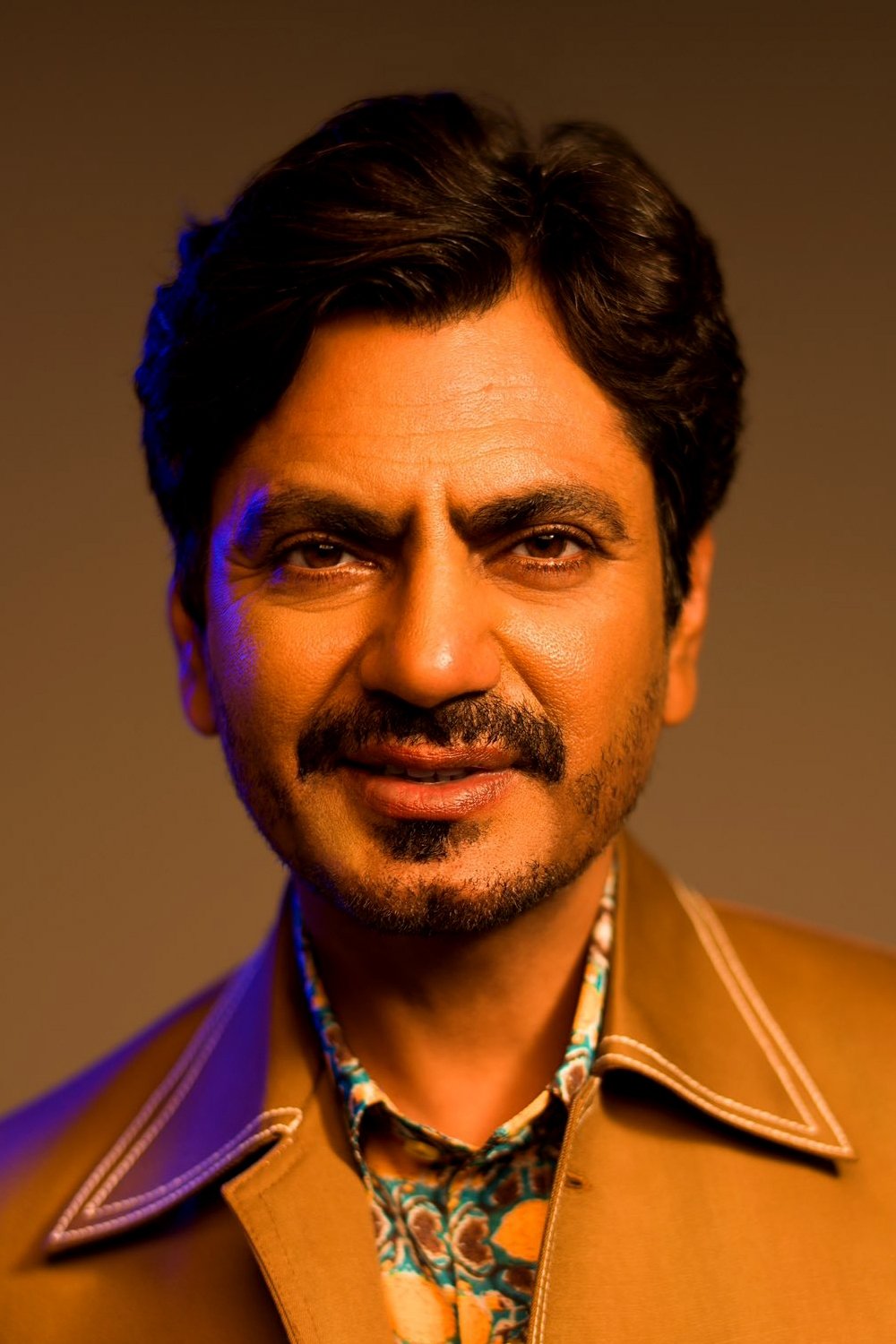
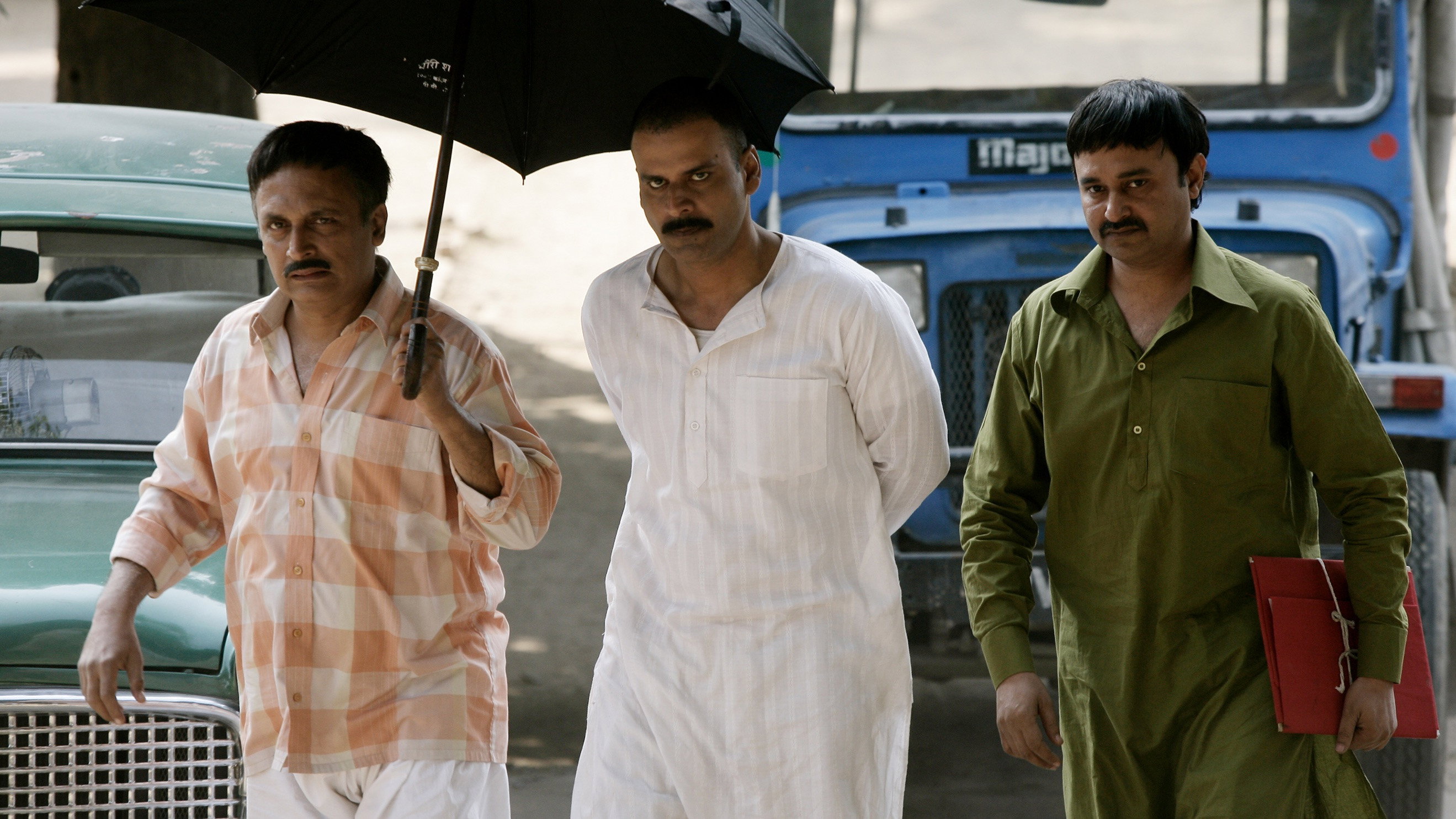
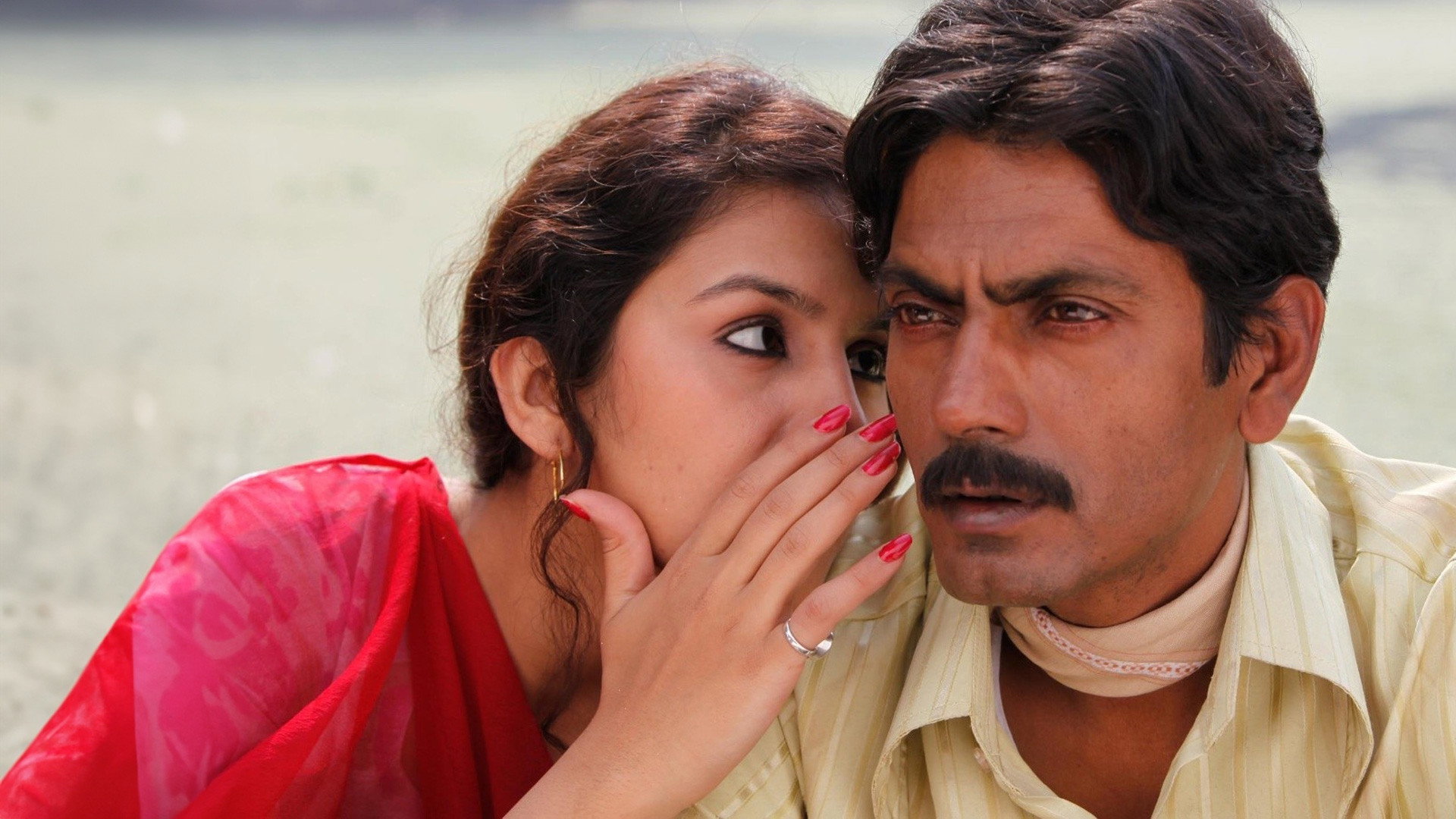
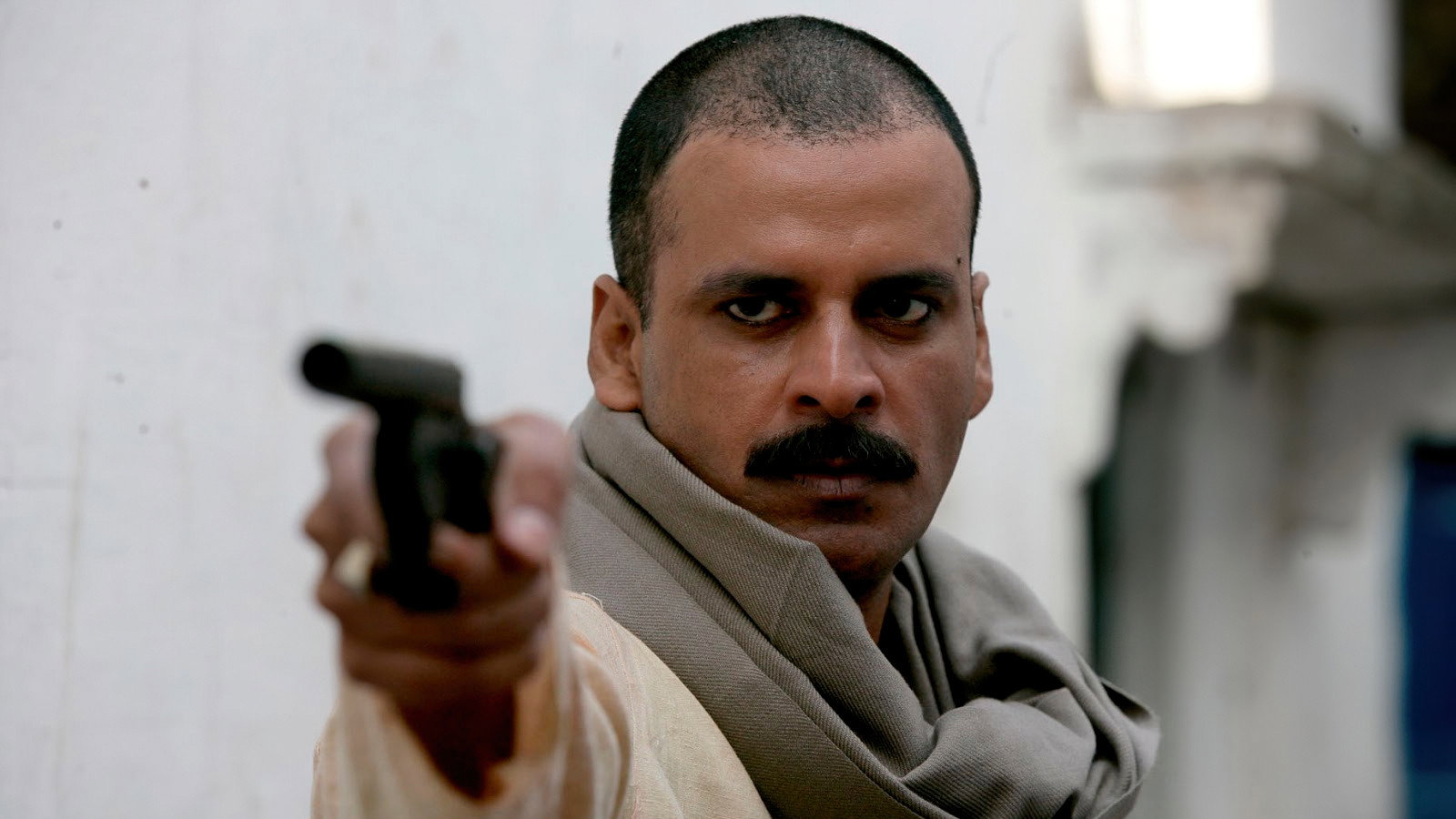
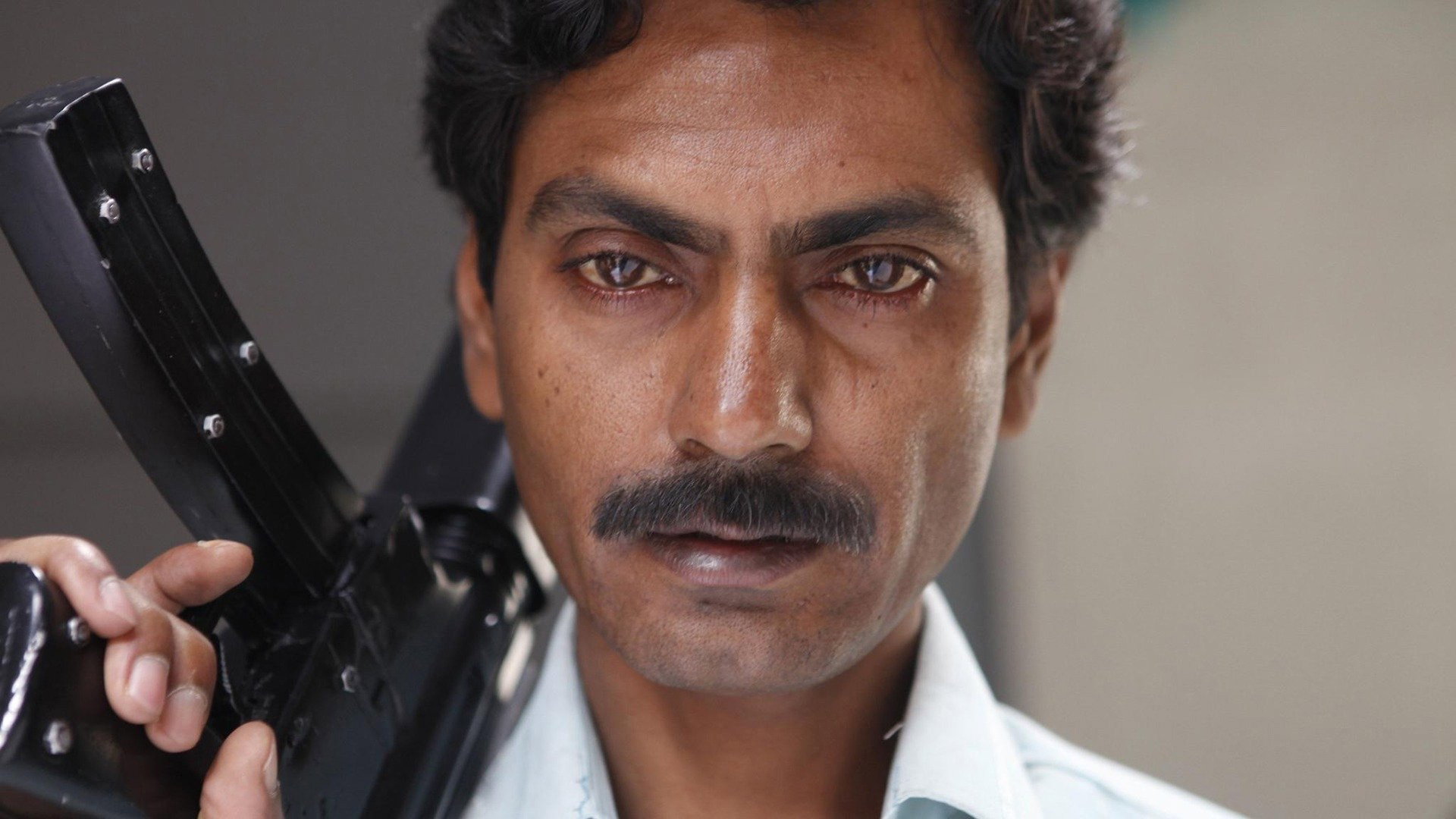
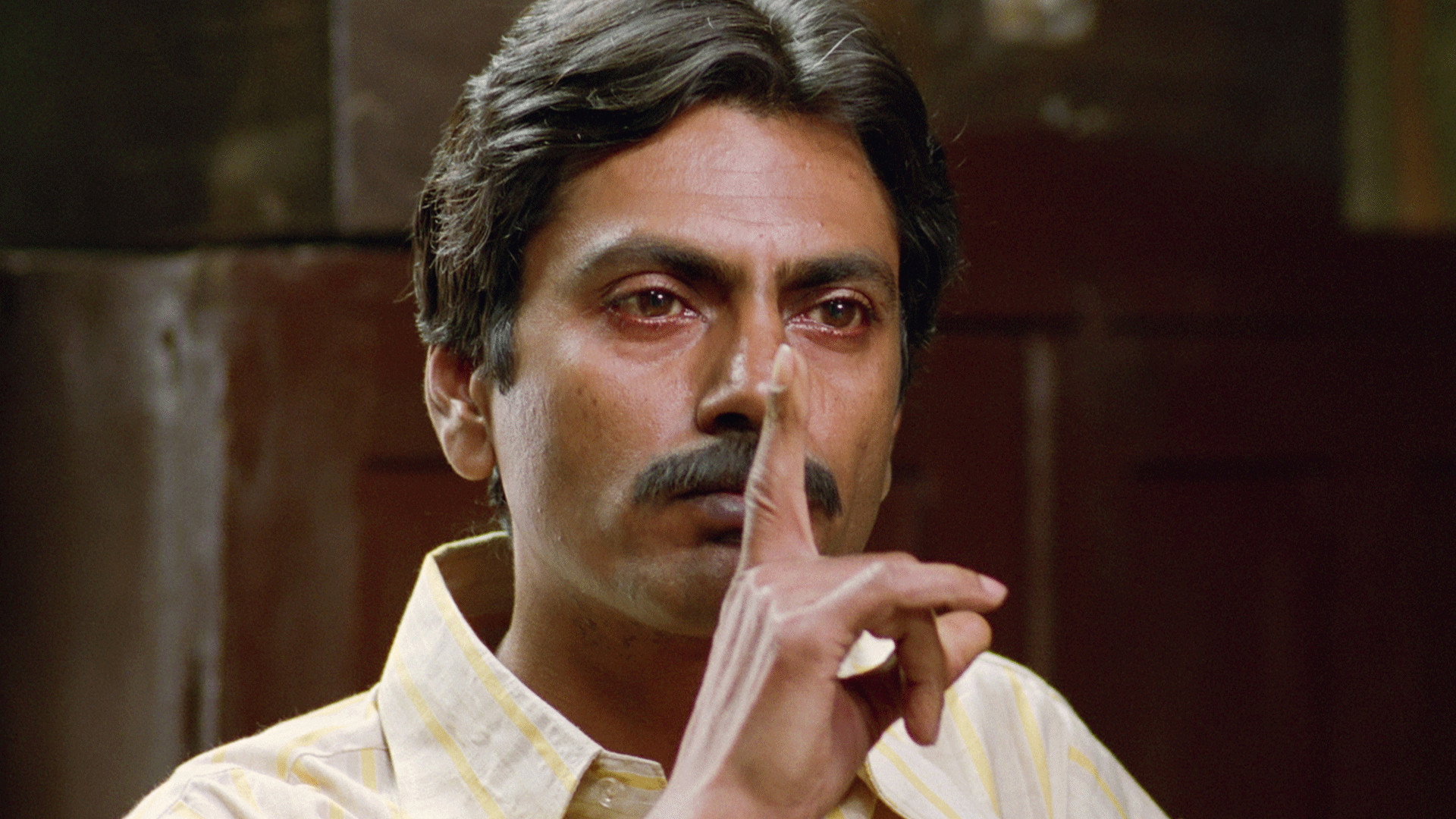
Manoj Bajpayee gives Sardar Khan a swagger that is funny without making him harmless. He can hold our attention through sheer insistence, which is useful in a story with so many people competing for it. Richa Chadha, as Nagma, makes the family exchanges matter; her presence stops them feeling like intervals between more important criminal appointments. Nawazuddin Siddiqui’s Faizal Khan adds to a strong ensemble, although the film’s pace leaves some of its other faces less firmly established.
Rajeev Ravi’s gliding camera movements make the action easy to follow even when the revenge plotting is not. There is pleasure in that fluency, and Kashyap is willing to make the pleasure uncomfortable. We were horrified by the casualness of the gunplay: the brisk, matter-of-fact staging makes killing look like something these people have fitted into an ordinary day. The violence is brutal, but the lack of ceremony around it is what makes it linger.
Wasiq Khan’s production design helps make Wasseypur feel like a working town rather than a place built for gunfights. That matters because Kashyap and co-writer Zeishan Quadri are interested in how crime fits into ordinary social life, including the political arrangements that allow it to continue. The family exchanges are particularly good at puncturing the men’s importance. Their earthy dialogue gives people something to do besides announce their loyalties, and lets the humour arise from their dealings with one another.
Shweta Venkat Mathew’s editing keeps the film moving across its generations, and the 160 minutes rarely feel padded. The cost is that a new name or grievance can arrive before the last has settled in our memory. A little more room around some introductions would help, particularly when several strands are competing for attention. Kashyap and Quadri occasionally hurry past people whose place in the feud needs establishing more clearly, leaving the actors to make them memorable in the time available.
Sneha Khanwalkar and G. V. Prakash Kumar’s music gives the film another source of energy, with an eclectic soundtrack that is allowed to interrupt solemnity. The songs do not require the story to stop for song-and-dance routines. Their changes of mood suit a film that keeps humour close to brutality, and the music helps the long narrative stay lively. It also supplies welcome changes of pace when the succession of feuds begins to feel relentless.
Against the gangster genre’s habit of making criminal power look enviable, Kashyap gives useful weight to the family complications and political corruption. Even its charismatic men belong to an ugly, unstable way of life, and the humour does not make that life look easier. There is enough character, music and movement here to reward the concentration, but this is not a film for half-watching. Keep the phone out of reach; there are enough names to remember already.