Zach Braff’s uneven homecoming comedy is worth seeing for Natalie Portman and Peter Sarsgaard. Its humour and tenderness survive a script that becomes too pleased with its own discoveries.
Garden State is a likeable, uneven homecoming comedy whose cast makes the familiar story worth an evening. Zach Braff writes, directs and plays Andrew Largeman, a struggling actor returning to New Jersey for his mother’s funeral. He wants to show how an emotionally numb young man might begin taking an interest in other people again. The humour is gentle, and for a while that seems exactly the right approach to someone who has trouble feeling much at all.
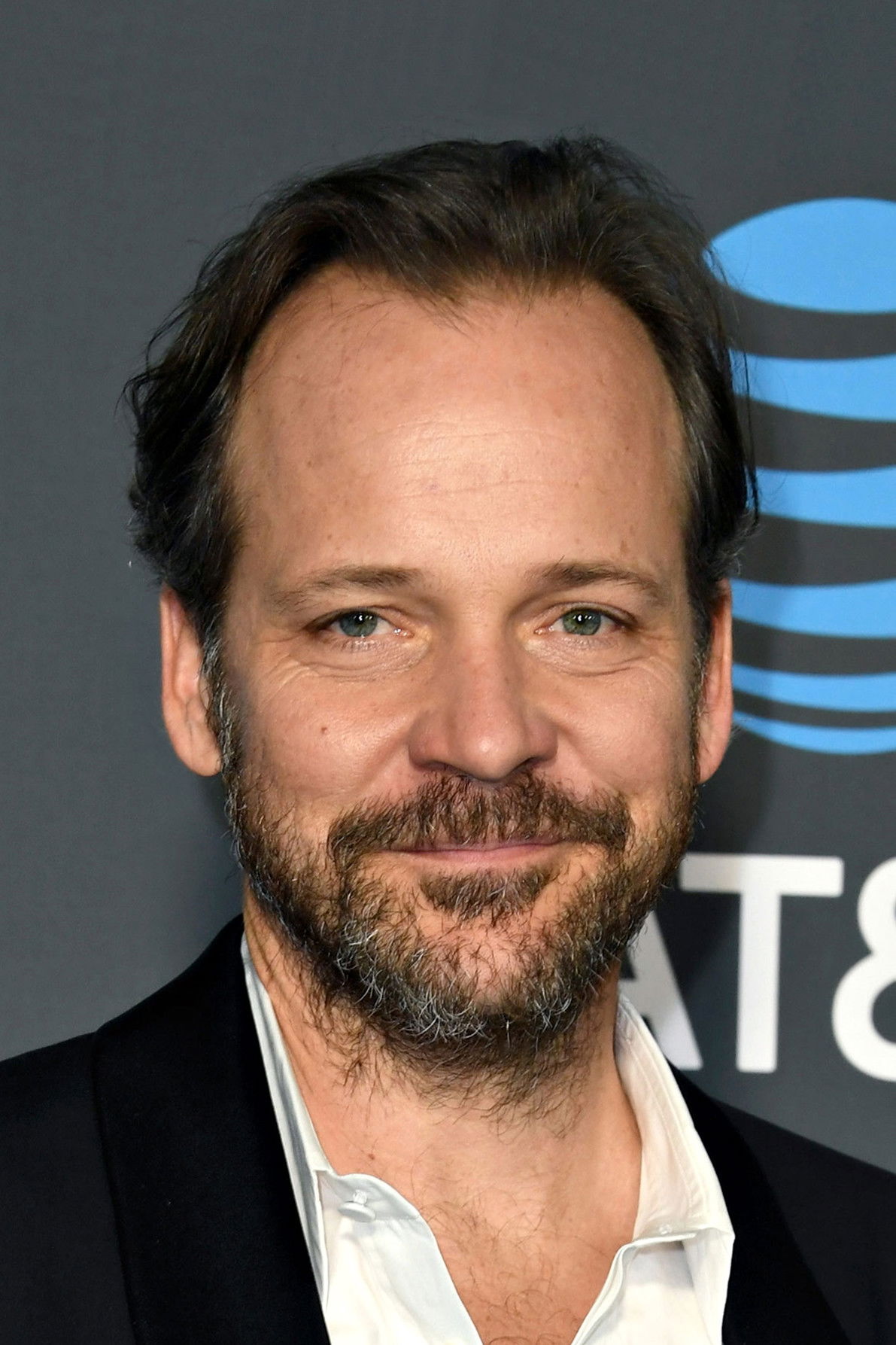
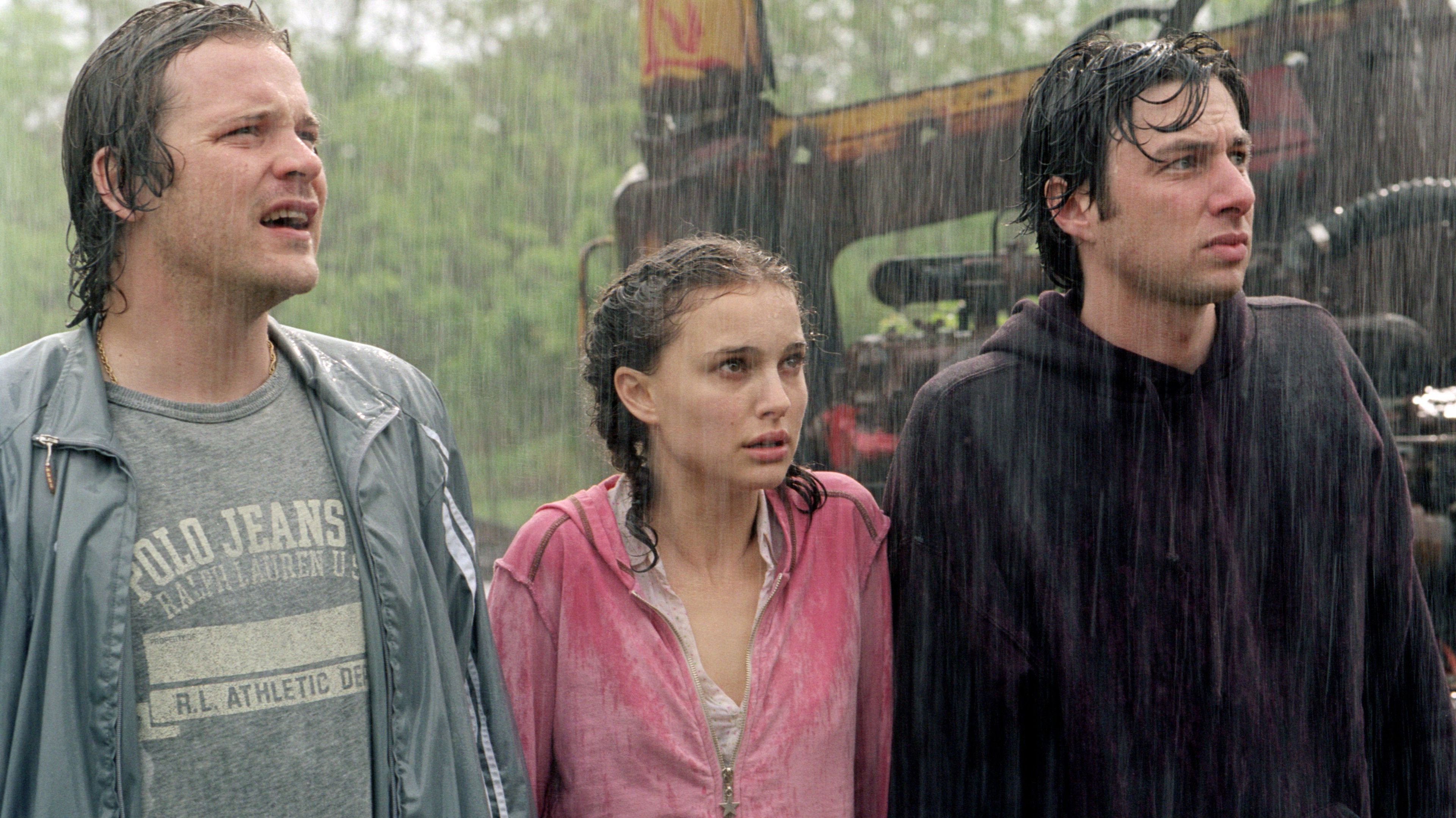
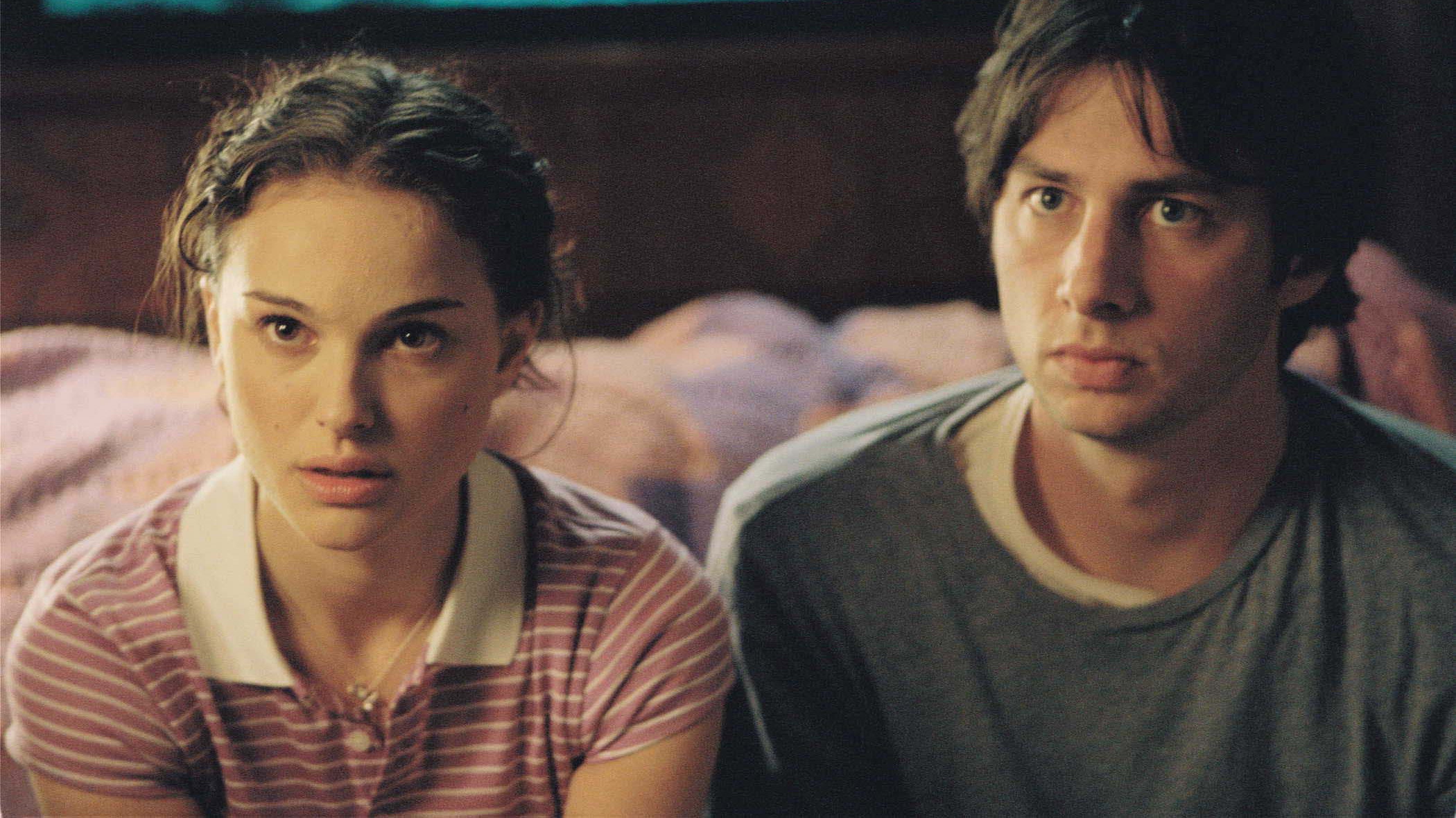
Braff’s performance suits the material’s hesitancy, although Andrew can be a limiting centre for a film so interested in unusual people. Peter Sarsgaard, as Mark, supplies a welcome resistance to the sweetness. There is something pleasingly unforced about him amid Braff’s more conspicuous efforts to be offbeat. A homecoming comedy needs its supporting characters to seem capable of carrying on when the visitor leaves, and Sarsgaard gives us that impression without making a fuss.
Natalie Portman does more demanding work as Sam, the woman with whom Andrew begins a romance. We were moved by Sam’s eagerness to connect: Portman plays it with enough uncertainty to suggest how easily she could be hurt. The performance gives the romance a tenderness that the writing cannot always supply. Braff asks Sam to do too much of the work of helping Andrew recover, and does not give her feelings the same attention.
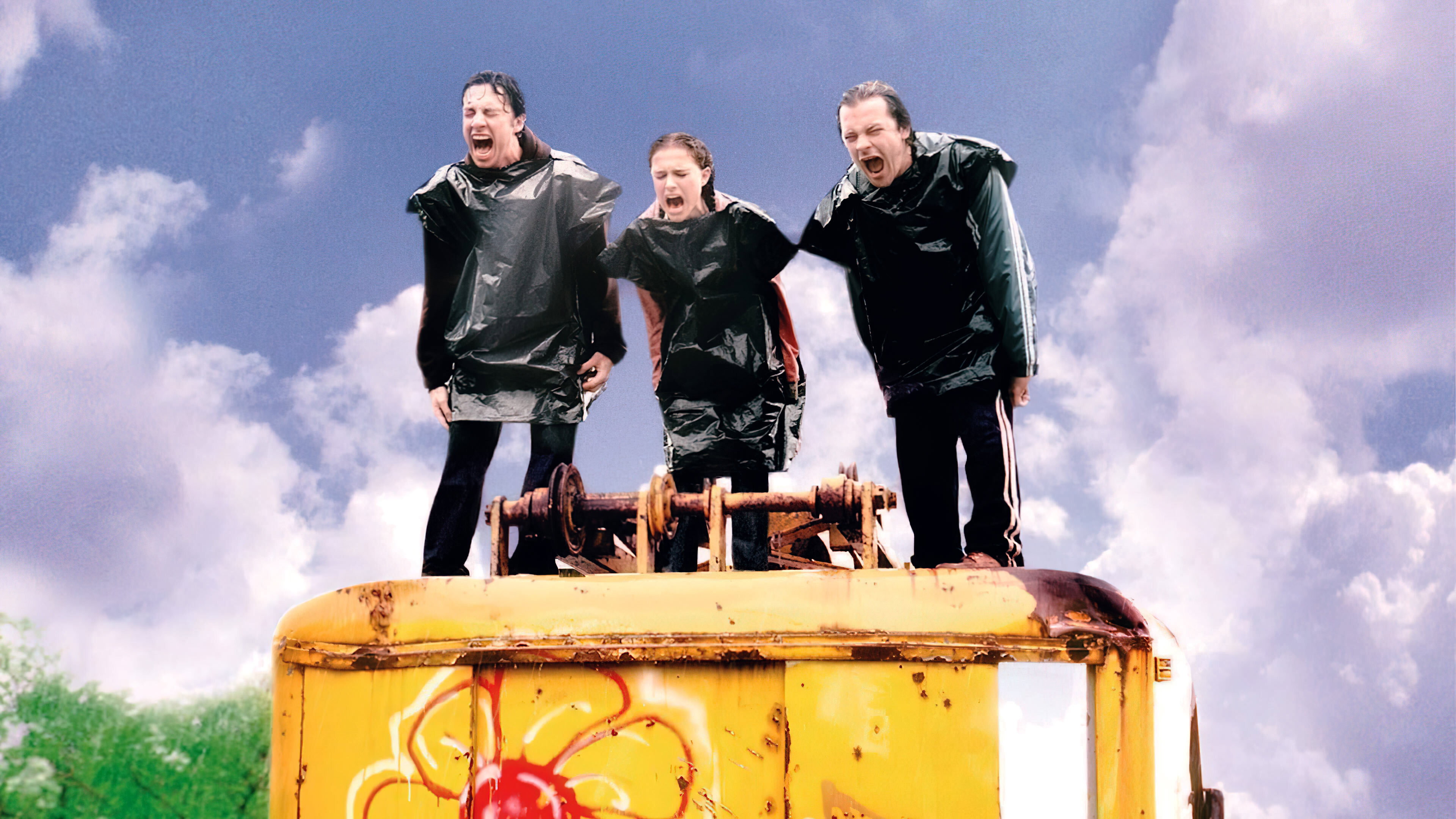
Lawrence Sher’s cinematography makes suburban New Jersey look worth returning to, helping us understand the attraction of a place Andrew has dreaded revisiting. Judy Becker’s production design gives those surroundings an inviting familiarity, so home never feels entirely lost to him. Both contribute to the film’s welcoming quality, though the carefully arranged oddness can make its discomfort seem a little too easy to live with. We need to feel what Andrew dislikes about being here, too.
Myron Kerstein’s editing allows the comic diversions room, and several of those digressions have more life than the main story. The episodic shape is not a problem in itself. The difficulty is that Braff keeps interrupting discoveries we can make for ourselves with dialogue that explains what Andrew is learning. The father-son material suffers most from this urge to tidy complicated feelings into something reassuring, and the writing becomes less persuasive as it strains for importance.
Chad Fischer’s music is sympathetic to the film’s gentleness, but the pop-song soundtrack is less inclined to leave us alone. The songs lend warmth to Andrew’s tentative interest in the people around him, and their appeal is easy to understand. Too often, though, they tell us how much a moment means before the actors have had time to make it matter. Combined with Braff’s increasingly explanatory writing, that insistence makes the romance feel less spontaneous.
The homecoming comedy is allowed some self-absorption: returning to familiar people can make anyone wonder what became of the person they expected to be. Braff understands that unease, but he is too keen to give it a reassuring answer. Watch it for the awkward romance and the actors who keep it alive. Allow for a little unsolicited advice.