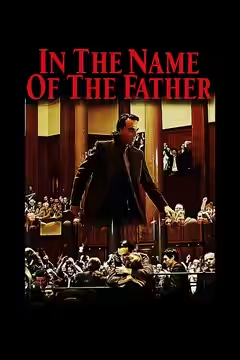
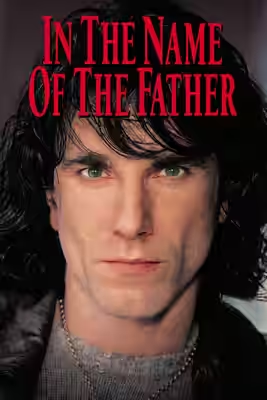
Jim Sheridan’s miscarriage-of-justice drama is angry, humane and carried by Daniel Day-Lewis and Pete Postlethwaite. Its emotional prompting can be heavy, but the difficult relationship between father and son makes it well worth the discomfort.
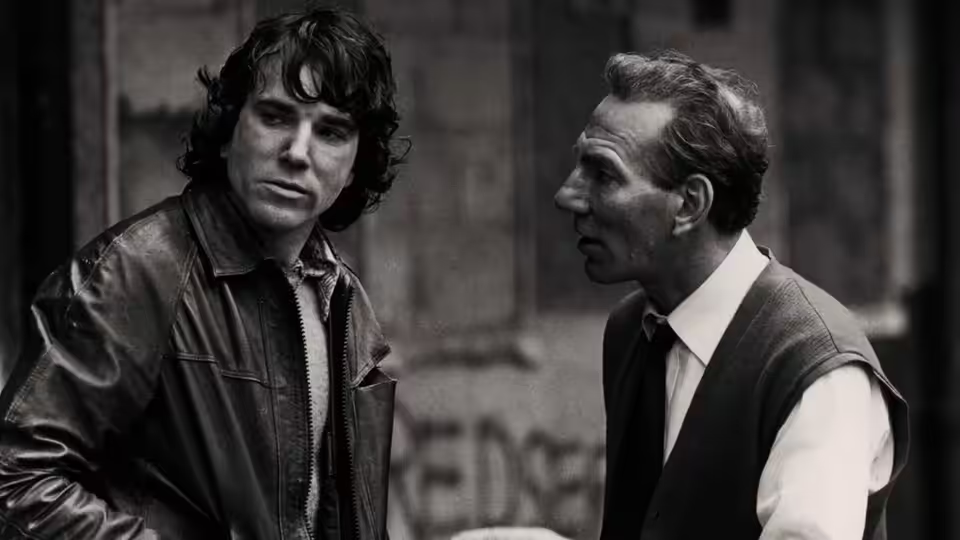
In the Name of the Father is a forceful, moving drama that earns our recommendation, chiefly through Daniel Day-Lewis and Pete Postlethwaite. Jim Sheridan takes the wrongful conviction of the Guildford Four and makes the relationship between Gerry Conlon and his father Giuseppe central to it. That is a sound decision: the injustice matters more because these men have other things to reckon with between them. The film’s determination to move us does occasionally become a little too apparent.
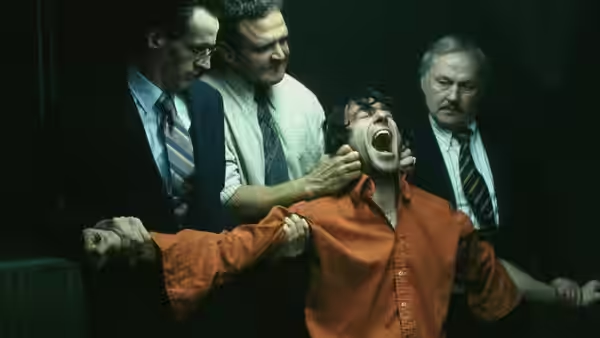
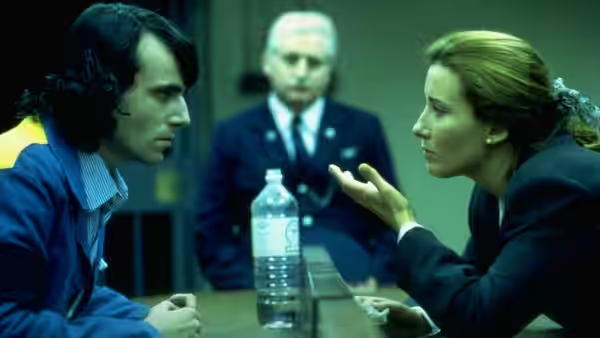
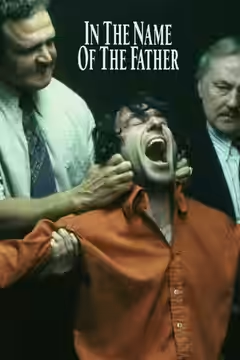
Day-Lewis allows Gerry to be difficult company, which is essential to the film’s honesty. We do not have to approve of him before taking his side, and Sheridan resists tidying him into someone whose innocence makes every other question about his behaviour disappear. The performance gives his personal growth weight because there is something for him to grow out of. Gerry remains a son with failings, even inside a story that has ample reason to defend him.
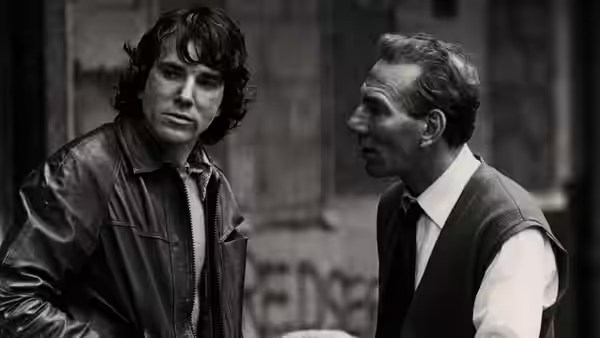
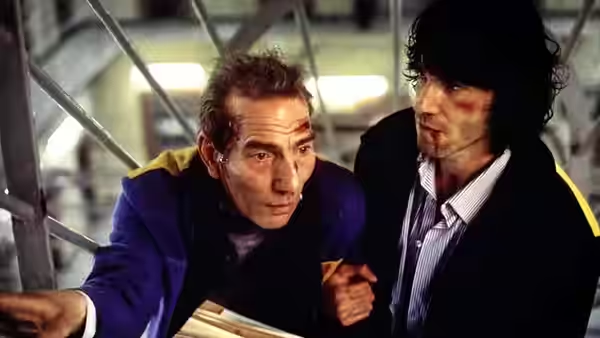
Postlethwaite’s Giuseppe moved us more than we expected. It is the strain in the father-son relationship that does it, especially against Day-Lewis’s unwillingness to make Gerry easy to like. We found ourselves worrying about how these two men understood each other even while the miscarriage of justice demanded our anger. The actors give that family difficulty enough importance to survive alongside the larger story.
Peter Biziou’s cinematography keeps our attention on the people, which is the right priority for a story with so much public history attached. Caroline Amies’s production design gives their surroundings a persuasive sense of use and habitation. We believe in the places these people occupy, and that helps keep the injustice from feeling remote. Neither contribution needs to announce itself, and the film benefits from that restraint.
Gerry Hambling’s editing gives the 133 minutes a purposeful forward movement without treating the family scenes as interruptions. The fight for justice stays gripping because the film keeps our concern for the Conlons close at hand. Trevor Jones’s music is less restrained, adding emotional insistence where the actors have already given us enough. It works, but we sometimes wanted the film to leave us alone with a performance.
The screenplay makes factual adjustments for emotional effect, and that is a consequential choice in a story about justice. Sheridan and co-writer Terry George are entitled to shape a drama, but we wanted more of the unease that comes from acknowledging how untidy real lives can be. Sometimes the push towards a strong emotional response makes the writing feel too settled. Gerry’s flaws help, and the performances keep the film from becoming a recital of grievances.
We ask a wrongful-conviction drama to make us care about the people as well as the case, and Sheridan succeeds at that. His film has enough anger to sustain the fight for justice without reducing everything to a demand that we choose a side. The family relationship is where its strongest work lies, particularly when liking Gerry is difficult. Watch it for the two leads, and allow a little quiet afterwards.