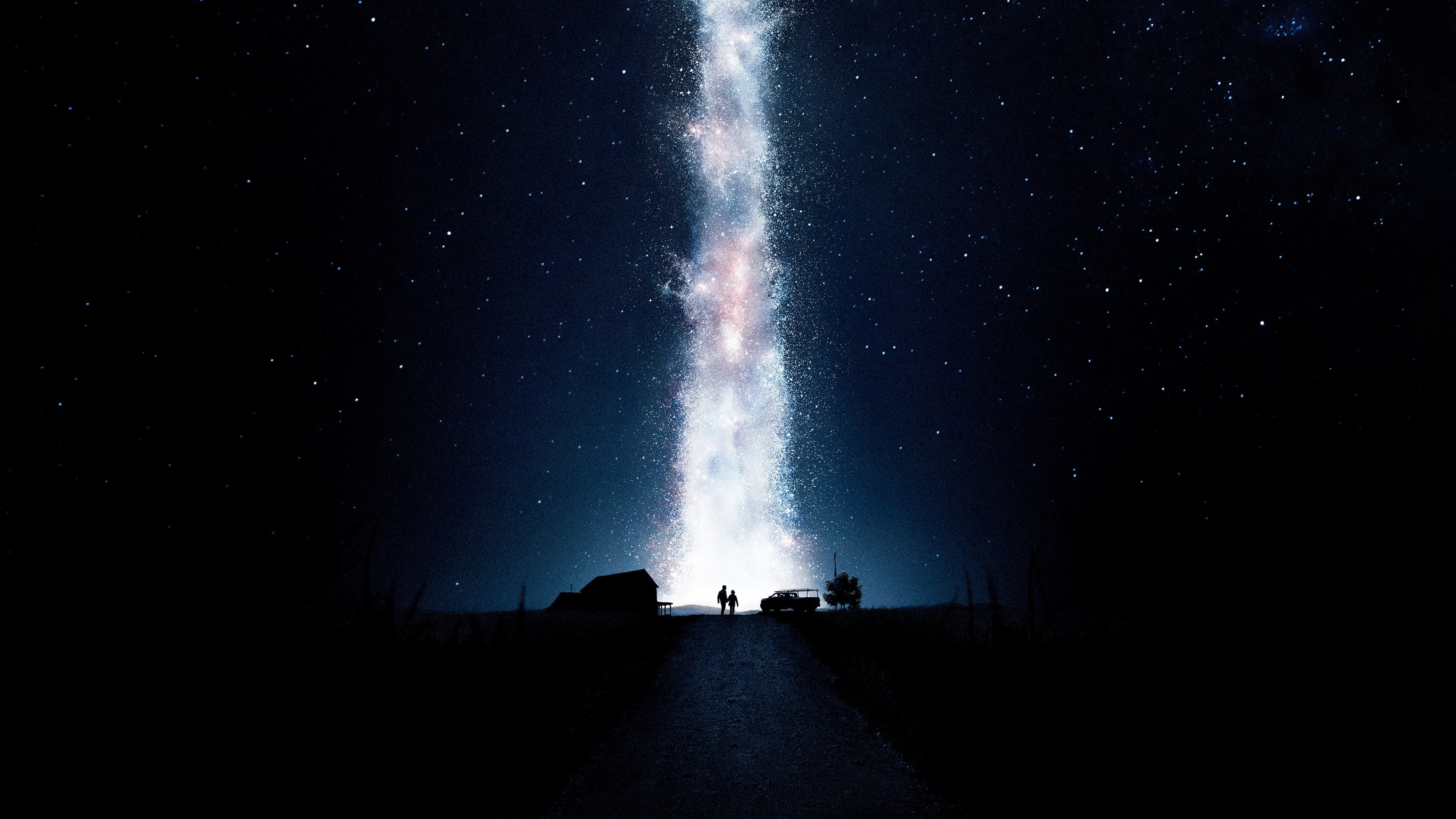
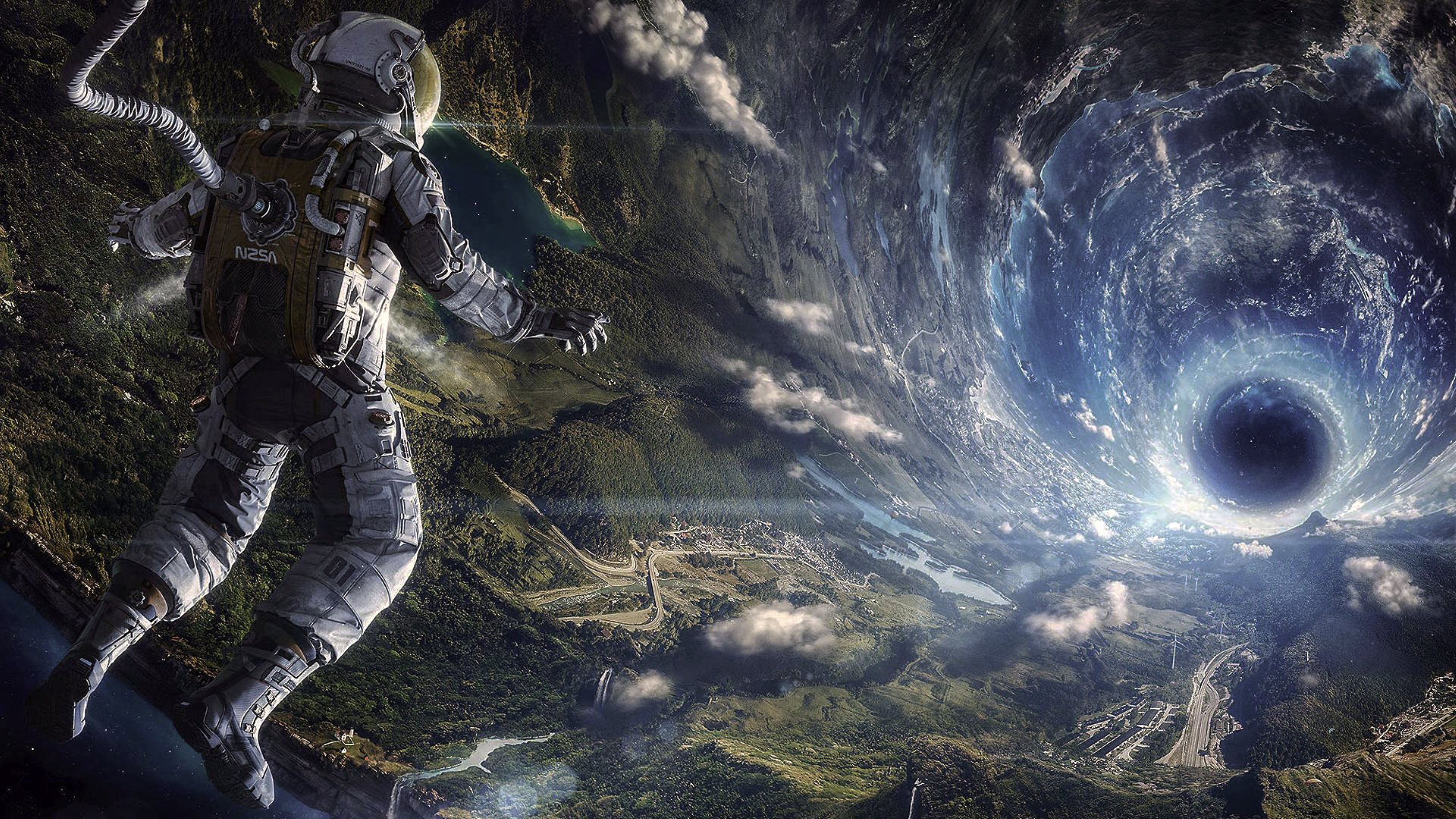
Christopher Nolan’s space adventure earns its emotion through Matthew McConaughey and the pain of family separation. The explanations are overworked and the music sometimes overbearing, but the scale and feeling justify the long journey.
Interstellar is worth the time it asks for, though we occasionally wished Christopher Nolan would stop explaining why. Across 169 minutes, he attempts to make the survival of humanity and the anguish of one family equally urgent. The threatened Earth gives the space adventure a reason to happen, but the father-daughter relationship gives us a reason to care. It is an ambitious piece of popular science fiction with enough feeling to carry us through some laborious dialogue.
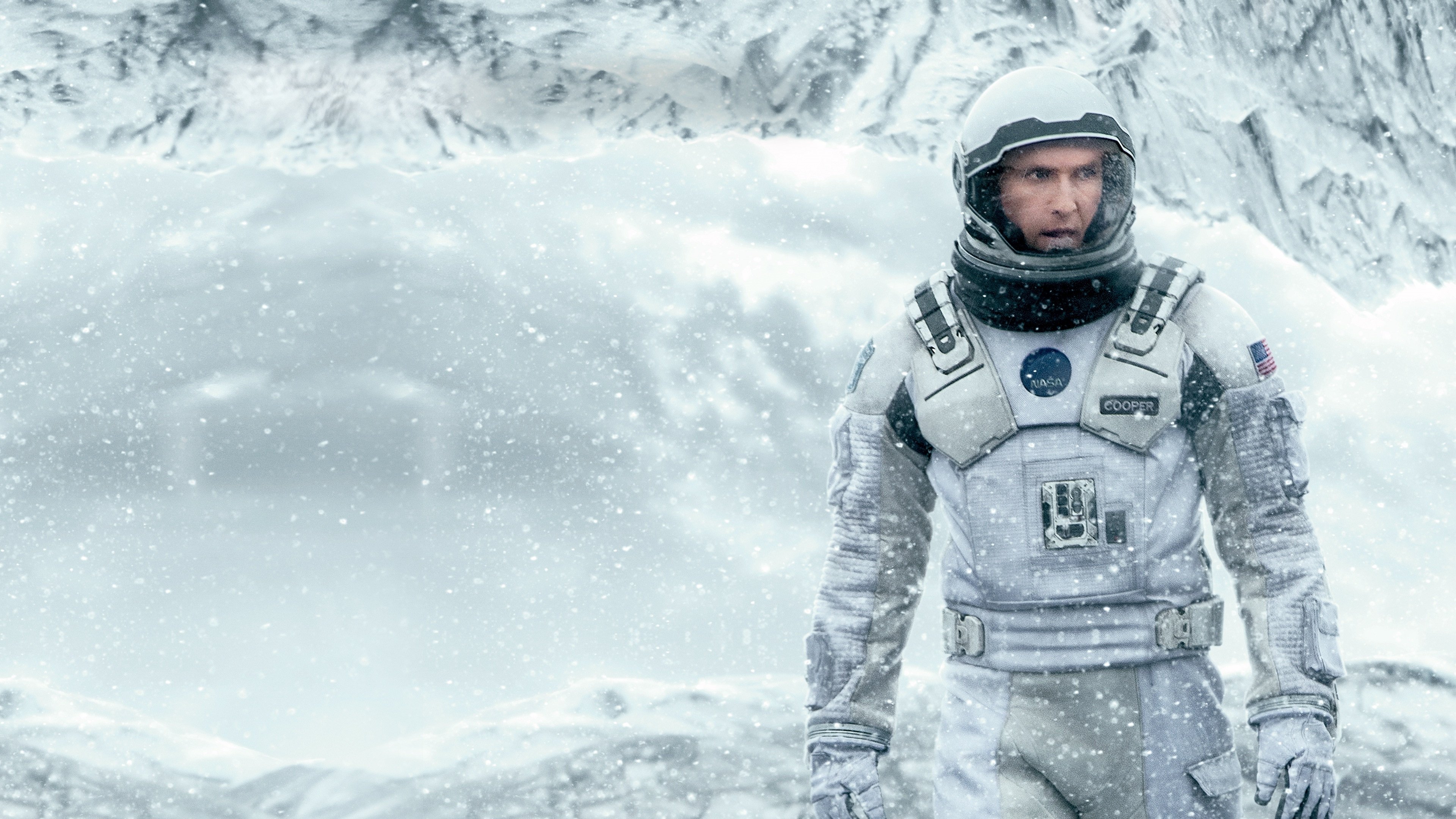
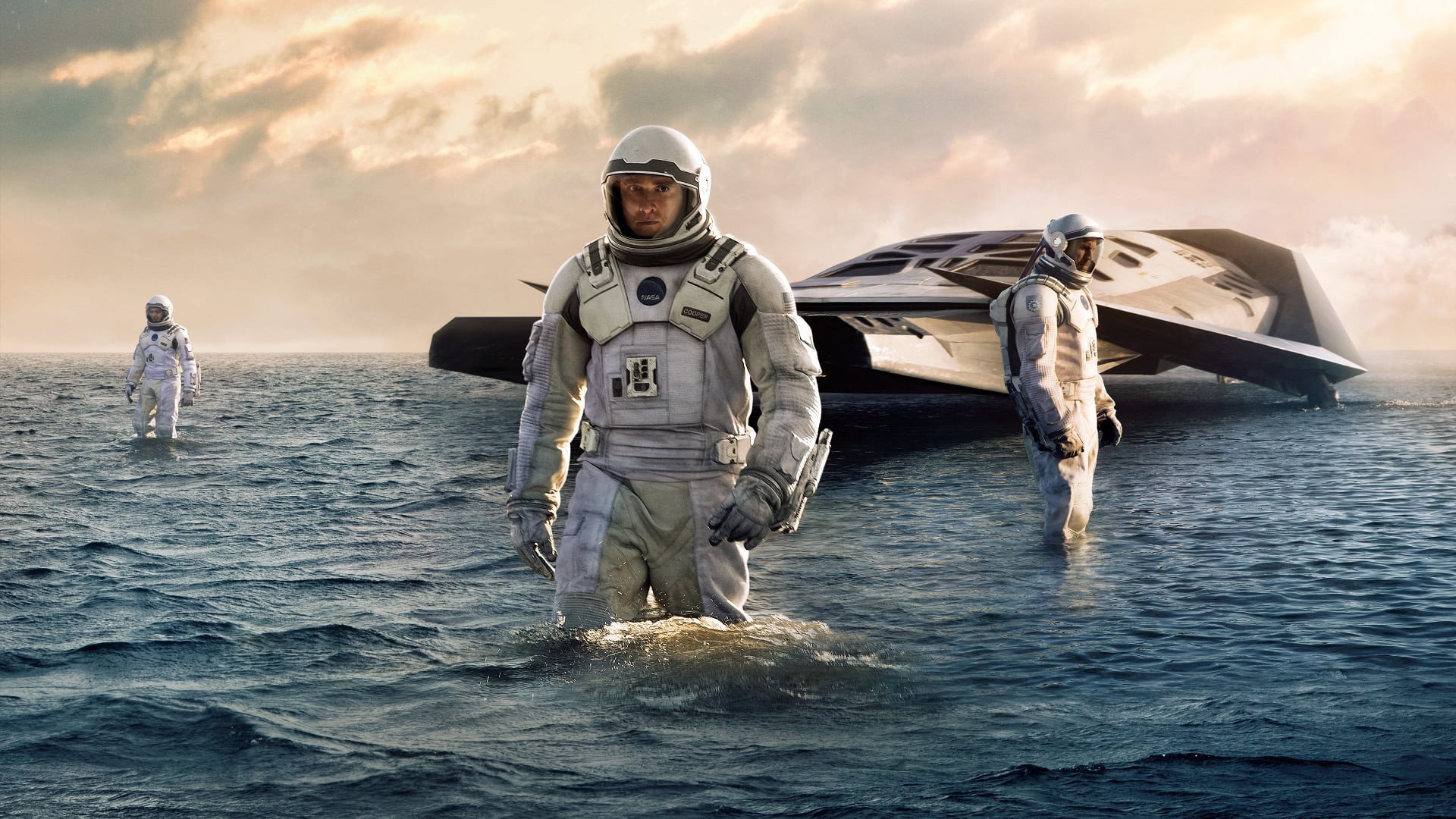
Matthew McConaughey’s Cooper is the essential casting decision. With a story this concerned with physics, the leading performance needs to make worry and longing understandable before the next explanation arrives, and McConaughey does. We found his distress at separation from Murph painful to watch. The distance between father and daughter becomes something a parent cannot fix, and his performance makes that helplessness matter more than the size of the journey.
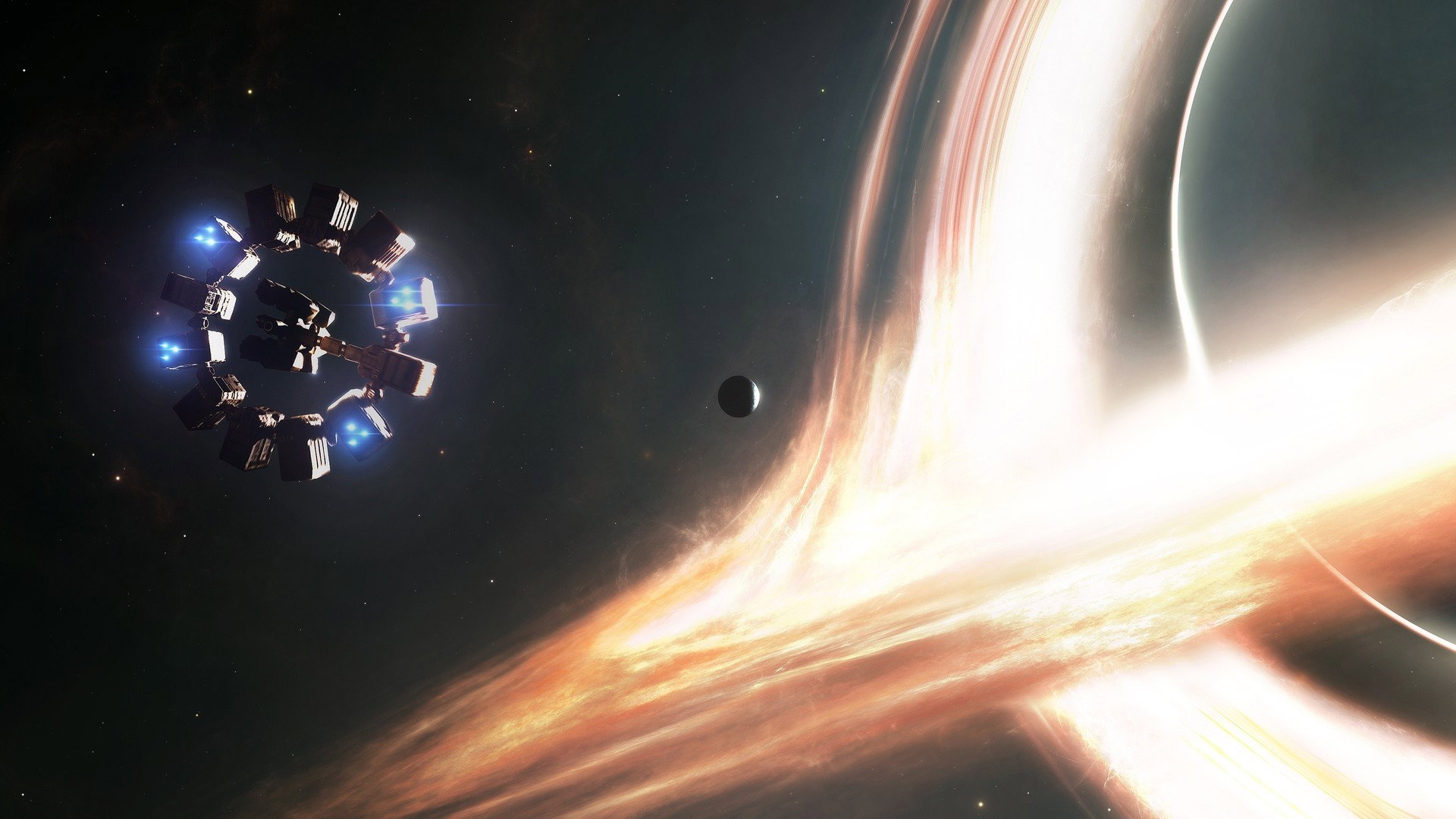
Hoyte van Hoytema’s cinematography makes the space around the travellers feel immense and inhospitable. The images suggest how lonely such a journey could be, even before the family story supplies its own reasons for dread. Nathan Crowley’s production design is particularly valuable on Earth: this future feels inhabited, so leaving it has a cost before Nolan starts explaining the stakes. That sense of a recognisable home is essential to a film asking us to care about its possible loss.
Lee Smith’s editing gives the manoeuvres in space an urgency that the explanatory conversations struggle to match. Here we understand the immediate danger without requiring a speech about it. Hans Zimmer’s score helps make the journey feel physically overwhelming, although the volume sometimes pushes past excitement into insistence. When music competes with dialogue, listening becomes needlessly strenuous. This is a particular nuisance in a film that expects us to follow so much explanation.
Christopher Nolan and Jonathan Nolan’s screenplay is the principal weakness. The dialogue too often sounds prepared for an audience taking notes, and the longer explanations interrupt our involvement with the people giving them. Anne Hathaway’s Brand suffers from the need to discuss large ideas when she might usefully reveal more of herself. Hathaway makes the earnestness credible, but the writing gives her less room than McConaughey. The talk about love is especially prone to making a feeling sound like a theory that everyone must accept.
As science fiction, however, this has a welcome appetite for difficult ideas and uncomfortable distances. Time matters to the adventure because it matters to the family; understanding that does not require a qualification in physics. Nolan is sometimes clumsy in the way he brings the two together, but he does make the journey feel consequential. We can forgive a certain amount of overstatement when a film has persuaded us that its travellers have something worth getting back to.
At this length, the heavy passages count, and the film’s need to tell us what it means will test anyone who prefers science fiction to leave a few questions alone. We recommend it to anyone who wants a space adventure with a family worth caring about. Set aside an uninterrupted evening, and bring some patience for the lectures.