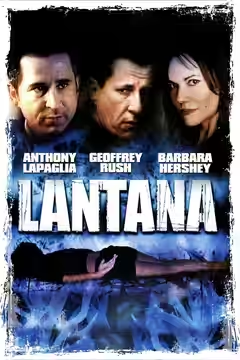
Ray Lawrence’s patient crime drama is worth the evening for its cast, especially Anthony LaPaglia and Kerry Armstrong. The plotting can be contrived and the pace heavy, but the unhappiness feels uncomfortably close to life.
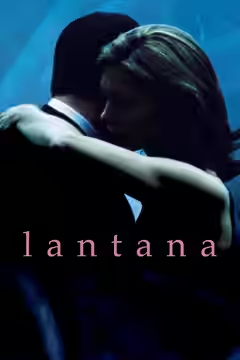
Ray Lawrence’s Lantana is a good crime drama for anyone willing to spend more time considering the people than solving the case. Its mystery gives a group of unhappy adults a reason to examine one another, and Andrew Bovell’s screenplay takes their private grievances seriously enough to make that examination uncomfortable. Adultery matters here because people carry the hurt into their other dealings. The plotting occasionally forces those connections, but the cast makes the emotional consequences worth staying for.
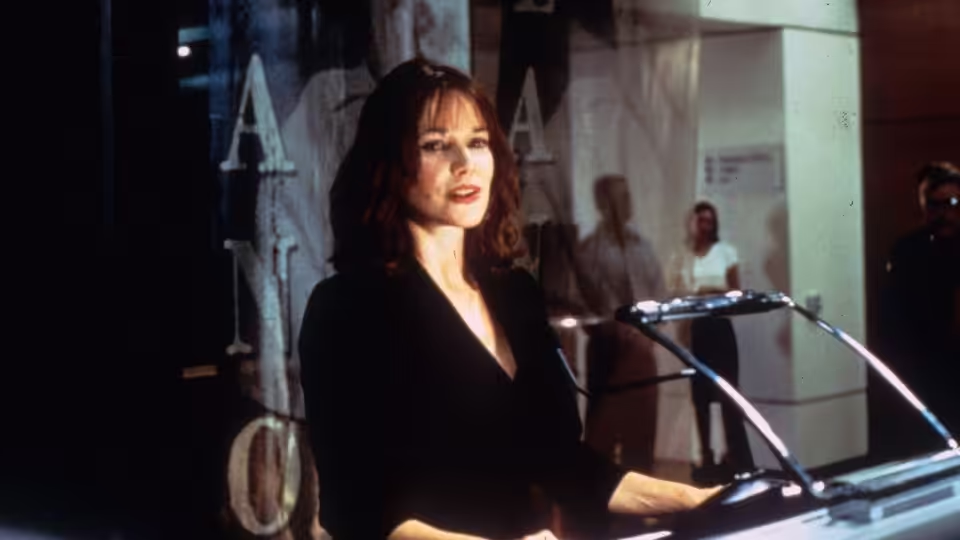
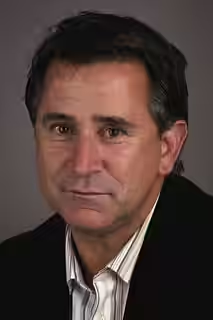
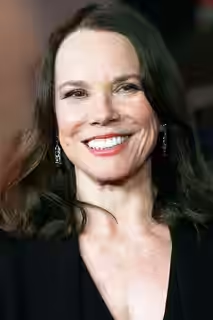
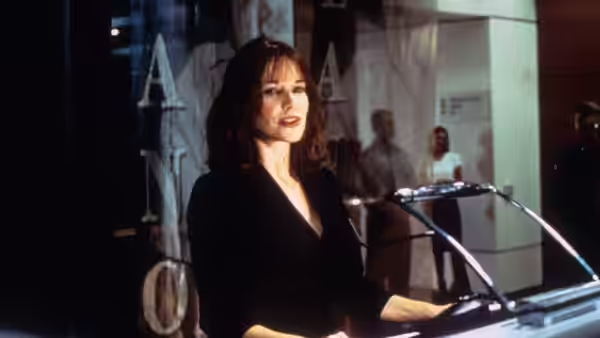
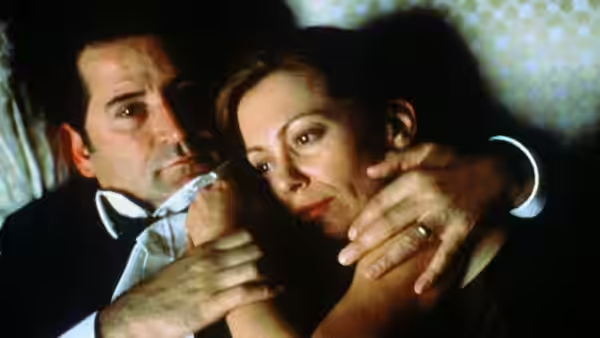
Anthony LaPaglia plays Leon Zat, the detective, with a rawness that stops the investigation becoming a tidy exercise. Kerry Armstrong’s Sonja Zat is just as important to the film’s emotional force; there is nothing decorative about her place in this ensemble. We were moved by their unhappiness. The resentment in their performances feels settled in, with no easy way of getting rid of it. Ray Lawrence lets their private troubles occupy scenes that a brisker thriller might hurry through.
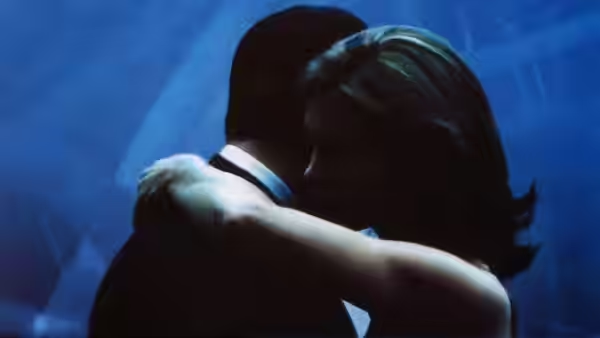
Mandy Walker’s cinematography makes the unease persist even when the plot offers little immediate cause for alarm. There is a risk that this foreboding will make everybody seem suspect before they have done anything. Mostly, it works: the atmosphere sustains our attention through the slower passages. Kim Buddee’s production design helps us believe these people had lives before the investigation began. That sense of ordinary surroundings matters because the script already has enough contrivances without needing to make its characters’ homes look suspicious.
Karl Sodersten’s editing has to keep several lives in view, and we rarely lose track of the people involved. The flashbacks, though, can feel like a second explanation when the first was sufficient. They interrupt the pleasure of watching the actors give away only what they choose. The music, credited to Shane O’Mara, Bruce Haymes, Paul Kelly, Steve Hadley and Peter Luscombe, suits the film’s sober treatment of these relationships. Taken together, however, the music and the measured pace can make the seriousness feel insistent.
Andrew Bovell is less convincing when he arranges another coincidence or steers suspicion through somebody’s sexual life. There are moments when we can feel the screenplay moving a person into position, and some of the dialogue explains emotions the performances have already made clear. That is a particular waste in a film with this much acting ability. Its stronger passages allow ordinary resentment and spite to do the work, without making every hurt sound as if it has been prepared for examination.
As a thriller, Lantana asks for patience, and its slow, sober manner will test anyone hoping for regular shocks. The relationships supply enough interest to repay that patience, although the crime plot does not always deserve the weight placed on it. We would have welcomed a little more room for people to be careless or funny without becoming less credible. At 121 minutes, the film has time to let some air in. Choose it for the actors, and allow the detective story to take its time.