Film review

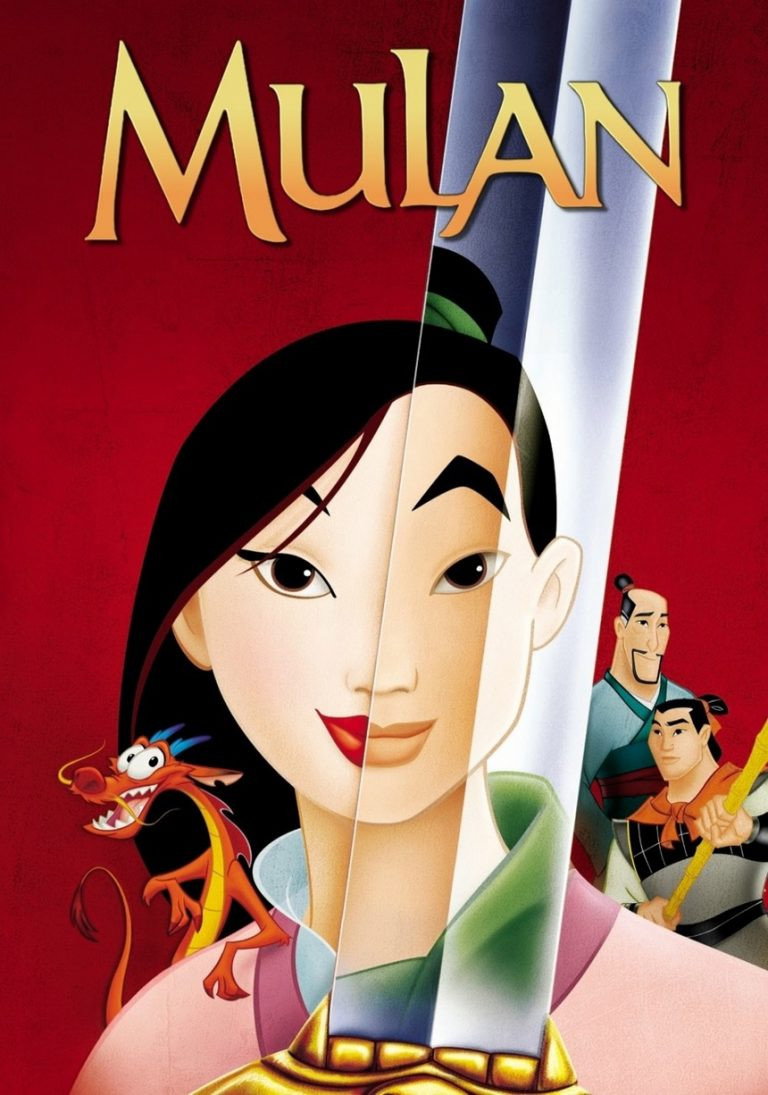
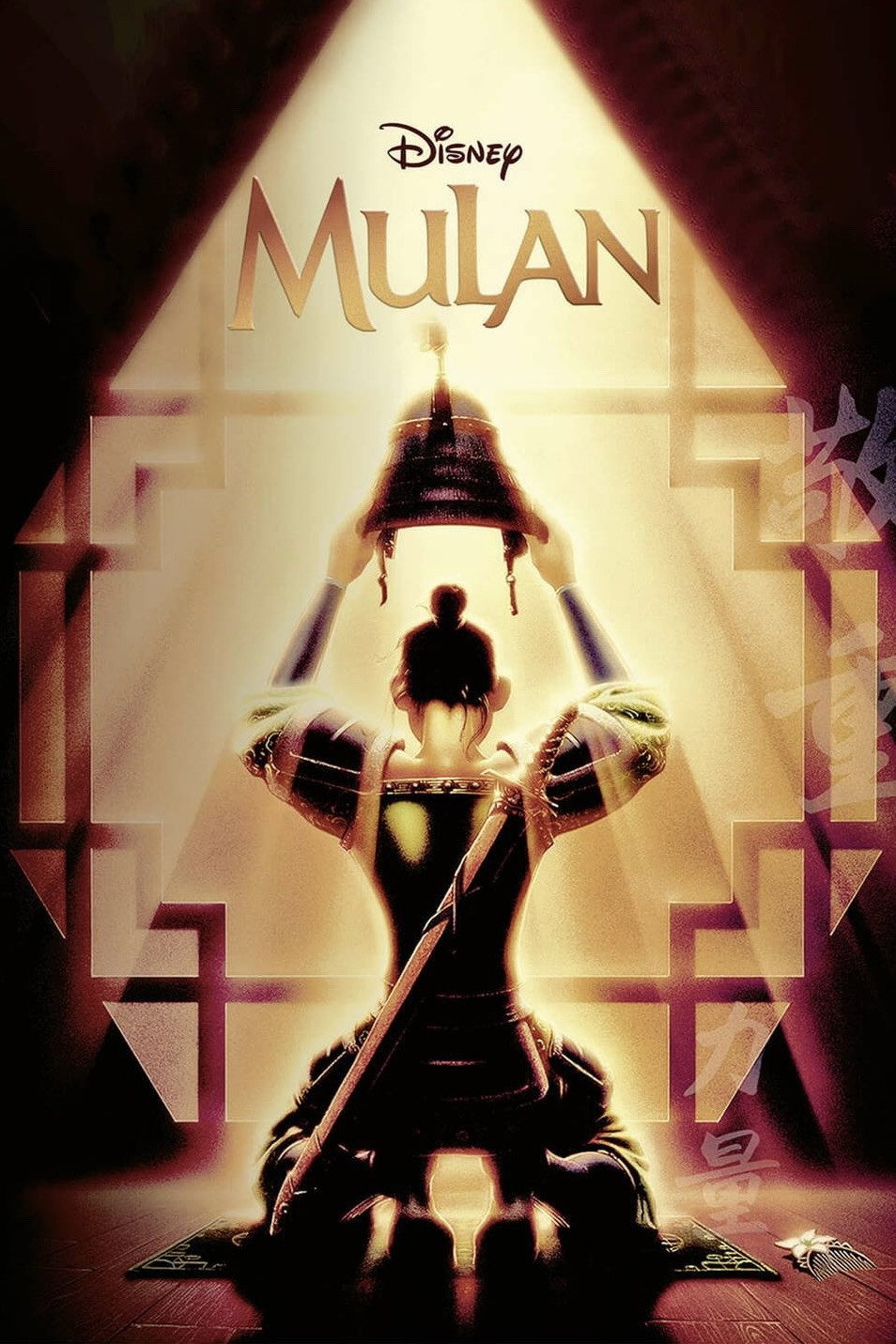
Mulan

1998 · Directed by Tony Bancroft, Barry Cook · 1h 28m · MPA G

In a sentenceA girl rides to war in her father’s armour and a foot-long dragon spends the film taking credit

AnimationFamilyAdventure

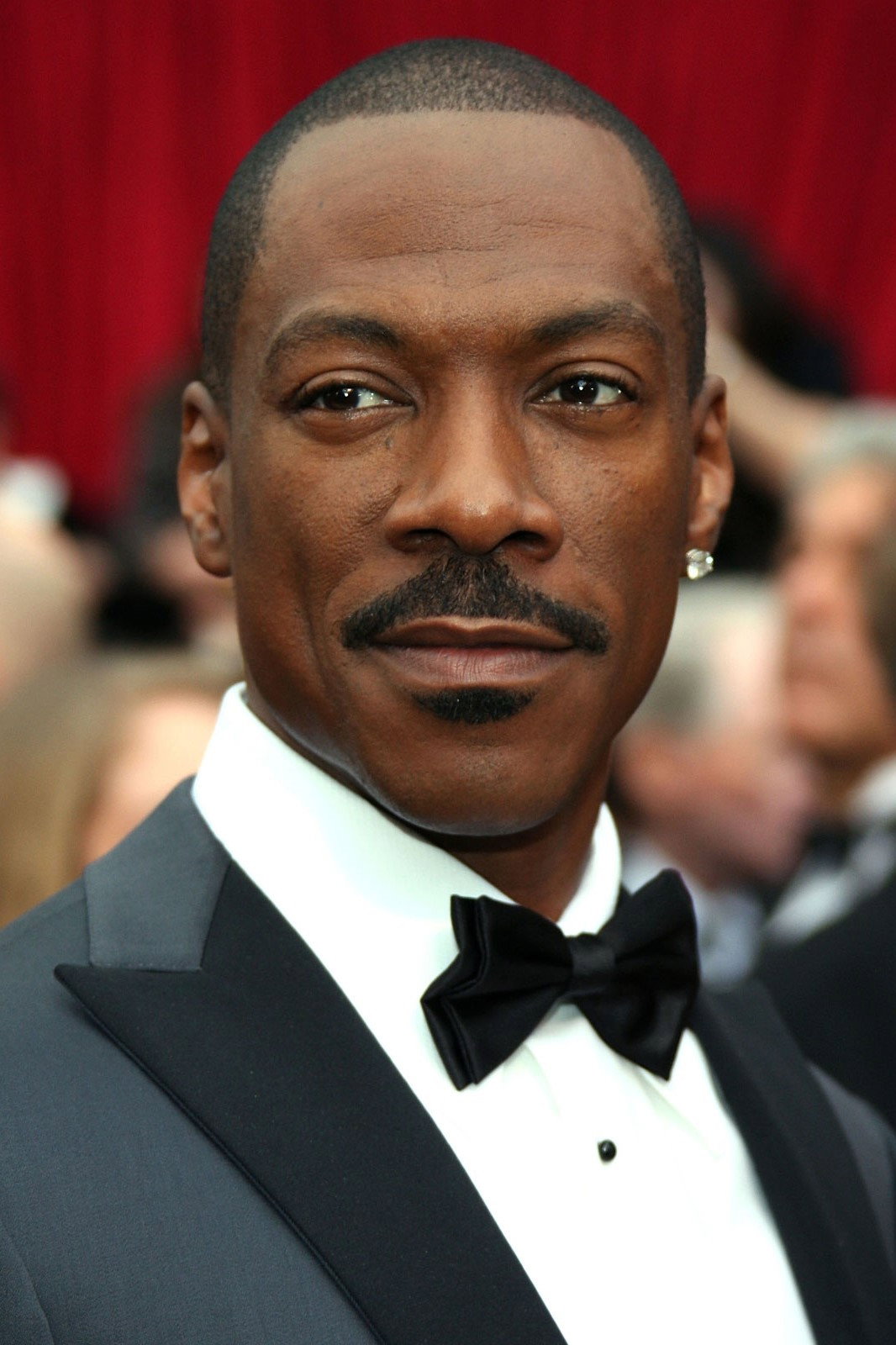
Imperial China. The Huns, led by Shan-Yu (Miguel Ferrer), come over the Great Wall, and the Emperor (Pat Morita) orders one man from every family into the army. In the Fa household that man is Fa Zhou (Soon-Tek Oh), old and lame from the last war. His daughter Mulan (Ming-Na Wen) has failed her appointment with the Matchmaker (Miriam Margolyes), spilling the tea and setting the woman’s skirts alight, and disgraced the family. That night she cuts her hair, takes her father’s sword and armour and rides for the camp in his place. The ancestors send a guardian after her: not the great stone dragon they intended but Mushu (Eddie Murphy), a small, demoted lizard with something to prove.

Fi1m review

Disney’s telling of the Chinese legend is leaner and more serious than the studio’s habit, with a snowfield battle worth the evening. The songs are ordinary and Eddie Murphy’s dragon is a tax on it, but the daughter and her father are moving.

Disney took a Chinese ballad about a daughter who goes to war in her father’s place and, for once, did not soften it much. Mulan has an enemy who kills people, an army that trains and marches, and a heroine whose trouble is not a prince but a promise. Tony Bancroft and Barry Cook direct it at 88 minutes and it feels shorter. It is one of the studio’s better films of that decade, with two reservations.

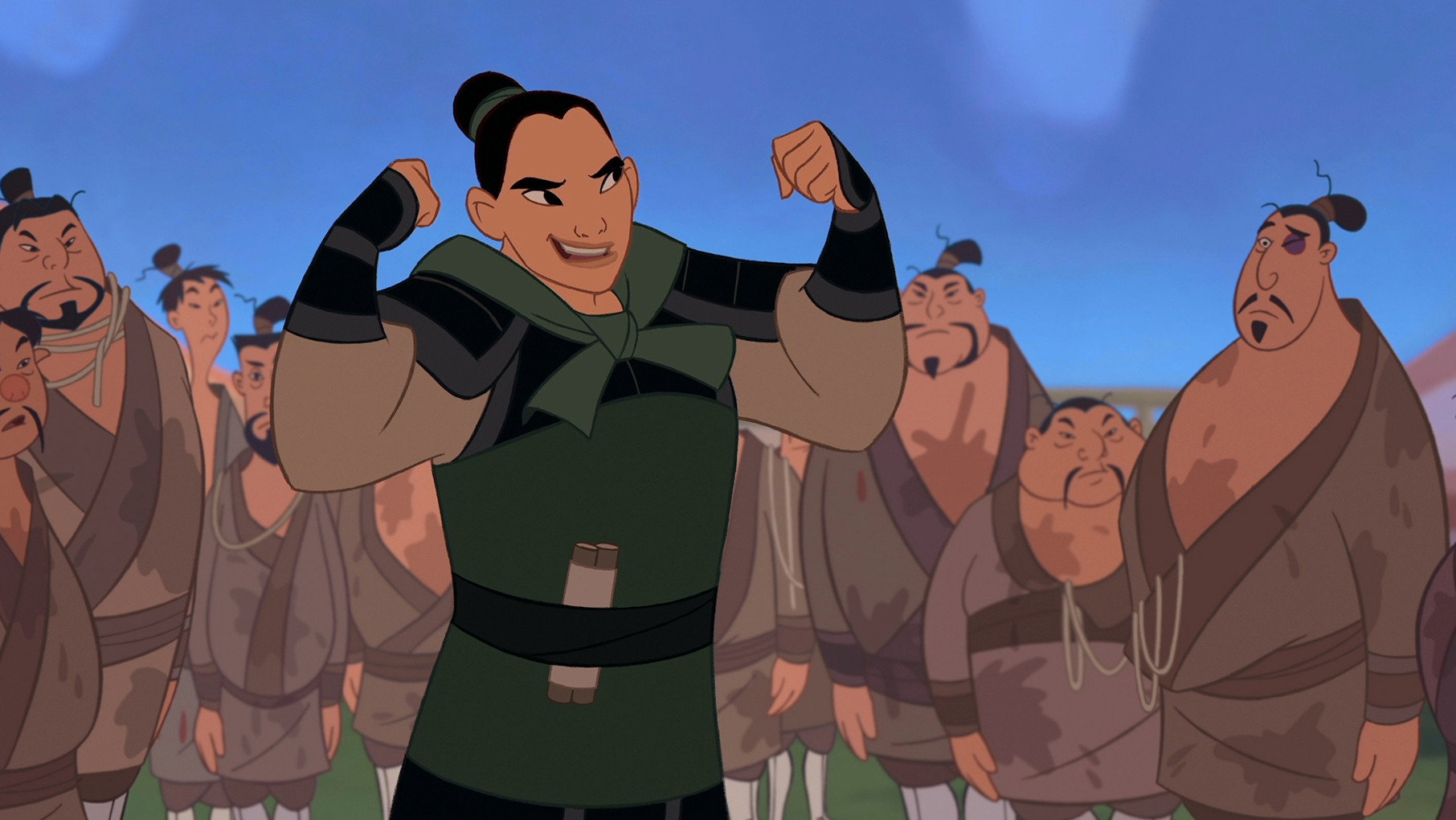
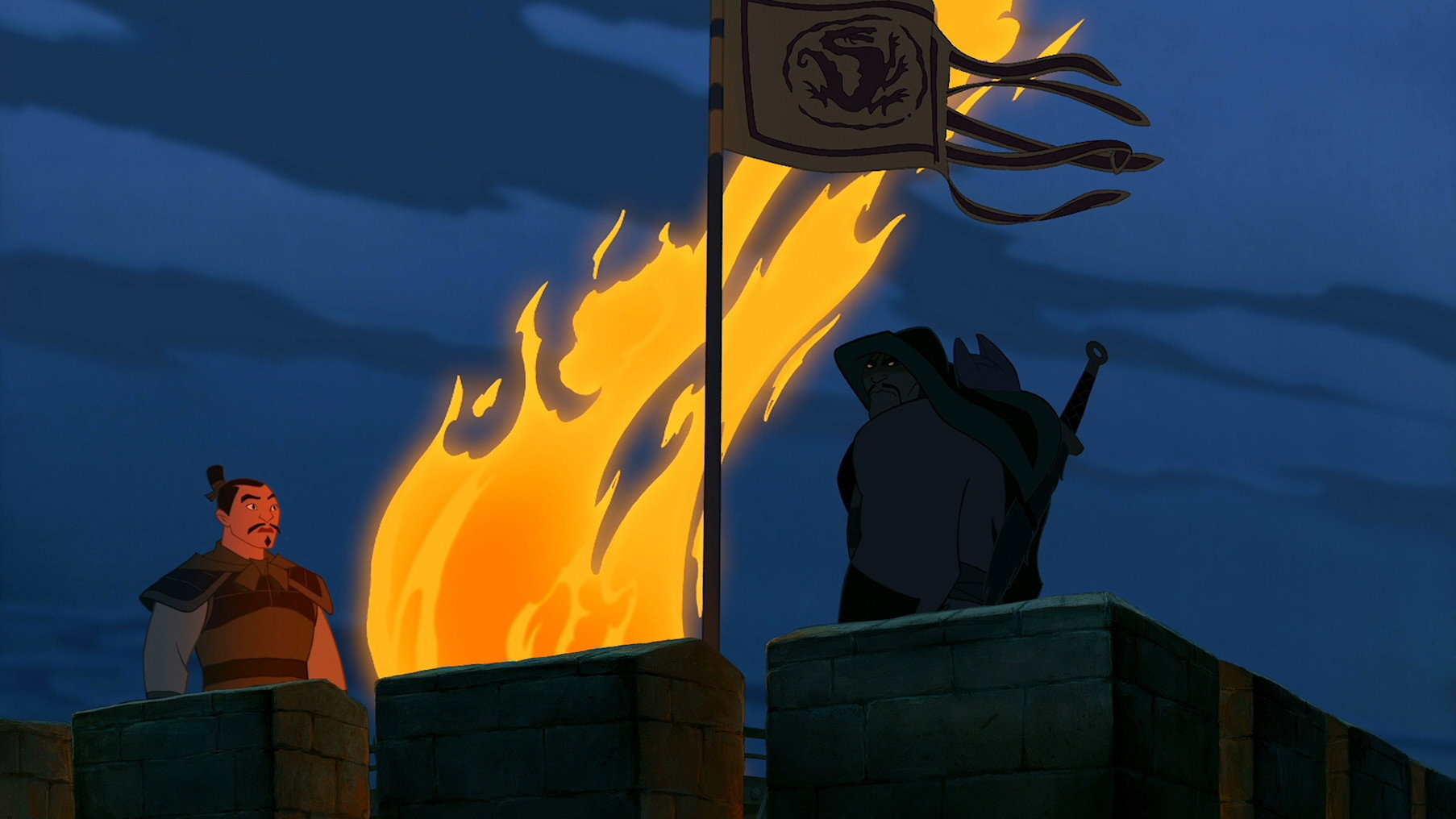
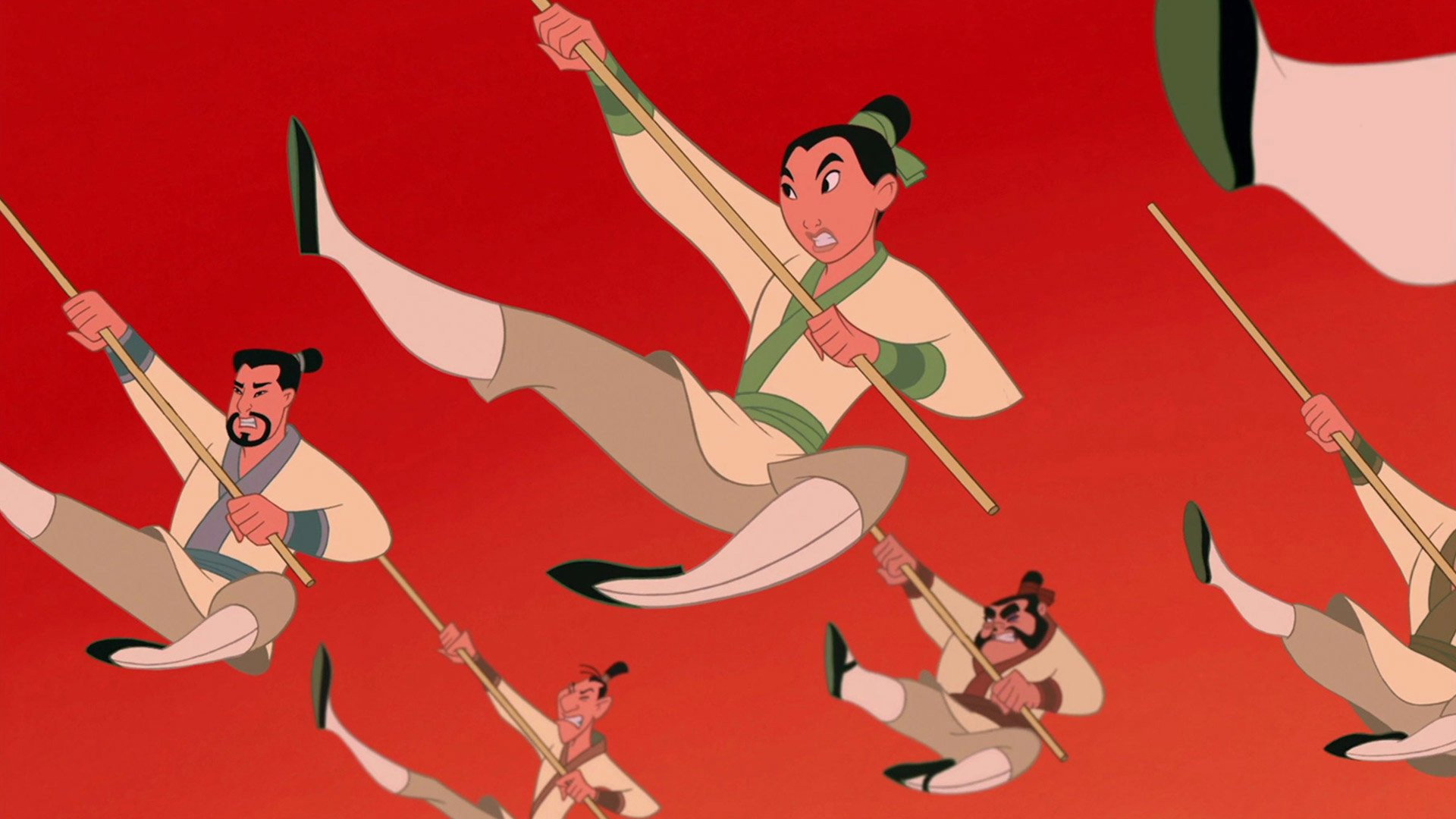
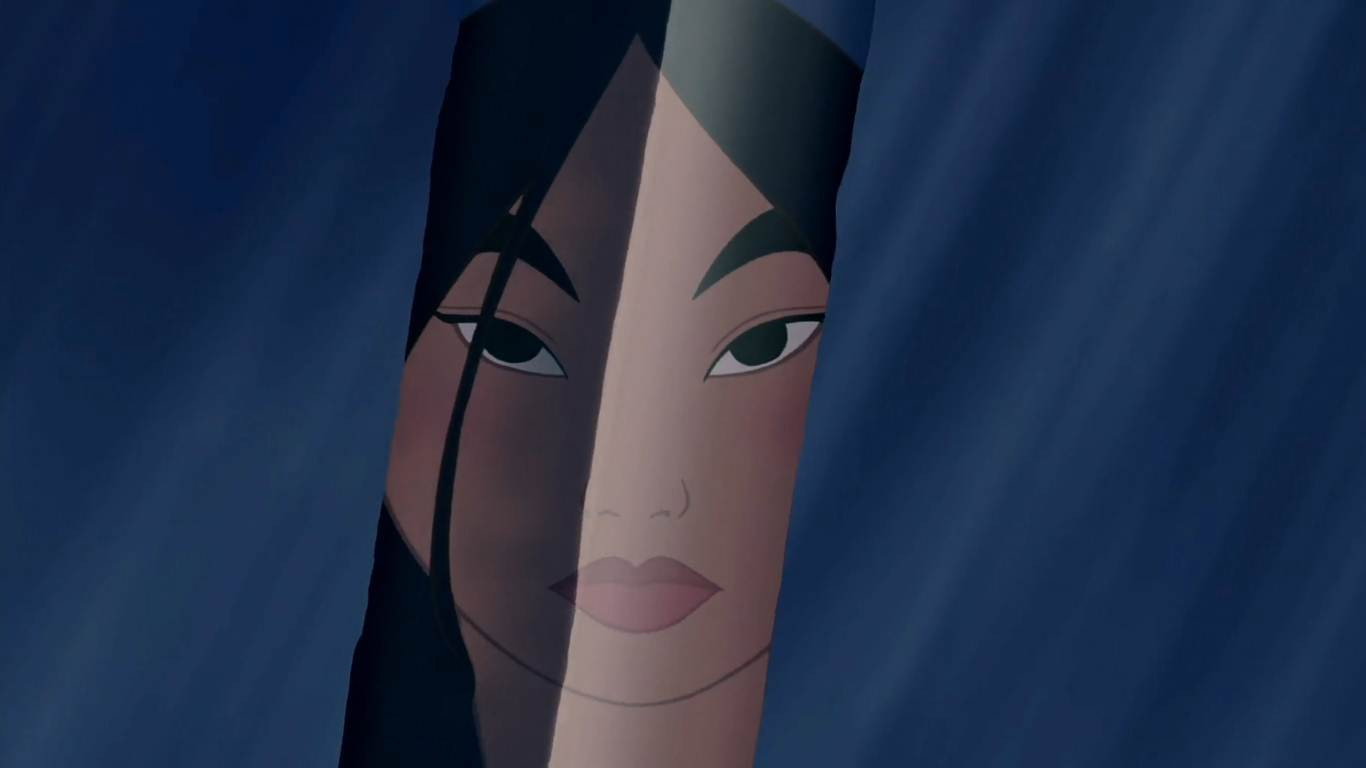
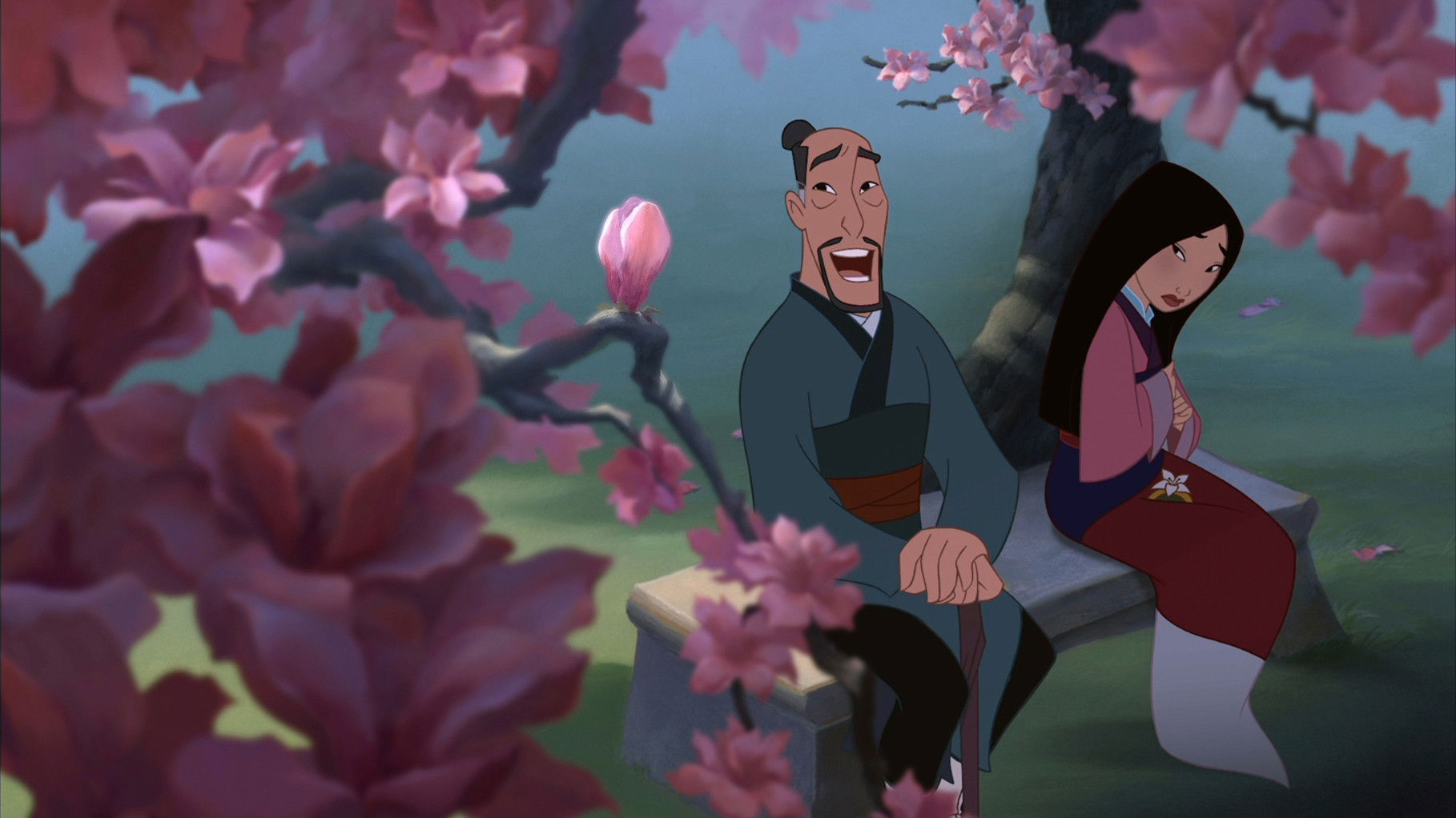
The first thing to notice is how much has been left off the screen. Hans Bacher’s production design borrows from ink painting: a few strokes for a hillside, a wash of colour for the sky, and long stretches of nothing where another Disney film would have put detail. The Fa village is warm ochre and pink blossom; the army camp is dust and grey canvas; the mountain pass is white to the edges of the frame. The characters are drawn in simple angular lines, and the Huns, when they come, have yellow eyes and almost no other colour in them. It is the plainest the studio had looked in years, and the plainness suits the story.

It pays off most in the pass. The Huns appear on a ridge as a black line across the snow and the line keeps widening. Michael Kelly cuts between the handful of recruits below and the horde above, and holds on the wide shots long enough for us to count. Jerry Goldsmith’s score drives it with drums and low brass and no tune to hum, which is the right choice. We sat forward for the whole sequence and did not notice we had done it. What Mulan does with the last cannon is the best idea in the film, and we will not describe it.

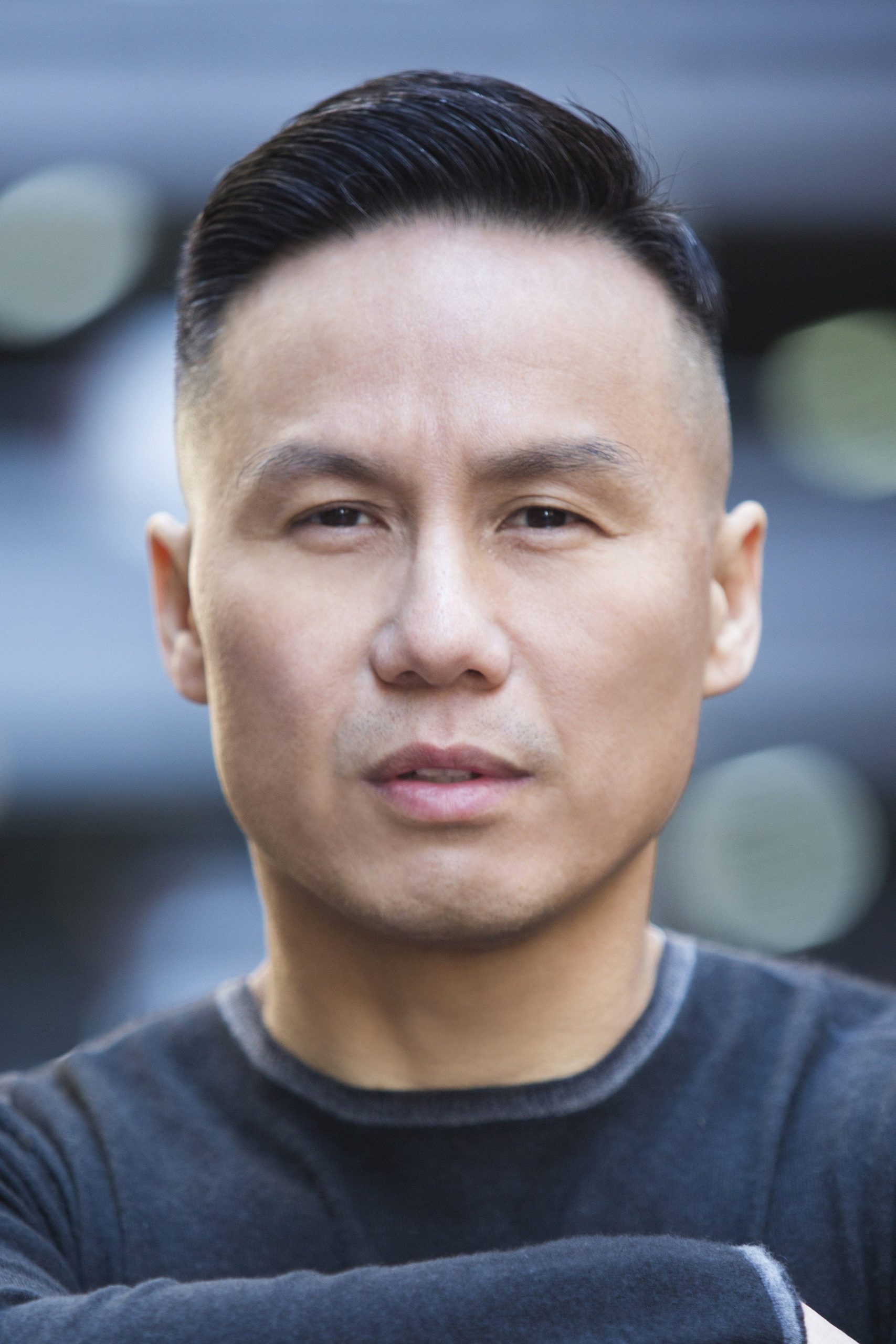
The voices are well chosen. Ming-Na Wen plays Mulan plain and slightly dry, without a simper, so that when she does something brave it sounds like a decision. Soon-Tek Oh gives Fa Zhou a soft, patient voice, and the scene where father and daughter sit under the blossom and he tells her the late flower is the finest moved us more than we expected from a Disney parent. It is the film’s quietest minute and its best written. Miguel Ferrer barely raises his voice as Shan-Yu, which is why the moment where he asks two captured scouts how many men it takes to deliver a message is properly frightening. BD Wong’s Shang sounds like a young officer trying to sound older. Miriam Margolyes has three minutes as the Matchmaker and makes them count, and James Hong fusses nicely as Chi Fu.

Now the reservations. The first is Mushu. Eddie Murphy talks fast and some of it is funny, and every time the film goes quiet he arrives to fill the silence. He is there because the studio did not trust a girl, a father and a war to hold a child’s attention for an hour and a half, and the film is interrupted by that lack of nerve about every ten minutes. The better comedy belongs to Harvey Fierstein’s Yao and the two recruits beside him, whose marching song about the girl waiting at home is cut off mid-line, and the silence that follows is the sharpest edit in the picture.

The second is the songs. Reflection is a mirror ballad of the standard shape, competently sung and gone by the next scene. I’ll Make a Man Out of You is the one people remember, because it does a month of training in three minutes and has a joke in every verse. The rest are filler, and Goldsmith’s score underneath them is better than they are.

The China is a Disney China: hairstyles from one century, armour from another, a cricket for luck and a lizard for laughs. Anyone who knows the ballad will wince at least twice. But the ballad is about a daughter and a father, and the film knows that and keeps coming back to it, which after the shouting of Hercules the year before is a relief.

It carries a U certificate and earns it in the old sense: children will take the charge in their stride and the adults will be the ones flinching at Shan-Yu. Watch it with a child if you have one to hand. If you have not, watch it anyway, and pour a drink when the lizard starts.
Critical consensus AI synthesised

67
Positive
7
Mixed
2
Negative
2

Most critics come away pleased. Seven of the eleven reviews are positive, and the praise gathers around the animation: angular, richly coloured, with the Huns’ charge down the mountainside singled out repeatedly as the set piece that justifies the film. Several see it as a more adventurous and serious picture than Disney had lately been making, with a heroine who earns her victories and a villain who frightens. The songs are the one weakness admitted even by admirers: pleasant at best, endurable at worst.

The spread is wide. The reservations cluster on formula: the wisecracking sidekick, the production numbers, the patter, all felt to be the studio’s usual habits in a new setting. The New York Times finds it inert and formulaic, and Slant Magazine calls its picture of China soulless despite the research, while still admiring the animation. Others note the liberties taken with history and an Americanised heroine. Nobody, though, faults the drawing.

Time Out
23 April 2014 · DA
90*

The critic calls the 1998 Disney film immensely entertaining and a cracker, praising its vibrant, richly hued angular animation, tight script full of gags, and standout action and comedy sequences including the Huns' mountain charge and Eddie Murphy's dragon sidekick. The songs are described as merely endurable.

Read the full review →
Empire
1 January 2000 · Ian Freer
85*

Jettisoning the saccharine cutesiness of recent Disney outings, Mulan serves up stunning animation, sharply defined characters and catchy tunes woven into a simple, powerfully told yarn. Ancient China is beautifully evoked with compelling dramatic beats and an unadulterated treat emerges thanks to a strong heroine and scariest villain in years.

Read the full review →
The Guardian
9 September 2010 · B+
83

The critic finds the 1998 animated film an entertaining but historically inaccurate take on the Mulan legend, assigning it a solid entertainment grade while criticizing its liberties with Chinese history.

Read the full review →
RogerEbert.com
19 June 1998 · Roger Ebert
80*

The film charts a new direction for Disney animation with a more adventuresome story based on a Chinese folk tale, and Ebert enjoyed it as story and animated art. The songs are pleasant but not memorable enough to make it a four-star film.

Read the full review →
The Independent
21 November 1998
75*

Disney's anachronistic take on Chinese history and culture nevertheless turns out to be one of its better animated offerings in recent years. The story concerns a feisty girl who dresses as a man and joins the army to save her father's life.

Read the full review →
Variety
8 June 1998 · Todd McCarthy
75*

Mulan is one of Disney's most adventurous and serious animated features, a female empowerment story that should appeal to adults as well as kids. It is lightly stained by strained comedy, rigorous political correctness, and some adherence to formula.

Read the full review →

Cast

Awards

Academy Awards, 1999

Nominated
Best Original Musical or Comedy Score

Annie Award for Best Animated Feature, 1998

Won
Annie Award for Best Animated Feature

If you liked this, try…

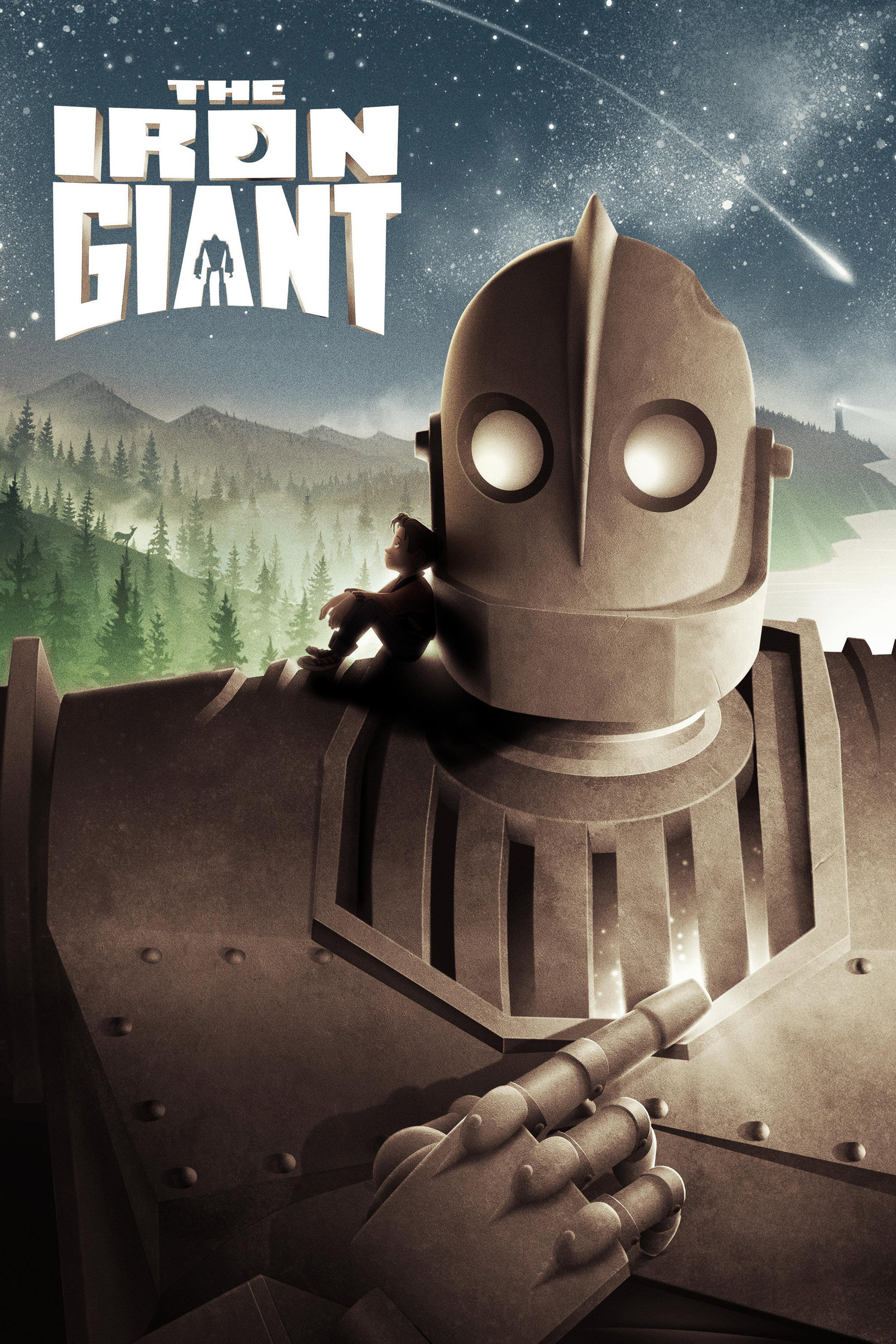
The Iron Giant poster88

The Iron Giant

1999 · Hand-drawn, quiet about war, and not a single sidekick who will not shut up.

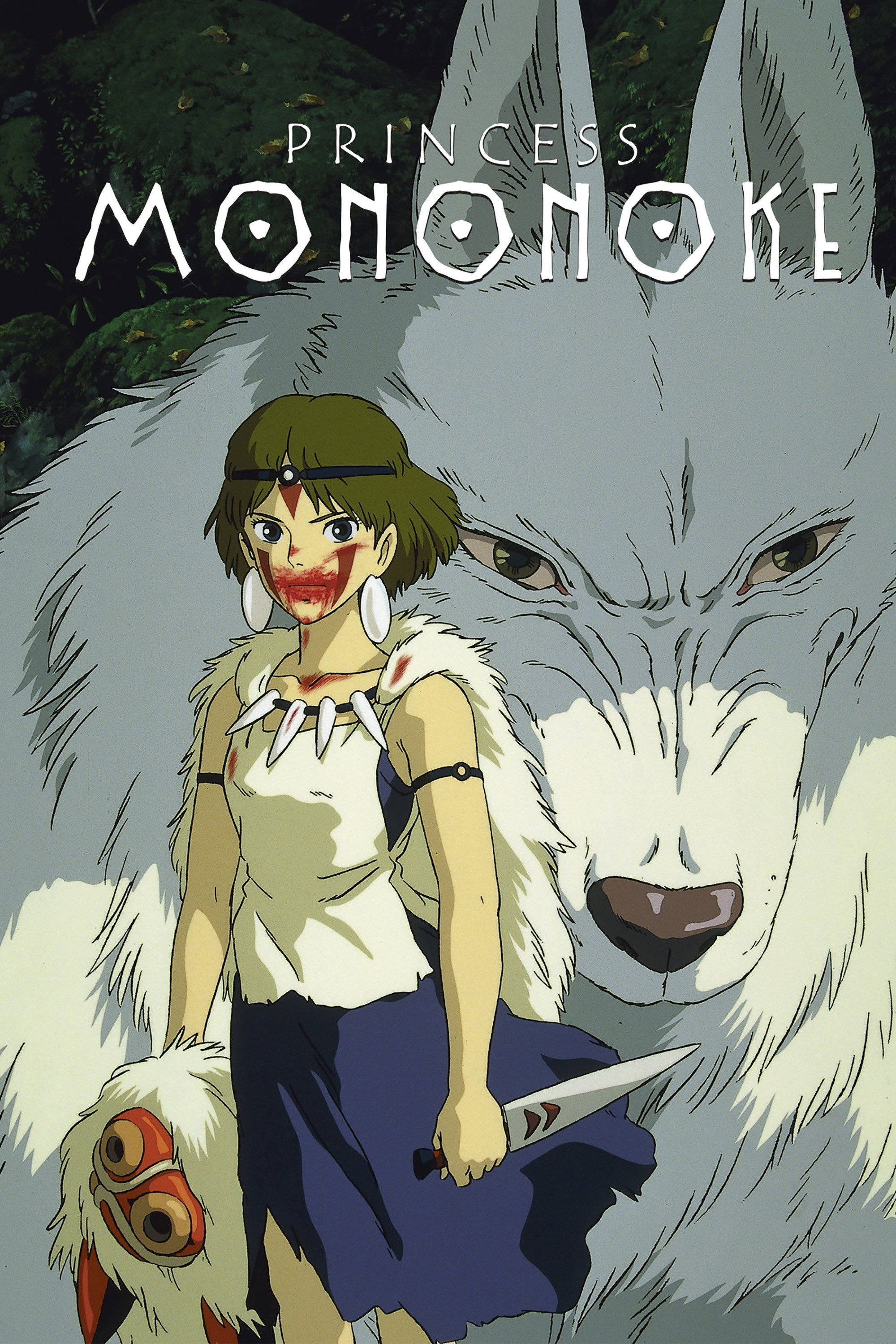
Princess Mononoke poster88

Princess Mononoke

1997 · A girl, a war and a forest that fights back, drawn without any concessions.

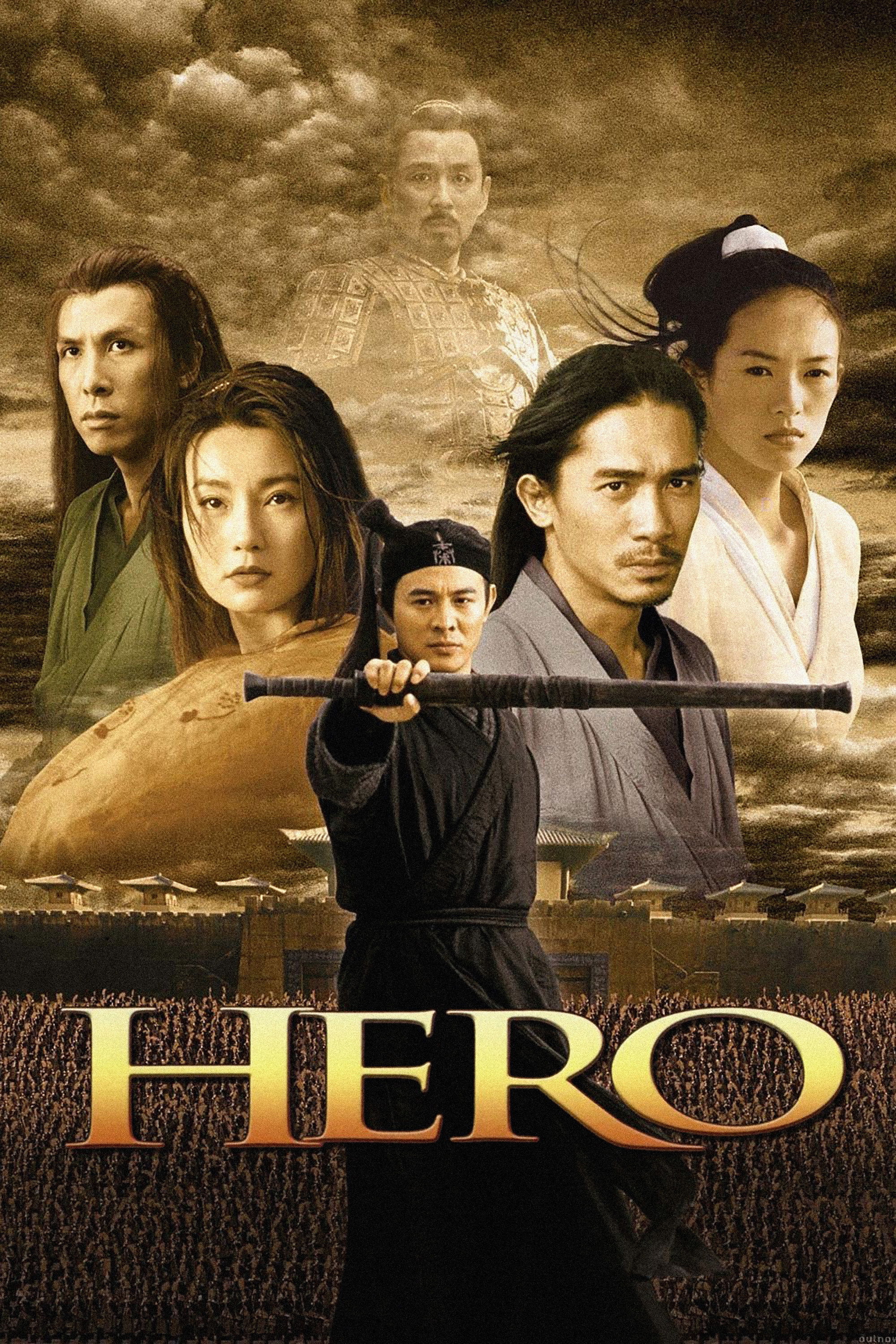
Hero poster77

Hero

2002 · Zhang Yimou’s colour-coded armies and arrows falling like weather; the charge, done live.

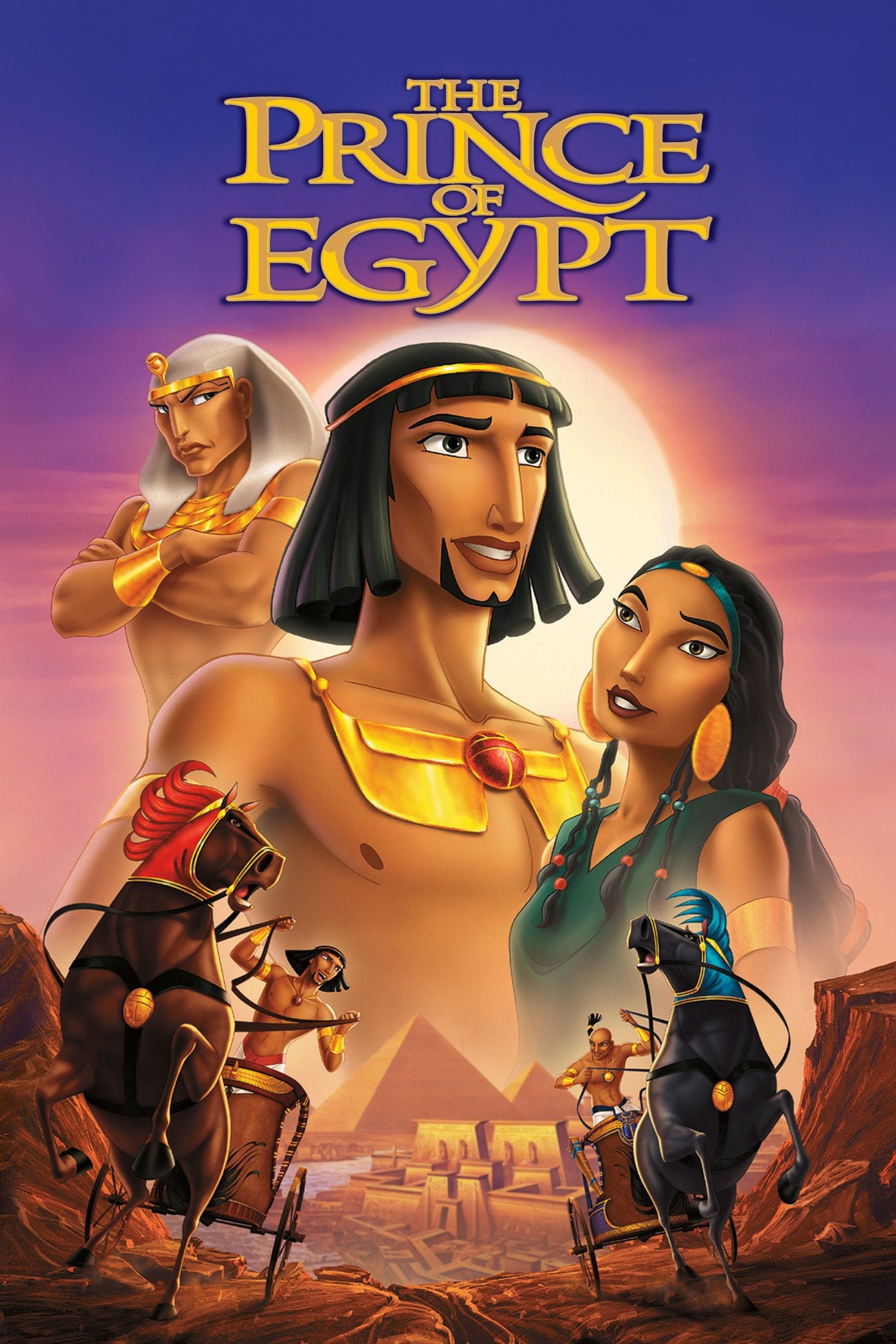
The Prince of Egypt poster

The Prince of Egypt

1998 · The same year’s other serious hand-drawn film, from a rival studio taking the same bet.

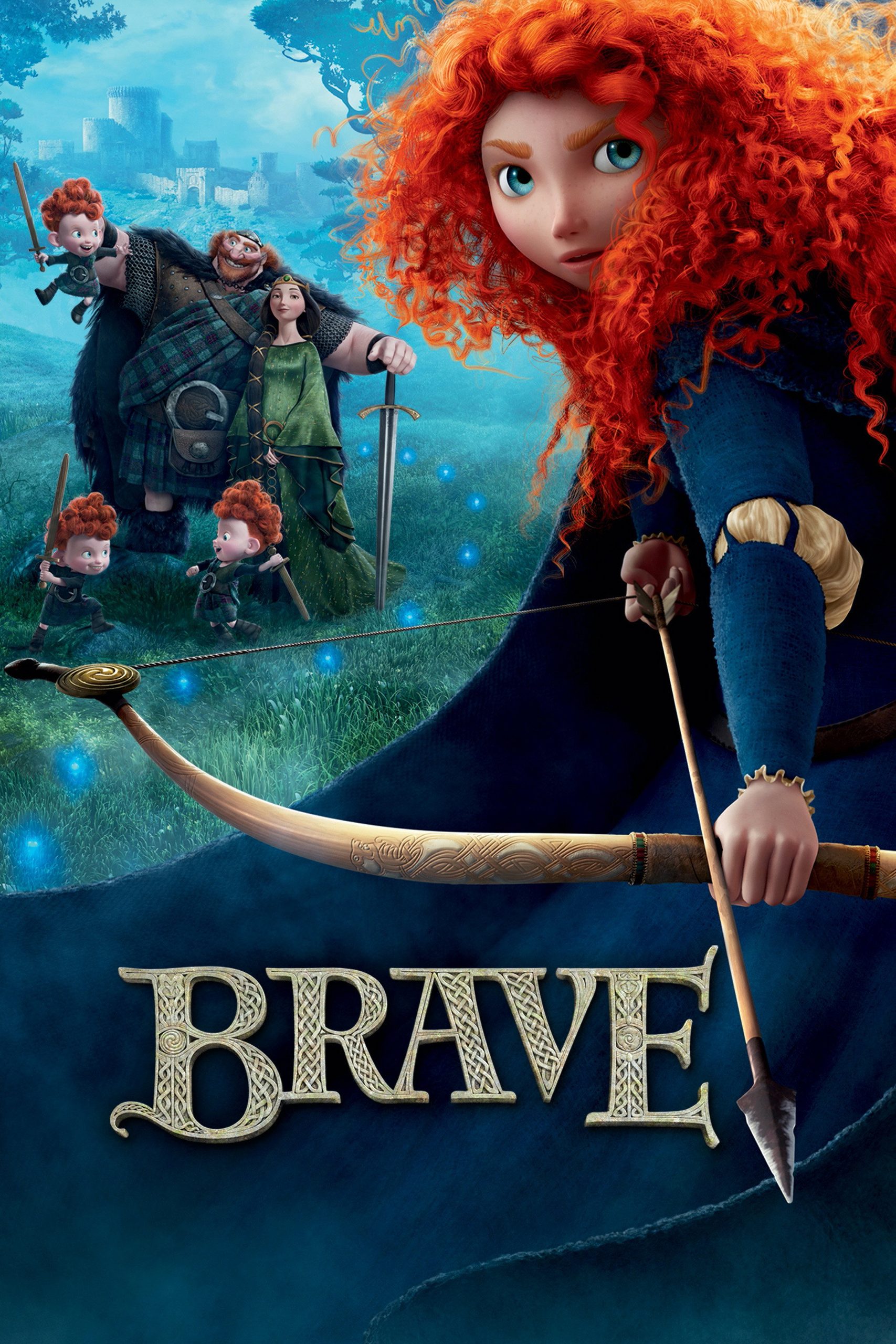
Brave poster

Brave

2012 · Another daughter who fails the matchmaker, with a bear where the lizard should be.