Meryl Streep gives Out of Africa the emotional urgency its romance too often lacks. Sydney Pollack’s film is handsome and carefully made, but Robert Redford’s reserve and the unhurried pacing leave too much of its 161 minutes feeling remote.
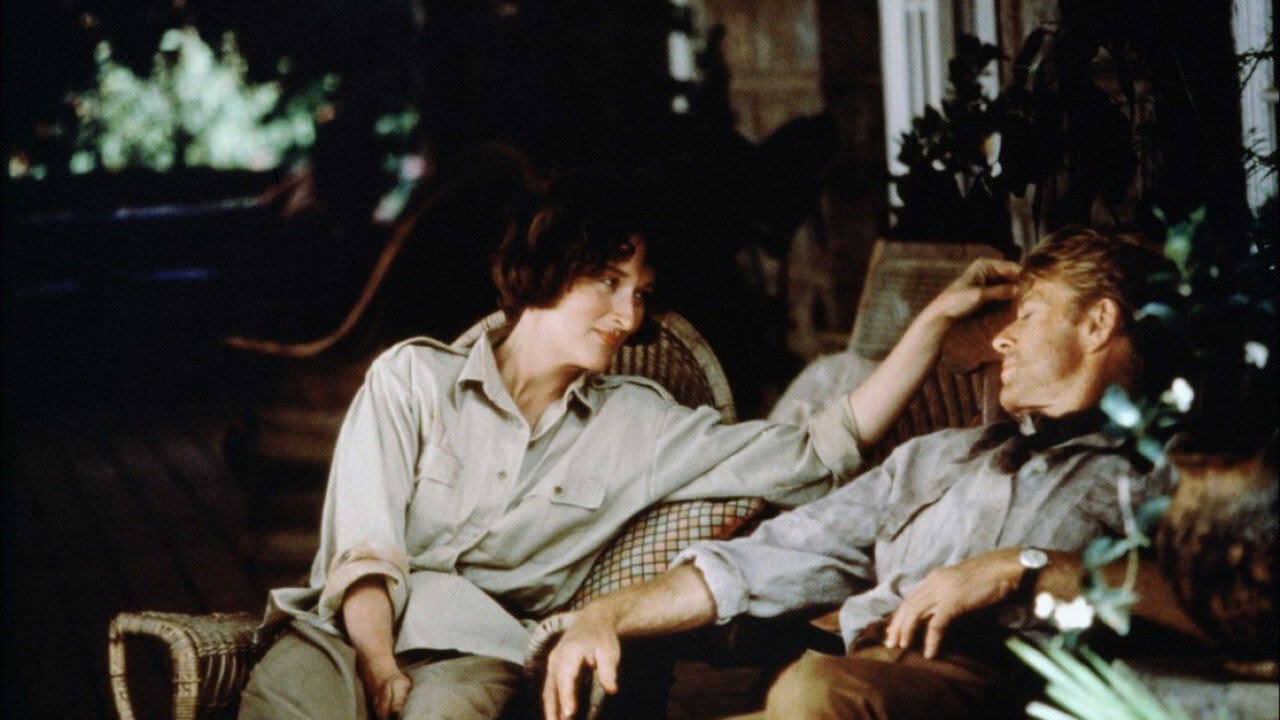
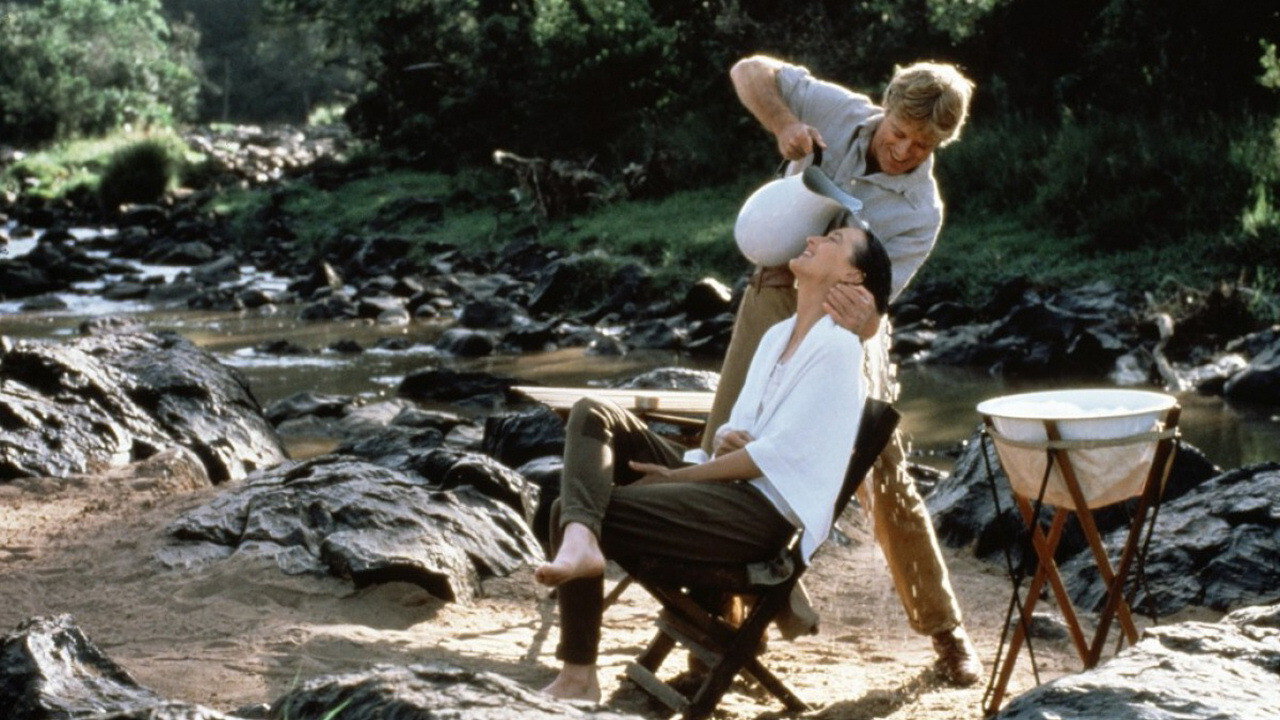
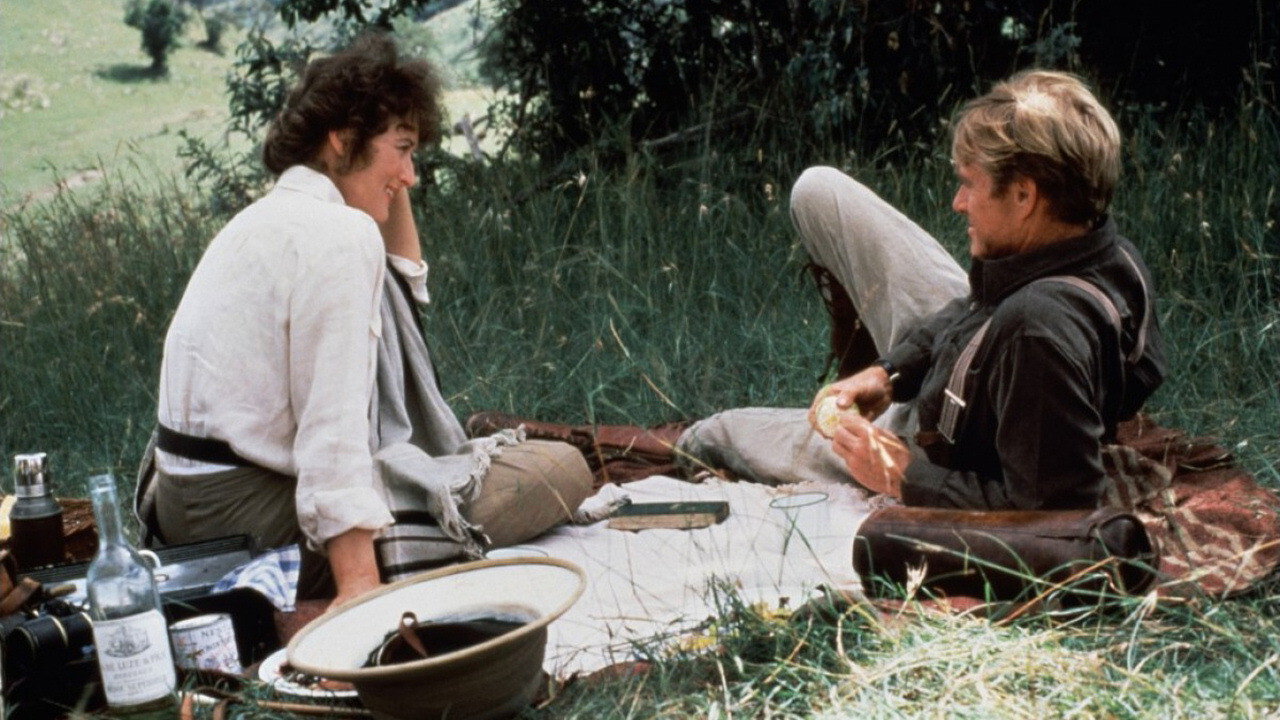
Sydney Pollack’s Out of Africa is handsomely made, but its central romance is disappointingly remote. It asks us to spend 161 minutes taking Karen Blixen’s desires seriously, and Meryl Streep makes a persuasive case for doing so. The relationship with Robert Redford’s Denys Finch Hatton is harder to believe in. Pollack allows the courtship plenty of time, yet the attraction seldom develops the urgency needed to carry so much of the film.
Streep is the strongest reason to persist. She makes Karen’s wish to hold on to Denys understandable without making it entirely reasonable. There is intelligence in the performance, but also the uncomfortable sense of a person trying to manage feelings that will not obey her. That gives the question of possession some bite, and keeps Karen from becoming merely an elegant figure placed against the scenery.
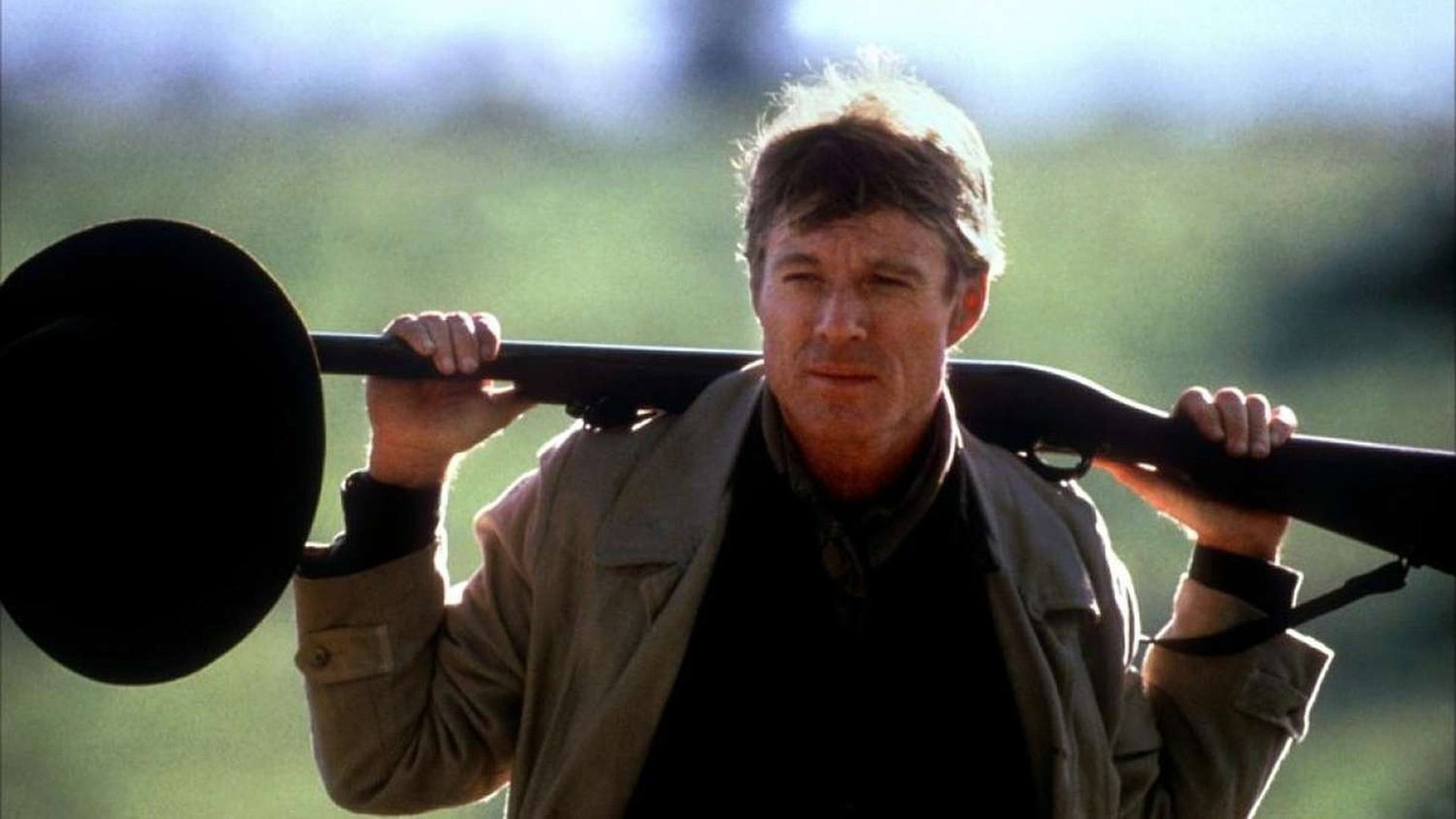
Redford’s restraint is less useful. His Denys is attractive enough for the casting to explain Karen’s interest, but he seems so settled in his own independence that the romantic exchanges have little room to surprise us. Kurt Luedtke’s screenplay gives the lovers a disagreement worth exploring: how much one person can ask of another. Pollack keeps returning to it without making the emotional stakes grow sufficiently. We understand what separates them long before the film has finished considering it.
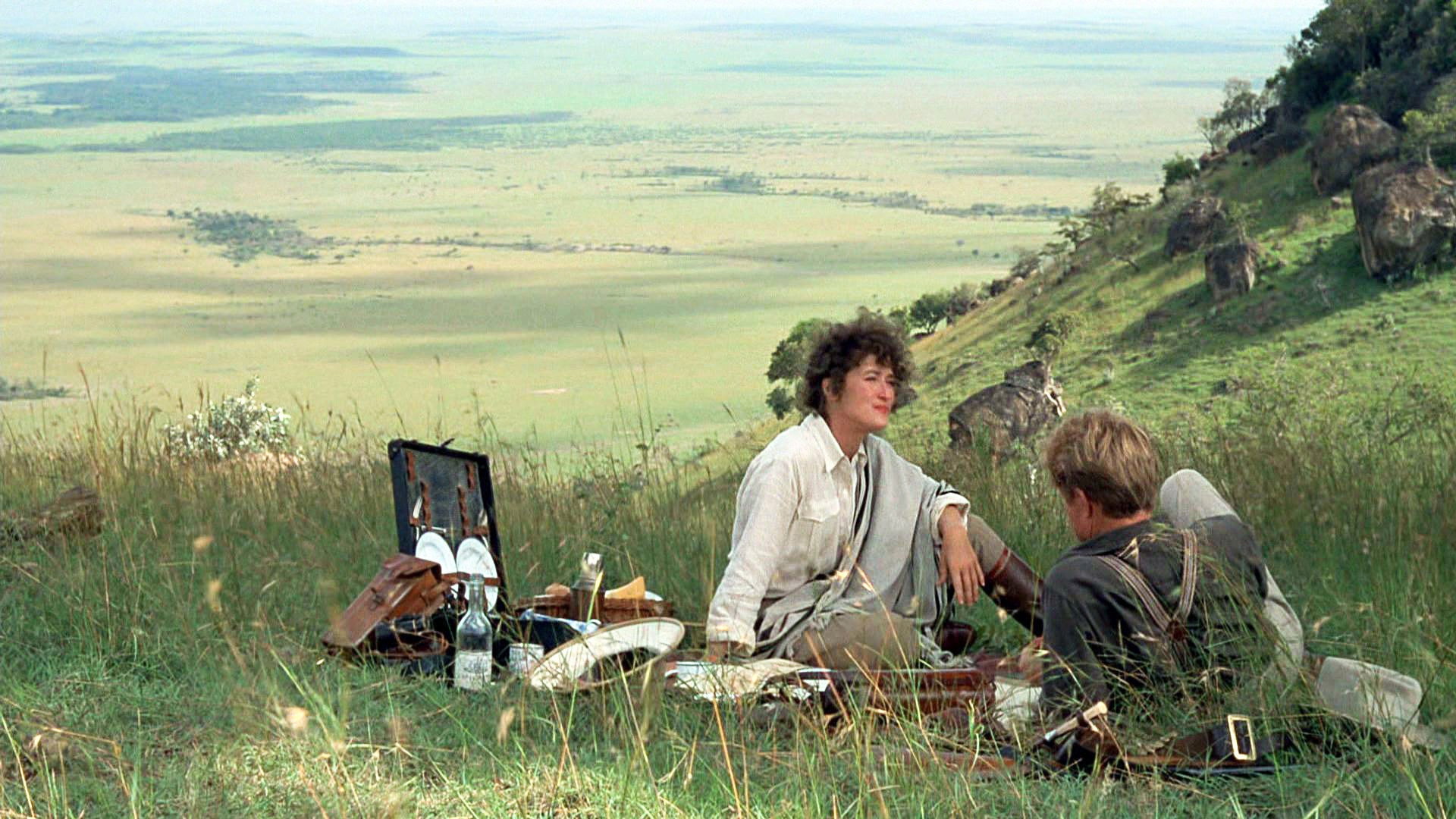
Then there are the aerial views of Kenya, where the film briefly becomes as affecting as it means to be. We felt a rush of pleasure here. David Watkin’s photography lets the scale of the landscape register, while John Barry’s expansive music makes the flight feel like a release from the more effortful conversations. The combination works, and there is no reason to pretend otherwise because the romance is faltering. Barry does, however, supply an emotional intensity that the actors together cannot always match.
Stephen B. Grimes’s production design and Milena Canonero’s costumes contribute to the same sense of careful arrangement. Their work makes the characters’ surroundings and appearance feel considered, although the polish sometimes becomes distracting. The costumes help Streep suggest Karen’s determination to present herself properly even when her feelings are less orderly. Pollack seems reluctant to disturb the handsome settings, and the romance could use a little more awkwardness within them.
Editors William Steinkamp, Sheldon Kahn, Pembroke J. Herring and Fredric Steinkamp leave considerable breathing space around the relationship. That patience suits a historical romance, up to a point, and the leisurely opening at least lets Streep establish Karen as someone worth following. Later, too many passages seem to be waiting for an intensity that does not arrive. The pace becomes a problem because the exchanges between the lovers do not keep revealing enough about them.
A long romantic drama can hold us through small changes in how people speak to and regard each other. Here, the characters’ positions become familiar, and the pauses give us too much time to notice. There are pleasures for anyone who values Streep’s watchfulness and can tolerate the slow pace. For an evening built around a love story, we would choose something with more feeling between the people.