Robert Zemeckis’s version of Dahl’s book has a Grand High Witch who is fun whenever she is on screen and a film around her that is too clean and too soft to frighten anyone. Octavia Spencer is the reason to stay.
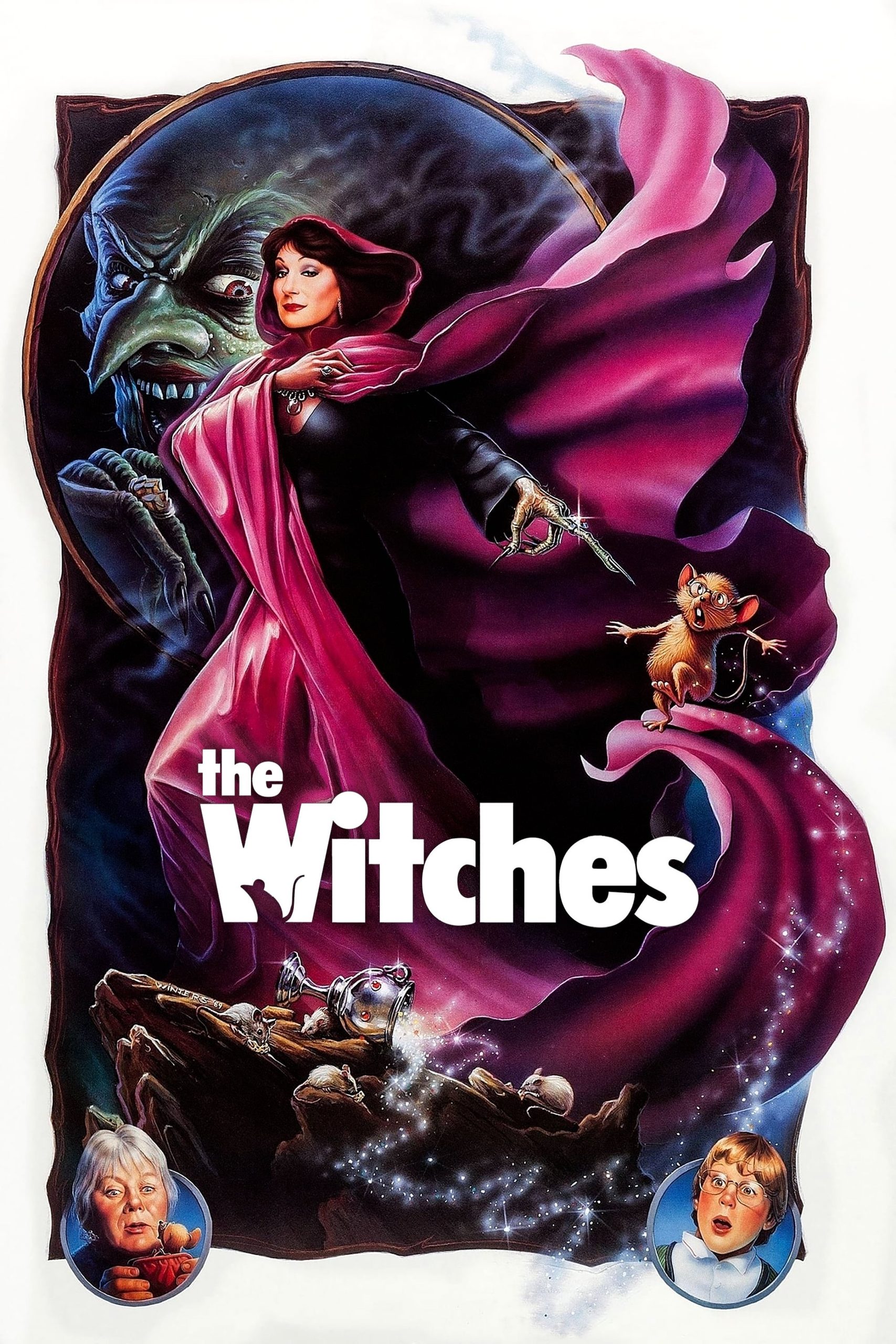
Robert Zemeckis, writing with Kenya Barris and Guillermo del Toro, has taken Roald Dahl’s book out of Norway and the English seaside and put it down in Alabama in the 1960s. The bones are the same: a boy, a grandmother, a hotel full of witches and a plan involving mice. The film runs 104 minutes, carries a PG and is bright, busy and well meant. What it has lost is the thing Dahl had, which is that he enjoyed frightening children and did not apologise for it.
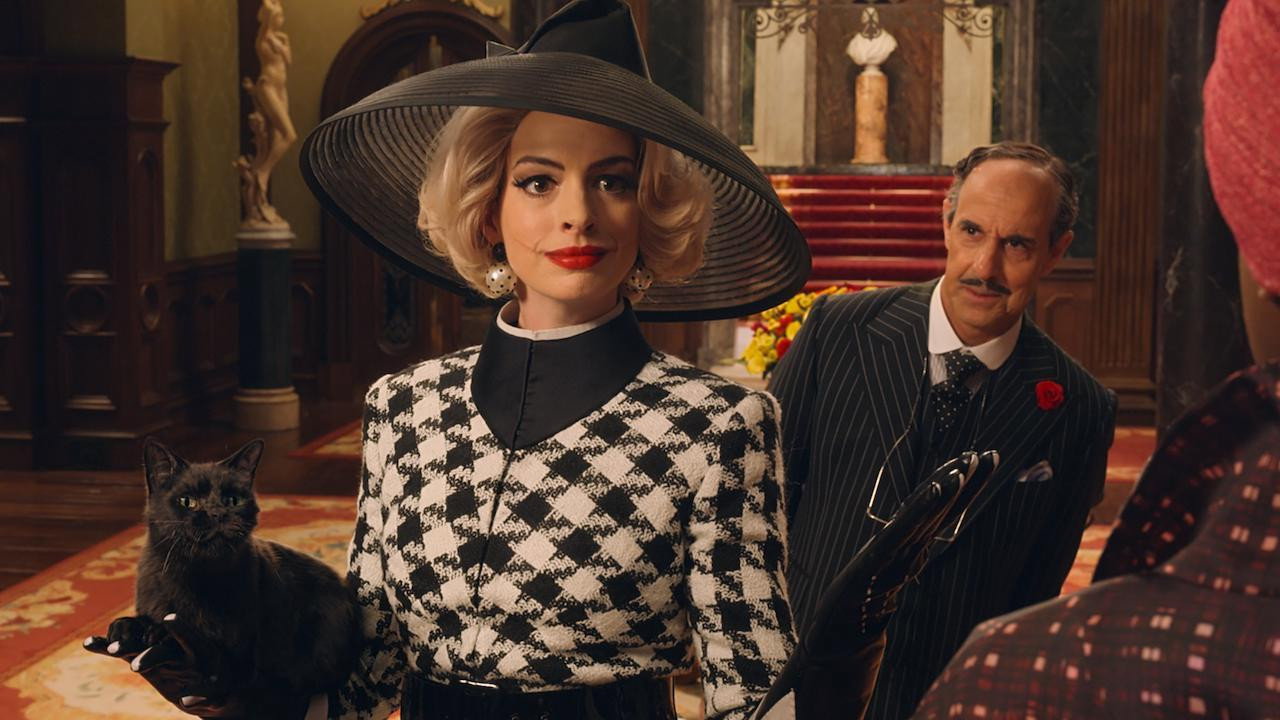
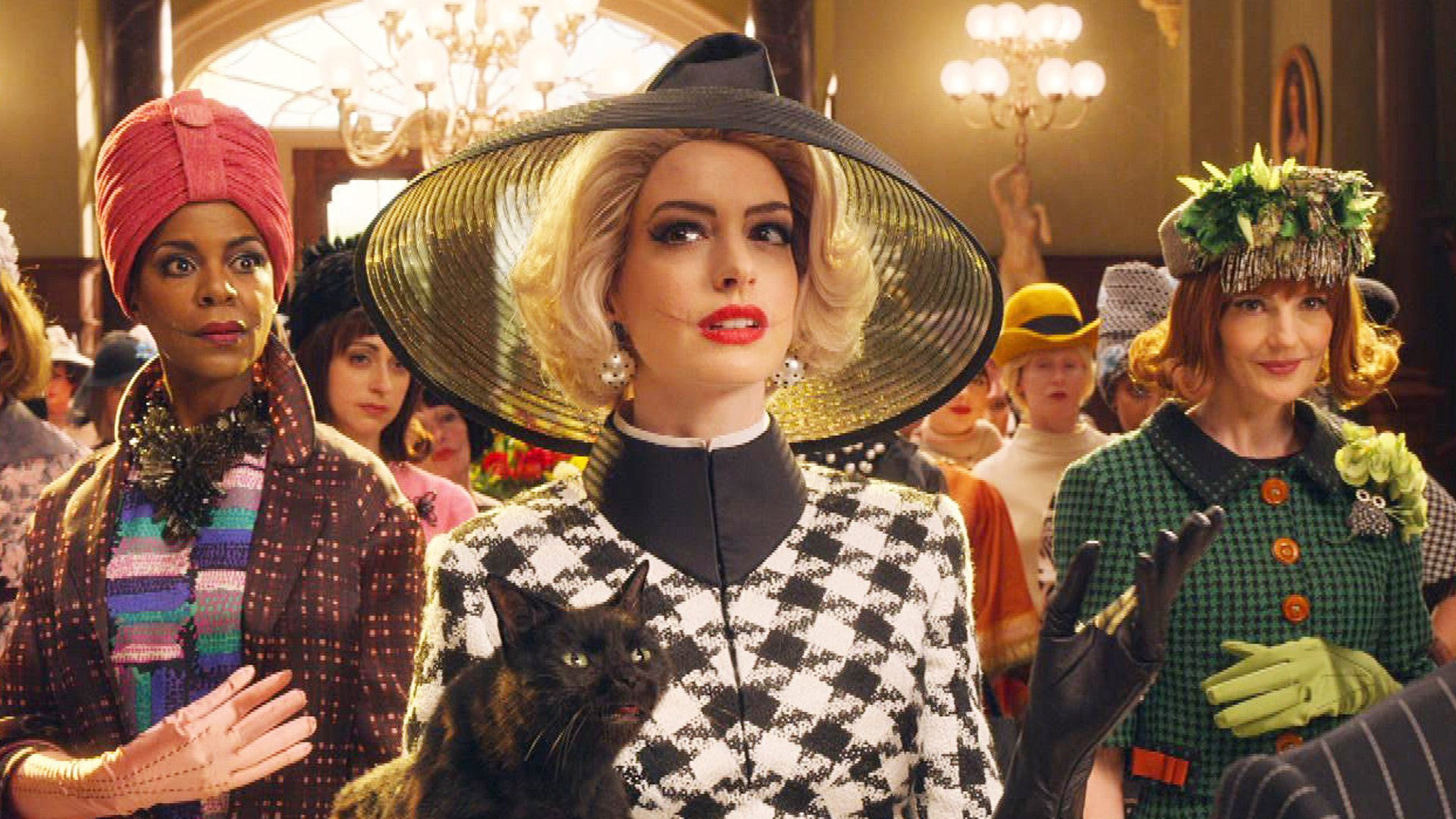
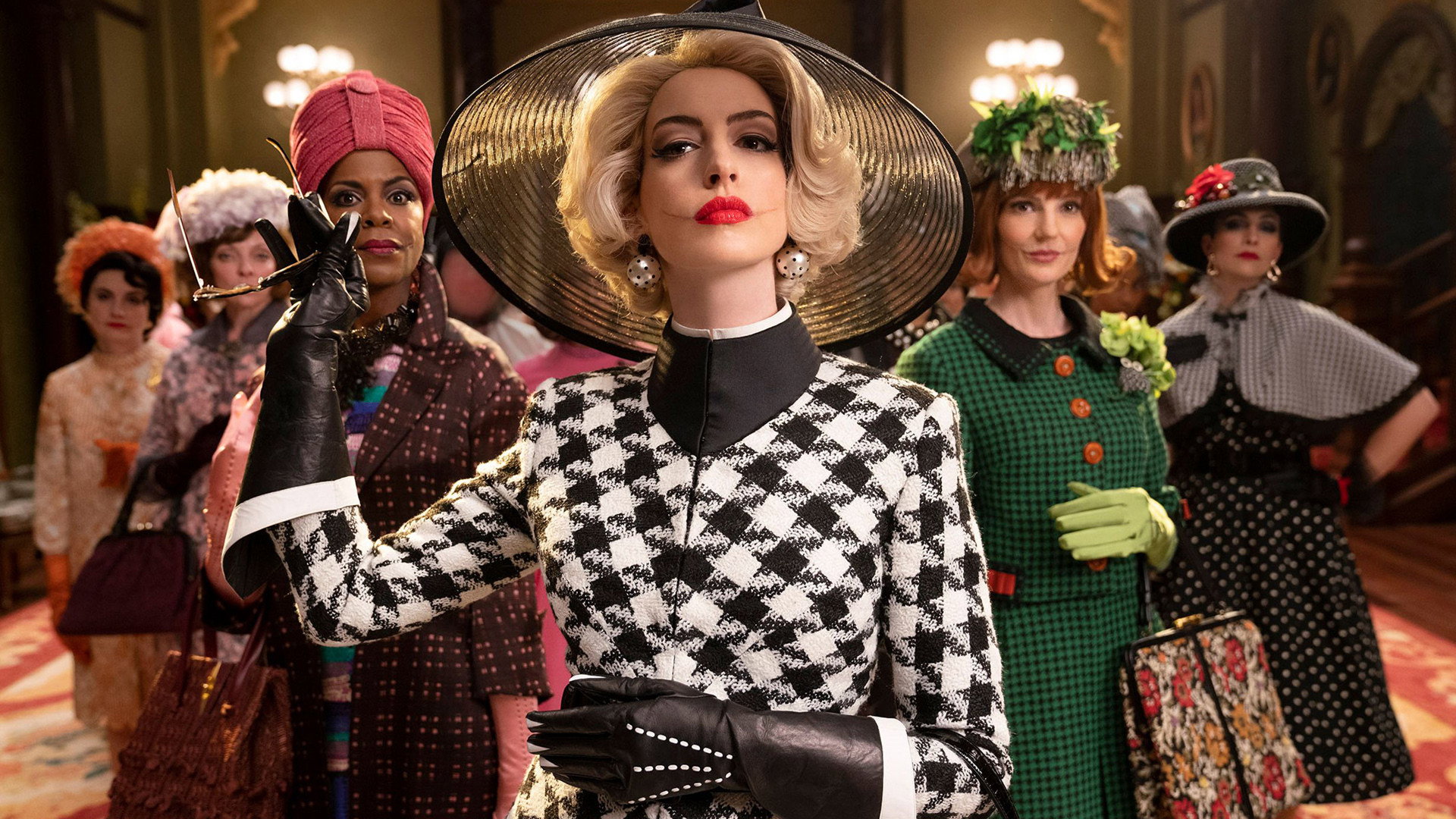
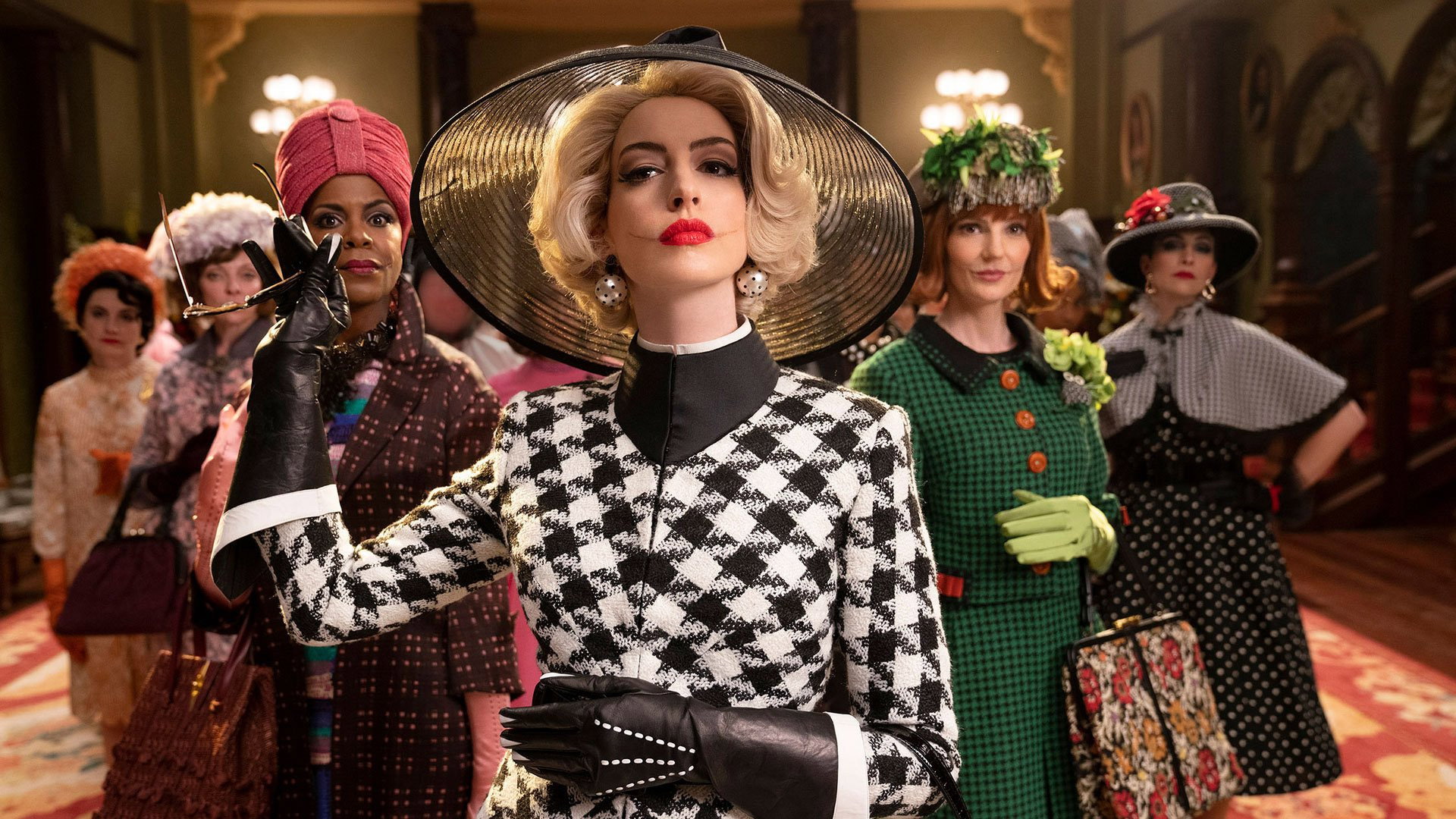
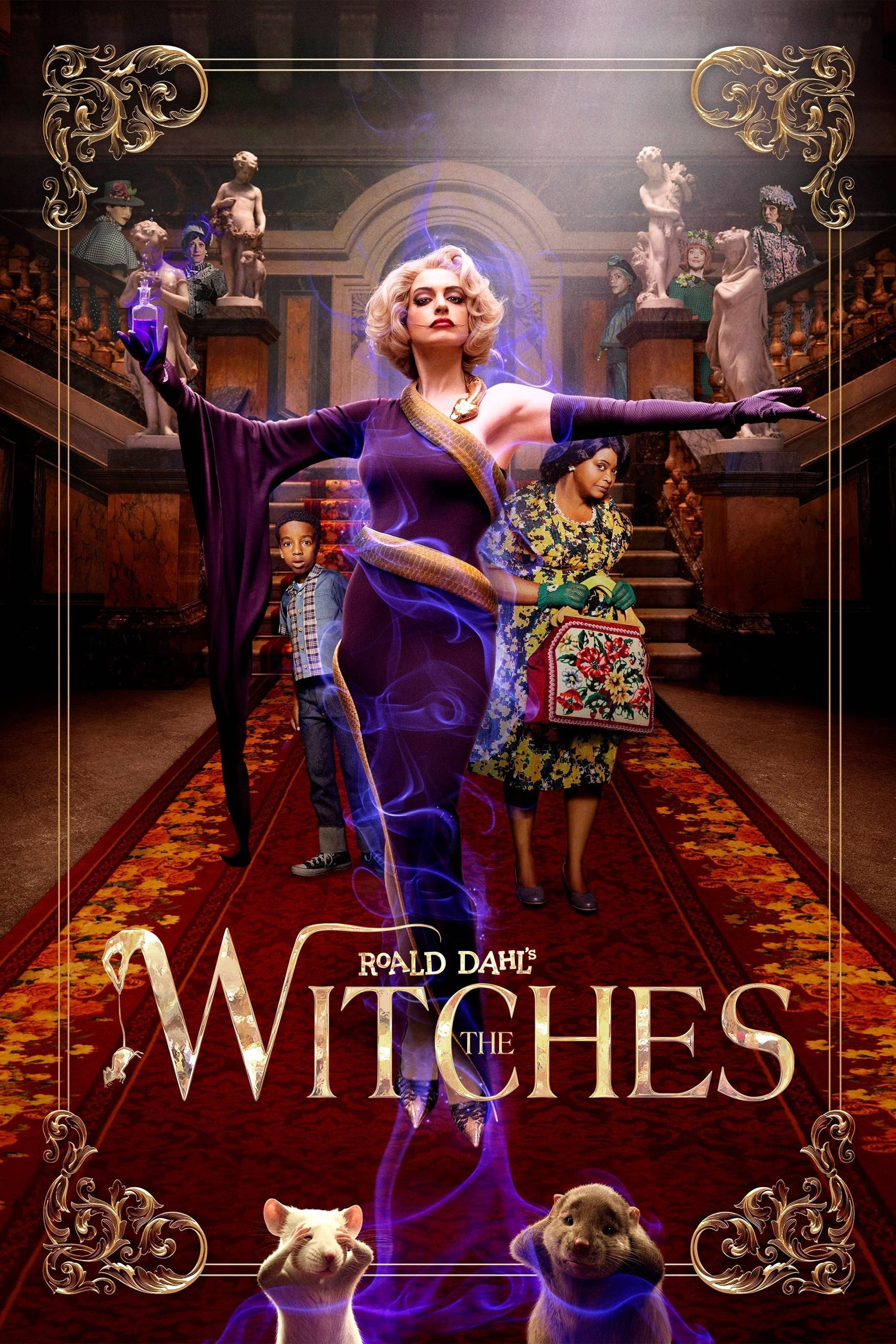
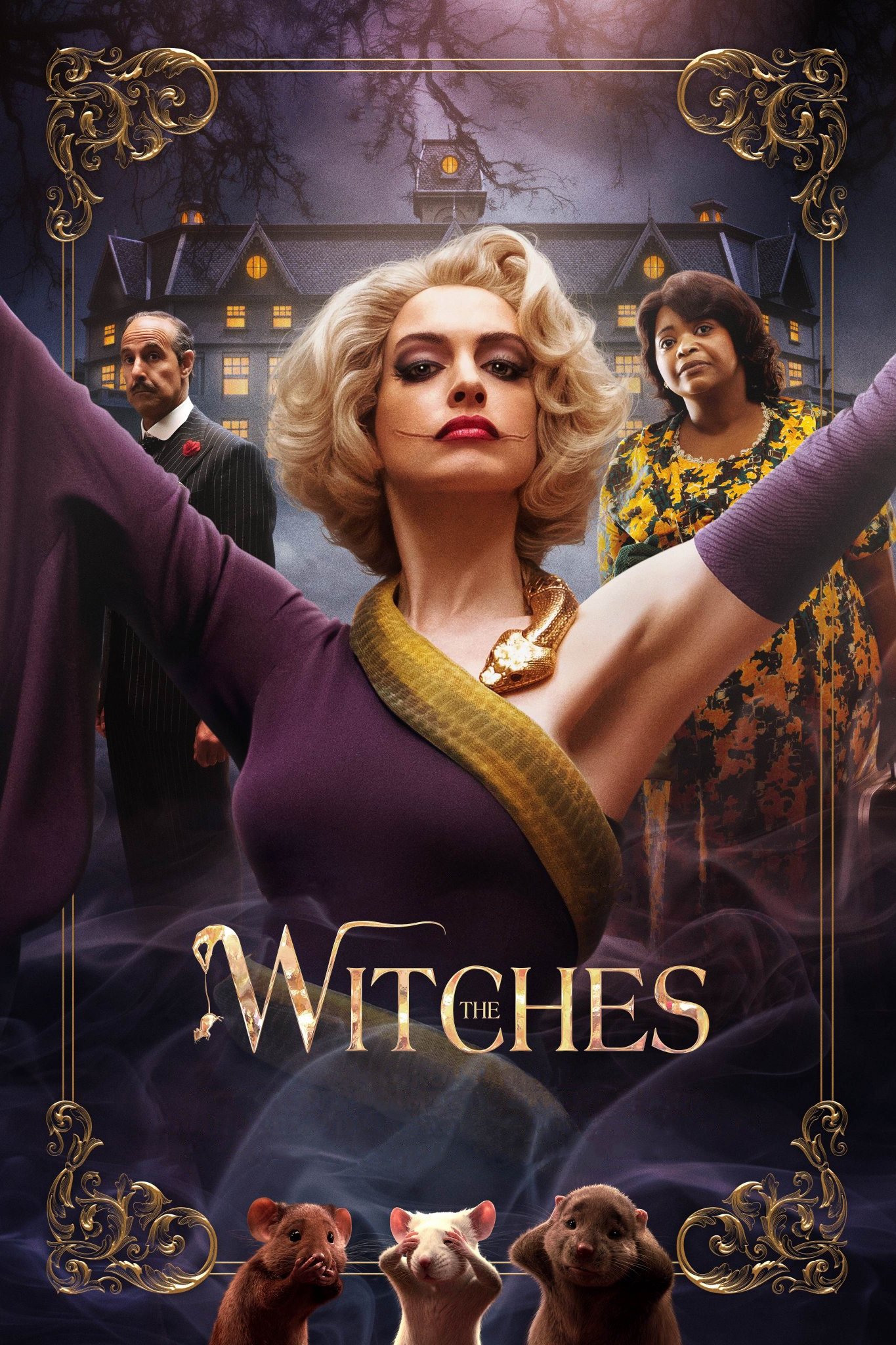
Anne Hathaway is the reason most people will switch it on, and for stretches she earns it. Her Grand High Witch speaks in an accent from no country, wears Joanna Johnston’s long gloves and purple gowns as if they were armour, and treats the other witches present as staff. In the ballroom, when the wigs come off and her mouth splits open to her ears, we jumped. It was the one time the film properly frightened us, and it is a good jolt, because for a second the pretty woman is gone and something else is standing there. Then she starts shouting again, and the film decides she is a joke, and the fear leaks out.
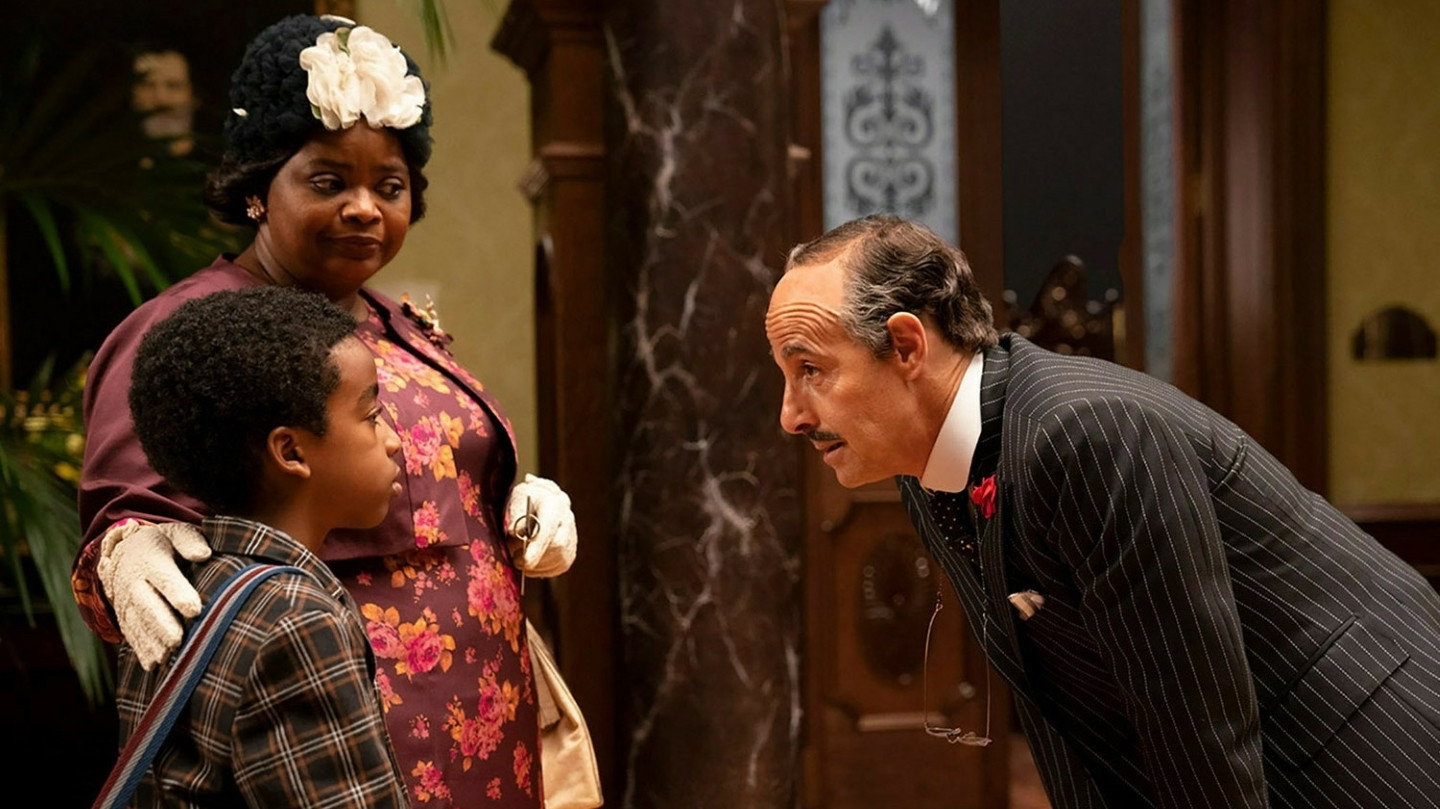
Octavia Spencer holds the rest of it together. Her Grandma is warm, quick and unsentimental, and she talks to the boy as if he were a person and not a plot point. Jahzir Bruno, as the boy, is a real child on screen rather than a performing one, and their scenes at home are the film’s best. Moving the story to the segregated South gives Grandma’s wariness of the smiling white women in the hotel lobby a weight the book never had, and the film notices this once, in a line or two, and then puts it down. Stanley Tucci fusses through the hotel as Mr. Stringer and is fine.
The trouble is the pictures. Don Burgess lights Gary Freeman’s hotel high and clean, all chandeliers and wide staircases, so that every room looks like a wedding venue and nothing has a shadow to hide in. The mice, when they arrive, are digital, round-eyed and smooth, and from that moment the film is a cartoon about mice. You cannot fear for something that looks like it came free with a cereal box. Nicolas Roeg’s 1990 film had rubber and latex and it was horrible; this has pixels and it is pleasant. Somewhere in the second half we realised we were smiling at the mice the way you smile at a screensaver, and that nothing on screen was in any danger at all.
Chris Rock narrates as the boy grown up, and mostly tells us what we have just watched. Alan Silvestri’s score arrives before every scare and after every joke, in case we missed either. Jeremiah O’Driscoll and Ryan Chan cut the set pieces briskly, and a sequence in the hotel kitchen is the one stretch where the film uses the mice’s size for suspense rather than cuteness. Kristin Chenoweth voices Daisy and gets the best of the small talk.
Zemeckis has mixed cartoons and live actors before, in Who Framed Roger Rabbit (1988), and he has built whole films out of digital children in The Polar Express (2004). This is closer to the second. The ending is truer to Dahl’s book than the 1990 film’s was, and we will say no more about it than that. Most critics are split down the middle on this one, and we understand why: it is hard to dislike and hard to remember.
A child under ten on a wet afternoon will have a good time and may want the light left on. An adult who grew up with the book will spend the evening missing its smell.