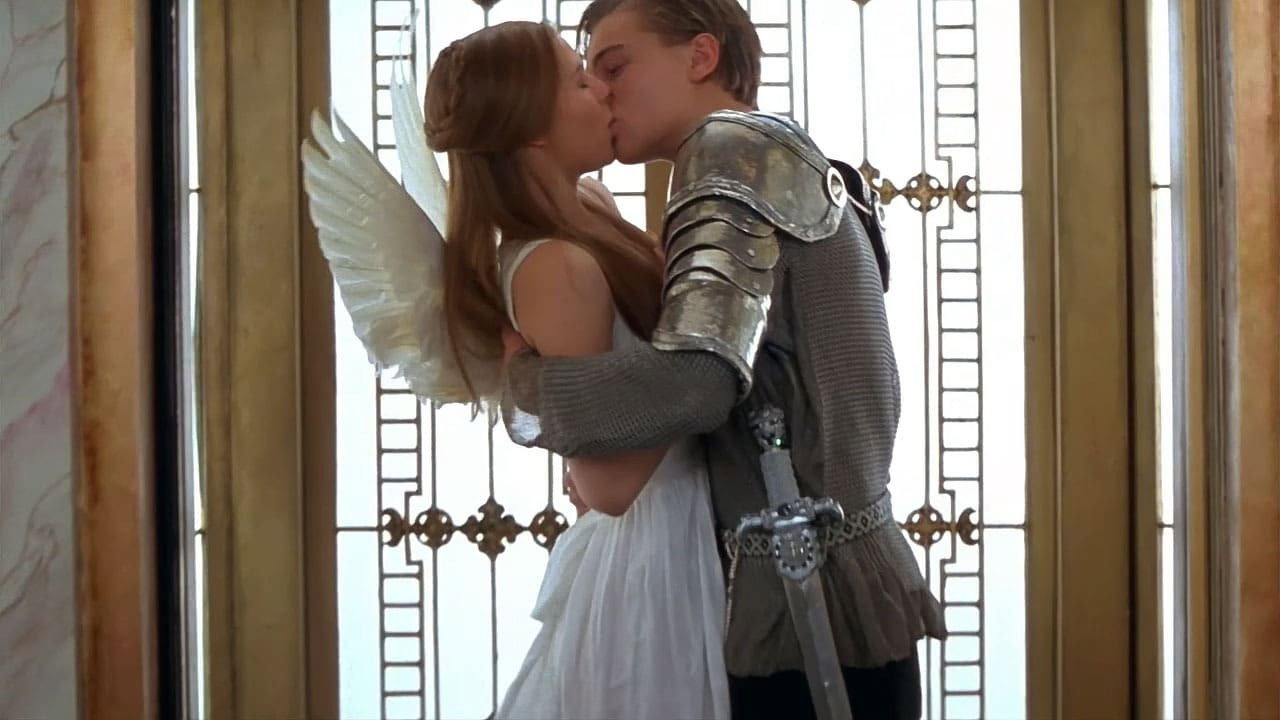
Baz Luhrmann’s Romeo + Juliet is a moving romance with a noisy habit of interrupting itself. Leonardo DiCaprio and Claire Danes make the modern setting and Shakespeare’s words belong together, even when the editing gives them too little room.
Baz Luhrmann’s Romeo + Juliet works because its lovers are worth attending to, however hard their surroundings compete. We recommend it, with a warning about the noise. Luhrmann and fellow screenwriter Craig Pearce retain Shakespeare’s dialogue and put it into a modern Verona Beach of guns, cars and corporate power. The purpose is clear enough: make the danger and impatience of the story immediate, without asking the actors to speak as though they are explaining an old book. The trouble is that Luhrmann sometimes seems anxious that a moment allowed to pass quietly might be a moment wasted.
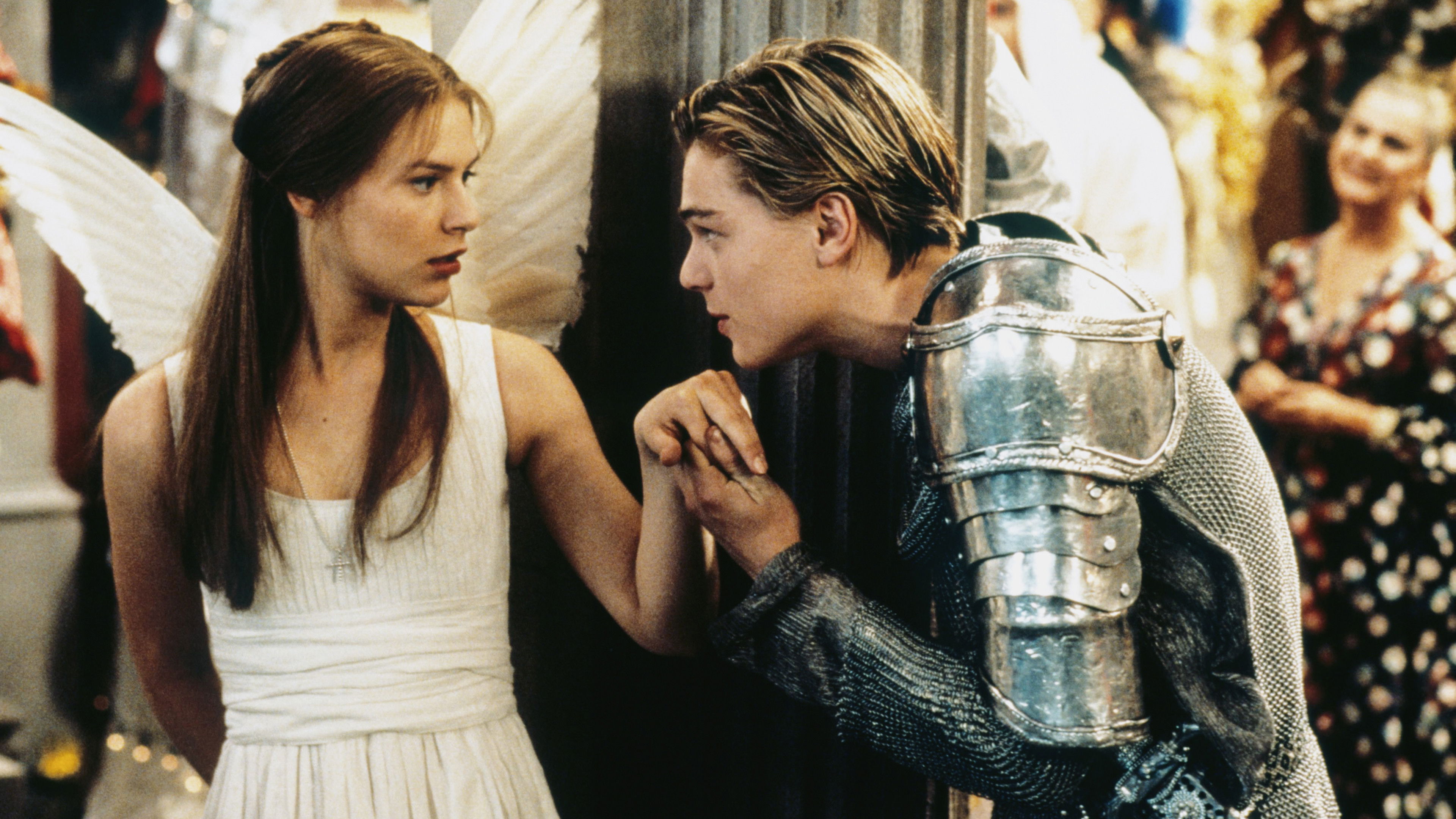
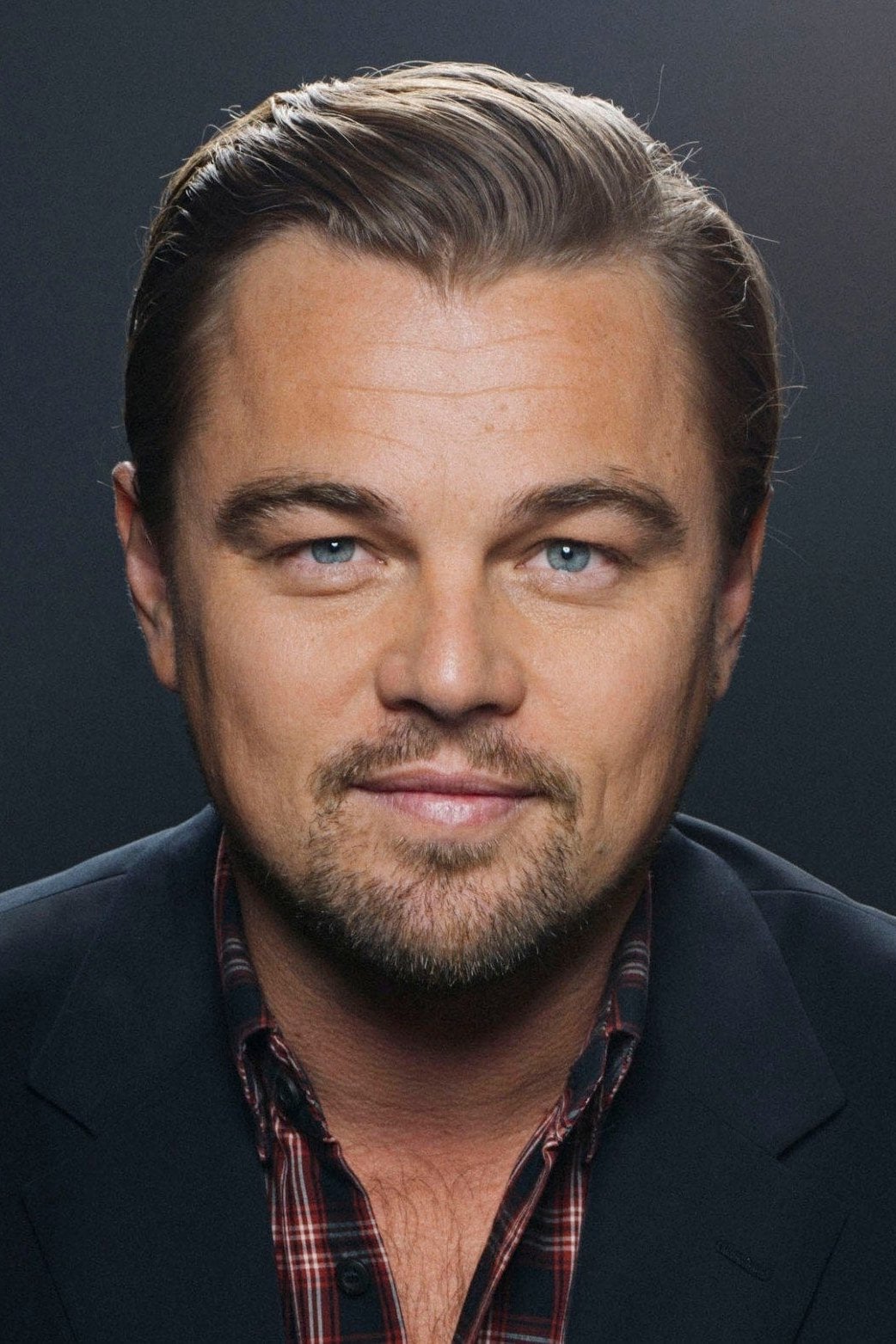
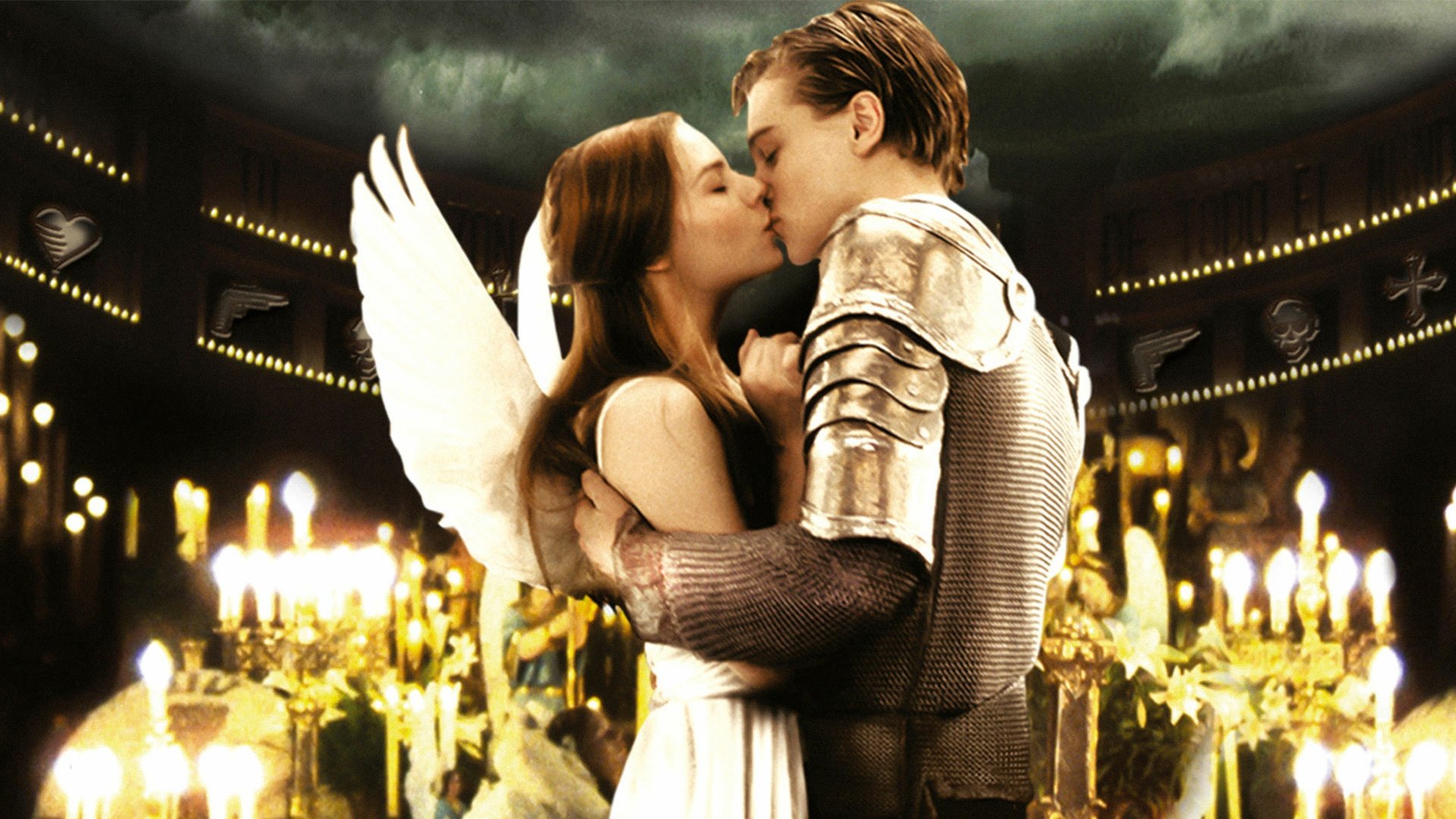
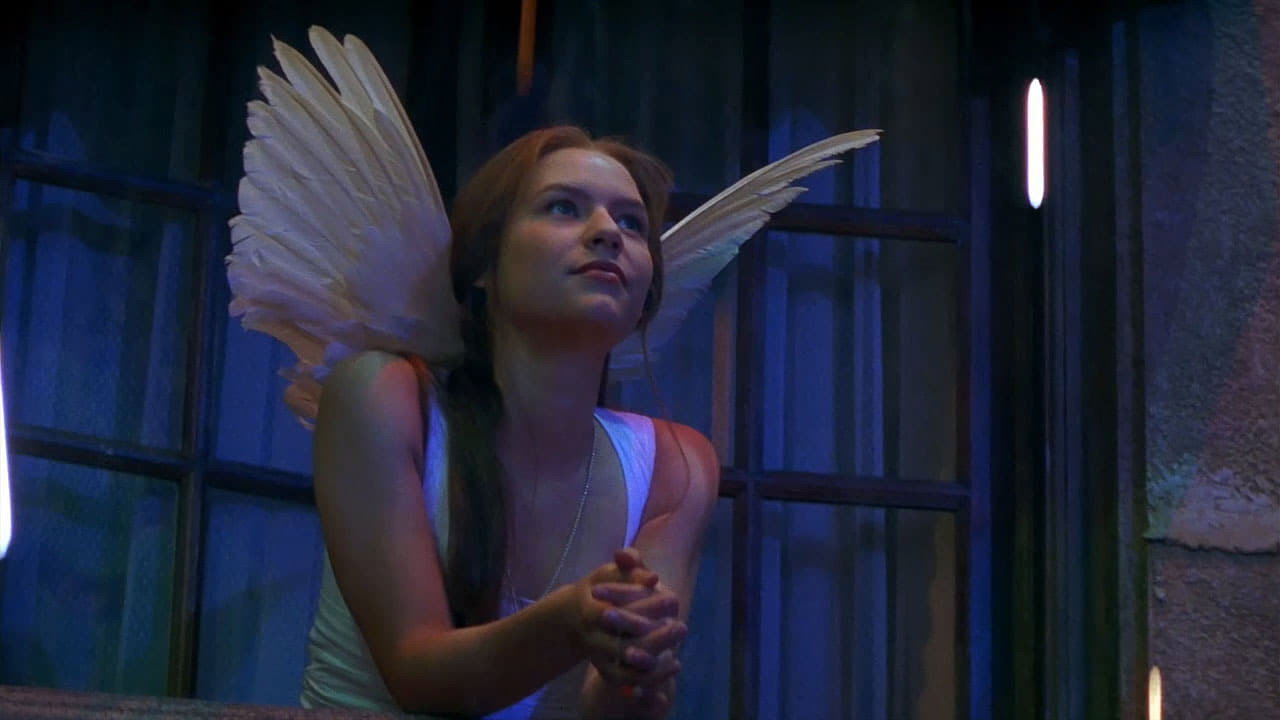
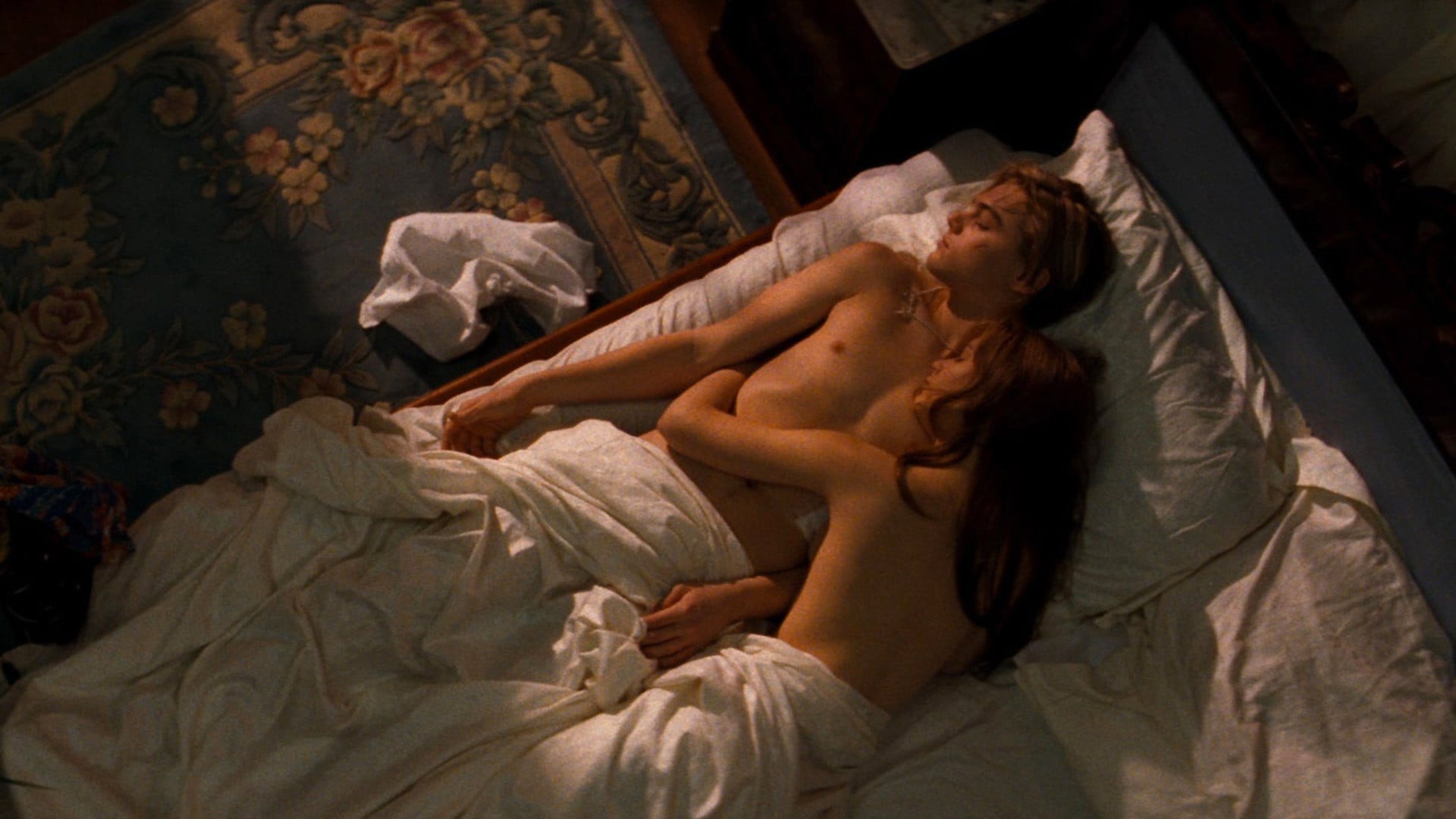
Leonardo DiCaprio gives Romeo the earnestness that this treatment needs. His vulnerability prevents the surrounding display from becoming the whole film, and we believe his urgency even where his handling of the verse is uneven. Claire Danes is still more persuasive as Juliet, making the language sound like something she has just thought of saying rather than prepared for an examination. Their attraction is easy to believe because neither performance looks satisfied with merely being young and beautiful.
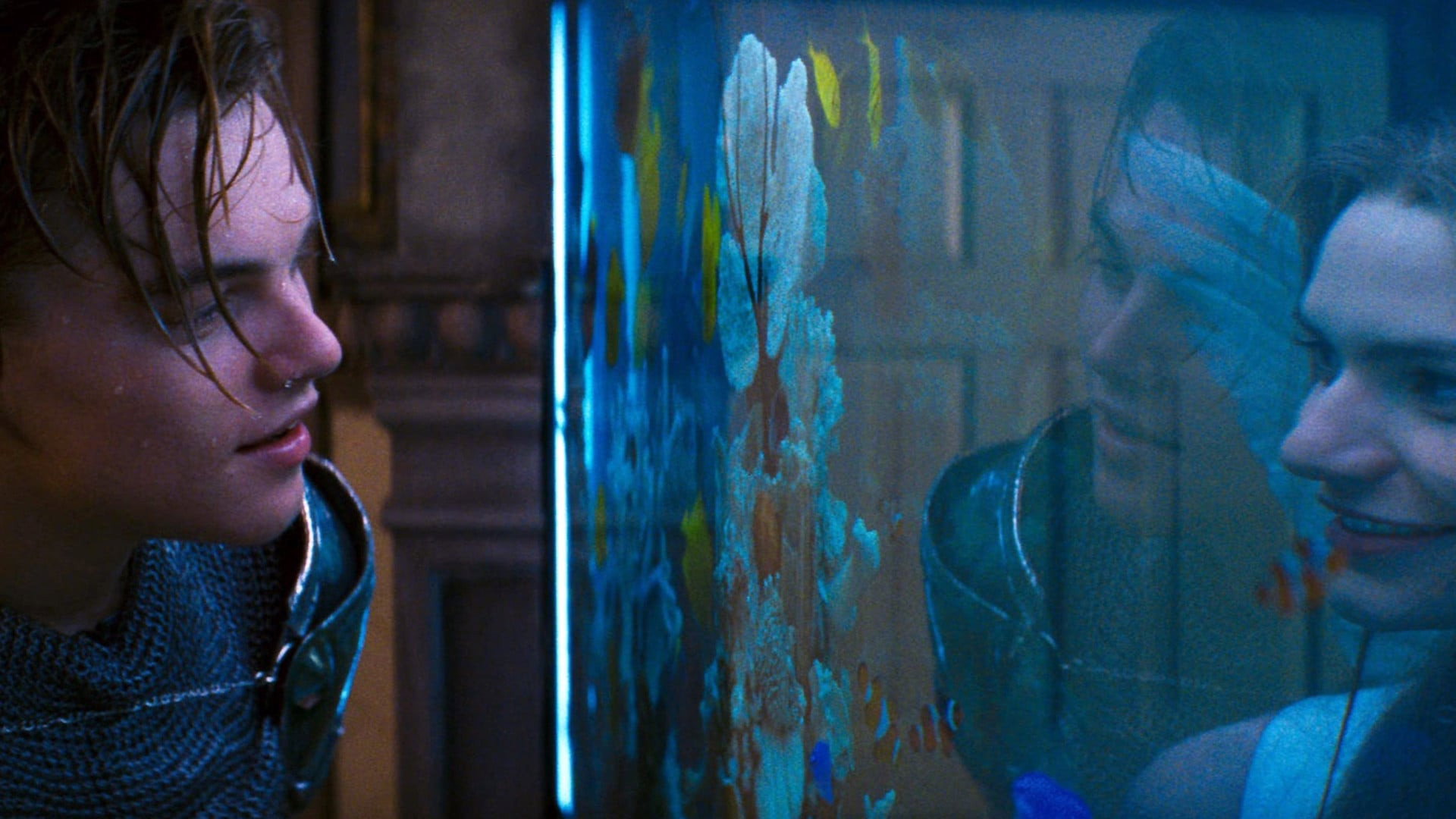
The fish tank scene is where we stopped bracing ourselves for the next flourish. We were moved by the simple pleasure these two take in looking at each other through the glass. Donald McAlpine’s cinematography gives their faces enough attention for that feeling to register, and the surrounding visual business recedes. The scene lets DiCaprio and Danes establish the attraction that the rest of the film asks us to believe.
Catherine Martin’s production design makes the corporate wealth around the lovers conspicuous, so the feud belongs to people whose influence extends beyond their own homes. Kym Barrett’s costumes are equally assertive, helping us read the personalities before we have caught every word. This is one advantage of Luhrmann’s approach to adaptation: information can arrive through clothes and buildings while the dialogue gets on with something else. The sets and costumes give the old hostilities a plausible modern setting.
Jill Bilcock’s editing is the more persistent difficulty. The rapid changes give the confrontations an excitable rhythm, but they also compete with dialogue that already asks for concentration. We sometimes wanted a line to finish settling before the film found something else to show us. Craig Armstrong, Nellee Hooper and Marius de Vries share the music credits, and the pop-heavy soundtrack suits the young characters’ emotional impatience. It is effective, although the music and cutting together can press an emotion harder than the actors need.
Not everyone finds the same ease with the words. Pete Postlethwaite, as Father Laurence, makes their meaning clear without appearing to pause the film for instruction, and his precision exposes some of the hurried delivery elsewhere. DiCaprio can communicate a feeling more convincingly than the full thought inside a speech. That matters in an adaptation which has chosen to preserve the language, though the chemistry between him and Danes carries us through the awkwardness.
There is no need to know the play before watching, although familiarity will help when the cutting gets impatient. We would choose this for an evening when a romance is wanted and solemnity is not. The lovers are persuasive enough to reward the attention the film’s speed demands. Give them that attention, even when Luhrmann seems determined to distract us.