Film review

Rust and Bone

2012 · Directed by Jacques Audiard · 2h 03m · MPA R

In a sentenceThe boxer is better equipped for a fight than a conversation

DramaRomance

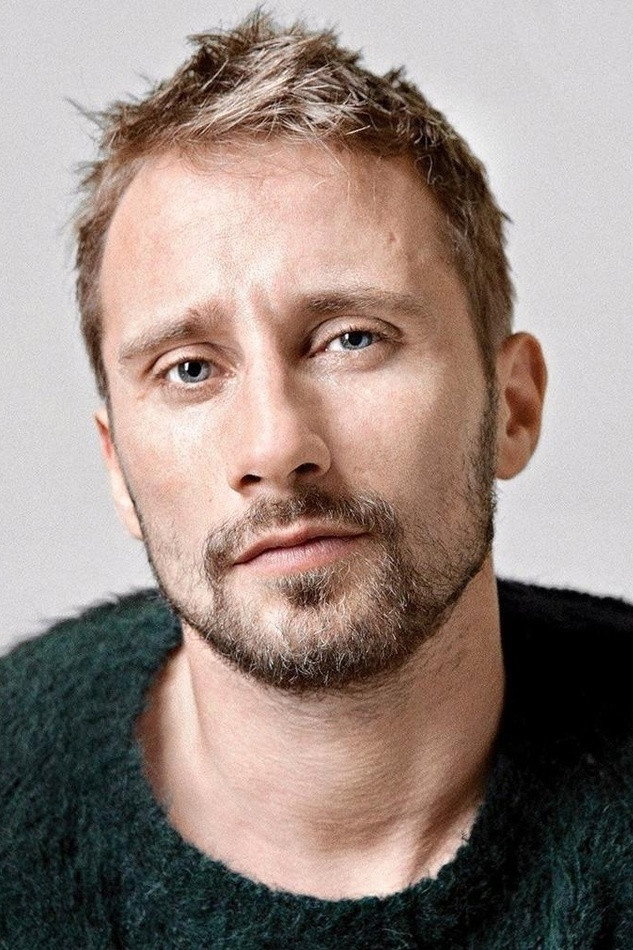
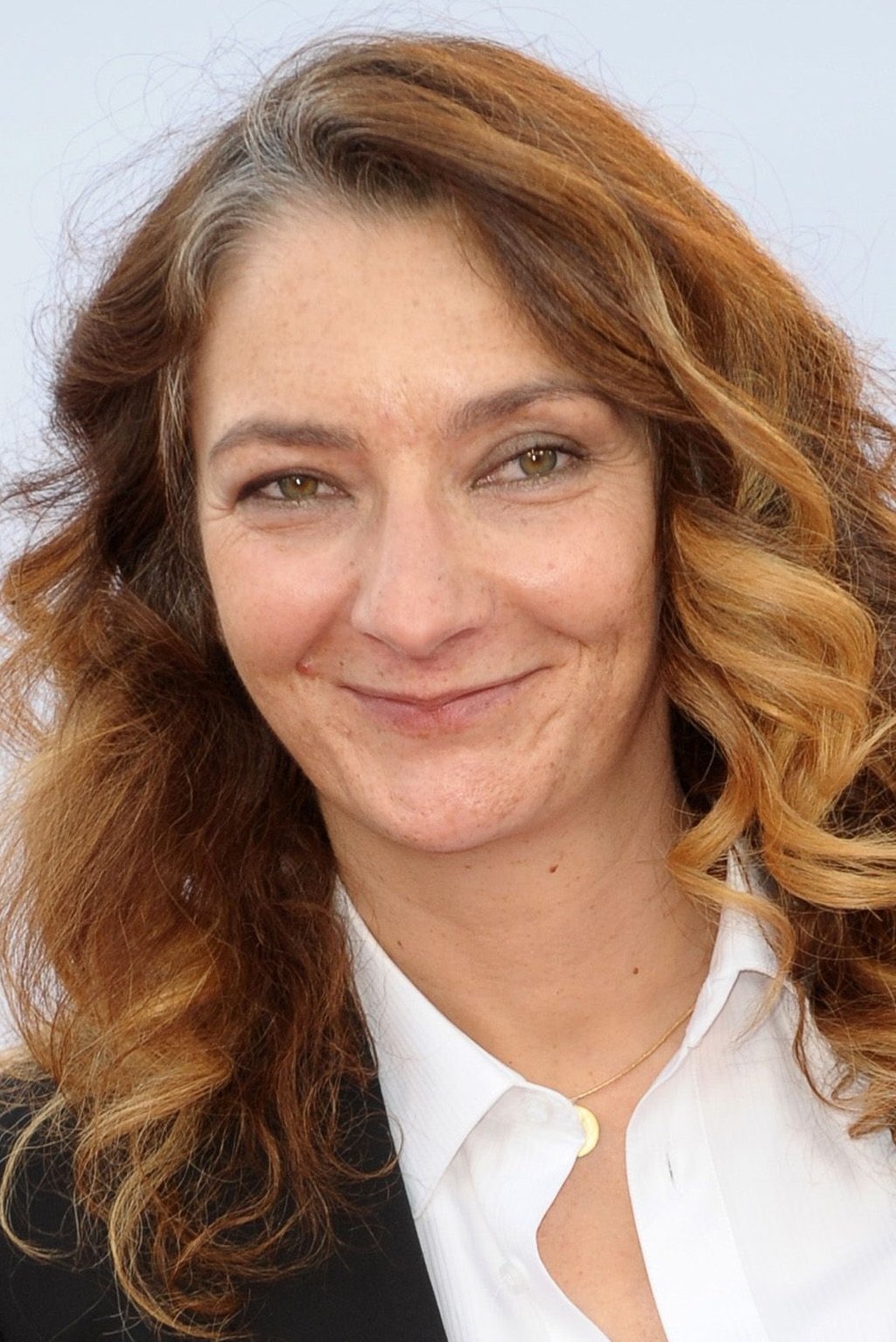
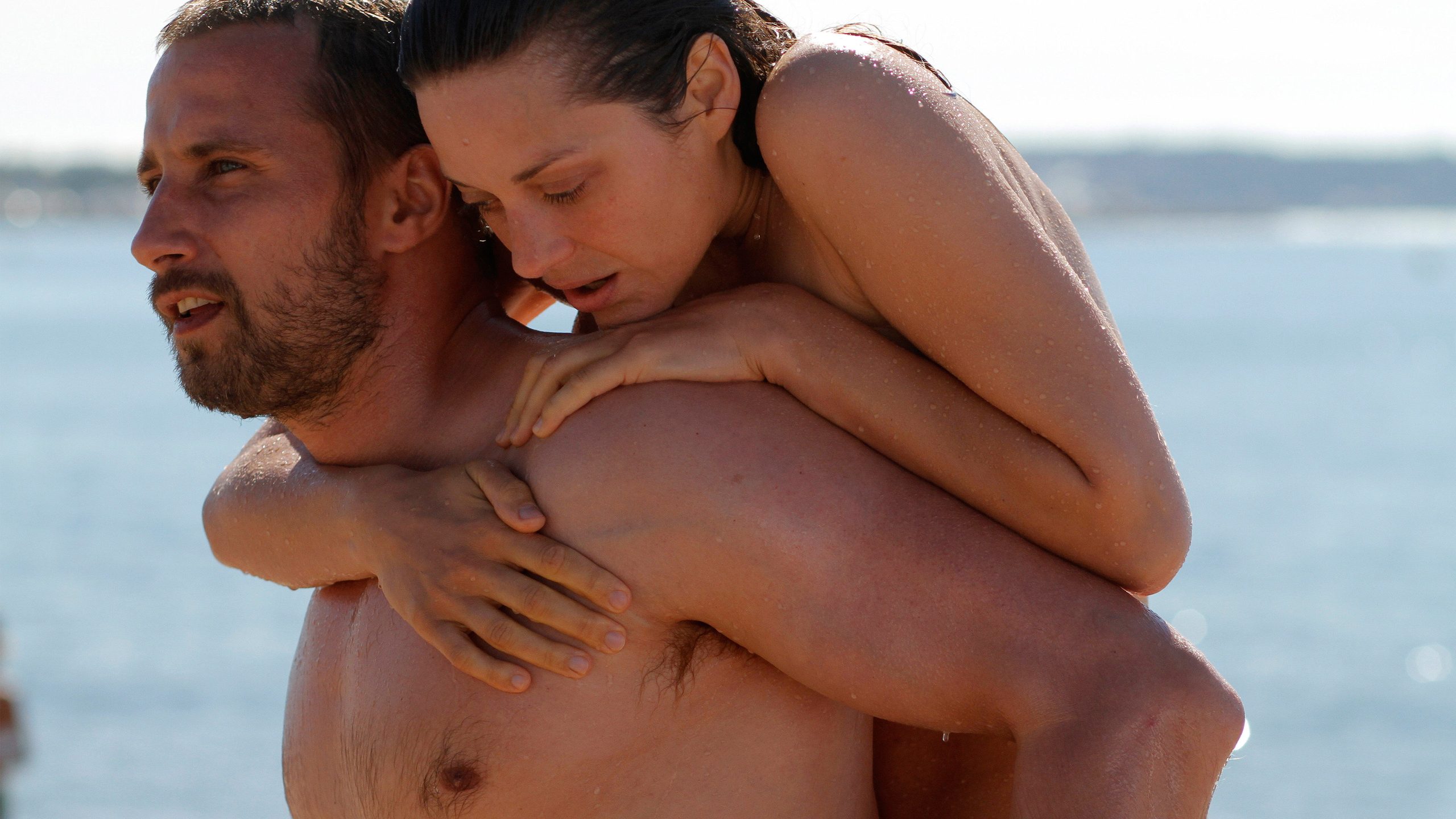
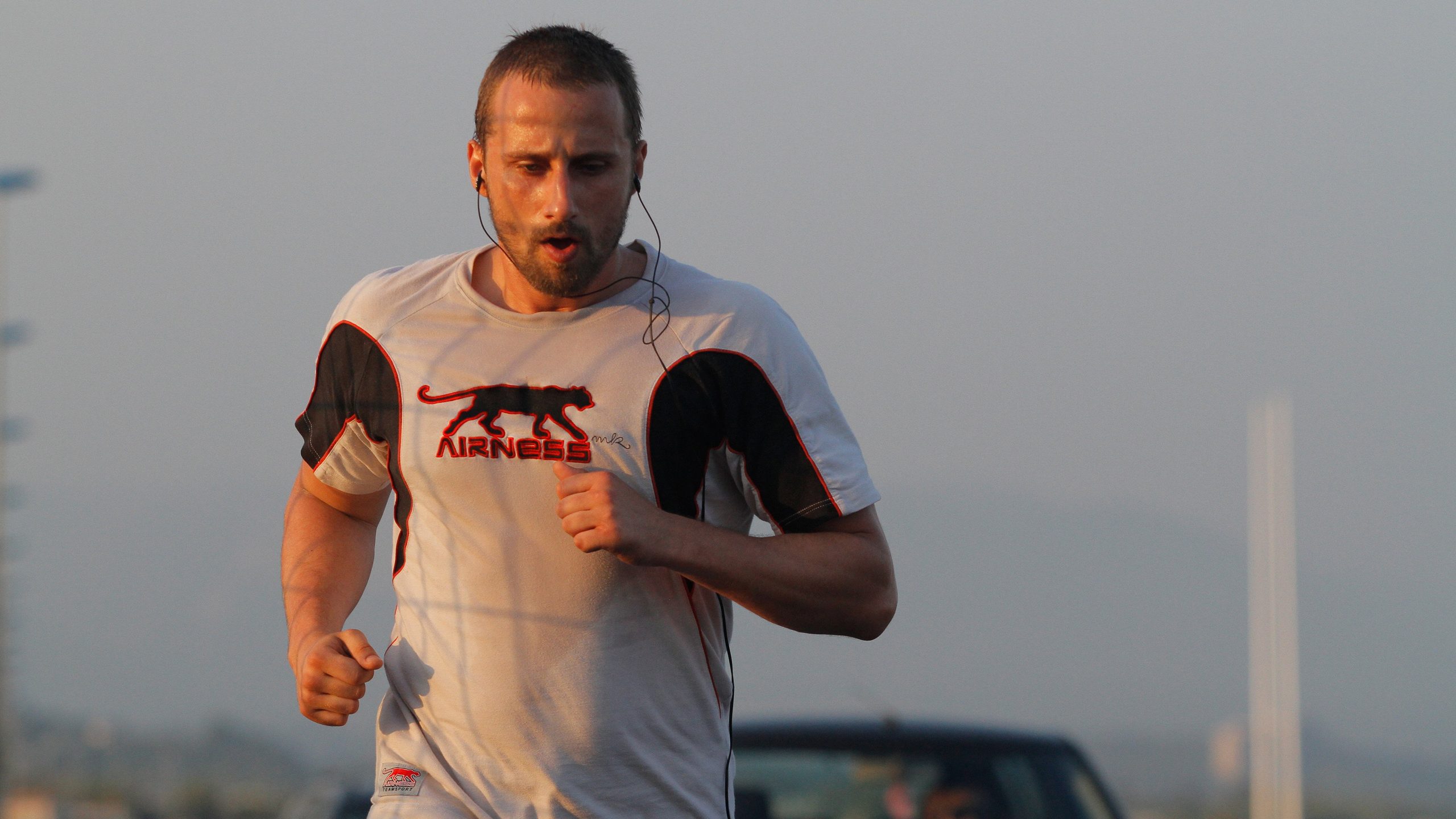
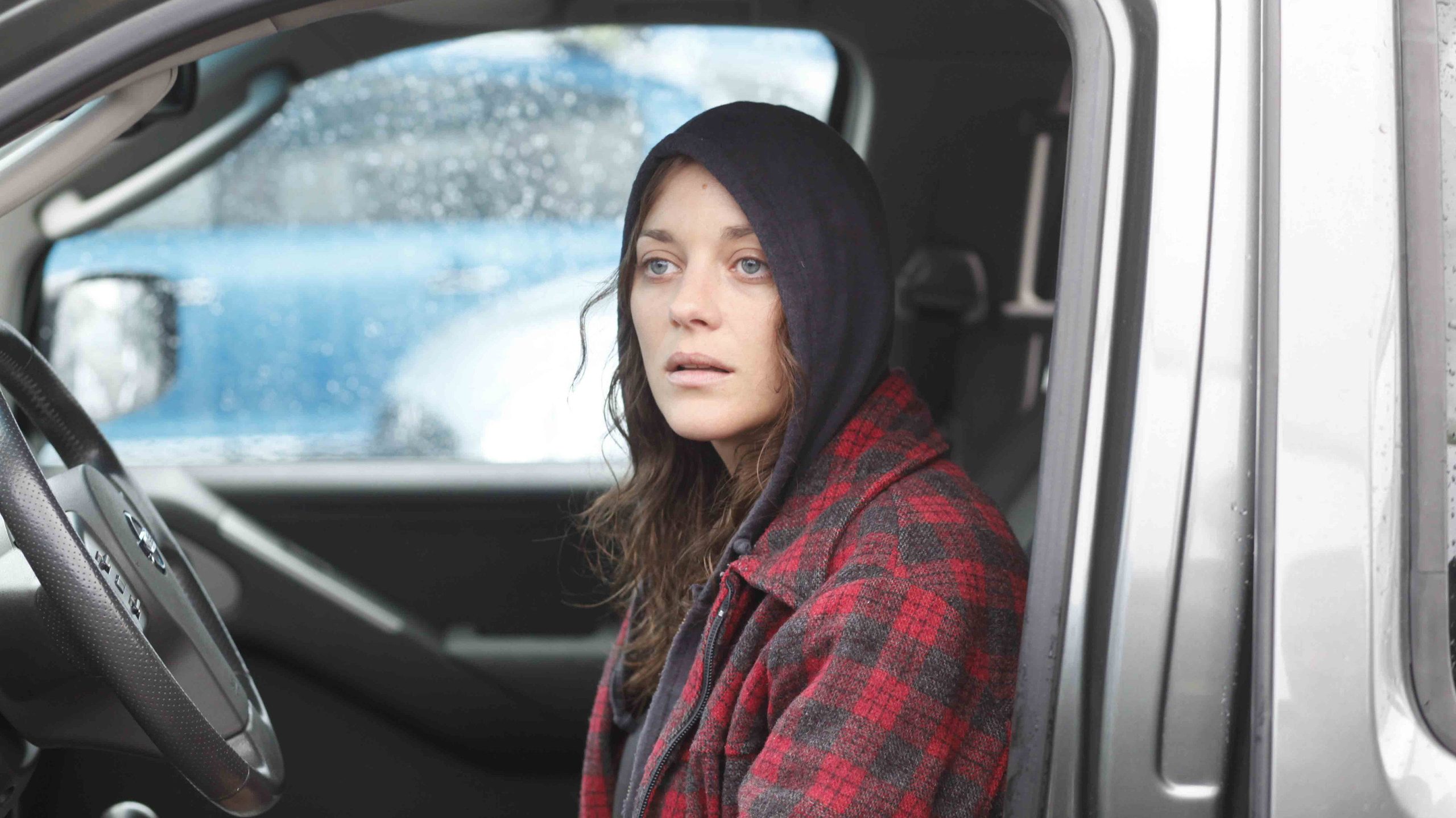
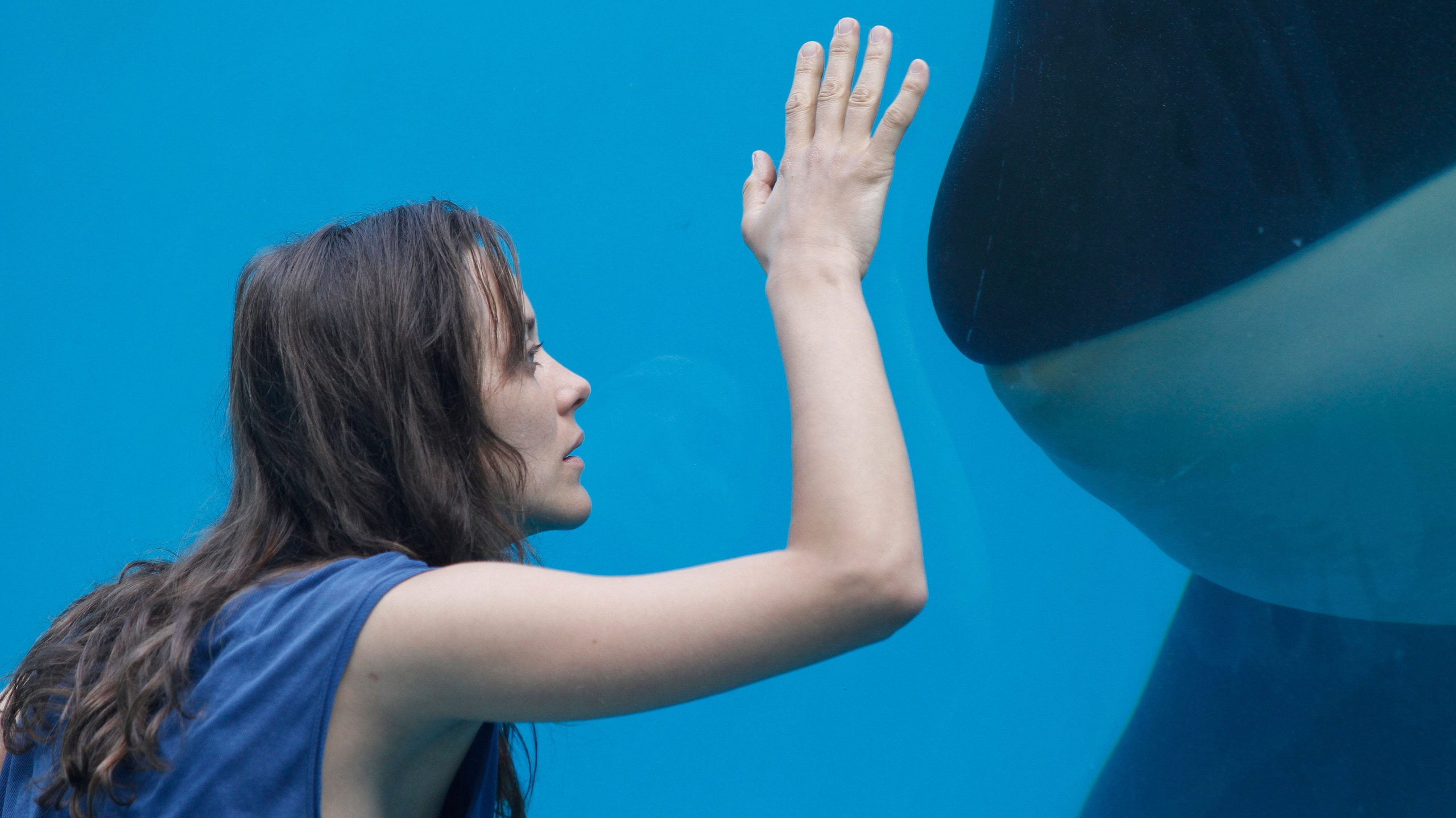
Stéphanie (Marion Cotillard) trains orcas, while Alain ‘Ali’ van Versch (Matthias Schoenaerts) is a boxer struggling with money. When Stéphanie loses her legs, she faces the practical and sexual questions of living with a changed body. She and Alain begin a relationship in which physical attraction runs ahead of emotional understanding. Sam (Armand Verdure) and Anna (Corinne Masiero) are among the people around them. Stéphanie wants to recover a sense of herself beyond her injury; Alain’s bluntness and a life shaped by violence make him an uncertain source of help.

Plays from YouTube when you press play; nothing loads from them until then.

Fi1m review

Marion Cotillard and Matthias Schoenaerts make this difficult romance moving without making its people easy to like. Jacques Audiard handles desire and dependence with conviction, though the plot eventually pushes too hard.

Jacques Audiard’s Rust and Bone is a forceful romance, made convincing by two actors who can suggest need without making it attractive. It asks us to take desire seriously in lives where money, injury and violence already demand attention. That could make for a punishing evening, but the film has enough sexual frankness and awkward humour to keep its people from becoming a collection of problems. We recommend it, with a reservation about how insistently the screenplay eventually pushes for a response.

Marion Cotillard plays Stéphanie, an orca trainer who loses her legs, without treating her desire as an uplifting surprise. The performance allows frustration and appetite to coexist; Stéphanie need not become agreeable before the film takes her seriously as a woman who wants sex. Matthias Schoenaerts, as boxer Alain ‘Ali’ van Versch, gives her someone whose physical assurance does not extend to understanding other people. Their attraction is persuasive because both actors allow it to remain awkward, with neither quite sure what the other expects.

Matthias Schoenaerts is especially good at making a man’s inability to recognise another person’s needs feel thoughtless without making it harmless. His strength does not excuse him, and the performance resists asking us to mistake bluntness for honesty. Marion Cotillard makes Stéphanie’s growing sensual confidence equally complicated: being wanted does not settle what she wants from this man. The intimate passages are absorbing because both actors leave room for the possibility that the other person has understood nothing.

Stéphane Fontaine’s handheld cinematography makes the fights feel close enough to be unpleasant. We flinched, because the force of the blows is given more weight than the fighters’ skill. Juliette Welfling’s editing gives the changes between violence and intimacy a roughness that suits these people, without making every encounter feel the same. The film keeps us conscious of how vulnerable their bodies are, including when they seem most physically assured.

Michel Barthélémy’s production design gives the economic hardship a credible everyday setting, with little sense that poverty is being arranged for our admiration. Money matters here because it restricts what people can do, including how much attention they have left for each other. Alexandre Desplat’s music suits the film’s readiness to be romantic, although the soundtrack sometimes adds insistence where the performances have already done enough. The actors are capable of carrying the quieter passages without much help.

The weakness lies in the screenplay by Jacques Audiard and Thomas Bidegain, which does not always trust that relationship to hold us. As the story progresses, the dramatic pressure begins to feel applied from outside, and the plotting grows more conspicuous. We will not describe where it goes, but the attempt to demand a stronger response risks making the earlier, less forced feeling seem insufficient. There is already enough happening between these two people to sustain the film.

We would not choose it for reassurance that falling in love makes people better. At 123 minutes, it asks us to spend time with behaviour that a more accommodating romance would soften, and that is part of its appeal. The violence can be hard to watch; the intimacy is scarcely more comfortable. See it for Marion Cotillard and Matthias Schoenaerts, and allow the plot its occasional bad judgement.
Critical consensus AI synthesised

79
Positive
23
Mixed
1
Negative
0

Most critics respond warmly to Rust and Bone, with praise centred on Marion Cotillard and Matthias Schoenaerts: their physical conviction, emotional openness and chemistry make an unlikely romance persuasive. The reviews repeatedly credit Audiard with handling potentially sensational material with tenderness and restraint, while keeping the fights and intimate encounters forceful. Cotillard draws particular praise for conveying Stéphanie’s renewed sensuality, and Schoenaerts gives the relationship a rough, convincing physical presence.

Reservations cluster around the storytelling rather than the acting, with several critics finding loose narrative strands, familiar melodrama or contrivance in the closing stretch. The disagreement is chiefly about how much these weaknesses matter: most find the performances and direction persuasive enough to carry them. The Skinny offers the clearest dissent, admiring the intensity and performances but finding the accumulated misery predictable and emotionally alienating. The spread runs from strong enthusiasm to qualified approval, with little outright rejection.

Film Comment
· Laura Kern
90*

The film extends Matthias Schoenaerts's intense performance from Bullhead with added depth and features Marion Cotillard's rawest work to date as the amputee orca trainer. It forms a complicated bond that makes this Audiard's most emotionally engaging work yet, neatly avoiding melodrama.

Read the full review →
Los Angeles Times
6 December 2012 · Kenneth Turan
90*

A romantic but pitiless, fearlessly emotional and edgy powerhouse melodrama executed by a consummate filmmaker. Audiard calibrates cinematic effects precisely while pushing situations to their emotional limits with daring actors.

Read the full review →
Screen Daily
17 May 2012 · festival review
85*

Audiard pairs Cotillard and Schoenaerts in a tough, sexy odd-couple love story with arthouse style and emotional heft. The film is sure-footed, stylish and confident, mainlining emotion to its audience.

Read the full review →
The New Yorker
3 December 2012 · Anthony Lane
85*

Audiard brings such drive to the melodrama that contrivance is barely noticed, recasting it as romantic destiny. Cotillard's emotional yield is unstinting, making the film strongest in its reviving comedy of lust and bodily renewal.

Read the full review →
The AV Club
22 November 2012 · B+ · Scott Tobias
83

Audiard filters genre elements through a poetic sensibility in this romantic drama about two damaged people rehabilitating each other, with raw chemistry between the leads despite a contrived ending.

Read the full review →
Little White Lies
1 November 2012 · 4/4/4 · Basia Lewandowska Cummings
80

Audiard balances raw themes with tenderness in this eccentric emo romance. Cotillard delivers an electrifying performance as Stéphanie rediscovers sensuality and life after loss.

Read the full review →

Cast

Stills

Awards

César Award for Best Actress, 2013

Nominated
César Award for Best Actress

César Award for Best Adaptation, 2013

Won
César Award for Best Adaptation

César Award for Best Cinematography, 2013

Nominated
César Award for Best Cinematography

César Award for Best Director, 2013

Nominated
César Award for Best Director

César Award for Best Editing, 2013

Won
César Award for Best Editing

César Award for Best Film, 2013

Nominated
César Award for Best Film

César Award for Best Music Written for a Film, 2013

Won
César Award for Best Music Written for a Film

Cannes Film Festival, 2012

Nominated
Palme d'Or

If you liked this, try…

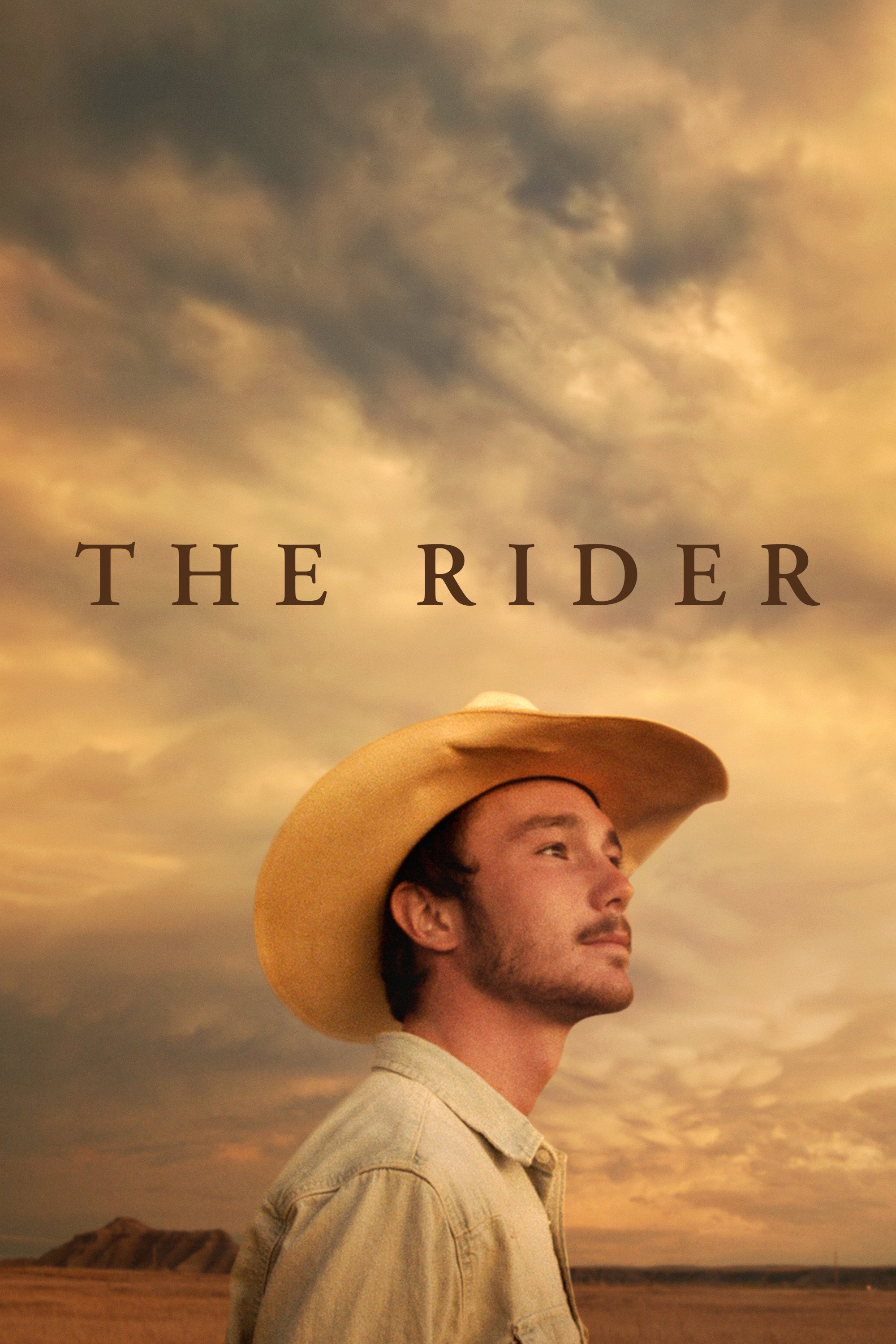
The Rider poster

The Rider

2017 · For another physically grounded drama about rebuilding a life after injury.

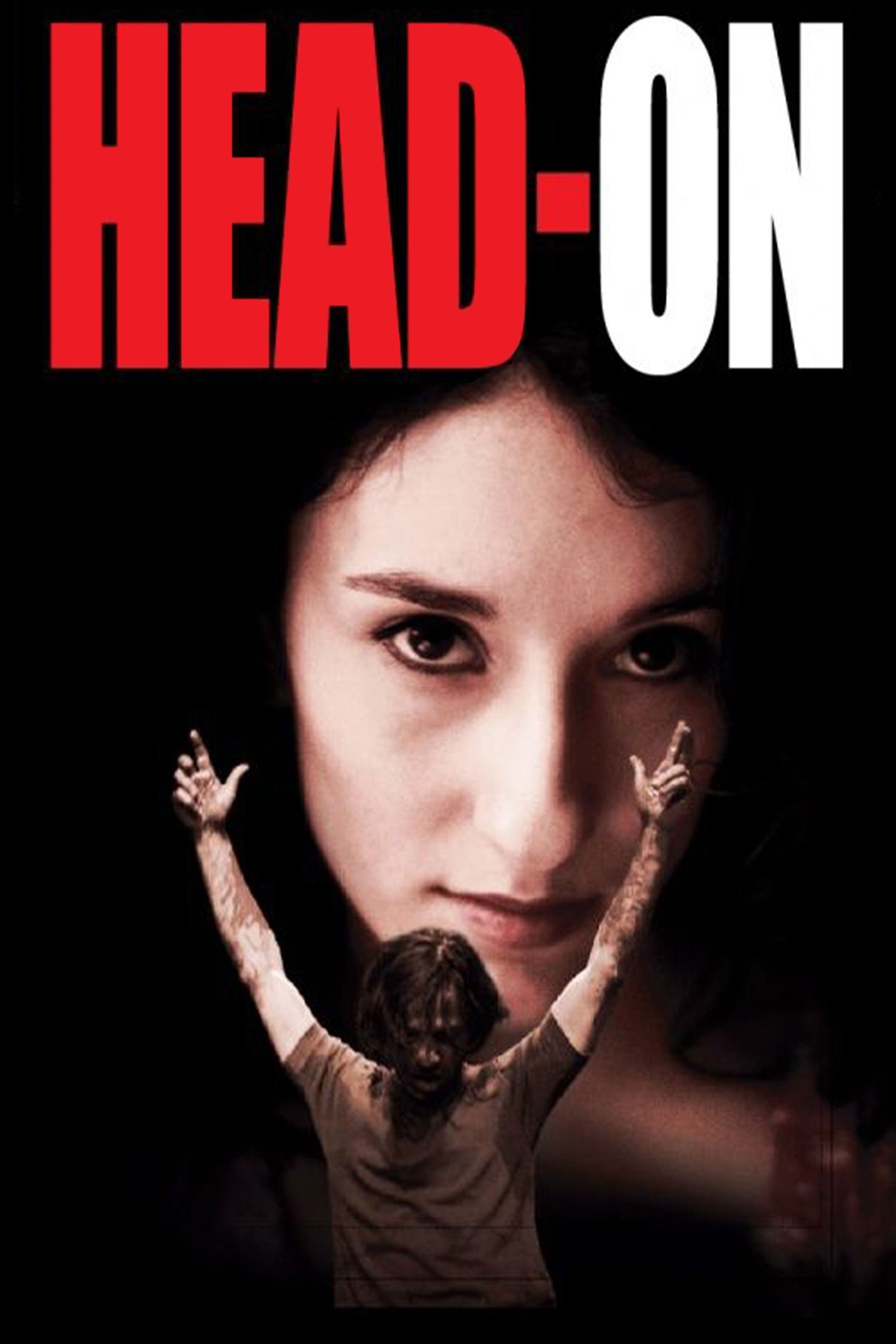
Head-On poster

Head-On

2004 · A harsher romance between people whose need exceeds their ability to care.

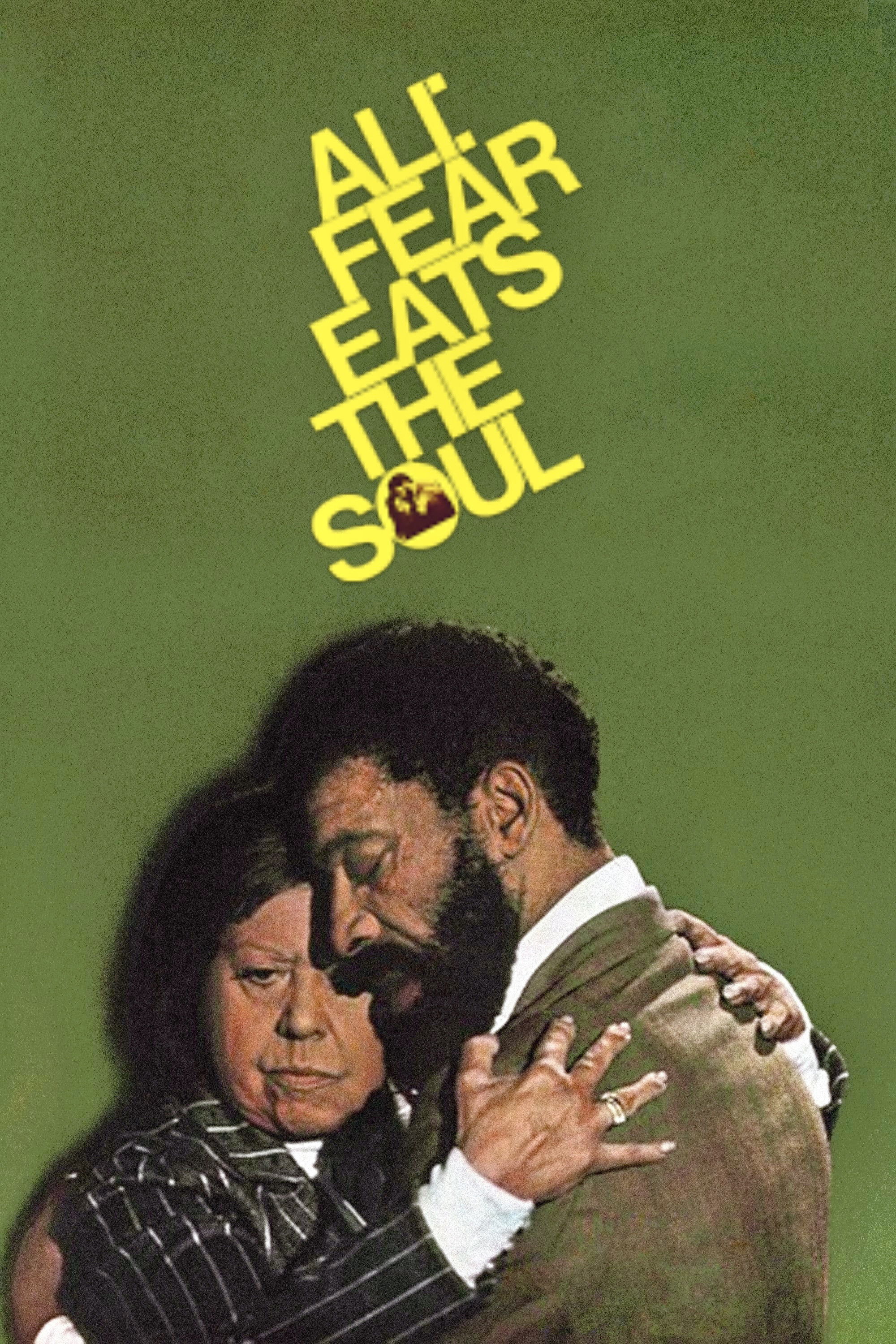
Ali: Fear Eats the Soul poster

Ali: Fear Eats the Soul

1974 · A quieter account of affection struggling against other people’s rules.

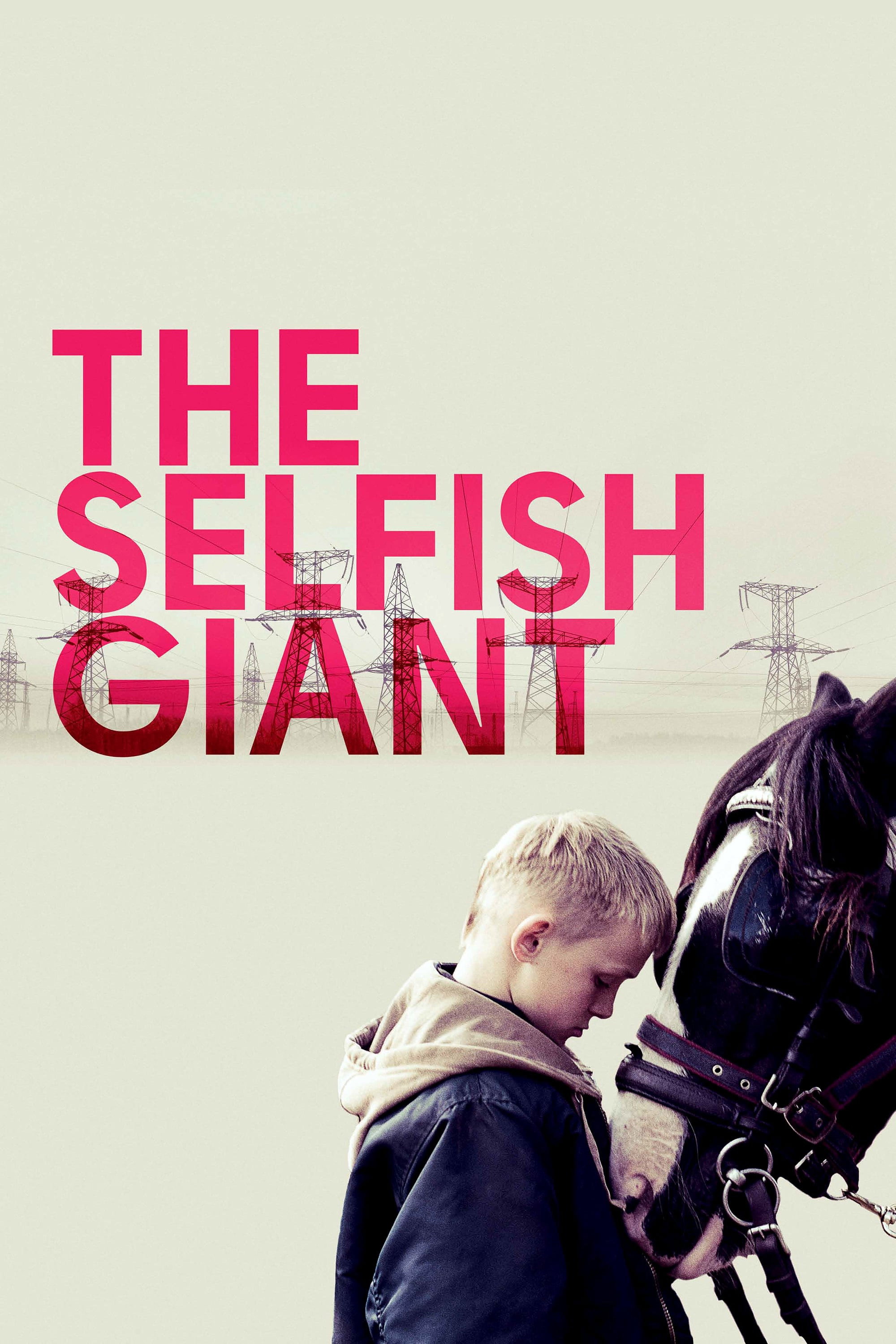
The Selfish Giant poster

The Selfish Giant

2013 · For the same attention to poverty, physical danger and compromised tenderness.

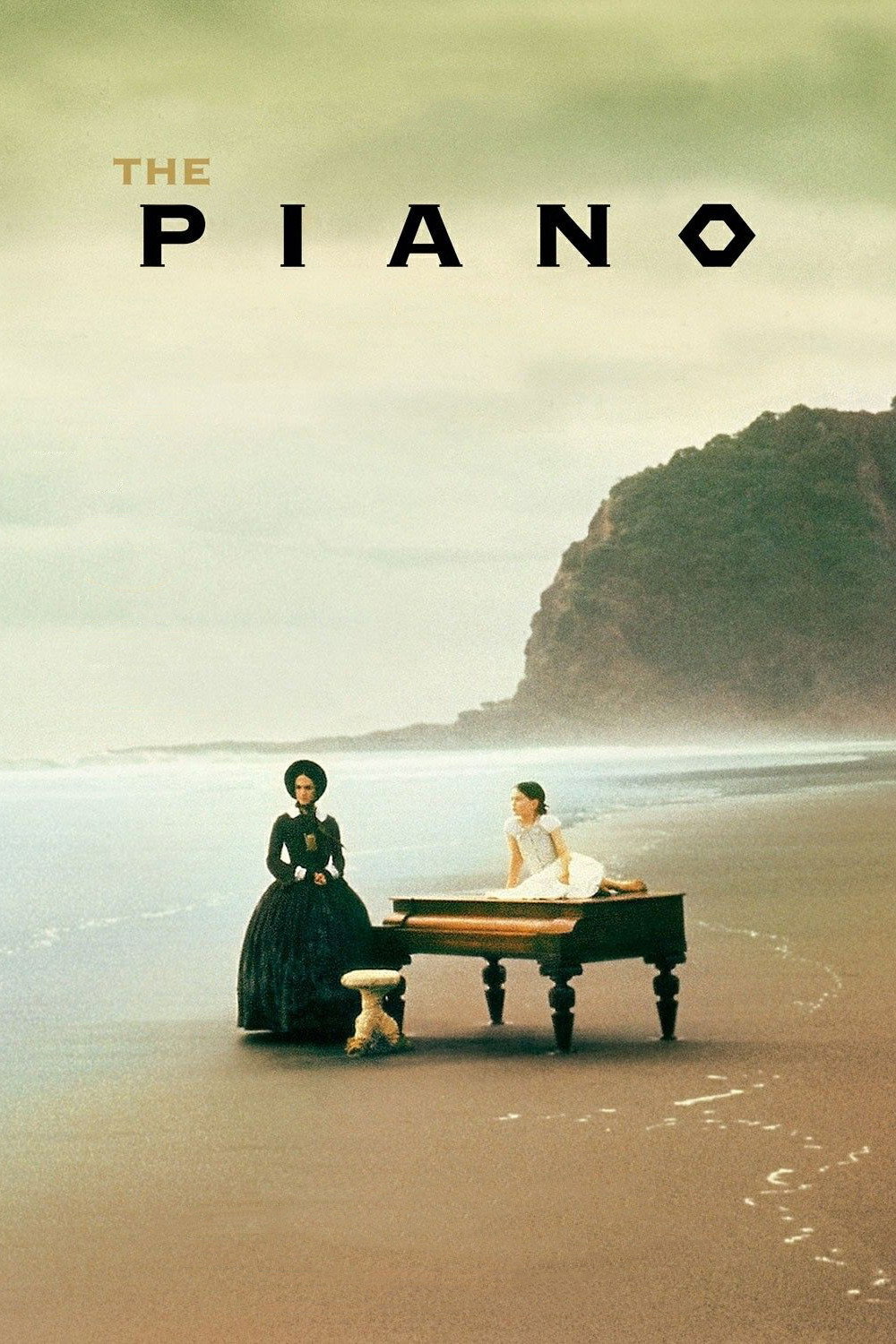
The Piano poster88

The Piano

1993 · Another romance that lets awkward bodies and difficult desires complicate everything.