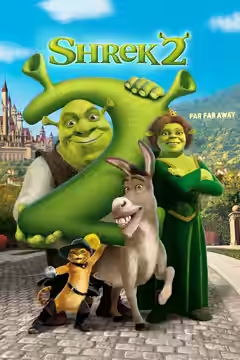
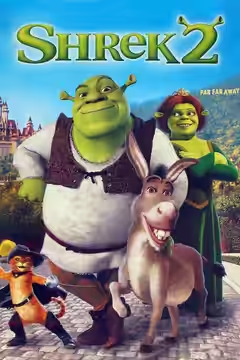
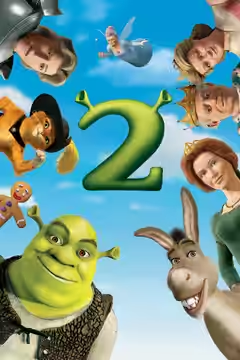
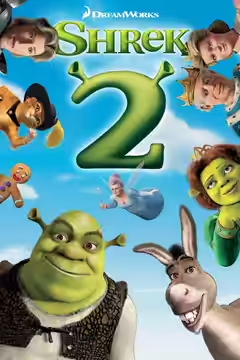
Shrek 2 is a warm, funny sequel whose new voices earn their place. Antonio Banderas and Jennifer Saunders sharpen the comedy, though a slow opening and some laboured film references keep it from being quite as nimble as its cat.
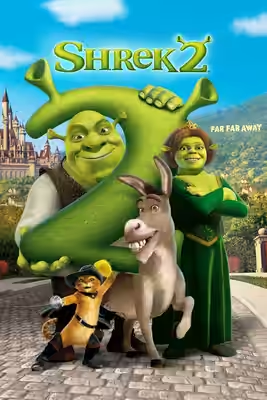
Shrek 2 is a funny, warm sequel with a better reason to exist than another round of familiar voices. Directors Andrew Adamson, Kelly Asbury and Conrad Vernon let the trouble between Shrek and Fiona matter, even while everyone else is competing to be ridiculous. There is a slow stretch before the new company settles in, and some of the film references are pleased with themselves. Once the cast starts competing for attention, though, the film becomes an easy recommendation.
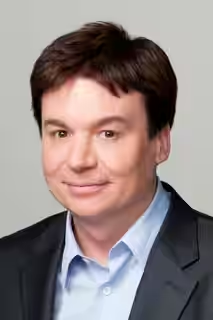
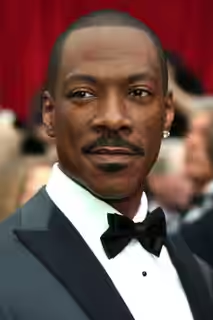
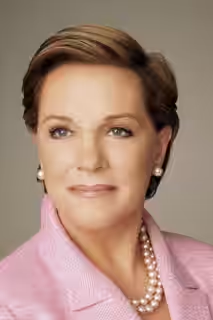
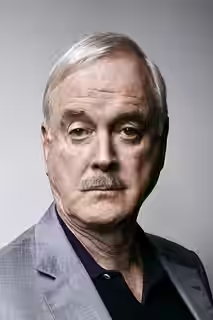
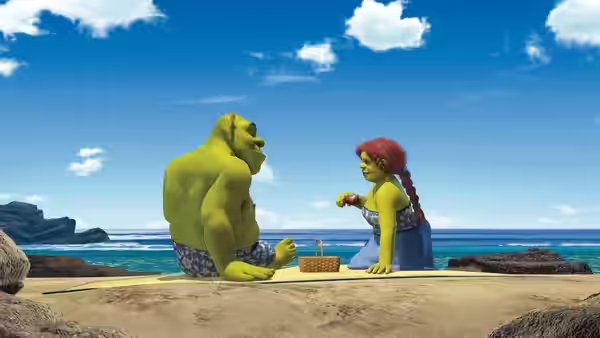
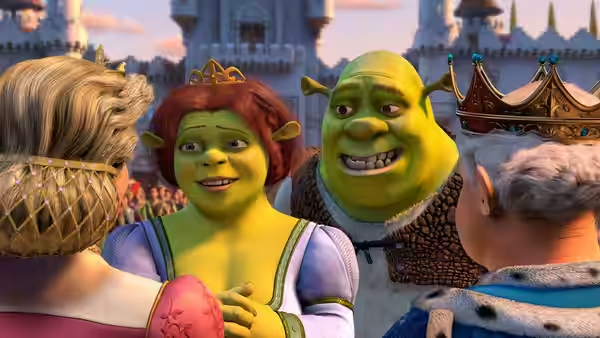
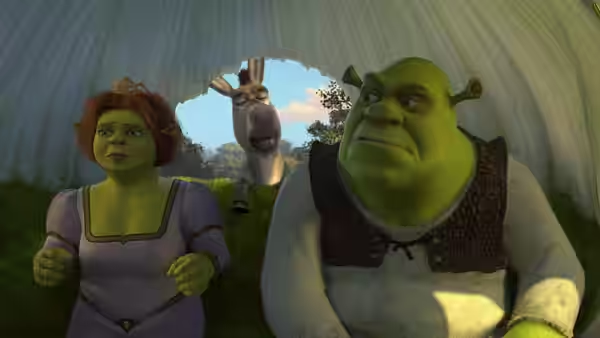
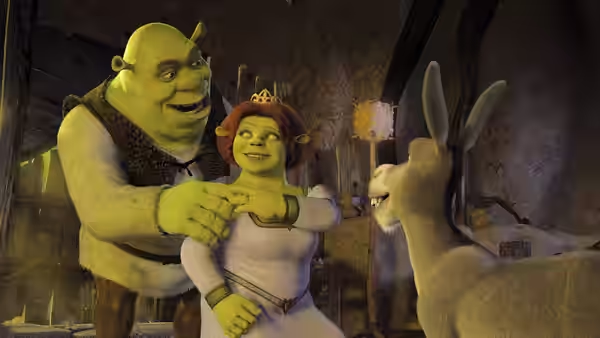
Mike Myers gives Shrek a defensiveness that makes the domestic friction convincing, while Cameron Diaz keeps Princess Fiona from becoming merely the sensible person waiting for him to catch up. Neither performance needs to strain for our affection. Eddie Murphy supplies Donkey’s relentless commentary with such precision that even his interruptions seem correctly timed. John Cleese and Julie Andrews, as King Harold and Queen Lillian, make royal formality sound like an extra difficulty in a family conversation.
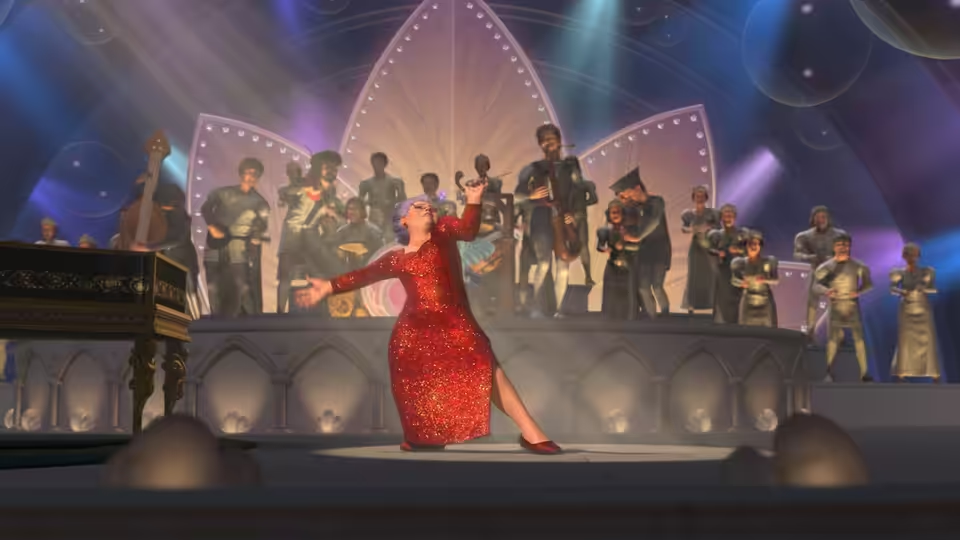
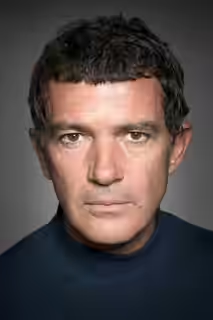
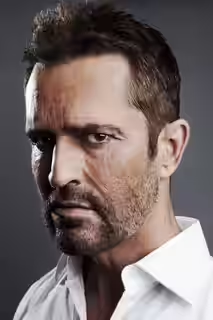
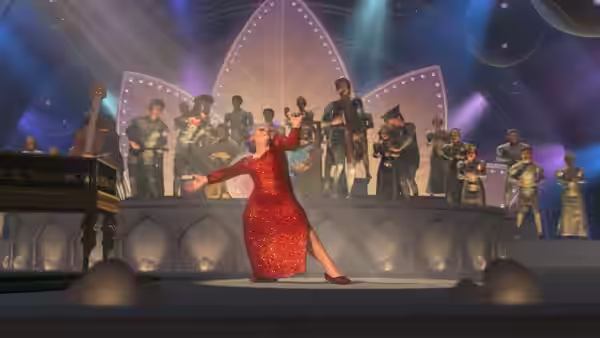
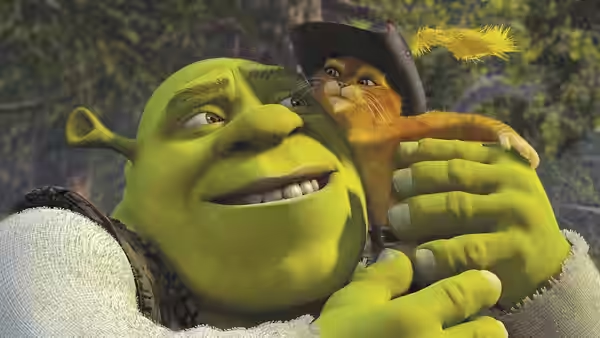
Antonio Banderas earns his place in the expanded cast. His Puss in Boots has the gravity of a swordsman who expects a respectful silence, and the fact that he is a cat has apparently not occurred to him. We laughed at that grave voice coming out of a cat; he lets the absurdity register without nudging us. Jennifer Saunders is just as assured as Fairy Godmother, giving wickedness a confident, almost practical voice. Their performances are distinct enough that the comedy need not keep getting louder.
Guillaume Aretos’s production design supports the Hollywood satire by making fairy-tale grandeur look slightly overmanaged. The visual pleasure comes from the sense that royal life is putting on a show, which gives the entertainment-industry jokes somewhere to belong. The character animation is more rewarding still, particularly the attention paid to Puss in Boots, whose comedy does not depend solely on the voice. This is family animation that trusts a small physical joke to compete with a busy picture.
Editors Michael Andrews and Sim Evan-Jones are less sure-footed during the opening, when the film takes too long to establish its family difficulties. Once it does, the exchanges become brisk without flattening the differences between the performers. Harry Gregson-Williams gives the romantic passages a welcome sincerity, although the soundtrack as a whole can be too insistent. The musical choices and the references occasionally announce the intended reaction before the joke has earned one.
The screenplay, by Andrew Adamson, J. David Stem, David N. Weiss and Joe Stillman, is strongest when it lets personality cause the trouble. A joke about a vain or overbearing character does not require any homework. Its weaker jokes simply ask us to recognise another film, then offer little more. There are enough of these to make parts of the comedy feel mechanically assembled. It could also be tougher on the fairy-tale rules it mocks, but it prefers to keep its characters likeable.
For a shared family evening, we would choose it without much hesitation. The slower opening is worth allowing for, and younger viewers need not recognise every borrowed joke to enjoy the cast. There is no need to explain the Hollywood references from the sofa.