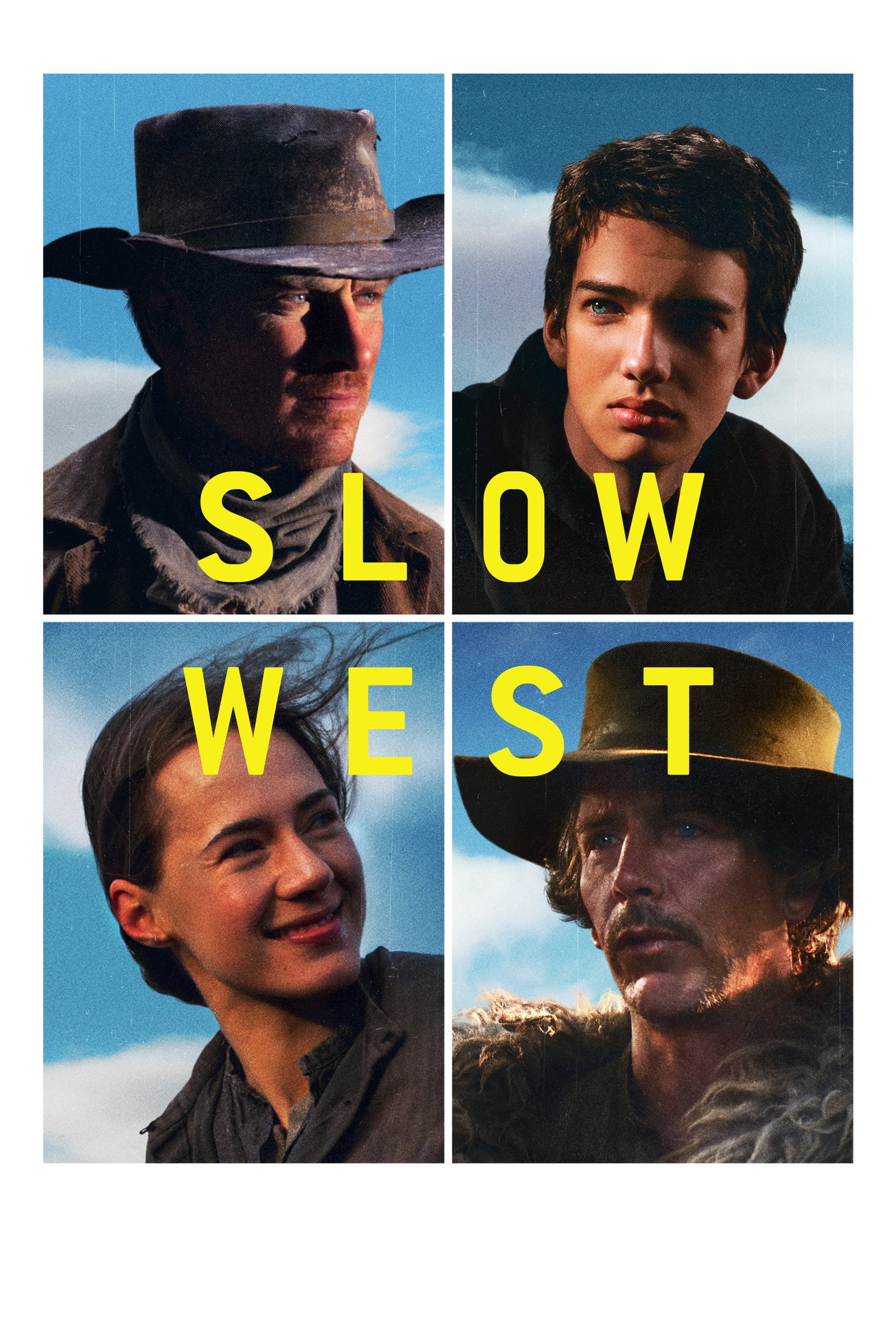
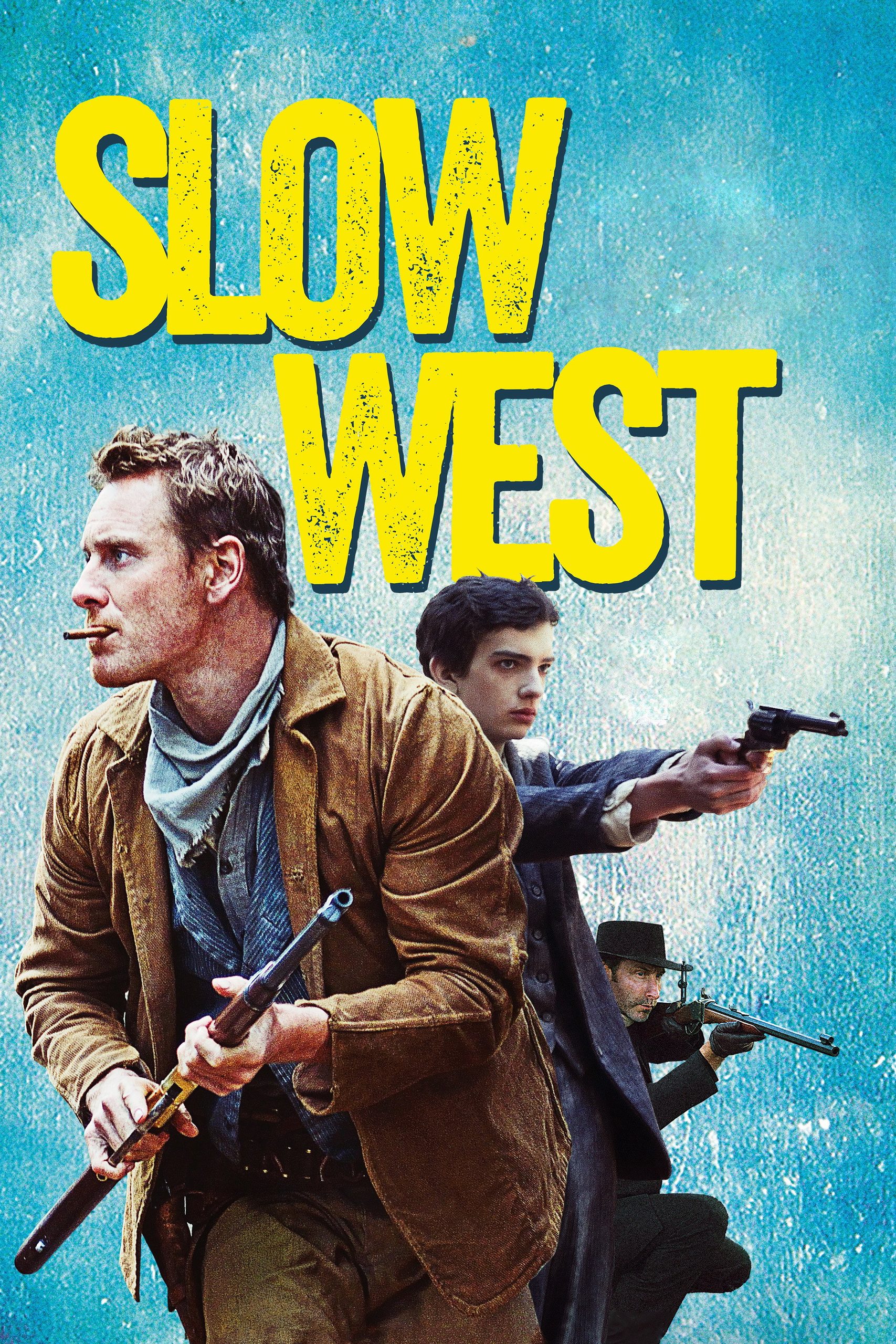
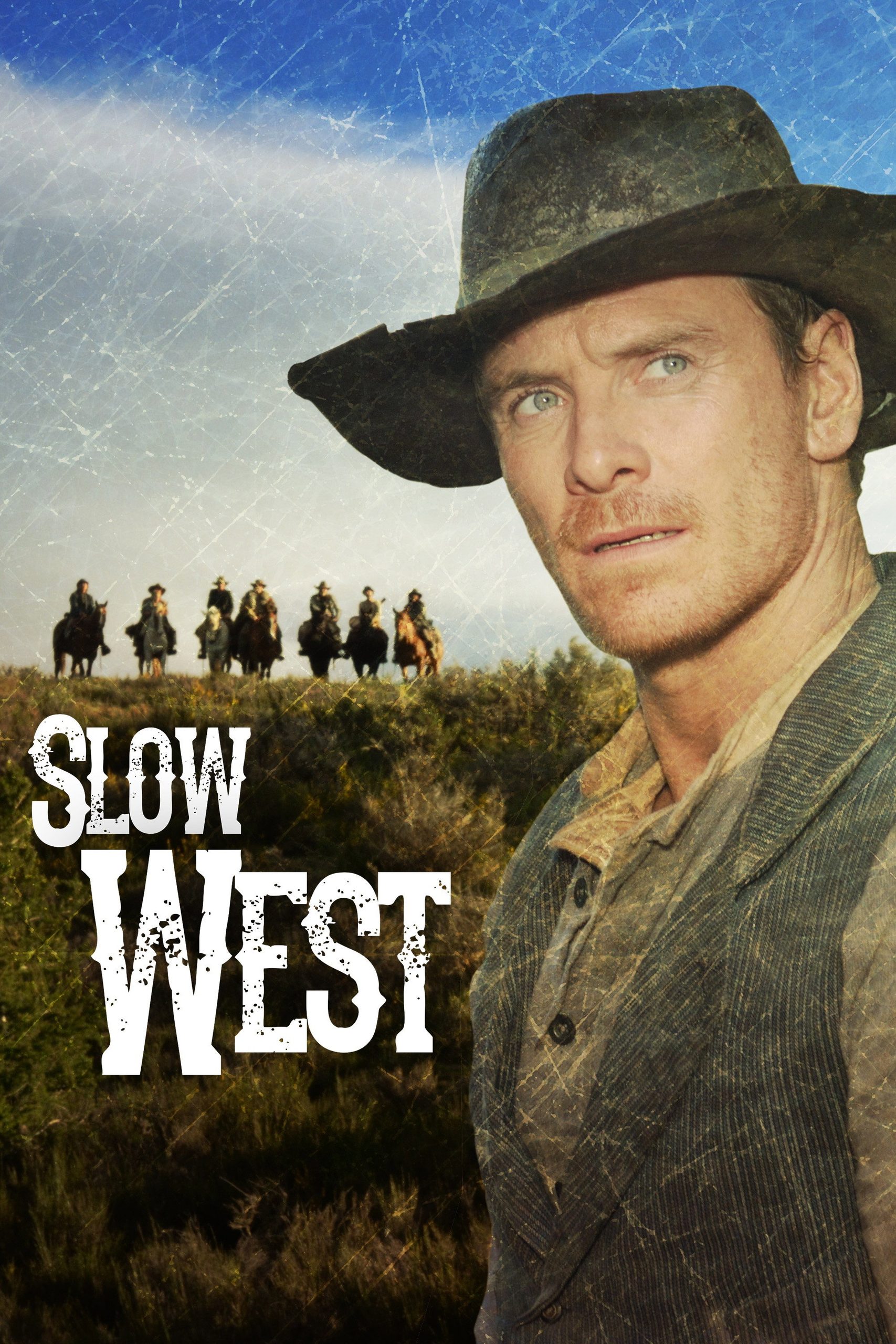
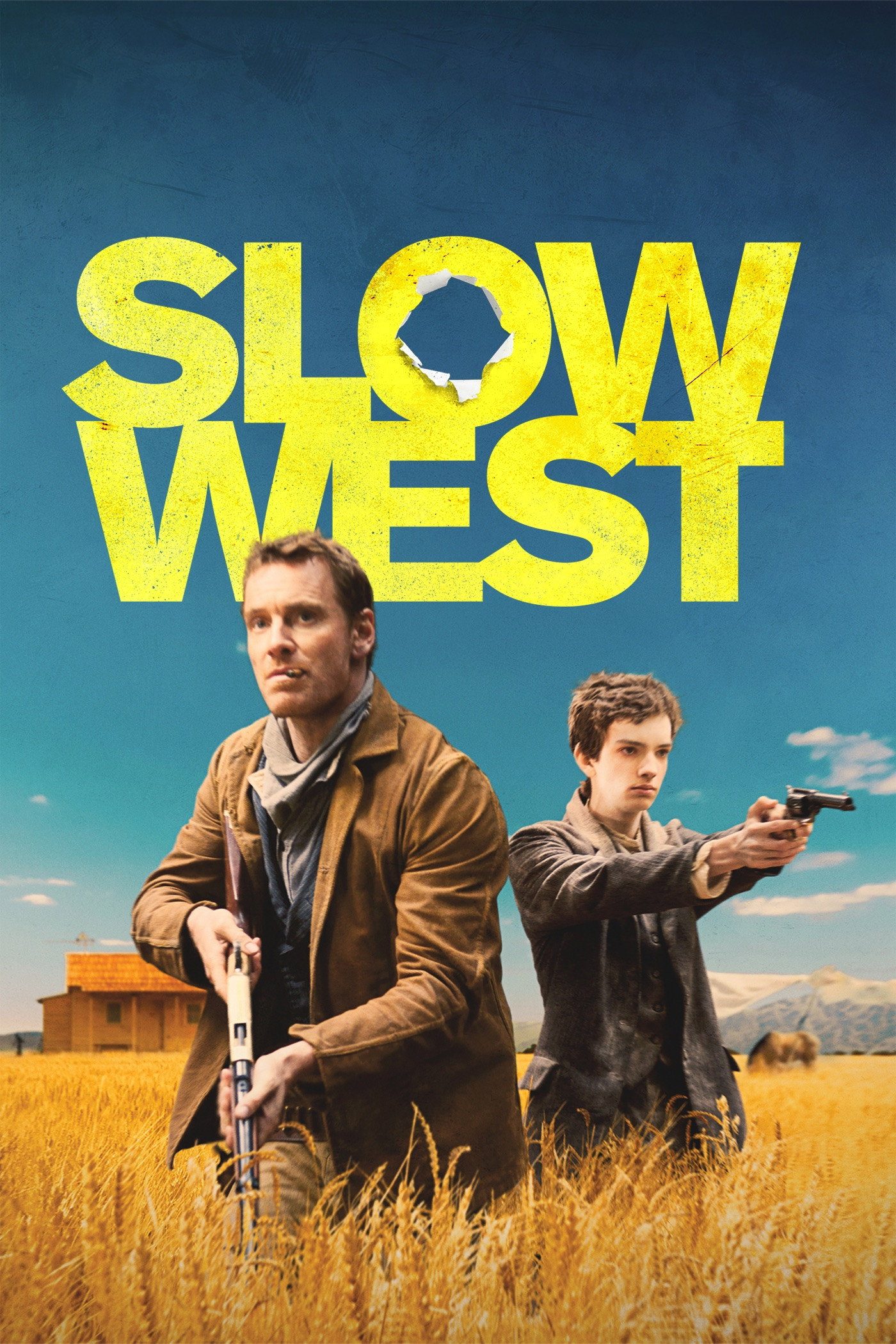
John Maclean’s first western is short, dry, oddly coloured and cruel exactly when it needs to be. The middle sags and the flashbacks are thin, but Fassbender and Smit-McPhee make a pair worth following, and the finale earns the wait.
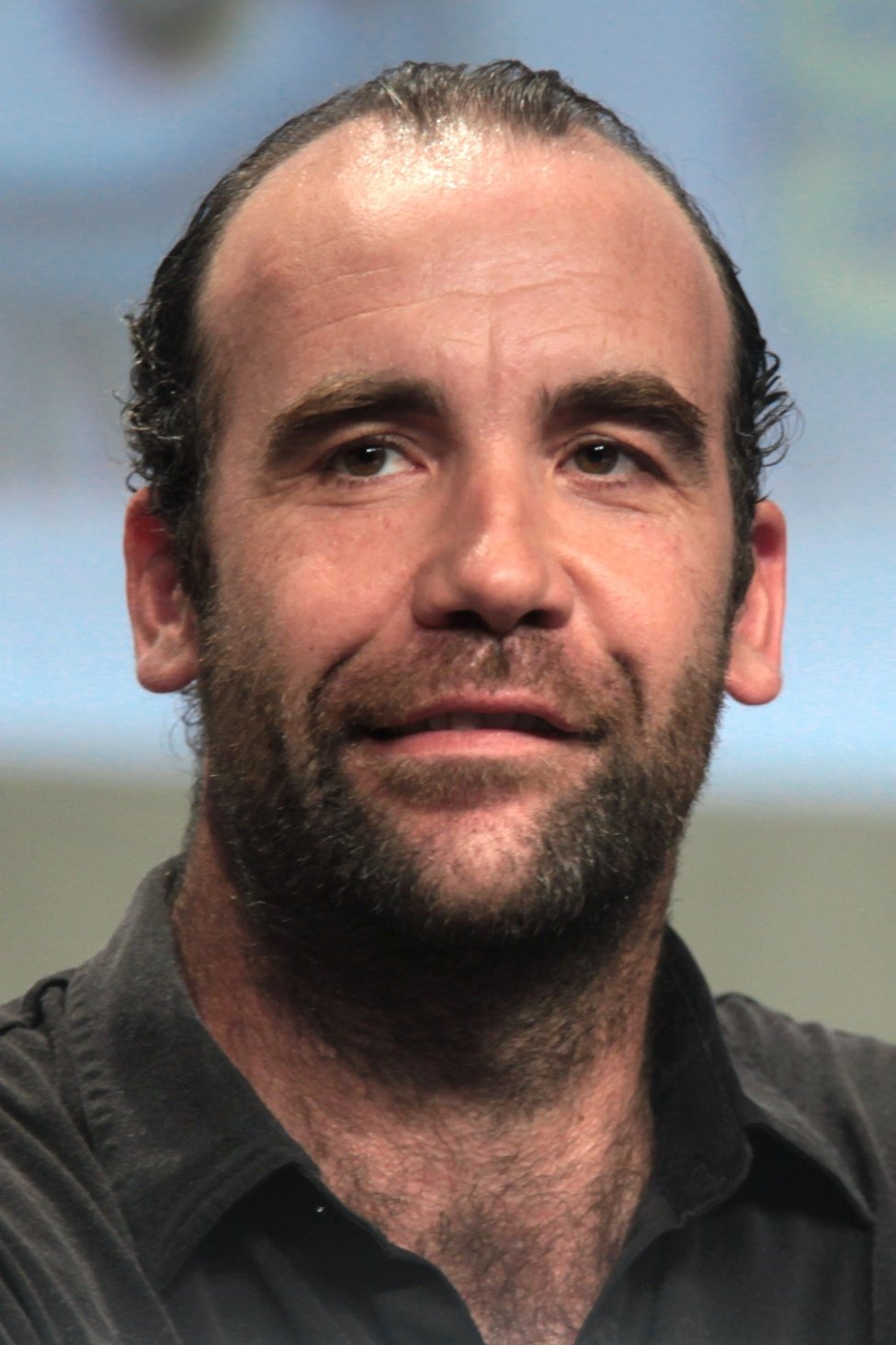
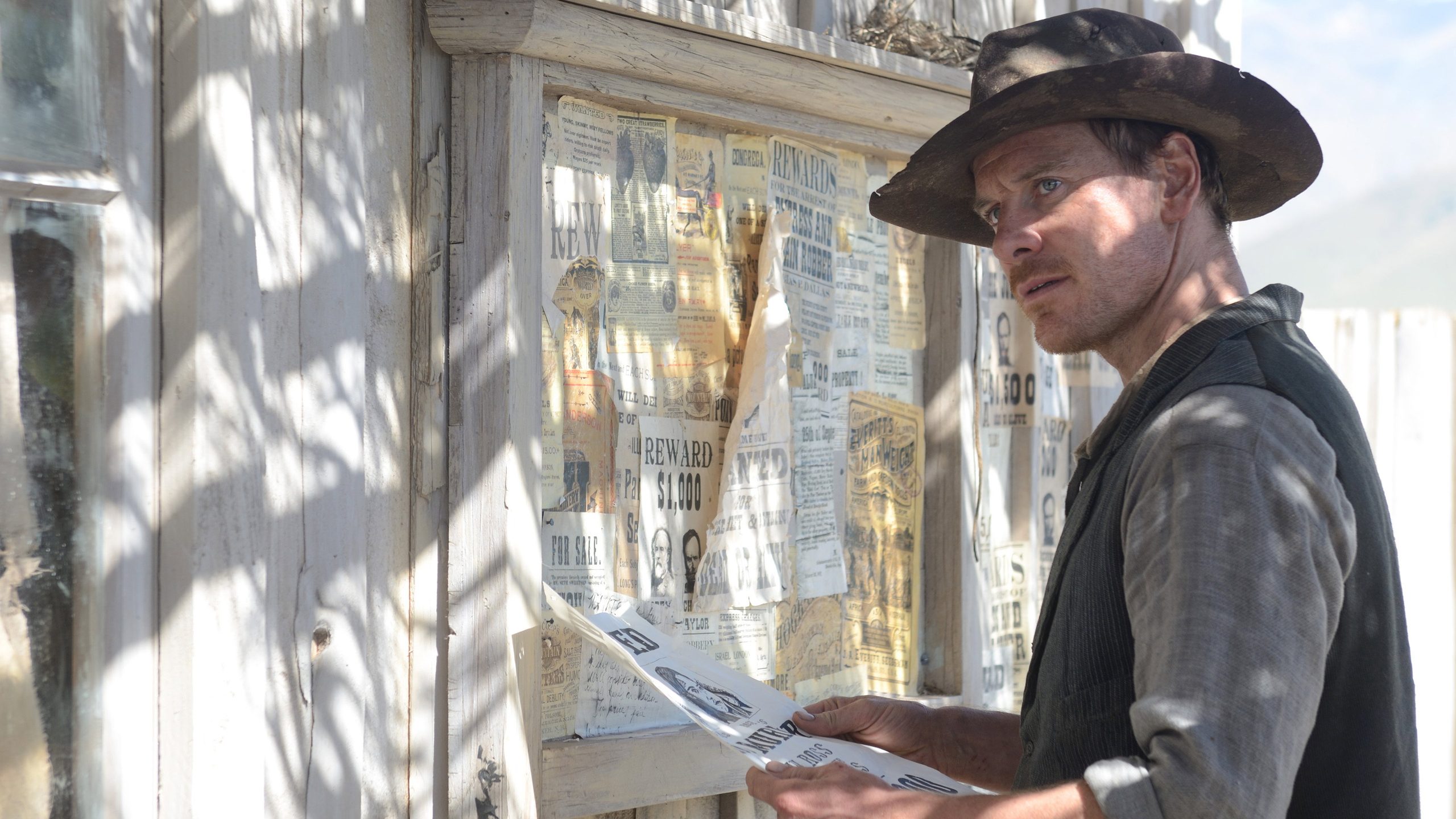
John Maclean’s first film is a western that runs 84 minutes and does not waste many of them. Jay Cavendish (Kodi Smit-McPhee), a Scottish boy of good family, is riding across Colorado in 1870 to find Rose Ross (Caren Pistorius), the girl he loves. He does not know that she and her father John (Rory McCann) have a price on their heads, or that Silas (Michael Fassbender), the bounty hunter who has offered to see him across the territory for a fee, has read the poster. It is small, dry, odd and suddenly violent, and it is better than the word whimsical, which admirers and detractors have both hung on it, would lead you to expect.
Maclean’s West is full of people from somewhere else. Jay is Scottish, the couple who run the trading post are not American either, three Congolese men (one of them Tawanda Manyimo) sing at a fire in a clearing, and a wandering writer takes notes on the native peoples he expects to be gone within the century. Jay has crossed an ocean for love. Everyone else has come for money or to get away from something, and the film is clear, without saying so, about which reason the country rewards.
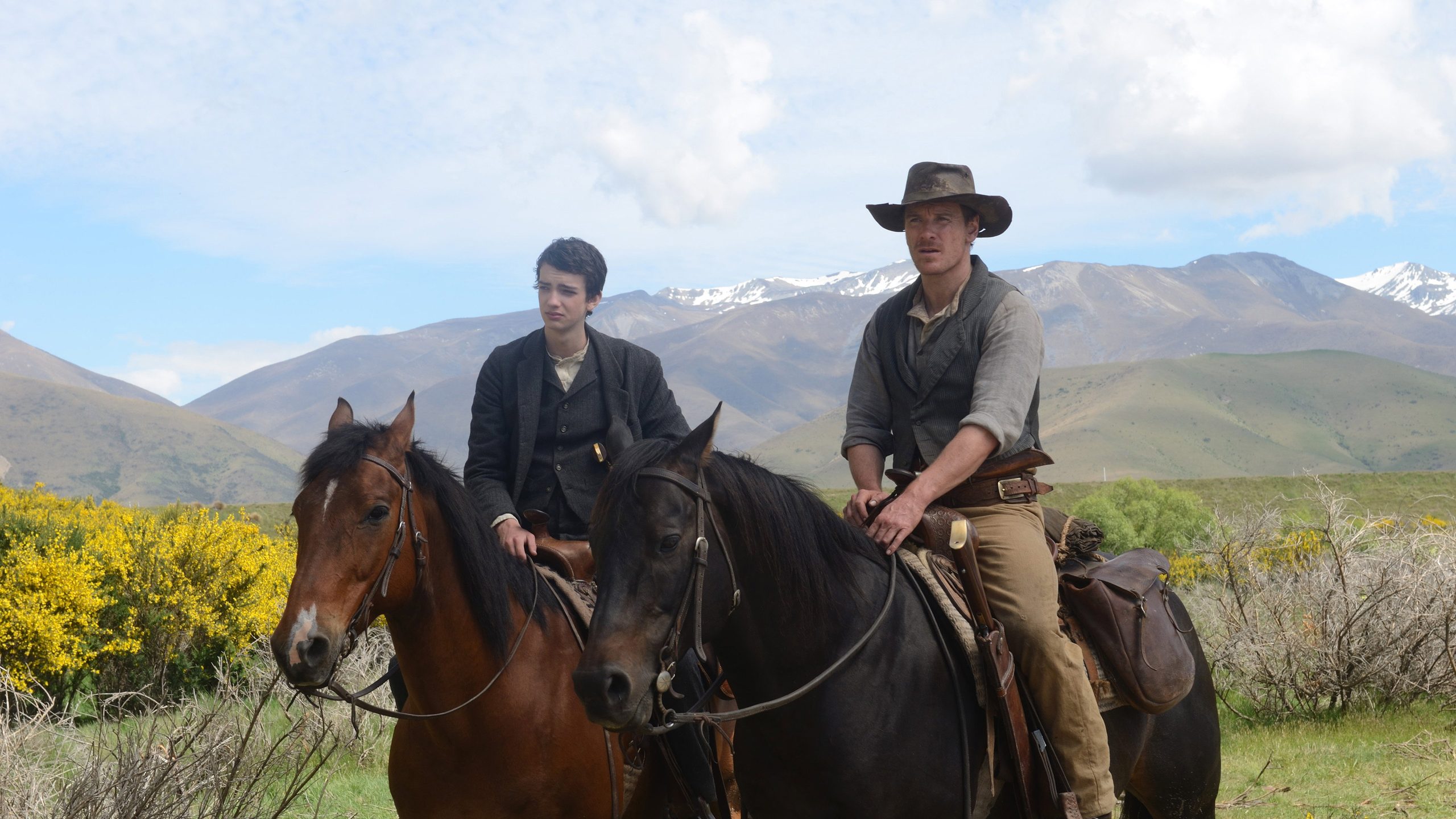
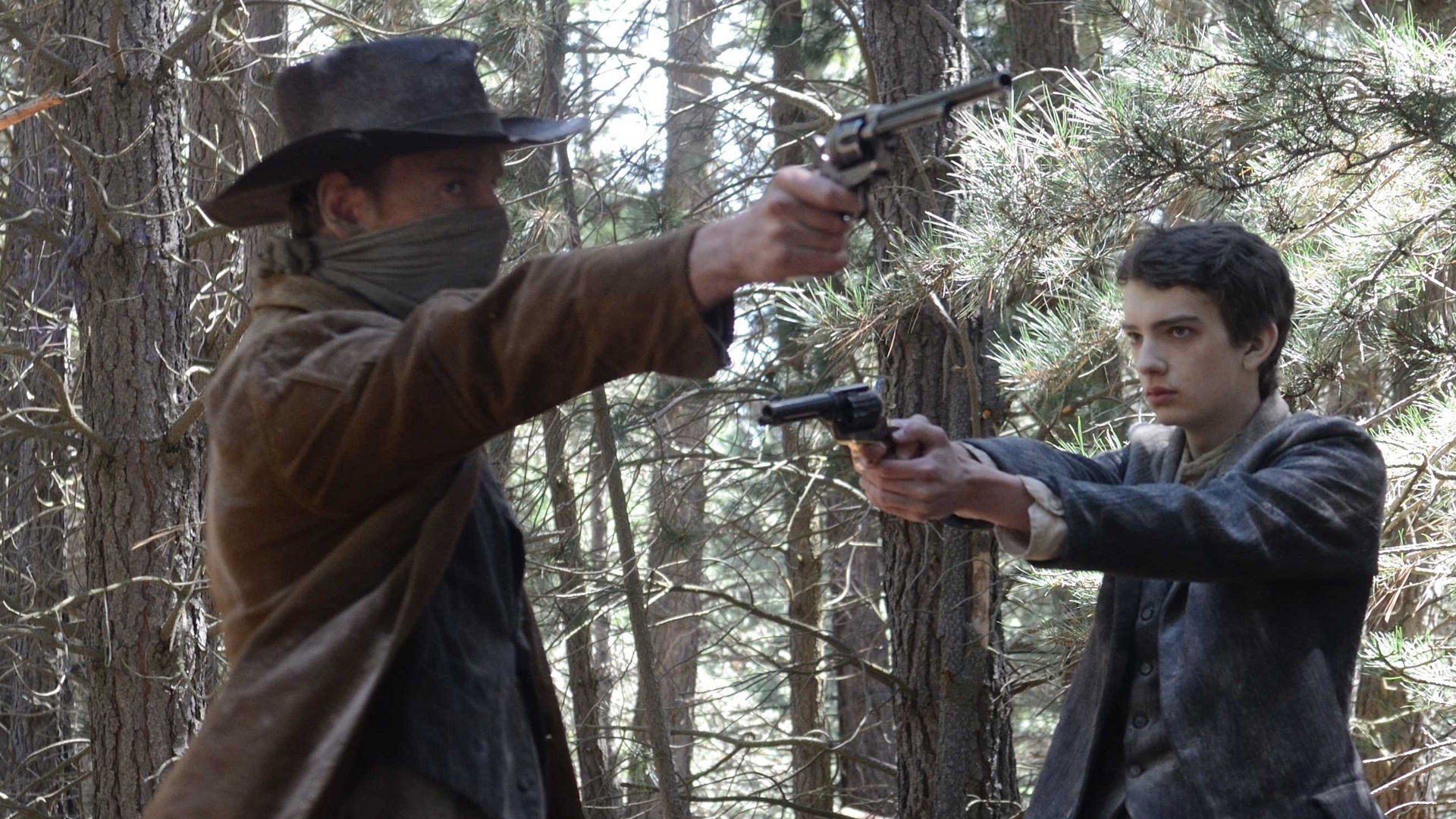
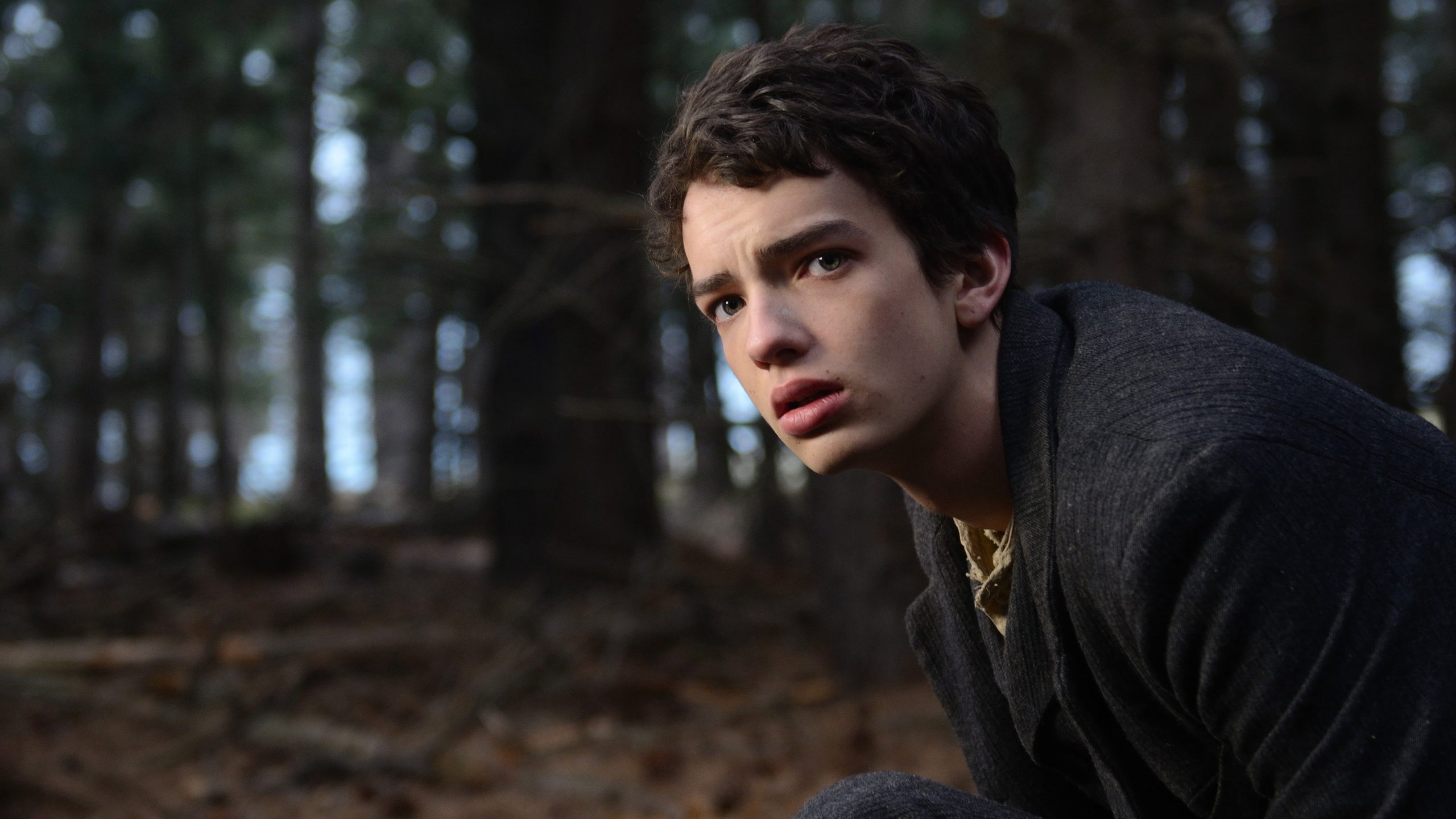
Smit-McPhee plays Jay thin and upright, in a soft city suit and a hat too small for the sun, certain of his direction and wrong about everything else. Fassbender’s Silas has a cigar, a beard and perhaps forty lines, and he makes each one do work. He teaches the boy to load a gun, tells him the girl will not remember him, and is put out to find that he minds. Their scenes have the rhythm of a father and son who have only just met, which is roughly what they are.
Ben Mendelsohn turns up midway as Payne, in a fur coat the size of a small bear, and Kirsty Cameron’s costume is the best joke in the film. He brings absinthe and a smile that does not stay put. Madeleine Sami’s Marimacho and the rest of his gang look like people who have been sleeping outdoors for a decade and stopped noticing.
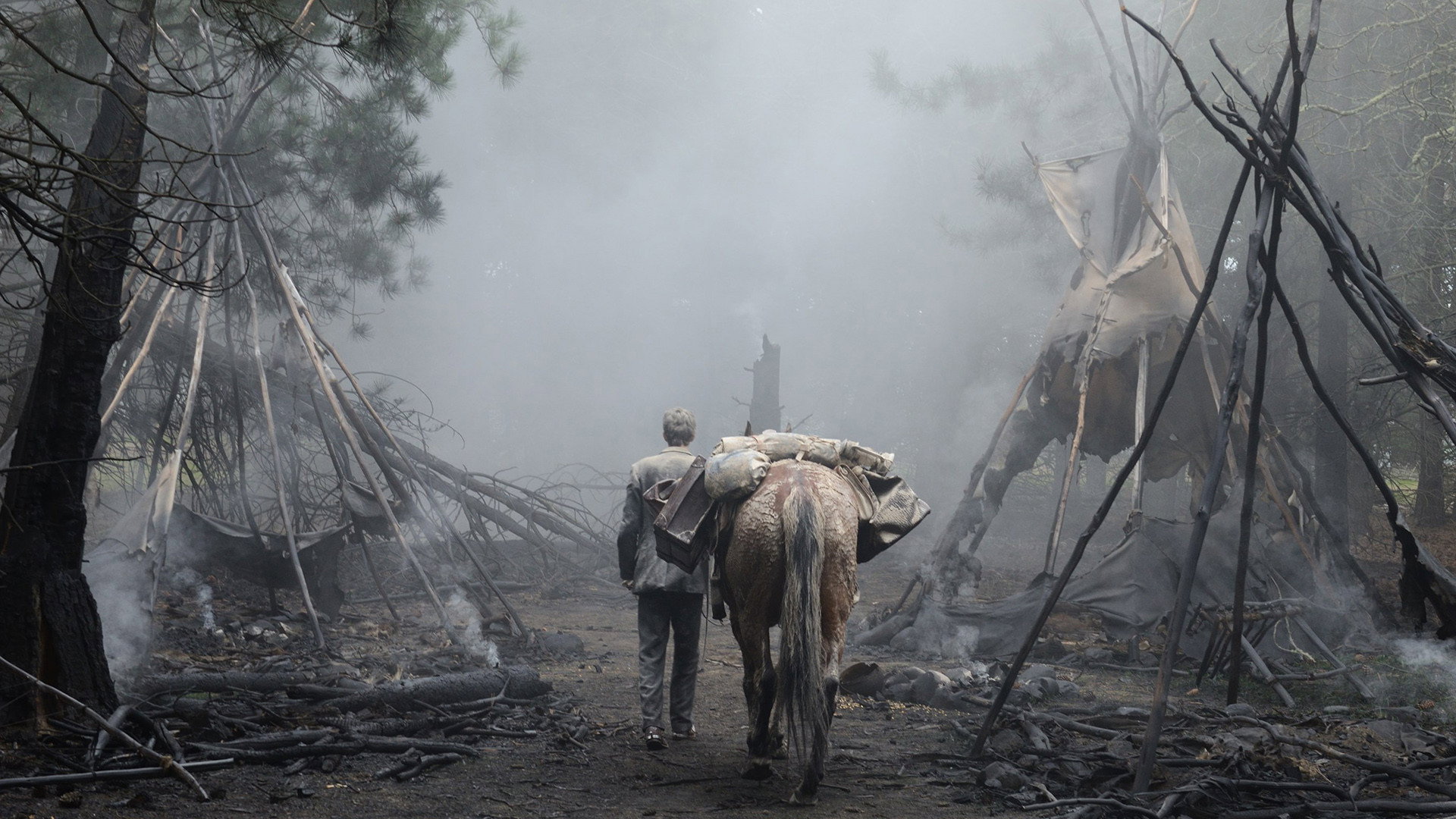
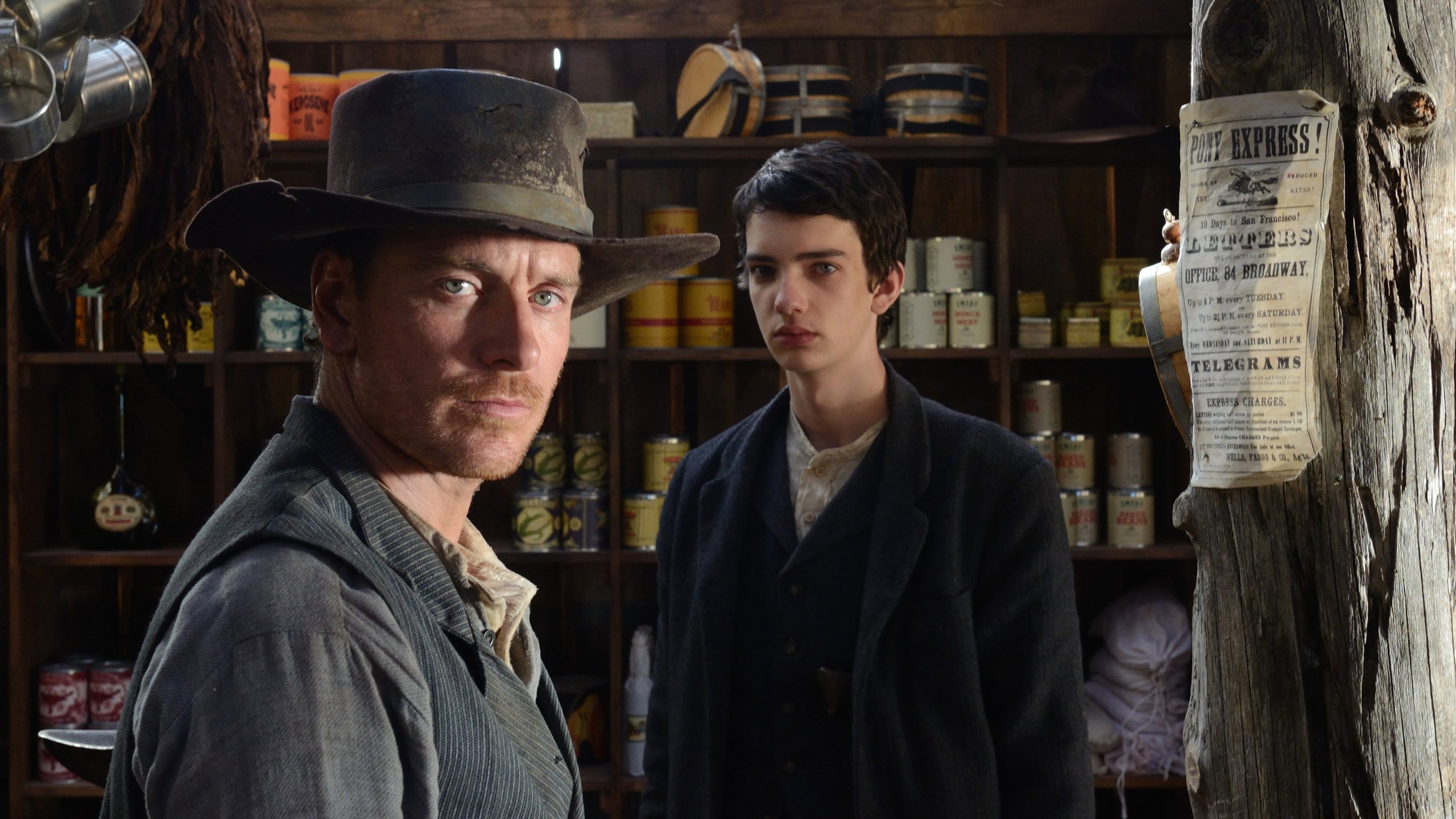
Robbie Ryan shoots New Zealand for Colorado and does not pretend the grass is dusty. The greens are wet, the wheat is yellow, the sky is the blue of a child’s painting, and the killing happens in daylight in the middle of it. Roland Gallois and Jon Gregory cut hard, so that scenes stop a beat before you expect and several of the best jokes are edits: a man raises a gun, cut, morning. The score, credited to Jed Kurzel and Bryan Michael Mills, is plucked strings and a small waltz, used sparingly enough that you notice when it comes in. Kim Sinclair’s trading post is one wooden room with the goods hung from the ceiling, and it is where the film first shows what it is.
That trading post scene is where the film got us. A robbery begins badly, Jay tries to help, and in about three seconds it is over and two children are standing outside in the sun. We laughed at how badly everyone had managed it, and then we felt ill, and Maclean meant both, because he holds on the children for exactly as long as it takes the laugh to die. The finale, in a field of wheat, we will not describe. It is the most carefully staged sequence in the film, a gunfight in which every shot has a consequence and nobody gets to be a hero, and it made the slower stretch before it look like preparation.
What does not work is Scotland. The flashbacks to Rose are green and misty and tell us nothing about her we had not guessed, and Silas’s narration keeps explaining what the pictures have already shown. The writer’s speech about the vanishing of the native peoples sits in the film like a footnote nobody asked for. The middle third is riding and campfires, and the three reviews we read that dismissed the whole thing as a trifle were, we suspect, written from that stretch. We think they gave up too soon.
It carries a 15 certificate and is done in under an hour and a half. Watch it in a dark room, because the colours want one, and with somebody else, because the jokes land harder when there is a second person to be appalled with.