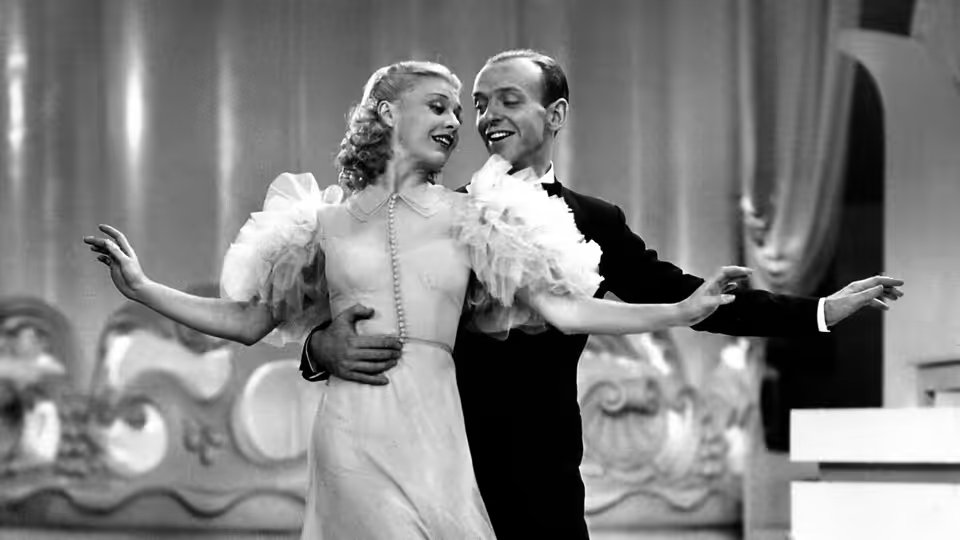
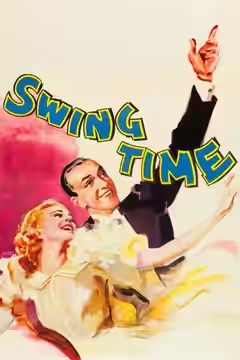
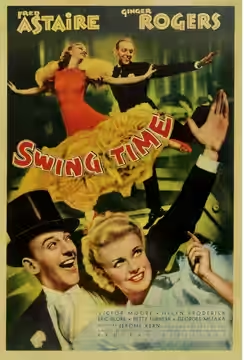
Fred Astaire and Ginger Rogers make Swing Time worth the evening through dancing that carries real feeling. The romance between numbers is thinner, but Jerome Kern’s music gives them more than enough to work with.
Swing Time earns our recommendation through the dancing of Fred Astaire and Ginger Rogers. The musical numbers have enough feeling to sustain a romance that becomes less convincing when people start talking. George Stevens directs with evident respect for the partnership, and the pleasure of watching these performers respond to each other is considerable. The reservation matters, though: at 103 minutes, the film gives us time to notice the thinner scenes.
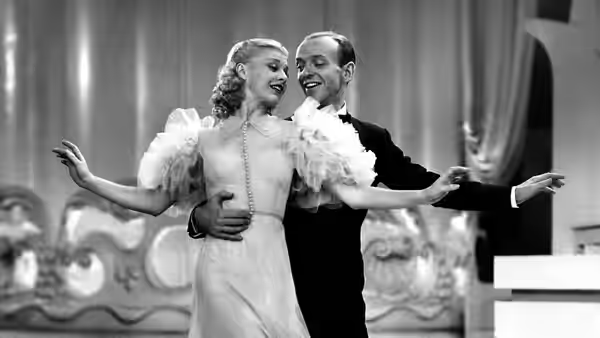
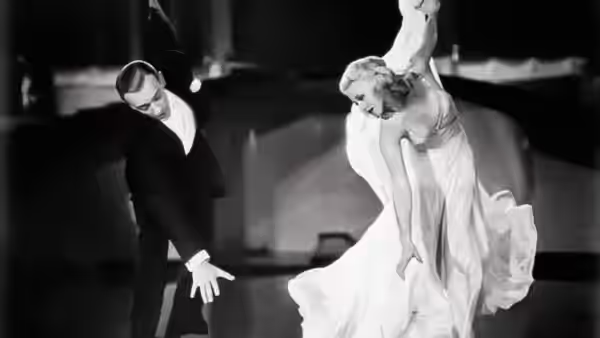
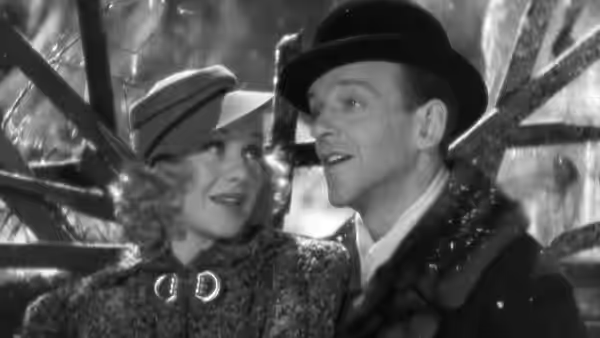
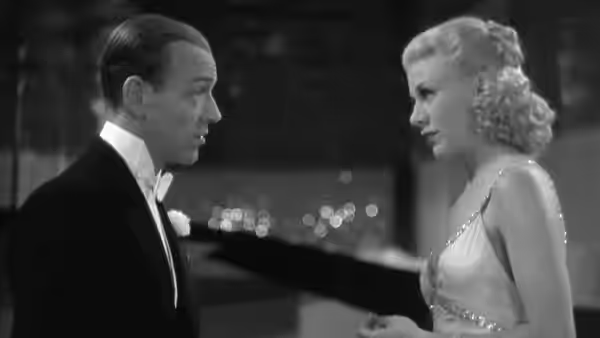
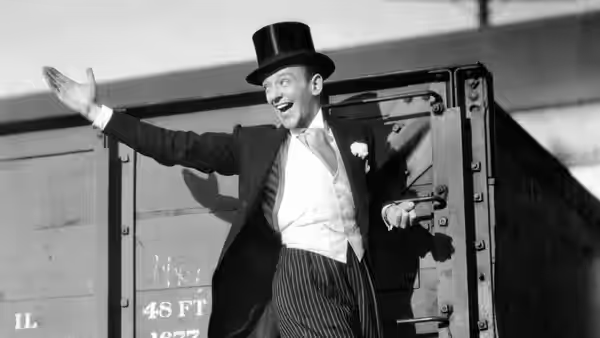
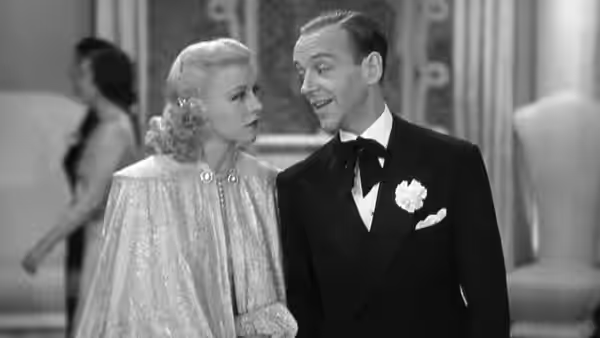
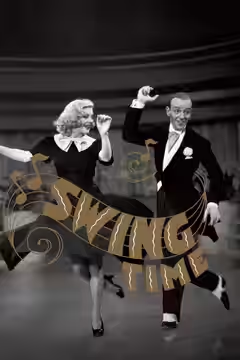
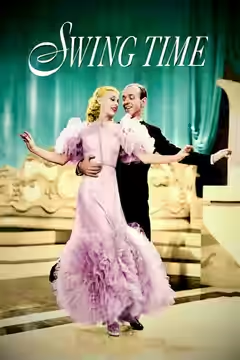
Fred Astaire’s Lucky Garnett and Ginger Rogers’s Penny Carrol need to persuade us that they belong together, which requires more than an attractive couple and a convenient misunderstanding. Their dancing does that work. The pleasure lies in the sense that each movement gets an answer, with both performers attending to something beyond their own accomplishment. Ginger Rogers deserves equal attention here; treating her as an accessory would mean missing much of what makes the pairing persuasive.
We were moved by Never Gonna Dance, because the precision of the dancing does not iron out its sadness. There is something affecting about performers maintaining such control while allowing a number to feel emotionally unsettled. The feeling comes through without requiring us to believe every complication in the surrounding story. Jerome Kern’s music gives the dancers phrases worth following, and the songs hold our interest even before the movement takes over.
David Abel’s cinematography serves the partnership well: our attention stays with the performers, and their work remains the source of the pleasure. We want to watch two people dancing together, without being distracted by the camera. Henry Berman’s editing is more satisfying within the musical passages than across the film as a whole. The return to romantic business can feel like a delay, particularly once a dance has made the relationship more convincing than the dialogue manages.
That weakness belongs partly to Howard Lindsay and Allan Scott’s screenplay, which gives the courtship less emotional force than the dances. A misunderstanding can keep a comedy moving, but it still needs to reveal something interesting about the people caught in it. Here the mechanics become too apparent, and the romantic exchanges can feel dutiful. George Stevens does not entirely solve that problem; the comedy provides relief without always making us care more about the couple.
Judged as a musical, however, the film understands that a number should change how we feel about the people performing it. Technical difficulty alone would not hold our attention for long, however much practice it required. Fred Astaire and Ginger Rogers make the increasingly ambitious dances feel personal, so that admiration for their skill never becomes our only response. The production supports them handsomely, but it is their responsiveness to one another that makes the elaborate numbers worth watching closely.
Give the dances your full attention. This is a poor choice for an evening when the film is meant to continue beneath a separate conversation, since so much depends on noticing how these two performers respond to each other. Put the telephone down for the numbers; the misunderstandings can survive without quite so much supervision.