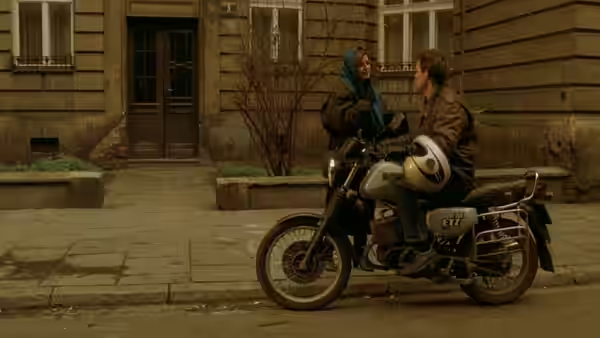
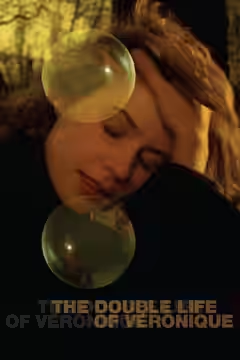
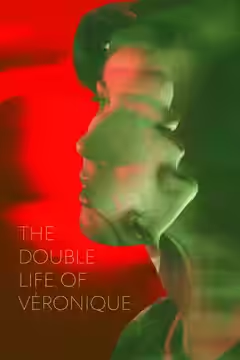
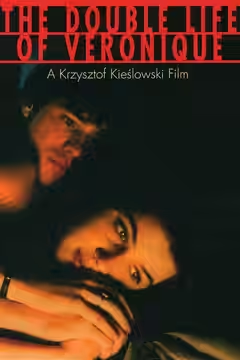
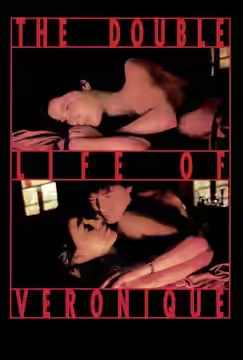
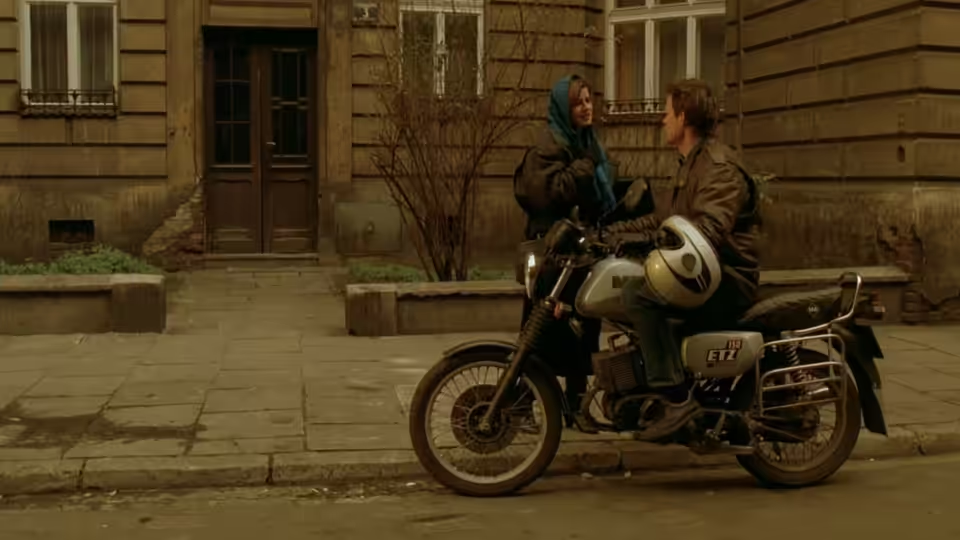
Woman in blue headscarf talking to man on motorcycle outside building
Film review

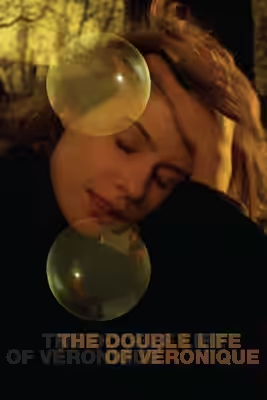
The Double Life of Véronique

1991 · Directed by Krzysztof Kieślowski · 1h 38m

In a sentenceTwo identical faces, and the uneasy feeling that somebody else is living the life we missed

Weronika and Véronique are two identical women who sense a connection they cannot explain. Irène Jacob plays both in Krzysztof Kieślowski’s drama, which follows their parallel lives through music, love and choices whose significance remains uncertain. Thoughts and dreams suggest that each woman’s experience extends beyond her own life, though neither can give a practical account of the bond. The cast also includes Philippe Volter as Alexandre Fabbri, Halina Gryglaszewska as Auntie and Aleksander Bardini as the Conductor.

Fi1m review

Krzysztof Kieślowski’s drama of two connected lives is absorbing and quietly moving, led by Irène Jacob’s double performance. The symbolism occasionally feels overworked; the people remain worth caring about.

The Double Life of Véronique asks us to accept that two identical women can share something neither can explain. Krzysztof Kieślowski gives the connection weight without pinning down its rules, and the result is absorbing, occasionally frustrating and worth the patience it asks for. We do not need to solve it to care about Weronika and Véronique. The film stays close enough to their feelings that the lack of an explanation seldom becomes an obstacle.

The screenplay, by Kieślowski and Krzysztof Piesiewicz, follows resemblance, coincidence and intuition with a seriousness that might have become oppressive. Music and love give the women more to respond to than the mystery of their own existence. There is room to wonder about their choices, though little encouragement to assemble a tidy account of cause and effect. Within the fantasy genre, this is a demanding bargain: the film expects us to attend closely without promising to explain everything we notice.

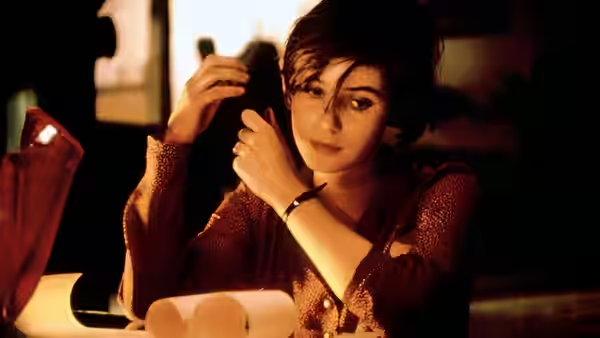
Jacob is the reason we accept that bargain. Playing Weronika and Véronique, she makes the resemblance matter without allowing either woman to become merely an illustration of it. Her watchfulness makes their sensitivity to an unseen connection credible. We were moved by the sight of that face belonging to two separate lives, because Jacob makes each woman seem vulnerable to feelings she cannot quite understand. We wanted to know more about both women even when we had stopped trying to work out what connected them.

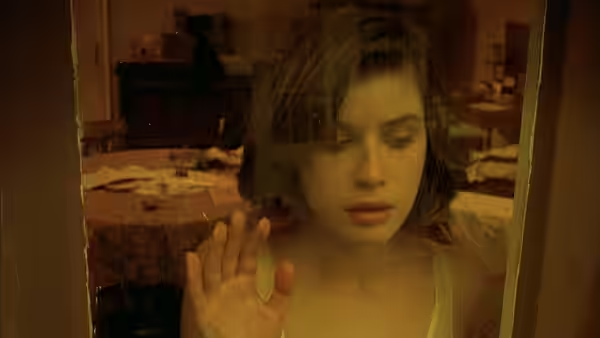
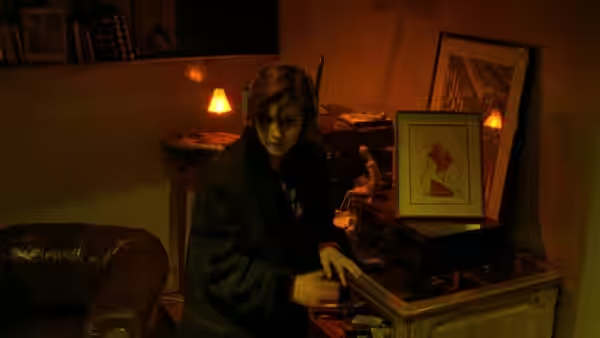
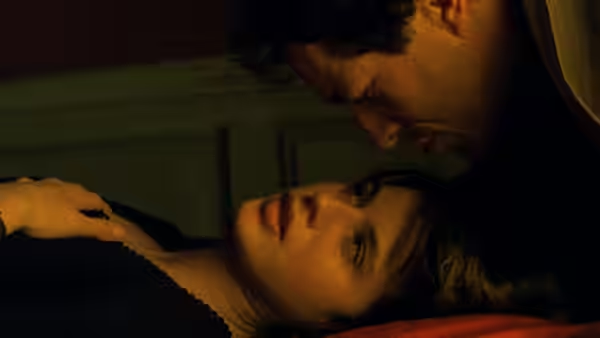
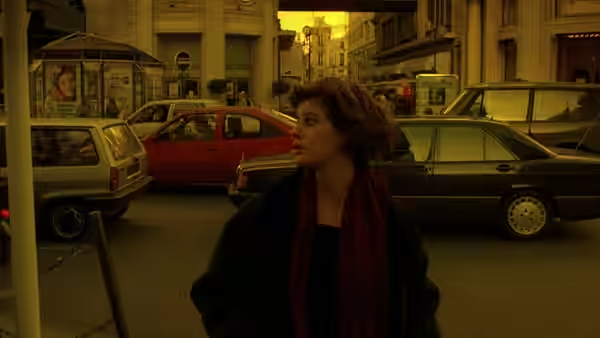
Sławomir Idziak’s cinematography gives the images a golden cast and keeps the camera floating around its subjects. Reflections complicate our sense of where to look, but Jacob remains the point of attention. The colour is conspicuous, and there are moments when we wished for something less insistently lovely. Patrice Mercier’s production design contributes to the polished look, though the surroundings can seem so carefully prepared that ordinary life has trouble making itself felt.

Zbigniew Preisner’s score is essential to the film’s ability to move us before we have worked out why. Its sweep makes the possibility of a connection between the women feel momentous, even when the story offers little to confirm it. Jacques Witta’s editing lets impressions of one woman persist while we attend to the other. That makes the resemblance felt without requiring us to keep a list of correspondences. For much of the film’s 98 minutes, listening and looking are enough to hold our attention.

The weakness is how insistently certain resemblances are presented. Kieślowski and Piesiewicz sometimes seem unwilling to let a coincidence remain small, and a reflection can prompt another thought about doubles when we have already understood the point. We understand the objection that the film is too polished and too pleased with its mystery. A little less emphasis would leave more room for the women to surprise us, especially when the search for connections starts to distract from them.

This is a film for an evening when we can give small changes of light and expression our full attention. An appetite for fantasy will help less than a willingness to let a feeling remain unexplained. Choose it when an unresolved question will not spoil the evening.

Critical consensus AI synthesised

72
Positive
9
Mixed
0
Negative
3

Most critics admire it, and the praise gathers in the same places: Irène Jacob’s performance as both women, Zbigniew Preisner’s score, and the golden, drifting camerawork. The reviews agree that Kieślowski has no interest in explaining the connection between his two heroines, and most take that as the point. For them this is a film about chance and parallel lives that works through image and music rather than plot, and several describe the effect as a trance or a dream.

The dissent is sharp rather than wide, and it dates. The three negative reviews all come from the 1991 release: the Los Angeles Times finds a stylish but hollow puzzle closer to a perfume advertisement than cinema, Variety says the French half loses momentum after a strong Polish opening, and The New York Times finds the symbolism opaque and of little urgency. Later reassessments are far warmer, though even admirers such as The Times concede it does not give up its secrets easily.

Slant Magazine
9 February 2011 · ★★★★/4 · Glenn Heath Jr.
100

The review celebrates the film's hypnotic exploration of duality, fate, and sensory mysteries through the parallel lives of two women, highlighting how motifs of light, music, and circumstance create a complete yet elusive puzzle. It singles out the floating camera work, haunting score, and Irène Jacob's evocative presence for conveying the sensual glory of unseen connections.

Read the full review →
The AV Club
6 December 2006 · A · Scott Tobias
95

The critic praises the film's poetic abstraction of coincidence and chance, crystallized through parallel lives that rhyme via reflective cinematography and sweeping score. It singles out Irène Jacob's ravishing performance as the identical women whose shared soul and mysterious connections evoke beauty in images, music, and love.

Read the full review →
Empire
1 January 2000 · David Parkinson
90*

The critic praises Kieślowski's first international film as a delicate metaphysical masterpiece that balances mysticism and mystery through the parallel lives of two women. He singles out the sublime performance by Irène Jacob and the film's ravishing golden photography and haunting score for particular praise.

Read the full review →
RogerEbert.com
13 December 1991 · Roger Ebert
90*

The film is a mysterious and poetic romance about two nearly identical young women, one Polish and one French, who never quite meet but seem connected by fate and shared traits. Kieslowski is not interested in explaining the connections but in evoking the mystery of consciousness and parallel lives.

Read the full review →
The Guardian
17 March 2006 · Peter Bradshaw
85*

Kieślowski’s film is a brilliant, enigmatic meditation on choices, alternative lives and the demands of art. The critic singles out Irène Jacob’s magnetic, passionate performance as the two women for particular praise.

Read the full review →
The New Yorker
3 April 2006 · Anthony Lane
85*

The film held the critic in a discomforting trance on its 1991 release and remains compelling in retrospective; Kieslowski masterfully controls images of soul-like connections between the two women while grounding the story in precise, tactile details of everyday life. Irène Jacob's raw, open performance is central to its power.

Read the full review →

Straight answers AI written, from our review

Is The Double Life of Véronique worth watching?
The Double Life of Véronique is worth watching for anyone willing to let a mystery stay unexplained, and we scored it 86. Irène Jacob's double performance and Zbigniew Preisner's score make two connected lives absorbing and quietly moving. The symbolism is sometimes overworked, so save it for an evening when patience comes easily.
How long is The Double Life of Véronique, and what is it rated?
The Double Life of Véronique runs 1h 38m. It is a drama and fantasy film.
Where can I watch The Double Life of Véronique in Australia?
The Double Life of Véronique is not on any streaming or rental service in Australia at the moment. It is available in 32 other countries; change your country at the top of the page to see where. Availability is checked daily.
How violent or frightening is The Double Life of Véronique, and is it suitable for children?
The Double Life of Véronique is a UK 15 with very little violence and nothing frightening in the ordinary sense; its adult content is a matter of tone, love and mood rather than shocks. It is a slow, contemplative drama for adults and older teenagers who can sit with an unresolved question. Younger children would find it baffling rather than upsetting.
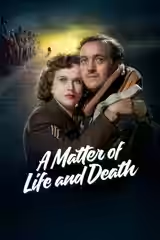
How does The Double Life of Véronique compare to A Matter of Life and Death?
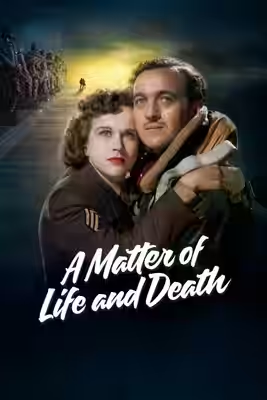
The Double Life of Véronique is the quieter and more demanding of the two, while A Matter of Life and Death is the warmer and easier to recommend to almost anyone. Both take an impossible connection seriously without explaining its feeling away. Powell and Pressburger offer humour and a romance to root for; Kieślowski asks you to watch faces and accept not knowing.
What should I watch after The Double Life of Véronique?
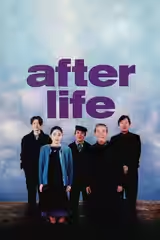
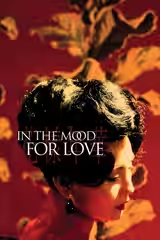
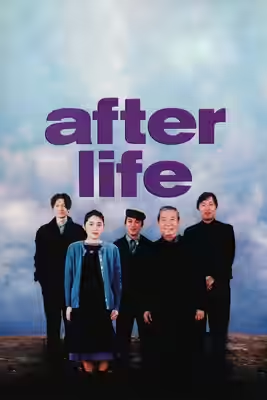
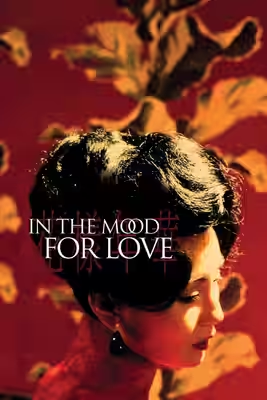
After The Double Life of Véronique, try A Matter of Life and Death (1946, Fi1m 92): Another romance that takes an impossible connection seriously without explaining away its feeling. Then After Life (1998, Fi1m 85): For its patient attention to memories that matter more than their explanations; and In the Mood for Love (2000, Fi1m 91): For faces, music and colour carrying feelings that the characters cannot easily express.

Cast

Awards

César Award for Best Actress, 1992

Nominated
César Award for Best Actress

César Award for Best Music Written for a Film, 1992

Nominated
César Award for Best Music Written for a Film

Independent Spirit Awards, 1992

Nominated
Best Foreign Film

International Submission to the Academy Awards, 1992

Nominated
International Submission to the Academy Awards

Cannes Film Festival, 1991

Won
Best Actress

Golden Globes, 1991

Nominated
Best Non-English Language Film

National Society of Film Critics Award for Best Foreign Language Film, 1991

Won
National Society of Film Critics Award for Best Foreign Language Film

If you liked this, try…

  1. A Matter of Life and Death (1946, Fi1m 92)Another romance that takes an impossible connection seriously without explaining away its feeling.

  2. 3 Women (1977) · not reviewed yetAnother unsettling study of shifting identities, with less comfort in the resemblance.

  3. After Life (1998, Fi1m 85)For its patient attention to memories that matter more than their explanations.

  4. In the Mood for Love (2000, Fi1m 91)For faces, music and colour carrying feelings that the characters cannot easily express.

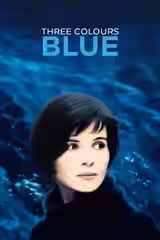
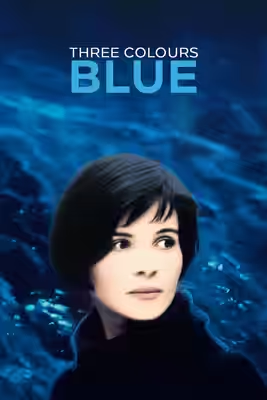
  5. Three Colours: Blue (1993, Fi1m 88)Kieślowski returns to music and private grief, with another closely watched central performance.

Free account

Know what to watch tonight

Two lists that know where things are streaming, collections you can share, your own score beside ours, and Discover that remembers what you have seen.

  • Want to see, sorted by what is streaming now
  • Seen, with your score out of ten
  • No adverts, ever