Krzysztof Kieślowski’s drama of two connected lives is absorbing and quietly moving, led by Irène Jacob’s double performance. The symbolism occasionally feels overworked; the people remain worth caring about.
The Double Life of Véronique asks us to accept that two identical women can share something neither can explain. Krzysztof Kieślowski gives the connection weight without pinning down its rules, and the result is absorbing, occasionally frustrating and worth the patience it asks for. We do not need to solve it to care about Weronika and Véronique. The film stays close enough to their feelings that the lack of an explanation seldom becomes an obstacle.
The screenplay, by Kieślowski and Krzysztof Piesiewicz, follows resemblance, coincidence and intuition with a seriousness that might have become oppressive. Music and love give the women more to respond to than the mystery of their own existence. There is room to wonder about their choices, though little encouragement to assemble a tidy account of cause and effect. Within the fantasy genre, this is a demanding bargain: the film expects us to attend closely without promising to explain everything we notice.
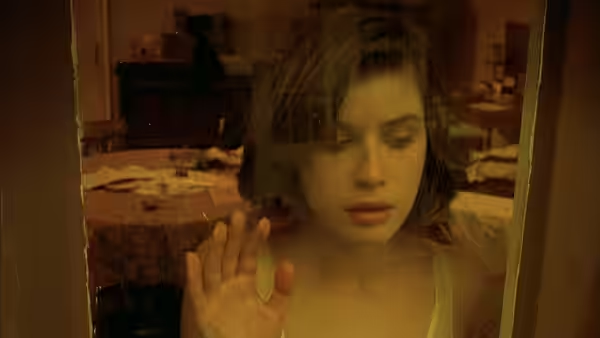
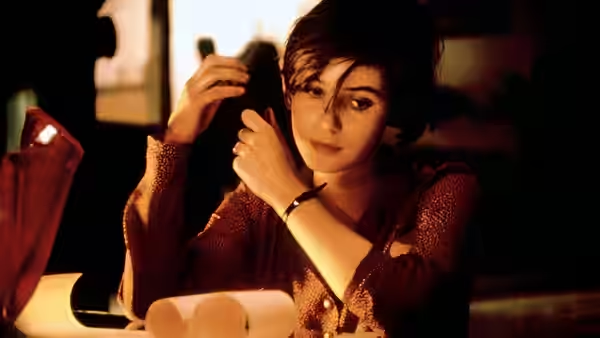
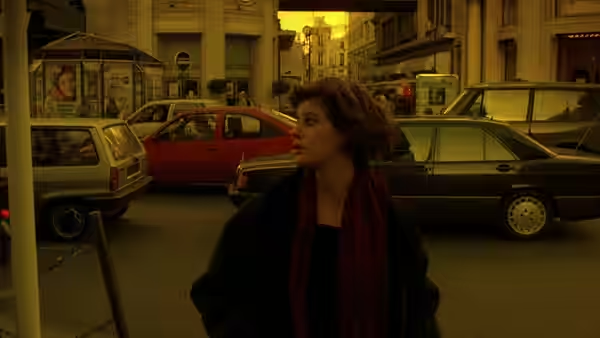
Jacob is the reason we accept that bargain. Playing Weronika and Véronique, she makes the resemblance matter without allowing either woman to become merely an illustration of it. Her watchfulness makes their sensitivity to an unseen connection credible. We were moved by the sight of that face belonging to two separate lives, because Jacob makes each woman seem vulnerable to feelings she cannot quite understand. We wanted to know more about both women even when we had stopped trying to work out what connected them.
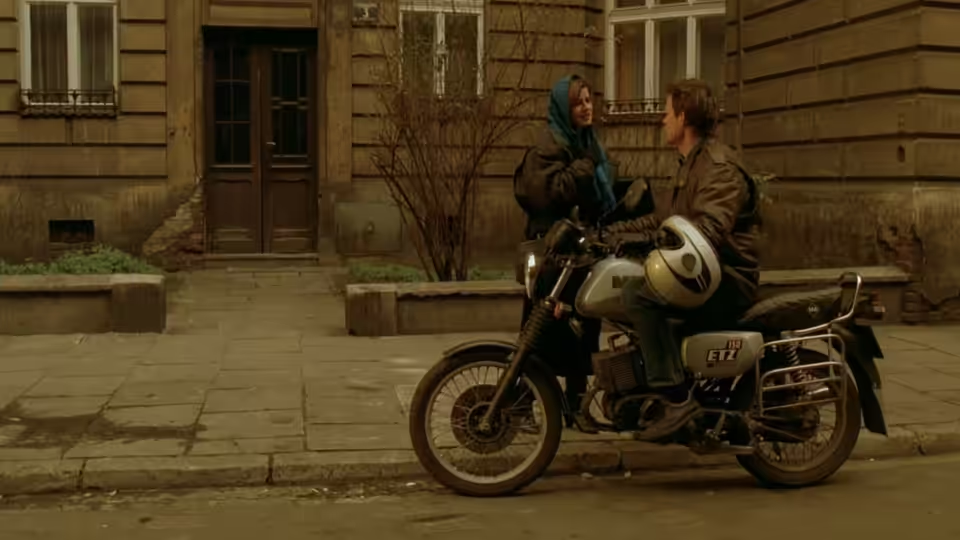
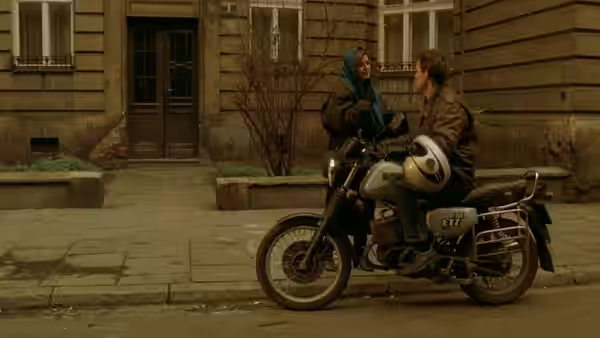
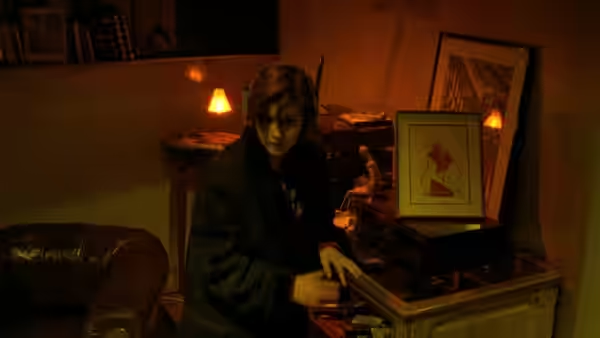
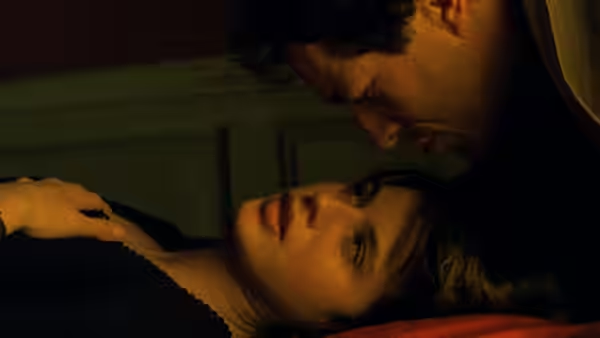
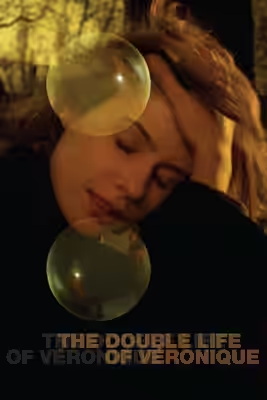
Sławomir Idziak’s cinematography gives the images a golden cast and keeps the camera floating around its subjects. Reflections complicate our sense of where to look, but Jacob remains the point of attention. The colour is conspicuous, and there are moments when we wished for something less insistently lovely. Patrice Mercier’s production design contributes to the polished look, though the surroundings can seem so carefully prepared that ordinary life has trouble making itself felt.
Zbigniew Preisner’s score is essential to the film’s ability to move us before we have worked out why. Its sweep makes the possibility of a connection between the women feel momentous, even when the story offers little to confirm it. Jacques Witta’s editing lets impressions of one woman persist while we attend to the other. That makes the resemblance felt without requiring us to keep a list of correspondences. For much of the film’s 98 minutes, listening and looking are enough to hold our attention.
The weakness is how insistently certain resemblances are presented. Kieślowski and Piesiewicz sometimes seem unwilling to let a coincidence remain small, and a reflection can prompt another thought about doubles when we have already understood the point. We understand the objection that the film is too polished and too pleased with its mystery. A little less emphasis would leave more room for the women to surprise us, especially when the search for connections starts to distract from them.
This is a film for an evening when we can give small changes of light and expression our full attention. An appetite for fantasy will help less than a willingness to let a feeling remain unexplained. Choose it when an unresolved question will not spoil the evening.