Colin Firth and Geoffrey Rush make The King’s Speech a warm, funny and affecting drama. Its view of royalty is too comfortable, but the difficult business of speaking gives it real emotional weight.
The King’s Speech is a warmly recommended drama with a rather cosy view of royalty. Tom Hooper keeps the difficult relationship between a man who struggles to speak and the therapist trying to help him at its centre. David Seidler’s screenplay makes radio matter: public duty now requires a voice that can reach beyond the people standing nearby. The film is most convincing when it considers what that demand costs the speaker.
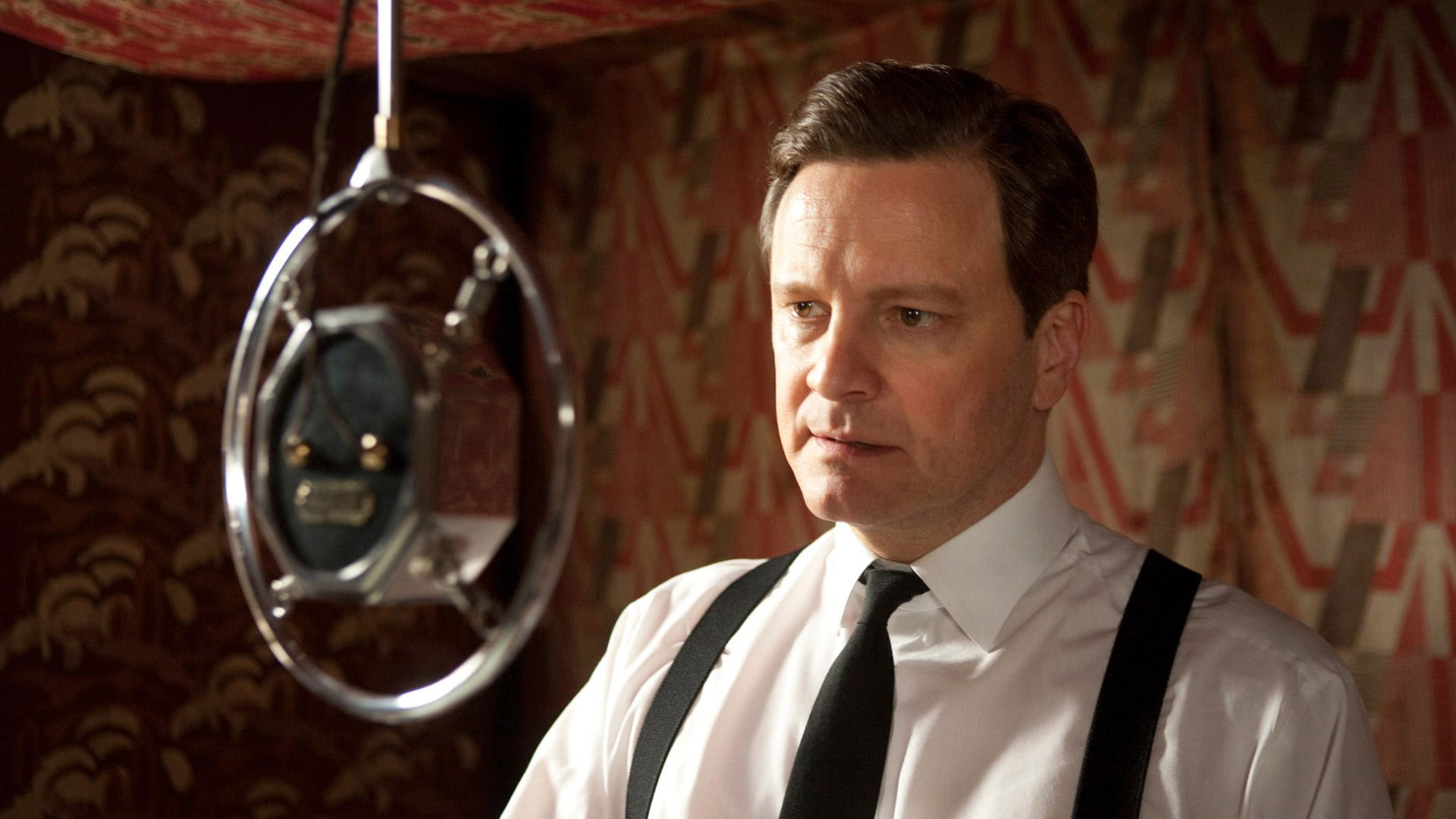
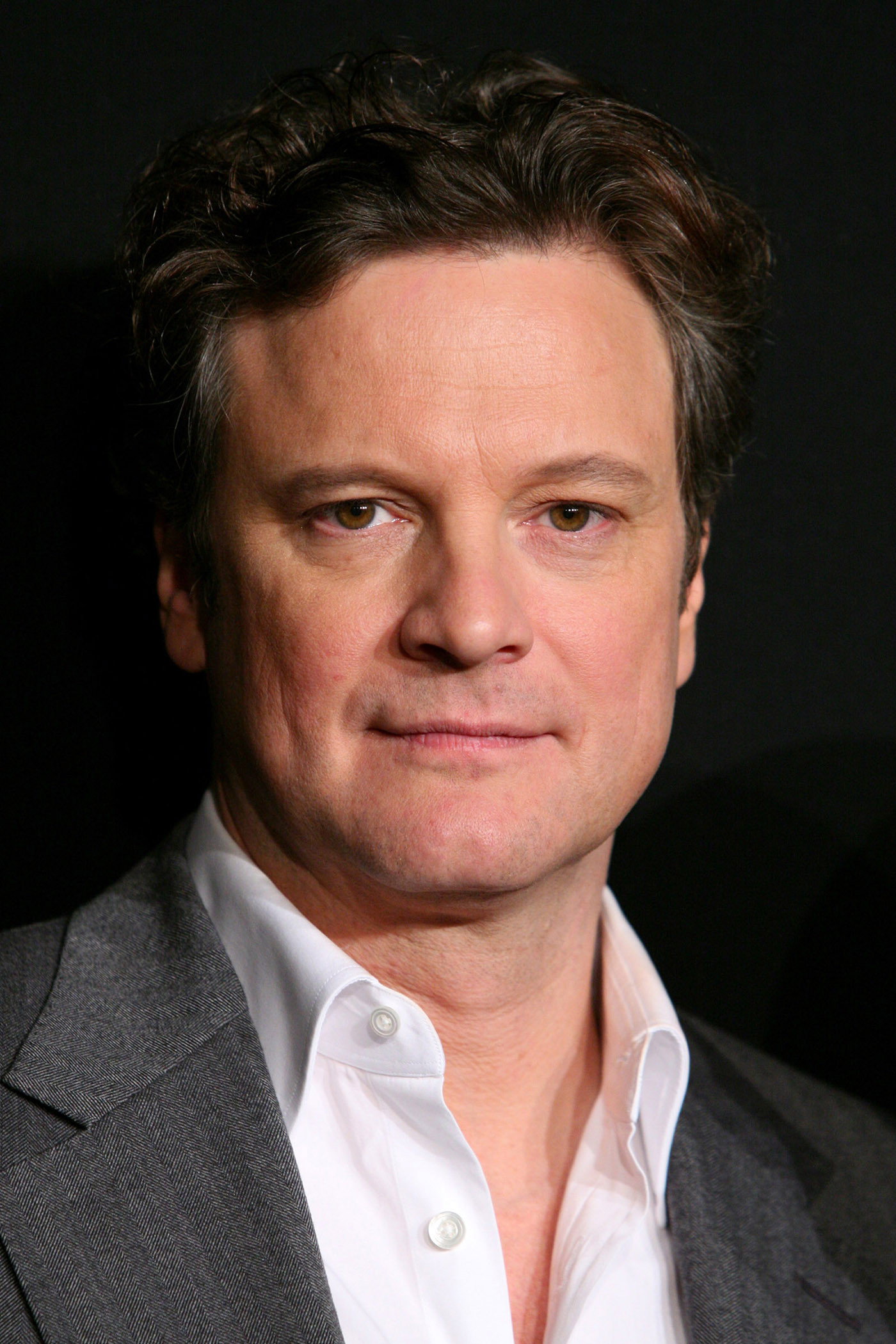
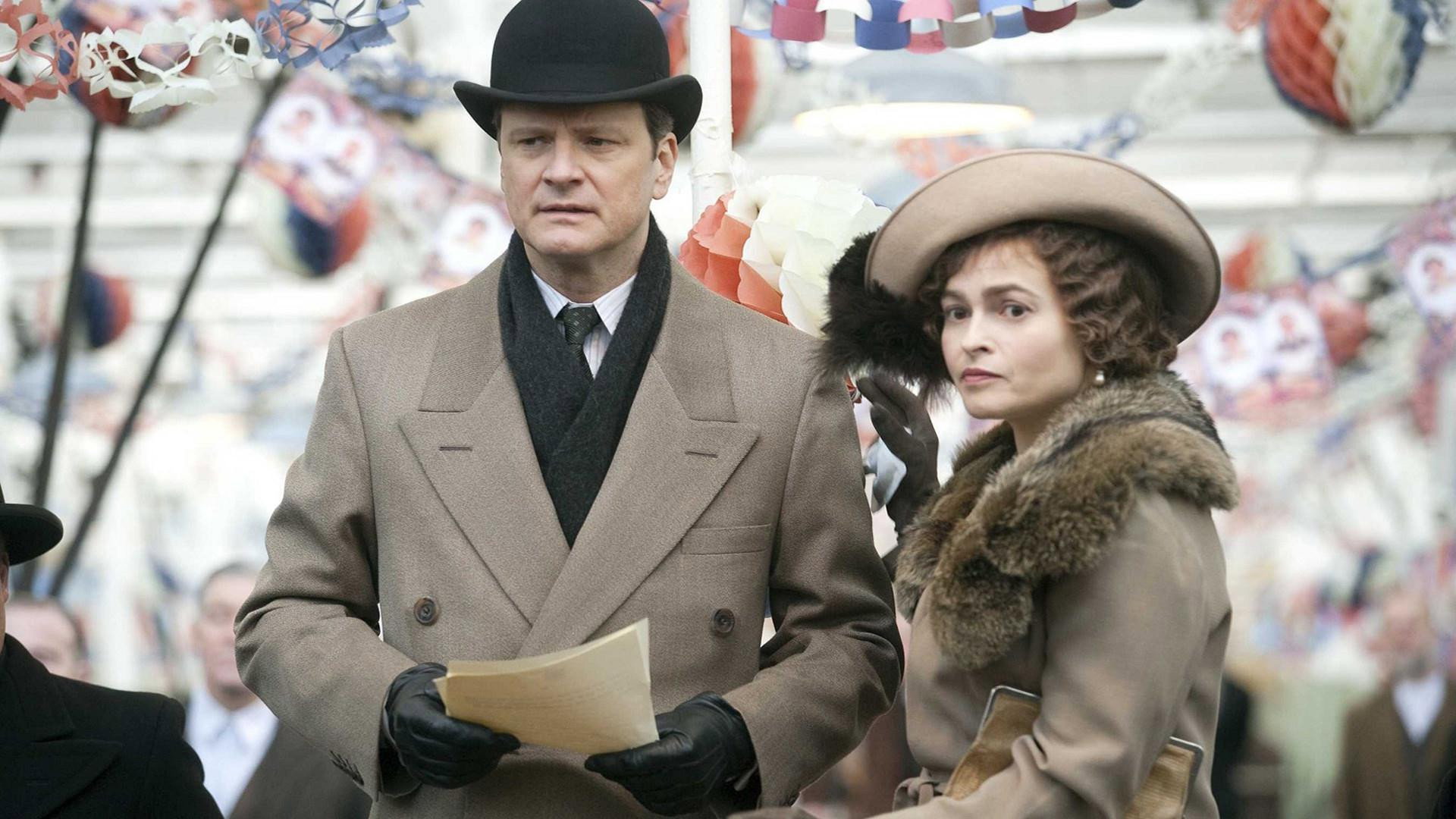
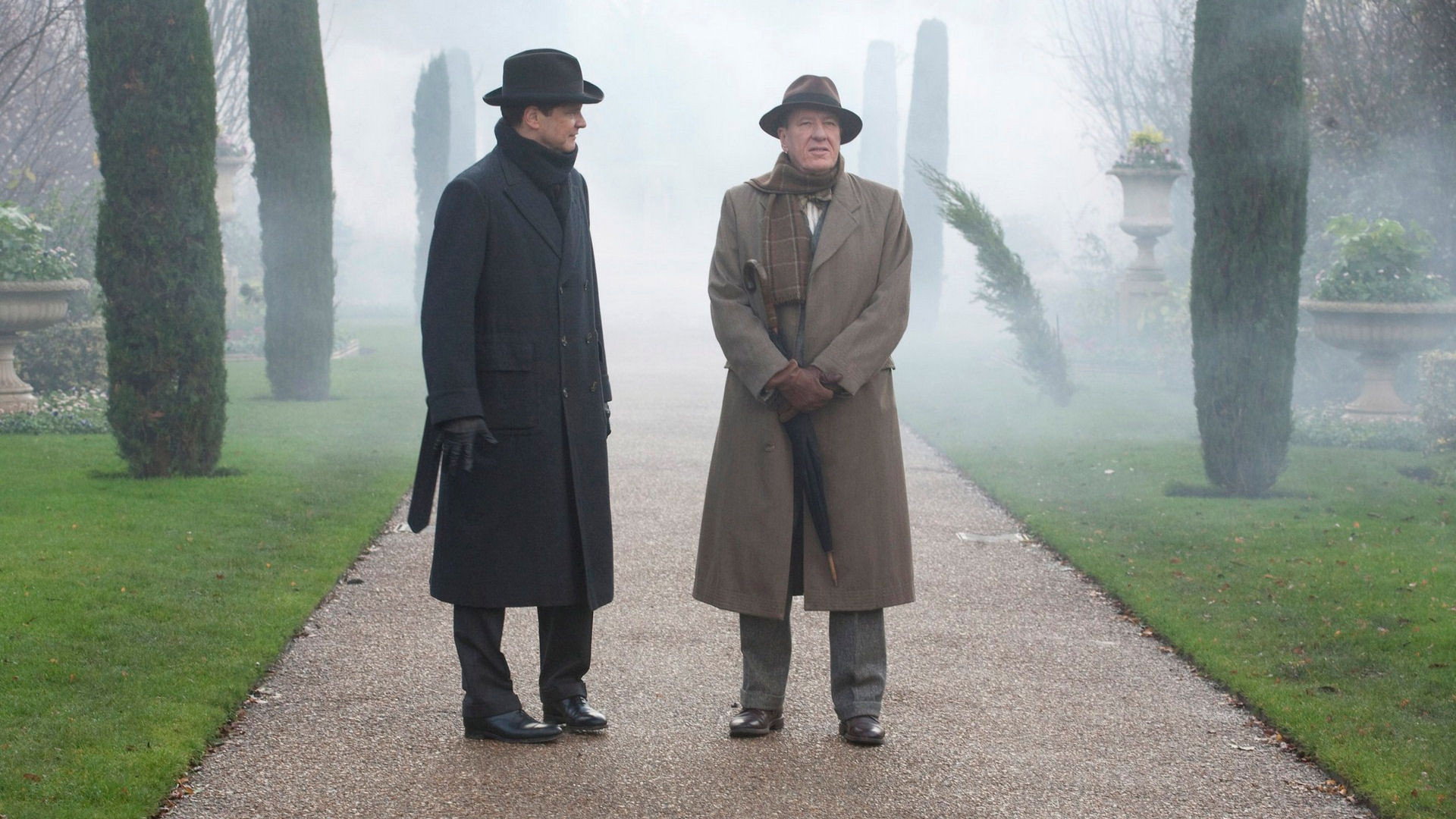
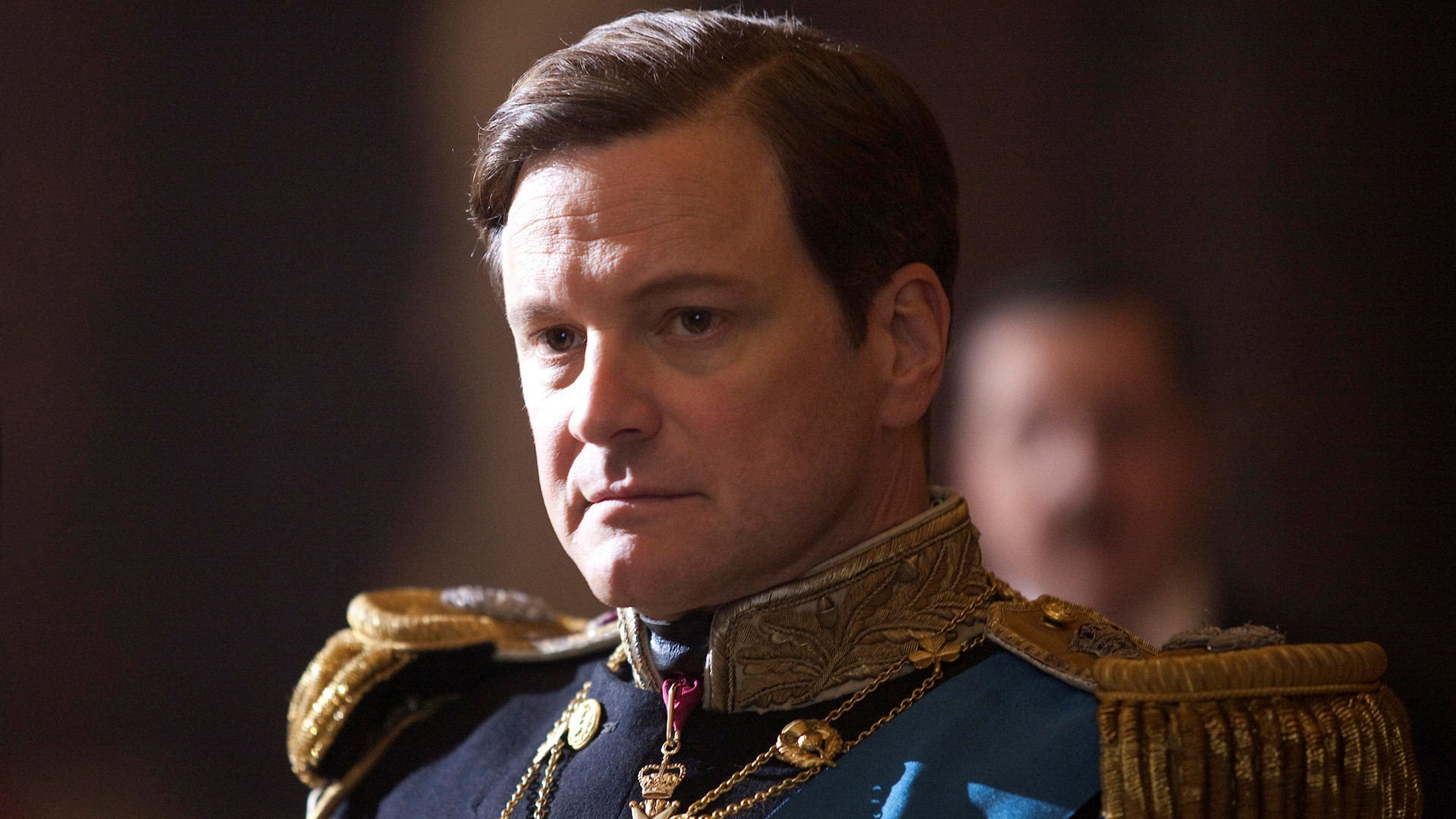
Colin Firth gives George VI enough pride and irritation to keep the suffering from becoming a request for sympathy. His stammer affects the whole performance, making speech feel like physical work whose difficulty cannot be wished away by good manners. We were more upset than we expected by his struggles to get the words out. Firth makes the effort convincing without letting it become everything we know about the man, and his comic timing remains alert to the absurdity of royal dignity.
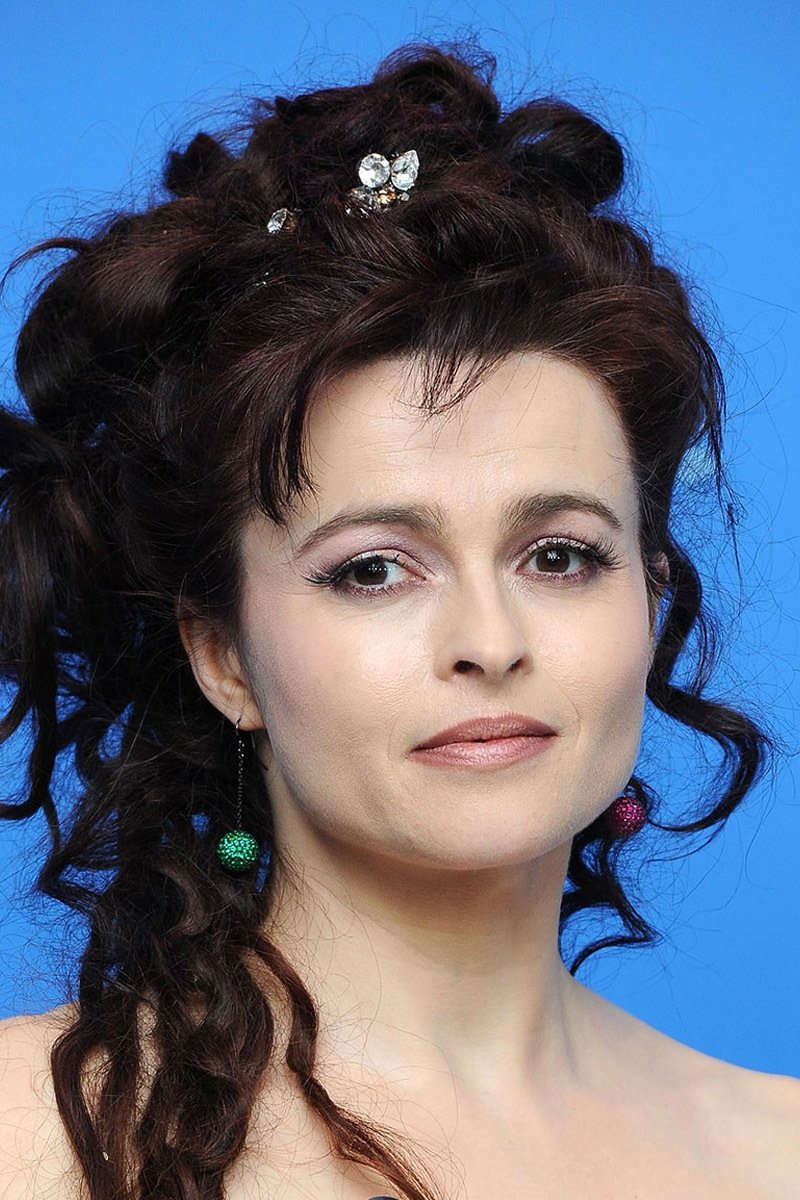
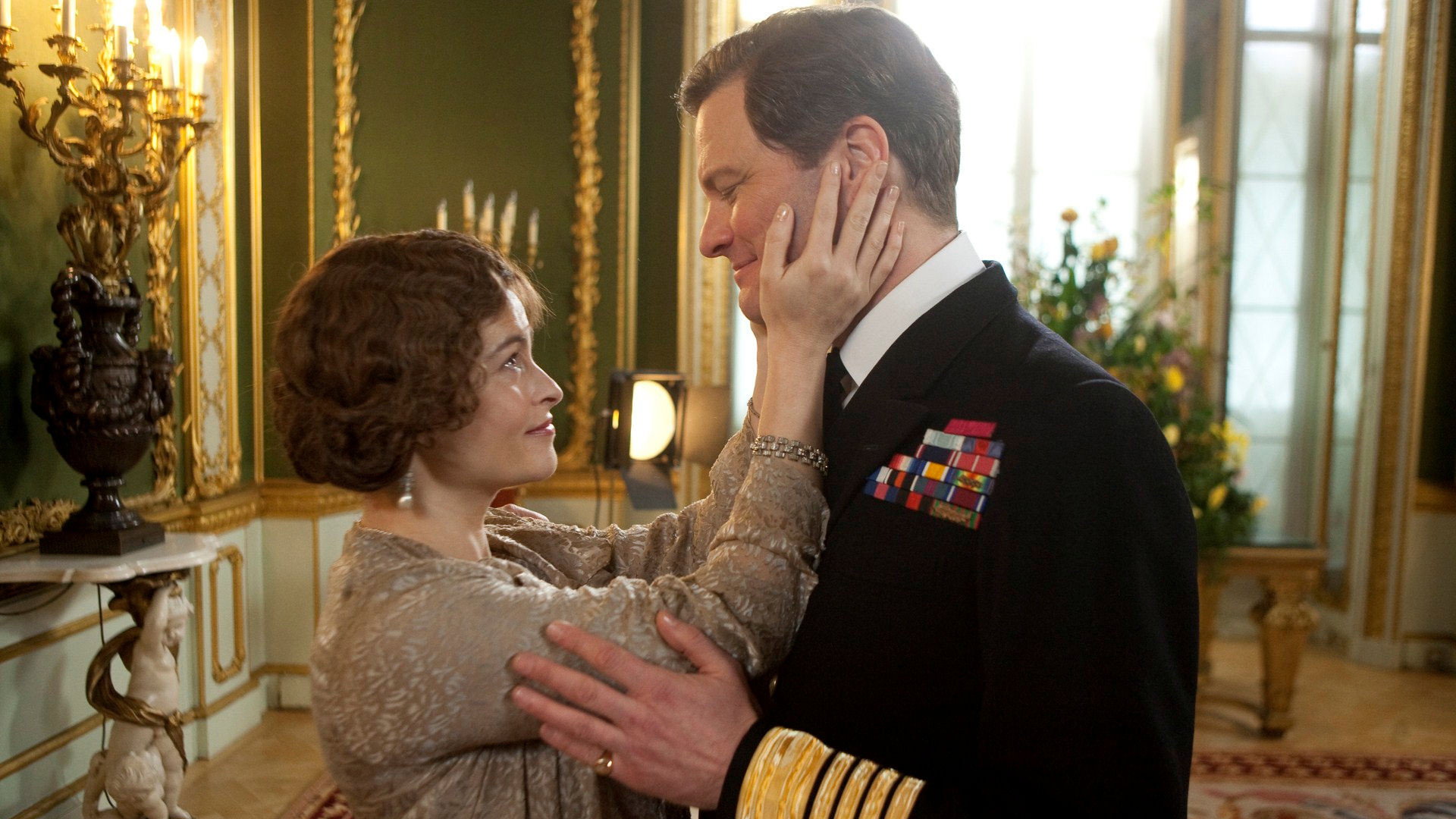
Geoffrey Rush’s Lionel Logue gives him someone worth arguing with. Rush has the more expansive performance, but the pleasure lies in how carefully he responds to Firth; their exchanges feel testing even when Seidler is plainly preparing a laugh. The friendship becomes persuasive through discomfort, impatience and humour, and the script gives both actors room to be funny. Helena Bonham Carter’s Elizabeth adds warmth without competing with the central pair, and the film benefits from her lighter touch.
Eve Stewart’s production design supplies the handsome surroundings expected of a royal period drama, while Jenny Beavan’s costumes reinforce its formality. That polish works because the people inside it can still look uncomfortable. Danny Cohen’s fisheye photography is less helpful, making the camera conspicuous when Firth is already communicating the unease clearly enough. We understand the wish to disturb the respectable surfaces, but the distortion can feel like an instruction to notice the directing.
Tariq Anwar’s editing serves the comedy well, giving the conversations pace without treating difficult speech as dead time. That distinction matters in a film asking us to take the effort of speaking seriously. Alexandre Desplat’s music contributes to the warmth, though its encouragement can feel unnecessary when the actors have already made the feeling clear. The film is confident about entertaining us and occasionally too anxious to make certain we are moved.
The larger weakness is how little trouble it has with the institution surrounding George. Seidler finds comedy in royal absurdity, yet the sympathy for an unhappy man broadens too easily into reassurance about monarchy. The explanations for his difficulties are also tidier than the performance suggests they ought to be. Hooper favours a clear, encouraging story, and some of the complication disappears in making it so agreeable.
As a drama about an unlikely friendship, it earns its familiar shape through the quality of the company. We would have welcomed more friction in its treatment of royalty, but there is enough between Firth and Rush to keep the film from becoming merely polite. Their humour makes the solemnity easier to accept. Watch it for the two men doing the awkward work of learning how to talk to each other.