Lord and Miller’s sequel is faster and denser than the first film, with better songs and a shape-shifting queen who steals it, but it is the same trick a second time, and it shows. Warm, tiring, and for its last quarter of an hour, moving.
Five years after The Lego Movie (2014), Phil Lord and Christopher Miller have kept the script and handed the director’s chair to Mike Mitchell. The first film’s best idea arrived late: the whole thing had been a boy’s game on his father’s table in the basement. The sequel cannot hide that again, so it starts from it. The game is now shared with a younger sister, and the two children do not agree on the rules. That is a good idea for a film. Around it are 107 minutes of jokes, most of them good and nearly all of them familiar.
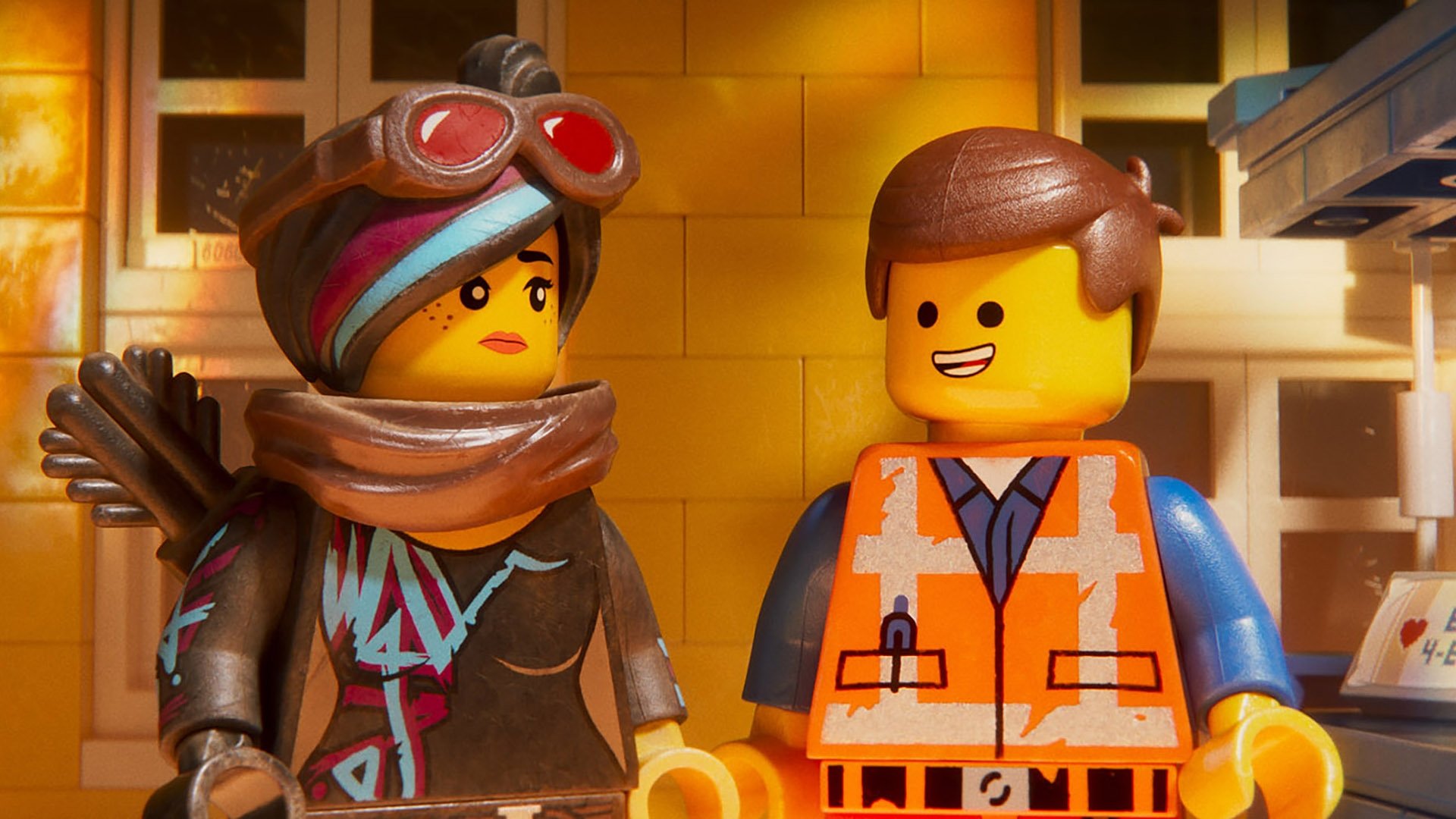
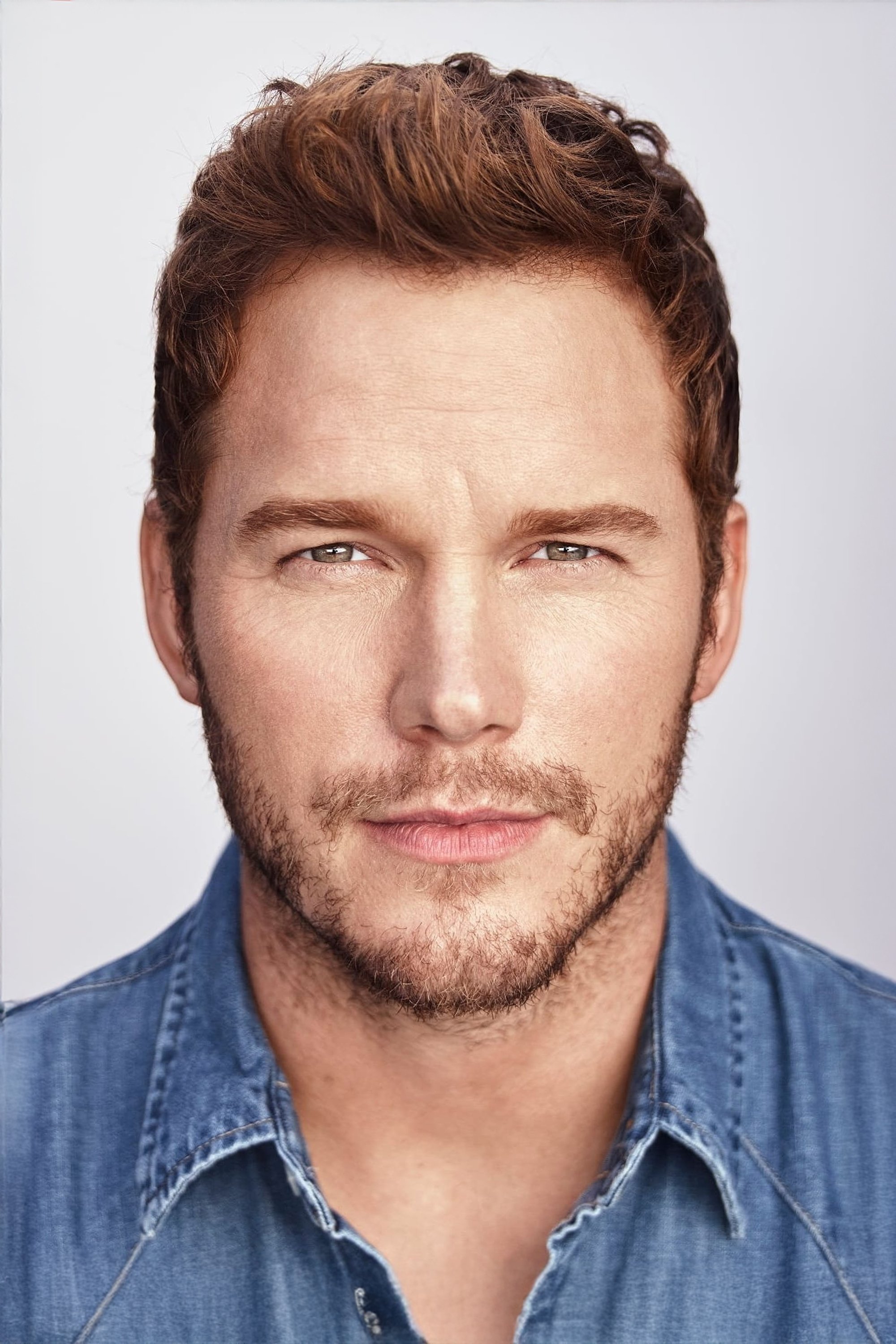
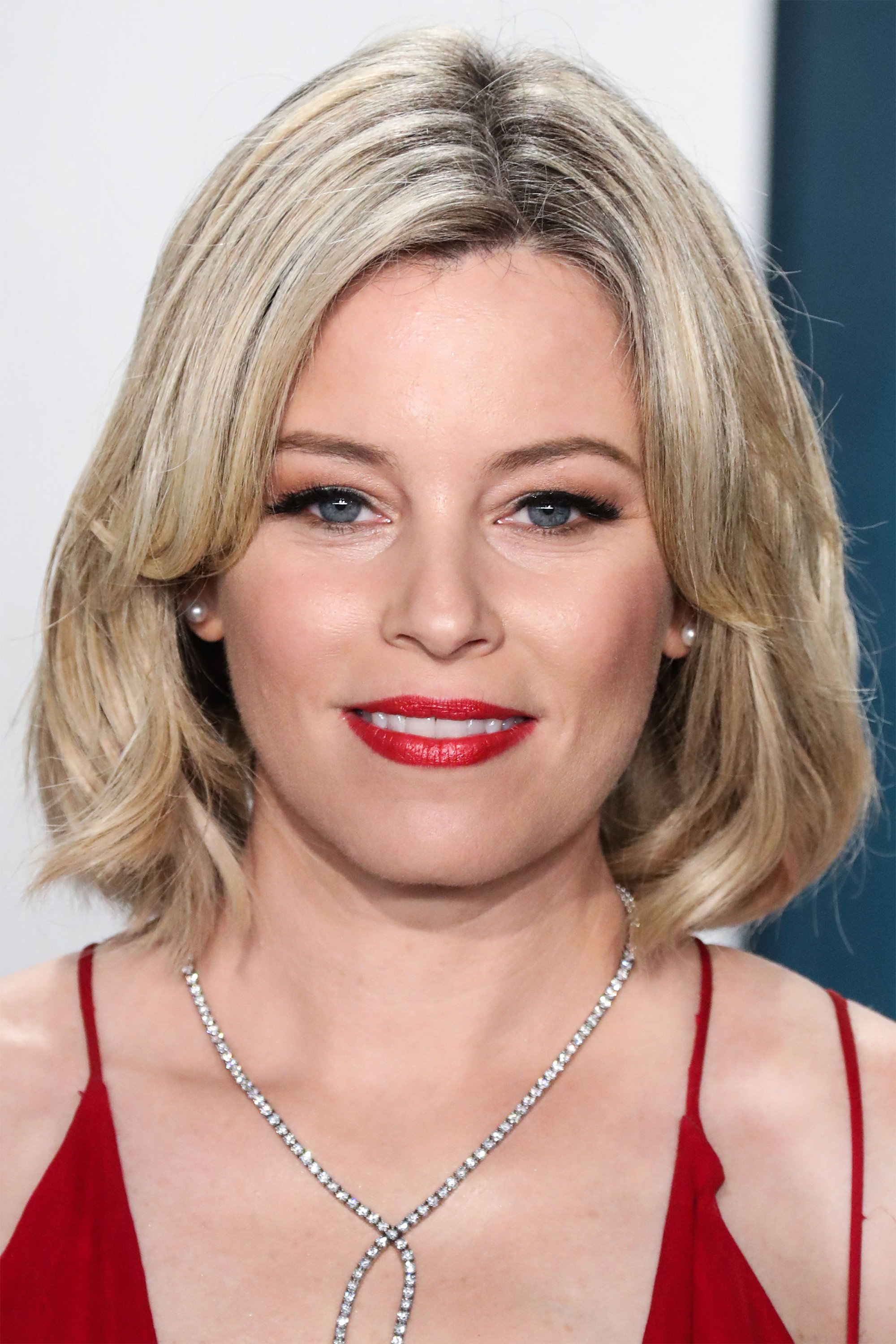
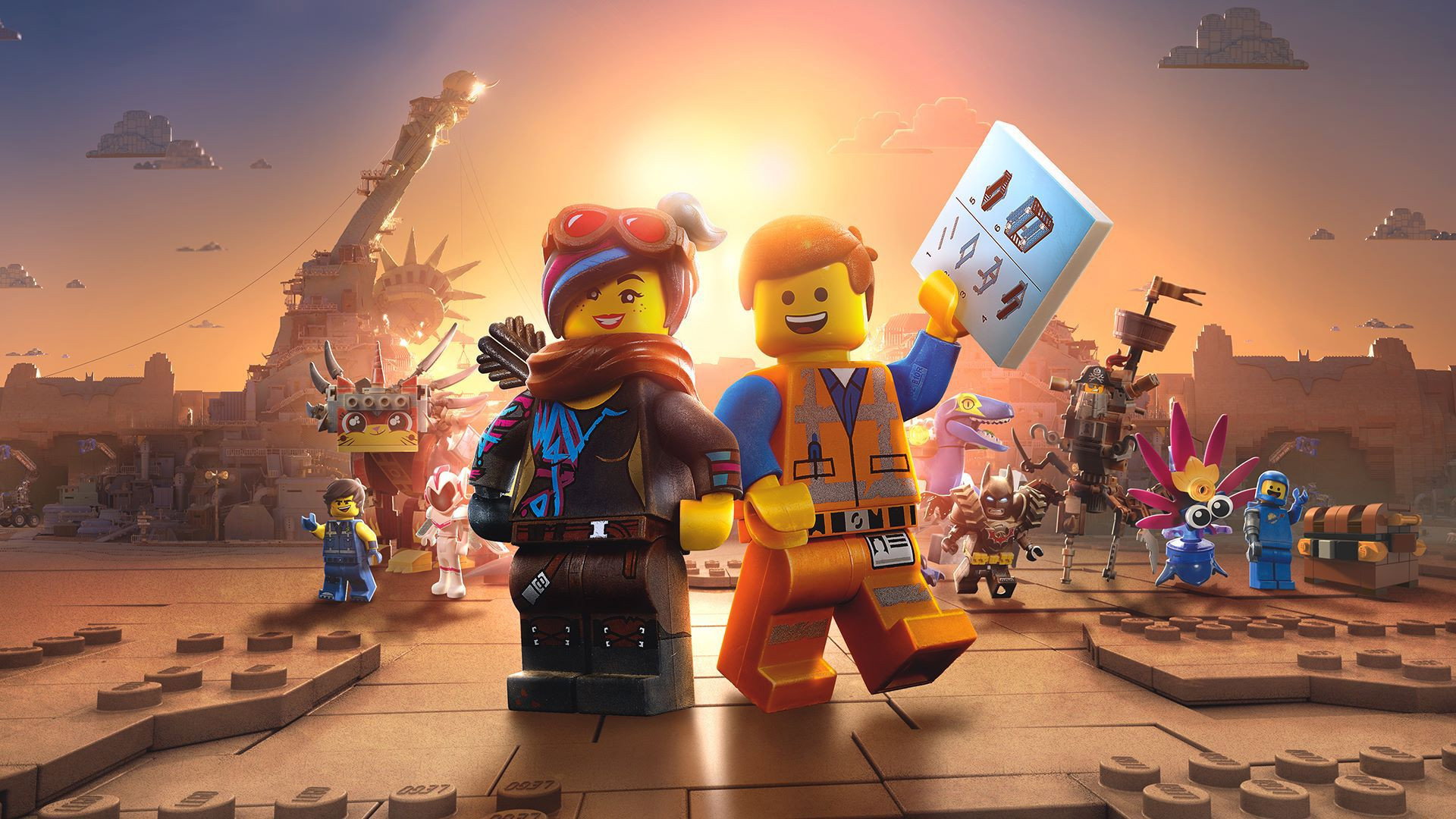
The opening is the film at its most confident. Patrick Marc Hanenberger and Jack Yu turn Bricksburg into Apocalypseburg, a wasteland of rust, sand and blackened towers, a Mad Max for six-year-olds in which everyone has adopted the pose except Emmet (Chris Pratt), who is still cheerful. Lucy (Elizabeth Banks) has taken up brooding. Then the story moves to the Systar System and the design flips to pastels and glitter, a place where nothing has a sharp edge. The two worlds tell the whole story in colour before anyone has to explain it.
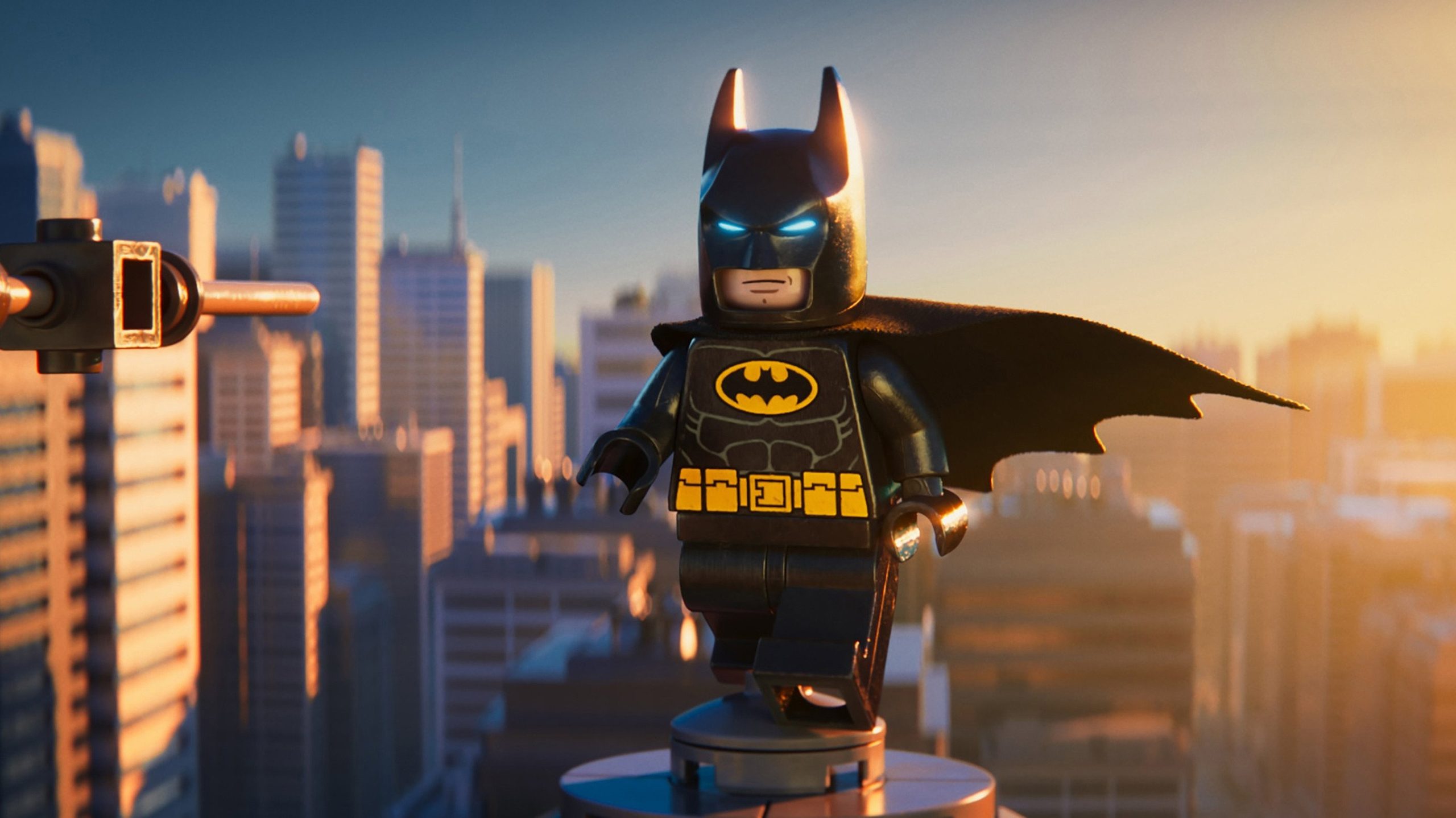
Tiffany Haddish’s Queen Watevra Wa’Nabi is the best thing in it. She is a heap of loose bricks that never settles, rebuilding herself into a horse, a throne, a heart, while singing a song that insists she is not evil in lines that make her sound steadily more so. Haddish gives her a warmth that keeps you guessing, and the song is the one sequence we would sit through again tonight. Her courtship of Batman (Will Arnett) gives Arnett his best material since the first film: a Batman who is flattered, appalled and available. We laughed hard at both of them, harder than at anything else here.
Mark Mothersbaugh’s music does a good deal of the lifting. There is a song that announces it will get stuck in your head, and it does, and the film knows how annoying that is and makes the annoyance the joke. The score underneath keeps the first film’s bounce and roughens it for the wasteland. Clare Knight cuts to that beat, a gag every few seconds, a sign in the background, a costume change, a raptor, and for half an hour the rhythm is a pleasure.
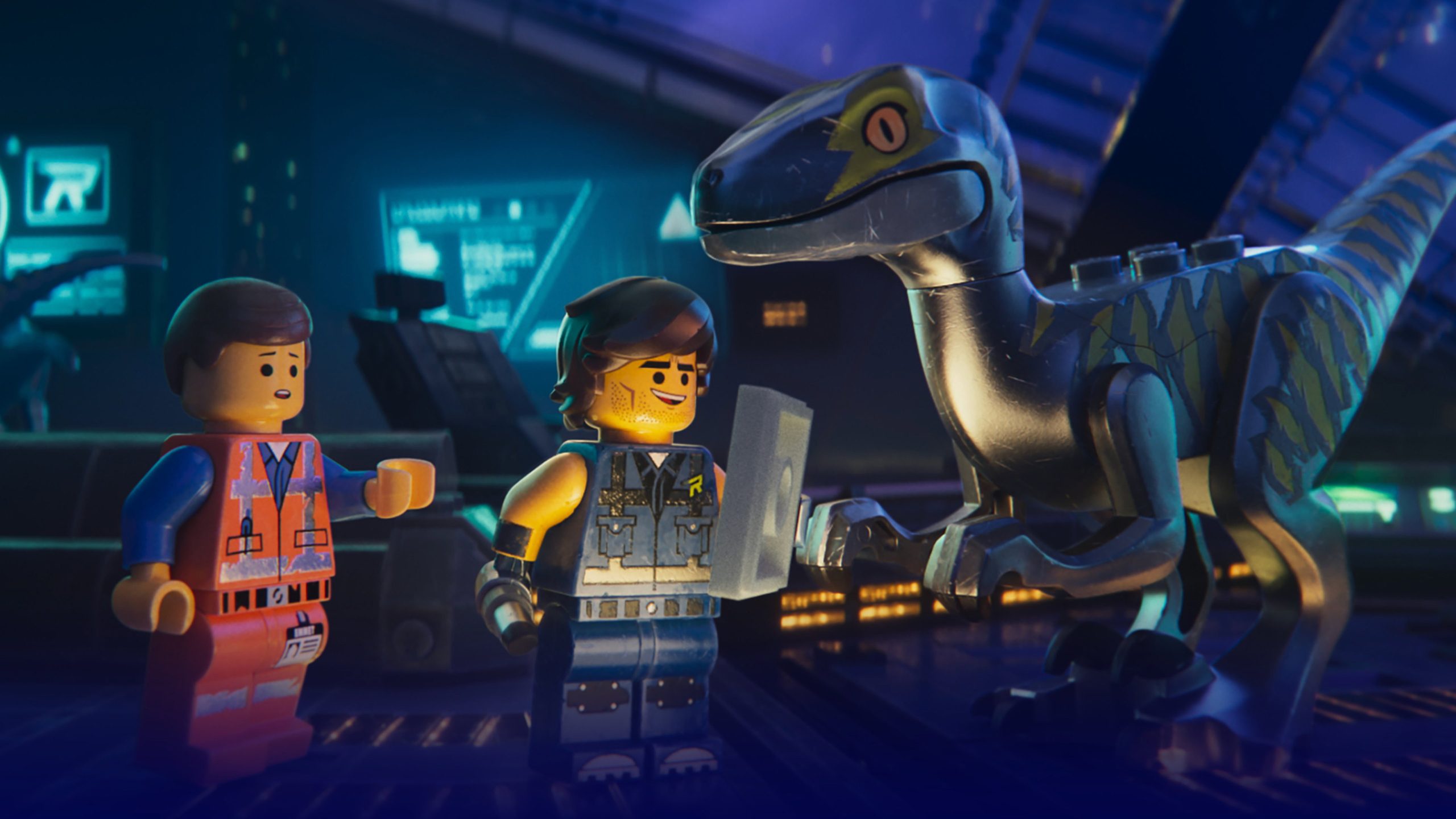
Then it is work. Somewhere around the hour we realised we had stopped laughing and started counting, and that the film was still going at the same speed and had not noticed. The script explains its idea, that not everything is awesome and it is all right to say so, and then explains it again in song. Rex Dangervest, Pratt’s second role, is a long joke about Pratt’s own action-hero career, and Pratt plays him well, but the joke is for parents who have seen his other trailers and it runs ten minutes past its point. The first film’s tricks are back, the hand from above especially, and because we know them they no longer surprise.
And yet the ending got us. The live-action scenes with Finn (Jadon Sand), Bianca (Brooklynn Prince) and their mother (Maya Rudolph) are brief and plainly shot, a carpet, a table, a doorway, and they carry more feeling than the whole Systar System. There is a moment late on between the two children that we will not describe, and it moved us more than a film with this many raptors had any right to. It works because the thing under it, a boy deciding he is too old to play with his sister, is true, and the film for once lets it sit.
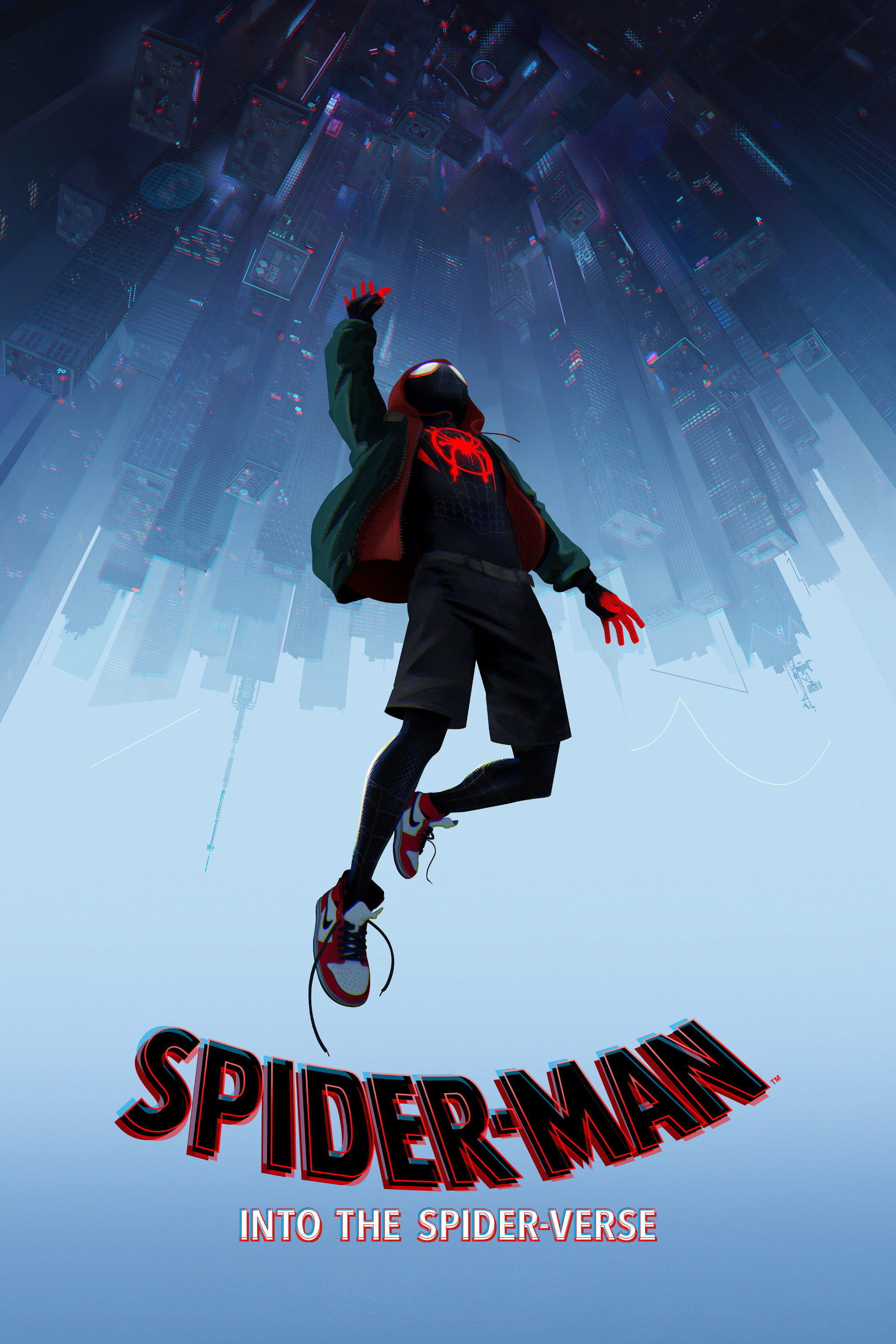
Lord and Miller produced Spider-Man: Into the Spider-Verse (2018), which found a way to be this fast and this dense without wearing us out. This one does not. It is a clever, good-natured, tiring sequel, funnier than most and less than the first, and it is at its best when it stops shouting. Adults will laugh more than they expect and reach for the pause button by the hour mark. It carries a U certificate and runs 107 minutes.