Anthony Minghella makes class envy painfully intimate, with Matt Damon giving Tom Ripley a neediness that is hard to watch. The plotting becomes over-elaborate, but this is a persuasive, unsettling thriller with an unusually good ensemble.
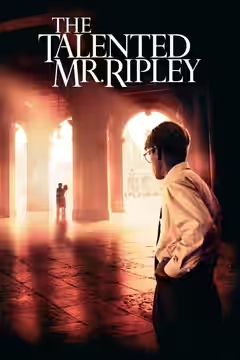
Anthony Minghella’s The Talented Mr. Ripley understands how humiliating it can be to want the approval of someone who scarcely needs to think about us. His adaptation of Patricia Highsmith’s novel is an absorbing thriller, driven by the unequal relationship between Matt Damon’s Tom Ripley and Jude Law’s Dickie Greenleaf. Money makes one of them comfortable and the other watchful. Minghella stays close enough to that discomfort to make the elaborate plotting matter, although he eventually asks it to bear too much weight.
Damon’s nervousness is the useful choice here, even when it risks making Tom seem too inexperienced for the story around him. His performance lets us see the effort involved in being agreeable, and the fear of getting it wrong. We felt painfully embarrassed for him beside Law’s Dickie, whose ease makes Tom’s eagerness look more exposed. That reaction matters: Minghella gives us enough of Tom’s longing to recognise it before asking how much of his behaviour we are prepared to excuse.
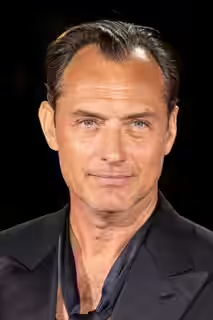
Law gives Dickie the careless confidence of someone accustomed to being wanted. He makes the attraction comprehensible without making Dickie particularly admirable, a distinction on which much of the film depends. Minghella also makes Tom’s sexual longing legible, so that his envy cannot be reduced to wanting better clothes. Philip Seymour Hoffman’s Freddie Miles is unpleasant company, and his confidence makes Tom’s uncertainty more obvious. The ensemble is strong enough to suggest lives that do not begin when Tom notices them.
John Seale’s cinematography makes the Italian surroundings inviting enough for Tom’s fixation to seem understandable. Minghella gives us time to look at the places these people take for granted, and that patience is largely rewarded. Roy Walker’s production design makes their wealth seem settled and ordinary to them, which helps explain why Tom’s wanting feels so conspicuous. There are moments when the sheer polish softens the unpleasantness, but the scenery never seems irrelevant to what Tom wants.
Walter Murch’s editing is especially effective in the opening credits, which establish Tom’s sense of opportunity without a cumbersome explanation. There is an economy there that the rest of the film could use more often. Gabriel Yared’s score keeps us attentive to Tom’s distress, a useful contribution when the intrigue threatens to make him merely busy. The tension survives some slack pacing because we still want to know what this man can persuade himself to do.
The weakness belongs chiefly to Minghella’s screenplay, which keeps complicating a situation whose emotional terms are already clear. At 140 minutes, the film has room to let us study these people, but the later plotting begins to feel overworked. We start considering how the story is being managed when we should be worrying about the people in it. The performances sustain that worry better than the accumulating intrigue.
The film is less clinical than a psychological thriller about an impostor might be, and that warmth will trouble some viewers. For us, Tom’s neediness makes the attraction of his company more disturbing. Damon’s performance keeps that discomfort alive even when the writing labours. Give it an evening when there is time afterwards to argue about how much sympathy Tom deserves.