Andrew Stanton’s robot romance is funny, patient and moving enough to make its environmental warnings feel personal. The later action is less distinctive, but we would recommend it even to people who think animation is not for them.
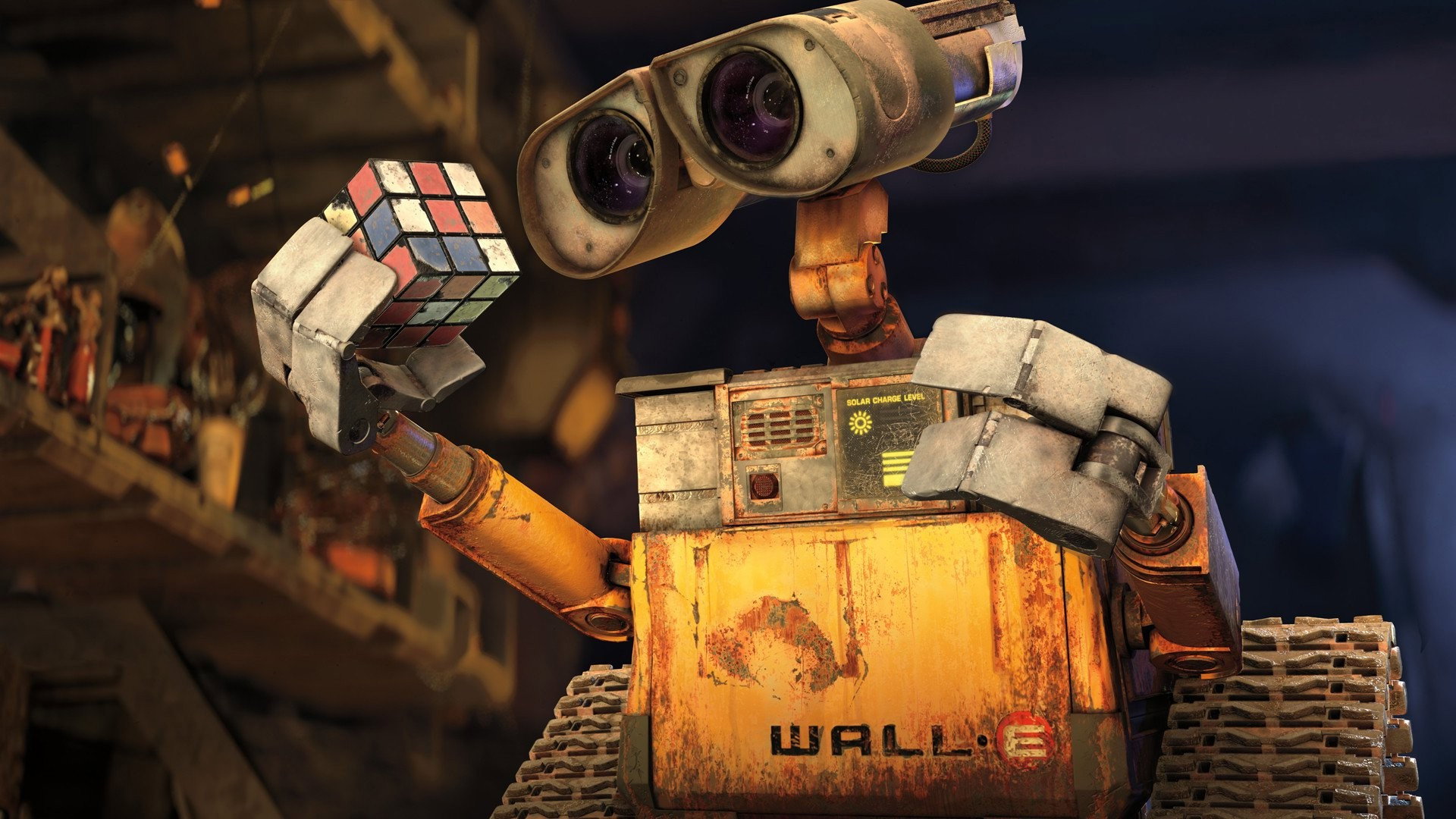
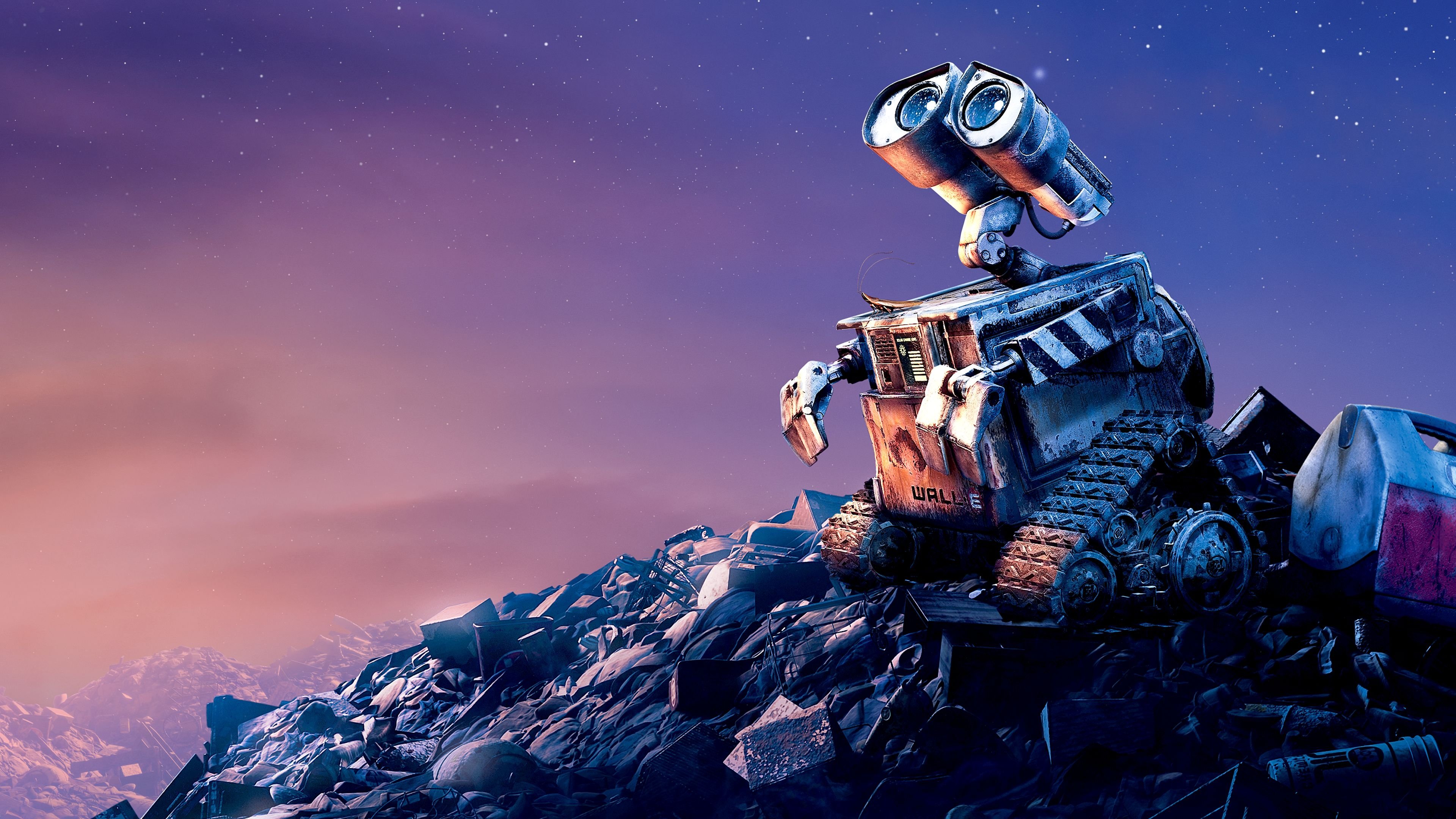
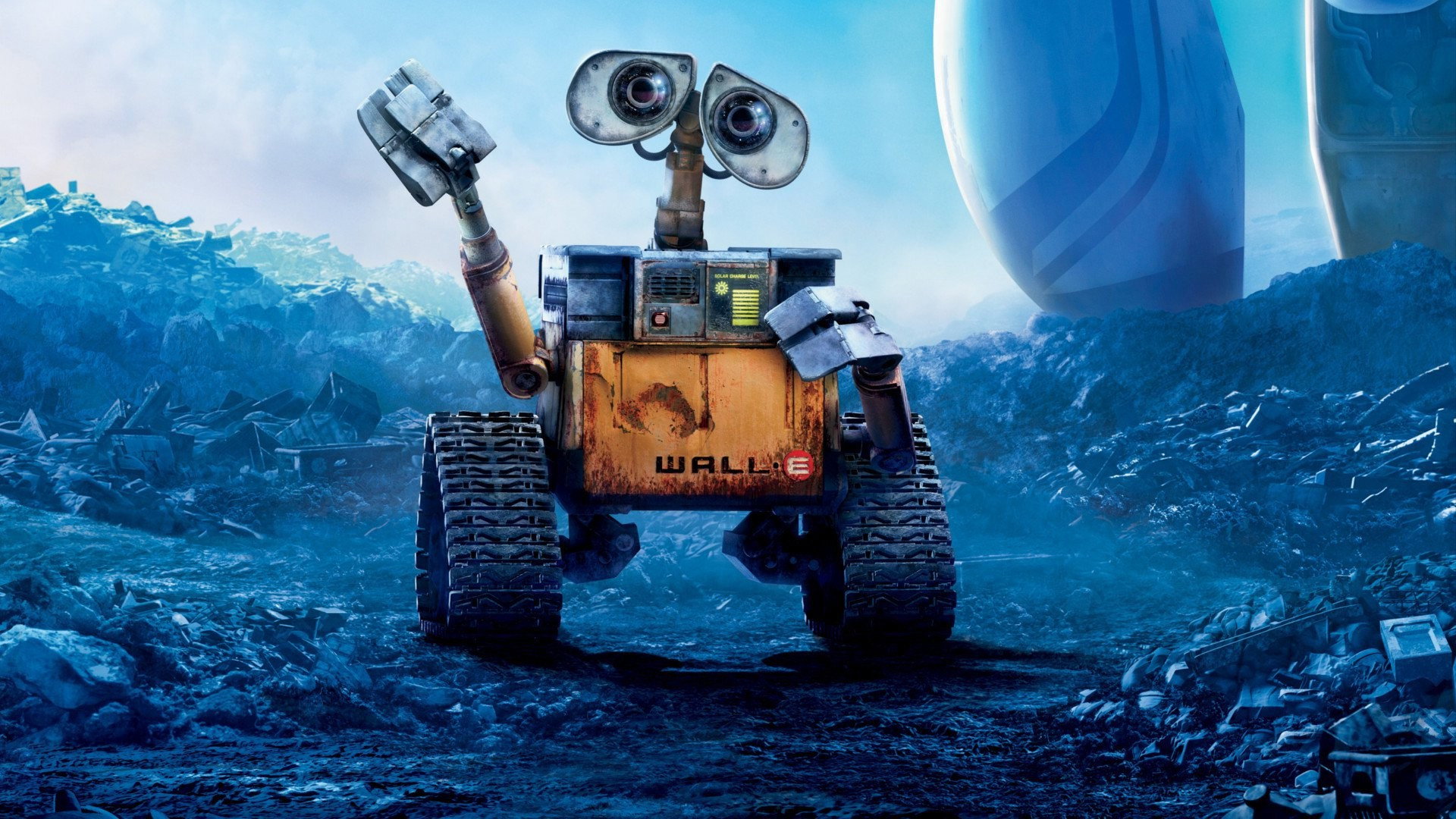
WALL·E earns its tenderness by taking a lonely robot seriously, and we would recommend it without needing to know anyone’s age. Director and co-writer Andrew Stanton gives the early stretch time to establish what WALL·E does, what catches his attention and what he lacks. There is little spoken dialogue to tell us how to feel about him. For a family science-fiction film, it is a welcome degree of trust in the audience.
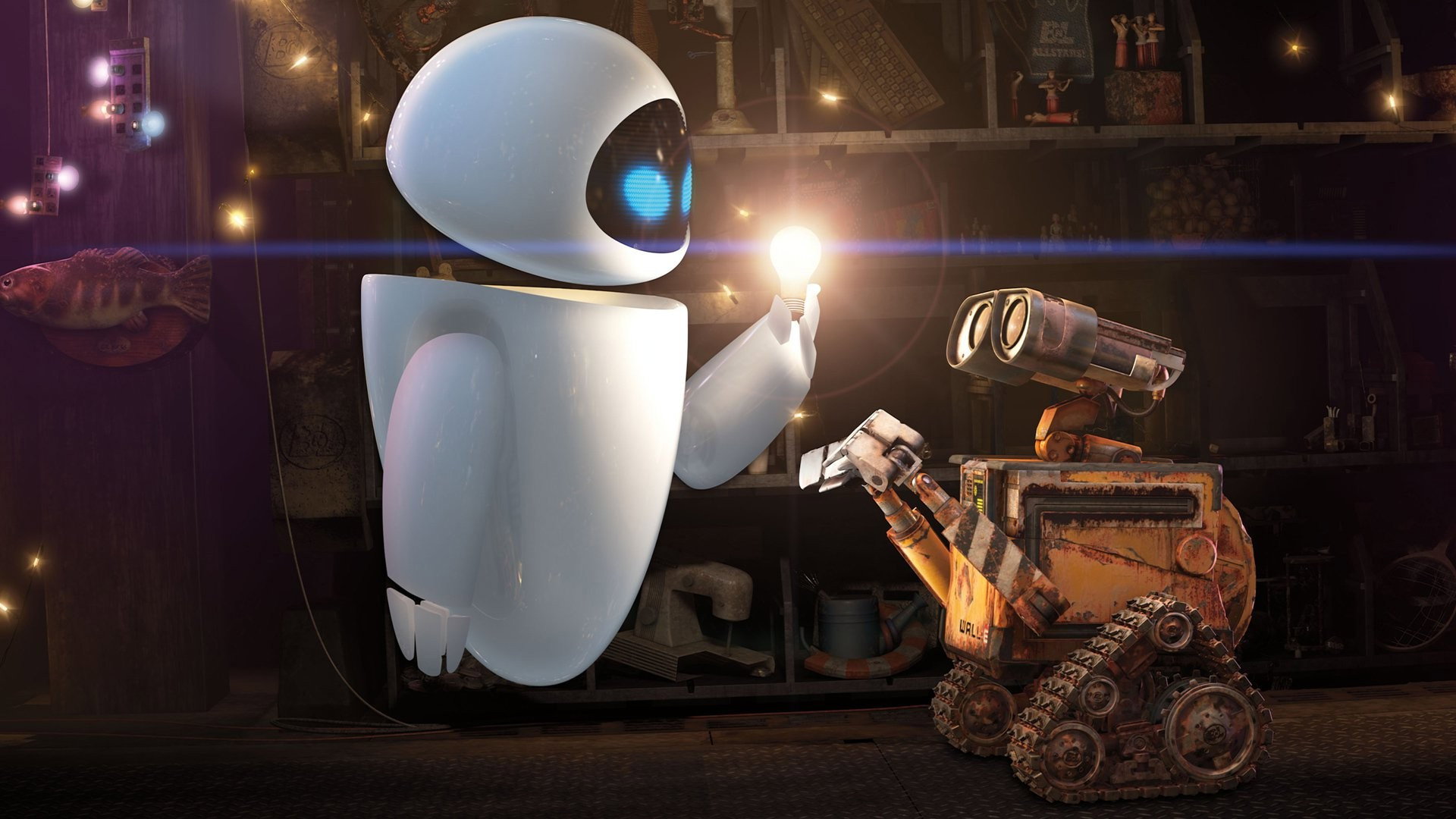
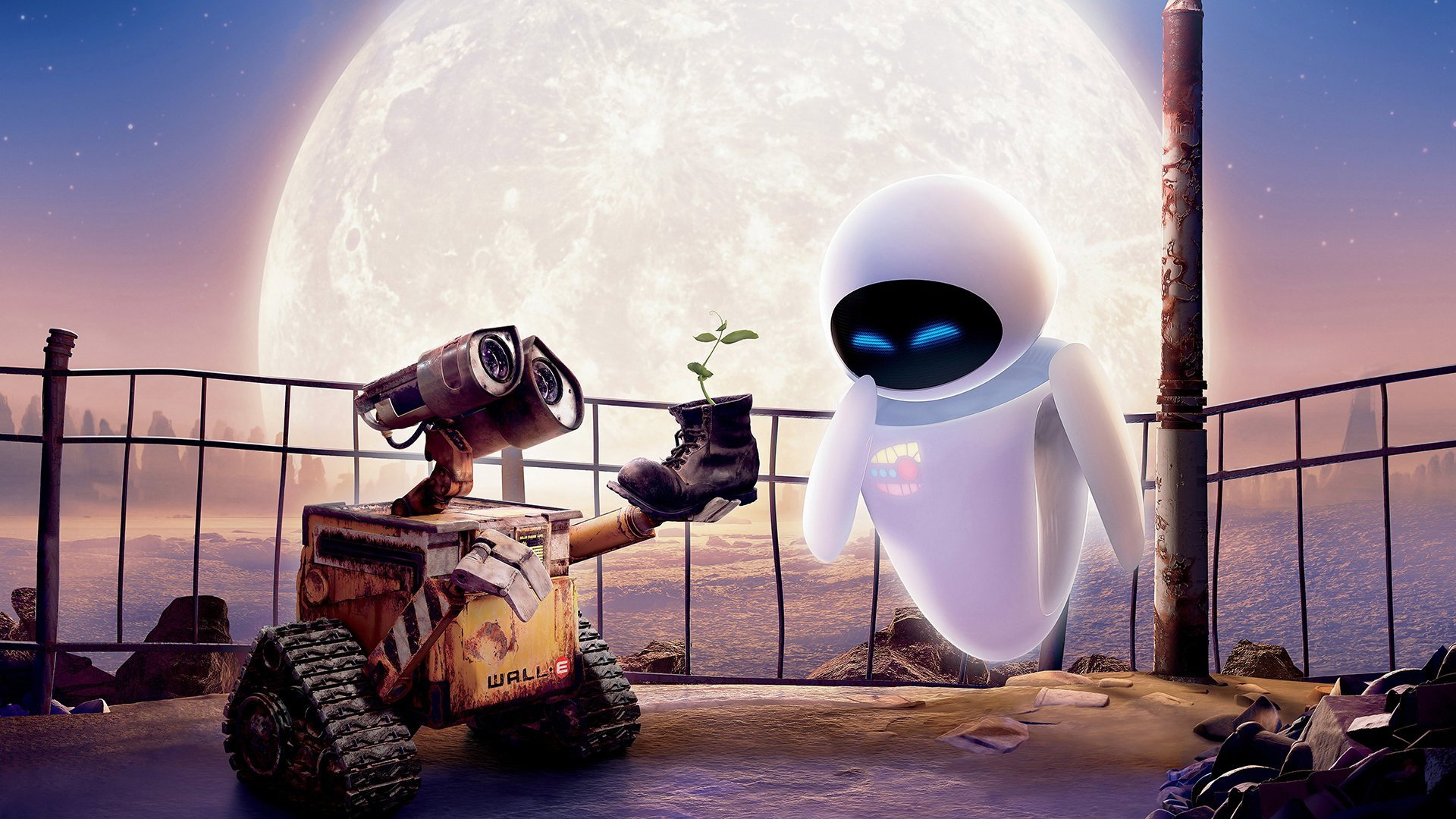
Ben Burtt supplies WALL·E’s voice, with Elissa Knight as EVE, and their exchanges make a good case for saying less. The small variations in their robot sounds do work that a page of explanations would only spoil. We hear eagerness, caution and the effort of making oneself understood, all without losing the sense that these are machines. The courtship gives Stanton and fellow screenwriter Jim Reardon’s story a clear purpose even when almost nobody is speaking.
We were moved more than we expected by WALL·E watching Hello, Dolly and wanting a romance of his own. There is something disarmingly ordinary about learning what closeness might look like from people in a film. The musical footage makes that wish visible without requiring a speech about loneliness. It also gives the romance a slightly awkward, second-hand quality that keeps the sweetness from becoming too tidy.
The cinematography credits belong to Danielle Feinberg, Martin Rosenberg and Jeremy Lasky, and the early images establish the isolation with little need for explanation. WALL·E’s small presence within that richly detailed future is enough to make the surroundings feel lonely. Ralph Eggleston’s production design gives the film’s two worlds distinct characters, so the change of setting does not require a lecture. There is plenty to inspect, but the detail never makes us lose track of the robot we are following.
Stephen Schaffer’s editing is especially good at leaving room for a reaction, rather than treating every pause as a problem. The near-silent opening needs that patience: a joke and a moment of uncertainty can both disappear if the next image arrives too soon. Thomas Newman’s score supports the affection without making the robot voices feel incidental. Music matters here, but so does the space left for those small, expressive sounds.
The environmental warning works because Stanton has first made us care about a life being lived in this future. The satire of consumption and technology is easy to read, sometimes almost too easy. We preferred the early scenes’ patient attention to loneliness and WALL·E’s longing for the natural world. They give the warning a sadness that the broader jokes cannot quite match.
The second half is weaker, though not enough to undo the first. Once the human characters and more conventional action take up space, the film becomes busier and less surprising, and Schaffer’s pacing cannot quite disguise that change. We missed the time spent simply watching WALL·E respond to things. The romance remains persuasive, but Stanton and Reardon’s script is less distinctive when it has more people to keep track of.
At 98 minutes, it is a compact film whose quieter passages deserve every second they get. Its U certificate should not suggest that the loneliness or the prospect of a damaged natural world has been softened into nothing. Children can follow the courtship; adults may find the surroundings harder to dismiss. Give it your attention from the beginning, before the dialogue starts doing more of the work.