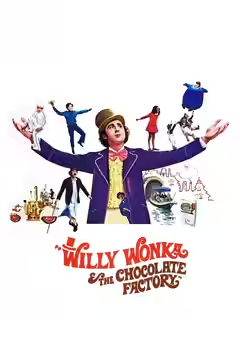
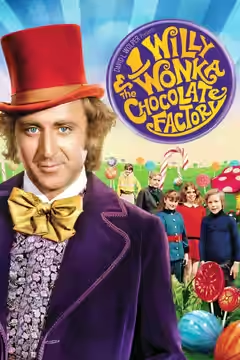
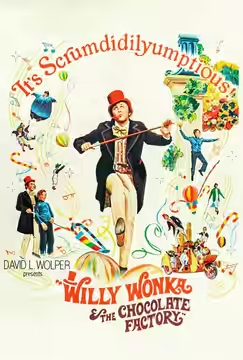
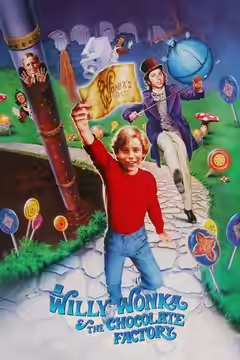
Gene Wilder makes this chocolate-factory musical funny, inviting and quietly alarming. We recommend it warmly, with patience for an opening that takes too long and songs that are not all worth the interruption.
Willy Wonka & the Chocolate Factory is a family musical prepared to make its audience a little uncomfortable, and it is all the better for it. Mel Stuart offers chocolate, songs and a poor boy’s chance of happiness, then places Gene Wilder in charge of the hospitality. We recommend it warmly, though the early stretch makes us wait too long for the factory. Once its owner has our attention, even an apparently friendly welcome needs watching.
The opening understands that the golden-ticket hunt would bring out something ridiculous in adults as well as children. Its little scenes of public obsession give the competition a scale that Charlie’s own hopes could not provide, and we laughed at the grown-ups’ inability to behave any better. Roald Dahl’s screenplay is sharpest when it lets those appetites explain themselves. But David Saxon’s editing does not keep the whole build-up moving: the succession of sketches and songs becomes a delay, even when individual pieces are funny.
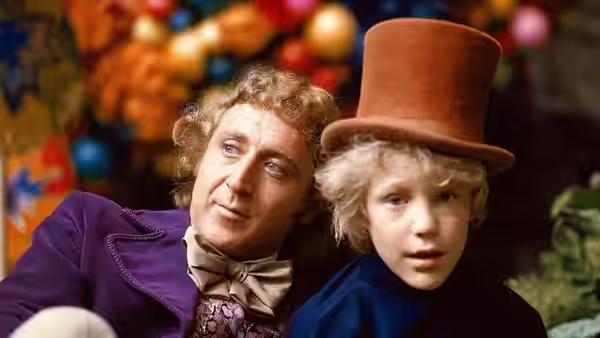
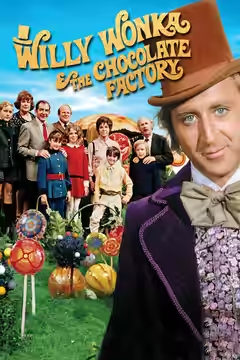
Peter Ostrum’s Charlie helps by not trying to out-charm the scenery. He makes the boy’s desire for chocolate feel important enough to sustain the story, without asking for our sympathy at every opportunity. Jack Albertson brings Grandpa Joe an eagerness that keeps the scenes of poverty from becoming merely dutiful. Julie Dawn Cole’s Veruca Salt, meanwhile, supplies the sort of bad temper that makes a child’s wish to be taken seriously look much less attractive.
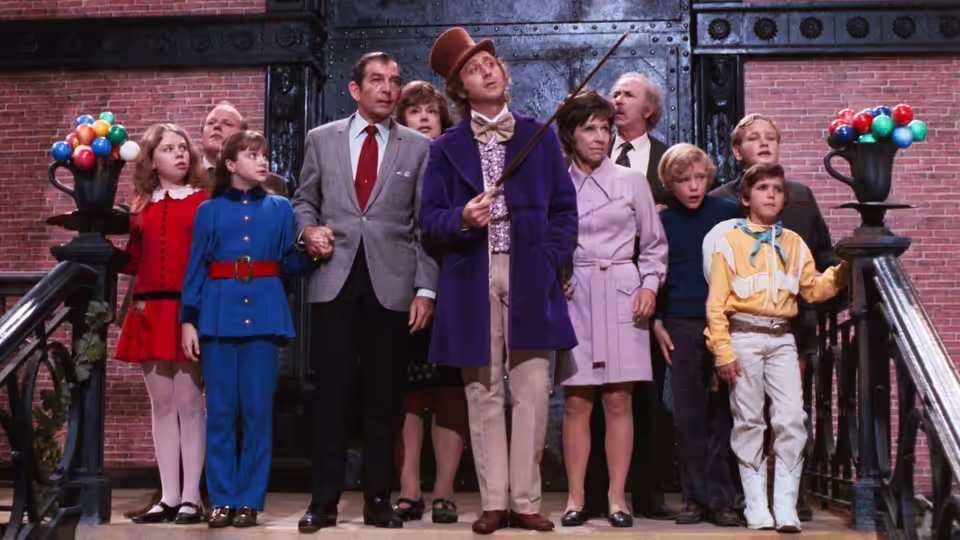
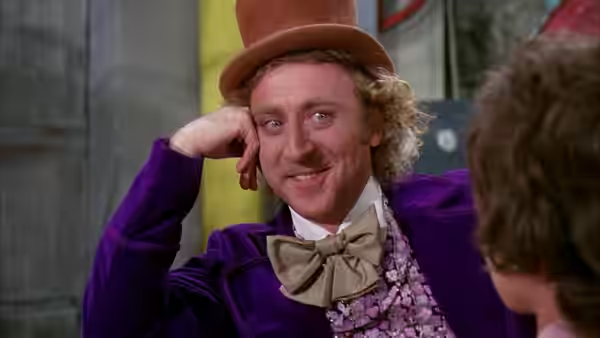
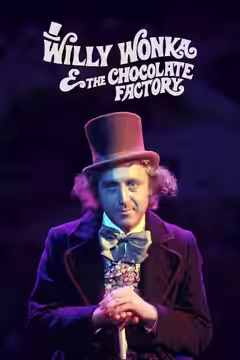
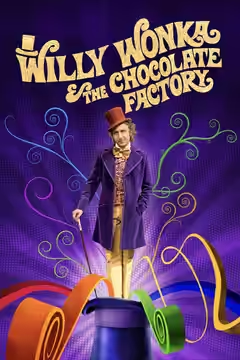
Gene Wilder is the reason the film can turn nasty without simply becoming unpleasant. From his entrance, his Wonka makes courtesy feel suspicious, and we attend to how he says things as much as what he says. We felt uneasy in his company, because the adult conducting this children’s outing never quite seems committed to making them comfortable. That uncertainty is funny, too, and it is a more interesting choice than making the factory owner a reassuring guide who supplies jokes between attractions.
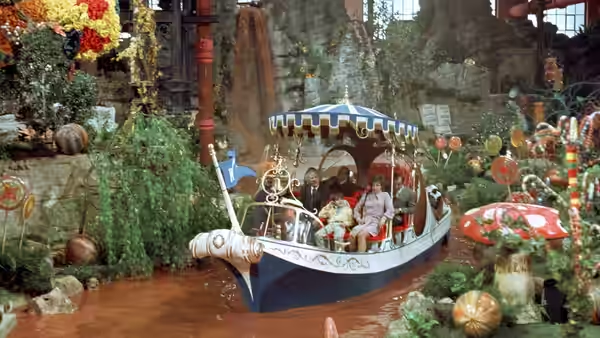
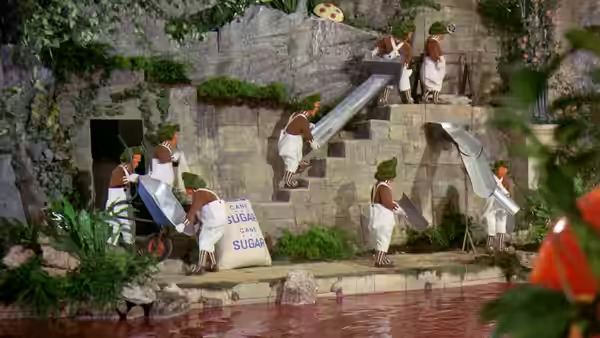
Arthur Ibbetson’s photography makes good use of the colour, though the wider views can look like records of a stage set. The scenery sometimes holds our attention more firmly than the staging. Yet its physical, slightly awkward quality also helps the fantasy; these spaces look as if people could walk around them. The place invites a child’s inspection.
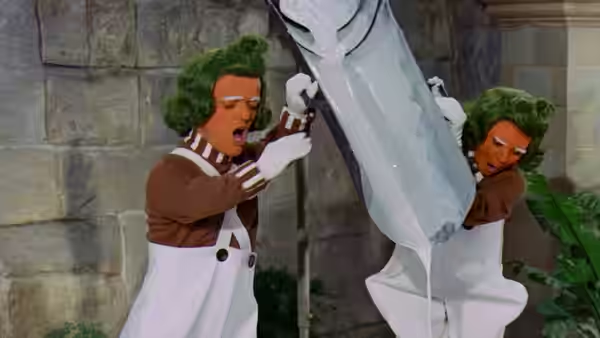
Walter Scharf and Leslie Bricusse’s music is at its most enjoyable when the words turn nasty. Some early numbers hold everything up by spelling out feelings the performances have already made clear. The Oompa-Loompas’ moral songs are more useful: their cheerfulness makes the scolding sound stranger. These are the numbers in which the film’s interest in bad behaviour and its duty to entertain children work well together.
Family musicals can make the adults so dependable that the children scarcely seem to need courage. Here, the factory owner’s manners give children something worth puzzling over after the songs have finished. The U certificate does not promise a soothing 100 minutes. Choose it for children who enjoy being a little unsure of the grown-ups.