Series review

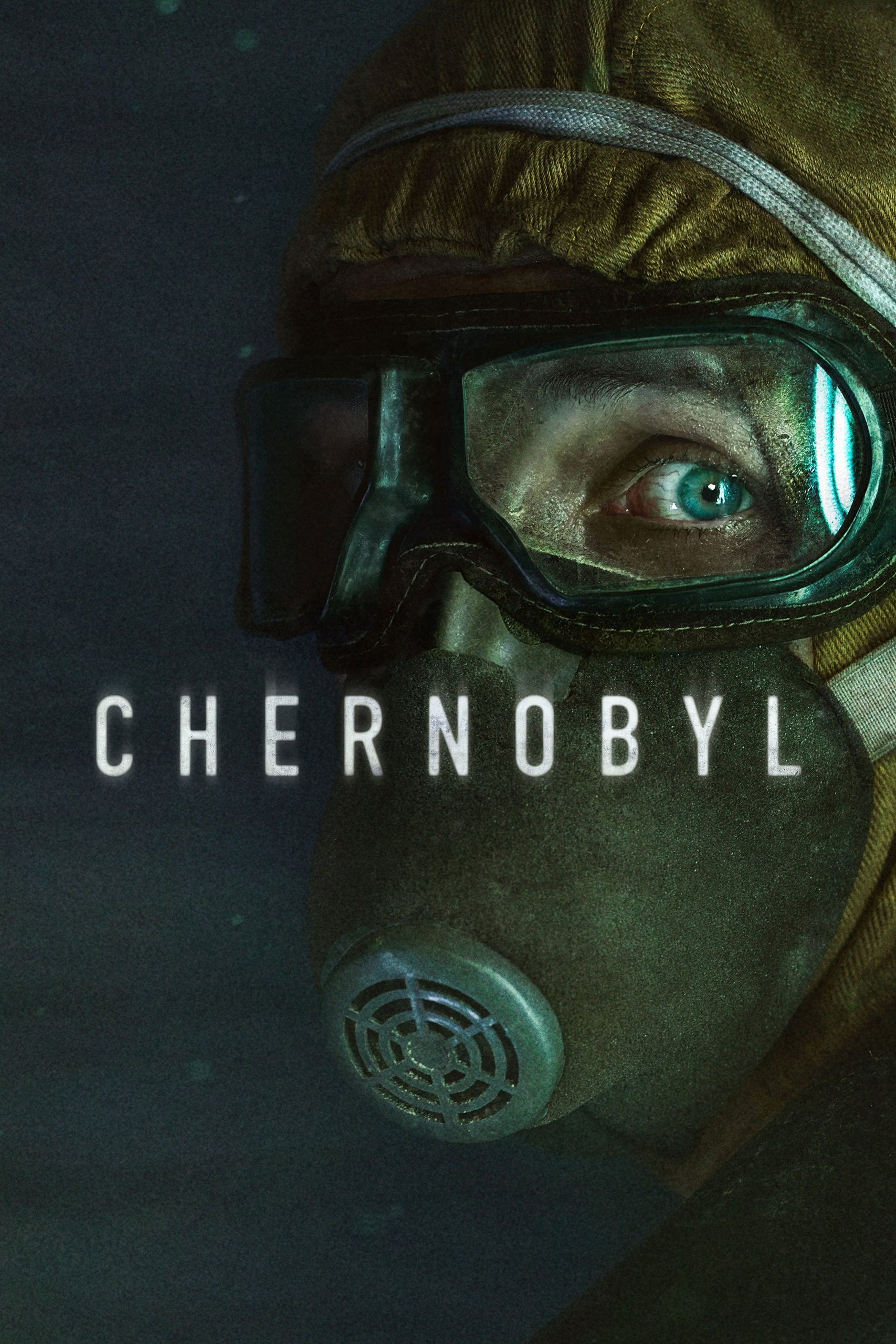
Chernobyl

2019 · Created by Craig Mazin · Series · MPA TV-MA

In a sentenceFive hours of grey men in grey rooms deciding how many people the truth is worth

Drama

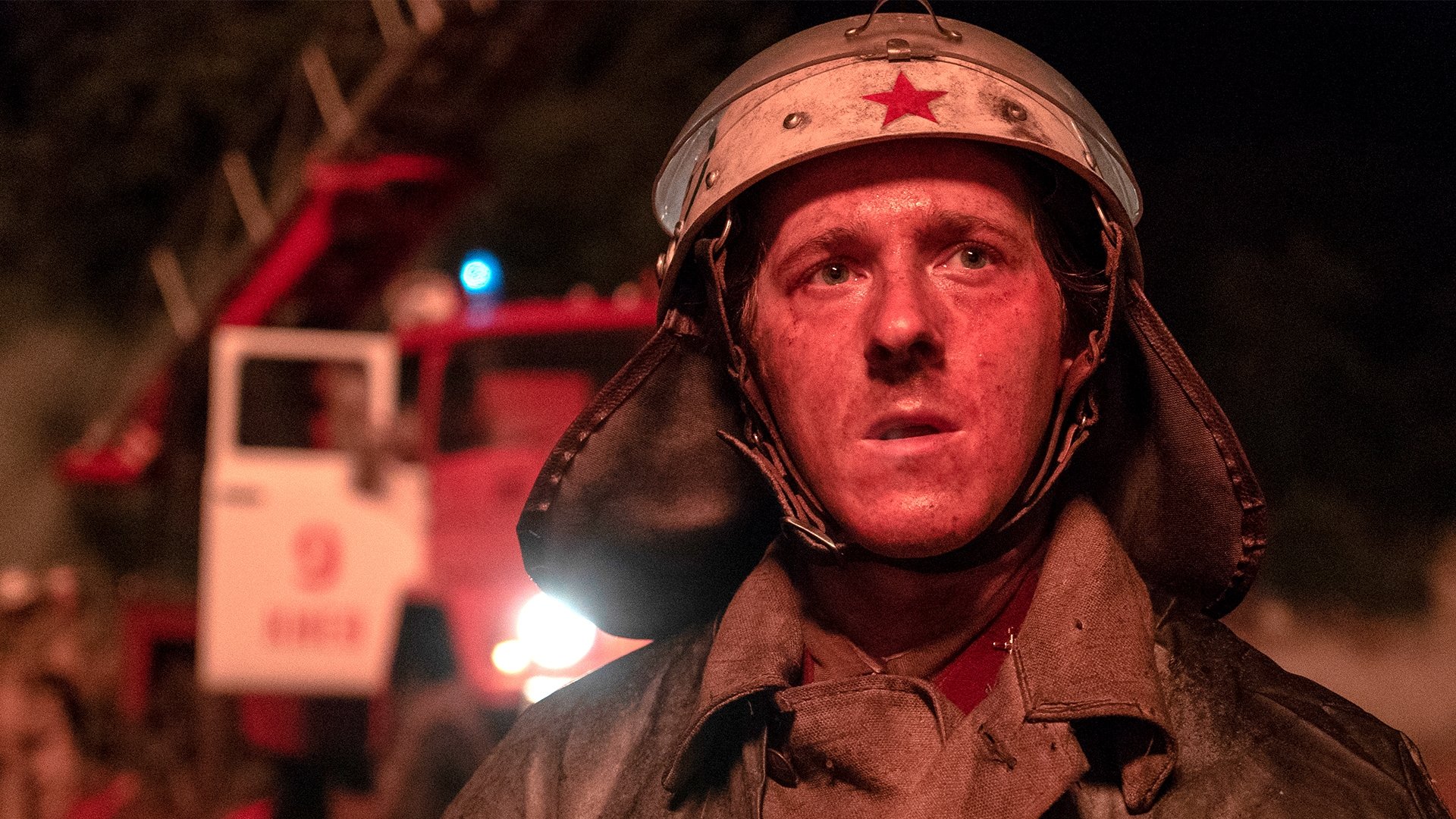
Pripyat, Ukraine, in the early hours of 26 April 1986. A safety test at reactor four of the Chernobyl power plant ends in an explosion, and deputy chief engineer Anatoly Dyatlov (Paul Ritter) tells his control room that it has not. Firefighter Vasily Ignatenko (Adam Nagaitis) is sent to the burning roof without being told what is burning; his wife Lyudmilla (Jessie Buckley) watches the glow from their window. In Moscow, physicist Valery Legasov (Jared Harris) is called to brief a committee and finds that nobody wants to hear what he is saying. He is sent to the site with party official Boris Shcherbina (Stellan Skarsgård), who has been assured the situation is under control.

Plays from YouTube when you press play; nothing loads from them until then.

Fi1m review

Craig Mazin and Johan Renck’s five-part account of the 1986 reactor explosion is exact, frightening and hard to look away from. It explains itself once too often at the end, but Harris and Skarsgård carry it.

Craig Mazin’s five-part series opens in a Moscow flat on 26 April 1988, two years to the day after the explosion, with Valery Legasov (Jared Harris) speaking into a cassette recorder. Then it goes back to the night itself and stays there for most of an hour. The plan is simple: show what happened, in order, and show who knew and when. We recommend it warmly, with one condition. Know how much of it you are going to have to look at.

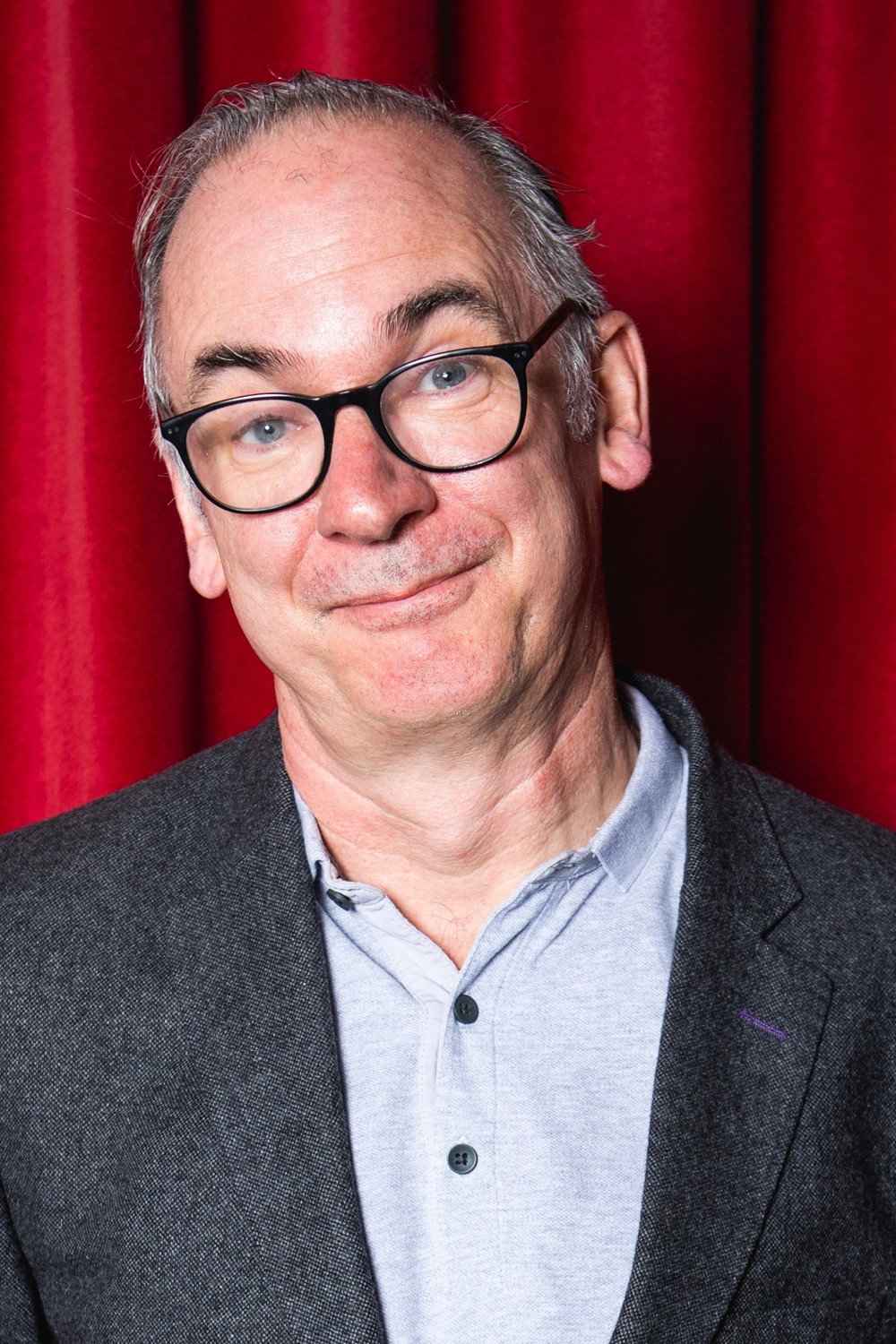
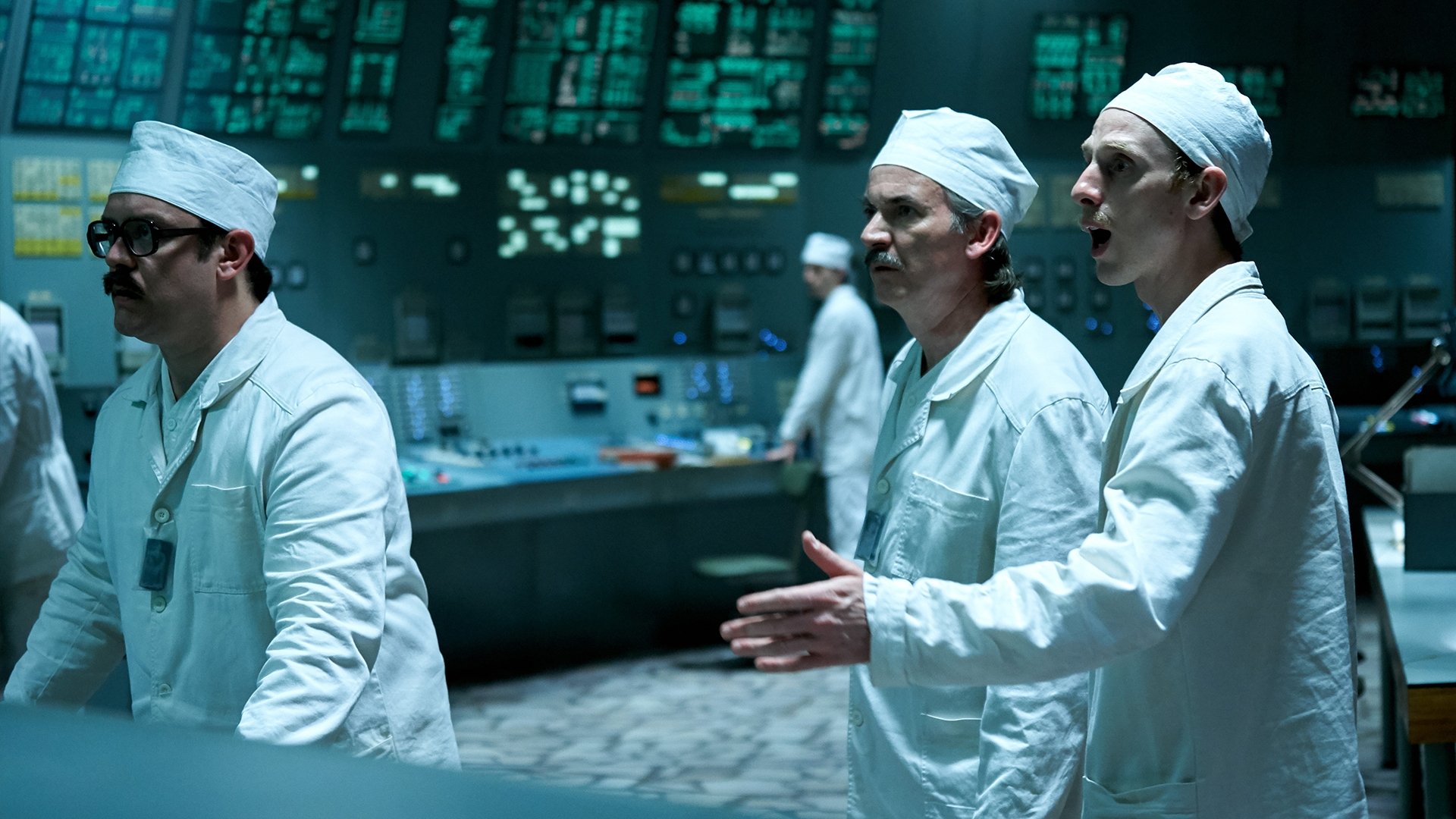
The first hour is the best. In the control room of reactor four, deputy chief engineer Anatoly Dyatlov (Paul Ritter) has just heard the building come apart and decides that it has not. He tells Alexandr Akimov (Sam Troughton) and Leonid Toptunov (Robert Emms) that a tank has burst, orders water pumped into a core that no longer exists, and sends men to go and look at it. Ritter plays him as a man whose career depends on the next sentence being true. In a bunker under the plant, the director, Viktor Bryukhanov (Con O’Neill), and chief engineer Nikolai Fomin (Adrian Rawlins) sit through a meeting at which it is agreed to seal off the town and cut its phone lines. We were horrified, and then angry, and the anger lasted longer, because nobody on screen is shouting. They are filling in forms.

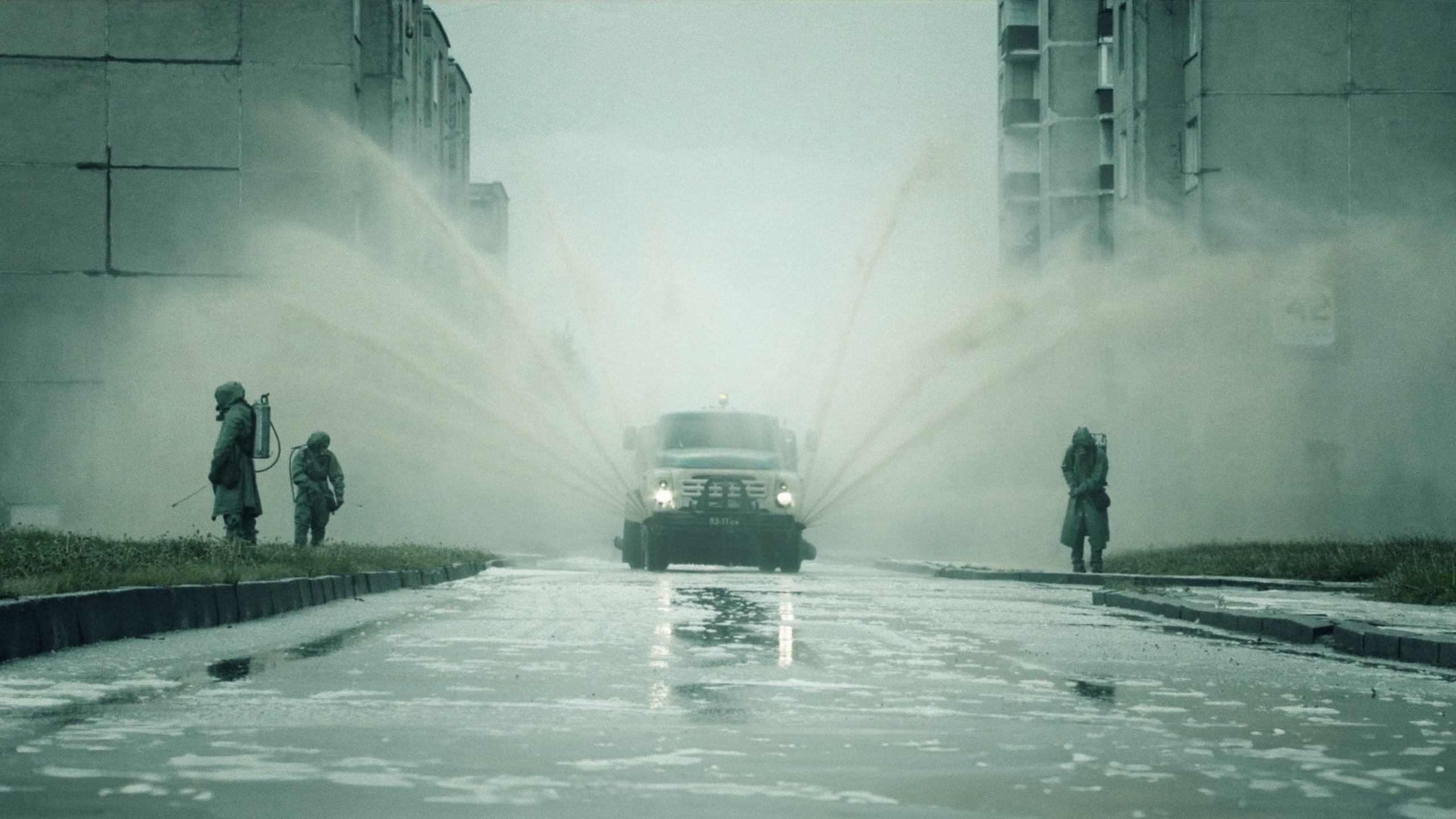
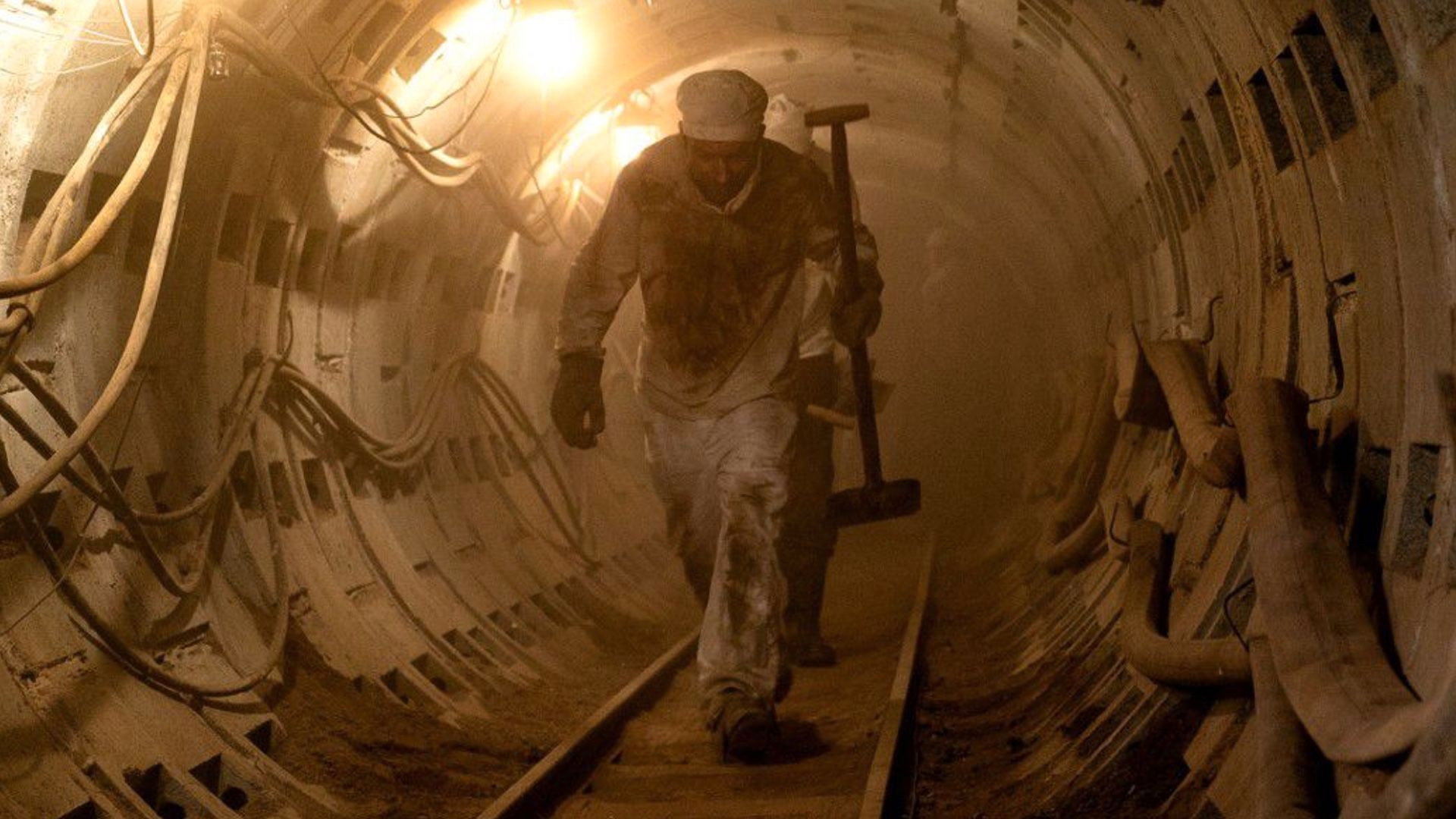
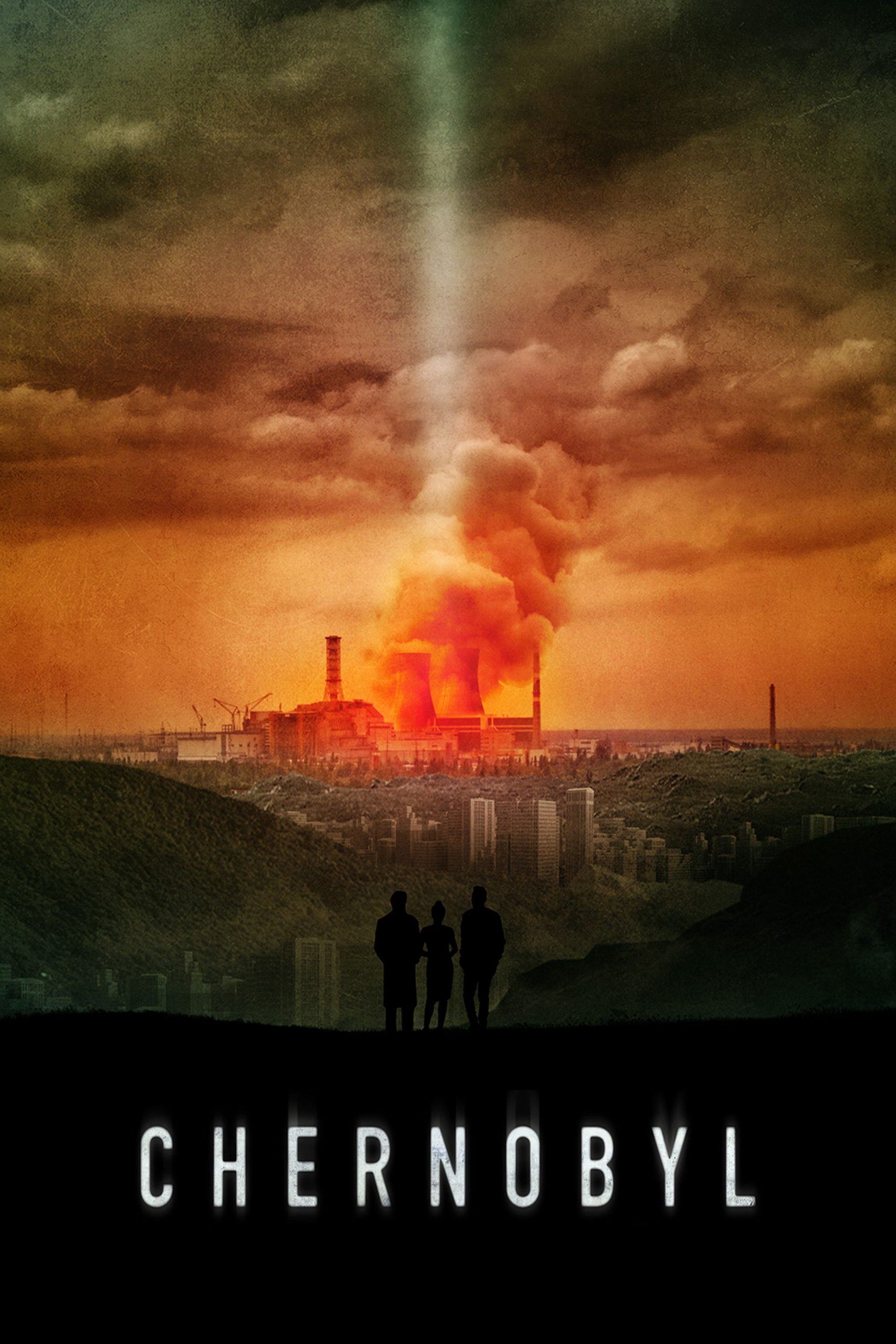
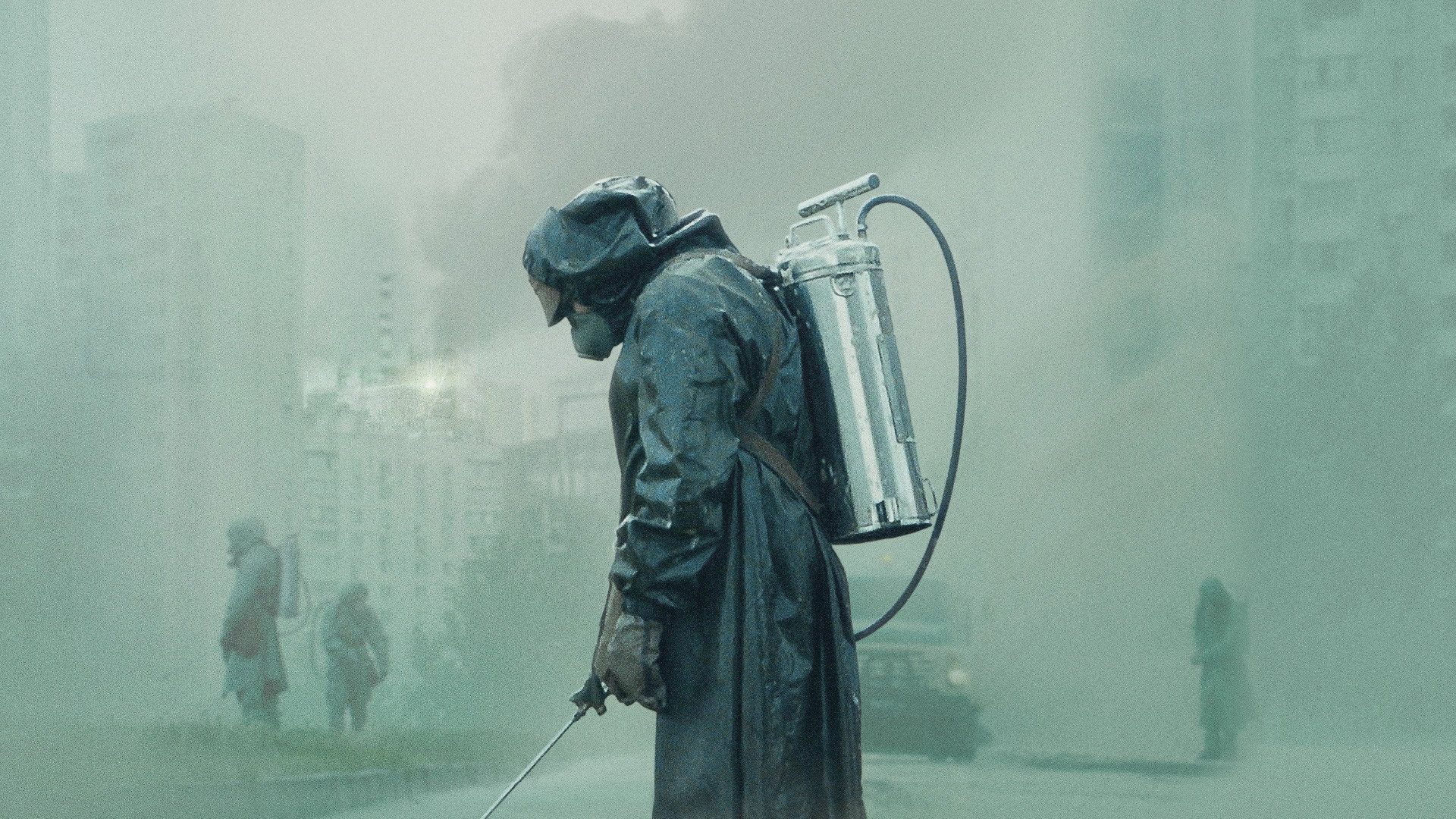
Jakob Ihre shoots all of it in the colours of a Soviet corridor: pale green paint, orange sodium lamps, grey daylight. Above the plant he puts a column of blue light that the people of Pripyat gather on a railway bridge to admire, and it is the prettiest thing in the series, which is the point. Luke Hull’s production design gives the control room its walls of dials and the bunker its long table. Hildur Guðnadóttir’s score is barely a score. It is hums, clicks and metal groans that could be coming from the building, and when a dosimeter starts ticking you cannot always tell which is which. Editors Simon Smith and Jinx Godfrey cut that first night between the control room, the bunker, the bridge and the Ignatenkos’ flat, and they never hurry.

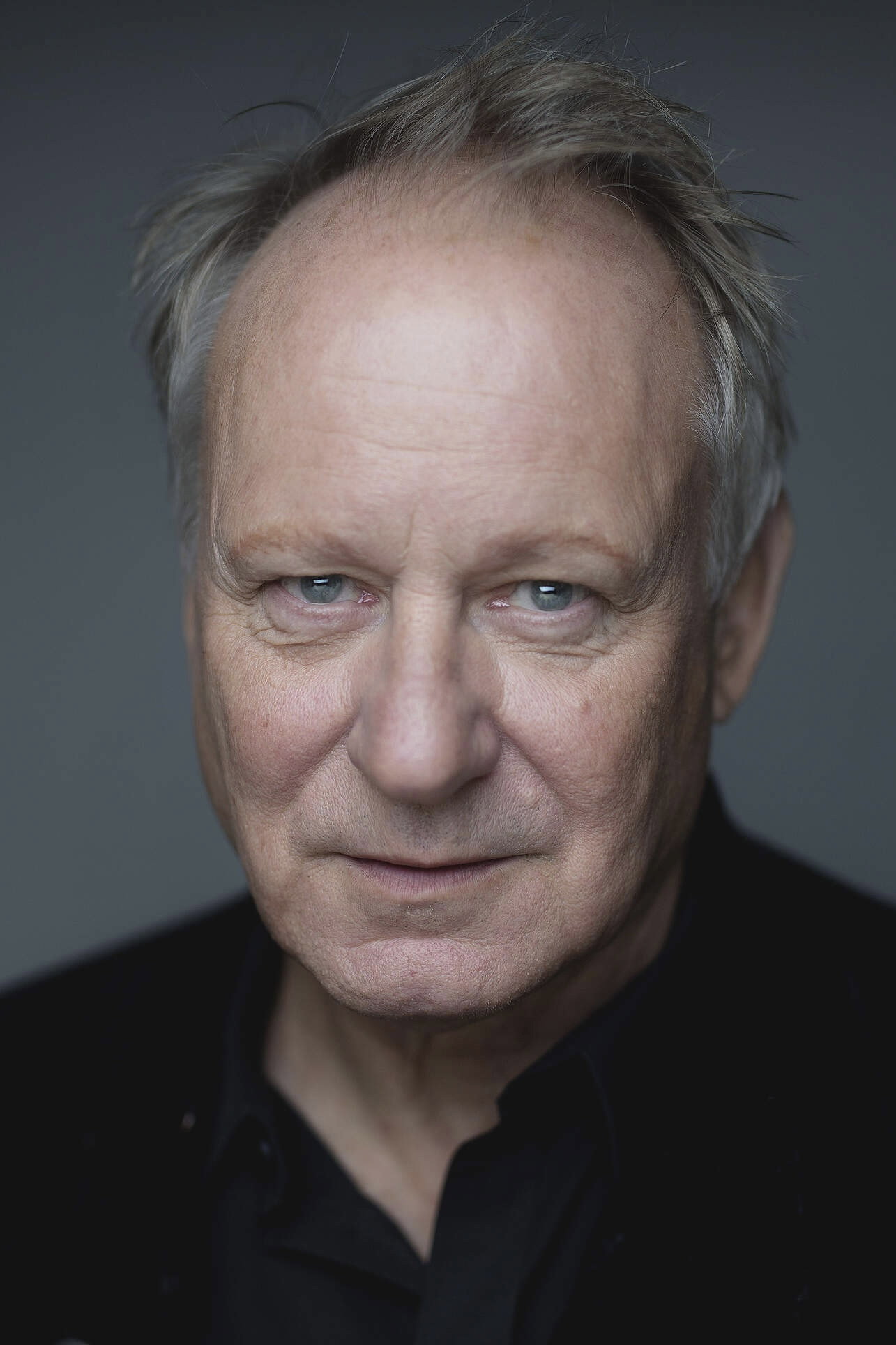
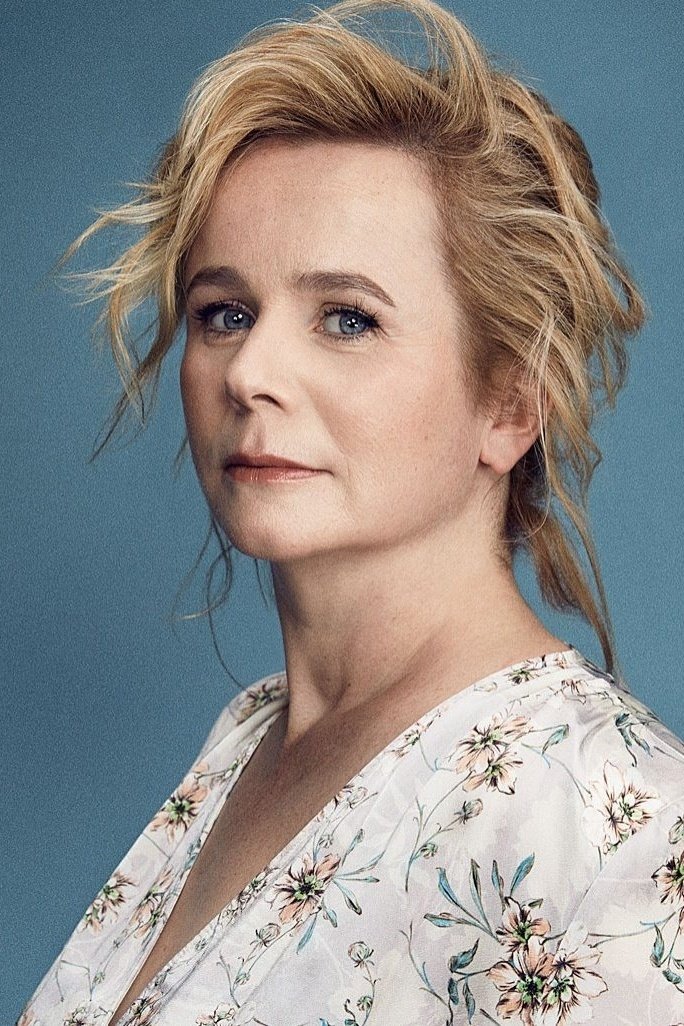
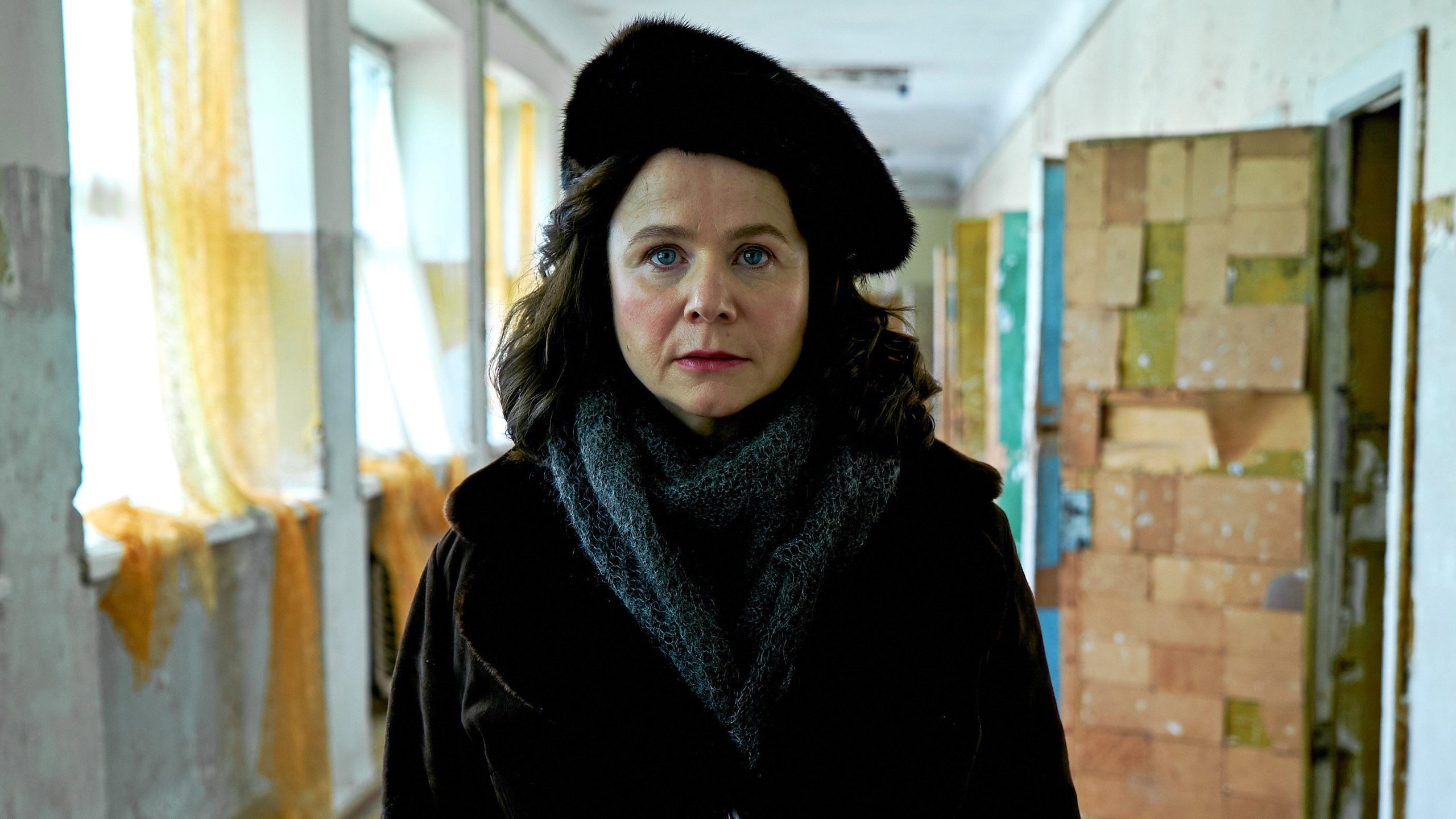
Harris and Stellan Skarsgård carry the middle three hours. Harris plays Legasov as a tired, careful man who has already worked out how the story ends and is trying to get the arithmetic in before it does. Skarsgård’s Boris Shcherbina, the party official sent to keep him in line, starts as an obstacle and becomes something else, and Skarsgård does it without one scene of visible conversion. Their first helicopter ride, in which Legasov refuses to let the pilot fly over the open core and Shcherbina threatens to have him thrown out of it, settles the working relationship in about a minute. Emily Watson’s Ulana Khomyuk, a physicist from Minsk who arrives with her own readings, is well played and we could see the joins: she is there to ask the questions the plot needs asked, and she asks them one after another.

Jessie Buckley’s strand is the one that got us. She plays Lyudmilla, the firefighter’s wife, with her back straight and her mouth shut, never once reaching for our sympathy. It worked on us more than any of the speeches.

The flaws are the ones you would guess. Mazin does not know when to stop explaining: Legasov teaches the physics twice, the second time with red and blue placards, and it feels like a school assembly. There are a great many men in identical grey suits, Odile Dicks-Mireaux has dressed them that way deliberately, and it takes two episodes to tell the liars from the merely frightened. Everyone speaks English in their own accent, which we liked; it spares us a room of British actors doing Russian voices.

The tagline asks what the cost of lies is, and the series answers in bodies, which is not subtle. It does not need to be. It is a 15 certificate and a hard one. Watch one episode a night; five in a row is a punishment nobody has earned, and the pause gives the ticking time to stop.
Critical consensus AI synthesised

79
Positive
9
Mixed
1
Negative
1

Most critics come away shaken and impressed. Nine of the eleven reviews are positive, and the praise clusters in two places: the central performances from Harris, Skarsgård and Watson, and the decision to show what radiation does to a body without flinching. Several reviews describe the series as horror rather than historical drama, with dread building steadily across the episodes, and most credit it for tracing the Soviet regime’s secrecy and buck-passing as carefully as the accident itself.

The reservations are about tone more than craft. Even admirers call it relentlessly bleak, and a few find the exposition heavy-handed or the whole thing draining by the final hour. Consequence thinks it works better as a fable about lies than as history. The one outright dissent comes from The Guardian, which finds the storytelling confusing and chaotic despite the acting, and argues the series mirrors the disaster’s disorder too literally to grip.

The i Paper
28 May 2019 · ★★★★★ · Adam Sweeting
100

The critic calls it the most unmissable show on TV, praising how the filmmakers did not need to exaggerate the horrific events. It highlights the Soviet regime's secrecy and incompetence hampering relief efforts, with strong performances from Harris and Skarsgard adding warmth and humour amid the catalogue of horrors.

Read the full review →
The Times
8 May 2019 · ★★★★★ · James Jackson
100

The series delivers a pulse-troubling depiction of the nuclear accident and an unsettling examination of political buck-passing, with grim intensity and magnificent performances that make for uncommonly bleak but compelling television.

Read the full review →
Variety
27 April 2019 · festival review · Caroline Framke
90*

The series is a fittingly grave retelling of one of the worst human disasters, leaning into horror and building a steadily creeping unease to convey the scale of the atrocity. It praises the core trio of performances by Harris, Skarsgard and Watson for conveying determination to tell the truth against bureaucratic opposition.

Read the full review →
Vulture
6 May 2019
75*

The critic finds the miniseries an unsparing and pessimistic account of the disaster and official response that is difficult to watch. It singles out the details of human pettiness, bureaucratic failure, and the graphic consequences of radiation for particular note.

Read the full review →
The Hollywood Reporter
26 April 2019 · festival review · Tim Goodman
70*

It is very difficult to watch but a solid, factually accurate retelling that succeeds by never wincing at the fallout and truth of the issue. The critic singles out the powerful cautionary tale of cover-ups and incompetence, though noting the relentless bleakness and some heavy-handed exposition.

Read the full review →
The Guardian
7 May 2019
40*

The miniseries strands viewers in a confusing sprawl of unanswered questions and chaotic storytelling despite strong performances. It fails to deliver gripping realism or flair, reflecting the disaster's disorder too literally in the drama.

Read the full review →

Cast

Awards

BAFTA Television Awards, 2020

Won
Best Drama Series

Critics' Choice Awards, 2020

Won
Best Movie/Miniseries Supporting Actor

Golden Globes, 2020

Won
Best Limited or Anthology Series or Television Film
Won
Best Supporting Actor – Series, Miniseries or Television Film

Critics' Choice Awards, 2019

Nominated
Best Movie/Miniseries

Primetime Emmy Awards, 2019

Won
Outstanding Art Direction for a Period Series, Miniseries or a Movie
Won
Outstanding Cinematography for a Miniseries or Movie
Won
Outstanding Directing for a Limited Series, Movie, or Dramatic Special
Won
Outstanding Limited Miniseries
Won
Outstanding Music Composition for a Miniseries, Movie, or a Special
Won
Outstanding Single-Camera Picture Editing for a Limited Series or Movie
Won
Outstanding Sound Editing for a Limited or Anthology Series, Movie or Special
Won
Outstanding Sound Mixing for a Limited Series or Movie
Won
Outstanding Special Visual Effects

Satellite Award for Best Actor – Miniseries or Television Film, 2019

Won
Satellite Award for Best Actor – Miniseries or Television Film

Satellite Award for Best Miniseries or Television Film, 2019

Won
Satellite Award for Best Miniseries or Television Film

If you liked this, try…