Fine work from Sasha Lane and Jemima Kirke gives Conversations with Friends some needed life. Its central romance remains too muted to justify twelve episodes of such carefully observed hesitation.
Lenny Abrahamson and Leanne Welham approach Conversations with Friends as a drama in which saying little can expose a great deal. Adapted from Sally Rooney’s novel, the series watches people conceal needs they struggle to acknowledge even to themselves. There is something worth examining here: the way an apparently undemanding person can make closeness difficult for everyone else. But this is a mixed, overextended adaptation, with good supporting performances and a central romance that rarely persuades us to care.
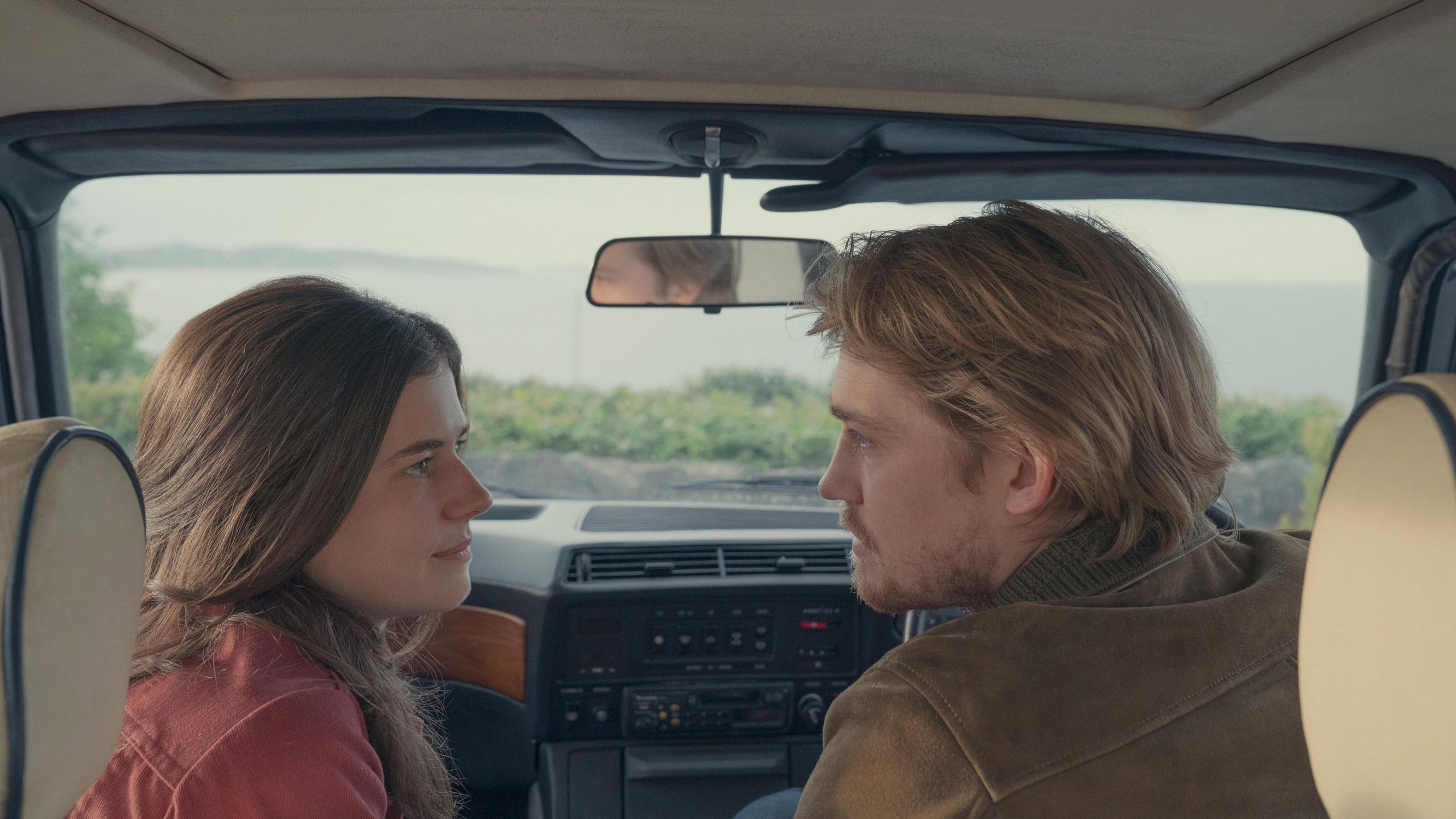
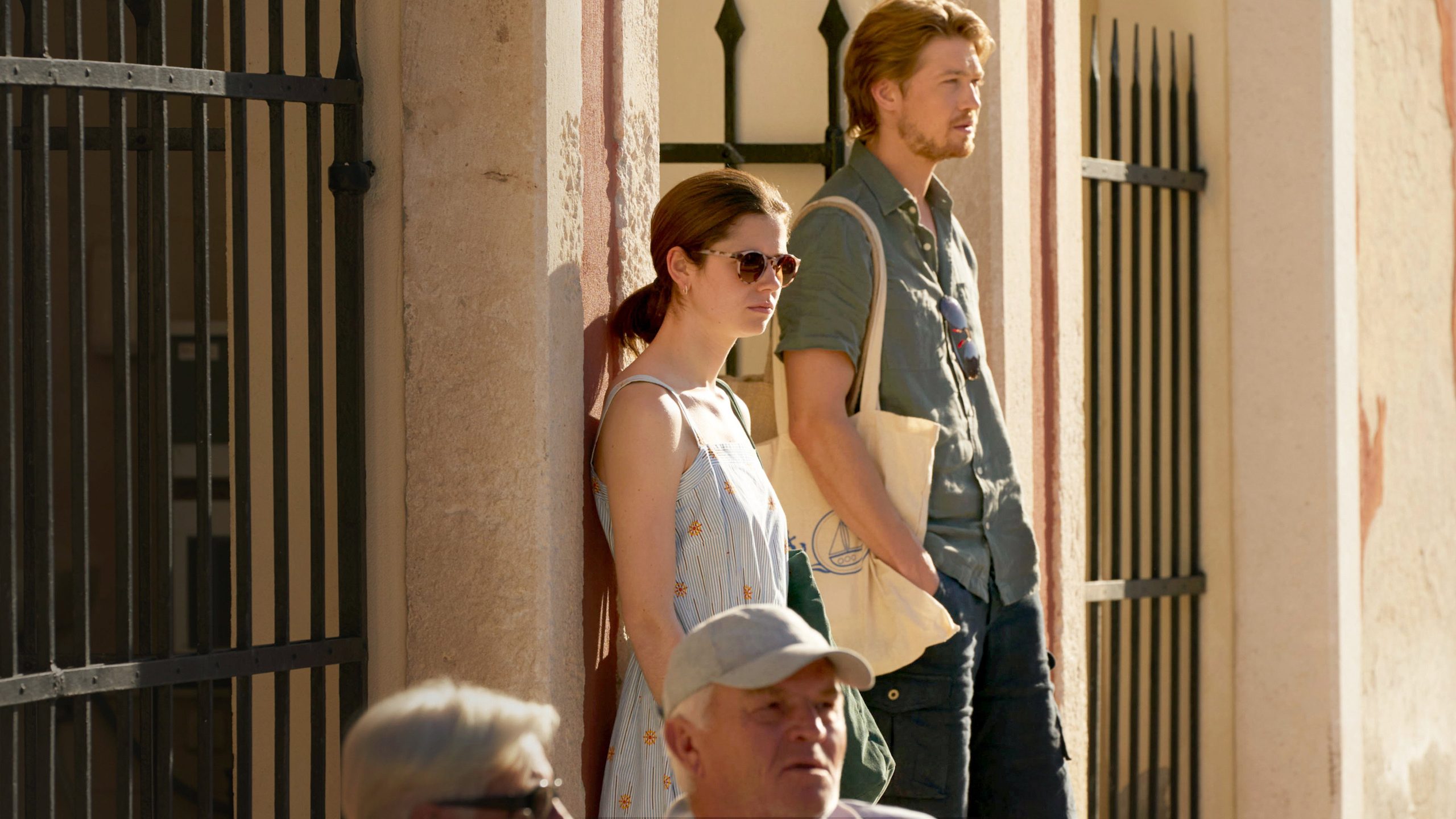
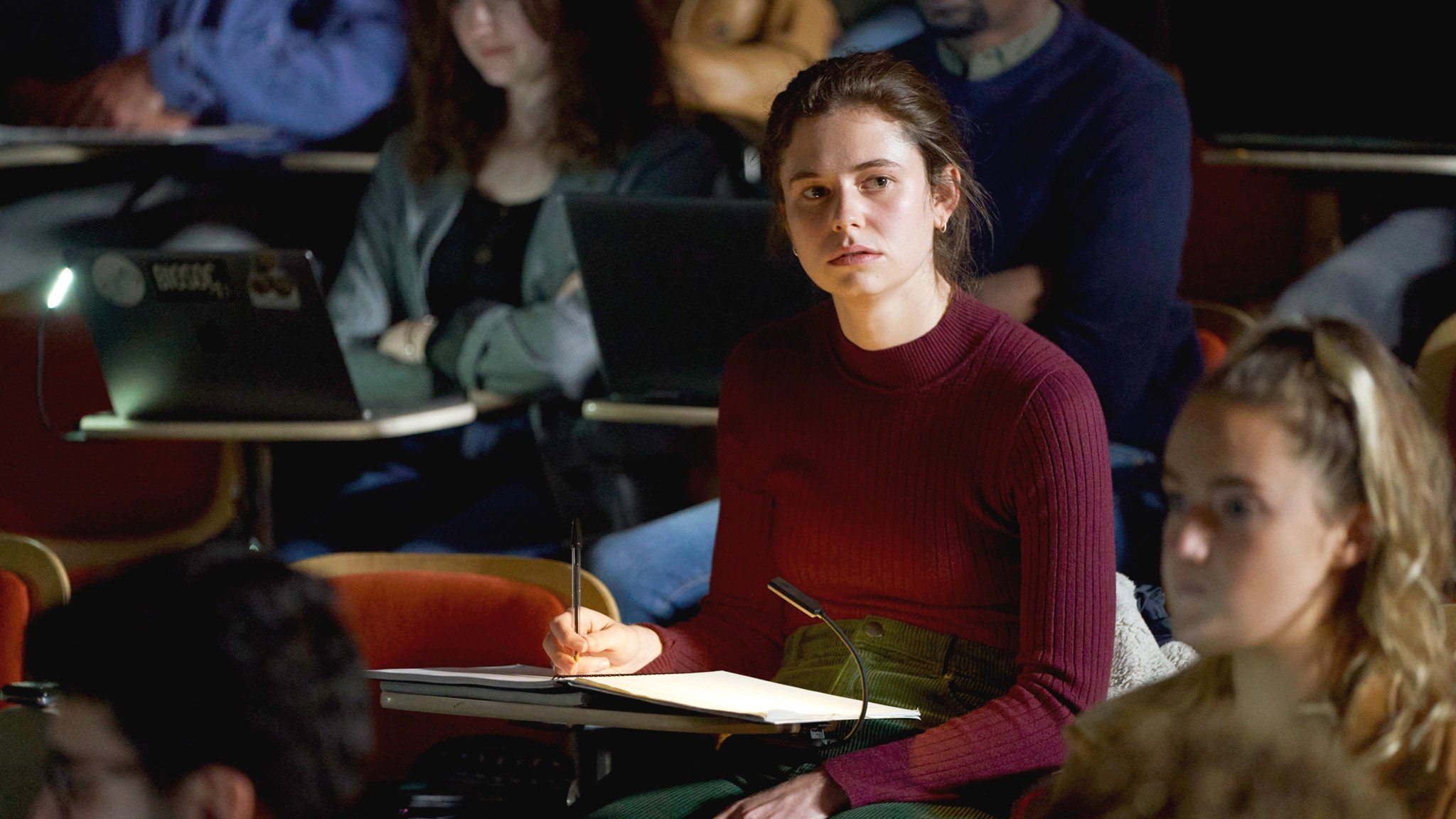
Alison Oliver gives Frances Flynn a reserve that can look painfully defensive, rather than merely shy. We can sense the effort involved in showing so little, and the performance deserves more than a dismissal of the character as remote. Joe Alwyn’s Nick Conway is similarly contained, but together they spend too long hesitating without revealing much about why they want each other. We grew impatient with their held looks and strained silences, because those pauses so rarely changed our understanding of the attraction.
Sasha Lane gives Bobbi Connolly a welcome directness, and the friendship offers a more persuasive reason to stay with the programme than the romance. We understand why this friendship matters, which makes its awkwardness easier to sit through. Jemima Kirke is just as valuable as Melissa Baines, bringing a firmness that makes the scenes around her feel more focused. Neither supporting performance needs a change of style to make the drama more engaging.
Suzie Lavelle’s cinematography gives the guarded performances a soft, dreamlike setting, encouraging us to study faces rather than expect much movement. That is a sensible approach for this material, and the images remain appealing through some inert exchanges. Anna Rackard’s production design contributes to the carefully controlled appearance, though the attractive finish makes differences of circumstance feel less pressing. The muted treatment of class is a loss: it leaves personal reticence carrying more of the drama than it can sustain.
Nathan Nugent’s editing allows the hesitations to run, giving the actors time without always giving the scene a further purpose. The half-hour episodes are manageable individually, but twelve of them give this material a great deal of room. The problem is repetition within the encounters: another held look needs to tell us something the previous one did not. Cutting these exchanges shorter would have helped the actors; their reserve is apparent well before the scenes move on.
Writers Alice Birch, Mark O’Halloran, Susan Soon He Stanton and Meadhbh McHugh face the familiar difficulty of putting private thought on screen. Some of the physical intimacy is handled with a tenderness missing from the conversations, and the writing catches the embarrassment of wanting something without being able to ask. Yet the adaptation too often leaves the actors to imply thoughts that the dialogue has not made sufficiently particular. The resulting uncertainty gives us too little reason to revise our first impressions.
Quiet relationship dramas have every right to avoid raised voices and regular crises. What they need is a sense that each encounter alters our understanding of the people involved, however slightly. This series sometimes achieves that, especially when friendship becomes its chief concern, but the romance repeatedly holds us at a distance. Try an episode before making room for twelve.