Susie Lewis and Glenn Eichler gave a walk-on from Beavis and Butt-Head her own series. The drawing barely moves and the jokes are dry as chalk; it is a superb comedy about being fifteen, best when it lets its heroine be wrong.
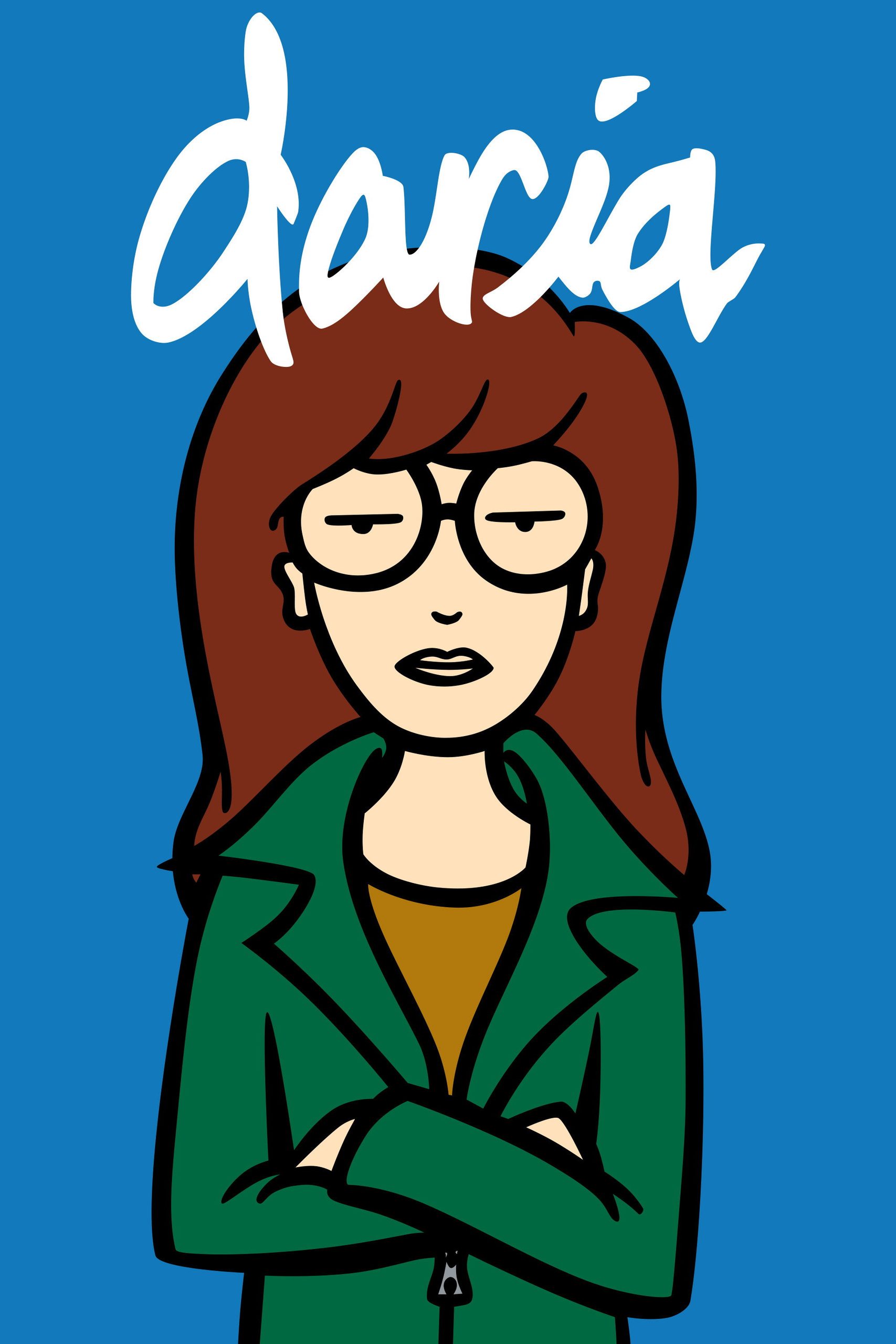
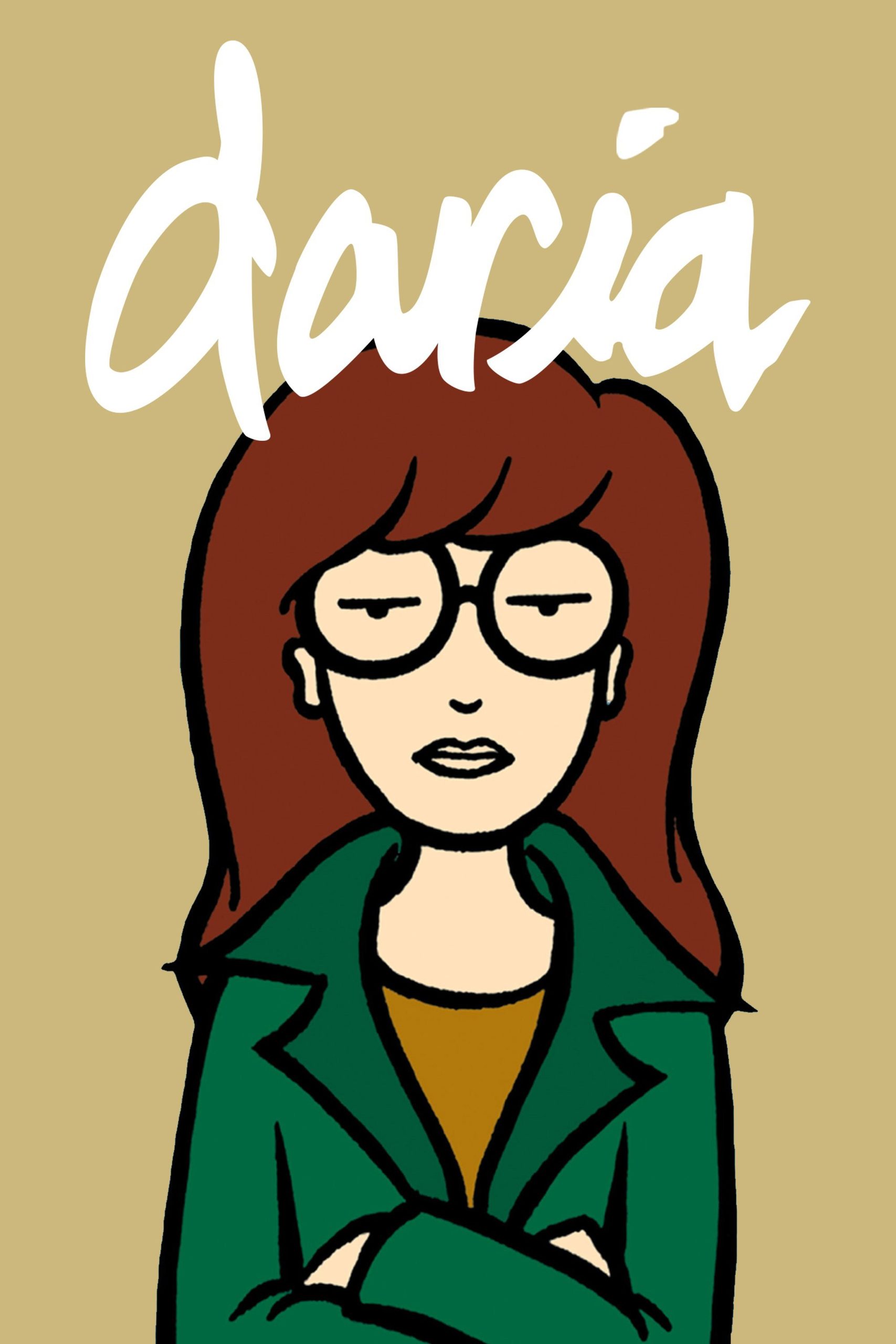
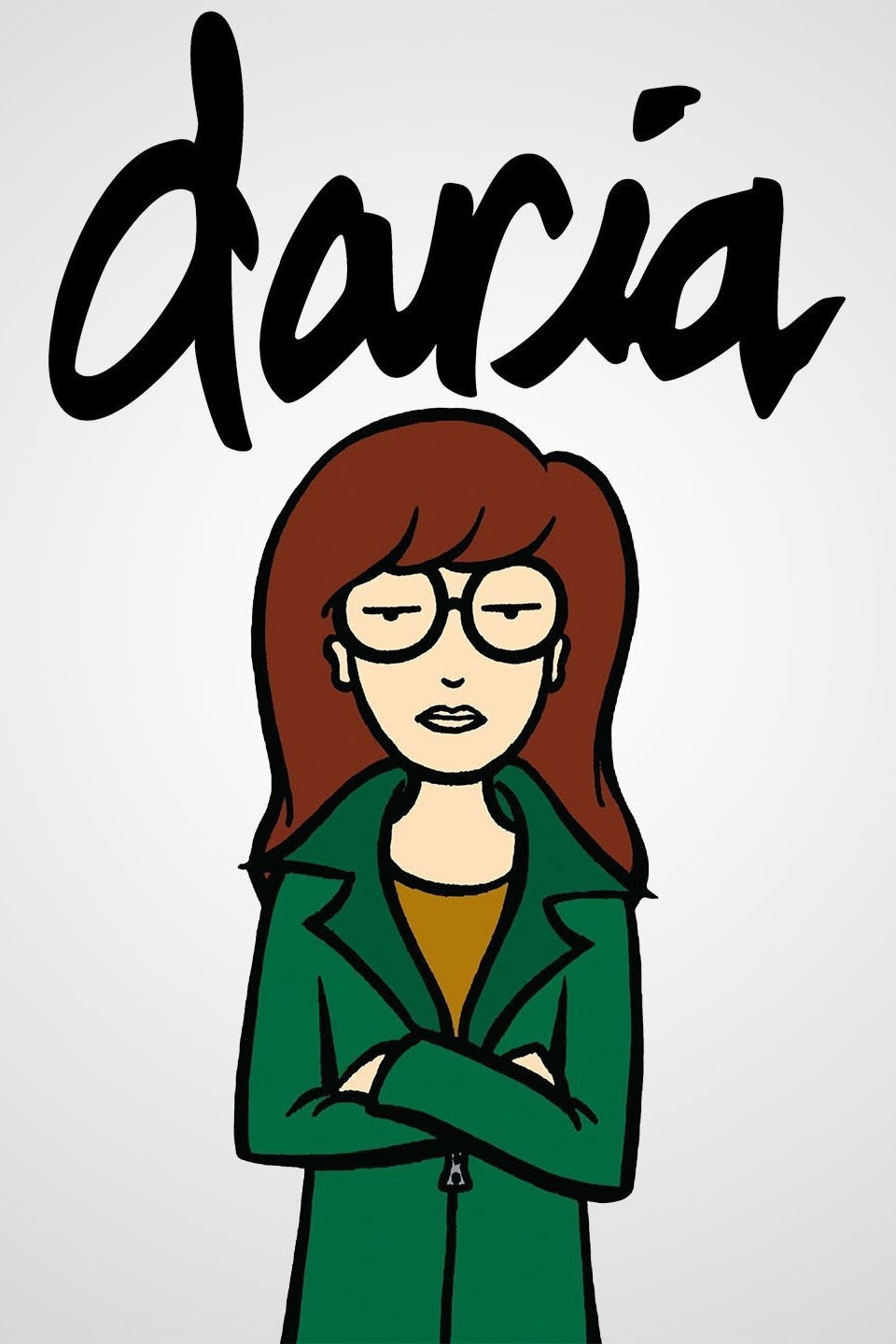
Daria Morgendorffer began as a bit part in Beavis and Butt-Head, the girl in the corner who was cleverer than the two of them put together. Susie Lewis and Glenn Eichler gave her a series of her own on MTV in the spring of 1997, and kept it going for five seasons of thirteen episodes each. The premise is small. A teenager decides the world around her is stupid, and the show spends five years working out how right she is. It is a superb comedy, and the verdict is not in doubt. The interesting thing is that the show is not on her side as often as she thinks.
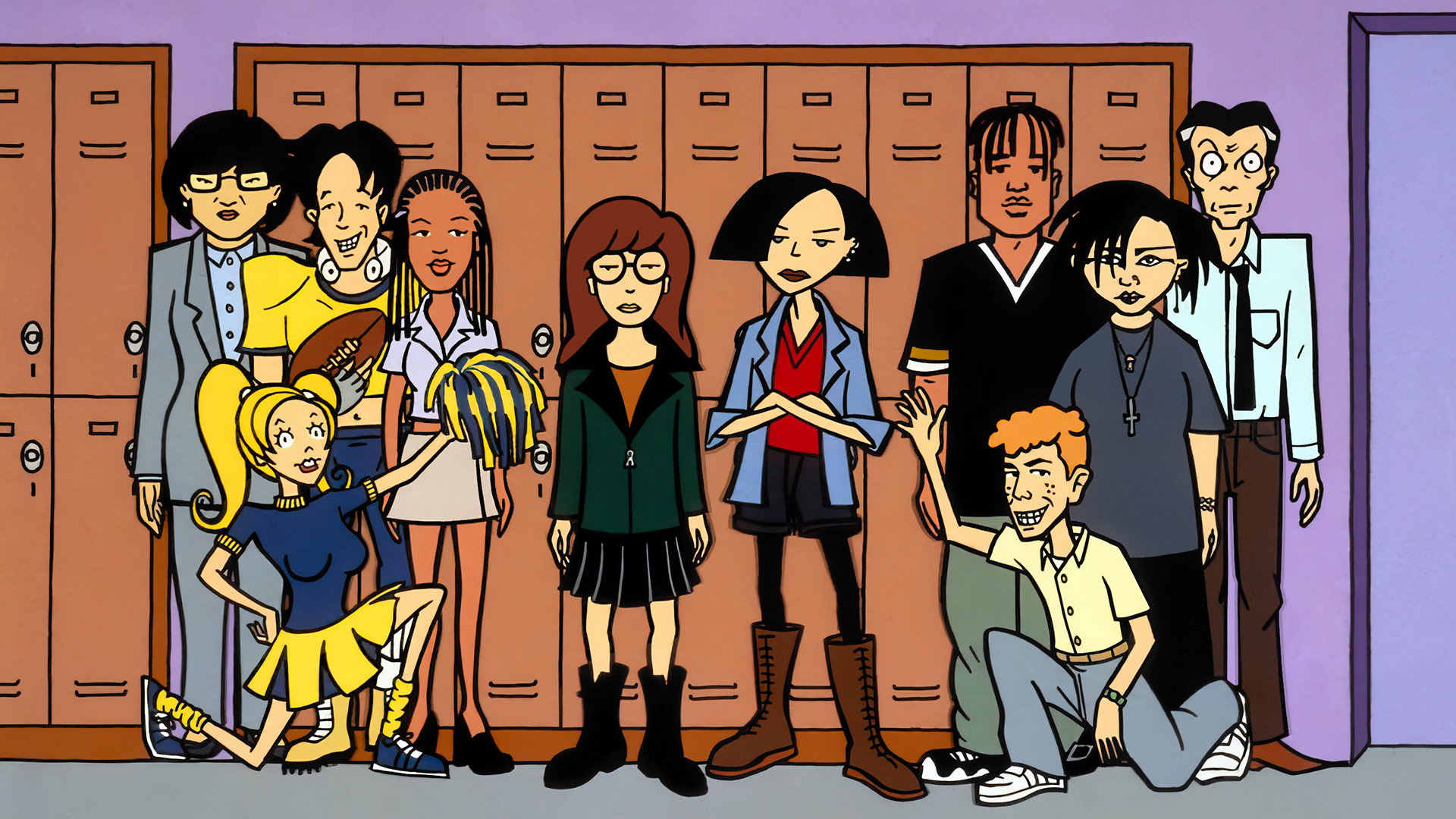
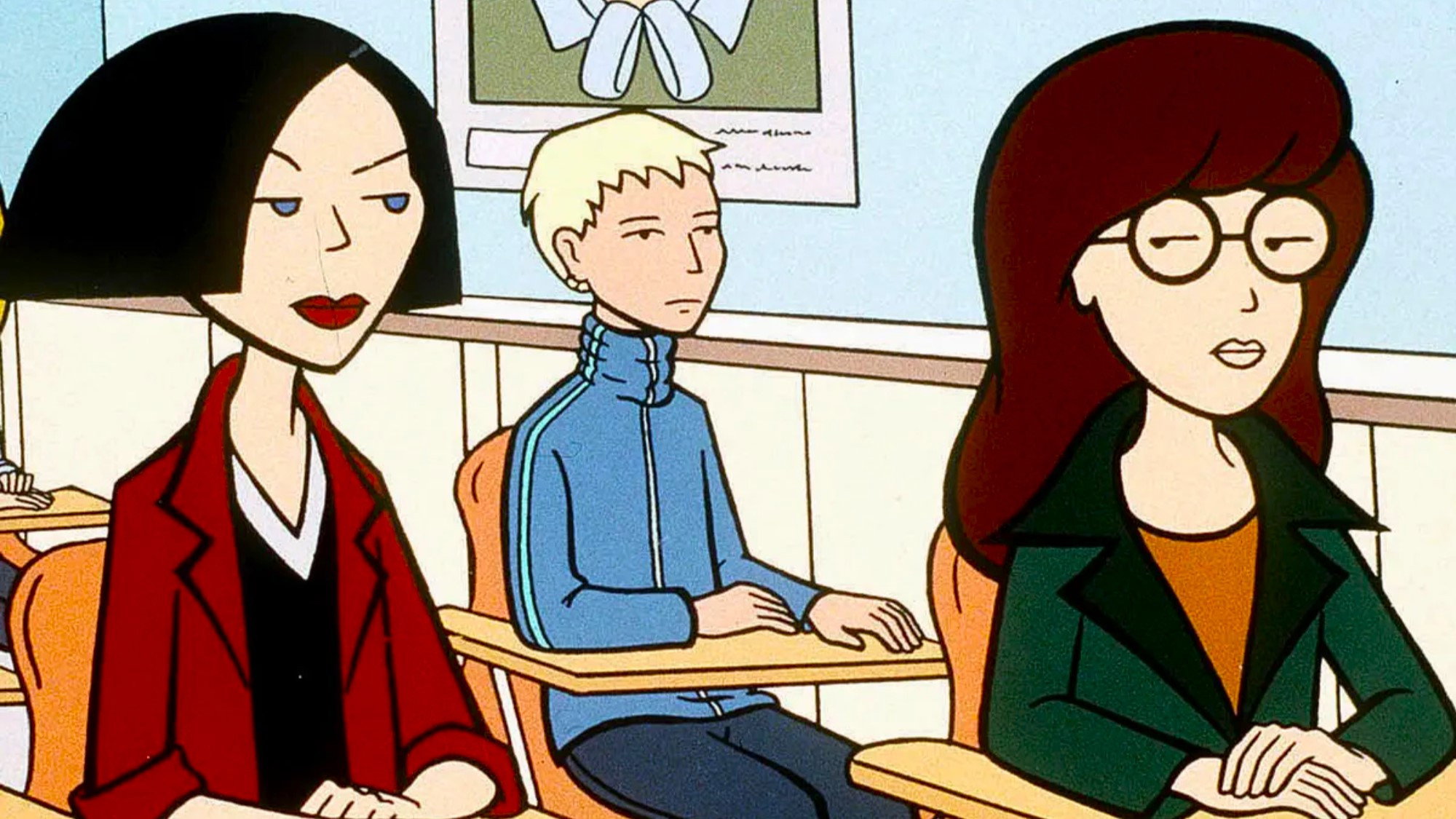
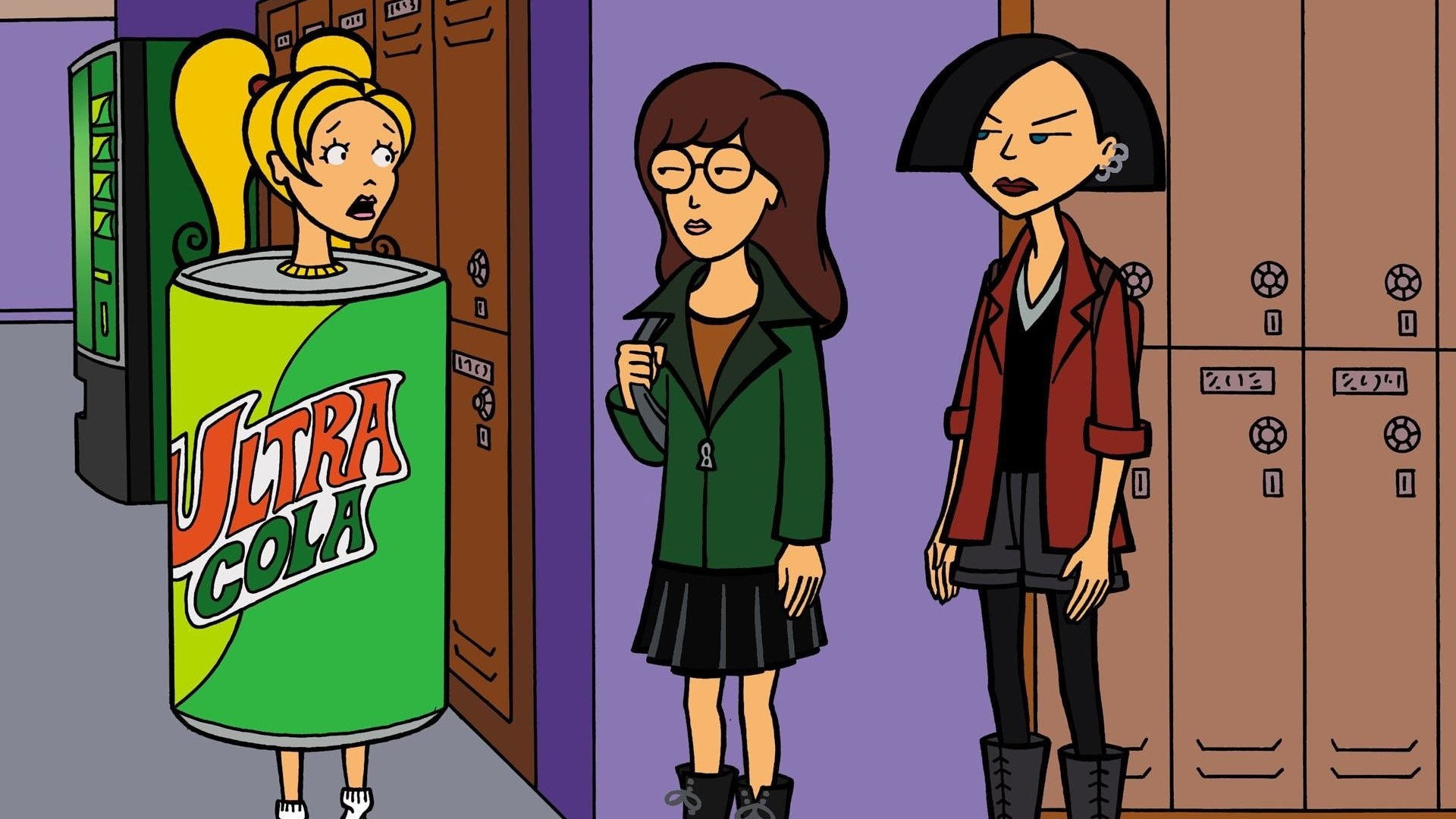
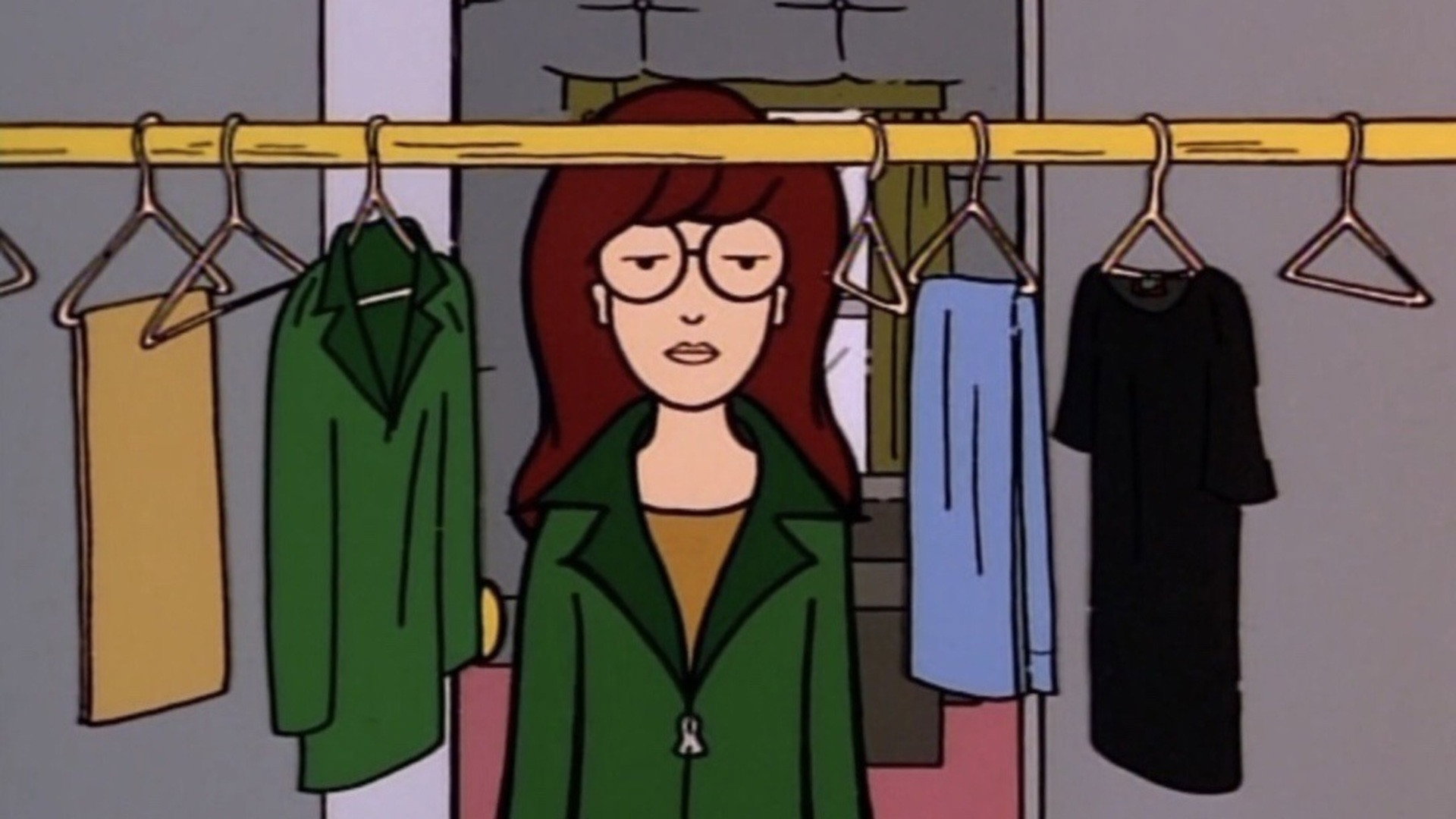
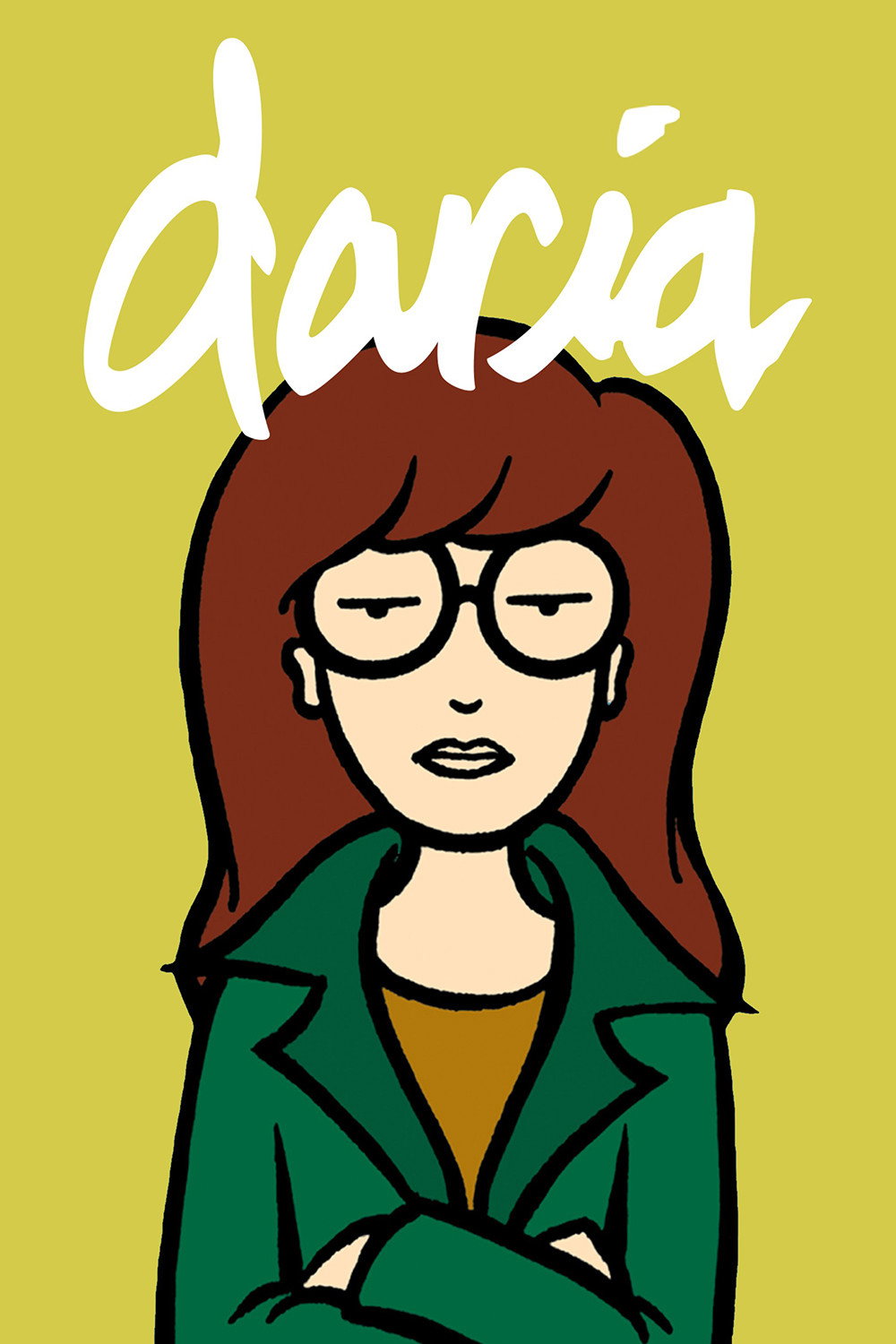
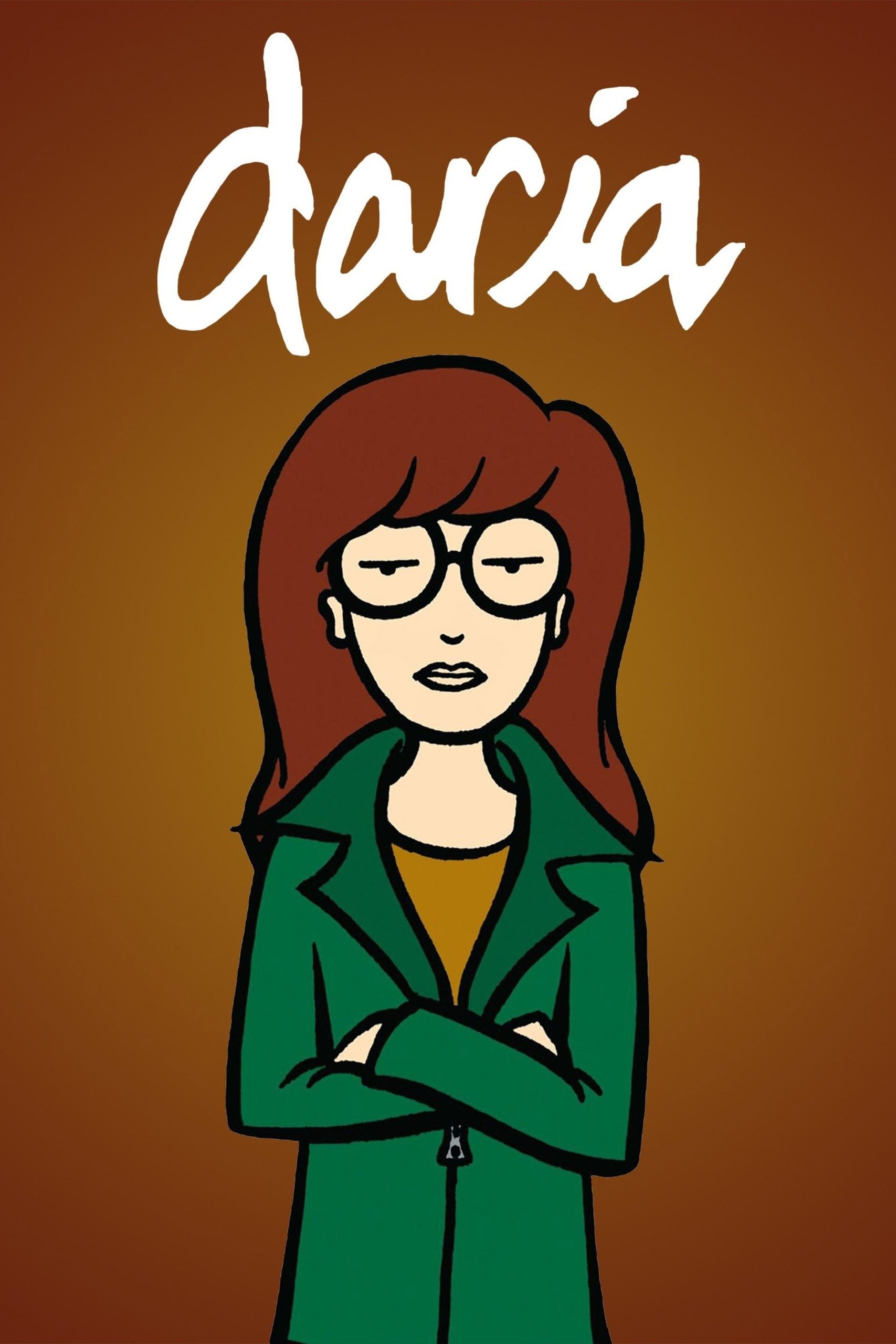
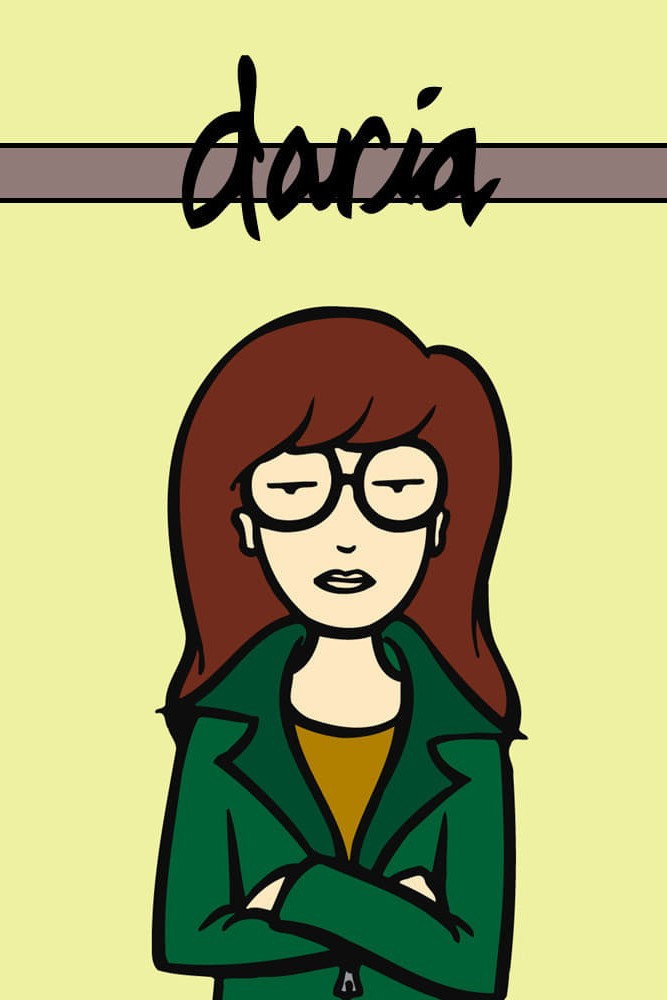
It hardly moves. The characters are drawn in flat colour with thick black lines, the mouths open and shut, and nobody in Lawndale appears to blink. Twenty-odd directors worked on it across the run, Tony Kluck and Karen Disher among them, and they all understood the same thing: the flatness is the joke. A line is delivered, the drawing holds, and the silence does the work a reaction shot would do in any other cartoon. Karen Sztajnberg’s editing leaves that half-second after every remark. It is a style, not a shortage, and the stillness suits a town where nothing has happened for decades.
The voices carry it. Tracy Grandstaff plays Daria low and level and almost never raises it, which means that when she does, over five seasons, you notice every time. Wendy Hoopes voices Jane, Quinn and Helen, three women who have nothing in common but a house, and we watched two full seasons before we found out they were the same actor. Julián Rebolledo’s Jake is a man permanently one headline away from a coronary. Marc Thompson’s Kevin and Lisa Kathleen Collins’s Brittany, the quarterback and the cheerleader, have one joke each and tell it well for sixty-five episodes, which is harder than it sounds.
We laughed, a great deal, and most often at the television inside the television. Sick, Sad World, announced by John Worth Lynn, Jr., is a tabloid show the family watches together, and its headlines are the sharpest writing in the series. We laughed hardest, though, in the first episode, when Daria stands up in the self-esteem class and recites the entire course word for word because she has already read the booklet, and the teacher does not notice. Then we felt for the teacher. That is the show’s trick: it gives Daria the line and then quietly moves the camera to the person she has just flattened.
What moved us, and we did not expect it, was Helen. Hoopes plays her as a lawyer who talks to her daughter the way she talks to clients, and the writers, Glenn Eichler and Anne D. Bernstein and Peggy Nicoll among them, let her know she is doing it. There are scenes at the kitchen table, late in the run, where the joke about the workaholic mother stops being a joke, and the flat drawing, which cannot cry, somehow makes it worse.
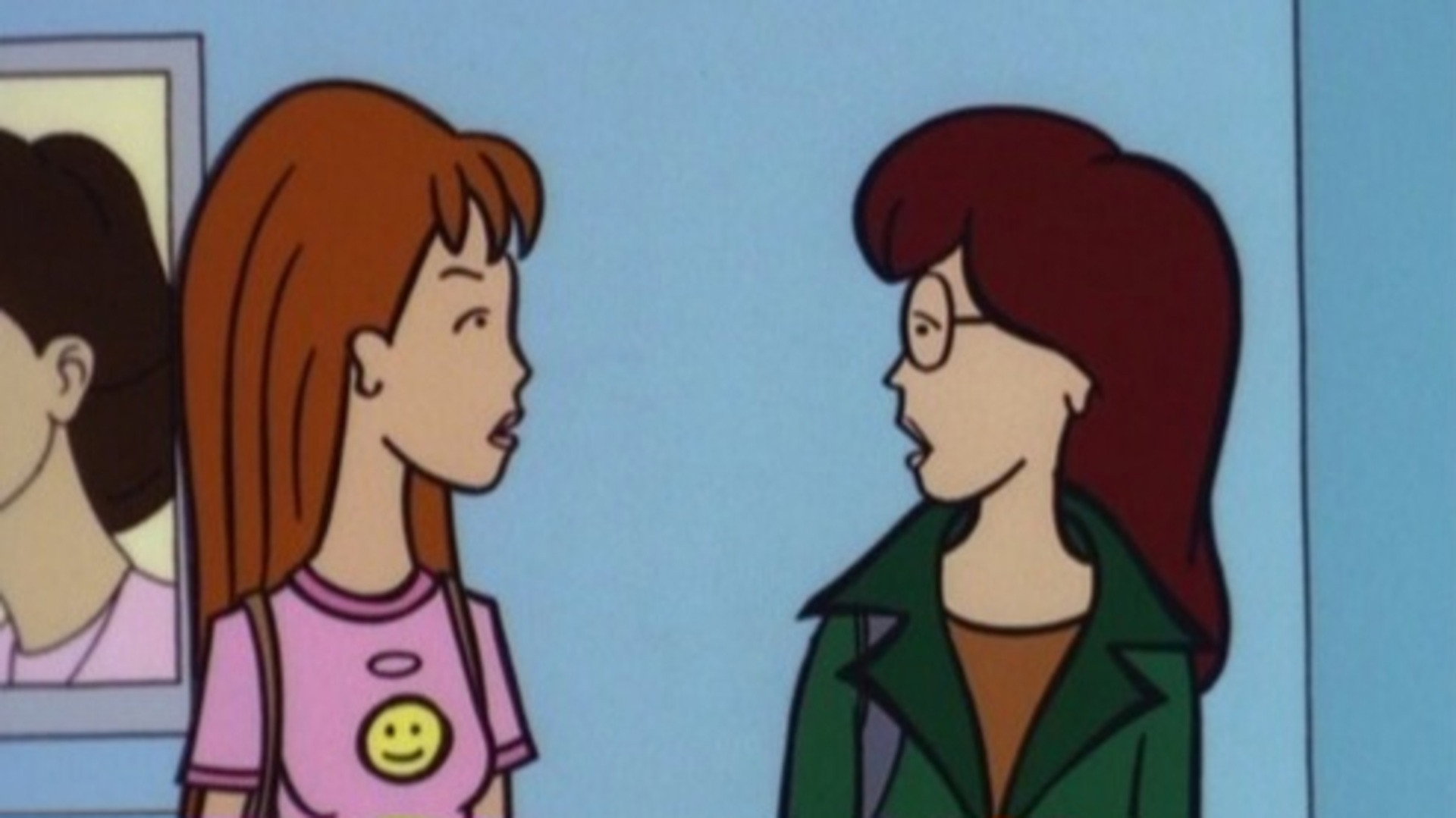
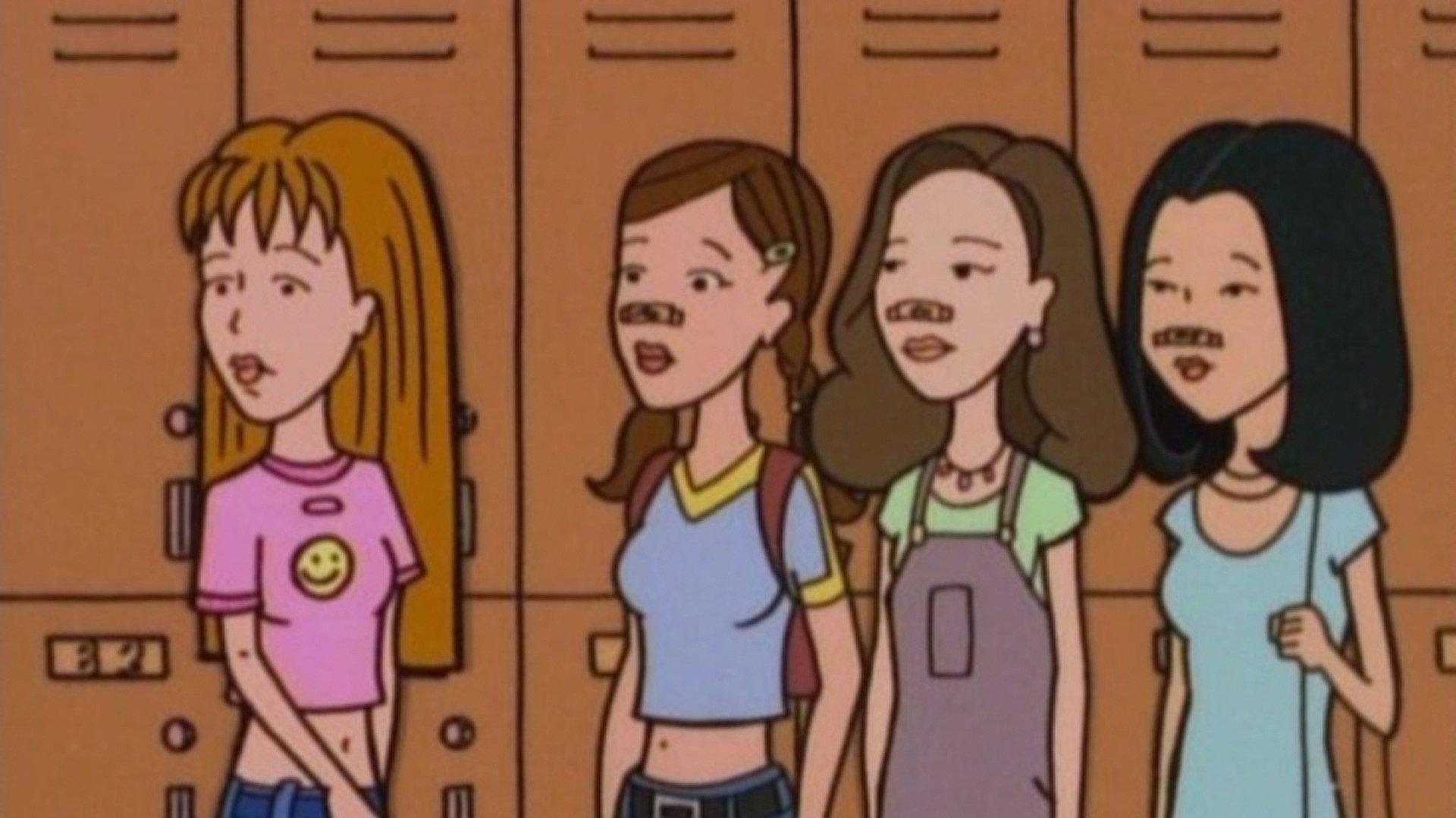
The flaws are the flaws of a long run. The Fashion Club, Sandi and Stacy Rowe (Sarah Drew) and Tiffany Blum-Deckler (Ashley Albert), has one gag about vanity that the middle seasons return to more often than it deserves. Geoffrey Arend’s Upchuck is a lecher played for laughs in a way that would not pass now and did not really pass then. And the last two seasons, which test Daria against people who are kind to her, are quieter and less funny than the first three. We think that was the point, and we still missed the laughs.
Set against the teen comedies of its decade, which made their money being cruel to the popular children, Daria is cruel to everyone, its heroine included, and then makes her pay for it. Set against Beavis and Butt-Head, it is the same drawing with the opposite intelligence. Watch it two episodes at a time. More than that and the sarcasm starts to sound like your own, which is not a compliment to either of you.