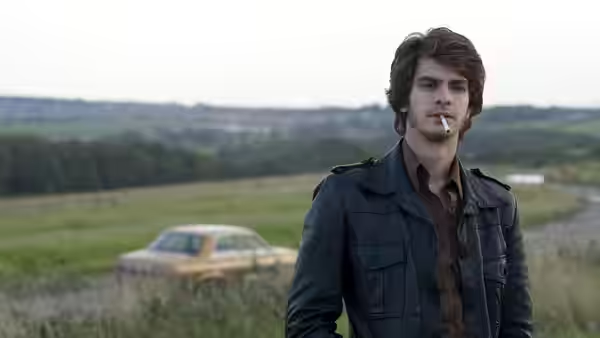
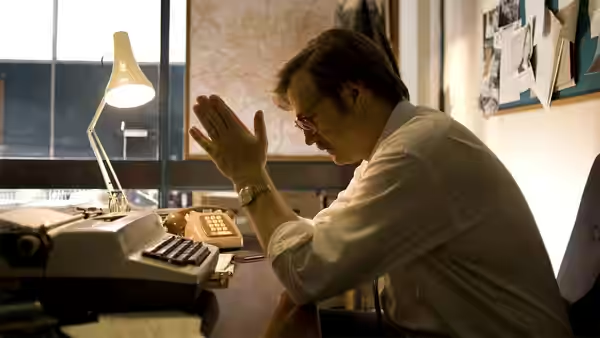
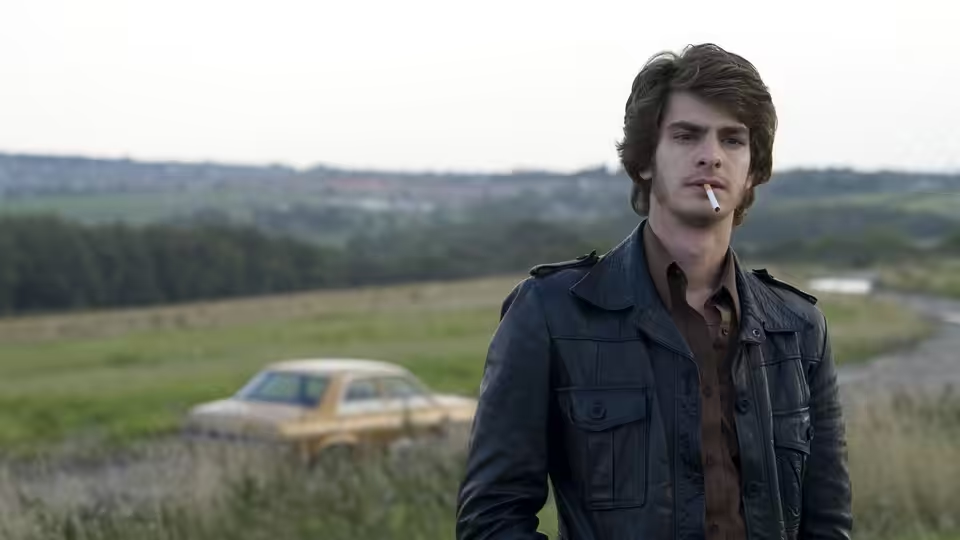
Eddie Dunford (Andrew Garfield) standing in a field with a cigarette in his mouth
Series review

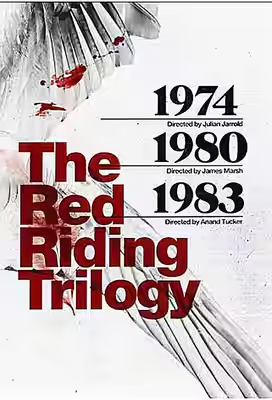
Red Riding

2009 · Created by David Peace, Tony Grisoni · Series · 1h 40m

In a sentenceThe police are so settled in their corruption that an honest question feels like bad manners

In Yorkshire during the 1970s and 1980s, police corruption connects crimes that might otherwise seem separate. Eddie Dunford (Andrew Garfield), DS Maurice Jobson (David Morrissey) and DCS Bill Molloy (Warren Clarke) are among the people drawn into the interlocking stories. John Dawson (Sean Bean) and Reverend Martin Laws (Peter Mullan) also figure in a community shaped by violence and the pursuit of money. Across three instalments, investigations encounter a problem larger than any one case: the police themselves are implicated in the disorder they are meant to contain, and finding answers requires looking beyond the individual crimes.

Fi1m review

A disturbing, strongly acted crime series that makes police corruption feel like ordinary business. The plot is sometimes harder to follow than it needs to be, but the cast and atmosphere make the effort worthwhile.

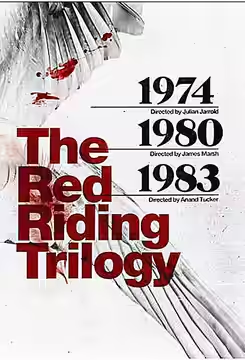
Red Riding is forceful, troubling crime drama, worth the effort despite plotting that can become needlessly difficult to follow. Its three instalments, directed by Julian Jarrold, James Marsh and Anand Tucker, take on a Yorkshire shaped by police corruption and violence. The ambition is to make that corruption feel established, something people must live around rather than an isolated crime to be cleared up. It succeeds often enough that the prospect of another investigation brings little reassurance.

Andrew Garfield gives Eddie Dunford an exposed, unsettled quality that helps us find a way into this crowded story. David Morrissey, as DS Maurice Jobson, and Warren Clarke, as DCS Bill Molloy, give the police hierarchy a weight that the writing cannot supply on its own. We were disturbed by how ordinary the corruption feels in their company, with authority exercised so comfortably that an objection seems almost unimaginable. The performances make the institutional threat convincing without needing every policeman to announce himself as a villain.

Tony Grisoni’s writing is strongest when it lets the connections between people suggest how difficult it would be to challenge them. There is a convincing sense of institutions protecting themselves, and of individual crimes belonging to a much larger history of damage. The early plotting can be more familiar than that ambition suggests, with characters sometimes arriving as recognisable crime-drama types before they become people. The performances do a good deal of the work of making them particular, though they cannot remove every shortcut.

Rob Hardy, Igor Martinović and David Higgs give the Yorkshire setting a persistent sense of threat through the cinematography. The place remains oppressive even when the story becomes hard to grasp, which is both an achievement and a warning about how much the series relies on atmosphere. Production designers Alison Domintz, Cristina Casali, Tom Burton and Sami Khan support that impression of a region worn down by more than crime. Their work makes the surroundings feel inhabited, although the determined grimness can make it hard to imagine anyone having an uneventful day.

Editors Andrew Hulme, Jinx Godfrey and Trevor Waite face the difficult job of keeping the separate stories connected without making every link explicit. Individual passages hold our attention, but the movement between people and investigations is not always clear enough. There are stretches when we are still sorting out the previous connection while the drama moves on to another. As the plotting grows denser, information that needed more room can pass too quickly, leaving the actors to keep us interested until we recover our bearings.

The music, by Adrian Johnston, Dickon Hinchliffe and Barrington Pheloung, sustains the unease across those changes of emphasis. It supports the performances, although there are stretches when further encouragement to feel miserable seems unnecessary. With so much threat already supplied by the acting and photography, the drama could occasionally afford to ease off. The cumulative pressure is effective, but a little more variation would let the smaller human moments register more distinctly.

Crime drama often promises that careful investigation will make a frightening situation comprehensible; Red Riding offers considerably less reassurance. Its attention to the habits of corruption earns the darkness, and the cast gives us people worth following through the confusion. We recommend it with a specific reservation about the muddled connections, which demand patience without always rewarding it. Leave a pause between instalments; another stretch in this company is not something to begin automatically.

Critical consensus AI synthesised

79
Positive
8
Mixed
0
Negative
0

All eight reviews are positive, with most critics praising Red Riding’s disturbing portrayal of police corruption and violence in Yorkshire. The praise centres on its oppressive atmosphere, strong performances and adaptation of David Peace’s novels. Critics find the drama powerful in its attention to how evil operates through everyday connections and institutions. Its grimness is widely seen as purposeful, giving the crime stories weight beyond the question of who committed the offences.

The reservations concern clarity and plotting rather than ambition, though enthusiasm ranges from measured approval to strong praise. Several critics find the interlocking stories difficult to follow; The AV Club argues that their complexity overwhelms a rushed ending. Empire identifies archetypal plotting in the early instalments. NME offers a different reservation, finding the first episode uneven but the later chapters more successful, with added humanity. There is no outright dissenter, but agreement on the series’ strengths does not mean everyone finds it equally coherent.

The Independent
8 March 2009
85*

The critic calls Red Riding genre drama at its most powerful and a great achievement for Channel 4. They single out its deep, dark Yorkshire noir that maps a landscape of violence and evil connections.

Read the full review →
The Telegraph
5 March 2009 · James Walton
85*

The critic praises the first instalment as a triumphantly unsettling drama that lays a strong claim to being one of the most darkly powerful of the year. They single out its ambitious Yorkshire noir style and powerful impact.

Read the full review →
The AV Club
4 February 2010 · B+ · Keith Phipps
83

The five-hour Red Riding trilogy is a remarkable achievement that adapts David Peace's novels into a grim, interlocked portrait of police corruption and social blight in 1970s-80s Yorkshire. It singles out the series' depiction of regional avarice and moral murk—likened to Ellroy and The Wire—for praise, even as plot intricacies overwhelm the rushed ending.

Read the full review →
Empire
27 May 2009 · Dan Jolin
80*

Praises the series as a bold, ballsy British crime drama with strong performances and a grim, twisted take on recent Yorkshire history intertwined with the Ripper case. Notes it falls short of being the full 'British Wire' due to some archetypal plotting in early parts.

Read the full review →
The Guardian
20 March 2009 · Sam Wollaston
80*

The critic finds the series fabulous and the most interesting British TV drama in a while, despite some confusing details. They single out its beautiful adaptation, writing, acting and observation of evil and corruption.

Read the full review →
The Hollywood Reporter
20 November 2009
70*

Finds the trilogy strong in performances and atmosphere but a daunting tangle of characters and plots more about corruption than whodunit. Notes fine craftsmanship and engagement despite the complexity.

Read the full review →

Straight answers AI written, from our review

Is Red Riding worth watching?
Red Riding is worth watching for anyone with the patience for a dark, three-part British crime series, and we scored it 80. Andrew Garfield, David Morrissey and Warren Clarke make police corruption in 1970s and 1980s Yorkshire feel like ordinary business, which is what disturbs. The plotting is sometimes harder to follow than it needs to be, so leave a pause between instalments.
How long is Red Riding, and what is it rated?
Red Riding has episodes of about 1h 40m. It is a crime and drama series.
Where can I watch Red Riding in Germany?
Red Riding is not on any streaming or rental service in Germany at the moment. Availability is checked daily.
How violent or frightening is Red Riding, and is it suitable for children?
Red Riding is a grim, adult crime series about police corruption and violence, and it is not suitable for children. It carries no certificate in our records, but the atmosphere is unrelentingly oppressive, the threat is constant and the drama offers little of the reassurance most detective stories provide. The squeamish and anyone wanting an easy evening should look elsewhere.
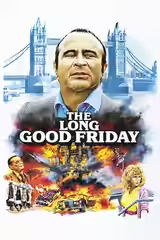
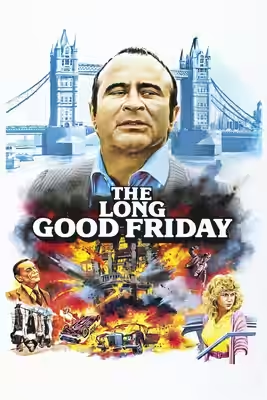
How does Red Riding compare to The Long Good Friday?
Red Riding is bleaker, longer and more demanding than The Long Good Friday, which is a single London crime film with a good deal of humour. Both concern money, ambition and organised violence in a specific British place, and both have plots that take some effort. The earlier film is the tighter and more entertaining of the two; the series is for viewers who want their corruption spread across three instalments and taken entirely seriously.
What should I watch after Red Riding?
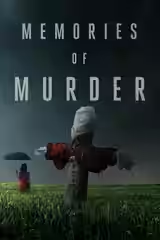
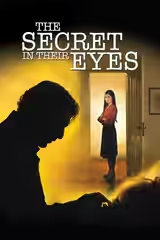
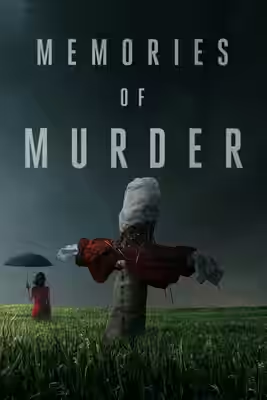
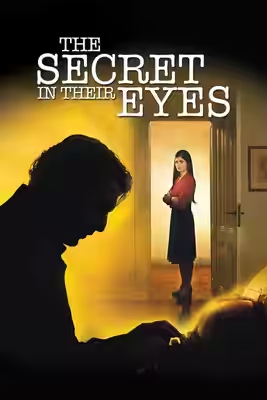
After Red Riding, try The Long Good Friday (1980, Fi1m 88): Business ambition and organised violence meet in another British crime story with regional bite. Then Memories of Murder (2003, Fi1m 91): A murder investigation exposes police failure, with room for bleak, awkward humour; and The Secret in Their Eyes (2009, Fi1m 78): An unresolved case brings justice, political power and private longing into uncomfortable contact.

Cast

If you liked this, try…

  1. The Long Good Friday (1980, Fi1m 88)Business ambition and organised violence meet in another British crime story with regional bite.

  2. Memories of Murder (2003, Fi1m 91)A murder investigation exposes police failure, with room for bleak, awkward humour.

  3. The Secret in Their Eyes (2009, Fi1m 78)An unresolved case brings justice, political power and private longing into uncomfortable contact.

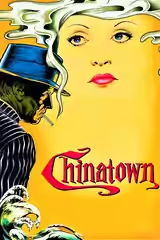
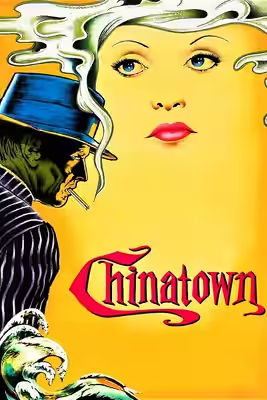
  4. Chinatown (1974, Fi1m 93)A private investigation uncovers corruption whose reach keeps exceeding the investigator’s assumptions.

  5. Happy Valley (2014) · not reviewed yetAnother Yorkshire crime series, with more domestic warmth and no shortage of damage.

Free account

Know what to watch tonight

Two lists that know where things are streaming, collections you can share, your own score beside ours, and Discover that remembers what you have seen.

  • Want to see, sorted by what is streaming now
  • Seen, with your score out of ten
  • No adverts, ever