Ray Stevenson gives Rome the warmth it needs to make its brutal ancient society worth spending time in. We recommend it, provided an uneven opening and plentiful cruelty do not put you off.
We recommend Rome, with patience for an opening that takes time to settle. Creators Bruno Heller, John Milius and William J. MacDonald set ordinary soldiers alongside the people competing for power. The appeal is watching how political ambition enters people’s daily lives, including those without much say in how the city is run. The historical drama works because it makes room for friendship, resentment and domestic trouble alongside the pursuit of power.
Kevin McKidd and Ray Stevenson do much of the work. McKidd gives Lucius Vorenus a stiffness that can be hard going, but it makes a useful counterweight to Stevenson’s much easier company as Titus Pullo. Stevenson is funny without turning Pullo into a visitor from the present, and his appeal survives behaviour that ought to make us withdraw it. We warmed to Pullo more quickly than we expected, because Stevenson’s humour makes the soldiers’ company so inviting. Their everyday acceptance of brutality makes that warmth uncomfortable.
Ciarán Hinds gives Julius Caesar the authority the part needs without making every appearance feel like an announcement. James Purefoy’s Mark Antony brings a welcome appetite for the business of being powerful, which is more entertaining than another solemn account of duty. Polly Walker’s Atia and Lindsay Duncan’s Servilia keep the political manoeuvring interesting at household level. We care about who resents whom, even before we have untangled everybody’s position. The ensemble makes the private disputes worth following in their own right.
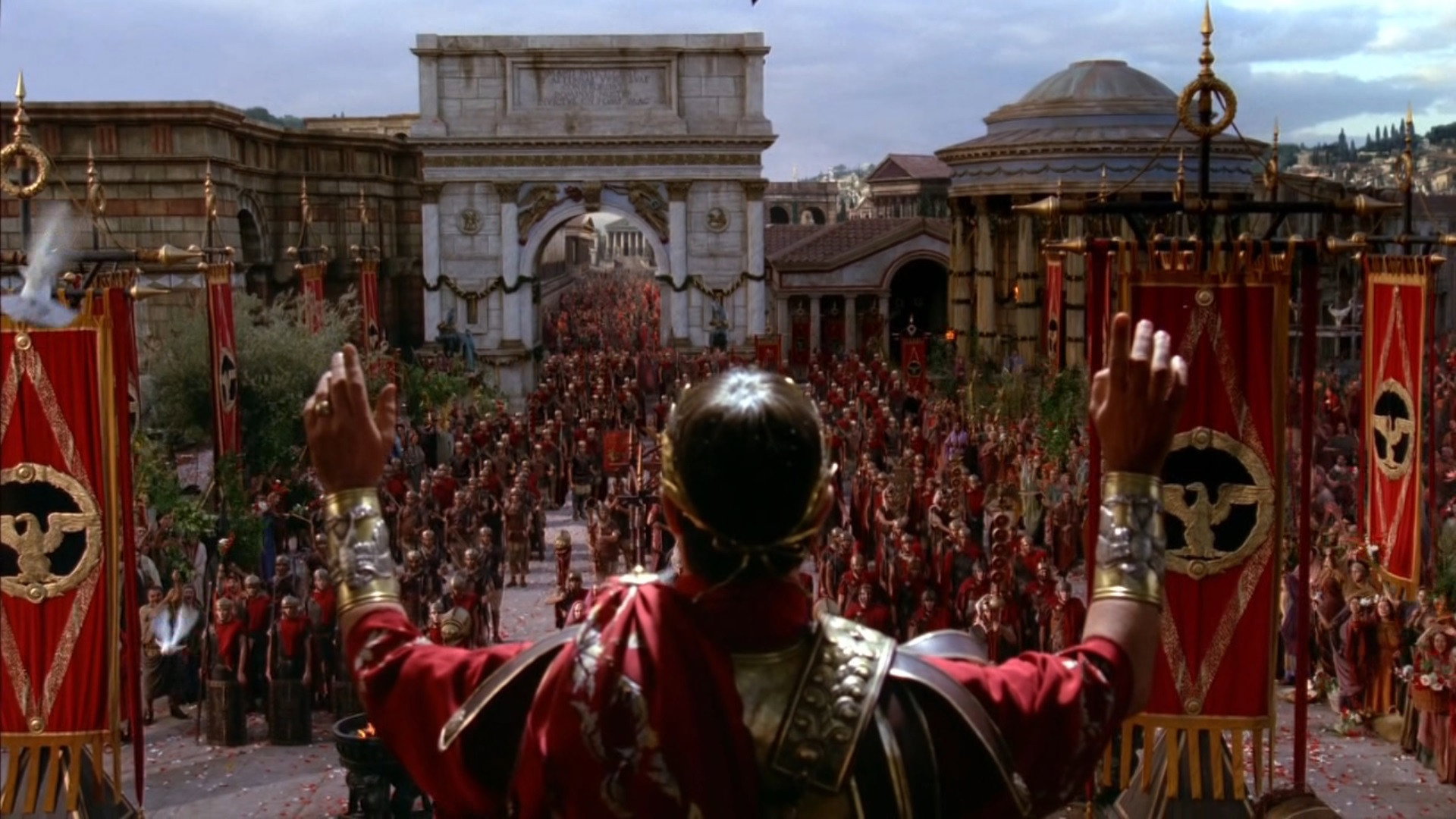
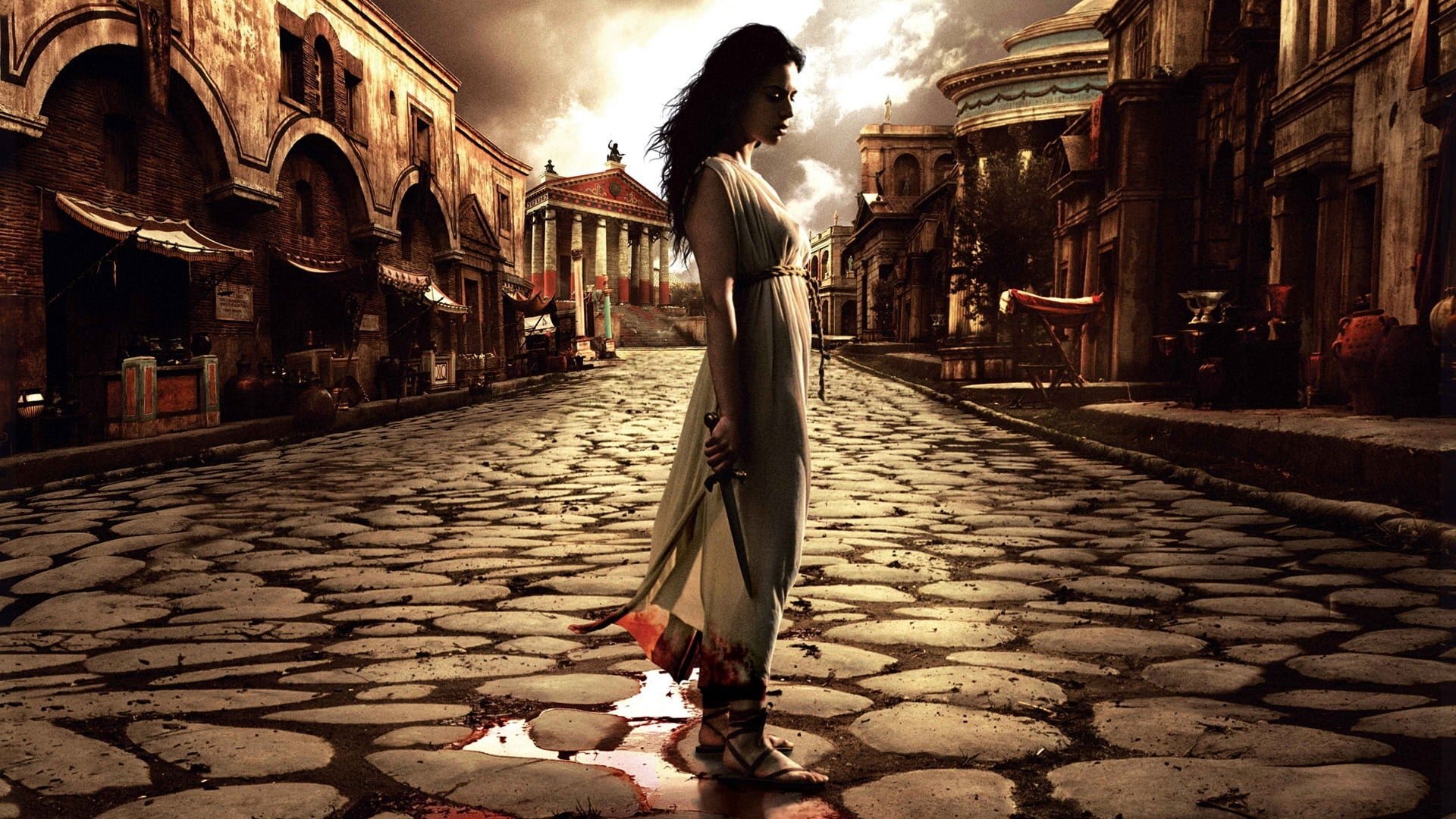
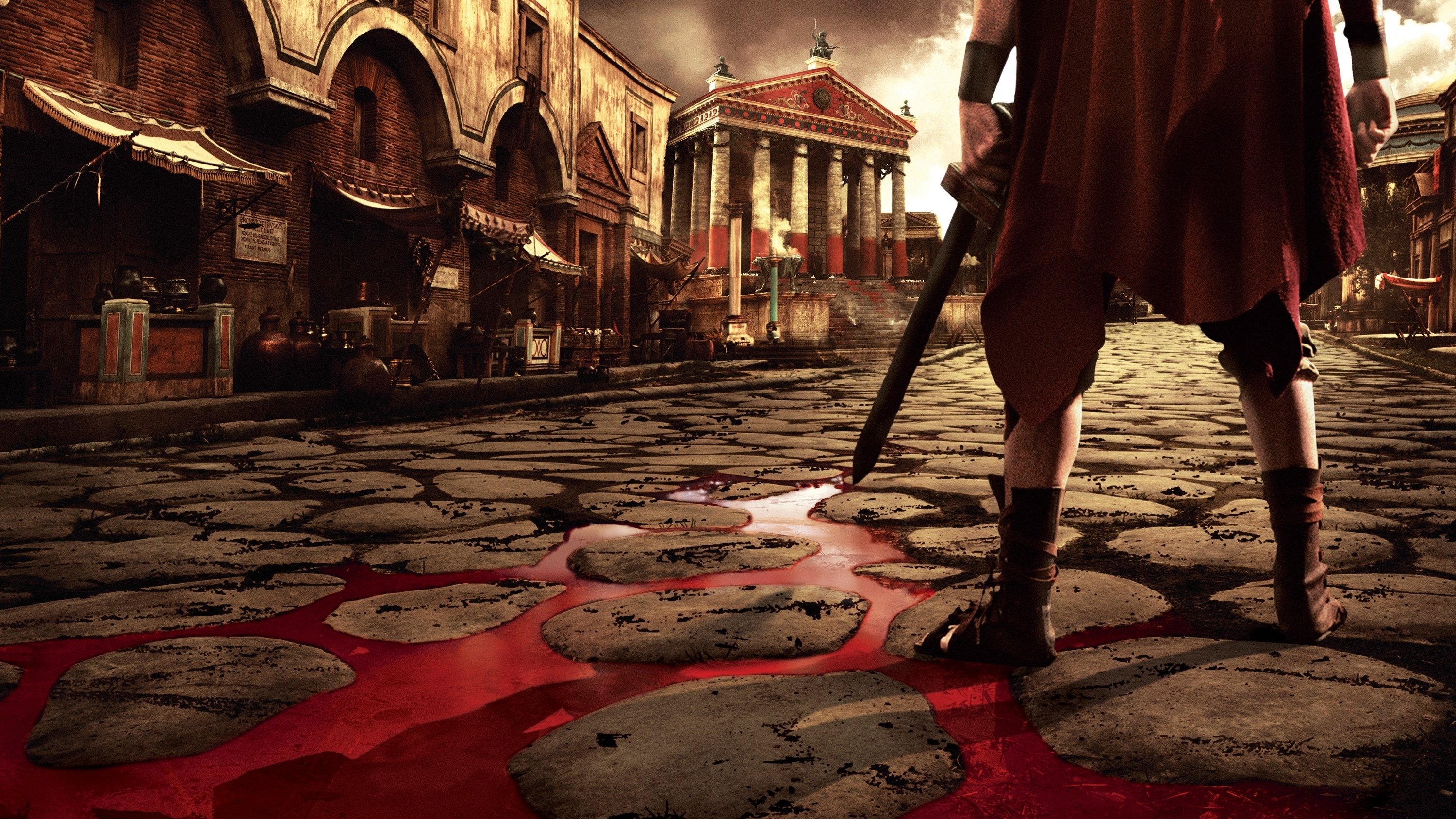
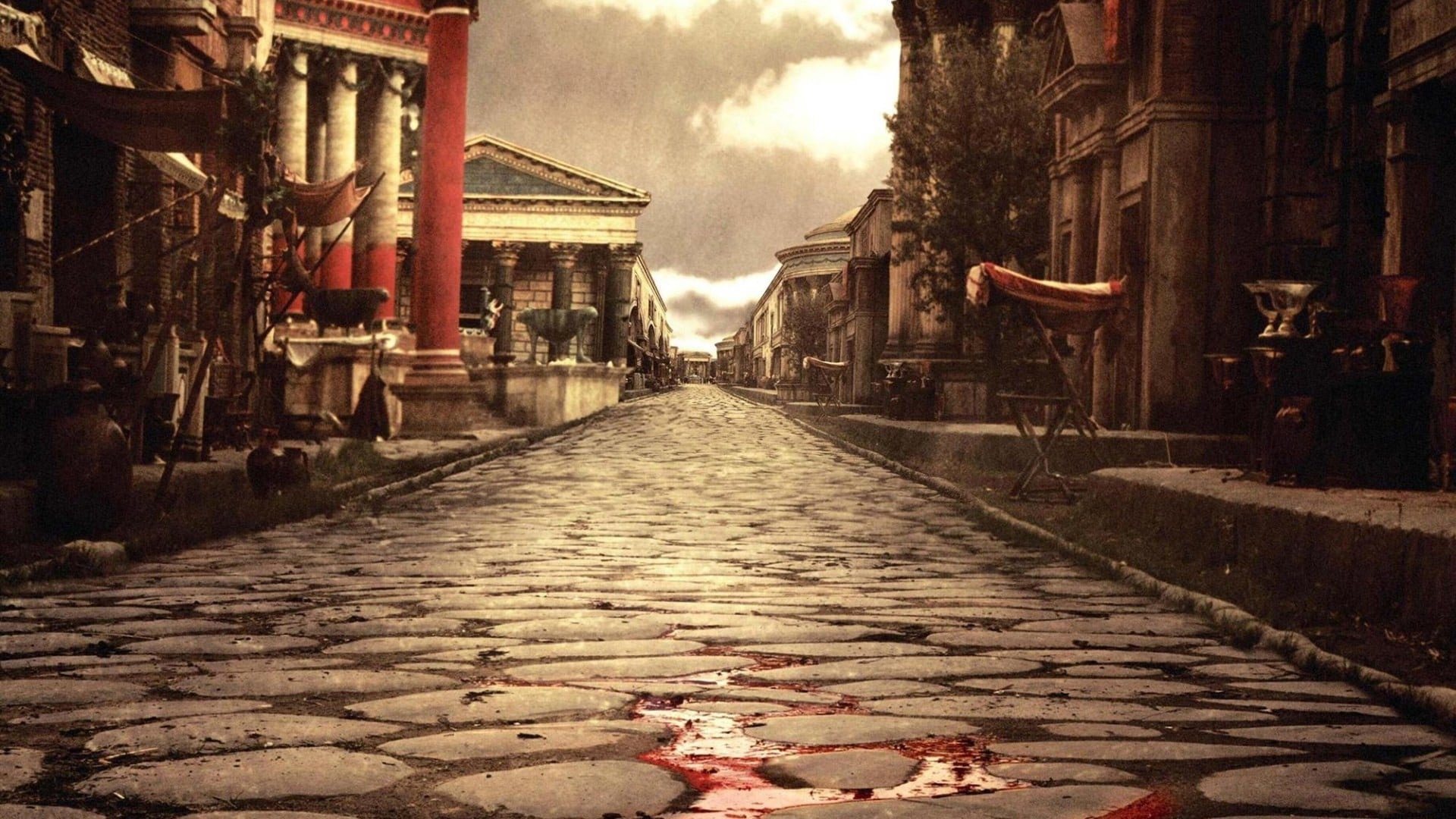
Michael Apted’s direction helps establish a city that does not seem to have been tidied for a historical drama. The attention to ordinary life gives the scenes of privilege something to be measured against. April Ferry’s costume design makes social position readable without requiring another explanation of the hierarchy. Jeff Beal’s music is most useful when it gives a private dispute the seriousness the characters attach to it. These contributions help us follow a crowded story without having to stop and identify everybody’s rank.
The important choice is to let the customs remain uncomfortable. Rome does not constantly reassure us that its people think as we do, and the brutality is disturbing partly because it belongs to daily life. Historical drama becomes more interesting when it allows people to behave in ways we struggle to understand, without pausing to explain our objections back to us. There are passages in which the appetite for sex and violence threatens to crowd out the people involved, but the return to household tensions usually restores some proportion.
The opening is less assured about how much explanation we need. Political and domestic concerns compete for attention, and the movement between them can feel like being introduced to another set of people just as the previous group has become interesting. The writing improves as those relationships become easier to follow, but that is a real demand to make on an audience. We would not blame anyone for finding the early going busy rather than gripping.
Once the ensemble settles, the series finds plenty to do without depending on the next grand battle. A conversation between people who need something from one another can be enough, particularly when Walker or Stevenson is involved. We would choose Rome for those performances and for its willingness to make ancient life unpleasant without making everyone in it dull. Give it time to establish the households; the soldiers are worth staying for.