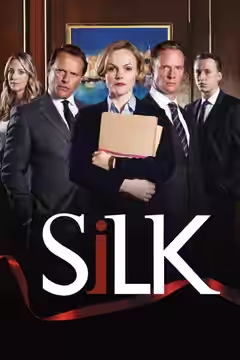
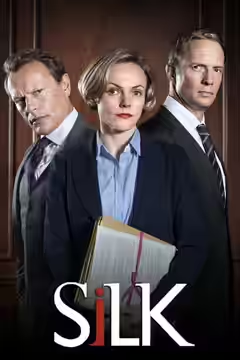
Peter Moffat’s series about a London criminal barrister chasing silk is better than its first reviews allowed. The plots creak and the pupils are a bore, but Maxine Peake is the reason to watch, and she is reason enough.
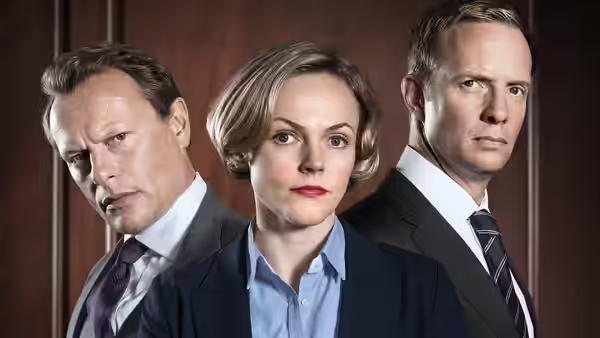
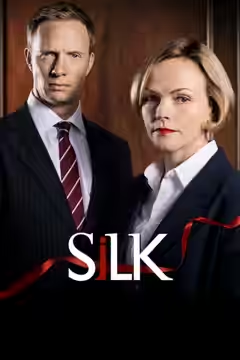
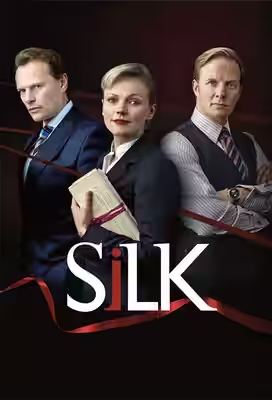
Peter Moffat, who created and wrote Silk, wants to show how the English Bar works from the inside: the one case per hour, yes, but also the robing room, the clerks’ room and the long game of getting on. Martha Costello (Maxine Peake) defends people the public would rather see locked up and has applied for silk, the rank of Queen’s Counsel. Clive Reader (Rupert Penry-Jones) has applied too, and is better connected and less scrupulous. The verdict is simple: this is a good legal drama, and if the genre is yours it is worth your evenings. The reviews so far have been harsher, and we will come to that.
Peake carries it. She plays Martha as a woman who smokes too much, sleeps too little and talks to juries as if the twelve of them were the only adults in the building. There is a moment in the first series when she realises, mid-trial, that the man she is defending may have done it, and Peake does nothing with her face except let the certainty drain out of it. We were more moved than we expected to be by that, because the series had taught us by then how much her belief in her clients costs her. The script gives her speeches, and she delivers them, but it is the listening that we remember.
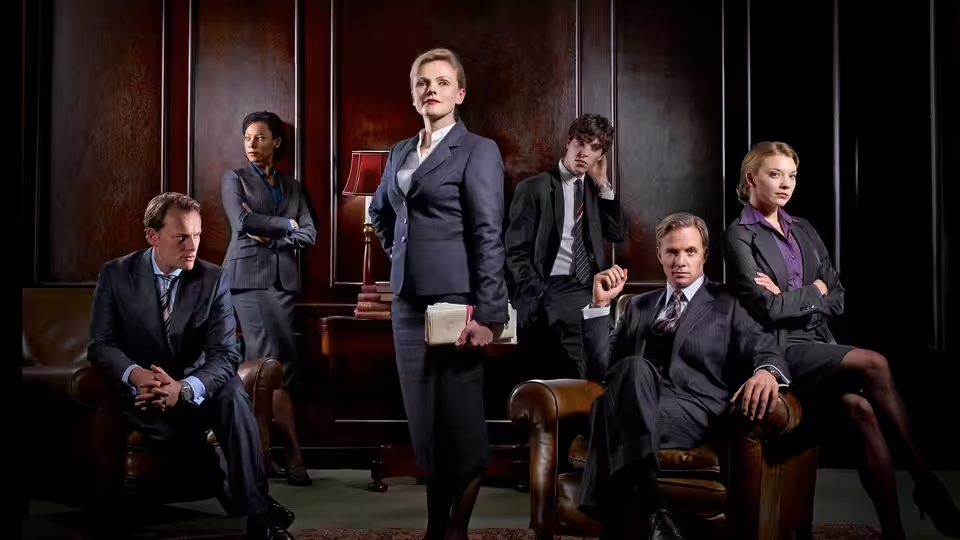
Around her Moffat has built a proper company. Neil Stuke’s Billy Lamb is the best thing in the series after Peake, a clerk who speaks softly, knows every judge’s weaknesses and treats his barristers as livestock to be fed and sold. Penry-Jones makes Clive charming enough that his betrayals sting. Alex Jennings, as the head of chambers Alan Cowdrey QC, and Frances Barber, as the rival silk Caroline Warwick QC, play the senior Bar as a club that has not yet decided whether to let Martha in. Phil Davis, as the solicitor Micky Joy, brings a kind of damp menace with him, and the series is sharper whenever he appears.
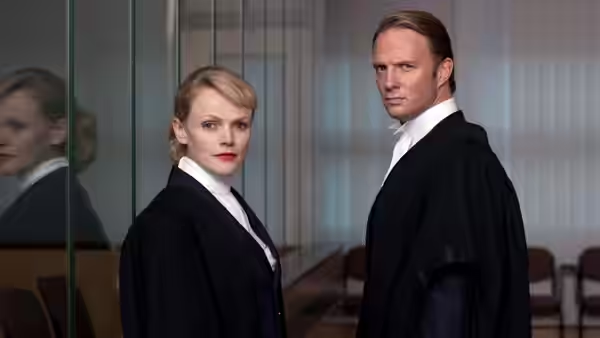
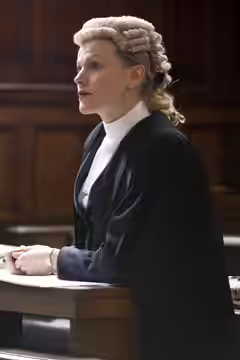
Dale Elena McCready shoots the courts in flat daylight through high windows, so the wigs and gowns look like what they are, a uniform, and keeps the camera moving through the corridors so that nobody is ever quite still. Dru Masters’ score is less sure of itself. It swells under closing speeches that did not need help, and once or twice it told us how to feel about a verdict a second before the jury did. The hour-long episodes are cut briskly between trial and chambers, and the pace rarely sags.
What does not work is the plotting, and this is where the first reviews had a point. Moffat likes a reversal, and cases turn on a witness who changes their mind or a document that appears at the right time. The opposing counsel are set up as villains a little too neatly. The pupils, Nick Slade (Tom Hughes) and Niamh Cranitch (Natalie Dormer), are given a rivalry that never catches, and we found ourselves waiting through their scenes for the adults to come back. Series 1 in particular has an opening episode that is clunkier than anything after it.
The reviews so far judge Silk a failure, and one called Peake’s role bloodless. We think they were judging that first hour and not the twelve that followed it, and we think bloodless is the opposite of what Peake does here. Martha bleeds all over the place; the series simply does not stop to mop it up. Over three series of six episodes, first shown from 22 February 2011, the writing settles, the chambers politics deepen, and the cases get harder to call.
It is not the equal of Moffat’s best television, but it is a solid, grown-up series that respects its audience and its subject. Watch it for Peake, stay for Stuke, and forgive the pupils. The wigs, at least, are never played for laughs.