Series review

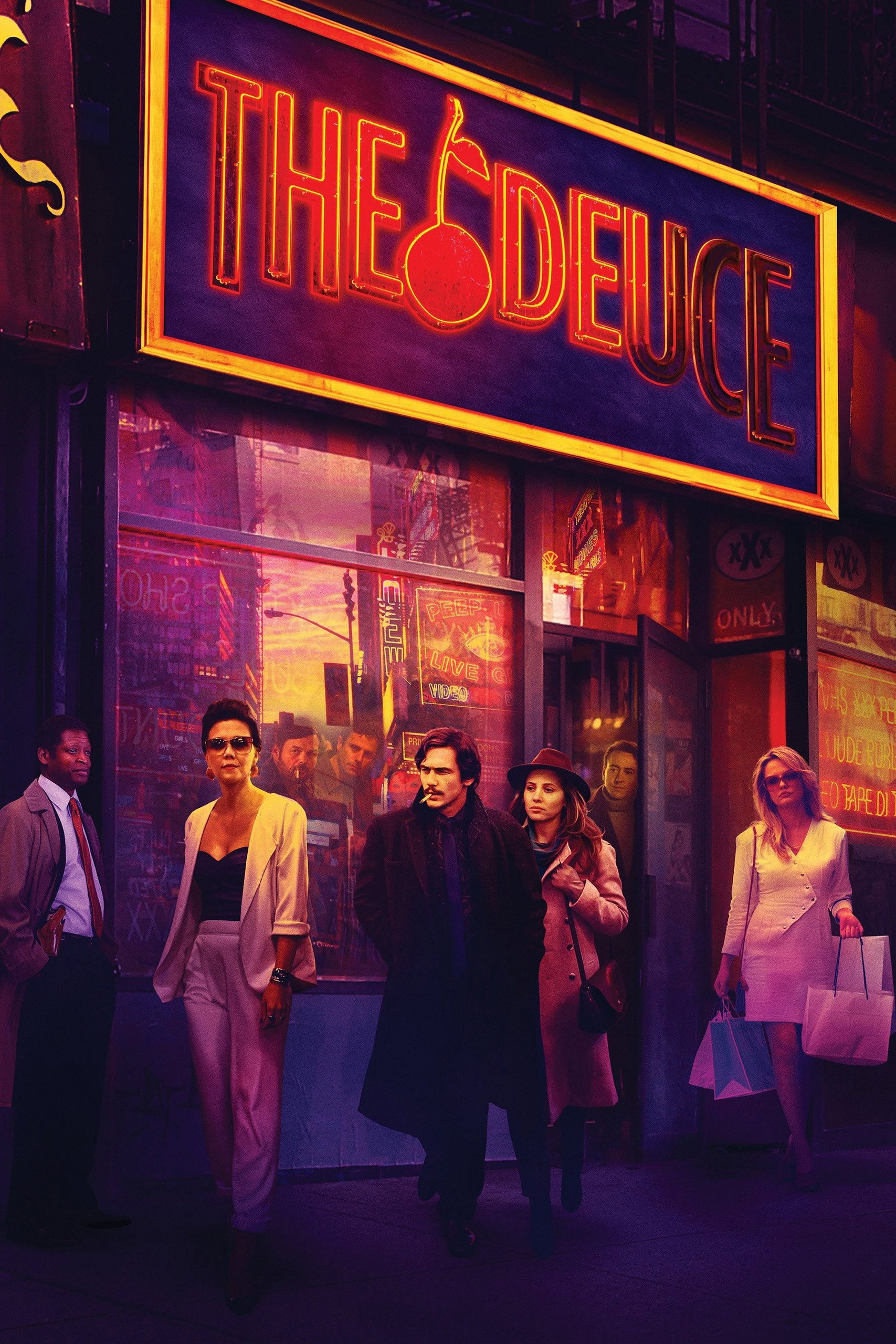
The Deuce

2017 · Created by David Simon, George Pelecanos · Series · MPA TV-MA

In a sentenceA neighbourhood full of men taking a cut, and women doing the arithmetic

DramaCrime

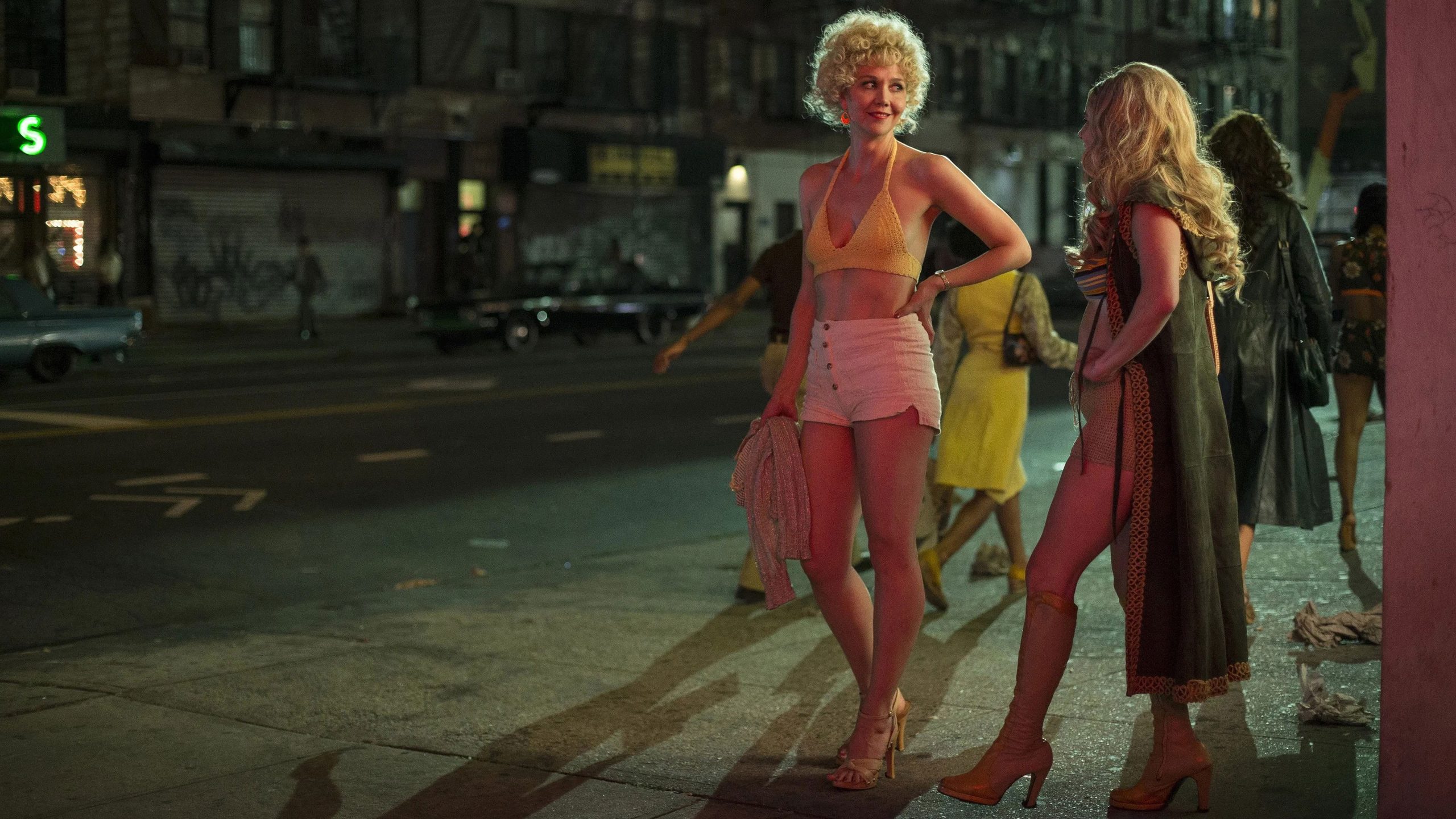
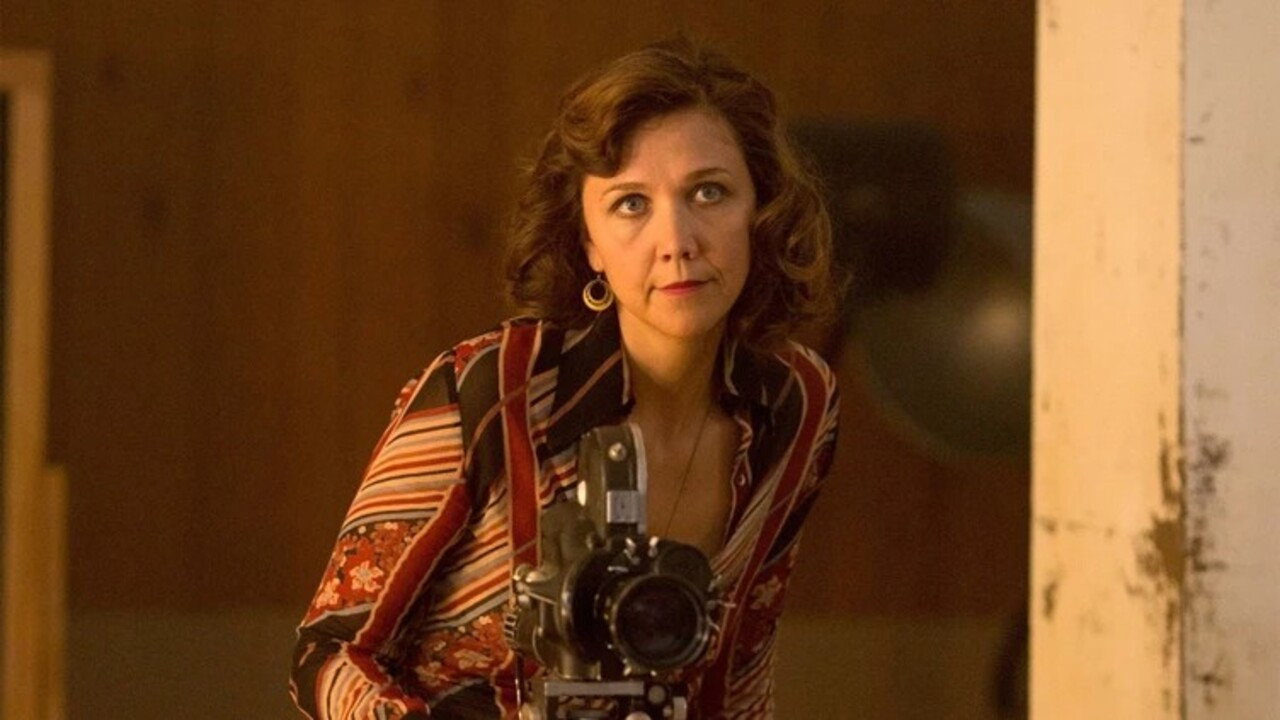
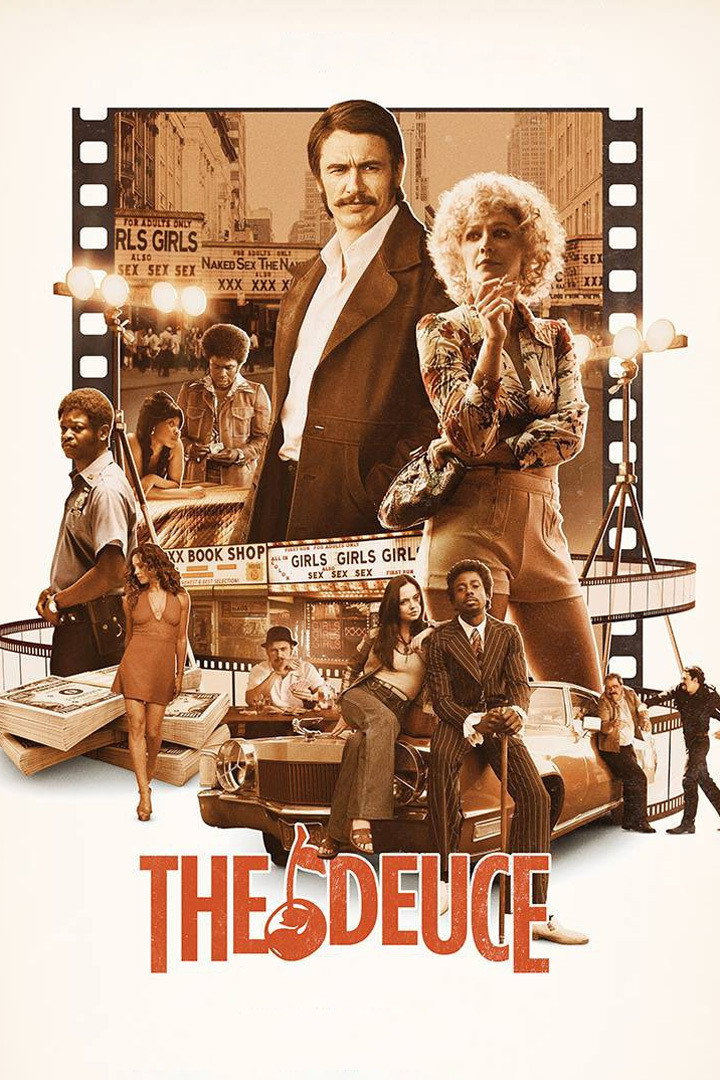
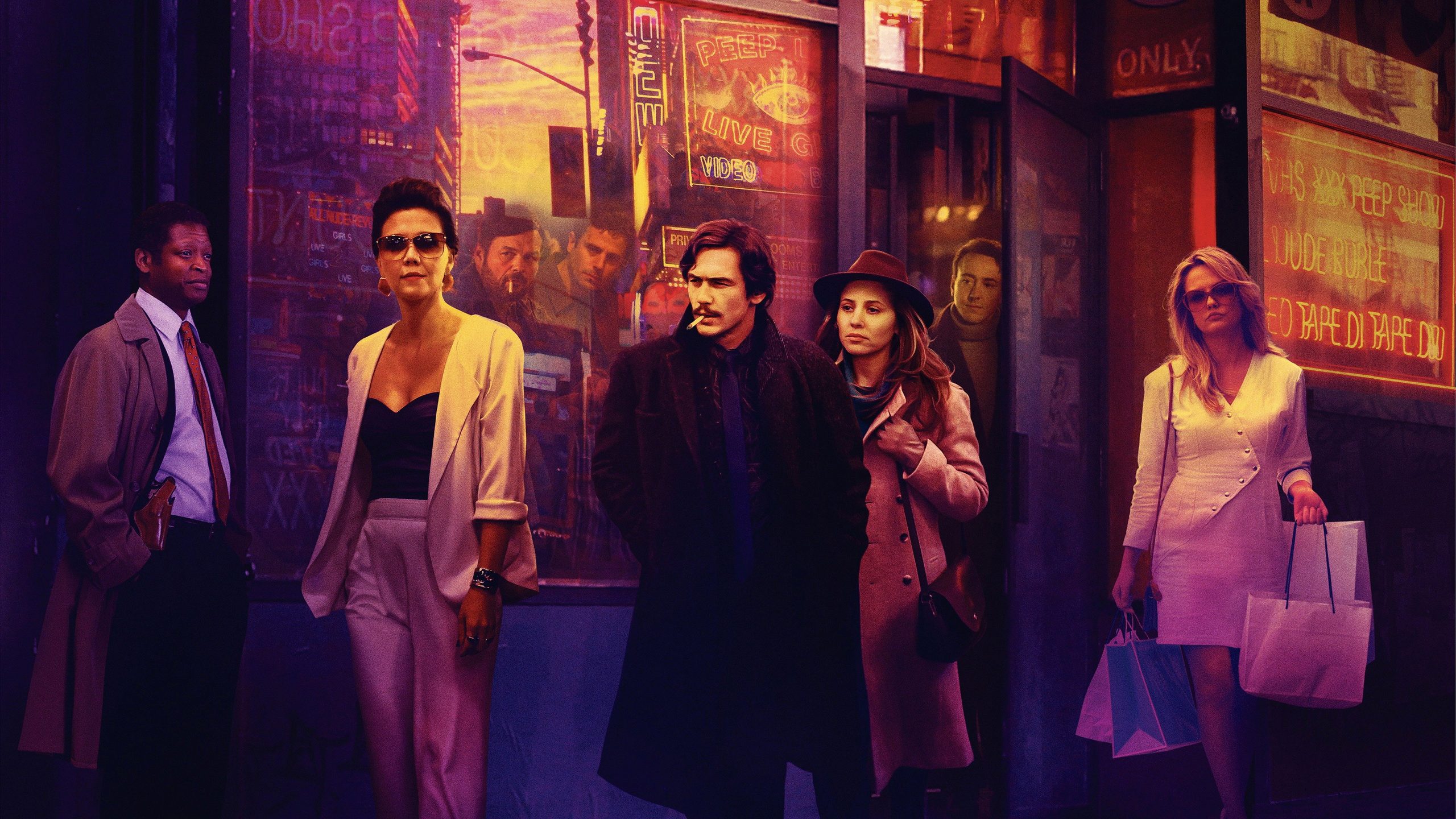
In 1971, sex workers, pimps, gangsters and police share the streets around New York City’s Times Square. Eileen ‘Candy’ Merrell (Maggie Gyllenhaal), Vincent Martino and Frankie Martino (James Franco), and Lori Madison (Emily Meade) are among the people whose lives intersect in the neighbourhood. Making a living here means negotiating relationships in which money, affection and control are difficult to separate. The sex trade and pornography draw people into business arrangements with unequal risks and rewards. For the people selling sex, personal loyalties complicate the effort to keep control of their working lives.

Plays from YouTube when you press play; nothing loads from them until then.

Fi1m review

The Deuce makes the New York sex trade into a patient, humane drama about work and power. Maggie Gyllenhaal gives it a compelling centre, though the crowded storytelling and James Franco’s double role can make the opening unnecessarily demanding.

The Deuce is a patient, humane crime drama that earns the attention it asks for, though its crowded opening will test anyone expecting a quick route into the story. Creators David Simon and George Pelecanos approach the sex trade in 1971 New York as a workplace, where people need money and somebody else usually has the stronger bargaining position. The early episodes spend time establishing the neighbourhood and the people working in it. We are asked to learn who deals with whom before we can understand the consequences of those dealings.

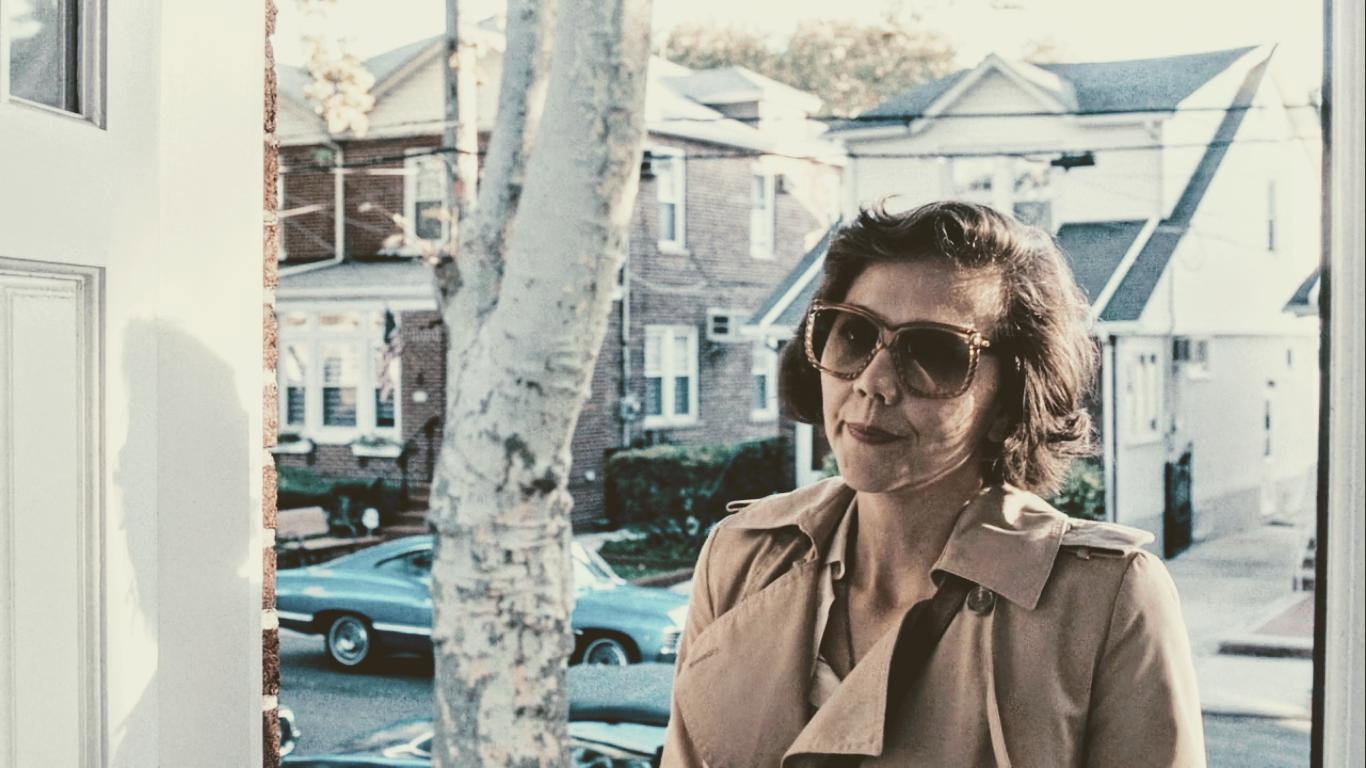
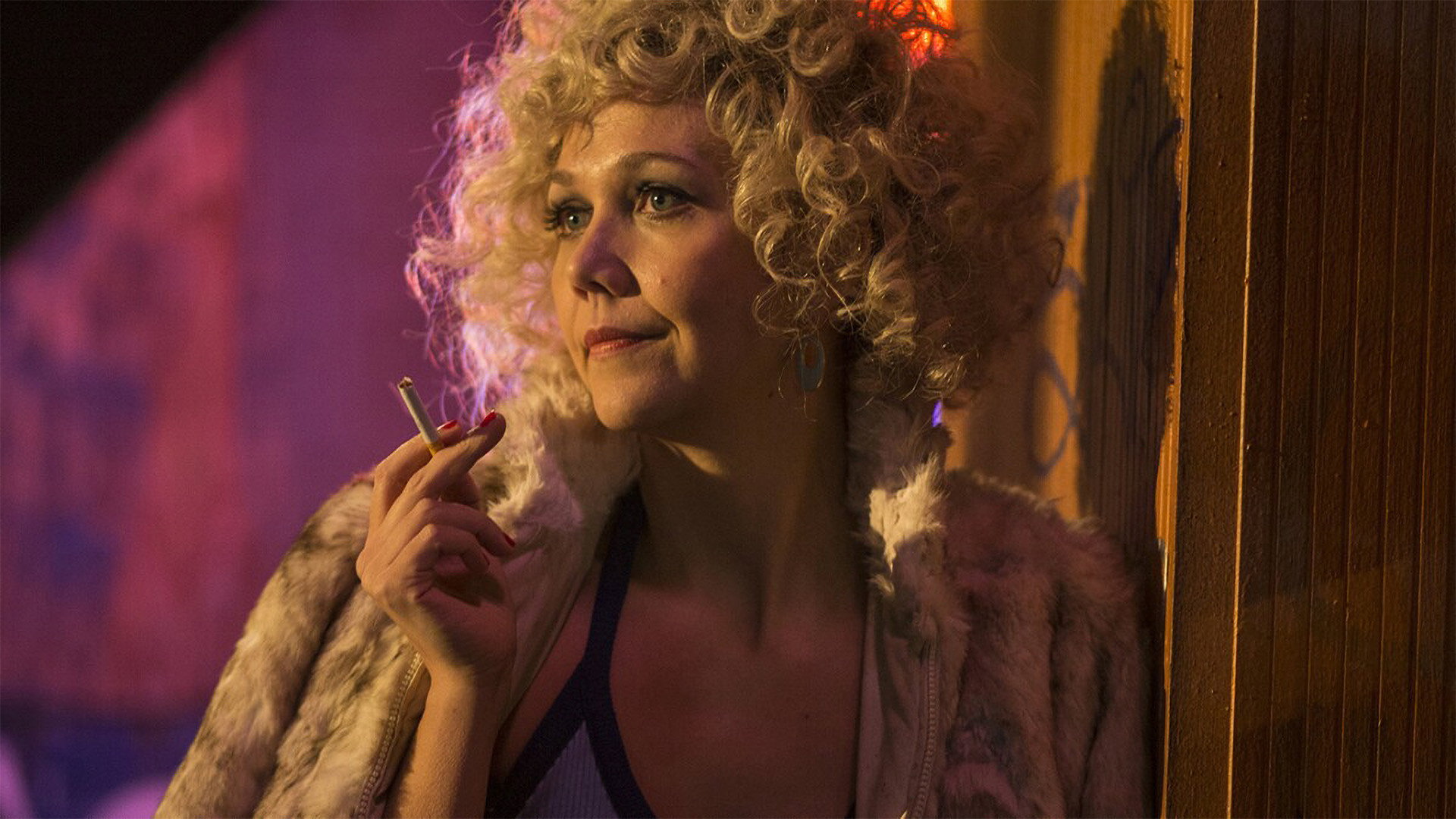
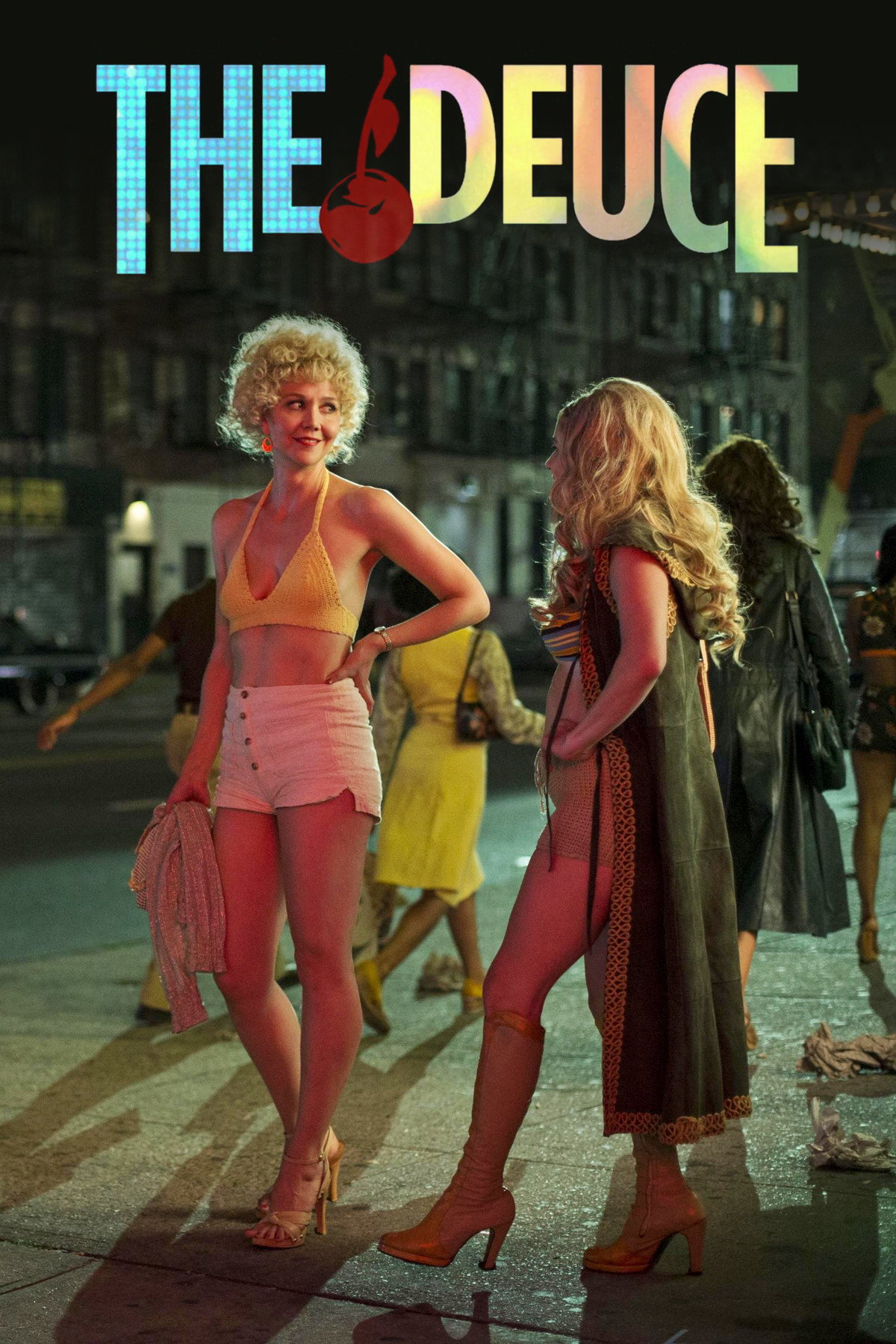
Maggie Gyllenhaal is the strongest reason to stay. As Eileen ‘Candy’ Merrell, she makes independence feel like something that requires constant attention, and her intelligence gives even ordinary exchanges a purpose. There is no need for a speech telling us this woman has a mind of her own; the performance makes us look for what she thinks of the person opposite her. She remains interesting even when the story is asking us to take in several other people at once.

The relationships between pimps and sex workers are the most difficult material, because the writing allows affection and dependency to sit alongside exploitation. We were unsettled by the warmth in these conversations: a friendly exchange can leave the balance of power entirely unchanged. The writers do not make every person explain the arrangement they live under, which lets the dialogue sound like people who know one another. The sexual violence is hard to watch, and the surrounding tenderness never quite allows us to settle.

The cinematography by Pepe Avila del Pino and Yaron Orbach makes the period streets convincing without making them inviting. Scott Dougan’s production design gives Times Square the dirt and bustle needed for this many working lives to fit together. The recreated neighbourhood remains interesting even when keeping track of the people becomes difficult. Its strongest quality is that the crime and the everyday business appear to belong to the same place.

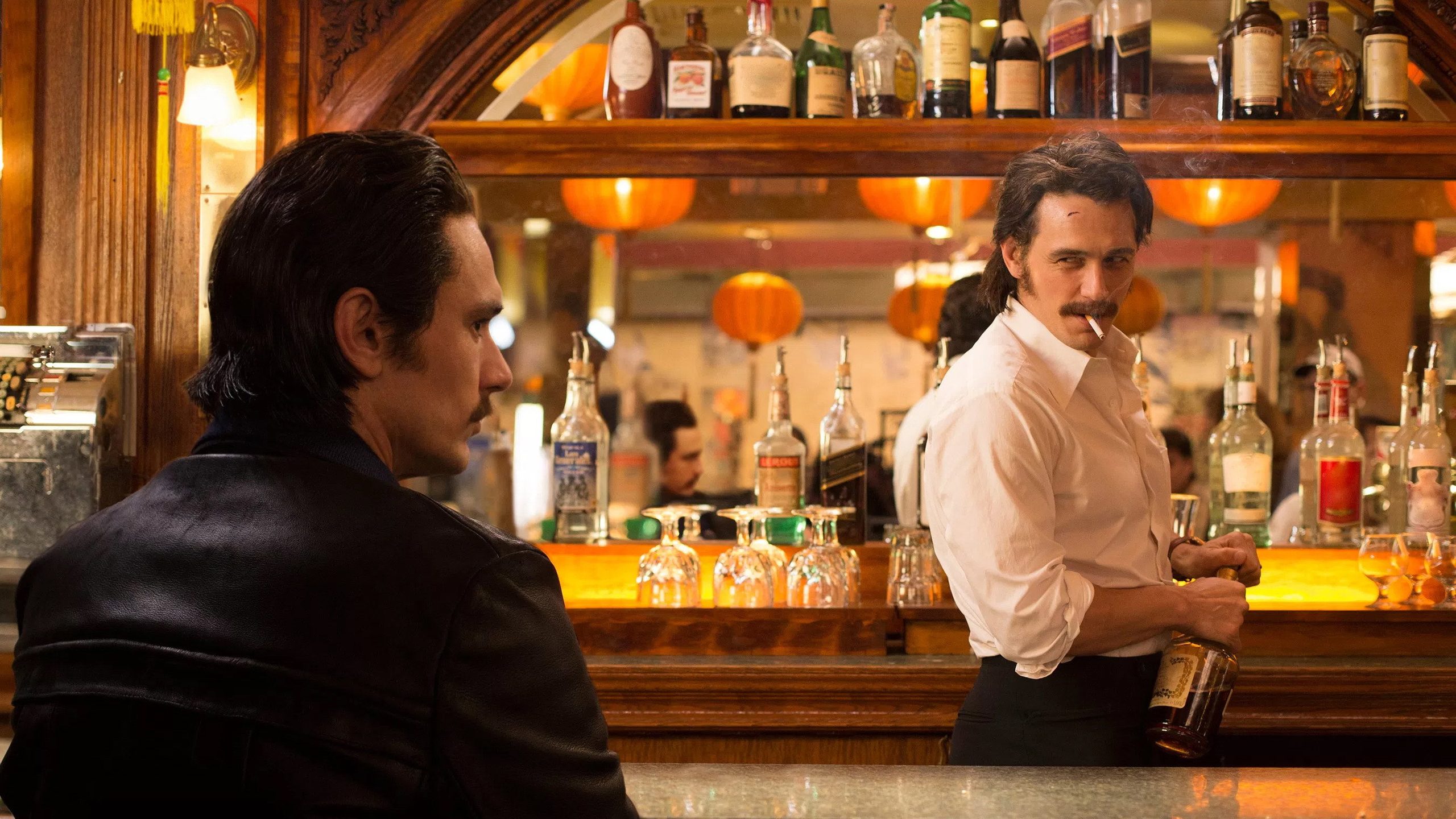
Keeping track does take work. Editor Shelby Siegel helps the overlapping stories accumulate, but the early stretches ask us to absorb a great many names before the relationships are clear. James Franco, playing Vincent Martino and Frankie Martino, adds another demand: the double casting is conspicuous enough to draw attention away from the men themselves. He supplies useful energy, but we occasionally catch ourselves watching the performance as a technical exercise. The quieter acting elsewhere holds our attention more firmly.

As a crime series, The Deuce gives the routine business between the threats an unusual amount of space, and that is where it earns our recommendation. The conversations make exploitation harder to dismiss as something done only by obvious monsters; people can be funny, companionable and still benefit from somebody else’s lack of choices. It can be slow, and the introductions can be confusing, but the patience allows us to understand people whom a quicker drama might barely notice. Give it an evening when learning the names will feel like part of the pleasure.

Critical consensus AI synthesised

83
Positive
12
Mixed
0
Negative
0

The reviews are uniformly positive about The Deuce, with praise centred on its convincing recreation of 1970s New York and the humanity of its large ensemble. Critics repeatedly pick out the period detail, vivid street life and attention to people working within the sex trade. Maggie Gyllenhaal’s performance as Candy draws particular approval, while the shifting relationships between characters give the social observation emotional force. Most critics find the treatment of power and exploitation substantial without sacrificing absorbing drama.

The differences are chiefly in enthusiasm rather than verdict, with no negative reviews in this selection. The Guardian finds the density occasionally bewildering and notes the discomfort of its portrayal of power and sexual violence. The Hollywood Reporter’s reservation is that the first season could use more episodes. The more restrained notices still value the authenticity and performances, so there is little evidence of a fundamental split.

The Telegraph
27 September 2017 · ★★★★★
100

The review hails the series as the most potent and provocative drama of the year, praising its gritty, dense portrait of the early Seventies New York sex trade. It singles out Maggie Gyllenhaal’s performance as Eileen/Candy for its feminist edge and James Franco’s dual role.

Read the full review →
IndieWire
4 September 2017 · Ben Travers
90*

The series is an instantly immersive experience that delves into 1971 New York City with an eye for overlooked denizens. It stands as David Simon’s most absorbing series since The Wire.

Read the full review →
The Guardian
27 September 2017 · Lucy Mangan
85*

The critic finds the series an extraordinary recreation of 1970s Times Square that is dirty, real and brilliantly alive despite being intense and bewildering at times. She singles out the vivid, high-definition characters and their intersecting stories for praise while noting the uncomfortable portrayal of power and sexual violence.

Read the full review →
The Hollywood Reporter
25 August 2017 · Daniel Fienberg
85*

The review describes it as a substantive, provocative, and entertaining sociological drama with a tremendous ensemble cast and strong attention to power dynamics and exploitation. The critic singles out the vivid, grimy period texture and memorable characters as standout features while noting the first season could benefit from more episodes.

Read the full review →
The i Paper
3 October 2017 · Veronica Vera
85*

The reviewer finds the series highly authentic and true to the era, praising the producers' extensive research and attention to period detail in recreating 1970s Times Square. She singles out the accurate portrayal of characters, relationships, and the gritty environment as particularly impressive.

Read the full review →
Variety
31 August 2017 · Sonia Saraiya
80*

The critic calls it a worthy heir to The Wire, praising its immersive, kaleidoscopic look at the seedy underbelly of 1971 New York with exceptional period atmosphere and performances. She singles out the complex, fluid relationships between pimps and prostitutes as the show's strongest and most gutting element.

Read the full review →

Cast

If you liked this, try…

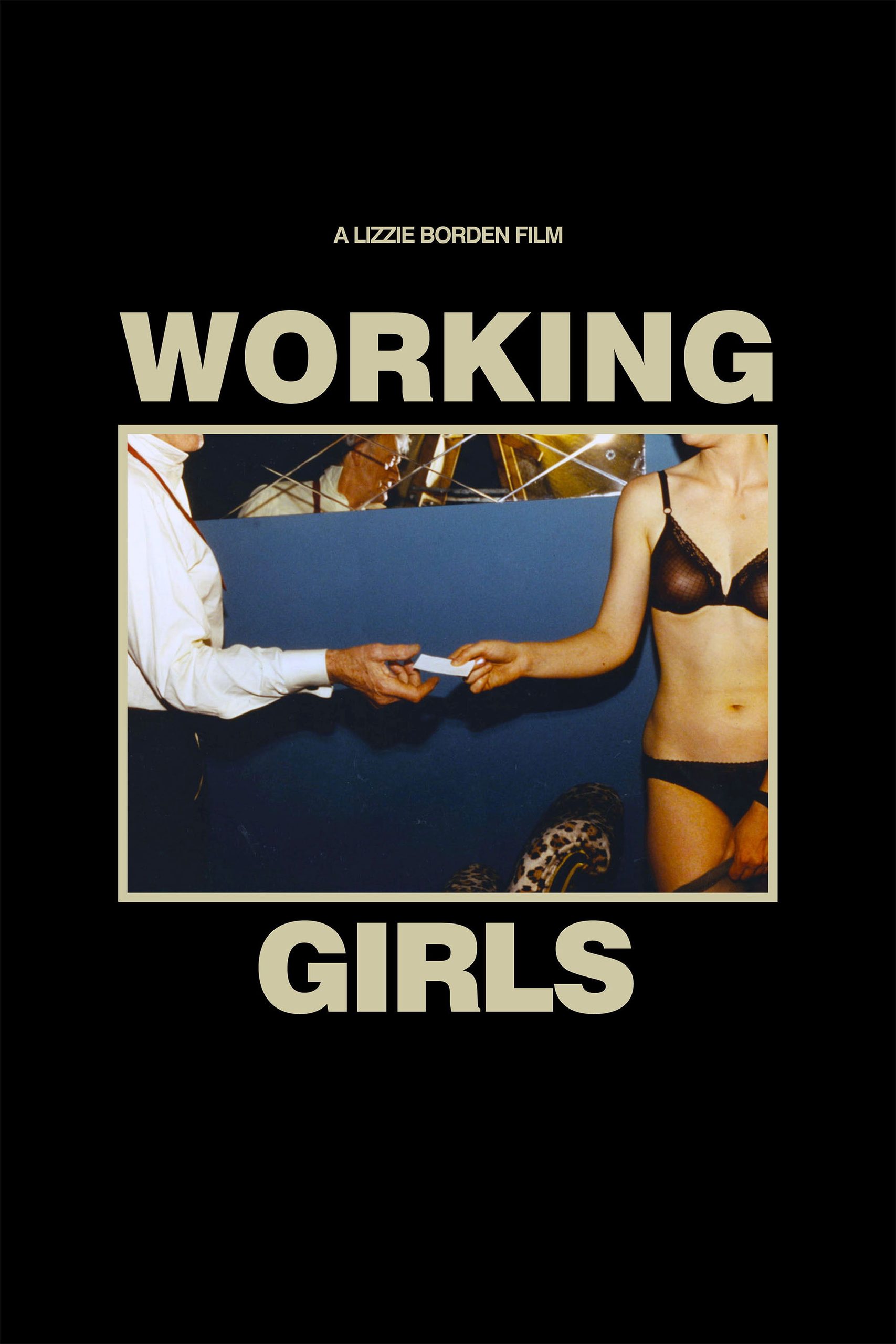
Working Girls poster

Working Girls

1986 · Sex work observed through routines, negotiations and the strain of staying polite.

The Wire poster

The Wire

2002 · Another patient ensemble drama about people working within institutions that punish them.

The Long Good Friday poster88

The Long Good Friday

1980 · Crime treated as business, with a city changing around its would-be owners.

House of Tolerance poster

House of Tolerance

2011 · A more enclosed account of sex work, with the same attention to companionship.

A Touch of Sin poster

A Touch of Sin

2013 · For the same anger about exploitation, with less patience for polite conversation.