Series review

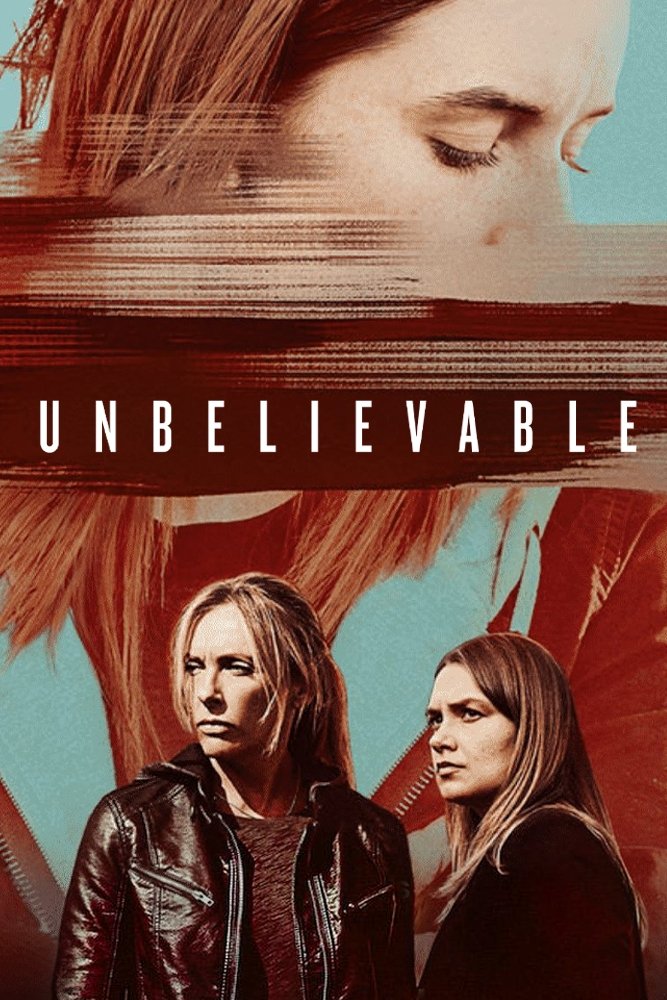
Unbelievable

2019 · Created by Susannah Grant · Series · MPA TV-MA

In a sentenceA police procedural in which the shocking thing is two detectives doing their jobs properly

DramaCrime

Lynnwood, Washington, 2008. Marie Adler (Kaitlyn Dever), eighteen and not long out of foster care, lives alone in a supported housing block. One night a masked man breaks in, ties her with her own shoelaces, rapes her and photographs her. She reports it and is made to tell the story to a patrol officer, a detective, a hospital nurse and the detective again. Her former foster mothers Judith (Elizabeth Marvel) and Colleen Doggett (Bridget Everett) begin to wonder whether she is telling the truth, and so do the police. Three years later, in Colorado, Detective Karen Duvall (Merritt Wever) attends a similar attack and learns that Detective Grace Rasmussen (Toni Collette), in a neighbouring force, has one too.

Plays from YouTube when you press play; nothing loads from them until then.

Fi1m review

Susannah Grant’s eight-part series about a real rape case that nobody believed is careful, plain and quietly furious. Kaitlyn Dever is remarkable as the girl the police stop listening to; the detectives’ half is a fine procedural and, now and then, only that.

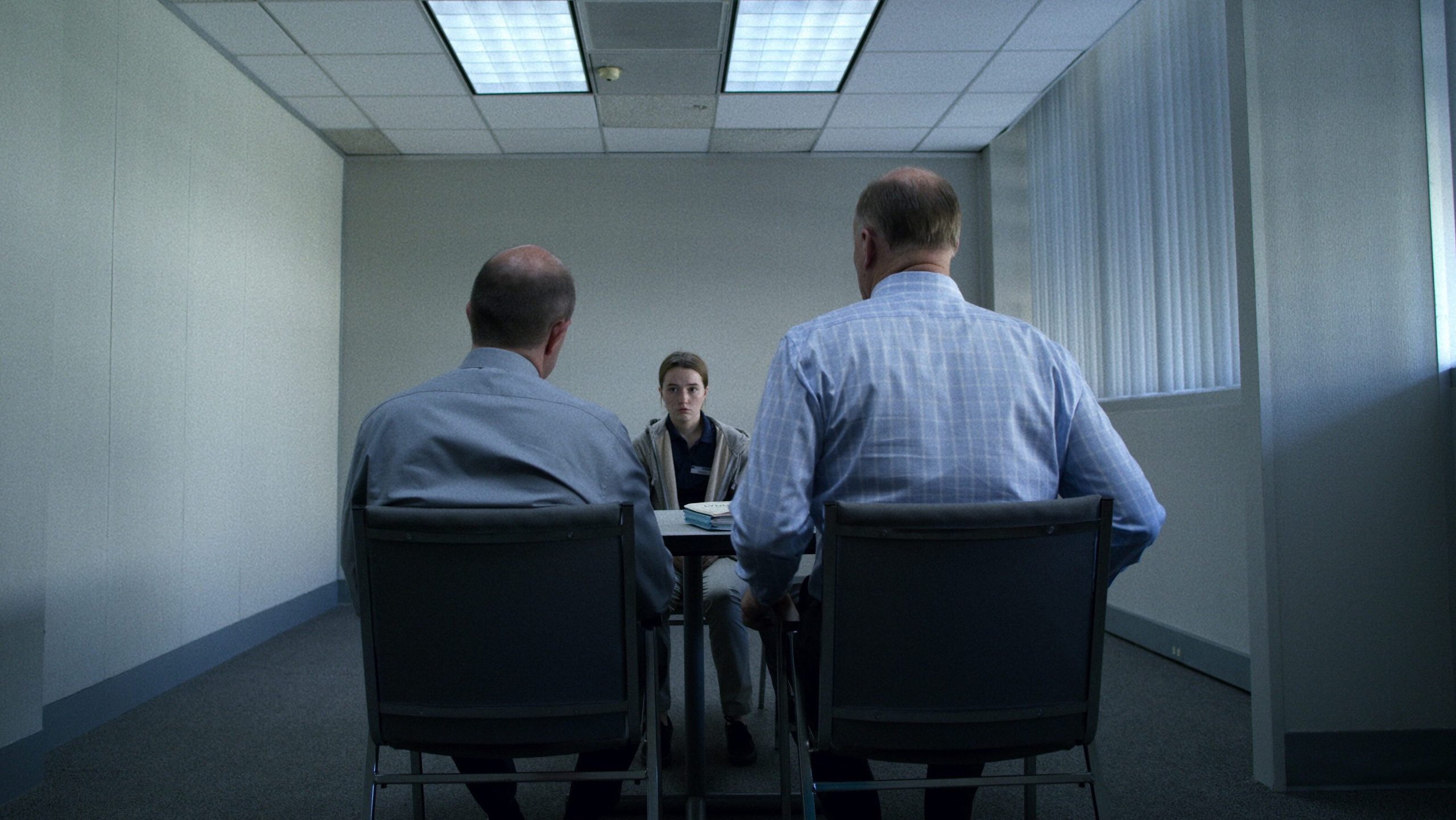
Unbelievable opens on a young woman on a sofa with a blanket round her, waiting to tell a stranger what has happened, and then makes her tell it again, and again. Marie Adler (Kaitlyn Dever) is eighteen, not long out of foster care, living in a supported housing block in Lynnwood, Washington, in 2008. A man in a mask has broken in during the night, tied her with her own shoelaces, raped her and photographed her. She tells a patrol officer, then a detective, then a nurse, then the detective again. Susannah Grant’s eight-part series, drawn from a real case, spends most of its first hour on that repetition, and that hour is the best thing in it. We recommend it, with one caveat: the second half is a fine police drama, and the first episode is something rarer.

Grant directs alongside Lisa Cholodenko and Michael Dinner, and three cinematographers, Quyen Tran, Xavier Grobet and John Lindley, share the eight episodes. The Lynnwood material is kept grey and flat: overcast car parks, strip-lit corridors, a hospital before the day has started. The assault is never played as a scene. It arrives in fragments a second long, a blade, a shoelace, a camera flash, and editors Jeffrey M. Werner and Keith Henderson drop them into the interviews without warning, so we get the attack the way Marie gets it, as an intrusion. The forensic examination is swabs, photographs and a ruler held against a bruise, and nothing is lit for effect. Will Bates’s score, mostly a low held tone, stays under the picture.

Then the doubt starts. Judith (Elizabeth Marvel), one of Marie’s former foster mothers, sees her laughing on the phone the next day and rings the detective to say something feels off. Colleen Doggett (Bridget Everett), another foster mother, is warmer and no more use. The scene in which two tired detectives list the details that do not quite match and ask Marie whether it is possible none of it happened made us angrier than television usually manages, and nobody in it raises his voice. The men are not monsters, just tired, and they have decided. Marie gives them the answer they want.

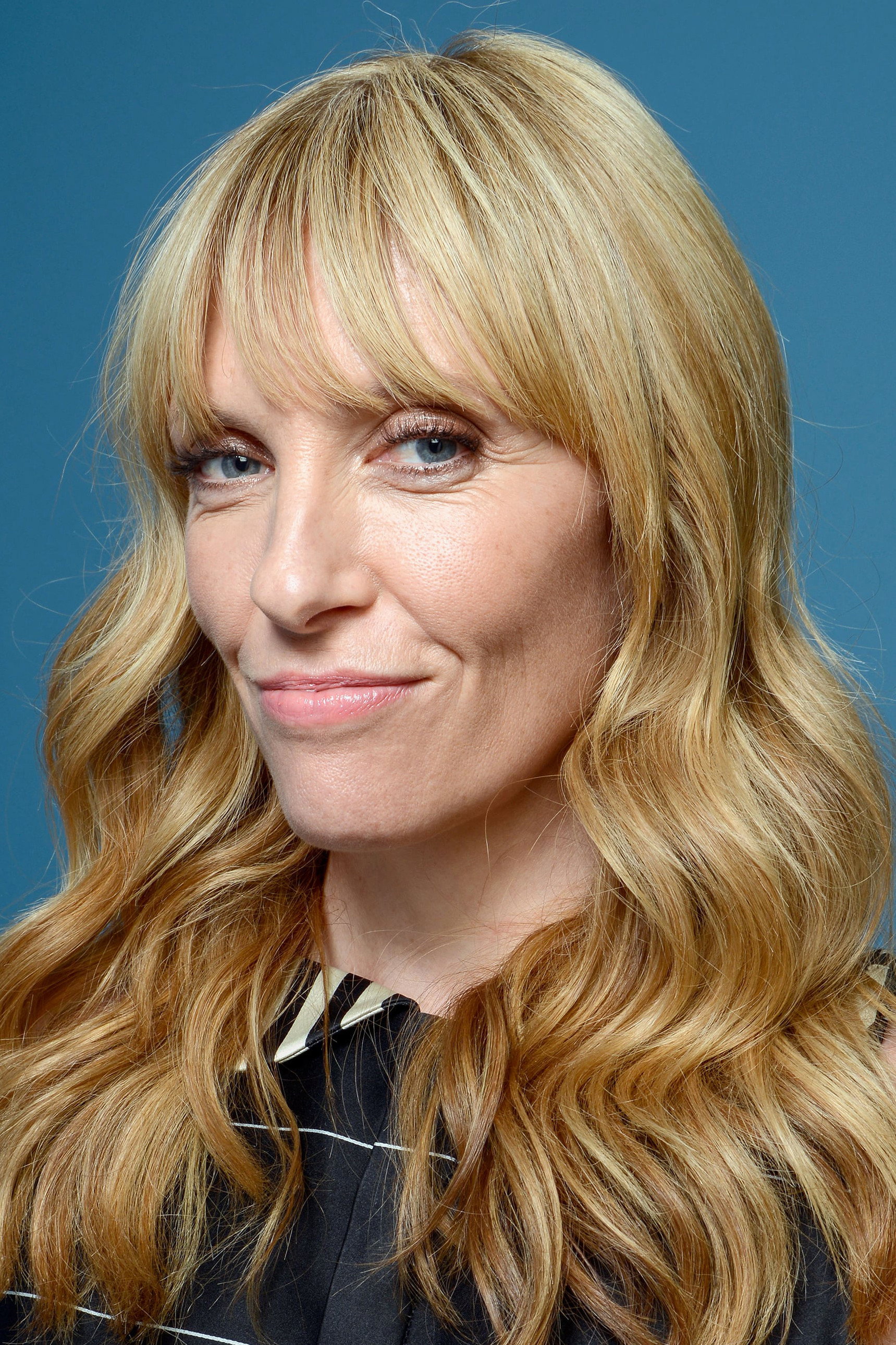
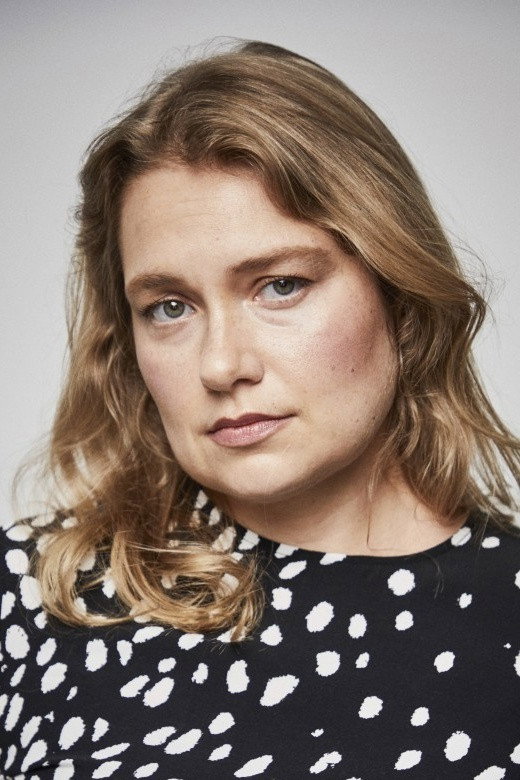
Three years later and in another state, Detective Karen Duvall (Merritt Wever) is called to a flat in Colorado where a student has been raped by a masked man who took photographs. Her interview is the first episode played back with decency restored: she tells the woman she can stop whenever she likes, explains each step before she takes it, and writes down what she is told. Then Detective Grace Rasmussen (Toni Collette), with a similar case in the next jurisdiction, turns up with the manner of someone who assumes you are wasting her time. Wever plays Duvall watchful and easily hurt; Collette plays Rasmussen loud and permanently in a hurry. They are written as an odd couple, the careful one and the brusque one, and both are good enough to get away with it. Julie Berghoff’s production design gives Marie a flat of pale plywood and donated furniture, and the detectives squad rooms with sunlight in them.

The flaws are in the middle. Around the fifth episode the Colorado strand settles into whiteboards, database searches and meetings about jurisdiction, and we noticed we had become comfortable, which is not what the series is for. Brooke Smith, as the therapist Dara Kaplan, is given scenes that explain what Dever’s face has already told us. Eight hours could have been seven. And the argument is a little too clean: the Colorado detectives get right everything the Lynnwood ones got wrong, and life is seldom so tidy with its lessons.

What keeps pulling it back is Dever. Marie is not written to be liked. She is sullen, she lies about small things, she laughs at the wrong moment, and the series understands that this is exactly why she was not believed. Each time she tells the story it gets shorter and flatter, until she is reciting, and Dever makes us hear the difference. The moment when she looks at Judith and sees the doubt arrive moved us more than we expected, because she registers it and puts it away, as if she has seen that look before and knows what follows.

It carries an 18 certificate and earns it while showing almost nothing. Watch the first episode on its own and stop. Then decide whether you can take the other seven in a run. We took two nights over them and were glad of the gap.
Critical consensus AI synthesised

87
Positive
12
Mixed
0
Negative
0

The reviews are unanimous. All twelve are positive, and the praise gathers in two places: the restraint with which the series handles rape, declining graphic reconstruction and refusing to put a male detective at the centre, and the performances. Kaitlyn Dever’s Marie is named most often, with Merritt Wever and Toni Collette close behind as the two investigators whose patience is set against the doubt Marie meets. Several critics also credit the writing for its interest in process, in how a case is built or broken by the questions asked in the first hours.

The spread is narrow, running from good to exceptional, and nobody dissents on the whole. The reservations are small. Variety finds parts of the portrayal of the justice system troubling, and The Guardian is the most measured of the twelve, admiring the refusal of voyeurism without joining the raves. The Telegraph warns that the first episode is brutal to sit through, though it thinks the difficulty is earned.

The i Paper
12 September 2019 · ★★★★★ · Sarah Carson
100

The critic calls the series an excellent, important and relentlessly bleak depiction of rape reporting that powerfully examines institutionalised misogyny and the fragility of survivors without exploiting violence or centering a male detective. It singles out Kaitlyn Dever’s intimate, sensitive performance as Marie for particular praise.

Read the full review →
The Telegraph
13 September 2019 · ★★★★★
100

The first episode is some of the most brutal and harrowing television, showing how the system fails victims through invasive questioning and doubt, based on a true story. It deals with complex issues in a considered way without sensationalism, highlighting why victims must be taken seriously.

Read the full review →
Vulture
13 September 2019
90*

The review calls Unbelievable a radical and exceptional crime series that prioritizes victims and the impact of compassionate versus dismissive treatment by police. It singles out the grounded performances by Kaitlyn Dever, Merritt Wever, and Toni Collette, along with the humanist, low-key feminist tone set by the directors and writers.

Read the full review →
Variety
3 September 2019 · Daniel D'Addario
85*

The critic finds the series soars as a humanistic document of trauma and self-worth with a plainspoken virtue; it praises Kaitlyn Dever’s crystalline performance highly while noting some troubling aspects in the justice portrayal. It singles out the focus on one individual ground up by the system.

Read the full review →
Radio Times
9 September 2019 · Flora Carr
80*

The review finds the series enraging in its portrayal of police mistakes that enabled a serial rapist while contrasting victim treatment; it praises the sensitive, non-gratuitous approach that avoids graphic sexualisation. It singles out Merritt Wever’s standout empathetic performance as detective Karen Duvall.

Read the full review →
The Hollywood Reporter
10 September 2019 · Daniel Fienberg
80*

The critic calls it surprisingly satisfying despite bleak subject matter, praising the confident, occasionally light tone, smart crafting, narrative economy and strong ensemble performances. It singles out the focus on process, failings of the justice system and the importance of listening and believing.

Read the full review →

Cast

If you liked this, try…

Prime Suspect poster

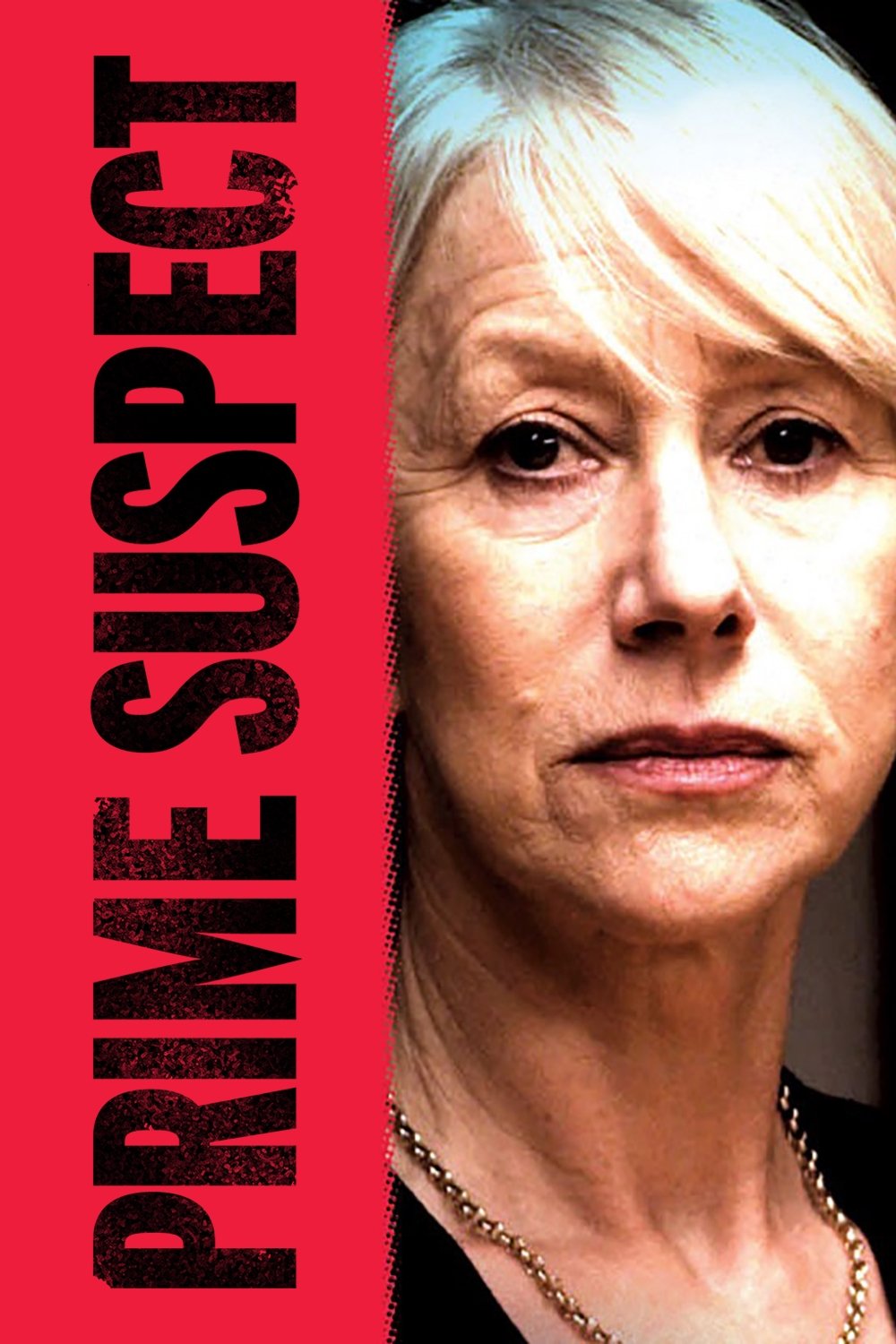
Prime Suspect

1991 · Helen Mirren’s Tennison works a murder while the squad room waits for her to fail.

Top of the Lake poster

Top of the Lake

2013 · Jane Campion’s detective, a missing girl and a lakeside town that would rather not know.

Zodiac poster91

Zodiac

2007 · Fincher’s account of a case that grinds down everyone who touches the files.

I May Destroy You poster88

I May Destroy You

2020 · Michaela Coel on the year after an assault, funny and precise where you least expect.

Spotlight poster85

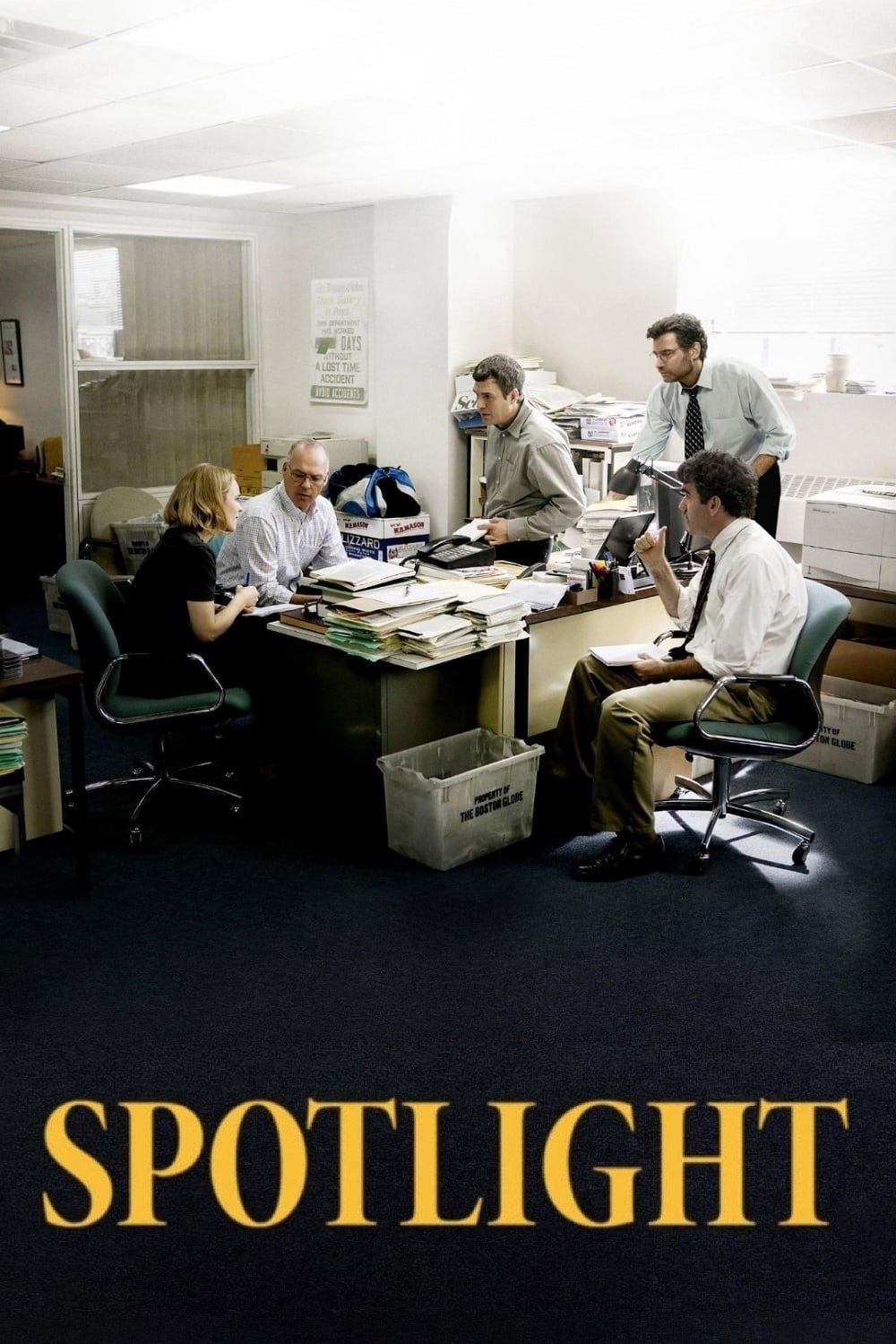
Spotlight

2015 · Reporters, filing cabinets and an institution that decided long ago not to listen.