Tom McCarthy’s newsroom drama turns painstaking reporting into absorbing cinema, with patient, attentive performances across the cast. The explanatory dialogue can be heavy, but its treatment of abuse and institutional complicity is careful and deeply upsetting.
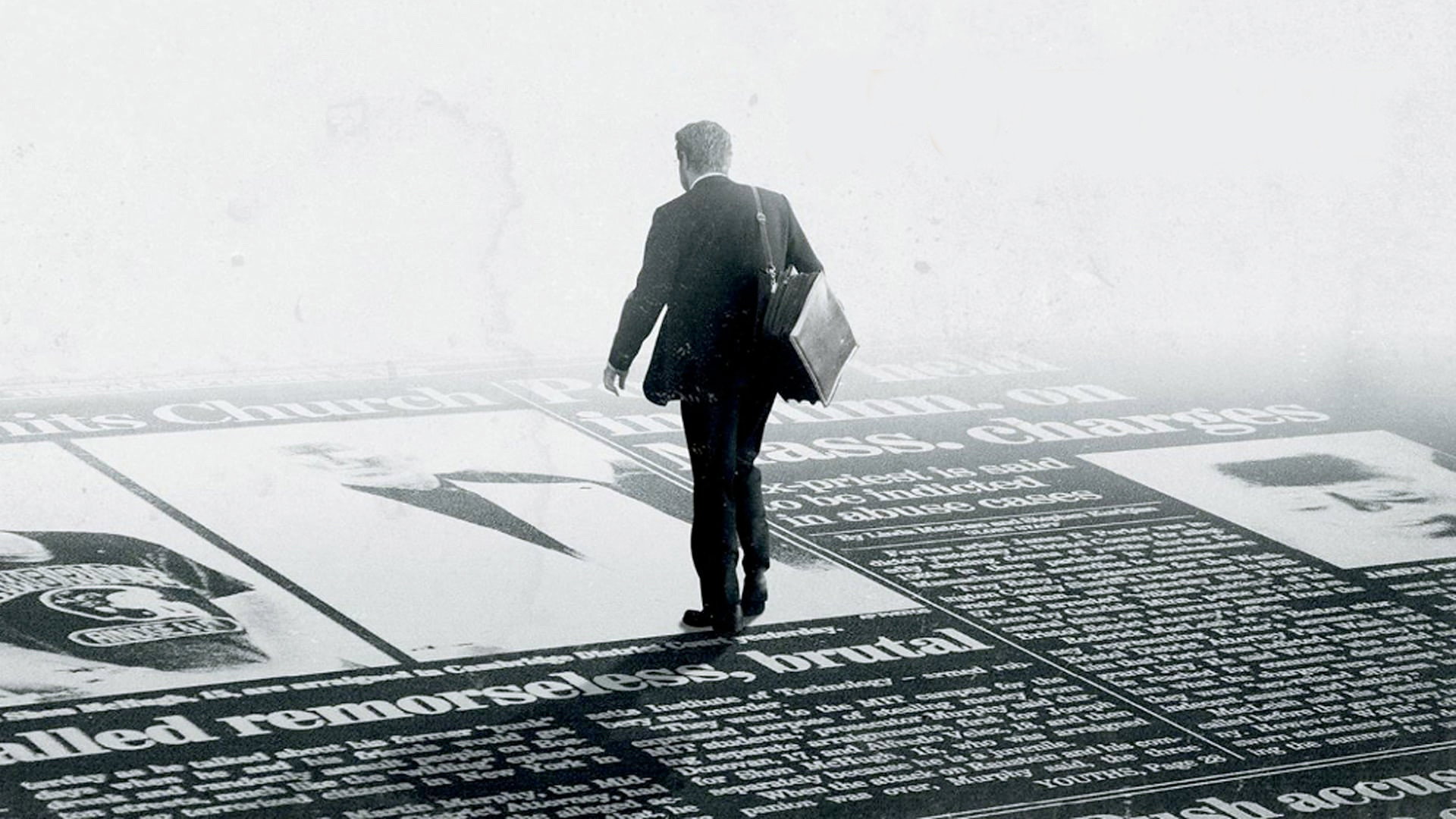
Spotlight is a gripping film about people taking the time to get a story right. Tom McCarthy directs the Boston Globe investigation into Catholic Church child abuse as a process of patient work, with little interest in making the reporters look glamorous. The screenplay, by McCarthy and Josh Singer, understands that checking what can be proved is difficult enough to sustain a drama. It trusts us to care about the work before asking us to admire the people doing it.
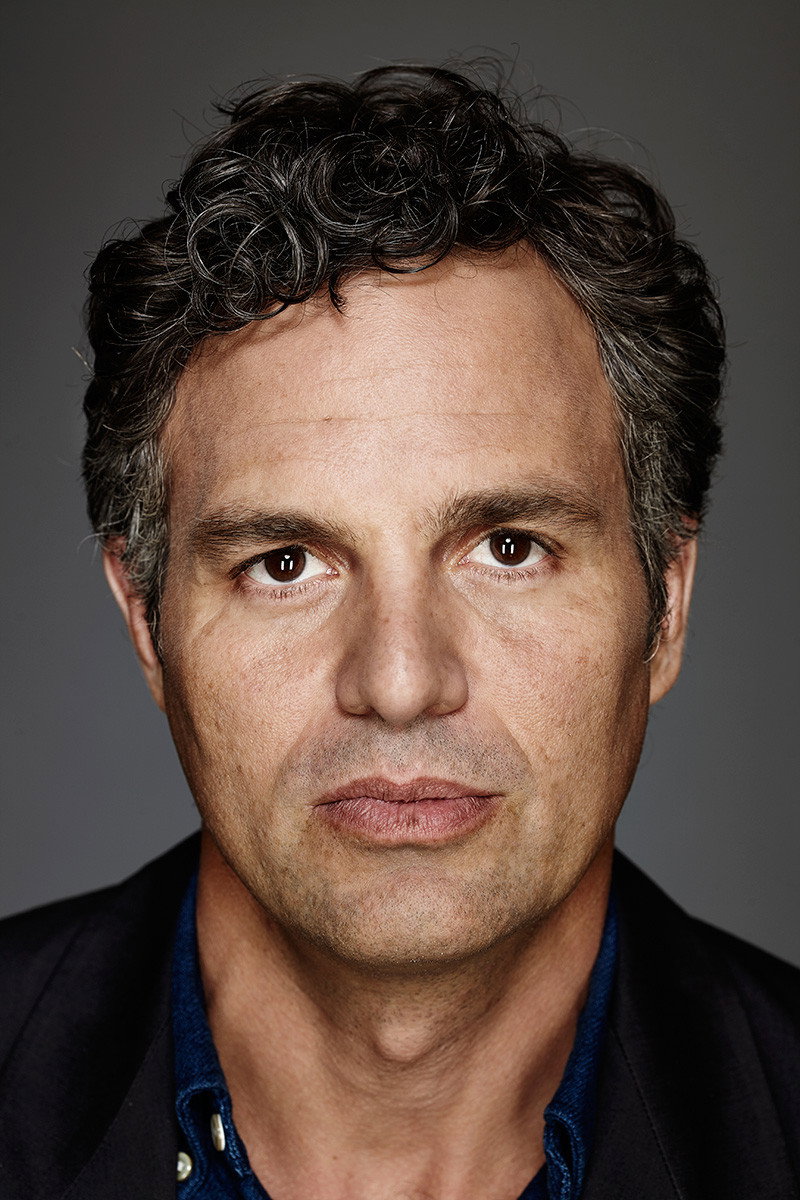
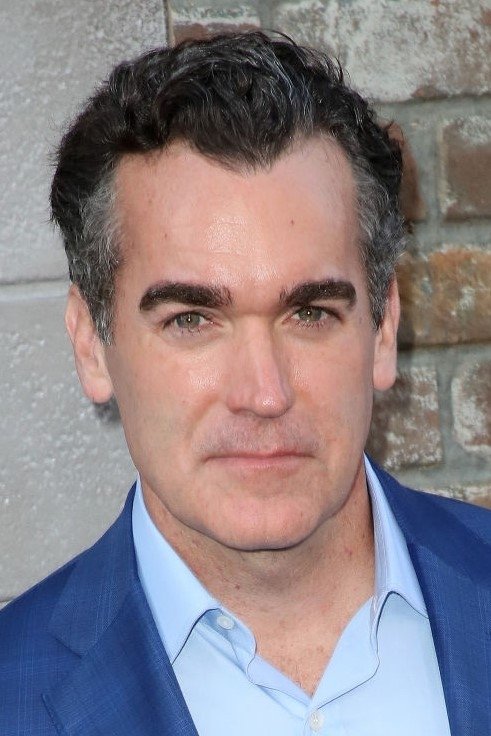
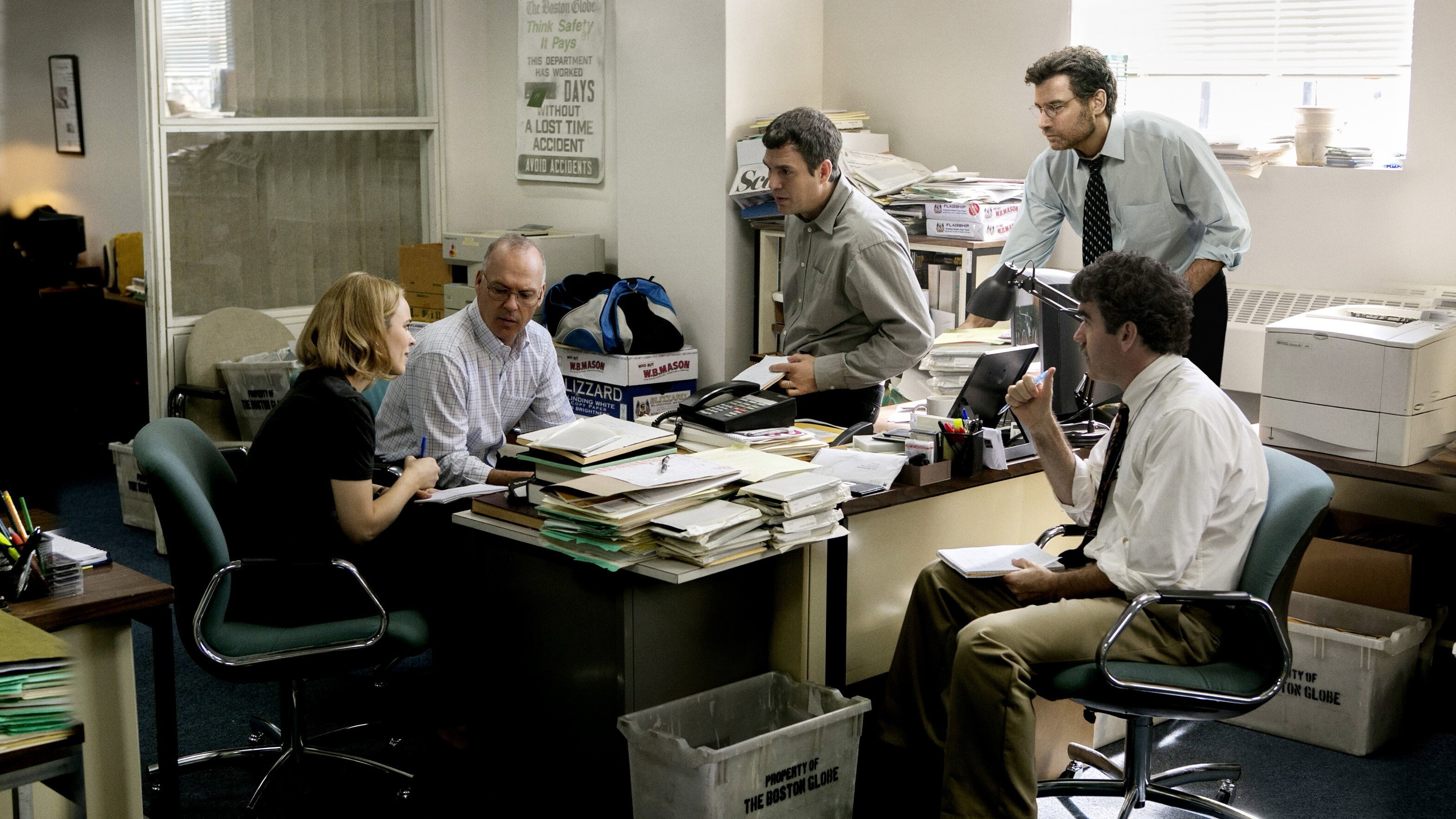
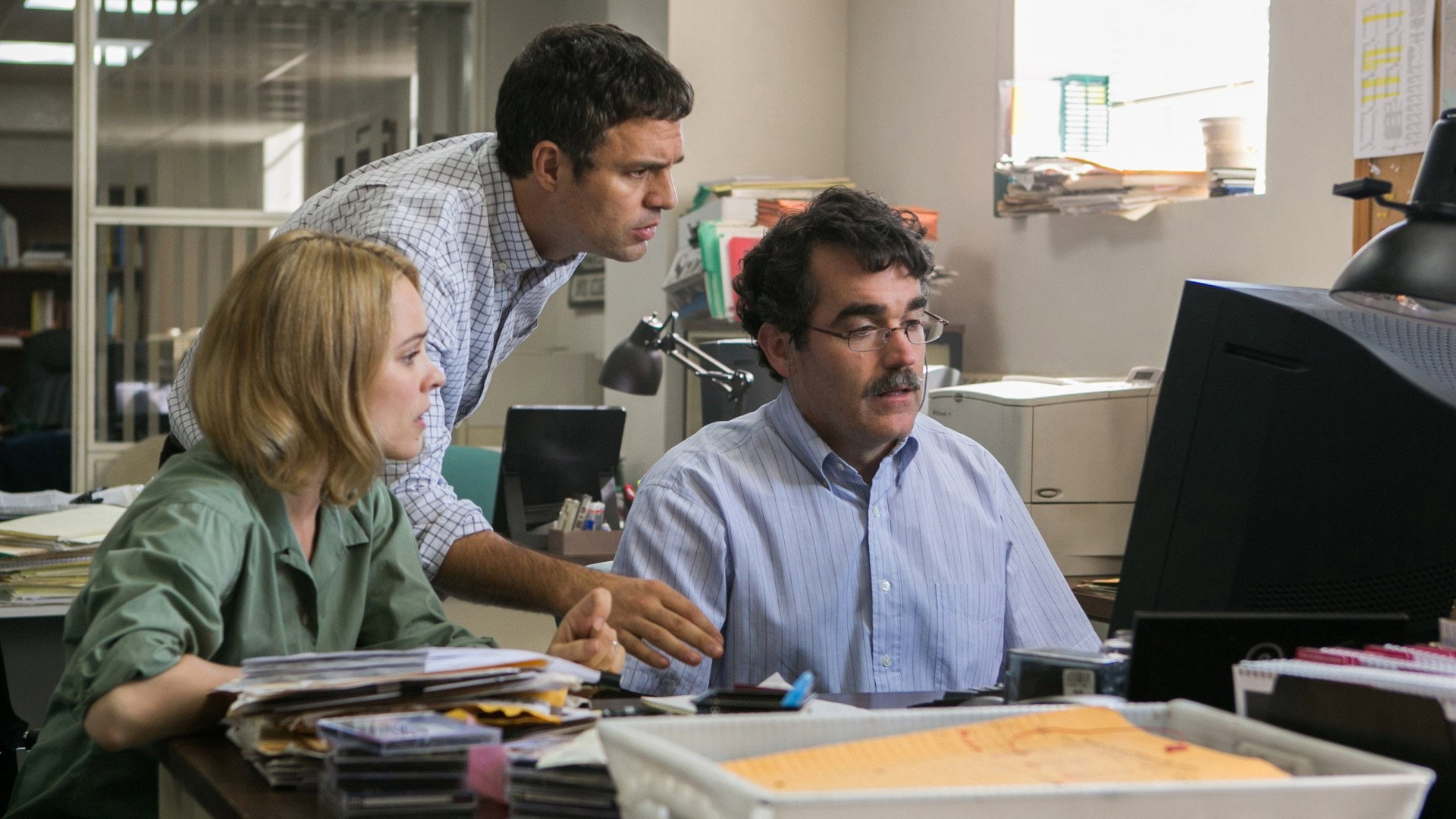
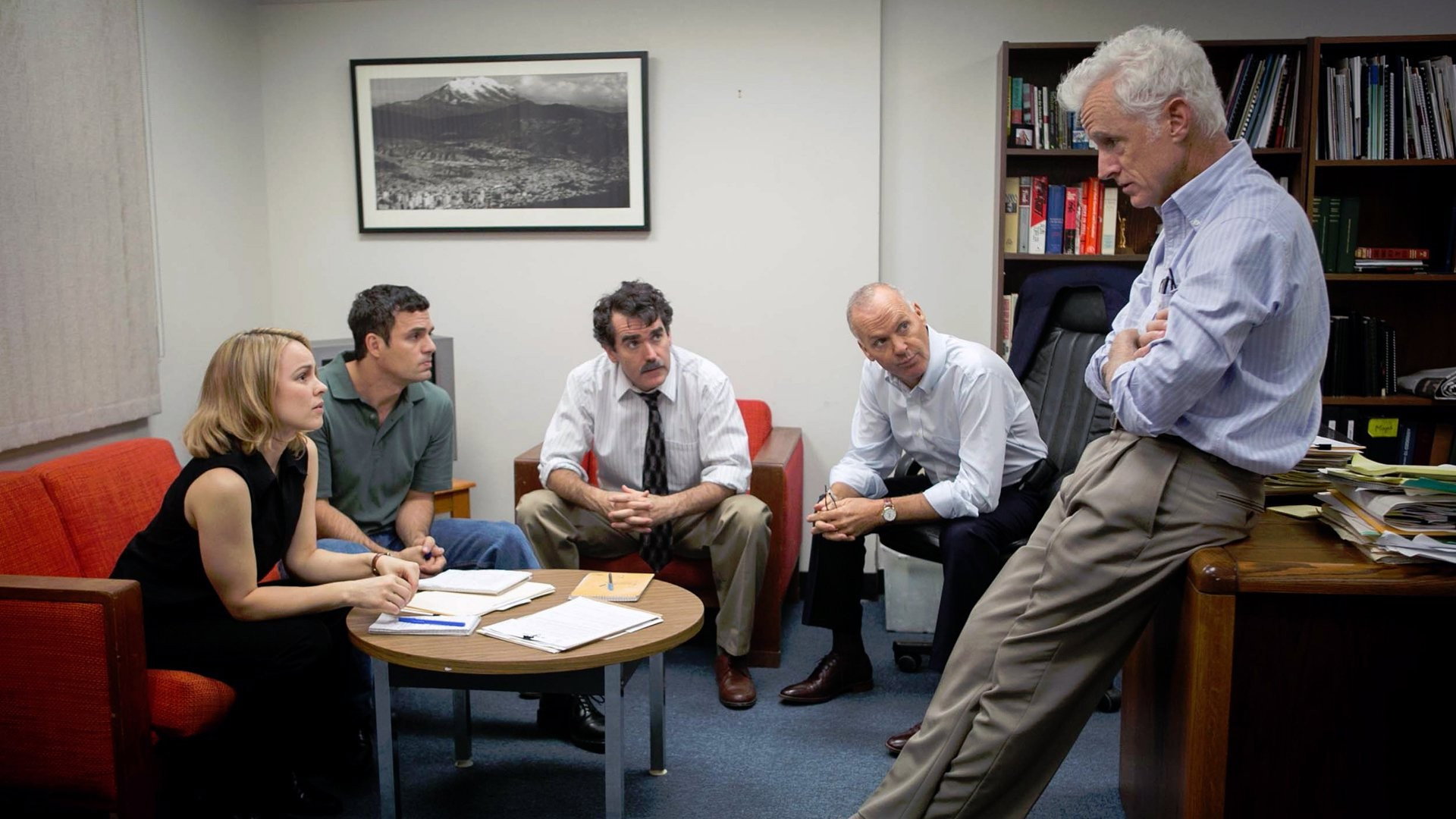
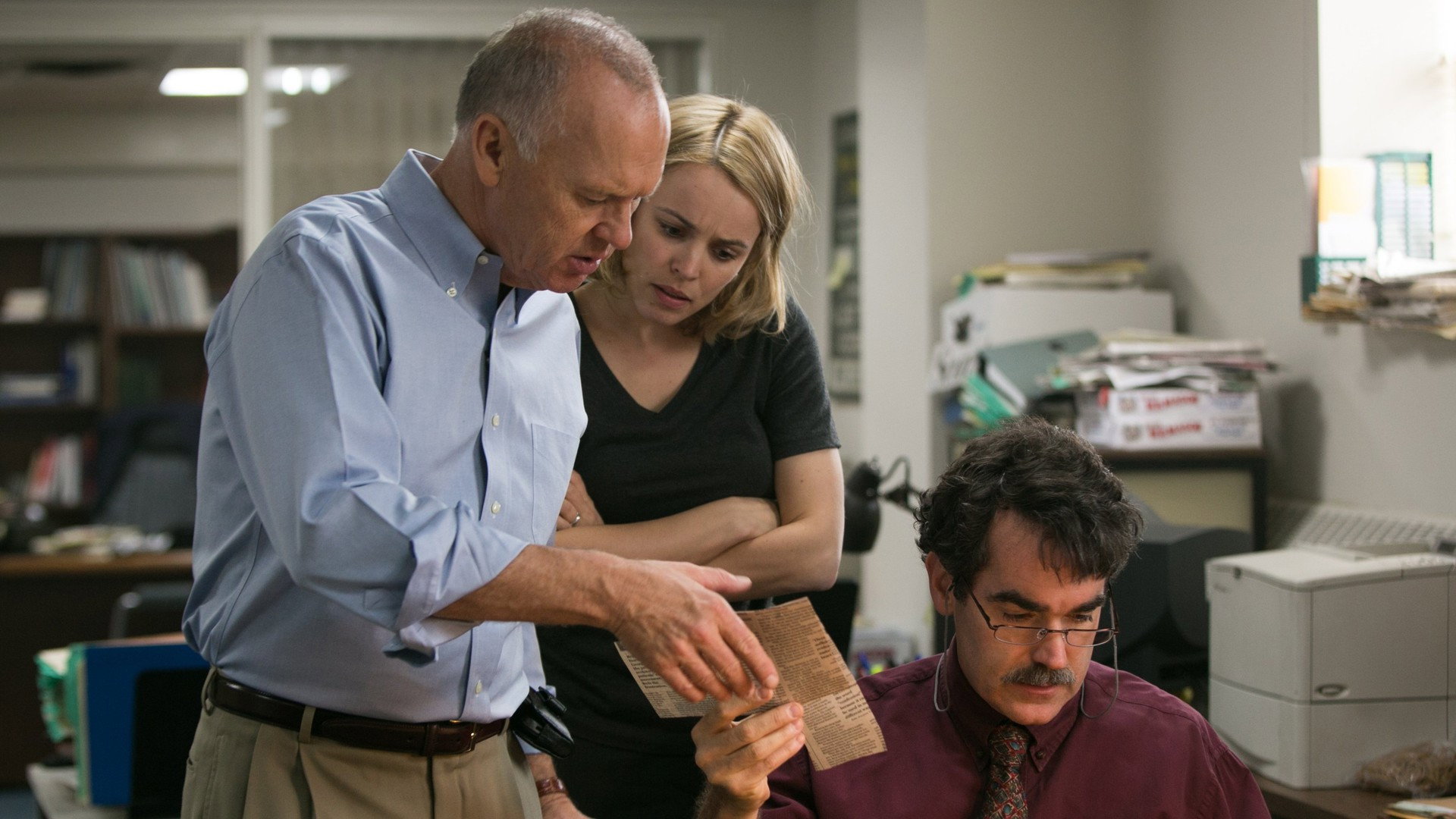
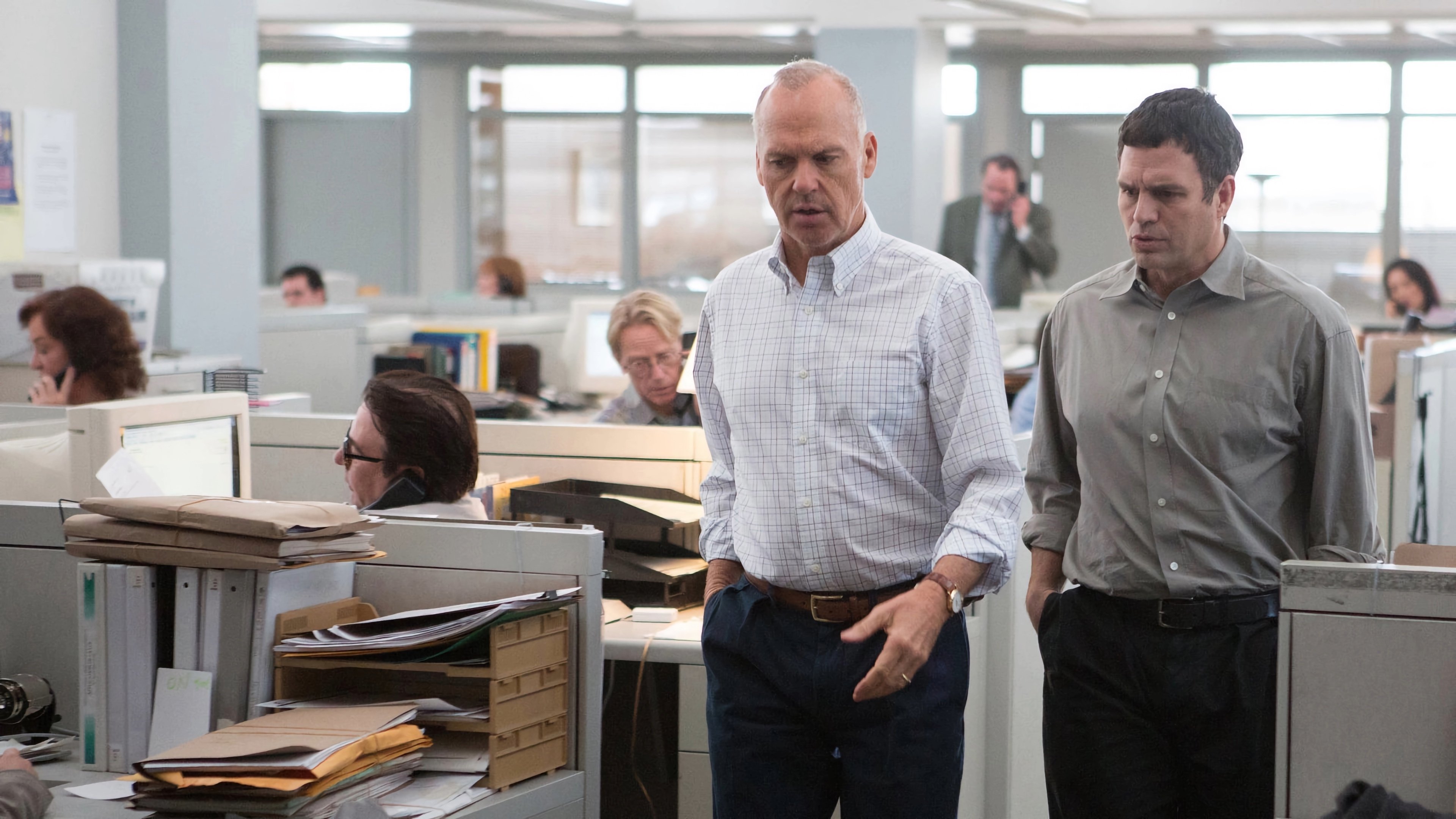
Michael Keaton gives Walter ‘Robby’ Robinson a settled authority that makes the ensemble feel like colleagues rather than stars taking turns. Mark Ruffalo’s Michael Rezendes supplies more visible urgency, and the difference usefully disturbs that professional calm. Rachel McAdams, as Sacha Pfeiffer, makes listening feel active; her attention gives the people speaking a reason to continue. Brian d’Arcy James, as Matt Carroll, helps make the team’s collective effort convincing, without needing a separate occasion to impress us.
That restraint matters most when the newspaper itself comes under scrutiny. We were horrified by the quiet conversations between church and newspaper leaders, because the protection of power looks so routine. McCarthy gives these exchanges the same sober attention as the reporting, making the newspaper’s place in the city uncomfortable to consider. The film allows us to value the journalists’ persistence while questioning how their profession helped leave the abuse unchallenged.
Masanobu Takayanagi’s cinematography keeps the conversations visually undemonstrative, so that we concentrate on what is being said. Stephen H. Carter’s production design gives the reporting an ordinary workplace, which helps the actors look as though they belong there. There is a cost to this discretion, though, and we occasionally wanted a stronger sense of Boston beyond the investigation. Too often, the images give us little to notice while another explanatory conversation takes over.
Tom McArdle’s editing does the harder job of keeping a dense investigation legible without making it feel simple. Even photocopying acquires suspense, because the film has made us understand why the material matters. Howard Shore’s score helps maintain the sober mood, though the performances already establish it so securely that the music feels less necessary. At 129 minutes, the film needs this steady movement, and the accumulation of information generally justifies the time it takes.
The main weakness is the dialogue’s duty to keep everyone informed, including us. McCarthy and Singer sometimes let an exchange become a briefing, with too little room for a person to exist beyond the information they carry. The cast makes these passages tolerable, but cannot entirely disguise the script arranging its evidence. Anyone allergic to newspaper procedurals will find few concessions here: much of the pleasure lies in following a complicated job being done carefully.
Among newspaper dramas, Spotlight is unusually willing to question the institution whose work it celebrates. That keeps the earnestness from settling into self-congratulation, and it makes the reporters’ persistence more affecting. We recommend it for the seriousness with which it treats both the abuse and the obligation to establish what happened. Give it an evening when you can listen properly, and do not expect the work to make the subject any easier to bear.