Jared Hess gets some of his own oddness into a hundred minutes of shouting, and Jason Momoa is funnier than anything written for him. But a game about building whatever you like has been turned into a film that builds it for you, and it looks like it.
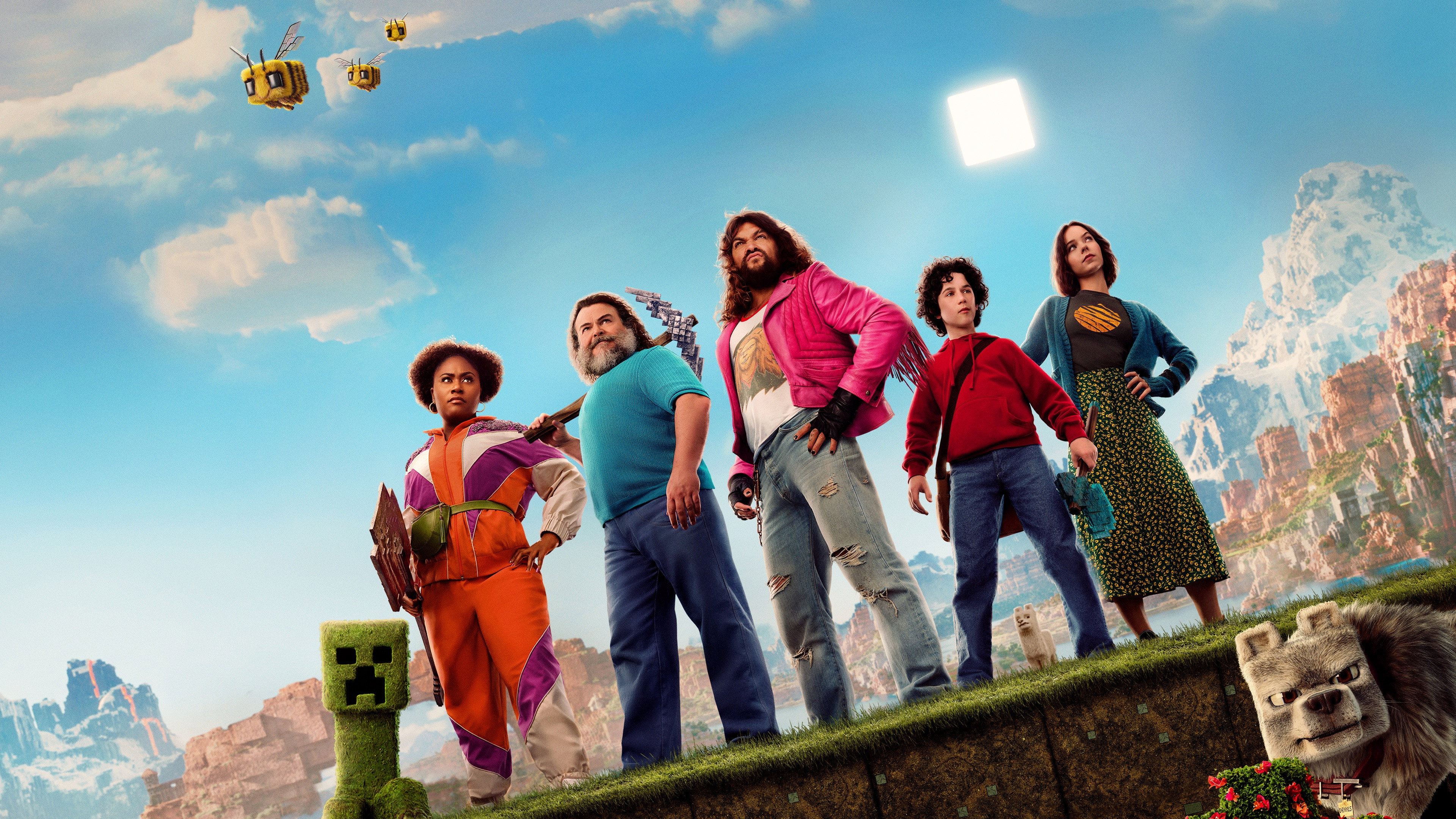
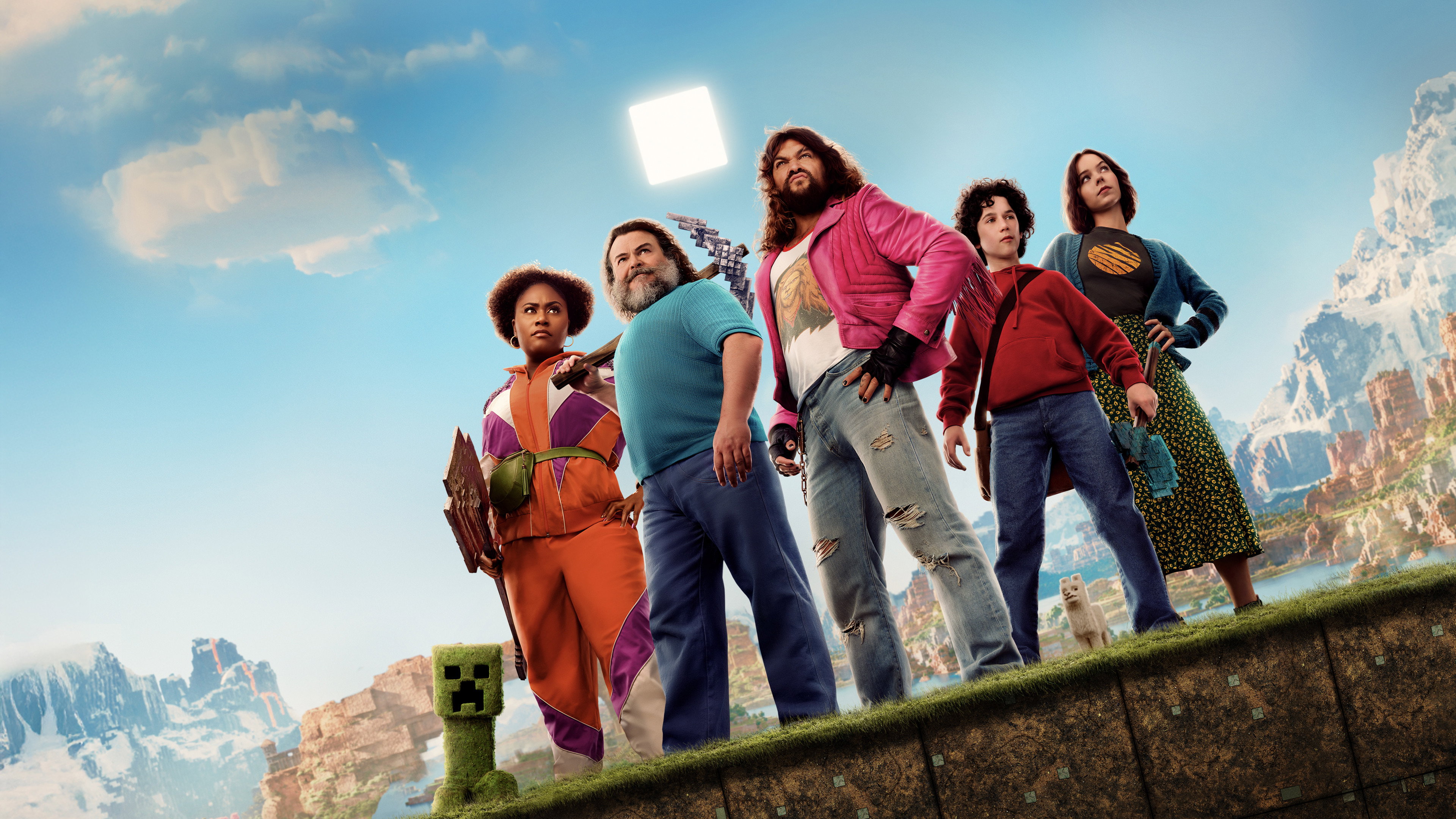
Jared Hess, who made Napoleon Dynamite, has been handed a game with no story and asked to find one, and the credits tell you how that went: five names on the screenplay and three on the story. What they arrived at is a portal film. Garrett (Jason Momoa), a former arcade champion who has never got over it, runs a failing games shop in a small Idaho town. Henry (Sebastian Eugene Hansen) and his older sister Natalie (Emma Myers) have just moved in, and Dawn (Danielle Brooks) is the estate agent who found them the house. A glowing cube in Garrett’s shop opens a door into the Overworld, where everything is a block and where Steve (Jack Black) has been living, building and shouting for years. It lasts 101 minutes and is louder than most things twice its length.
Momoa is the reason to stay. Amanda Neale has put him in a pink fringed leather jacket and tight jeans, and he plays Garrett as a man who has looked in a mirror every morning of his adult life and liked what he saw. We laughed, out loud and without much dignity, at his first fight with a piglin: a very large man in fringe, squealing, losing. He is the only actor here who understands that the joke is on him. Jennifer Coolidge’s Vice Principal Marlene gets a strand back in Idaho that has nothing to do with anything, and it is the second-funniest thing in the film for exactly that reason.
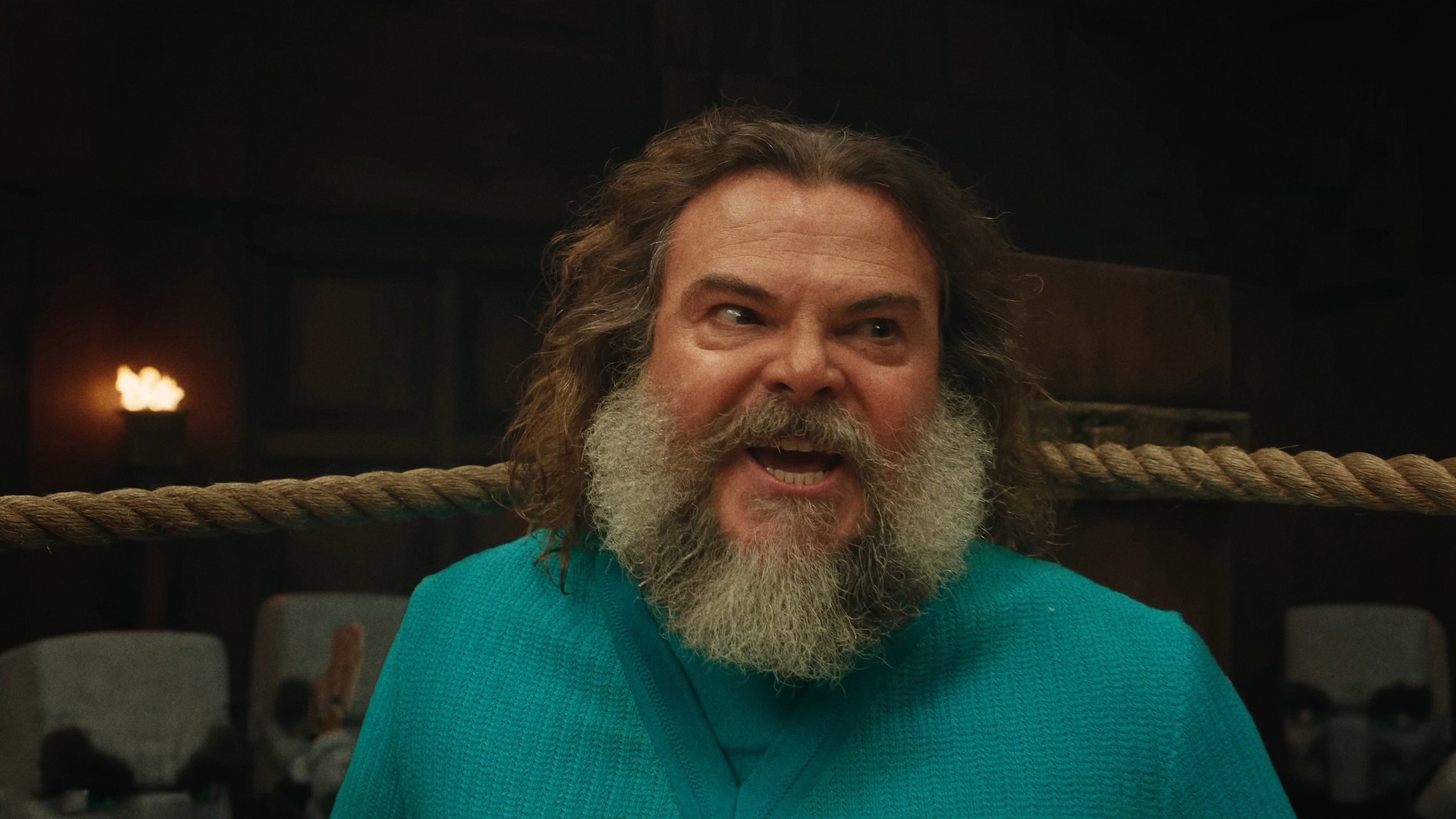
Black is a different matter. Steve is written as a man who has been alone with cubes too long, and Black plays him at full volume from his first line to his last. He names things as he sees them. He sings, more than once. For a while this is funny because it is so relentless, and then it is only relentless. By the second song we were tired, and then we were annoyed at being tired by something so short, because the same performance at half the pitch would have carried the film.
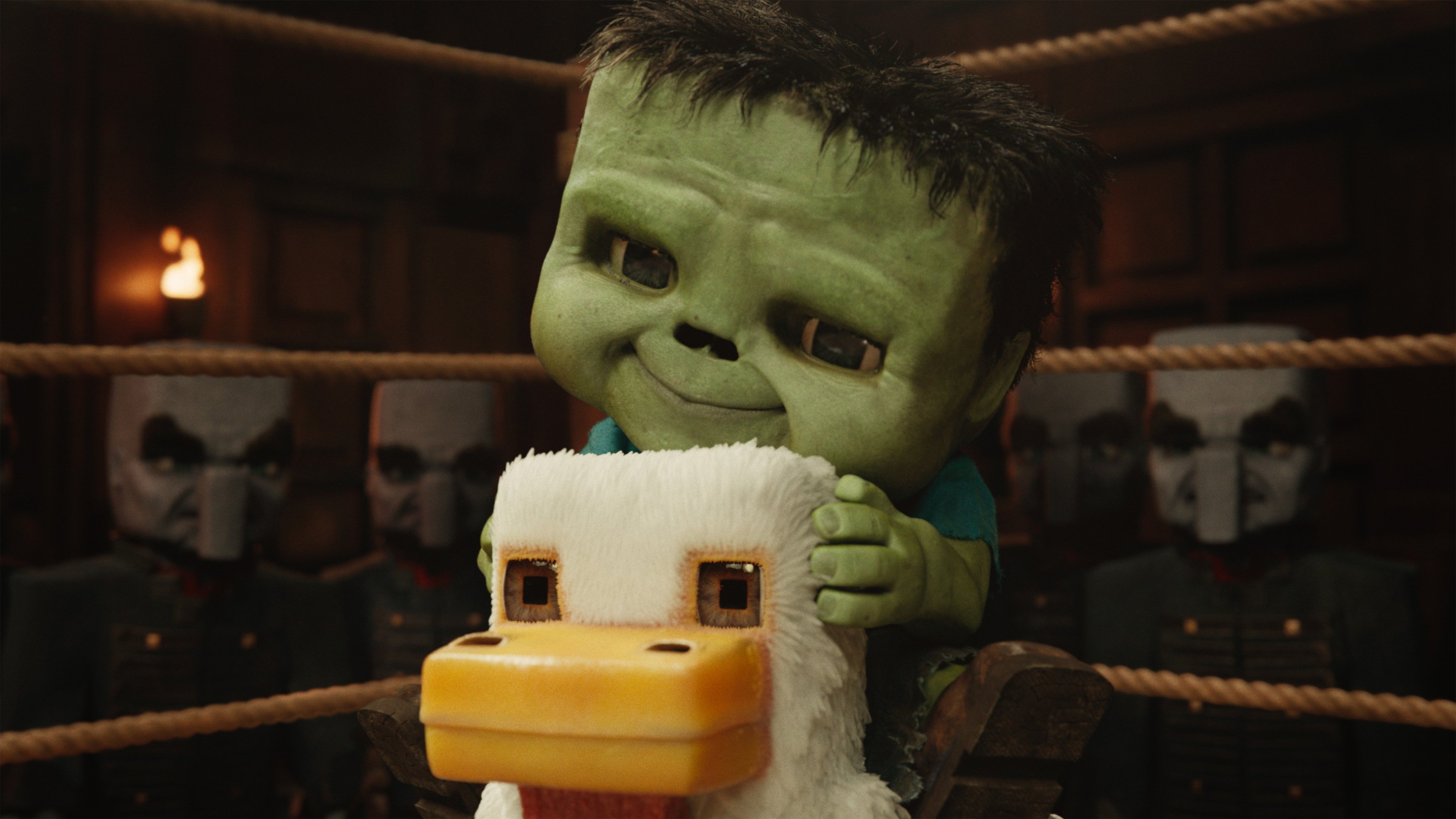
The look is the real problem. Grant Major’s production design has to make a world of cubes into something a camera can move through, and his answer is to round the edges, add fur to the sheep and a wet shine to the lava, so the Overworld is neither the flat grid children know from the game nor a place that looks real. Enrique Chediak lights it brightly and evenly, like a toy shop at noon, and nothing throws a shadow worth the name. The Nether, where Malgosha (voiced by Rachel House) keeps court, is hot pink and orange, and after ten minutes of it we wanted a darker room. James Thomas cuts the fights into short bursts of things flying at the lens, and the geography of them never settles. Mark Mothersbaugh’s score bounces along underneath and stays out of everyone’s way.
The film is about making things, and says so often, and it contains one sequence in which somebody builds something and the camera watches it go up. One. A game whose whole appeal is that it hands you the blocks and leaves you to it has become a film that never stops talking.
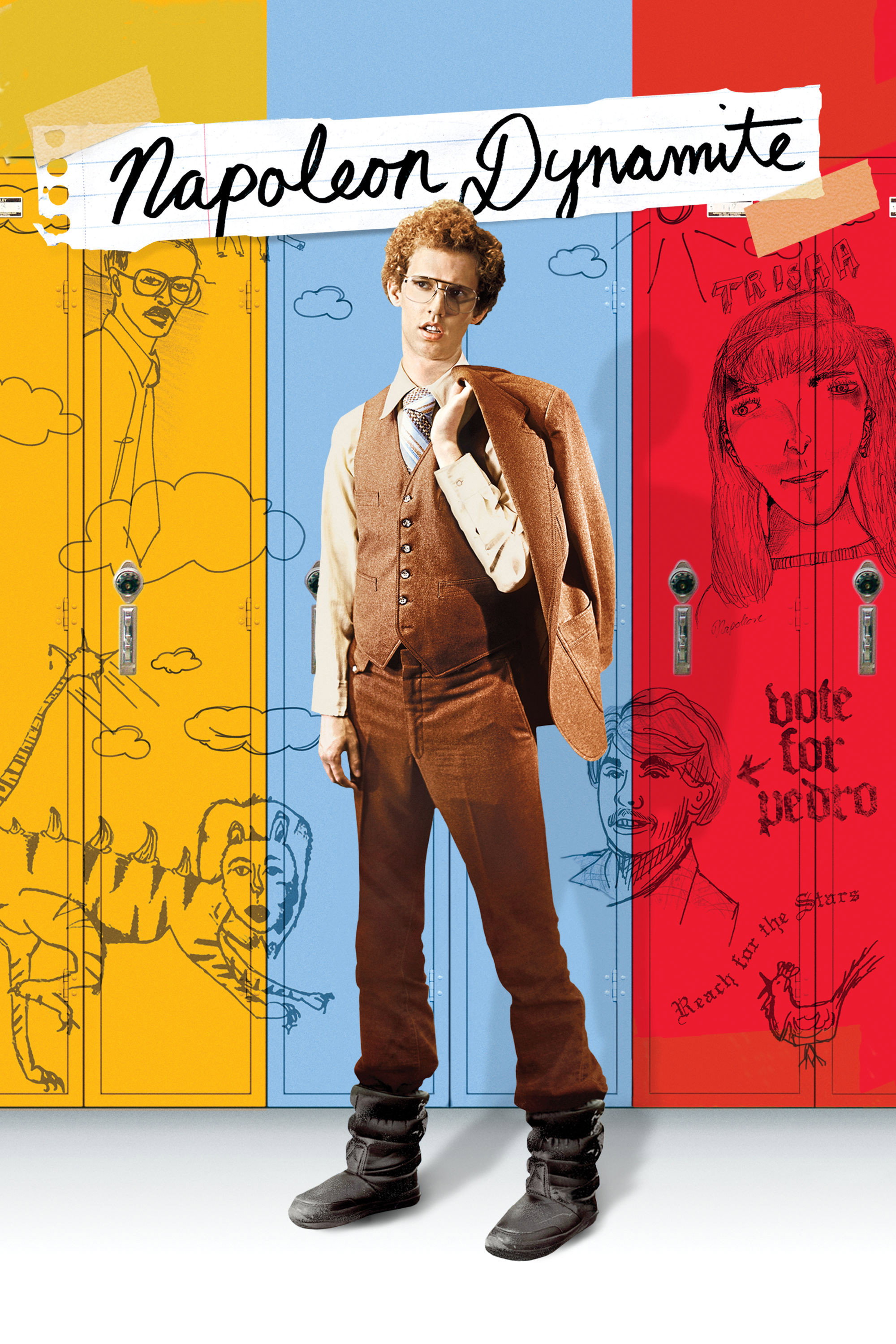
Hess’s earlier comedies, Napoleon Dynamite and Nacho Libre, were about small-town men with far more confidence than reason. Garrett is one of those, and whenever the film is in Idaho, in the shop or the school corridor, it is recognisably his. Whenever it is in the Overworld it belongs to somebody else. Most critics have split down the middle on it, and so have we: about forty minutes of a Jared Hess film and sixty of a product.
Children who know the game will be fine, and the PG is a fair certificate; the violence is slapstick and the frights are brief. Adults may find Momoa worth the ticket. At home you can turn it down, which helps more than it should.