We would recommend Ang Lee’s love story to almost anyone. Heath Ledger and Jake Gyllenhaal make hidden desire painfully convincing, though a few passages outstay their welcome.
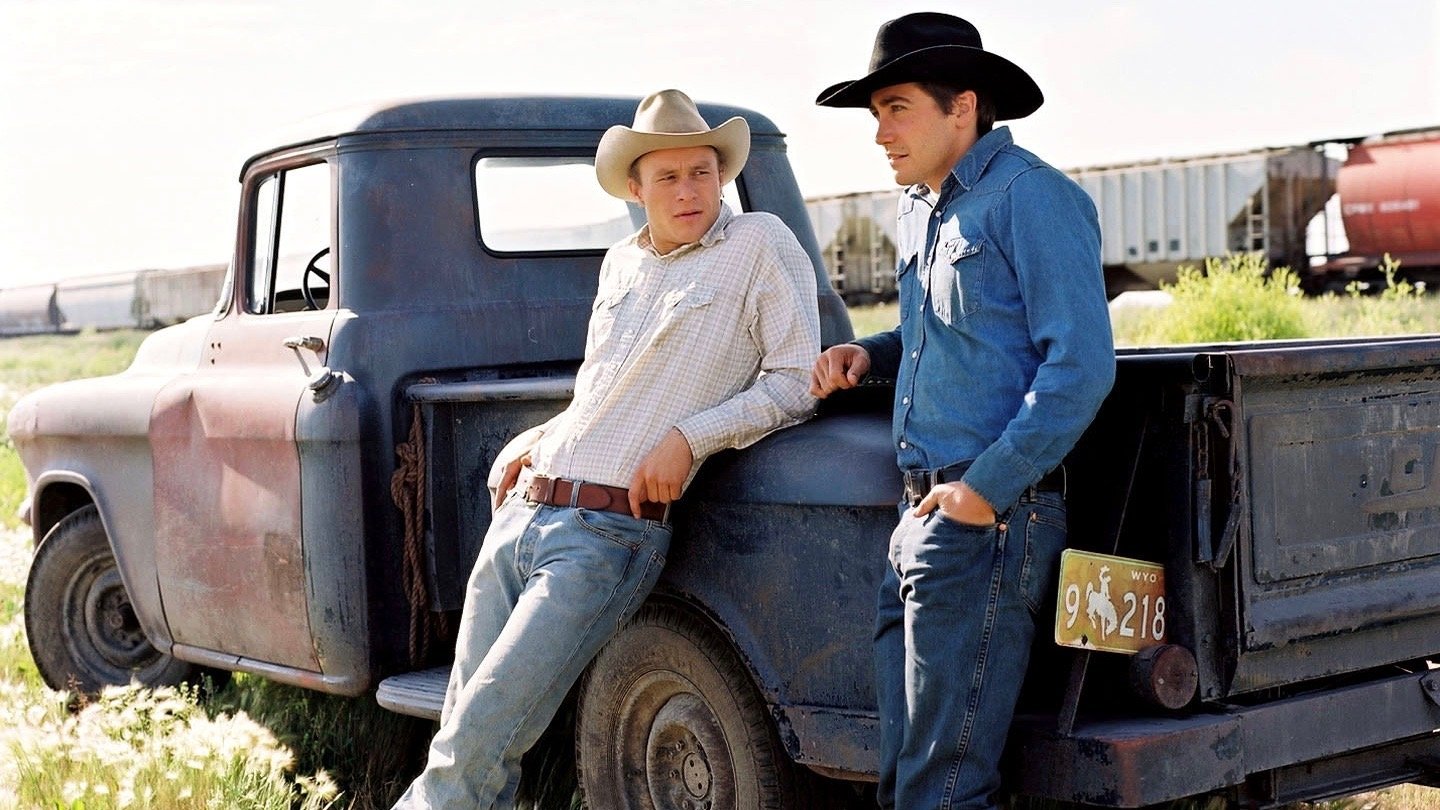
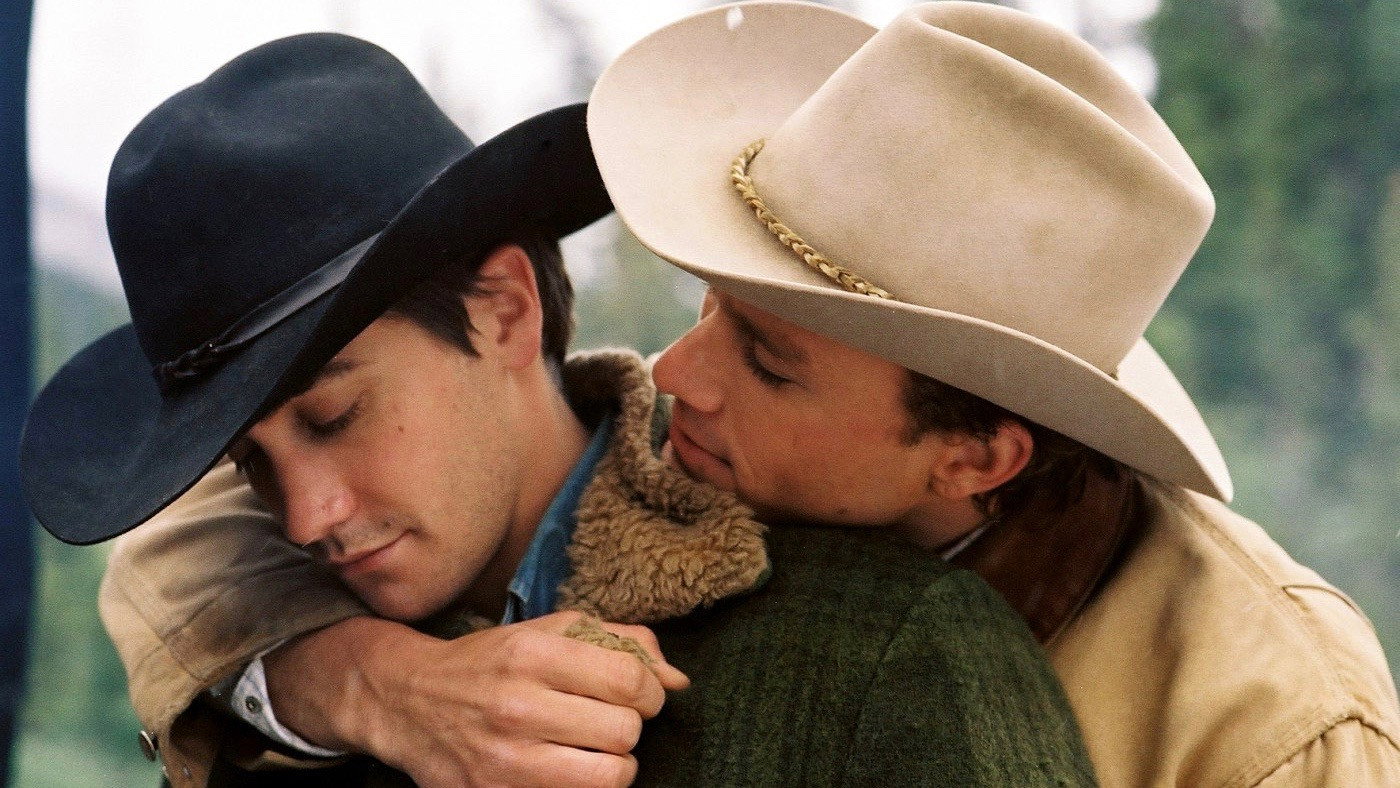
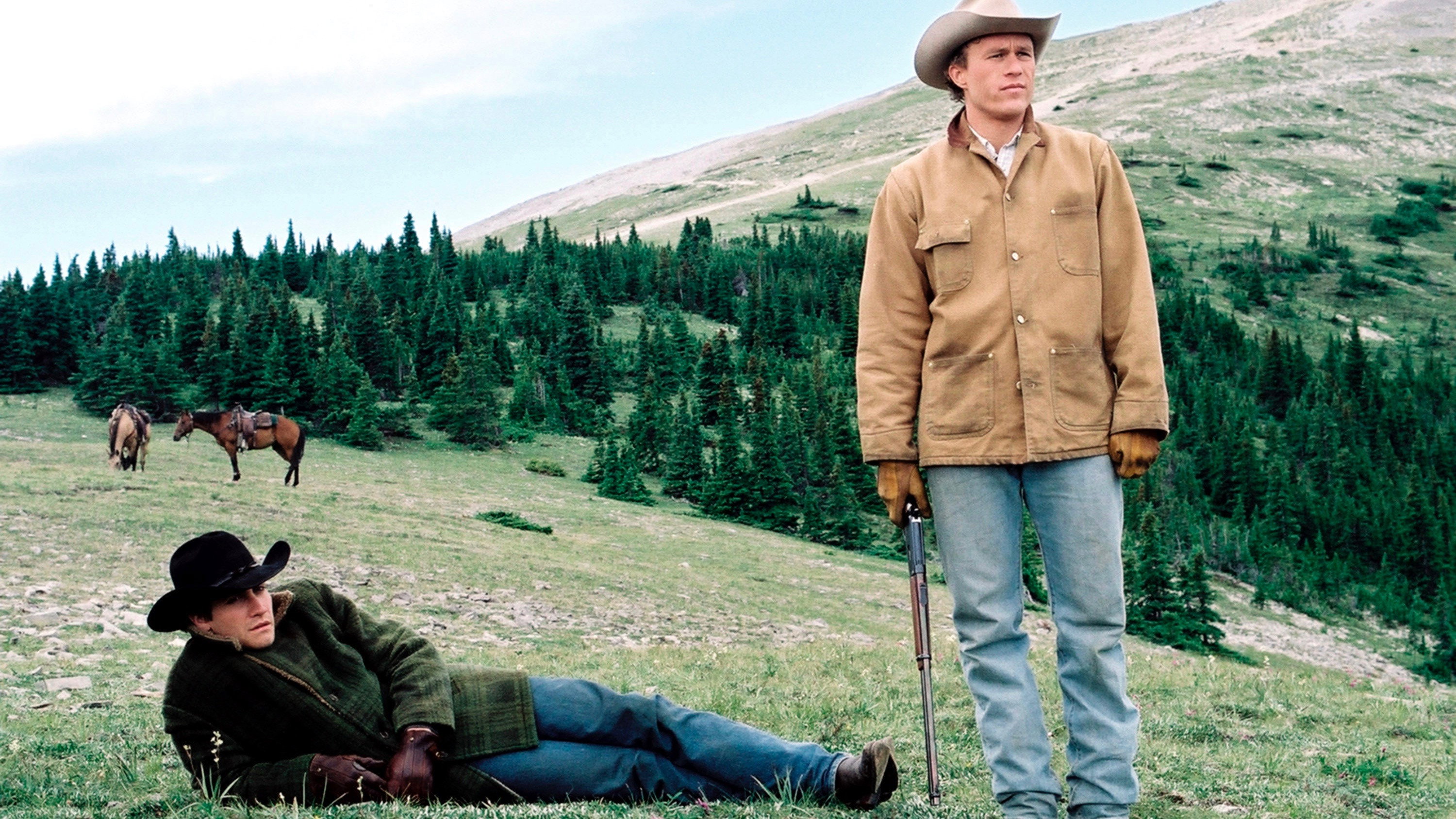
Ang Lee takes the love between two cowboys seriously enough to let it be awkward, halting and difficult to explain. Ennis Del Mar and Jack Twist struggle to understand each other, quite apart from what anyone else might think. Brokeback Mountain is an exceptionally moving romance, chiefly because Heath Ledger and Jake Gyllenhaal make those difficulties so recognisable. Lee gives their attraction time to become convincing before asking us to consider the harm that secrecy can do.
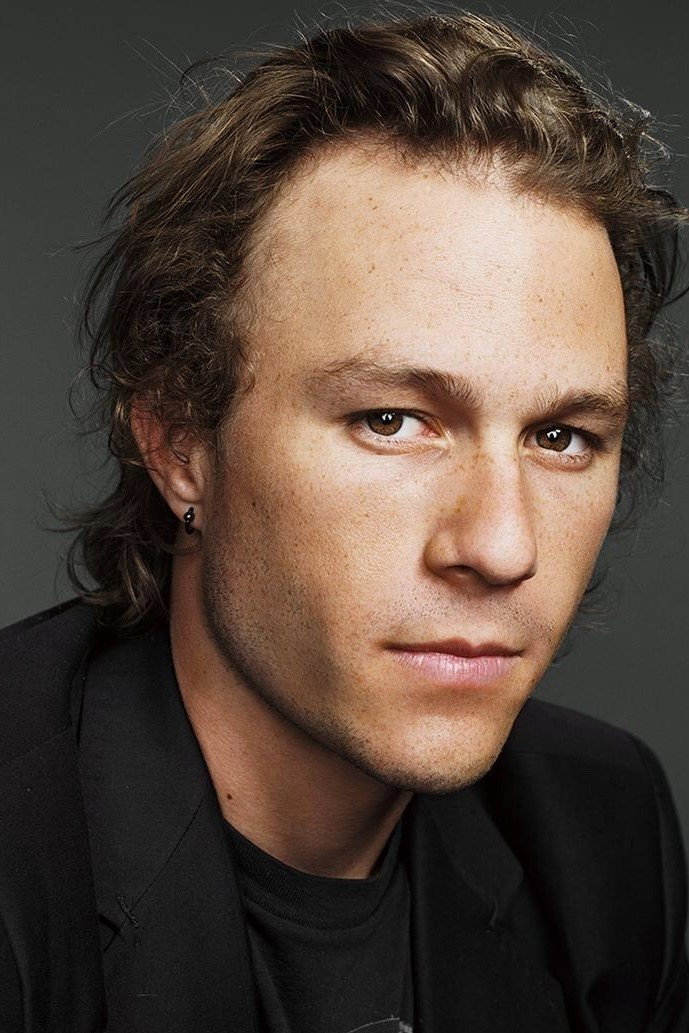
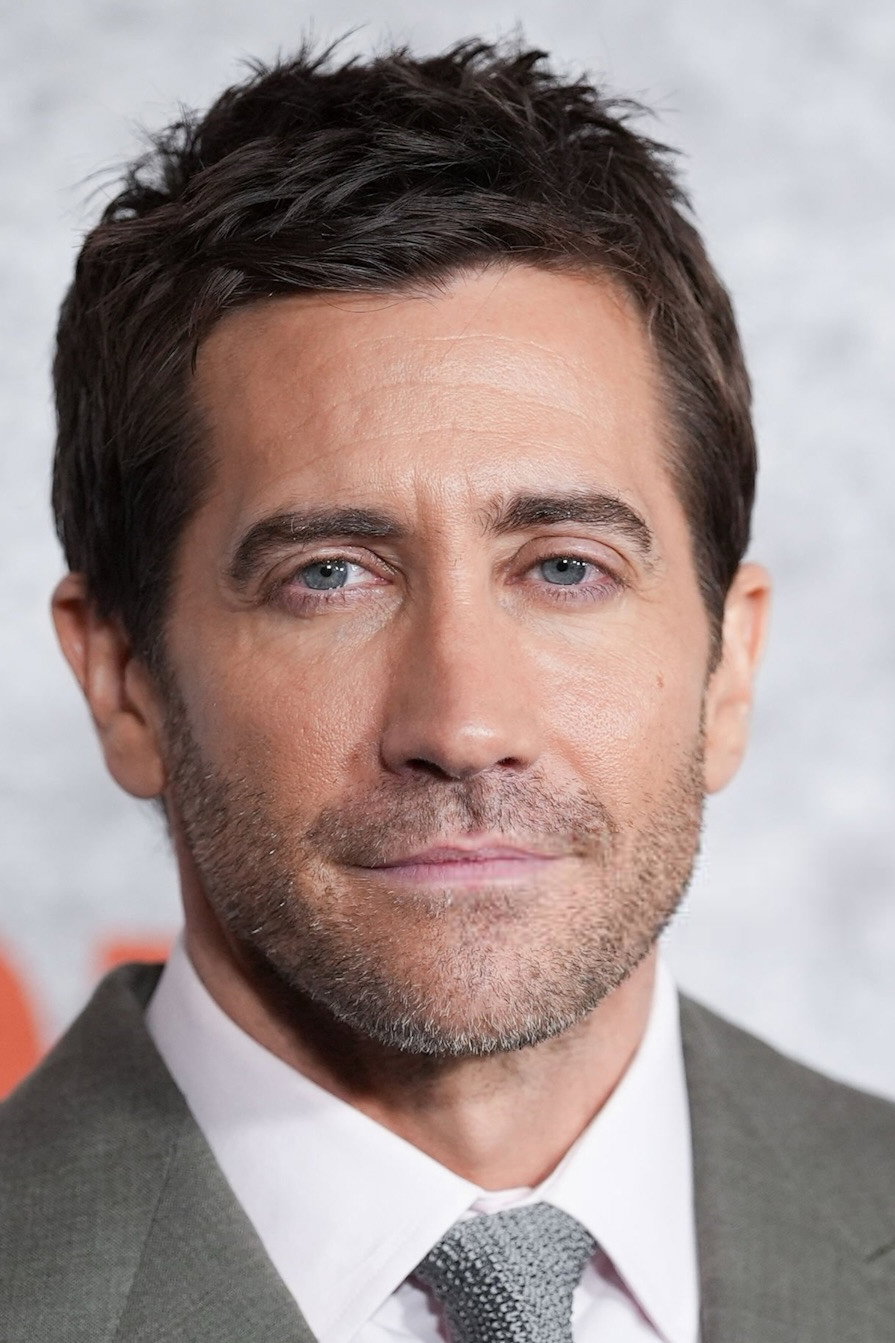
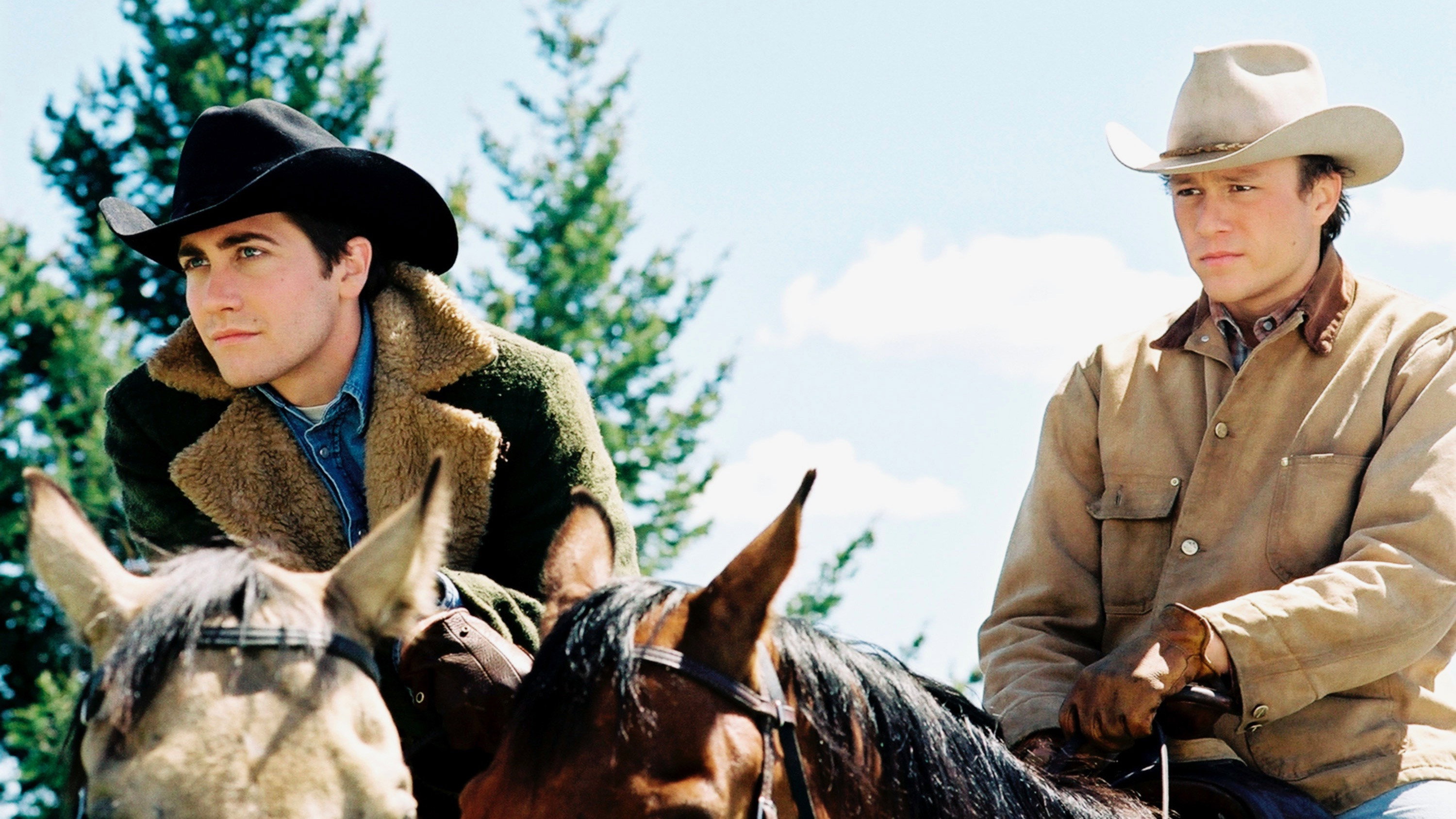
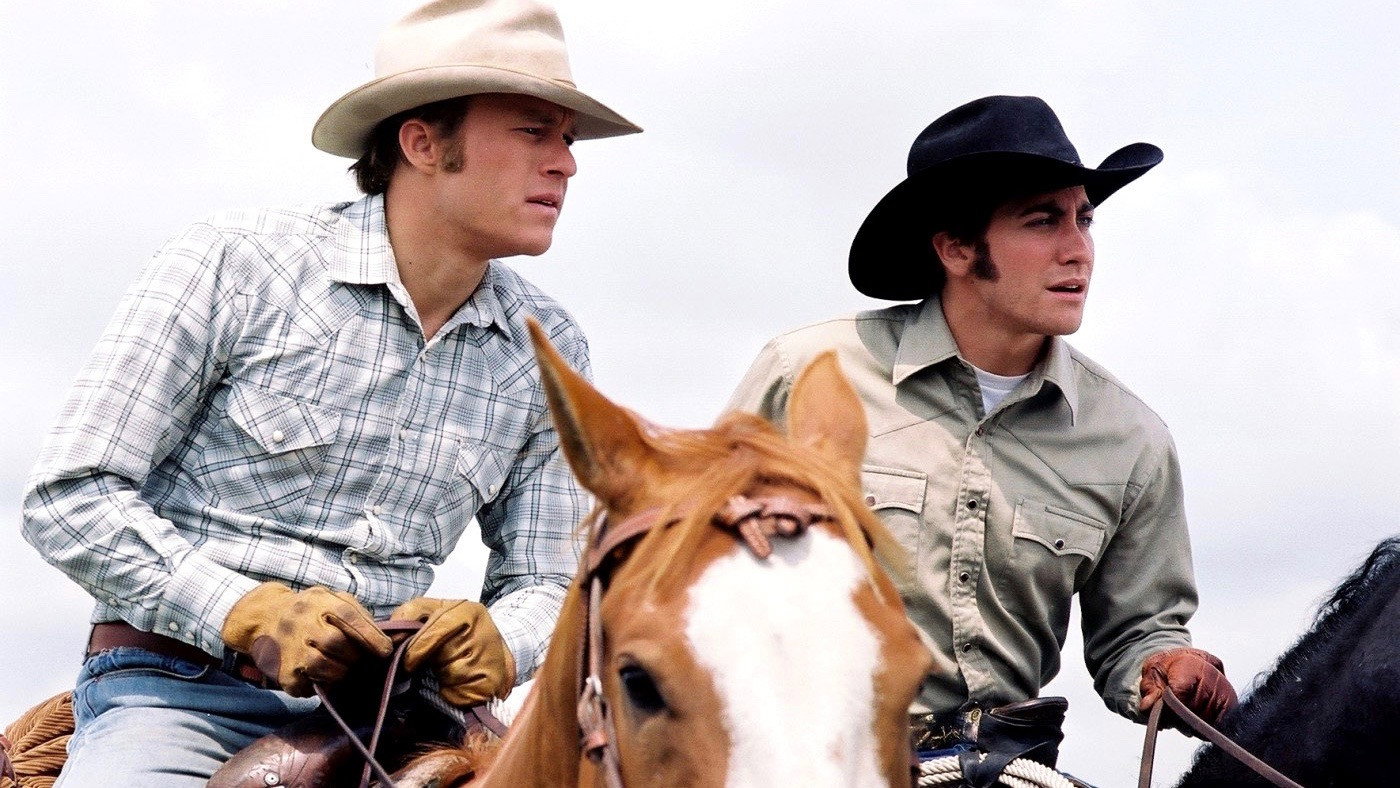
Ledger makes Ennis’s difficulty expressing himself painful to watch. We ached for him, because the effort of keeping his feelings hidden seems to exhaust him physically. His unhappiness can make him difficult company, and Lee does not soften that into the appealing shyness of a conventional romantic lead. Gyllenhaal gives Jack a more readable warmth, which is essential when so much of Ledger’s performance is about keeping things in. The two actors make us attend to the differences between the men, rather than simply wishing the world would leave them alone.
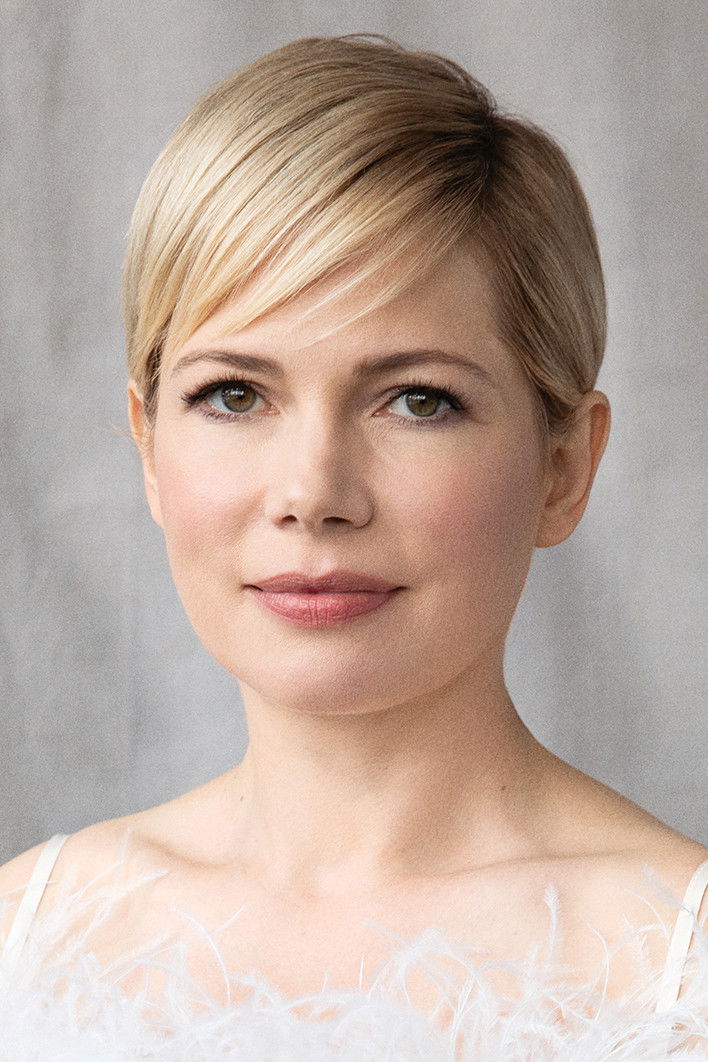
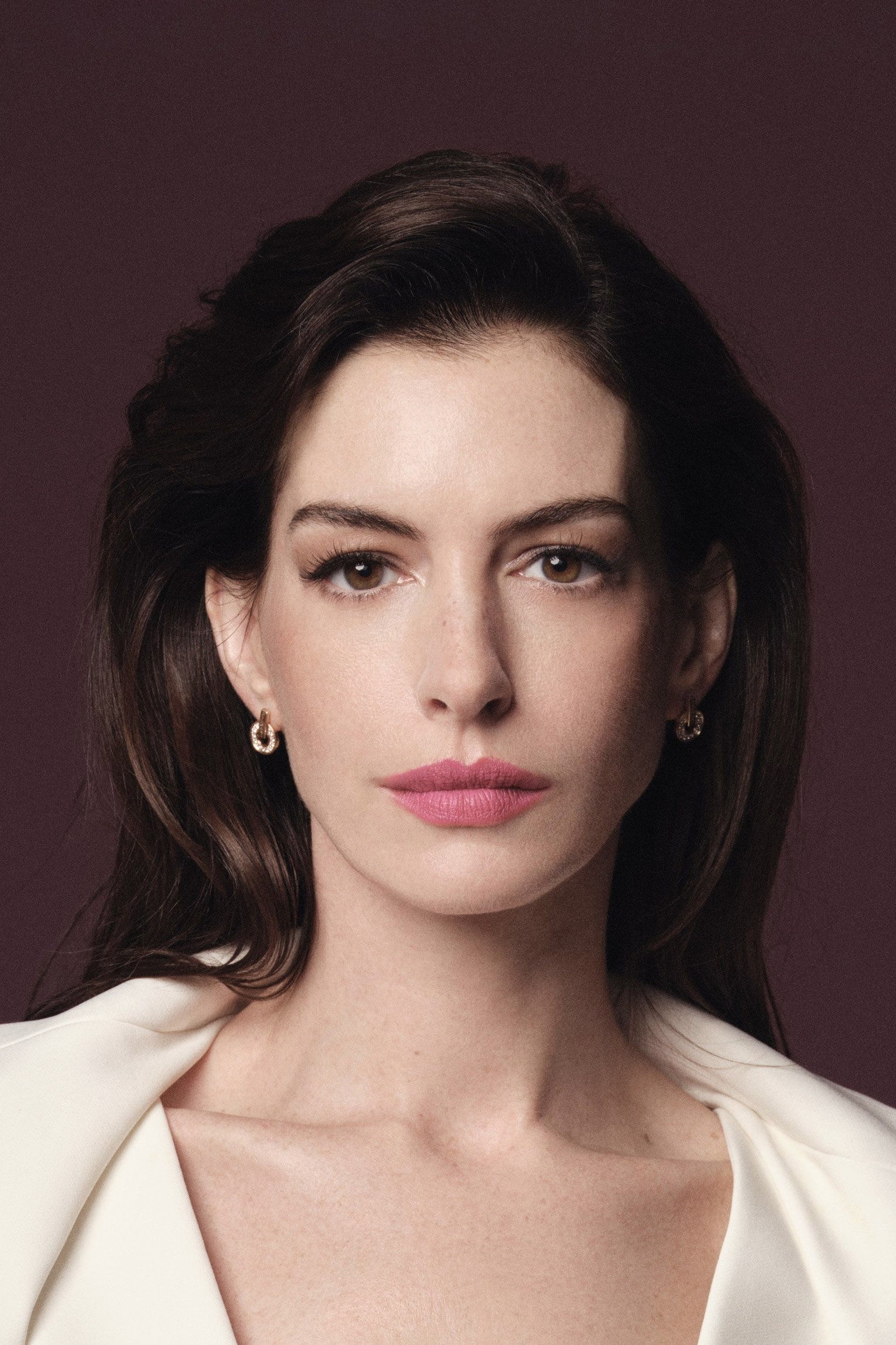
Larry McMurtry and Diana Ossana’s screenplay also allows the women affected by this secrecy to count. Michelle Williams, as Alma Beers, is especially good at letting distress register without making a display of it. We wanted more time with Anne Hathaway’s Lureen Newsome, whose place in the men’s story can seem to determine how much attention she receives. Still, Lee takes both women seriously, and the film is better for refusing to treat their unhappiness as a tiresome interruption to the romance.
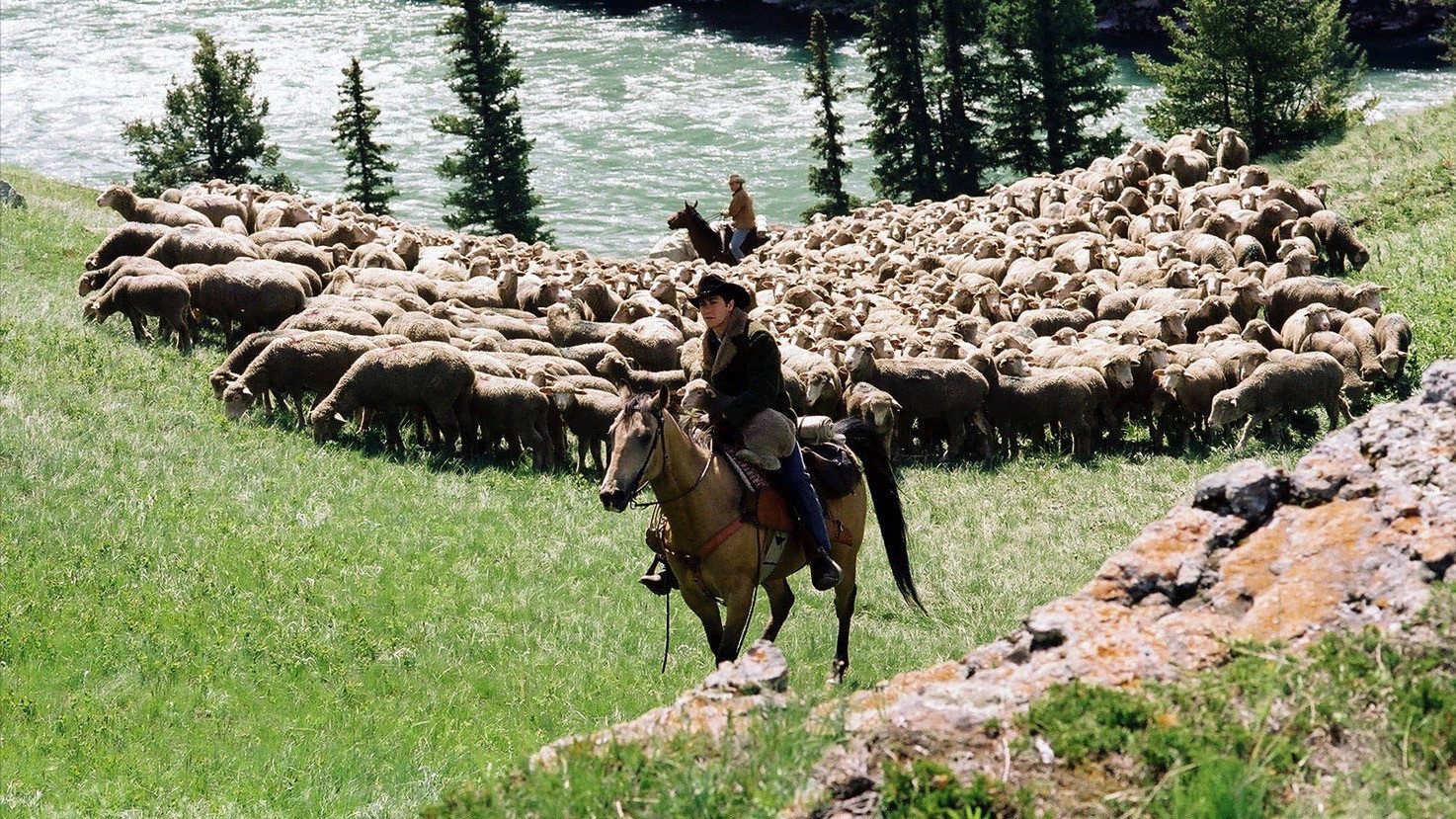
Rodrigo Prieto’s cinematography gives the open country a scale that makes the men look vulnerable within it. The views are beautiful, but they do not make the situation look easy; there is no comforting suggestion that enough fresh air will settle things. Judy Becker’s production design makes the domestic spaces feel constricted by comparison. That contrast works because the places remain believable, rather than becoming an elaborate set of visual hints about how everyone feels.
Gustavo Santaolalla’s music has the restraint this story needs, leaving space around feelings that a fuller score could easily overstate. It allows the sadness to register without making each scene feel like an appeal for tears. Editors Dylan Tichenor and Geraldine Peroni give the performances time, and the relationships benefit from that patience. At 134 minutes, however, the film sometimes holds a mood after we have understood it. A few passages could be shorter without making these lives feel any less difficult.
We are used to westerns in which leaving other people behind looks like a sensible answer to most problems. Here, the open country offers little reassurance, because Ennis and Jack remain afraid of being known. Lee is interested in how that fear becomes a habit, including the moments when it makes a person exasperating to love. Give this an uninterrupted evening; Ledger and Gyllenhaal deserve the attention, and there is no need to have much planned afterwards.