The racing gives Tony Scott’s film some excitement, and Robert Duvall supplies welcome warmth. But the thin writing makes this a mixed evening, with too little to care about between bursts of speed.
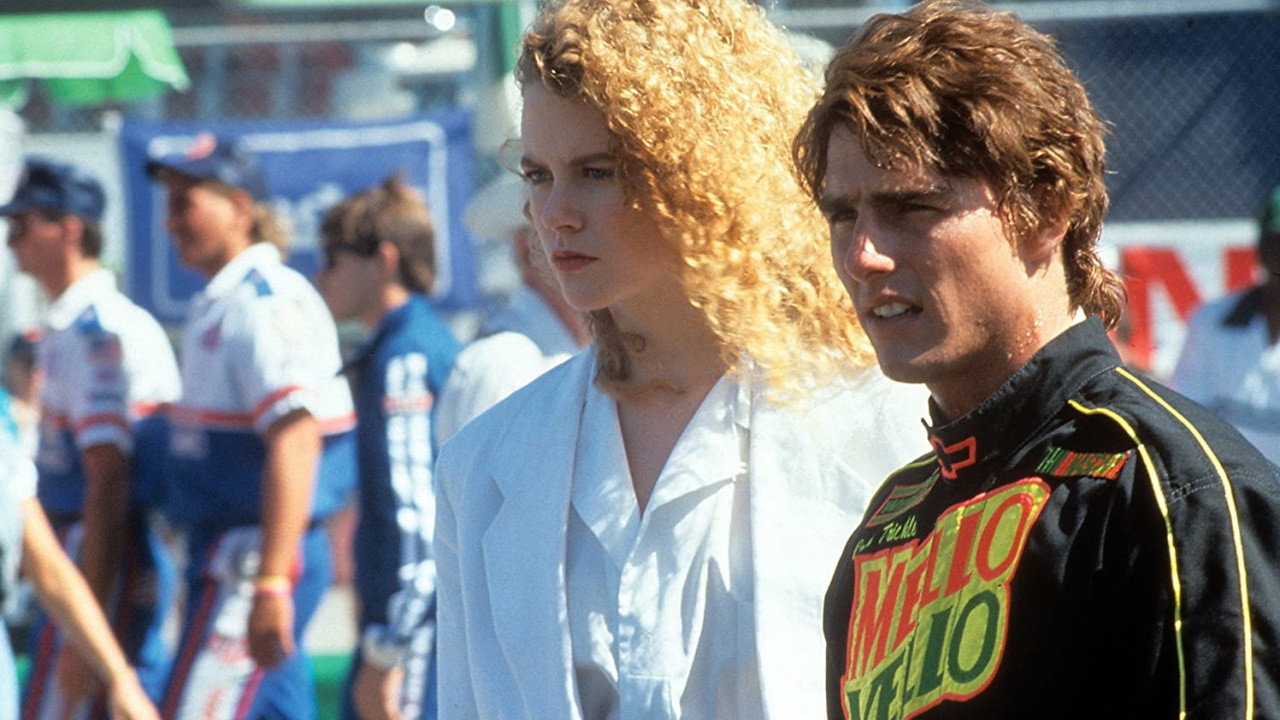
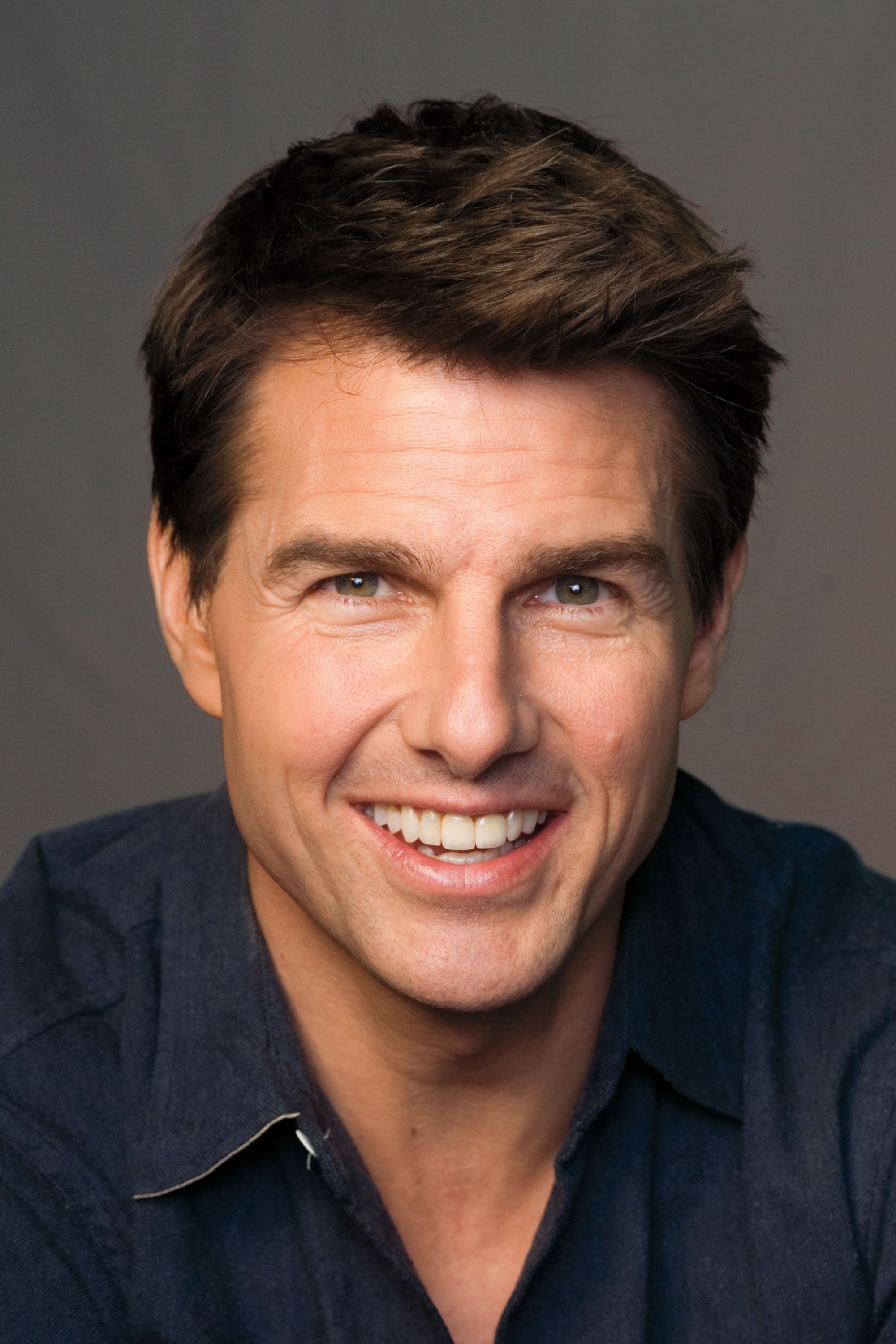
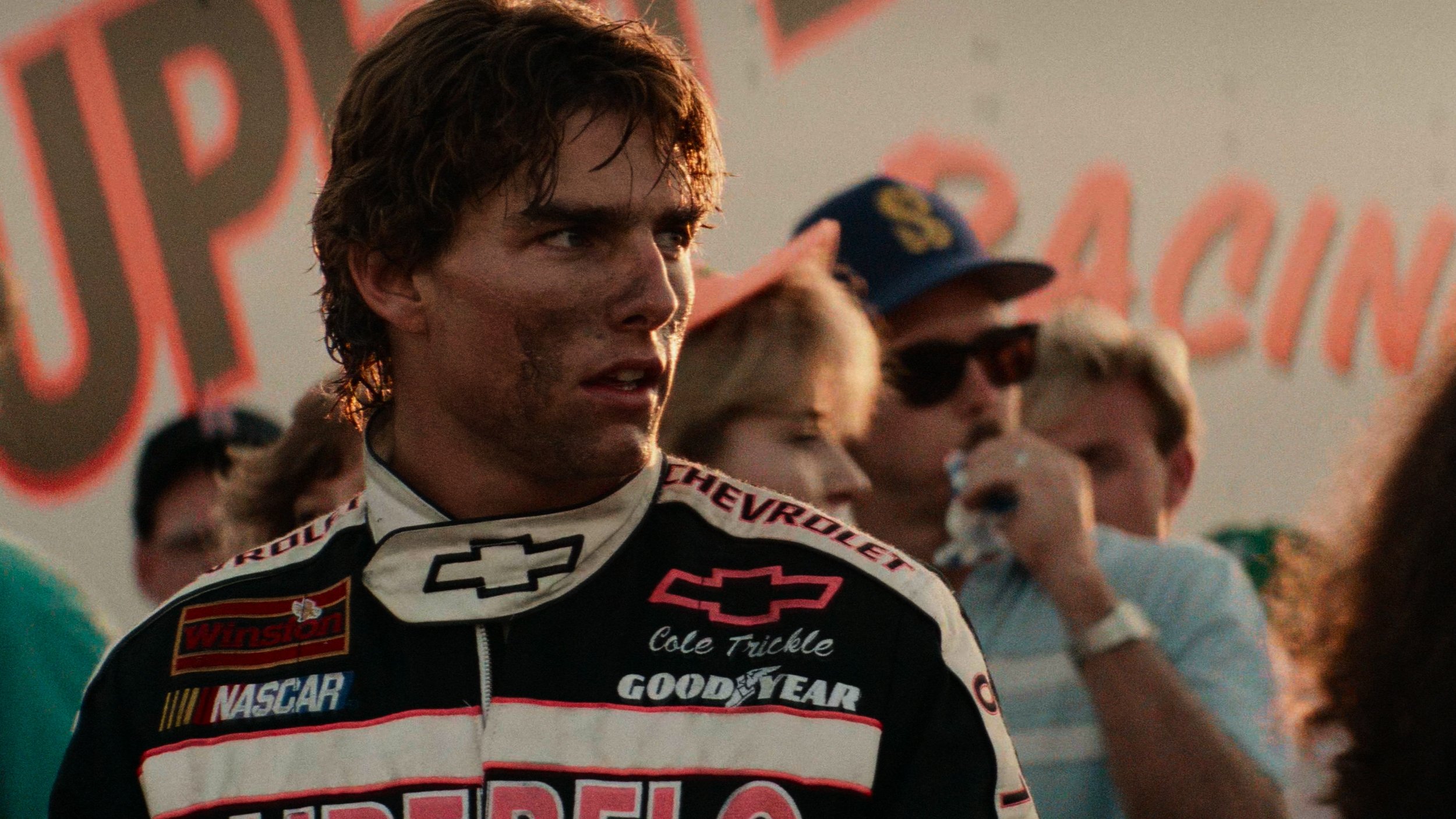
The racing is often exciting in Tony Scott’s Days of Thunder, but the drama is too thin to recommend it. Tom Cruise plays Cole Trickle, a man whose enthusiasm for driving is considerably clearer than anything else about him, and Robert Towne’s screenplay never makes that a sufficient basis for a story. We can see why Scott wants to put this star among these cars. There is an immediate pleasure in the speed and Cruise’s grin, but the film keeps expecting that pleasure to sustain our interest in Cole.
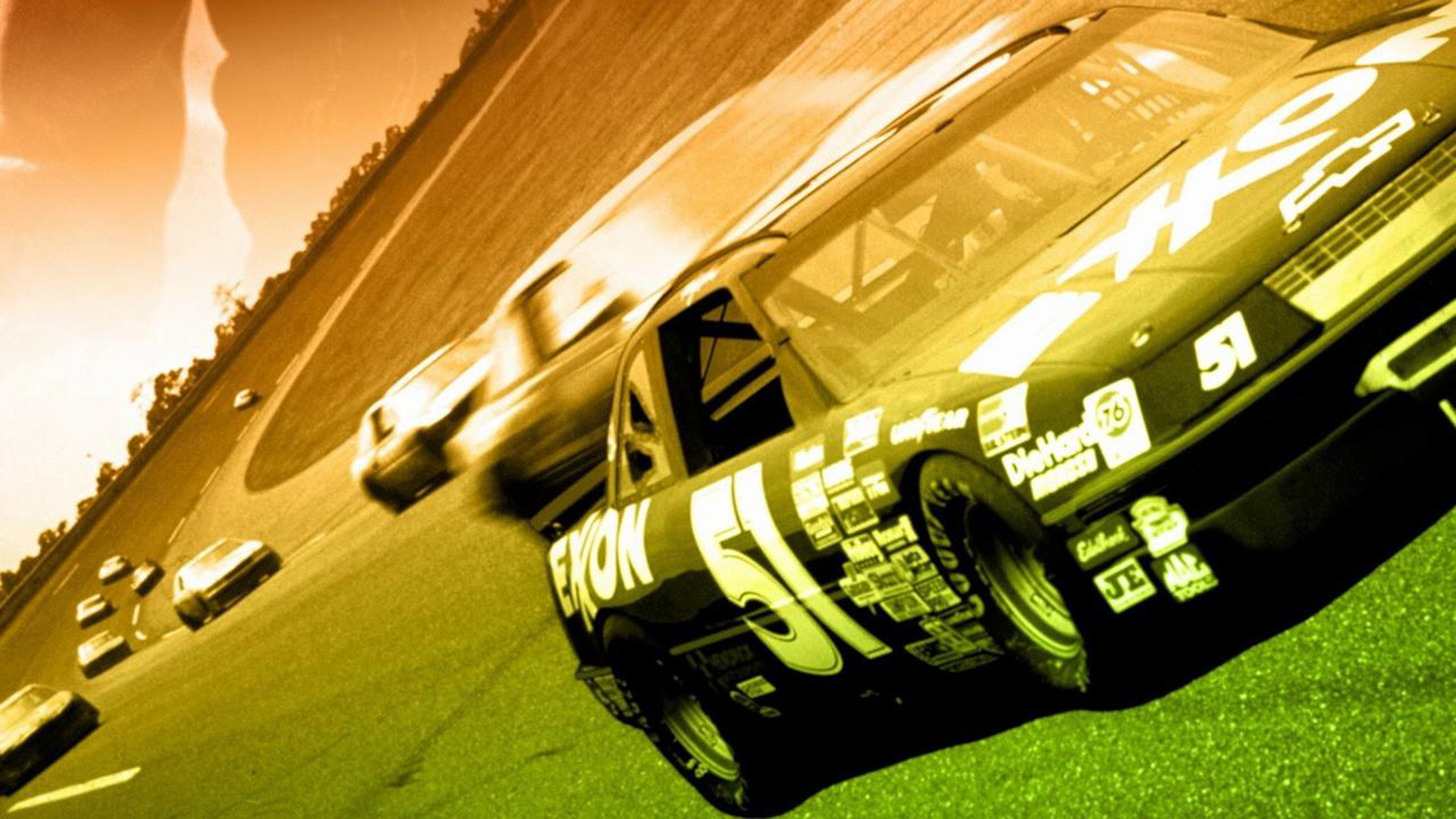
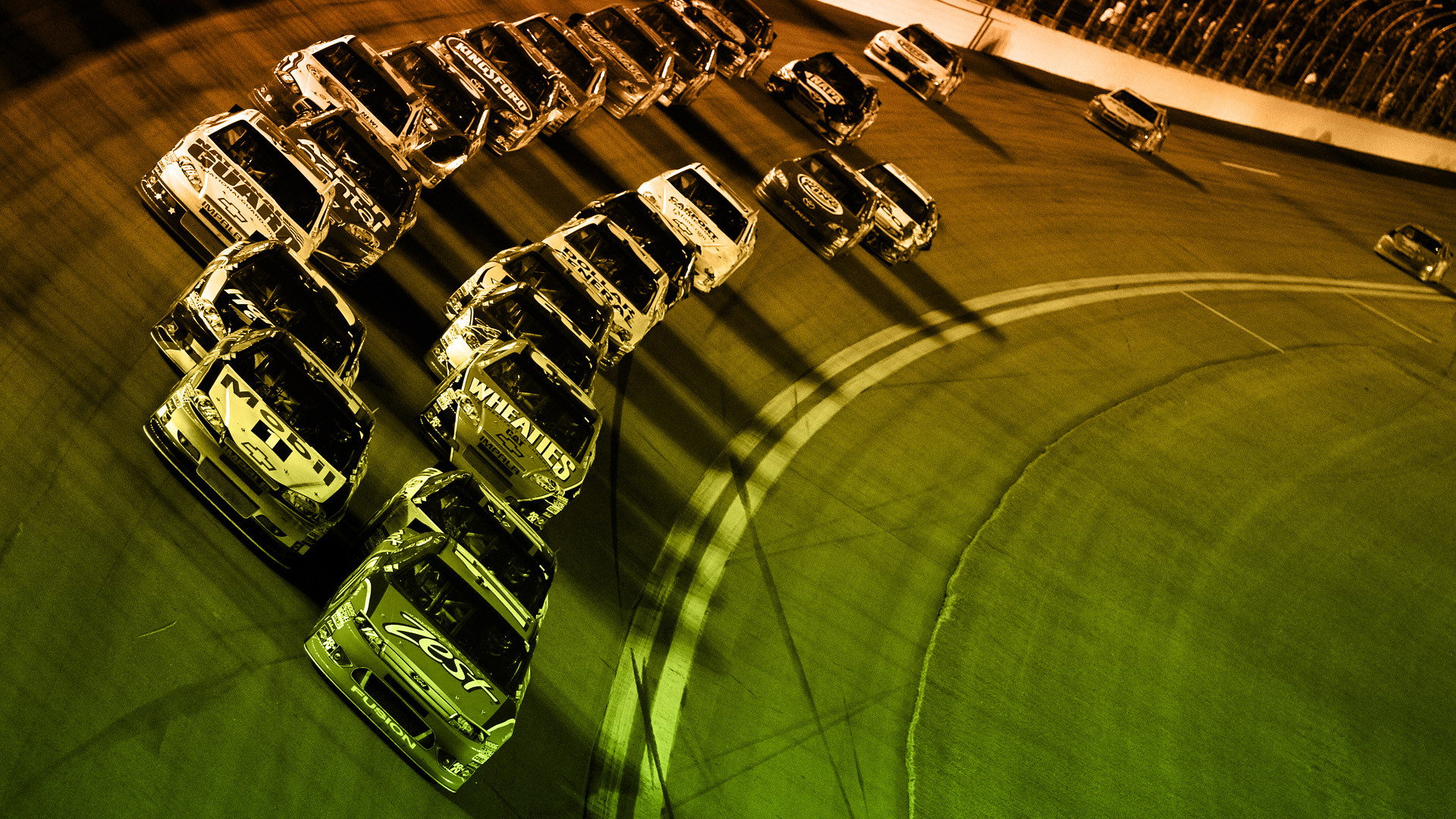
Ward Russell’s photography gives the racing its strongest claim on our attention by taking us into the cars. We were exhilarated by those in-car views of speed, because they make the danger feel close. There is skill here in making fast machinery compelling even when the man driving it has not earned much affection. The limitation is that the footage has a narrow range of effects, and repeated speed becomes less exciting when we are still waiting for a reason to care who wins.
Scott also pushes too hard between the races, treating ordinary dramatic business as though it needs the same urgency. An editing team that includes Chris Lebenzon and Michael Tronick keeps things moving, but cannot make the story feel more substantial by hurrying it along. Hans Zimmer’s score contributes to that insistence, and we wanted more room for the actors to establish a quieter pace. At 107 minutes, the film ought to feel compact; too often it feels impatient with the people it has assembled.
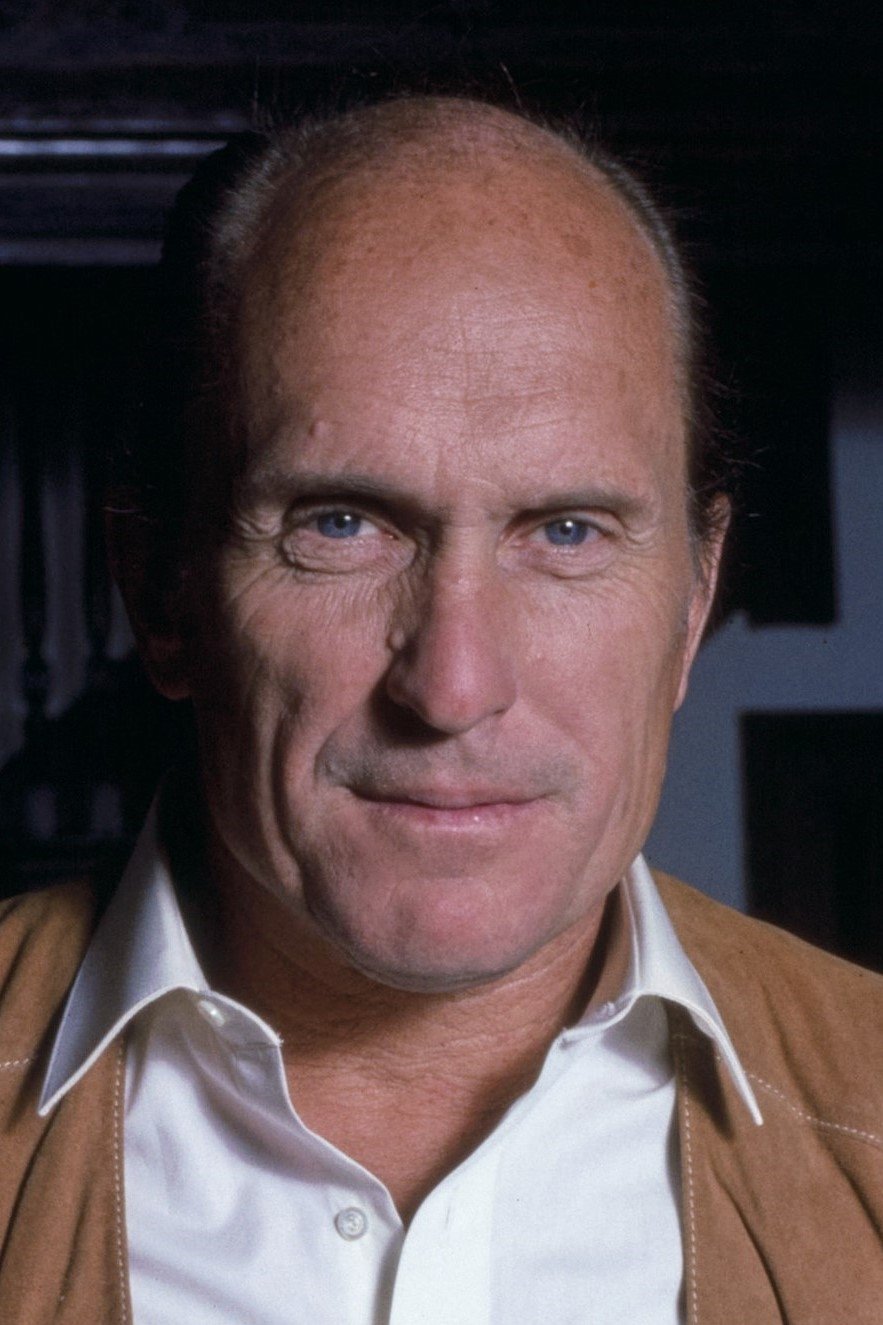
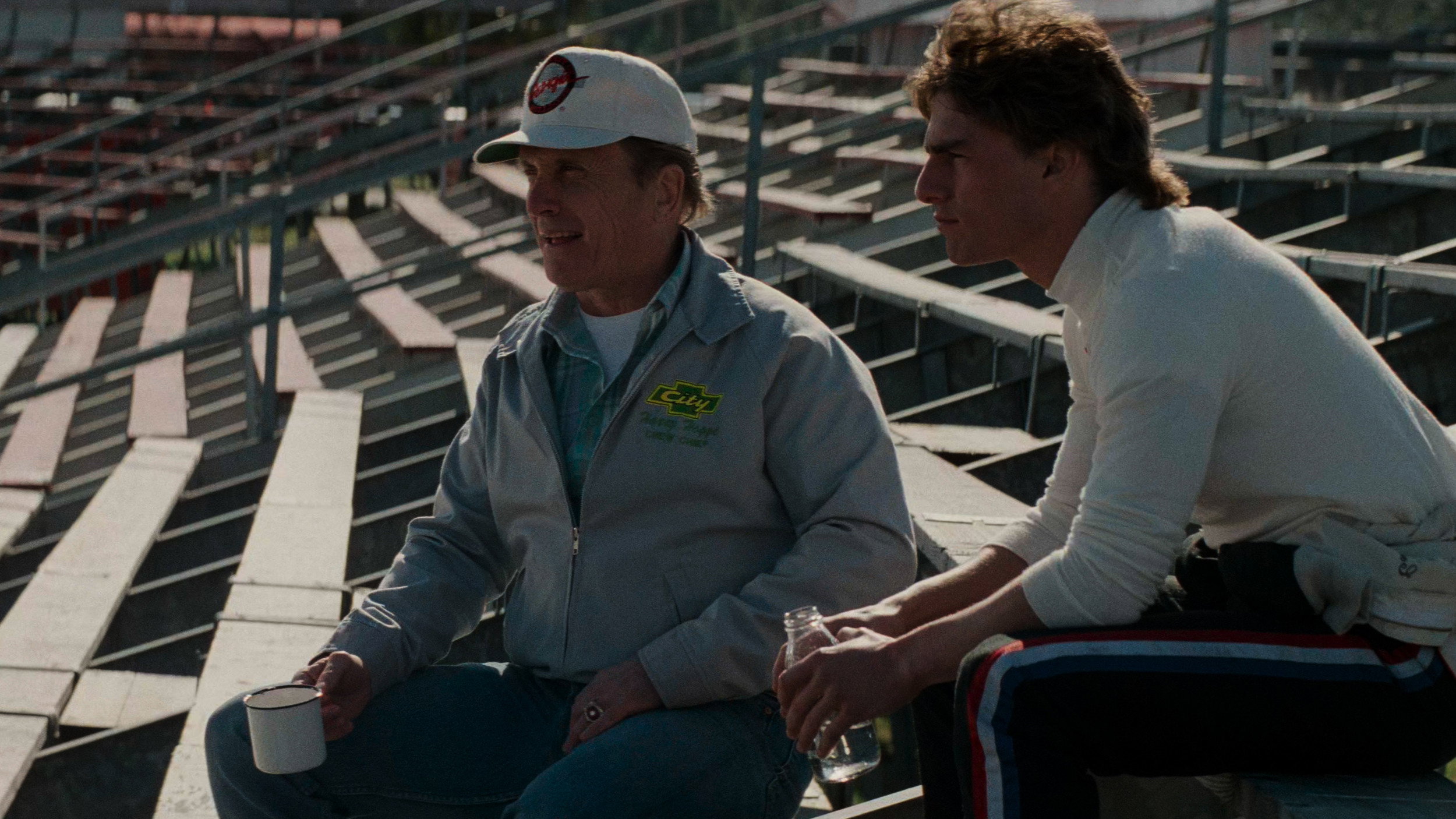
Robert Duvall provides some welcome ease as Harry Hogge, with a laconic performance that makes the dialogue sound like something a person might actually say. His restraint is welcome in a film that seldom lets a moment pass without trying to make it exciting. Michael Rooker also gives Rowdy Burns more substance than most of the supporting cast manage with their roles. These performances suggest how much better the racing could work if there were more people worth watching when the cars stopped.
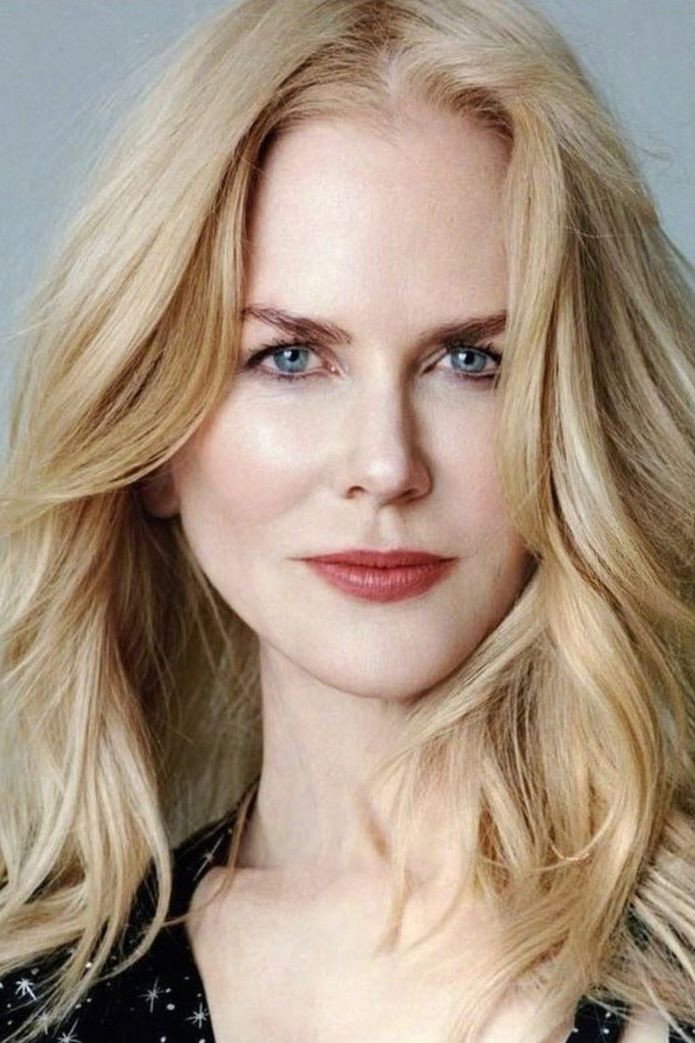
Nicole Kidman, as Dr Claire Lewicki, is another reason not to dismiss the cast’s efforts, though the thin relationships leave her too little to build on. Towne’s screenplay seems to assume that giving Cole people to interact with will be enough to tell us who he is. It is not enough here, because so few of those exchanges make him more particular or surprising. Cruise remains watchable, but his confidence starts to feel like a substitute for the character the script has not supplied.
Familiarity need not spoil a sports drama: the effort, rivalry and dependence on others can still be absorbing when we know roughly where things are going. Here, the situations too often feel ready-made, and Scott’s constant pressure gives us little chance to settle into them. The racing cannot keep compensating for that, however skilfully it is photographed. Anyone coming chiefly for Cruise and fast cars will find reasons to stay, but Duvall is the better reason to pay attention when the engines stop.