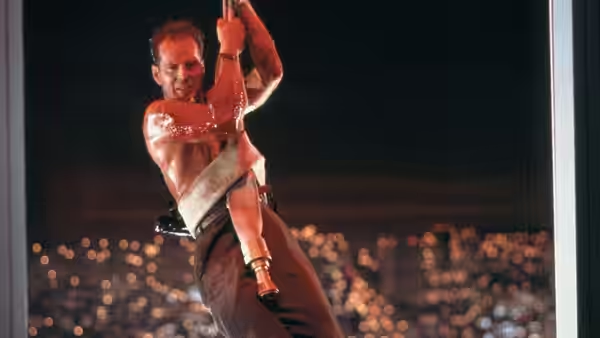
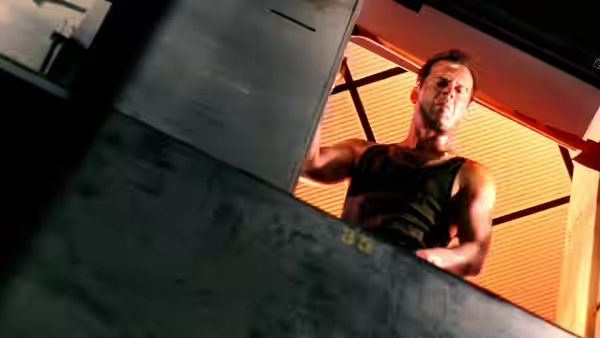
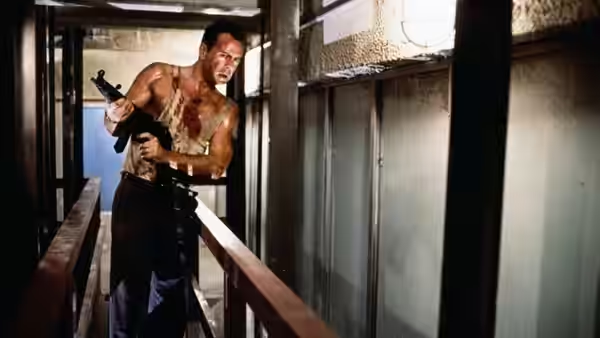
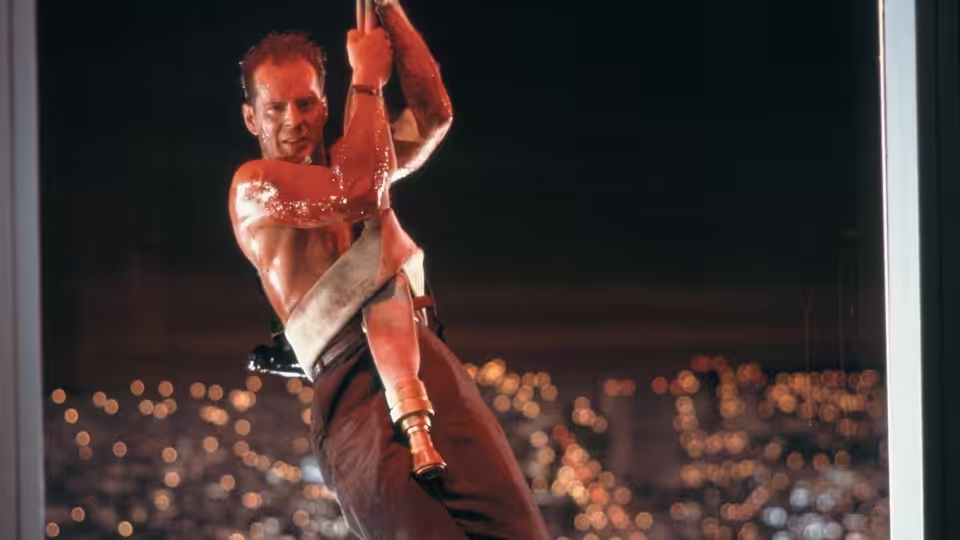
John McClane (Bruce Willis) gripping a rope outside a skyscraper at night
Film review

Die Hard

1988 · Directed by John McTiernan · 2h 12m

In a sentenceAlan Rickman is so politely threatening that Bruce Willis seems underdressed for the siege

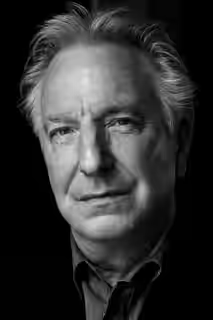
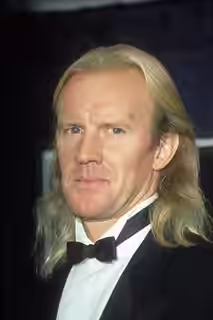
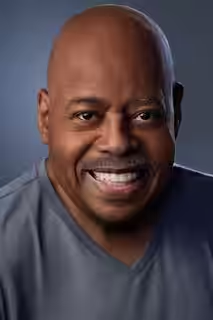
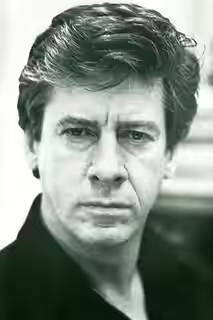
John McClane (Bruce Willis) is a police officer up against a group of terrorists in a high-rise. Their leader, Hans Gruber (Alan Rickman), faces an opponent working alone, with McClane relying on his resourcefulness as the siege develops into fights and shootouts. John McTiernan directs this action thriller from a screenplay by Jeb Stuart and Steven E. de Souza, based on a novel by Roderick Thorp. The cast includes Bonnie Bedelia as Holly Gennaro McClane, Alexander Godunov as Karl, Reginald VelJohnson as Al Powell and Paul Gleason as Dwayne Robinson.

Plays from YouTube when you press play; nothing loads from them until then.

Fi1m review

John McTiernan’s action thriller earns its excitement through clear staging, Bruce Willis’s vulnerability and Alan Rickman’s composure. The foolish police business is a drag, but the central contest remains tense, funny and worth an evening.

Die Hard is an action thriller we recommend with one reservation: it keeps interrupting a compelling siege to make some remarkably easy jokes about incompetence. John McTiernan gives the central contest a firm shape, setting Bruce Willis’s lone police officer, John McClane, against Alan Rickman’s terrorist leader, Hans Gruber, inside a high-rise. The screenplay by Jeb Stuart and Steven E. de Souza gives McClane enough wit to make him company as well as a man to worry about. We want him to survive, and we want to hear what he will say next.

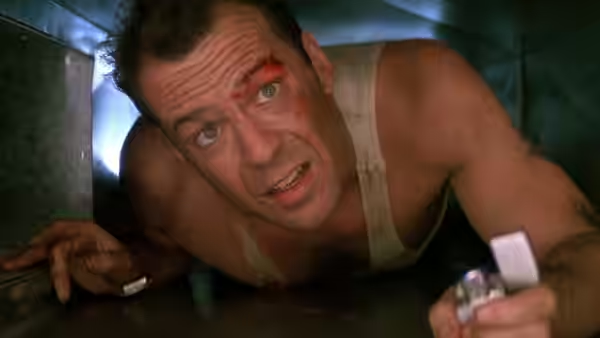
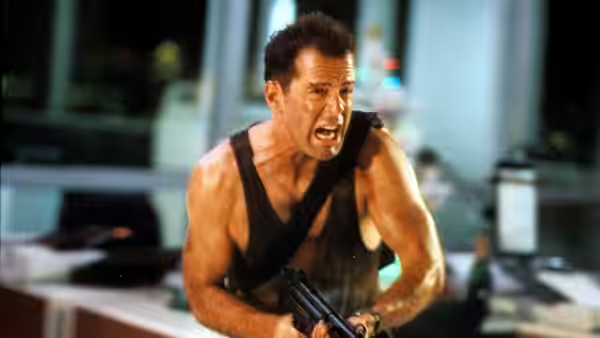
Willis makes the physical work count. McClane’s vulnerability matters because the performance keeps effort visible, even when the dialogue gives him something funny to say. We were anxious during the fights because Willis never lets a quick remark convince us that McClane has stopped being in danger. He delivers the jokes as a man trying to get through an intolerable situation, and that keeps the character likeable without making the violence feel harmless.

Rickman gives him an opponent worth the trouble. He plays Gruber with a courtesy that makes the threats more unpleasant, keeping his enjoyment just visible enough to be funny. There is no need for him to compete with the explosions; his measured delivery already gives him our attention. Much of the pleasure comes from these different temperaments confronting the same crisis, with Willis looking put upon and Rickman sounding almost content.

Jan de Bont’s cinematography and Jackson De Govia’s production design make the high-rise useful to the action. The building feels substantial and restrictive, and the images let us follow the fighting without making it look tidily rehearsed. McTiernan gets excitement from where people are in relation to one another, so a burst of movement has consequences we can follow. This is particularly valuable in the shootouts, where suspense depends on understanding who is exposed.

Editors John F. Link and Frank J. Urioste judge the pauses well, giving a reaction or a joke enough time to land before the next rush of action. The quieter passages are welcome, and Willis remains interesting when he has no immediate physical problem to solve. Michael Kamen’s score adds urgency without making every joke sound like an interruption. At 132 minutes, the film is long enough for repeated confrontations to become wearying; the changes of pace mostly prevent that.

The trouble is Paul Gleason’s Dwayne Robinson. The deputy police chief’s foolishness offers an easy way to make McClane look sensible, but it also makes the film less convincing whenever the authorities become involved. Gleason gives the part force, yet the writing leaves him too little to do beyond being wrong. We would happily lose some of this business, which accounts for the stretches when the siege seems to be waiting for the film to return to it.

Its influence on action films is easy to understand: one enclosed setting keeps a large confrontation manageable, while an outnumbered hero gives each encounter a clear risk. What is harder to copy is Willis’s ability to make irritation and fear exist in the same performance. McTiernan builds the action around that vulnerability, so even the louder passages retain someone to care about. Watch it in one sitting, and give the staging as much attention as the insults.
Critical consensus AI synthesised

92
Positive
6
Mixed
0
Negative
0

Most critics praise Die Hard for its tightly controlled action, dry humour and unusually personable hero. Bruce Willis’s resourceful, vulnerable John McClane and Alan Rickman’s poised, theatrical villain draw the most consistent approval, while John McTiernan’s direction earns credit for keeping the set pieces tense and legible. The reviews repeatedly connect the film’s lasting influence to that combination of forceful technique and performances that give the action a human centre.

The reservations concern the writing rather than the staging, though their severity varies considerably. RogerEbert.com praises the technical work but finds the deputy police chief an unnecessary distraction that weakens the second half. The New York Times accepts the flimsy story as a vehicle for effective escapist entertainment. The Los Angeles Times takes a harder line, admiring the cinematic technique while finding the human drama silly and objectionable: a substantial dissent from the prevailing enthusiasm.

The Telegraph
29 April 2016 · ★★★★★ · Martin Chilton
100

The critic calls it a brilliant and suspenseful film that launched a franchise, praising its taut direction and the fit, vest-wearing John McClane. Alan Rickman's theatrical flourish as the villain is highlighted.

Read the full review →
The Times
7 December 2018 · ★★★★★ · Kevin Maher
100

The critic describes it as a near-flawless narrative machine buoyed by Bruce Willis's charm and Alan Rickman's delicious antagonist, crediting the restless direction of John McTiernan. Its lasting influence on the action genre is noted.

Read the full review →
Empire
1 January 2000 · Andrew Collins
90*

The critic calls it the pinnacle of 1980s action cinema and a worthy successor to The Towering Inferno, praising its redefinition of the genre through dynamic camerawork. He highlights Bruce Willis's career-defining everyman hero turn and Alan Rickman's standout villain performance as key strengths.

Read the full review →
The Guardian
29 November 2018 · Peter Bradshaw
85*

The critic finds it an enjoyable 80s action classic whose shootouts, explosions and catchphrases remain intact in a 30th-anniversary rerelease. Strong performances, especially Alan Rickman's scene-stealing turn as the urbane terrorist, are singled out for praise.

Read the full review →
Radio Times
8.2/10 · Andrew Collins
82

This action thriller minted Bruce Willis's career, launched a franchise and still stands as a giant of the genre. McTiernan handles the set pieces with aplomb and the script oozes dry wit, but Willis is the star as the resourceful, world-weary John McClane.

Read the full review →
Los Angeles Times
15 July 1988 · Kevin Thomas

Die Hard is an archetypal big-deal Hollywood exploitation picture and a triumph of cinematic technique that is awesome in its destruction but disgusting and silly as human drama, certain to make Bruce Willis a star.

Read the full review →

Straight answers AI written, from our review

Is Die Hard worth watching?
Die Hard is worth watching for anyone who wants a siege thriller with a hero worth worrying about, and we scored it 89. Bruce Willis keeps John McClane visibly in danger even while he is being funny, and Alan Rickman's polite Hans Gruber is an opponent who earns the trouble. The one drag is the foolish police business, which stalls the siege whenever the authorities appear.
How long is Die Hard, and what is it rated?
Die Hard runs 2h 12m. It is an action and thriller film.
Where can I watch Die Hard in Thailand?
Die Hard is not on any streaming or rental service in Thailand at the moment. It is available in 49 other countries; change your country at the top of the page to see where. Availability is checked daily.
How violent or frightening is Die Hard, and is it suitable for children?
Die Hard carries a UK 15 certificate, and its fights and shootouts are meant to hurt, so it is not for young children. Willis never lets the jokes make the violence feel harmless, and Rickman's courteous threats are more unpleasant for being quiet. Teenagers used to action films should manage; the squeamish will find the confrontations frequent rather than gruesome.
How does Die Hard compare to Die Hard 2?
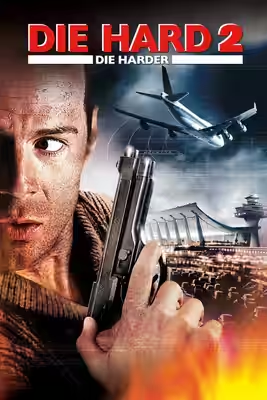
Die Hard is the better film, and the difference is the villain. Alan Rickman's Hans Gruber gives the original a battle of wits inside one confined tower, while Die Hard 2 moves to an airport and replaces that contest with a run of explosions. The sequel is fast and well built, but anyone who wants tension rather than volume should choose the first.
Is Die Hard based on a true story or a book?
Die Hard is based on a novel by Roderick Thorp, not on a true story. Jeb Stuart and Steven E. de Souza wrote the screenplay, and our review does not measure how closely it follows the book. You do not need to know the source; the film works entirely on its own terms.
Do you need to have seen the other Die Hard films before Die Hard?
Die Hard is the first film in the series and the natural place to start. Nothing in it depends on any other title, and it stands alone as a complete siege thriller with its own beginning and end. The later films borrow its shape, so seeing this one first also makes clear what they are working from.
What should I watch after Die Hard?
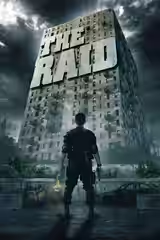
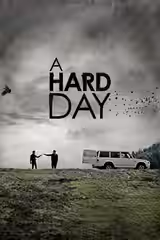
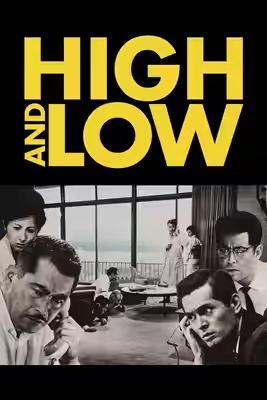
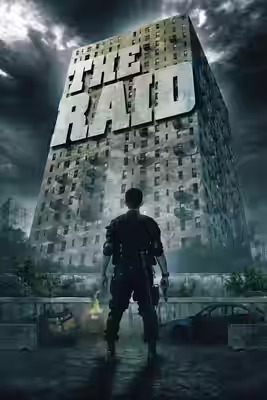
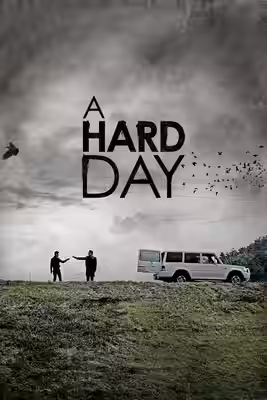
After Die Hard, try High and Low (1963, Fi1m 90): Patient staging and a confined opening turn a police thriller into something troubling. Then The Raid (2011, Fi1m 83): Another hostile building, with closer combat and much less time for jokes; and A Hard Day (2014, Fi1m 79): A resourceful policeman discovers how quickly one bad decision can become several.
What order should I watch the Die Hard films in?
Release order is the safe choice for Die Hard, and it is the order our collection page lists them in. Die Hard is the first of the 5 Die Hard titles on Fi1m; after it Die Hard 2. The full order.

Part of · 1 of 5

Die Hard

5 films on Fi1m · 1988–2013 · average 67 · best Die Hard 89

All 5 in order

Cast

Awards

Japan Academy Prize for Outstanding Foreign Language Film, 1990

Won
Japan Academy Prize for Outstanding Foreign Language Film

Academy Awards, 1989

Nominated
Best Film Editing
Nominated
Best Sound
Nominated
Best Sound Editing
Nominated
Best Visual Effects

If you liked this, try…

  1. High and Low (1963, Fi1m 90)Patient staging and a confined opening turn a police thriller into something troubling.

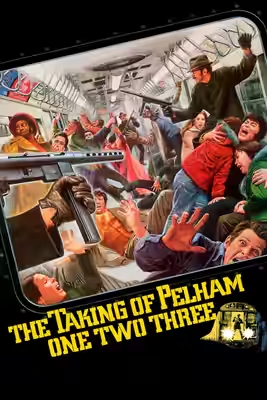
  2. The Taking of Pelham One Two Three (1974) · not reviewed yetA contained siege, dry humour and professionals who sound tired before trouble starts.

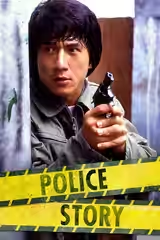
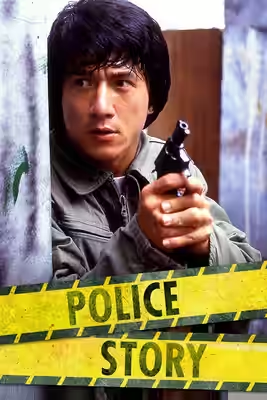
  3. Police Story (1985) · not reviewed yetJackie Chan makes dangerous action and undignified frustration equally entertaining.

  4. The Raid (2011, Fi1m 83)Another hostile building, with closer combat and much less time for jokes.

  5. A Hard Day (2014, Fi1m 79)A resourceful policeman discovers how quickly one bad decision can become several.

Free account

Know what to watch tonight

Two lists that know where things are streaming, collections you can share, your own score beside ours, and Discover that remembers what you have seen.

  • Want to see, sorted by what is streaming now
  • Seen, with your score out of ten
  • No adverts, ever