Film review

Die Hard: With a Vengeance

1995 · Directed by John McTiernan · 2h 08m · MPA R

In a sentenceNew York is falling apart and Bruce Willis still cannot get through a conversation without an argument

ActionThriller

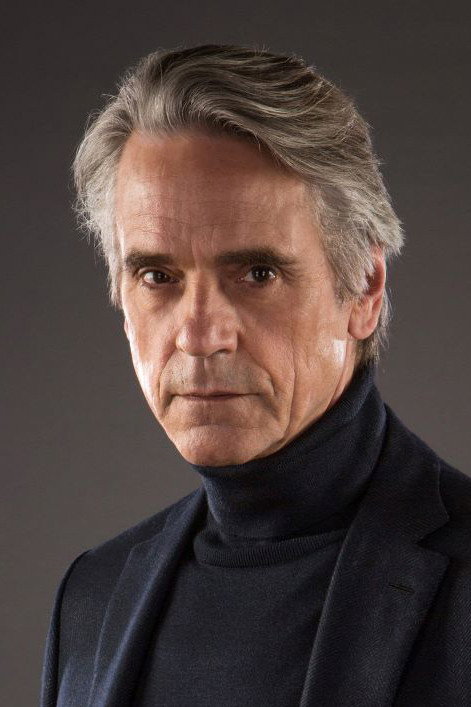
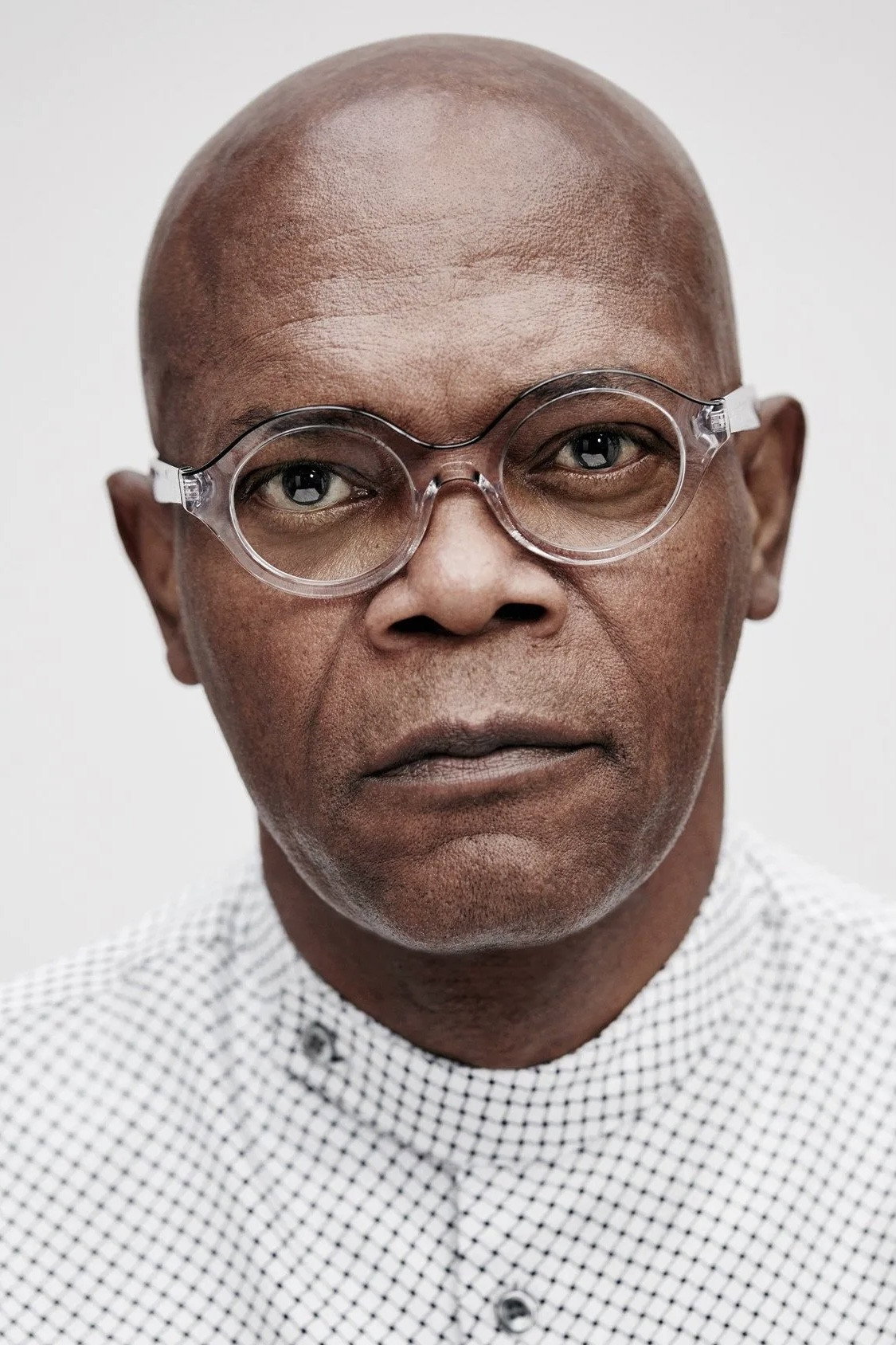
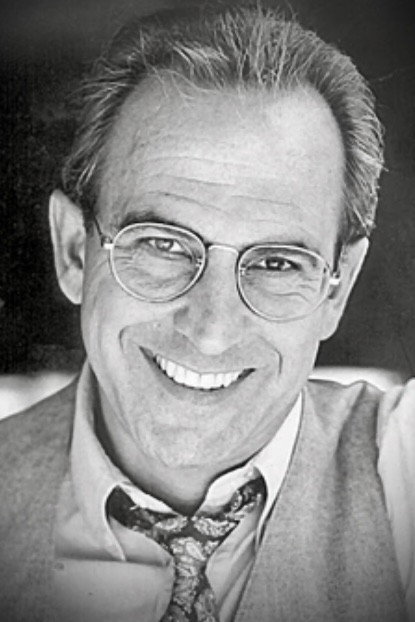
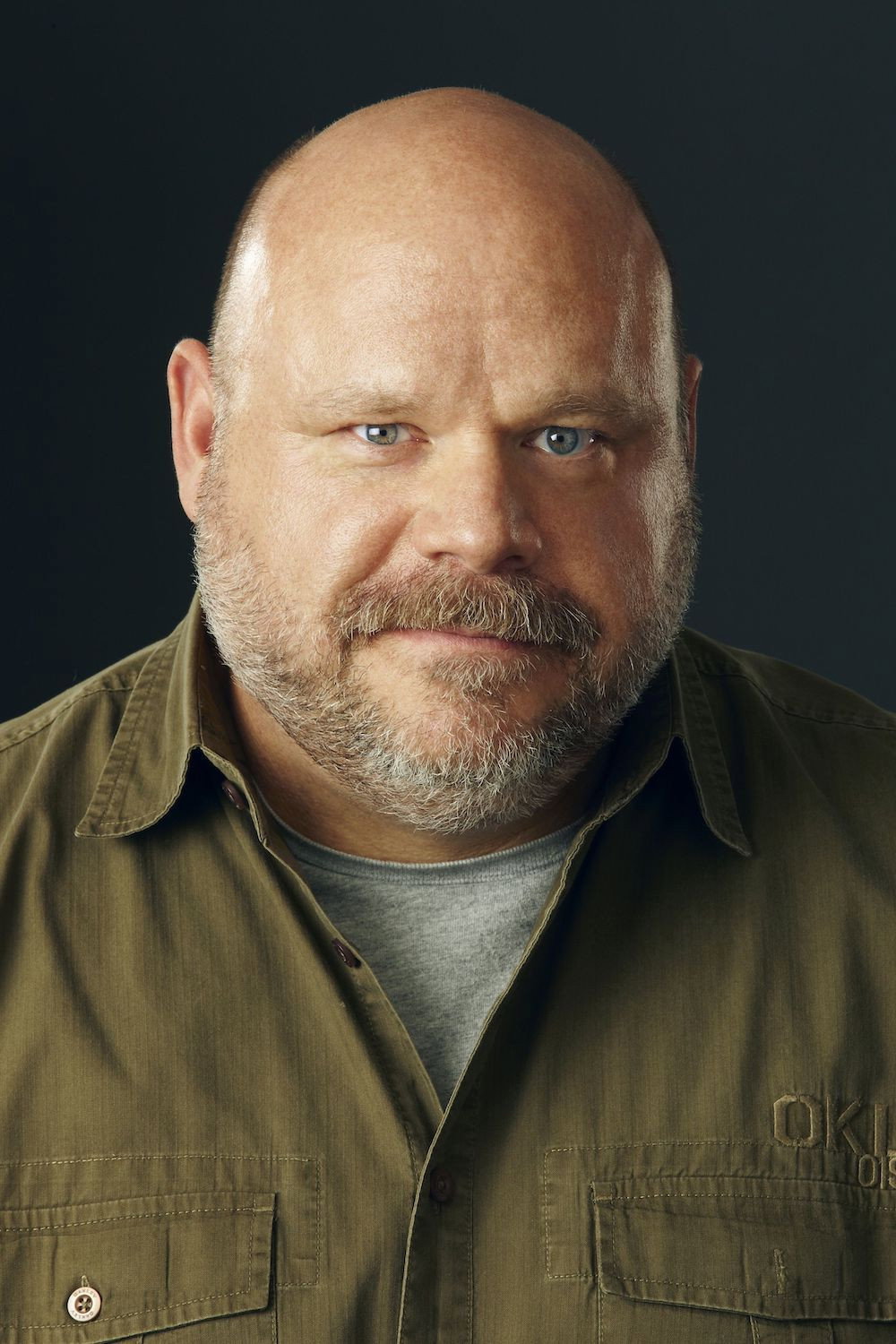
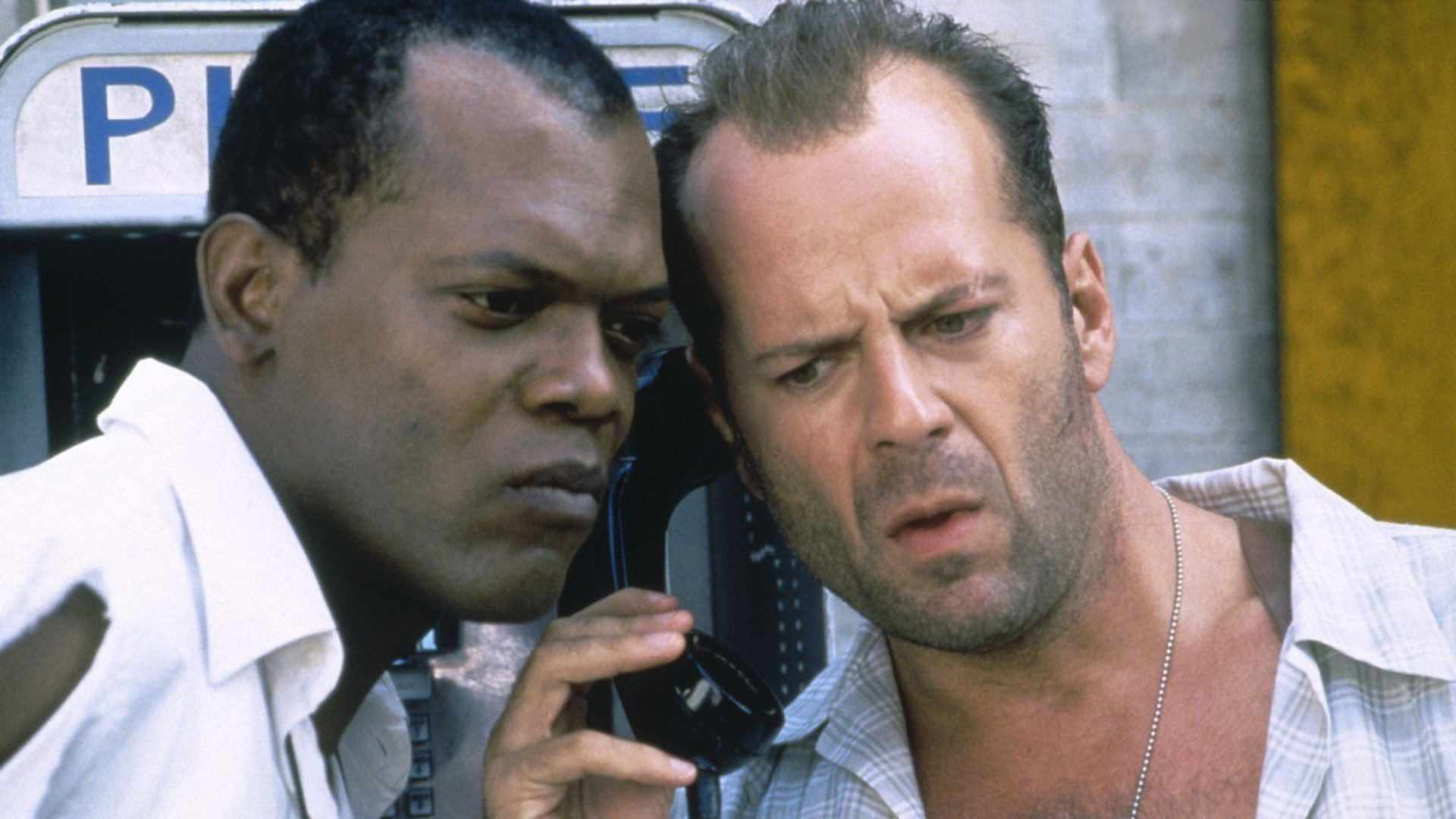
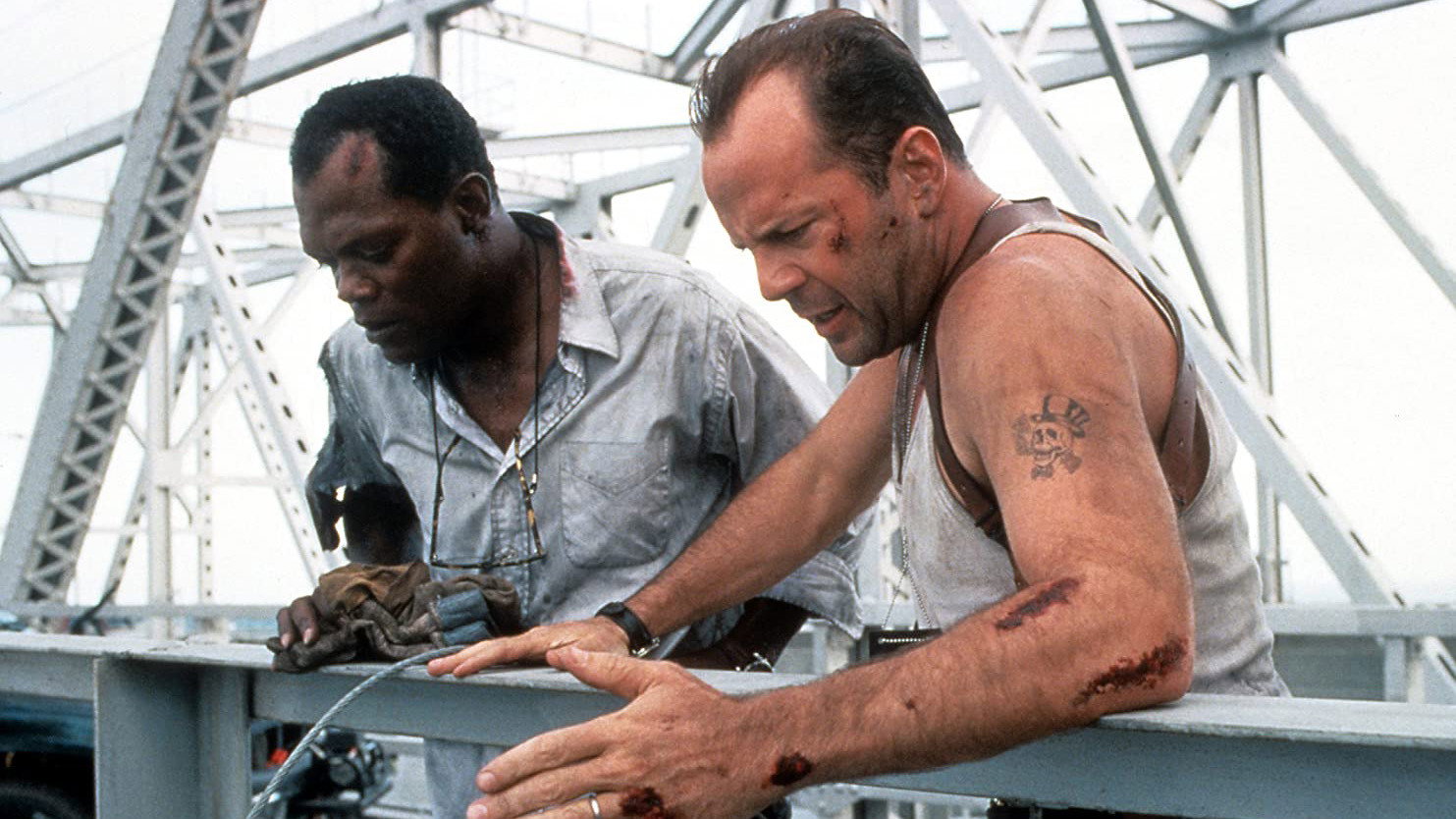
John McClane (Bruce Willis) and Zeus Carver (Samuel L. Jackson) are thrown together in New York, where Simon (Jeremy Irons) drives a succession of races against the clock. Their route takes them across the city, through chases, explosions and arguments that neither man is inclined to abandon simply because time is short. McClane and Carver have to work together while Simon keeps them under pressure. Larry Bryggman plays Chief Walter Cobb, with Graham Greene as Joe Lambert and Colleen Camp as Connie Kowalski, in an action thriller built around a partnership neither participant finds comfortable.

Fi1m review

Die Hard: With a Vengeance works because Willis and Jackson make the friction as entertaining as the danger. The plotting grows untidy and the last act tires, but the partnership earns this sprawling action thriller our recommendation.

John McTiernan makes Die Hard: With a Vengeance worth the noise and the running about, chiefly by putting two men together who have no patience for each other. We recommend it, with a warning that the last act is appreciably less satisfying than the chase that gets us there. Bruce Willis and Samuel L. Jackson have enough comic friction to keep a sprawling action thriller lively between explosions. McTiernan lets their irritation compete with the danger, and gives both enough attention to keep us interested.

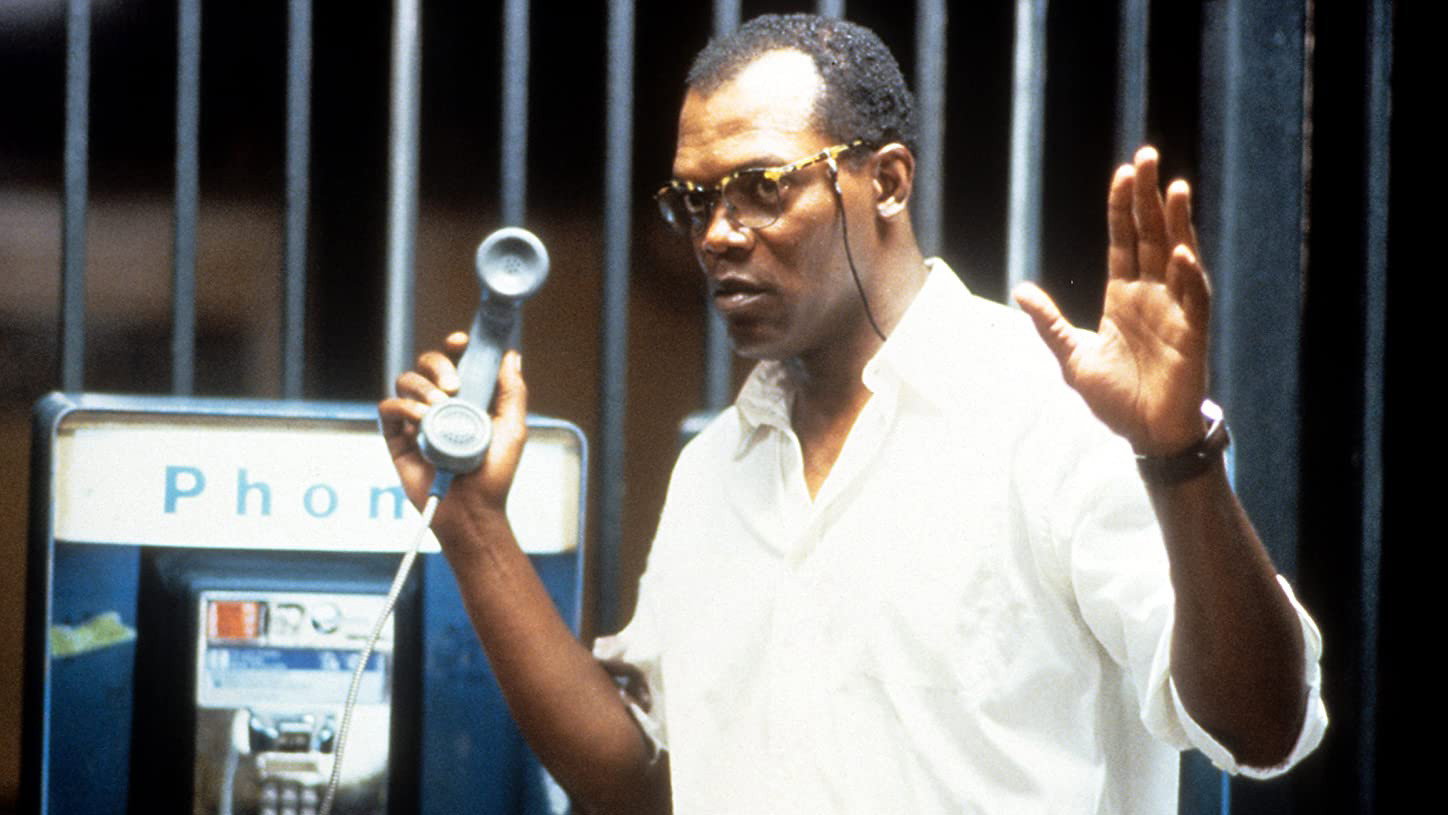
Willis’s John McClane works better with someone prepared to argue back, and Jackson’s Zeus Carver supplies plenty of resistance. Jackson makes his objections feel urgent enough to belong in the action, rather than interruptions inserted to give everyone a rest. We laughed at their bickering even while the reckless cab drive had us tense. The pleasure comes from watching two performers keep an argument alive while the film hurries them towards the next danger.

Peter Menzies Jr.’s cinematography gives the New York action a useful sense of distance: getting across the city looks like work. The cab sequence benefits from that physical scale, because the speed feels reckless and the journey difficult. John Wright’s editing keeps those immediate problems legible even when the larger plot becomes harder to follow. We can stay with the scramble in front of us without having to pretend that every connection in Jonathan Hensleigh’s screenplay is equally convincing.

Jeremy Irons gives Simon enough relish to make him an entertaining source of trouble. His performance is pitched to a film in which the adversary has to compete with two leads who already provide plenty of noise. The emphasis on their partnership does leave him less room to dominate proceedings. Still, he is good company for a villain, and the film would be duller with a more solemn performance.

Jackson De Govia’s production design helps the demolition feel suitably large, though it is less distinctive than the human business in front of it. The spaces serve the pursuit without giving us much reason to study them. Michael Kamen’s music keeps pushing alongside the action, which works while the chases retain their urgency. When the film begins to tire, that insistence becomes another demand on our attention. A little less pressure from the score would let the exhaustion of the situation register more clearly.

Hensleigh’s script is the main limitation: moving to another emergency too often substitutes for making the existing one more interesting. Wright can keep individual sequences brisk, but he cannot make the succession feel necessary. The last act loses momentum just when it ought to be tightening, and its haste does not disguise that loss. An action thriller can survive an implausible connection or two; repeatedly having to renew our interest is a more serious problem.

Most critics disagree with us about how much the partnership compensates for the untidy plotting. The complaints about repetition and sprawl are fair, but we think they understate the pleasure of Jackson giving Willis someone so difficult to get along with. Against the action genre’s usual reliance on bigger destruction, the sustained irritation between these two is a worthwhile reason to keep watching. Choose it for their company, and allow for a finish that cannot quite keep up.

Critical consensus AI synthesised

59
Positive
3
Mixed
3
Negative
3

The reviews are evenly divided between positive, mixed and negative, but praise clusters around the stunt work, Manhattan set pieces and the testy pairing of Bruce Willis and Samuel L. Jackson. Even some detractors acknowledge the action’s physical impact, while warmer assessments find enough energy and humour to make the spectacle satisfying. Jackson is a particular asset, earning approval even from critics who find the surrounding formula tired.

The main divide is over whether the larger, city-wide adventure refreshes the series or sacrifices its tension and coherence. Collider sees a revitalised sequel that preserves the original’s desperation and humour; Time Out finds familiar chases and explosions with little originality. Reservations recur around the scattered plotting and loss of momentum towards the finish, with even Collider calling the ending rushed and anticlimactic. Jeremy Irons’s villain also divides opinion: some enjoy his presence, while others find him wanting beside the original’s antagonist.

Radio Times
★★★★ · David Parkinson
80

Positive take on the third Die Hard as cracking entertainment. Singles out Jeremy Irons as a strong villain and the testy Willis-Jackson pairing for their quips and action chemistry.

Read the full review →
RogerEbert.com
19 May 1995 · Roger Ebert
75*

The film is a cleverly made wind-up action toy delivered with high energy that delivers just what it advertises. It stands out for its sensational stunt sequences and set pieces around Manhattan.

Read the full review →
The New Yorker
22 May 1995 · Terrence Rafferty
65*

It is passable fun and pretty good value for fans of dumb action-movie hedonism, though sloppier than the original. It stands out for nifty sequences like the reckless cab drive and tense elevator shoot-out.

Read the full review →
Empire
1 January 2000 · Ian Nathan
60*

The film is a buddy-buddy romp better than Die Hard 2 but not as good as the original, with breathless fun that runs out of steam in the last act and a villain inferior to Alan Rickman's.

Read the full review →
Los Angeles Times
19 May 1995 · Peter Rainer
60*

The installment is a grand-scale demolition derby on steroids that relentlessly zeros in on sensation. It stands out for its non-stop explosions and beat-the-clock escapades all over New York.

Read the full review →
Time Out
10 September 2012 · DW
40*

Finds the formula wearing thin by the third film, with Willis as a standard action hero and little originality beyond familiar chases and bangs. Singles out Samuel L. Jackson for providing the best moments as the sidekick.

Read the full review →

Cast

Stills

Awards

MTV Movie Award for Best Action Sequence, 1996

Nominated
MTV Movie Award for Best Action Sequence

If you liked this, try…

The Taking of Pelham One Two Three poster

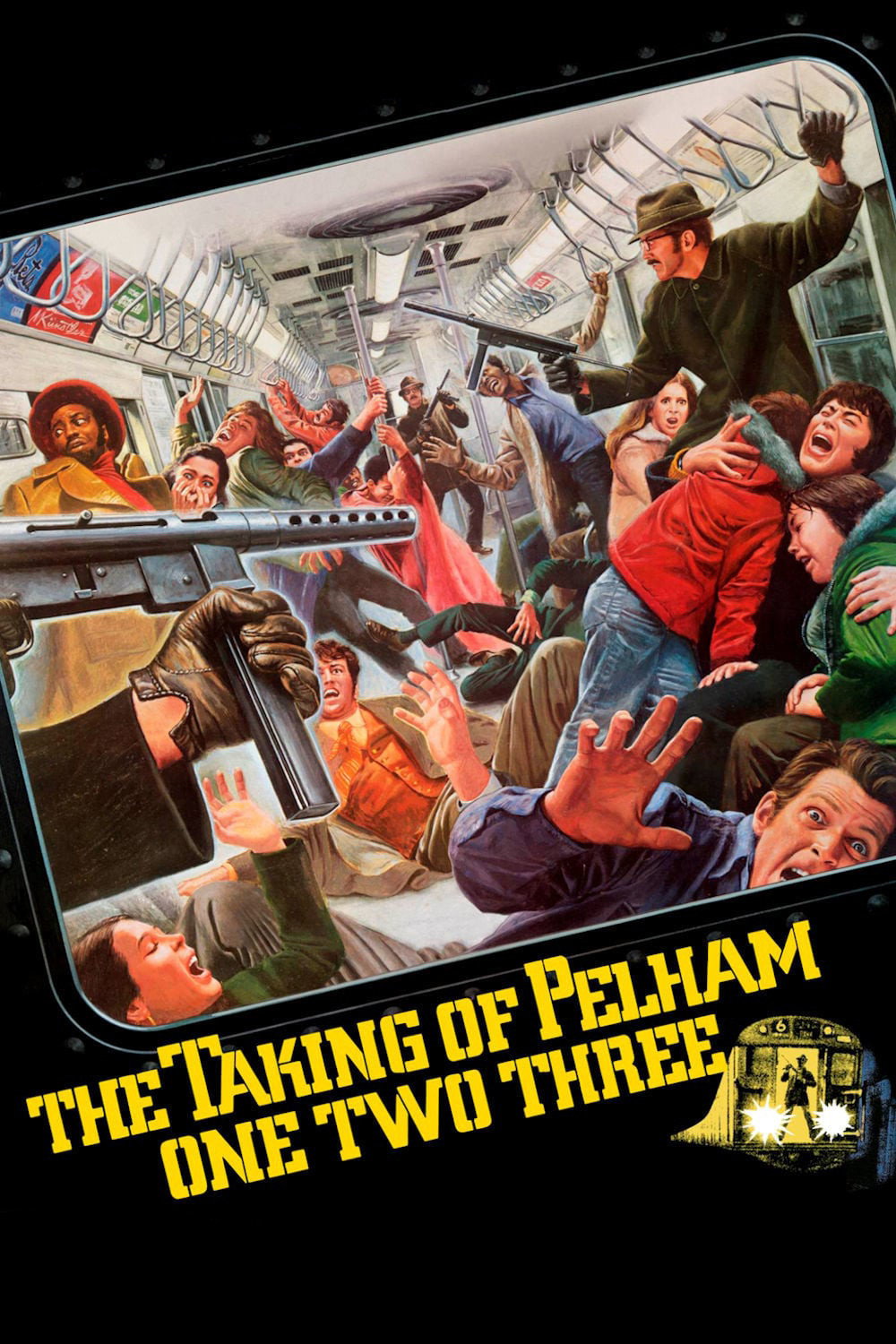
The Taking of Pelham One Two Three

1974 · Dry New York humour gives another tightly scheduled thriller its prickly character

Police Story poster

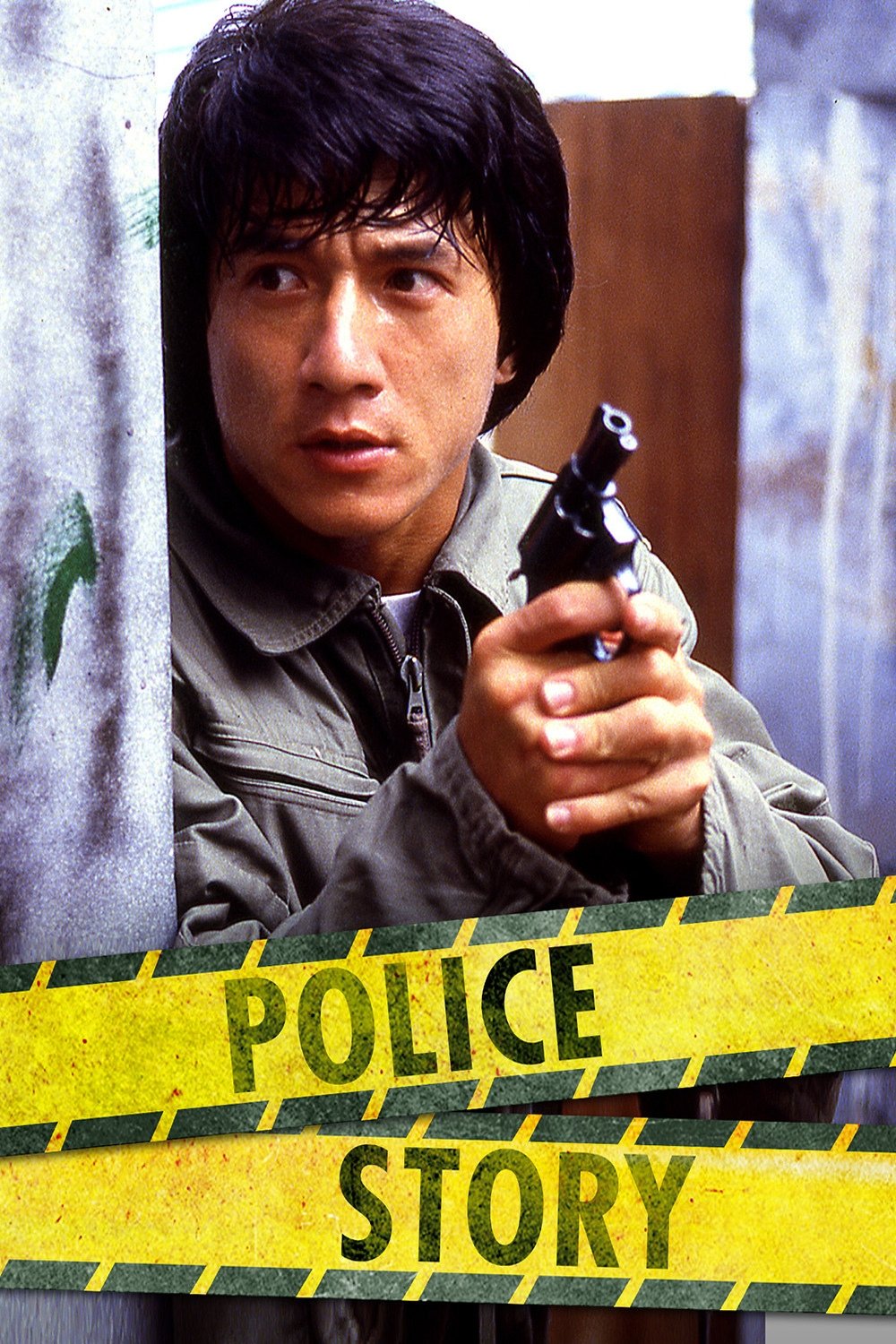
Police Story

1985 · Physical danger and comic exasperation share the frame, with little room for bluff

Speed poster86

Speed

1994 · A simpler deadline keeps the action focused and the central partnership appealing

Point Blank poster

Point Blank

2010 · A frantic French chase that keeps its ordinary protagonist under intolerable pressure

The Nice Guys poster

The Nice Guys

2016 · Two argumentative leads make another hazardous investigation much funnier than it should be