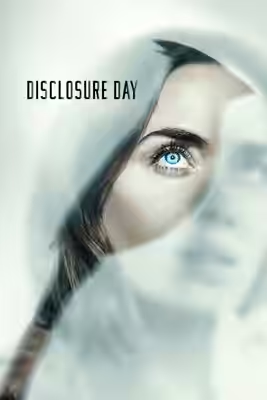
Spielberg’s alien conspiracy chase is fluently made and Emily Blunt is a pleasure in it. But the mystery behind all the running is second-hand, the film is twenty minutes too long, and the awe it keeps promising arrives late and sentimental.
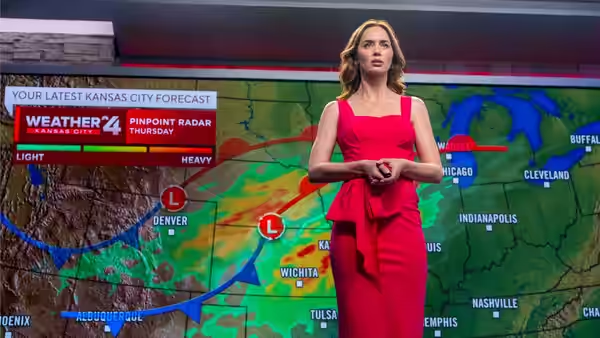
Steven Spielberg has gone back to the aliens, and this time he has arrived by way of the conspiracy thriller. Margaret Fairchild (Emily Blunt) is a television weather forecaster. Something happens to her mind that she cannot explain, people take an interest, and for most of 146 minutes she is running. David Koepp wrote the screenplay from a story by Spielberg, and the two of them have built a capable chase. What they have not built is a mystery worth the running. It is a good evening, and a long one.
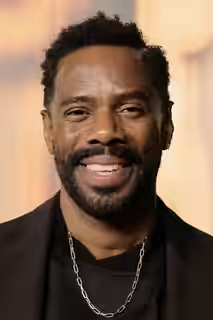
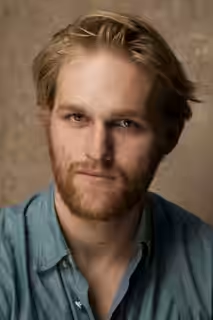
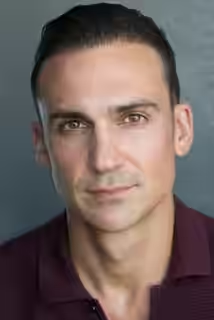
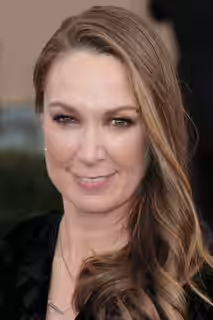
Blunt is the reason to go. She plays Margaret as a woman used to being looked at and not listened to, so that when the strange abilities arrive she treats them first as an embarrassment and only later as a danger. She is quick, funny and frightened in the right order, and she can carry an exposition scene by looking as if she does not believe it either. Josh O’Connor’s Dr Daniel Kellner is the still one, and he underplays so completely that Blunt has something solid to bounce off. Colin Firth as Noah Scanlon and Colman Domingo as Hugo Wakefield are given less than their billing suggests and are good in what they have. Eve Hewson and Wyatt Russell work around the edges of the hunt.
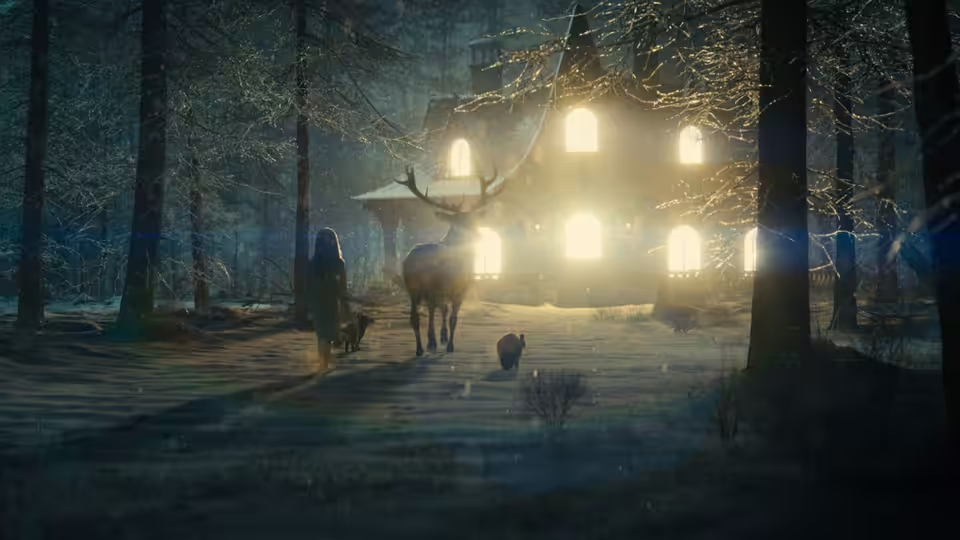
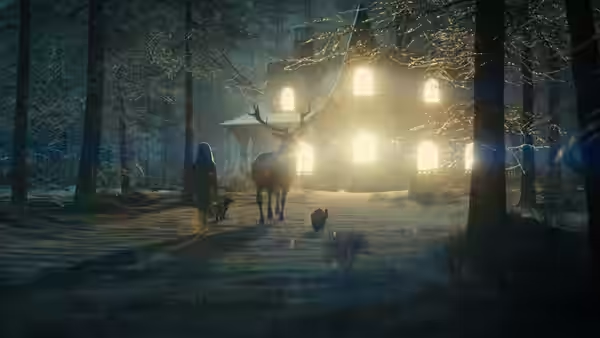
Janusz Kamiński’s camera moves almost constantly, in long takes that follow a body through a door, down a corridor and out into the weather without a cut, and the chases are legible in a way that has become rare: you always know where everyone is and which way they are going. Adam Stockhausen builds ordinary rooms and lets the film disturb them, which is the right idea for a story about the extraordinary turning up at work. Sarah Broshar cuts fast and clean, and for the first hour the pace reads as confidence. John Williams supplies a big brass theme that promises wonder every time it appears, and it appears often. The score is asked to carry the awe that the pictures keep postponing, and it cannot do it alone.
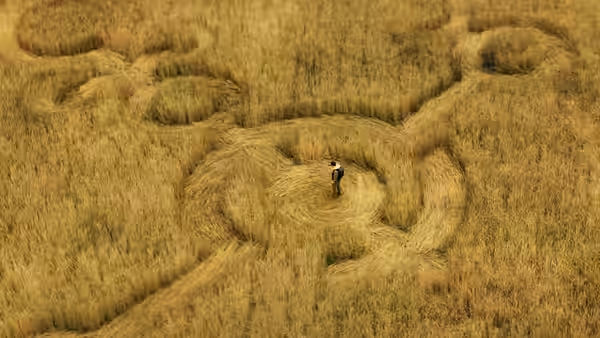
The trouble is what the chase is about. Koepp’s script takes its alien business from the cover-up stories the rest of us have been hearing for fifty years, and does not add much to them. When the film reveals things, we recognised them rather than felt them. There is a threat to the world somewhere behind all this, mentioned often and never made real, so the stakes stay abstract while the running stays literal. The second hour explains a great deal and the explanations are the least interesting thing in it.
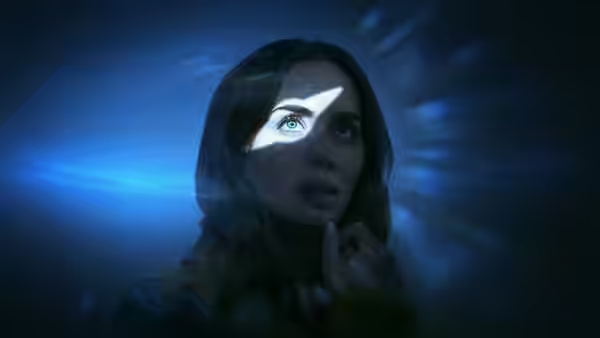
Here is what we felt. For the first hour we were entirely with it; the first time the film stops moving and lets Blunt sit still and be scared of her own head, we were gripped, and we did not care that we could not yet say why. Somewhere past the two-hour mark we noticed we were wondering how much longer, and then we were cross, because a film about wanting to know should not make us want it to stop. The final stretch reaches for tears. The reaching shows.
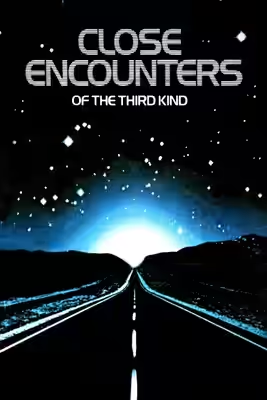
Against Spielberg’s own record, Close Encounters of the Third Kind (1977) is the obvious comparison and the unkind one. That film let a man stare at a mountain for what felt like a long time, and the staring was the point. War of the Worlds (2005), which Koepp also wrote, was the sharper chase because it never pretended to be about more than getting a family through a night. Disclosure Day wants the stare and the sprint, and it gets the sprint.
See it in a cinema if you can. The running was built for a big screen and the score for a big room, and at home the 146 minutes will feel like more. Take someone who still wants to believe, and do not expect to be told anything you have not already heard. It carries a 12A.