Fine performances and warm images cannot rescue Sam Mendes’s muddled cinema romance. Olivia Colman and Micheal Ward make the affection believable, but the script keeps interrupting them to announce another subject it cannot properly explore.
Sam Mendes asks Empire of Light to be a romance, a drama about mental health and racism, and a tribute to the people who keep a cinema running. That is a great deal to fit into 115 minutes, particularly when the writing keeps changing its mind about what needs attention. It is a disappointing film with fine performances and considerable care behind the camera. Mendes, who also wrote the screenplay, gives his actors feelings to explain that they have already made clear.
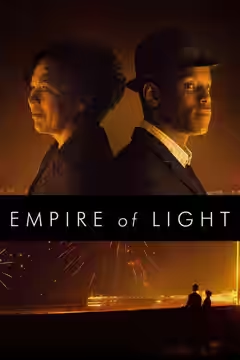
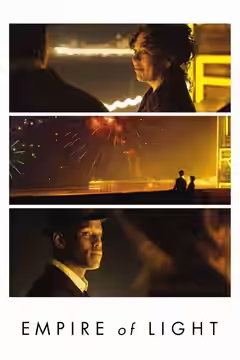
Olivia Colman gives Hilary an emotional life that survives some awkward writing. Her vulnerability never feels entirely comfortable, which is right: the performance resists making unhappiness seem sweet or convenient. The affection between Hilary and Stephen is convincing because Micheal Ward makes his attention towards her feel so unforced. Ward brings enough warmth to suggest why this connection matters without having to insist on its importance. For a while, their company is enough.
The script is less patient with them. Racism, mental illness and romance each need sustained attention, but Mendes repeatedly moves between them before the people involved have become sufficiently distinct. The trouble is particularly damaging to the relationship, which has to provide reassurance while the film is busy introducing further distress. There is too little room for curiosity, disagreement or the ordinary business of getting to know somebody. The dialogue often tells us what these people represent when we want to know what they think.
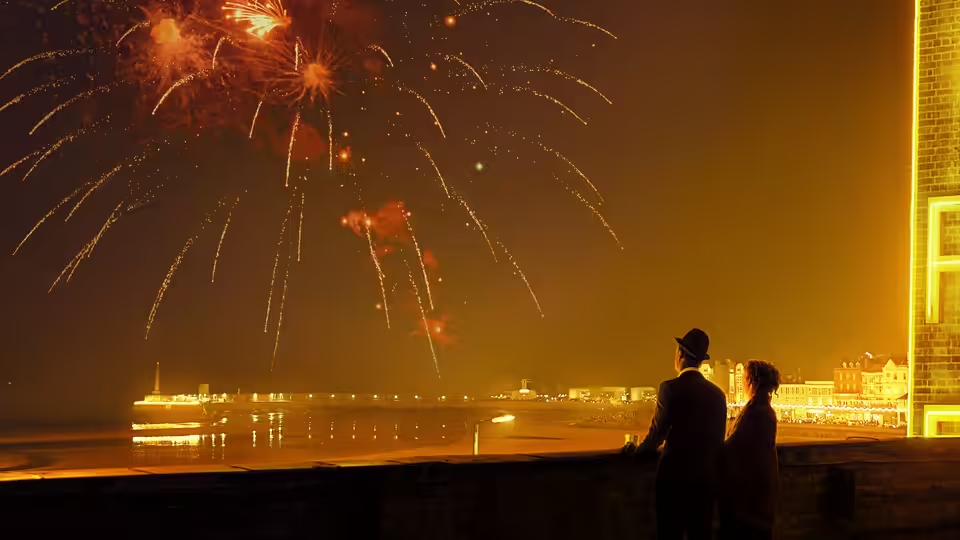
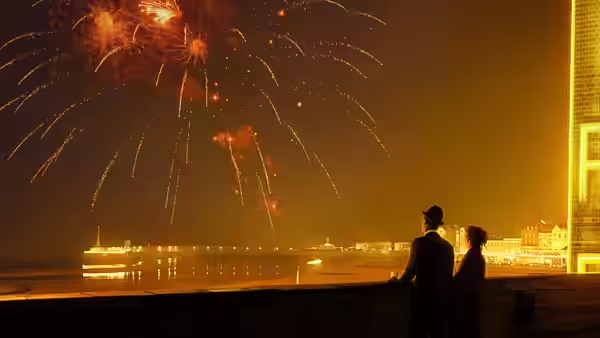
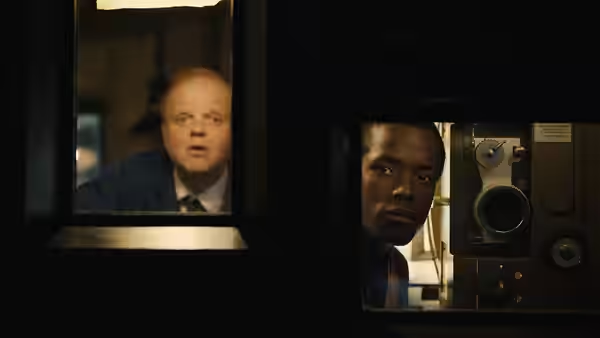
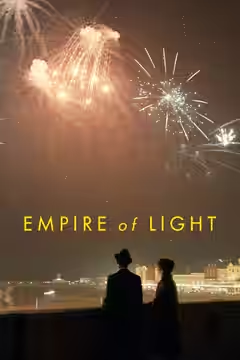
Roger Deakins’s warm lighting gives the cinema an appeal that needs no explanation. Mark Tildesley’s production design is equally persuasive, with its attention to the building’s architecture and period detail making it somewhere we want to spend time. We were briefly delighted by the rooftop fireworks; the colour and light give us a pleasure the earnest dialogue rarely permits. The polish does sometimes work against the intimacy: we notice the care taken over an image before we register the people within it. Still, the affection for the place is clear, and the staff’s camaraderie gives it some everyday life.
Lee Smith’s editing cannot make the changes of subject feel like a developing story. Individual passages have feeling, but too often we seem to be starting again rather than learning more about Hilary and Stephen. Trent Reznor and Atticus Ross supply music whose gentleness is welcome, although it adds to the pressure to find the film touching. Neither the cutting nor the score can repair a screenplay that keeps explaining why we ought to care.
There is nothing wrong with a sentimental romance, and no requirement for a film about cinemas to apologise for liking them. The difficulty comes when affection for the building is expected to make its occupants’ troubles feel adequately understood. Mendes has performers capable of making a quieter, less insistent film worth watching, and their warmth makes this missed opportunity frustrating. Choose it for Colman and Ward only if patience with the script comes included.