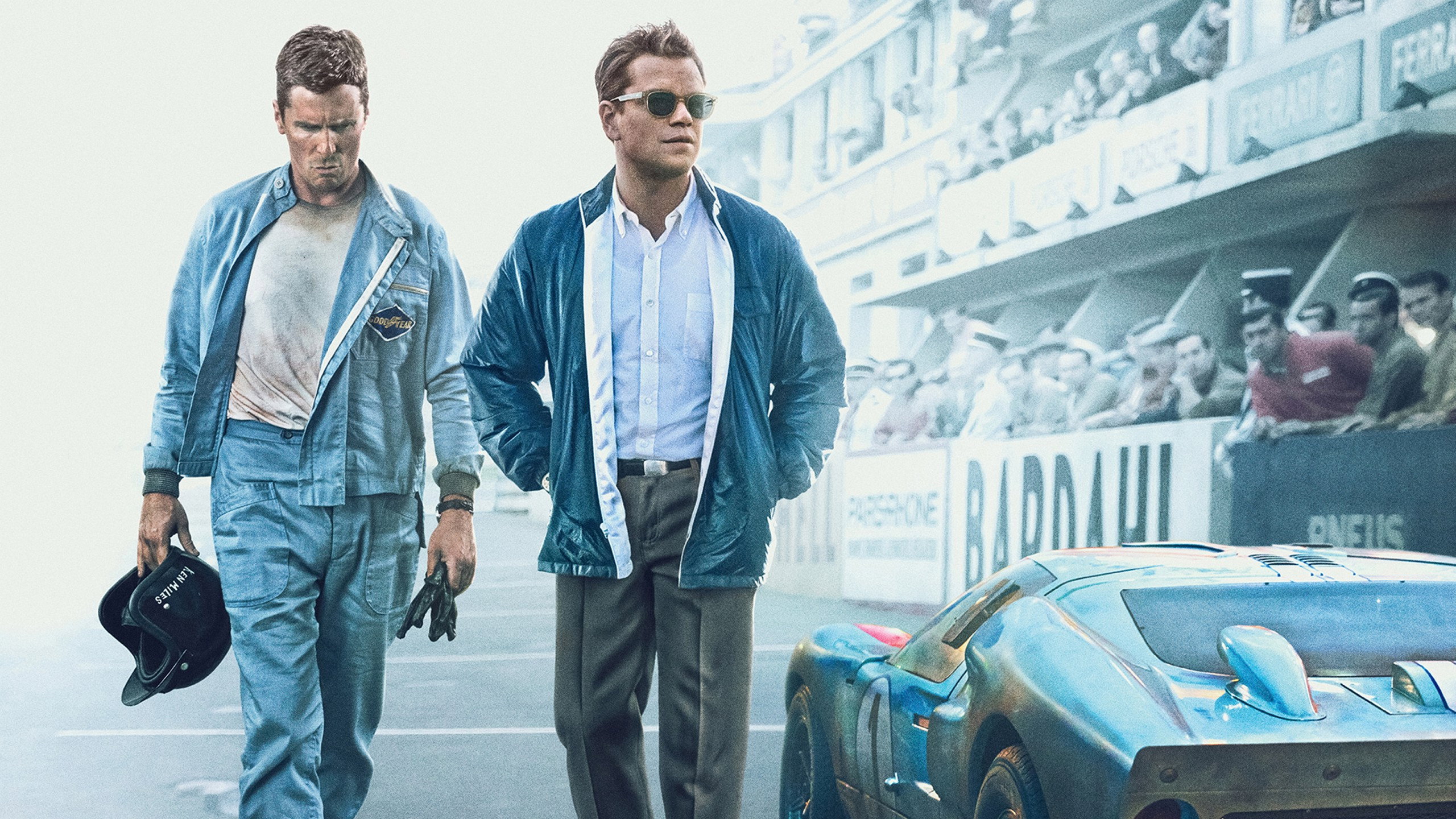
Matt Damon and Christian Bale make James Mangold’s racing drama worth the long evening. The driving is gripping and the friendship persuasive, though the corporate interference becomes repetitive long before the script lets it go.
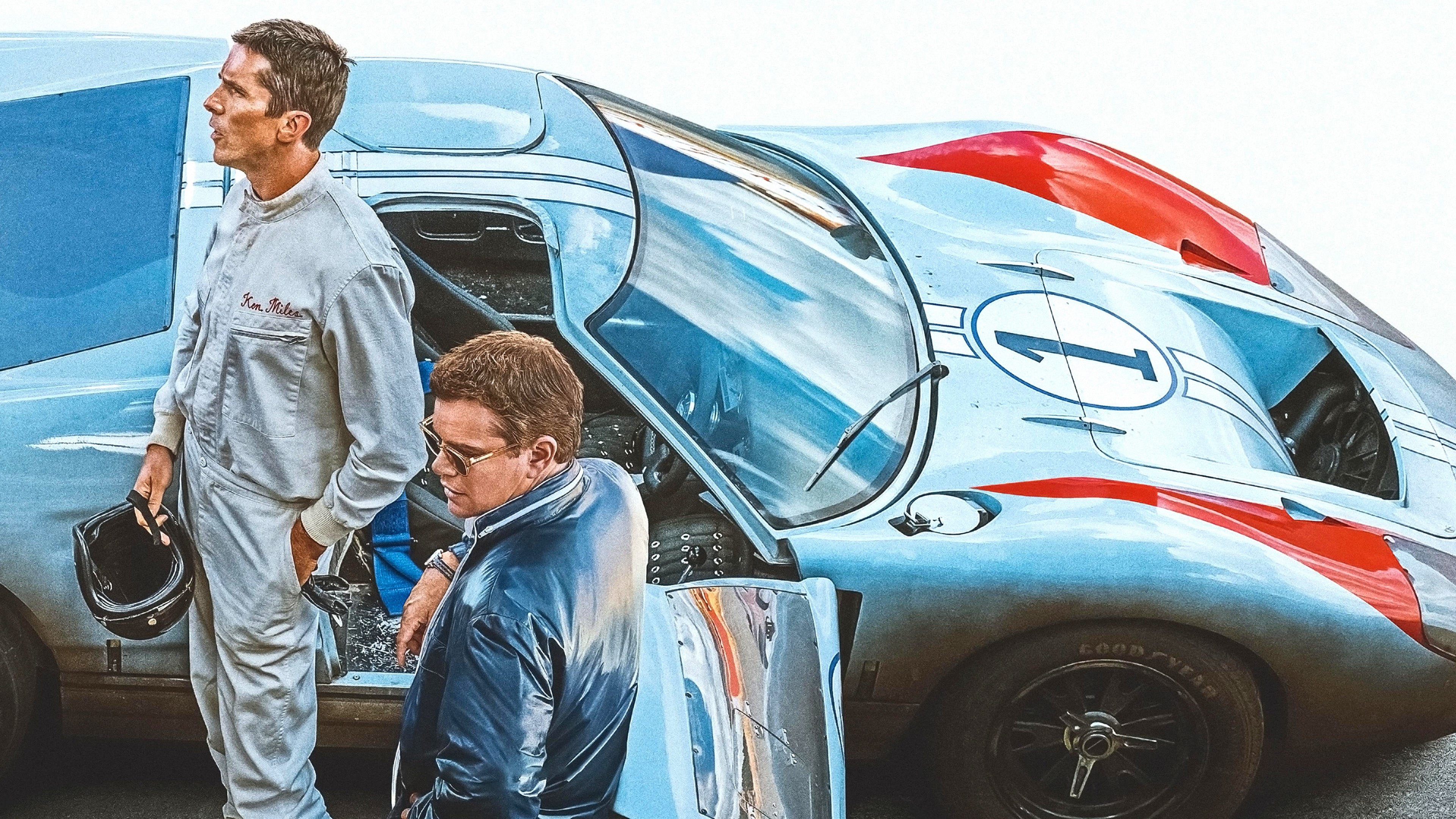
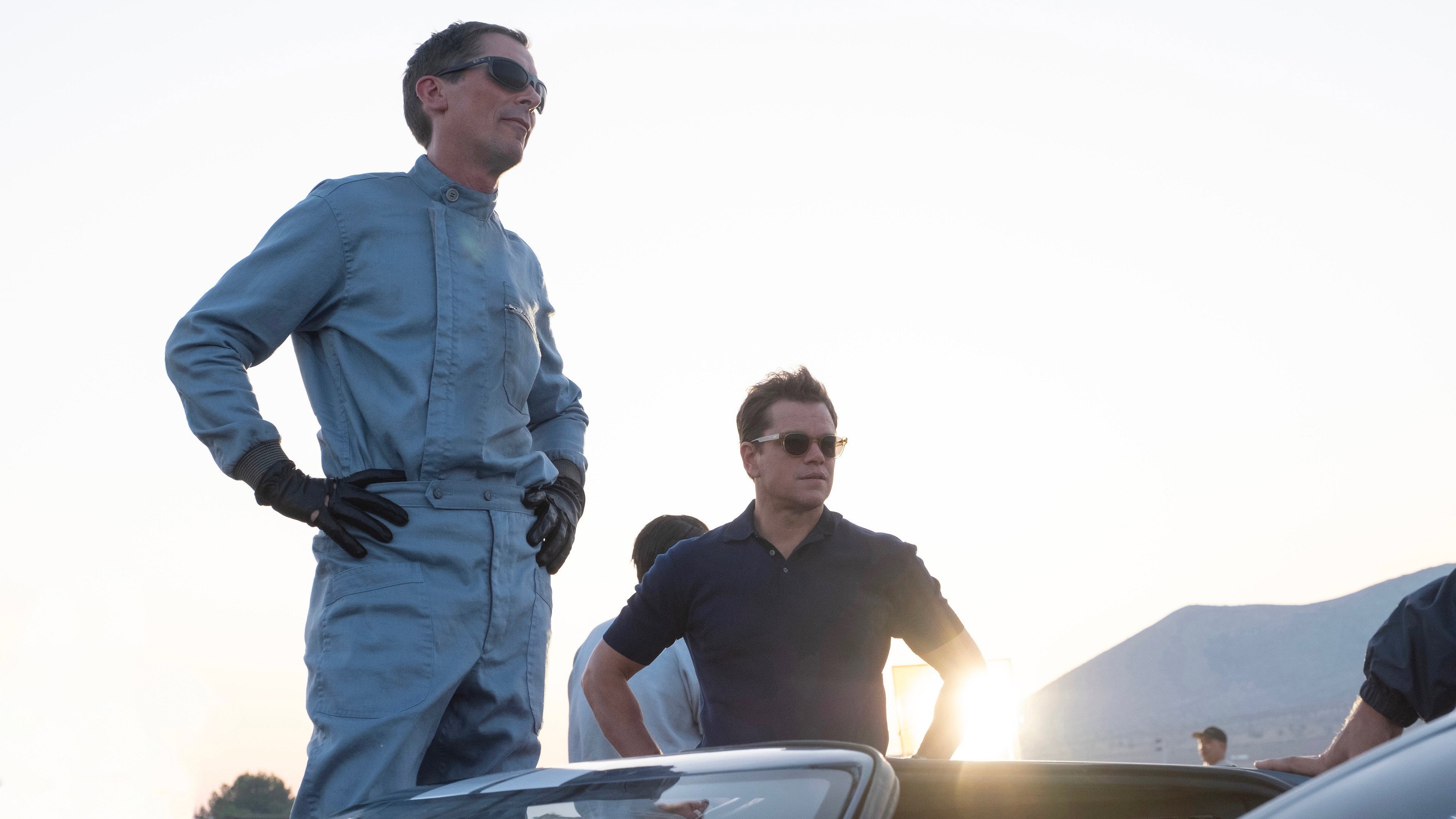
James Mangold’s Ford v Ferrari is a fine racing drama whose familiar writing is mostly overcome by the pleasure of watching its leads. It takes professional skill seriously, allowing pride and technical judgement to matter alongside the competition. The friendship between Carroll Shelby and Ken Miles gives us people worth following through the Ford-Ferrari rivalry. Mangold trusts that capable men can be interesting even when they are being difficult.
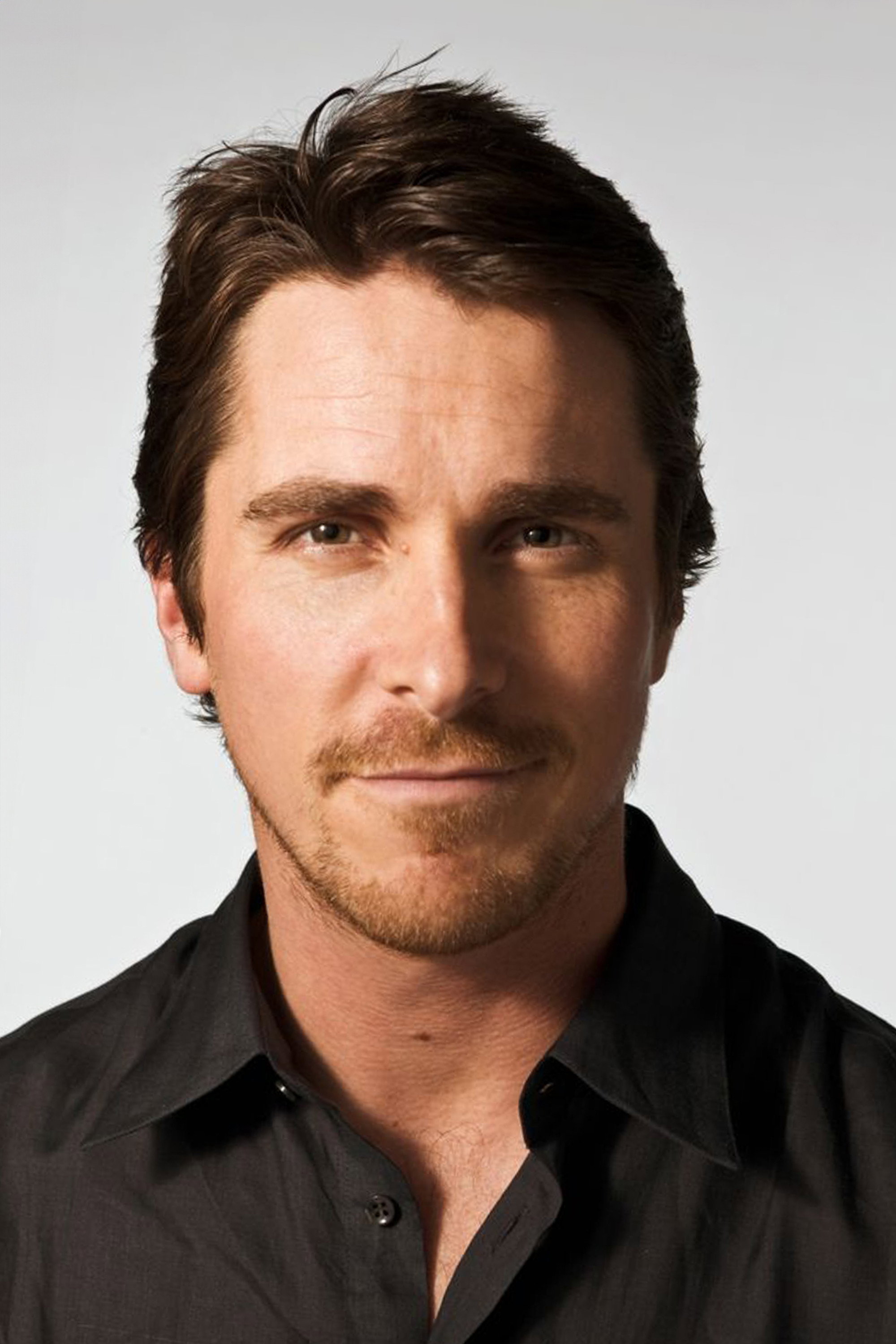
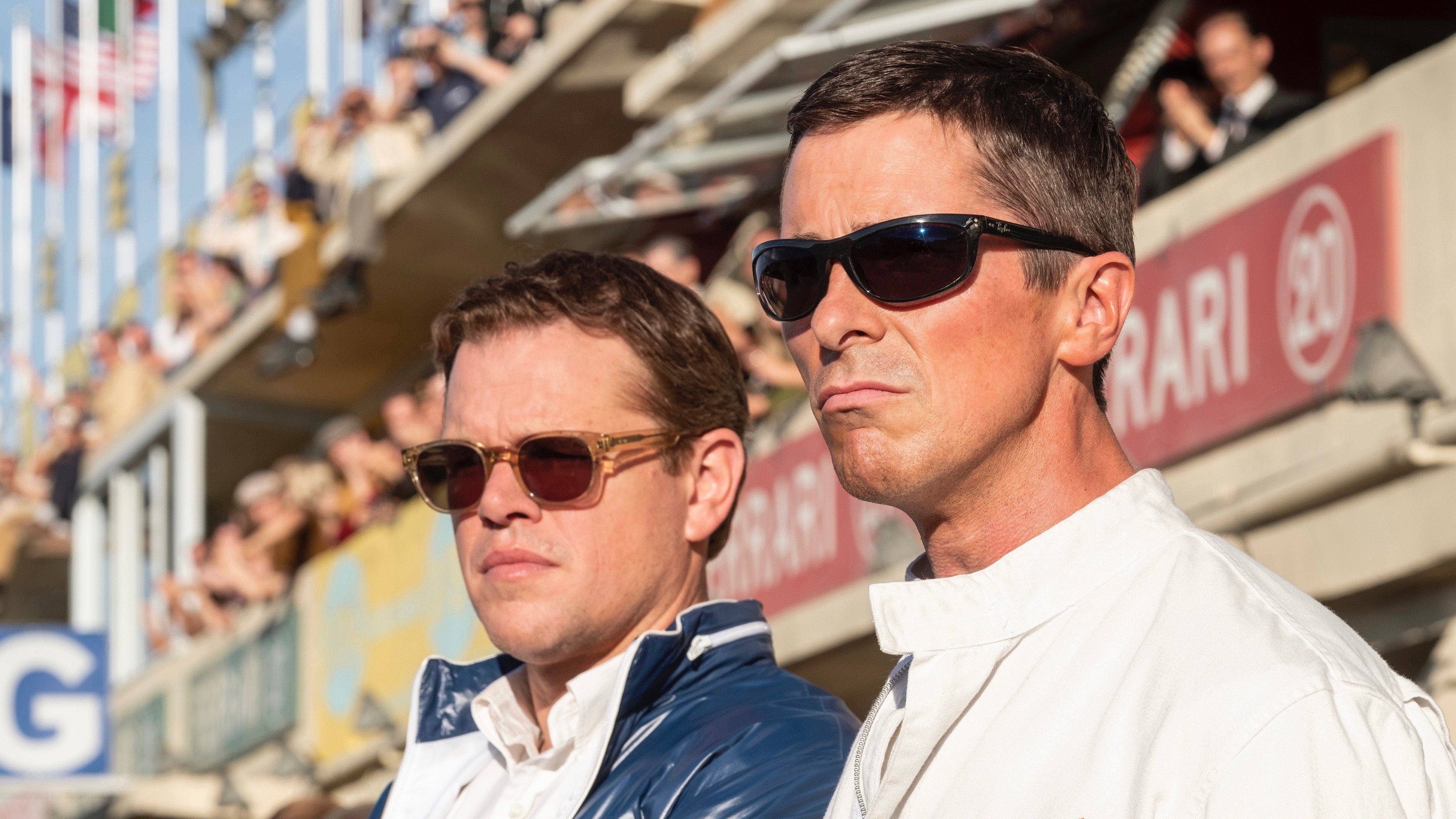
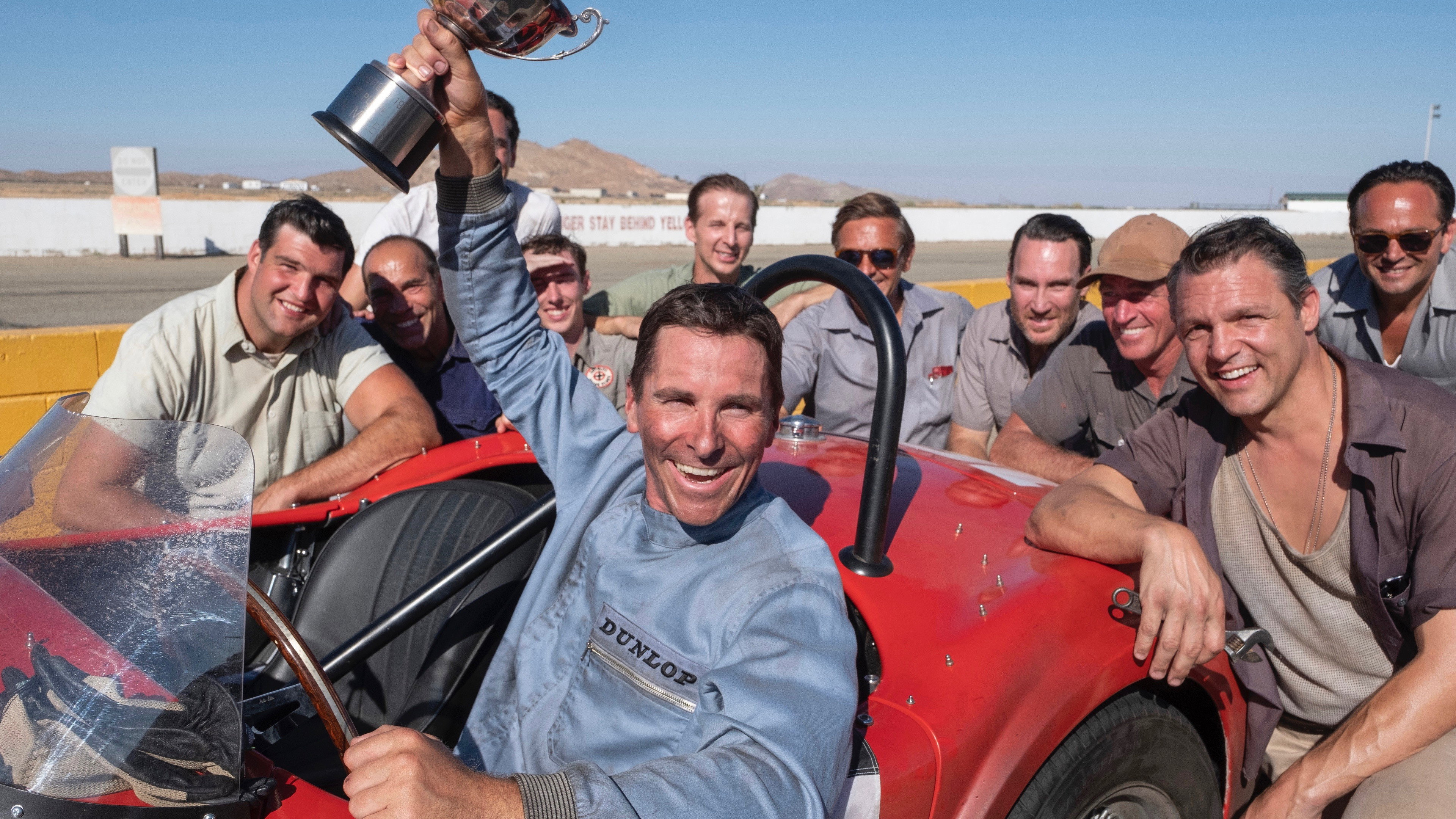
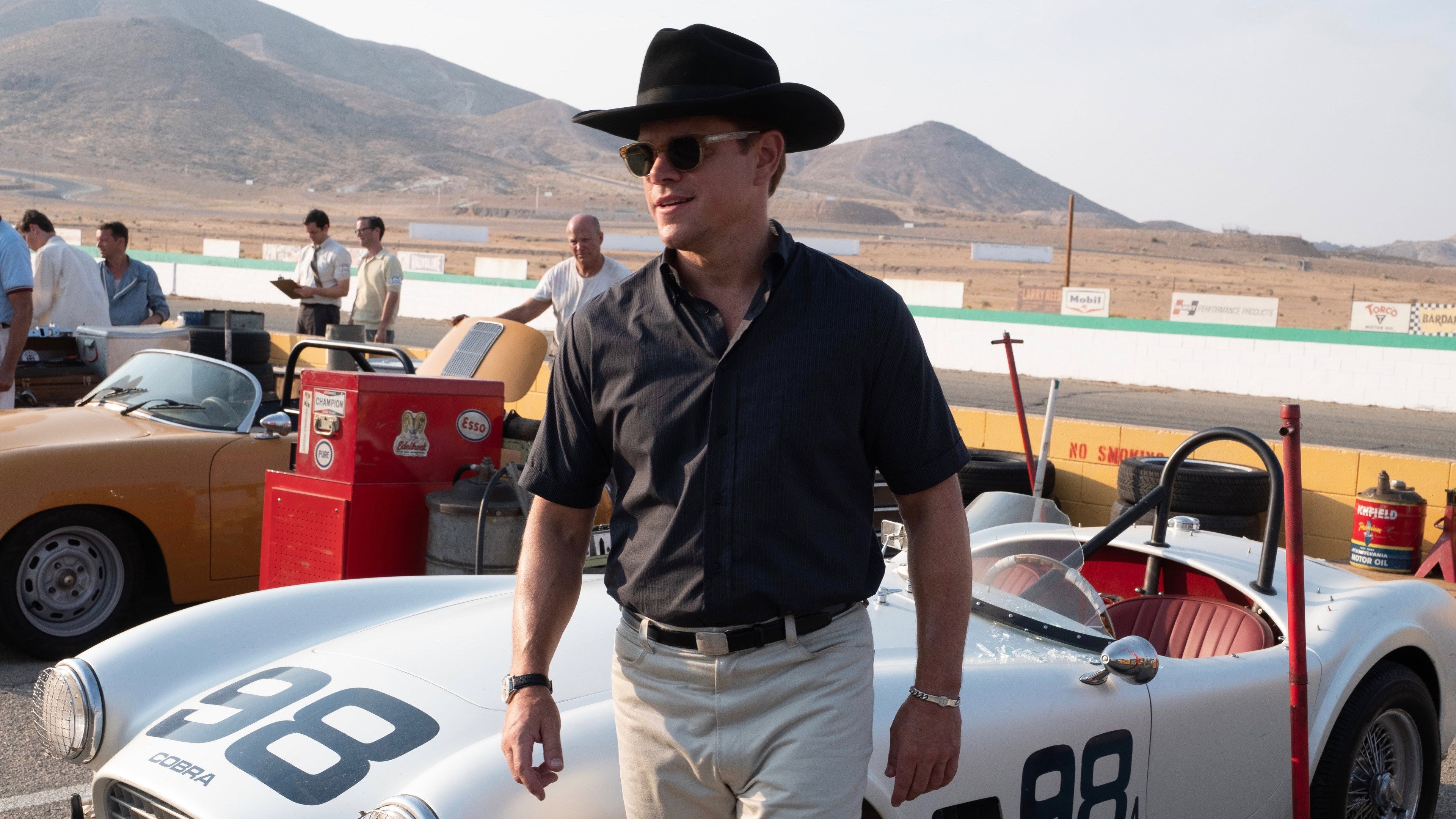
Matt Damon plays Shelby and Christian Bale plays Miles, and the difference between their performances gives the friendship its humour. Bale plays Miles’s impatience for laughs without losing sight of the driver’s ability. Damon is quieter, and his restraint allows Shelby to remain a convincing partner rather than merely the audience for Bale’s performance. Their competitive pride makes the friendship credible: admiration does not stop either man wanting his own way, or finding his colleague hard work.
Phedon Papamichael’s cinematography is particularly effective inside the cars, where we can see what the speed demands of the driver. Editors Andrew Buckland, Dirk Westervelt and Michael McCusker keep the racing easy to follow without making it feel safe. We were tense in the cockpit scenes because Bale makes controlling the car look like continuous, exhausting work. His concentration makes the next decision matter, and the cutting gives us enough time to register that effort.
François Audouy’s production design gives the boardroom scenes a convincing formality, which helps the corporate interference feel rooted in a workplace. Buck Sanders and Marco Beltrami’s score adds momentum to the racing, though the driving supplies quite enough excitement of its own. These contributions serve Mangold’s preference for clear, accessible drama, and the film remains easy to follow even when the characters are arguing over expertise.
The screenplay by Jez Butterworth, John-Henry Butterworth and Jason Keller becomes less satisfying whenever it returns to the corporate obstruction. We understand why the racers resent being managed long before the script finishes making the case, and each fresh difficulty starts to feel like another demonstration of the same complaint. That leaves some of the people outside the central friendship looking thinly conceived. Ferrari receives too little attention for the rival manufacturer to become interesting in its own right.
The underdog story is a slightly awkward fit for a contest between manufacturers, but Mangold keeps the emphasis on the men whose judgement can be overruled. That makes the sporting formula easier to accept: we are rooting for their expertise to count for something. The sentiment is familiar, and the film sometimes insists on it after the actors have already earned our sympathy. At 153 minutes, a little less reinforcement would help.
Give it the full evening if a friendship conducted through competition sounds appealing. Damon and Bale make the stretches between races companionable, even when the writing is marking time. There is no need to know what is under the bonnet.