Film review

Gladiator

2000 · Directed by Ridley Scott · 2h 35m · MPA R

In a sentenceA tired man is made to kill for other people’s entertainment and, to our slight embarrassment, we were entertained

ActionDramaAdventure

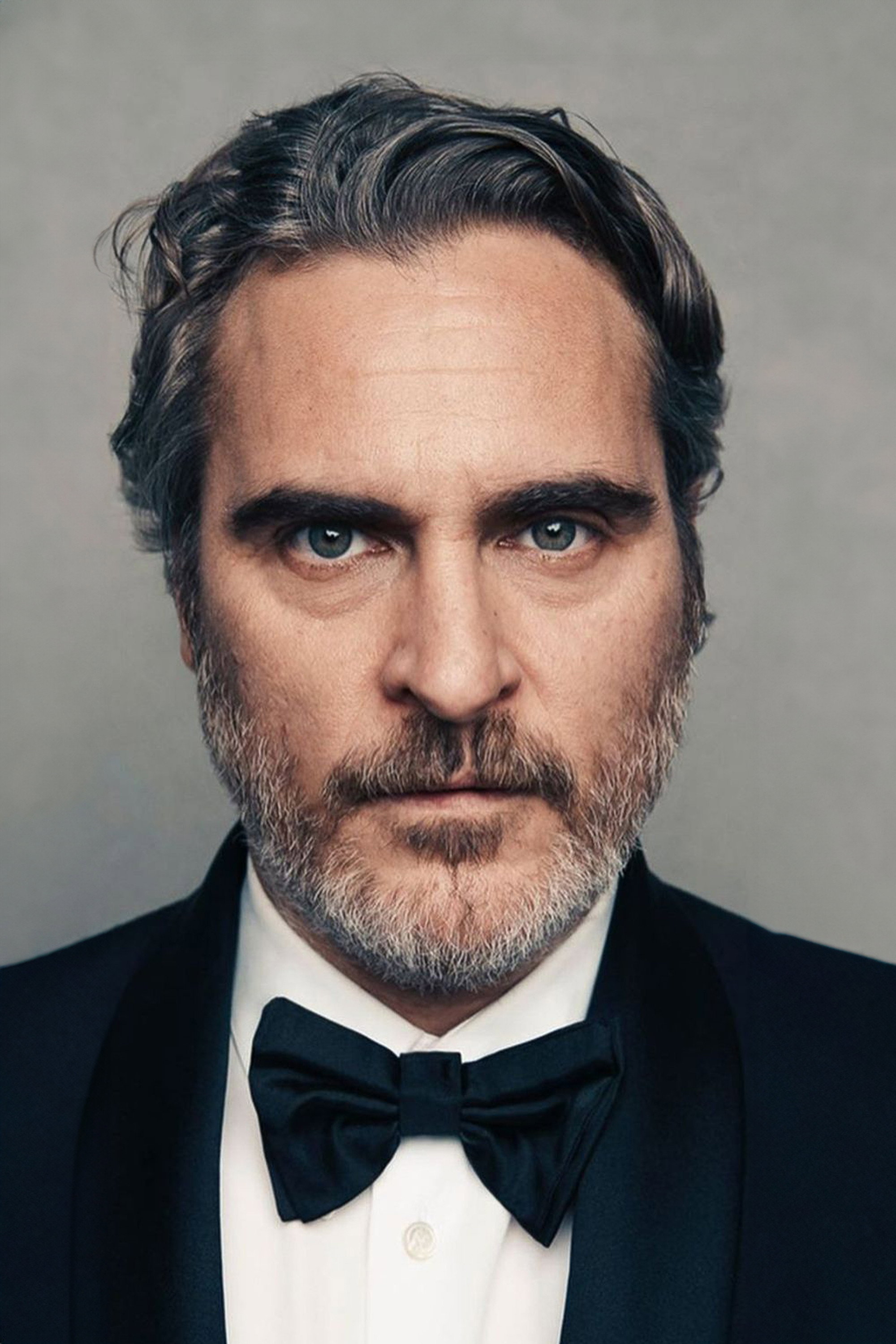
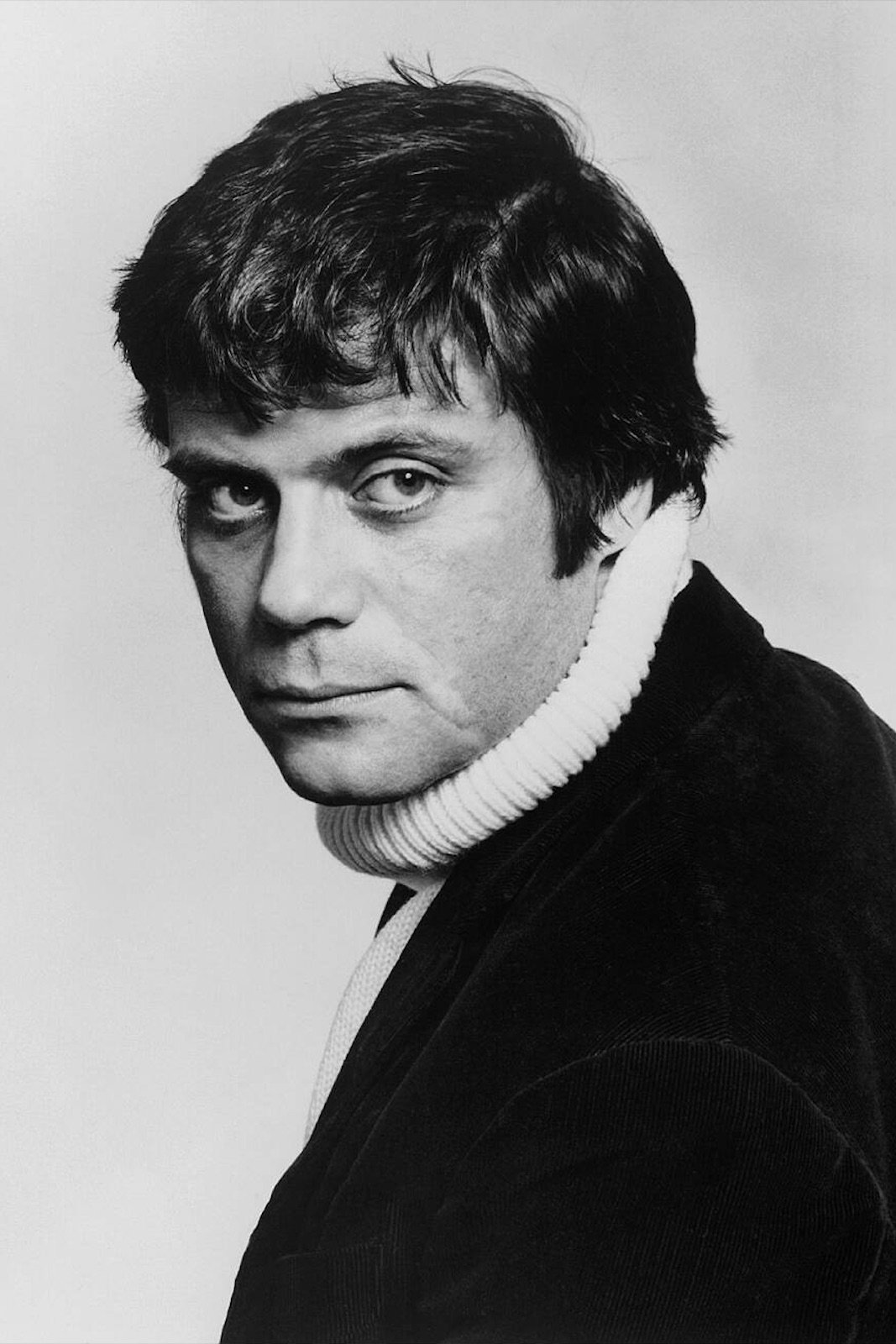
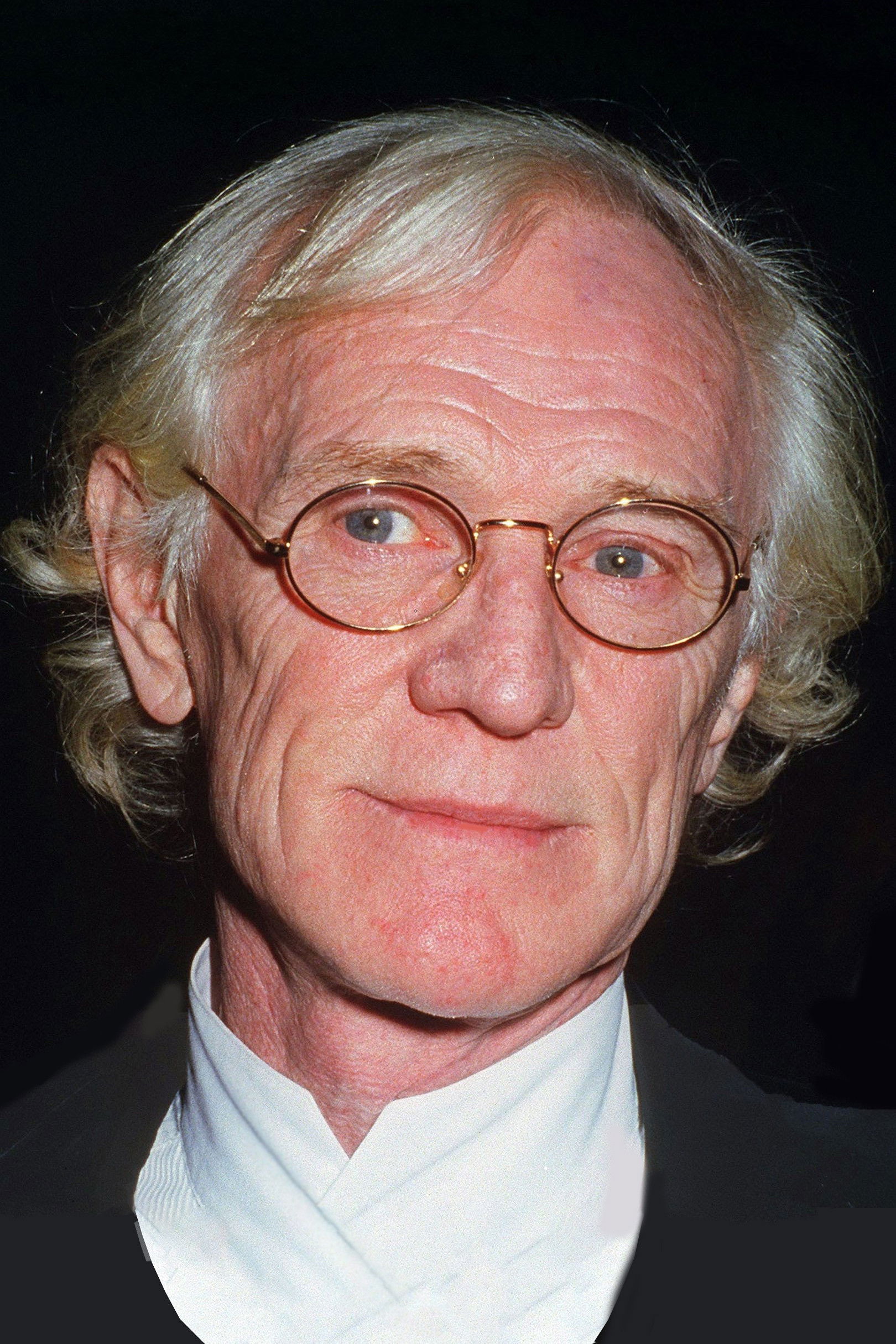
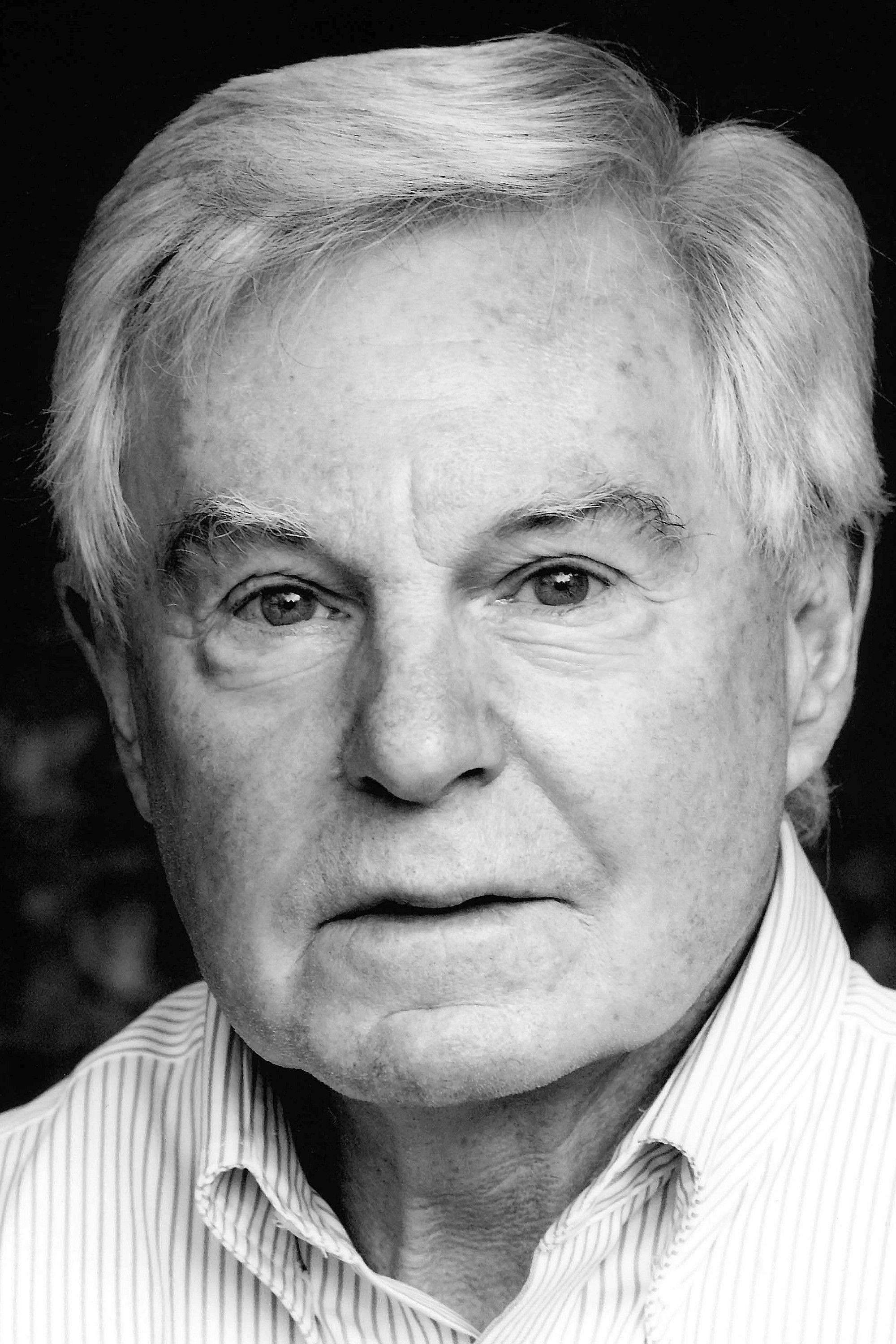
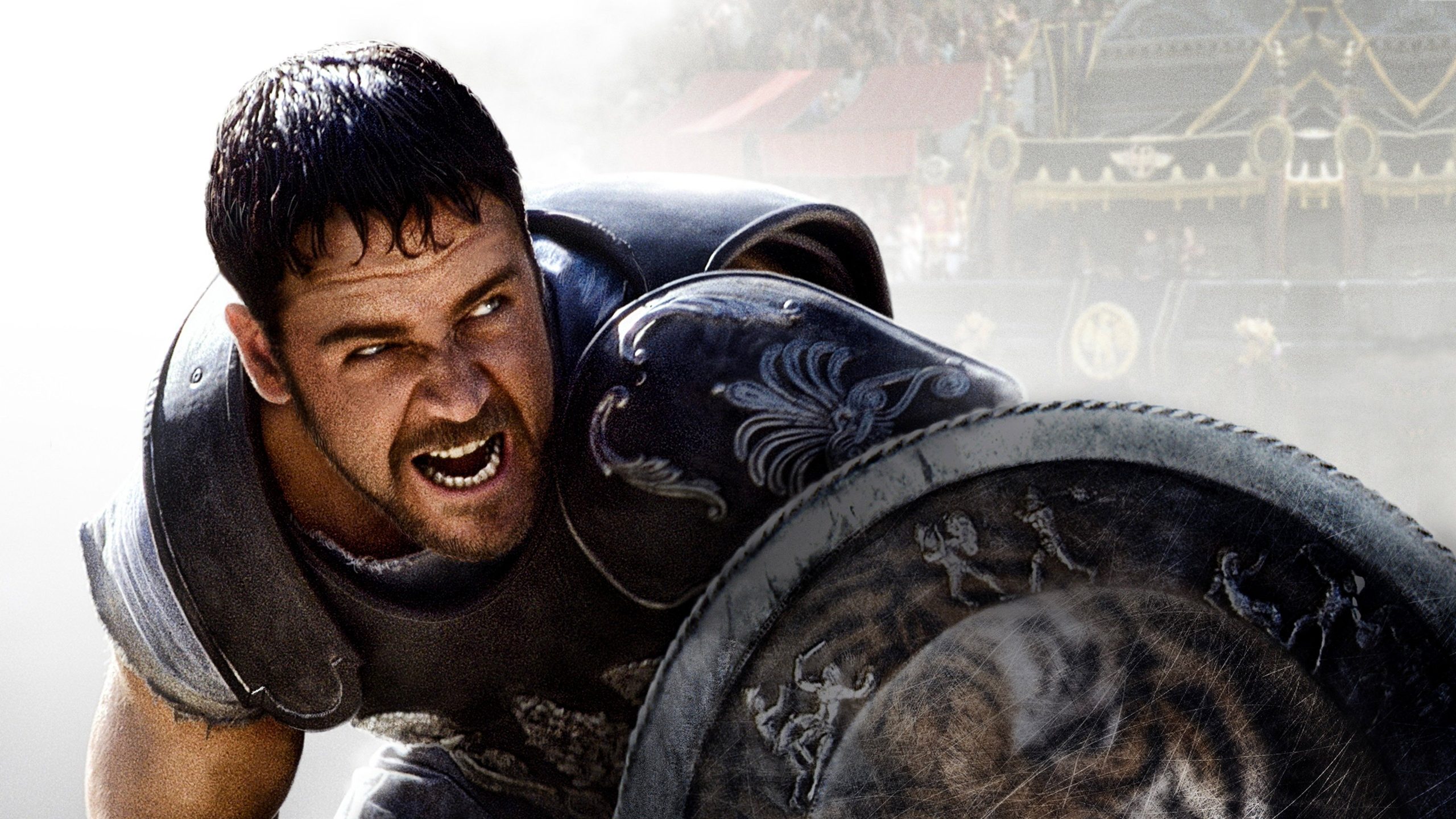
In the Roman Empire, Maximus (Russell Crowe) fights in the arena and pursues revenge. His conflict with Commodus (Joaquin Phoenix) unfolds amid political intrigue and a public appetite for violent spectacle. Connie Nielsen plays Lucilla, Oliver Reed plays Proximo and Richard Harris plays Marcus Aurelius, with Derek Jacobi as Gracchus and Djimon Hounsou as Juba. Ridley Scott directs this action drama about a fighter caught up in the struggle for power in Rome, where combat provides entertainment and personal grievances have consequences beyond the arena.

Plays from YouTube when you press play; nothing loads from them until then.

Fi1m review

Ridley Scott’s Gladiator is stirring, bloody entertainment, held together by Russell Crowe’s conviction. The politics can be blunt and the fighting occasionally hard to follow, but there is someone worth caring about beneath the armour.

Ridley Scott’s Gladiator tells a familiar revenge story with enough conviction to make it rousing. The Roman setting offers plenty to look at, but Scott understands that an arena full of people means little until we care about one of the men inside it. Russell Crowe gives him that man in Maximus, a fighter whose reluctance to perform is itself compelling to watch. We know the broad shape of this sort of story, and the film gains force by taking it seriously rather than apologising for it.

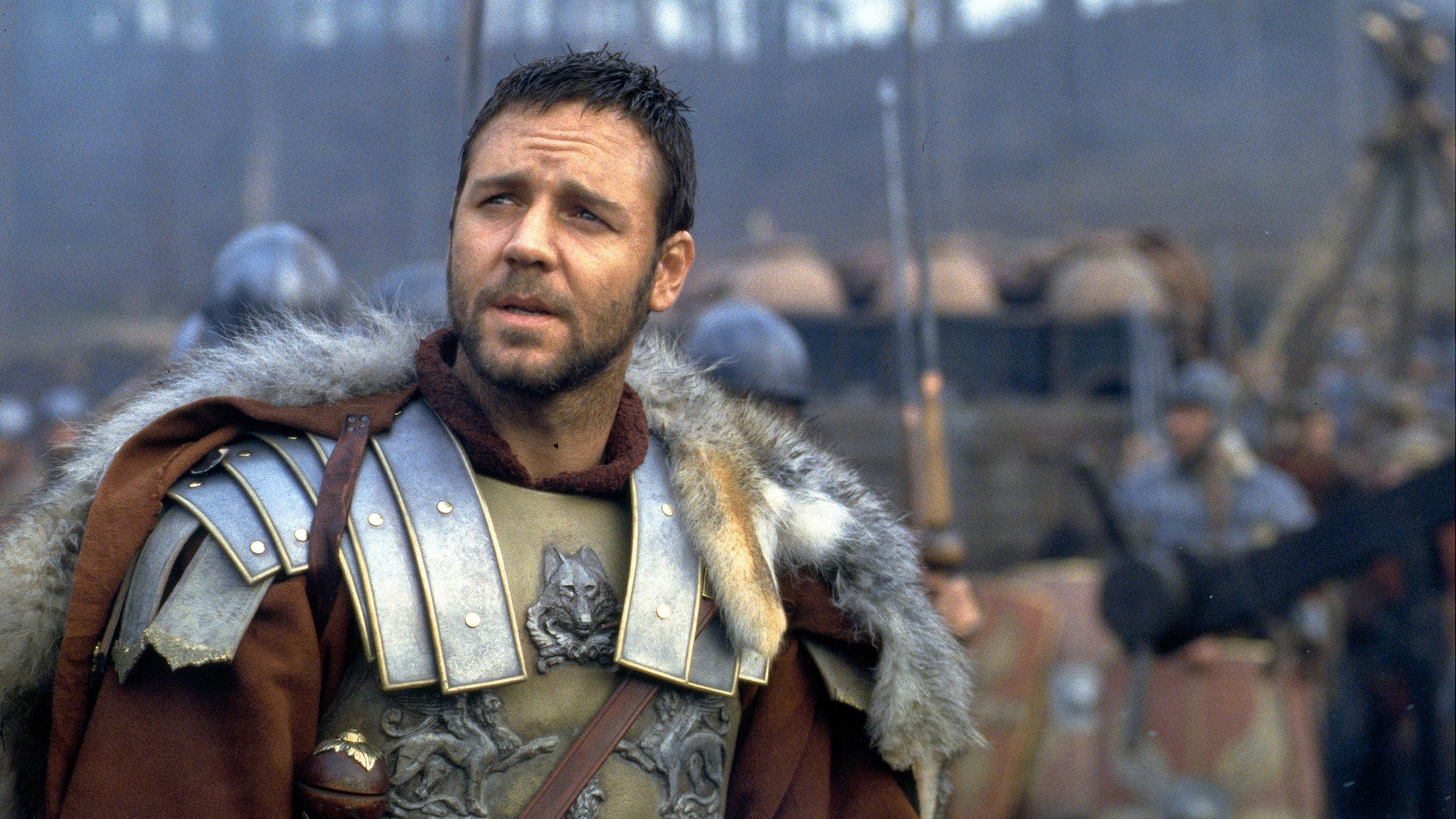
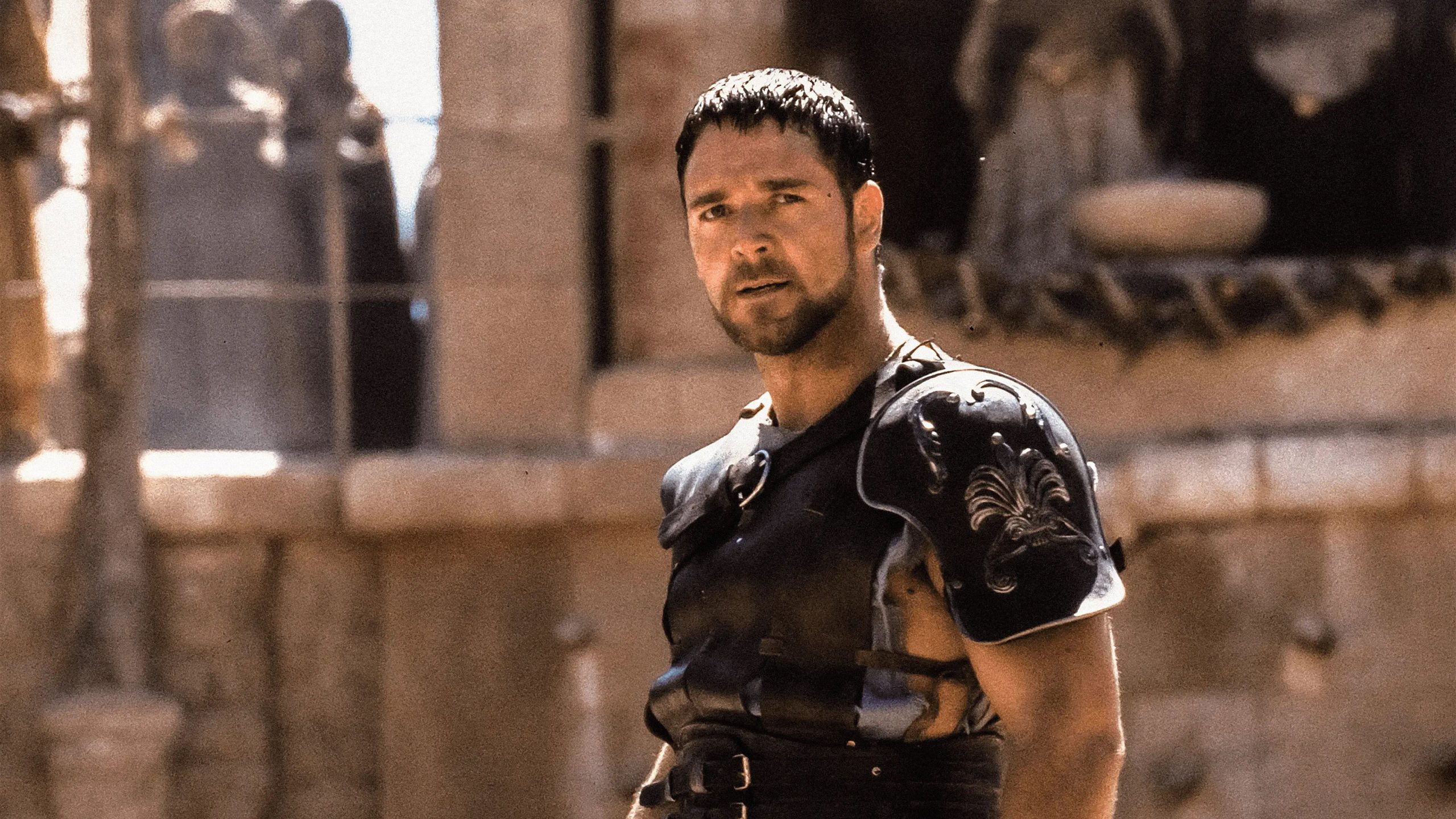
Crowe’s great strength here is how little he appears to be asking for our sympathy. There is weight in his stillness, and his physical authority makes the fighting credible without making Maximus seem untouched by it. We were moved more than we expected by the weariness Crowe gives Maximus; he makes the effort of continuing feel costly. The revenge story needs that exhaustion, because determination on its own would leave us with a much less interesting hero.

Joaquin Phoenix’s Commodus is an excellent opponent for him: needy, uneasy and dangerous in ways that strength cannot quite answer. Phoenix lets us see the insecurity without inviting us to forgive the cruelty, and his scenes give the political plotting its sharpest interest. Connie Nielsen, as Lucilla, brings welcome watchfulness to material that sometimes asks people to announce what they represent. Oliver Reed’s Proximo has a bluntness that helps keep the film from becoming too solemn. The cast can make an exchange worth following even when the writing has already told us where our sympathies belong.

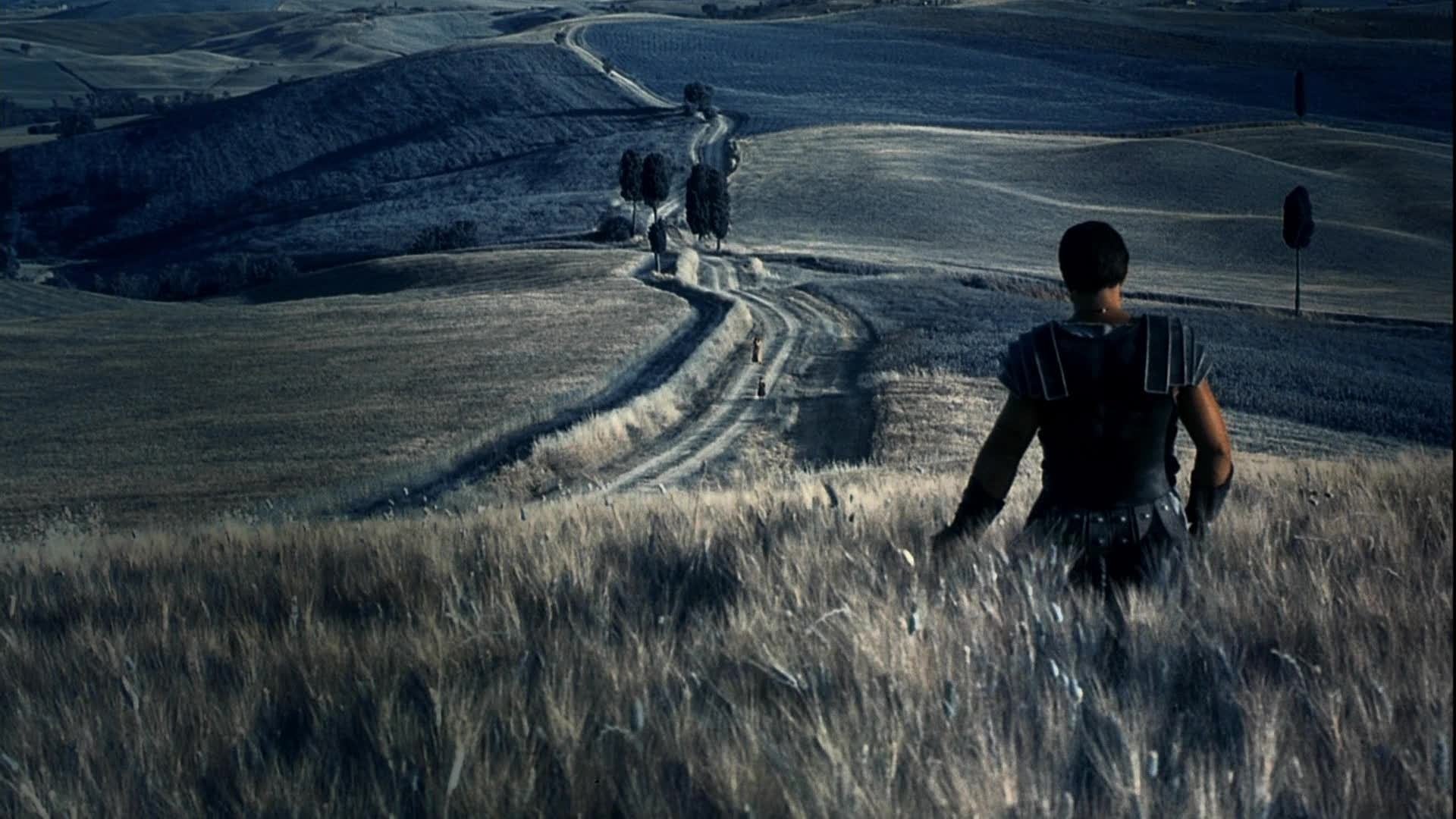
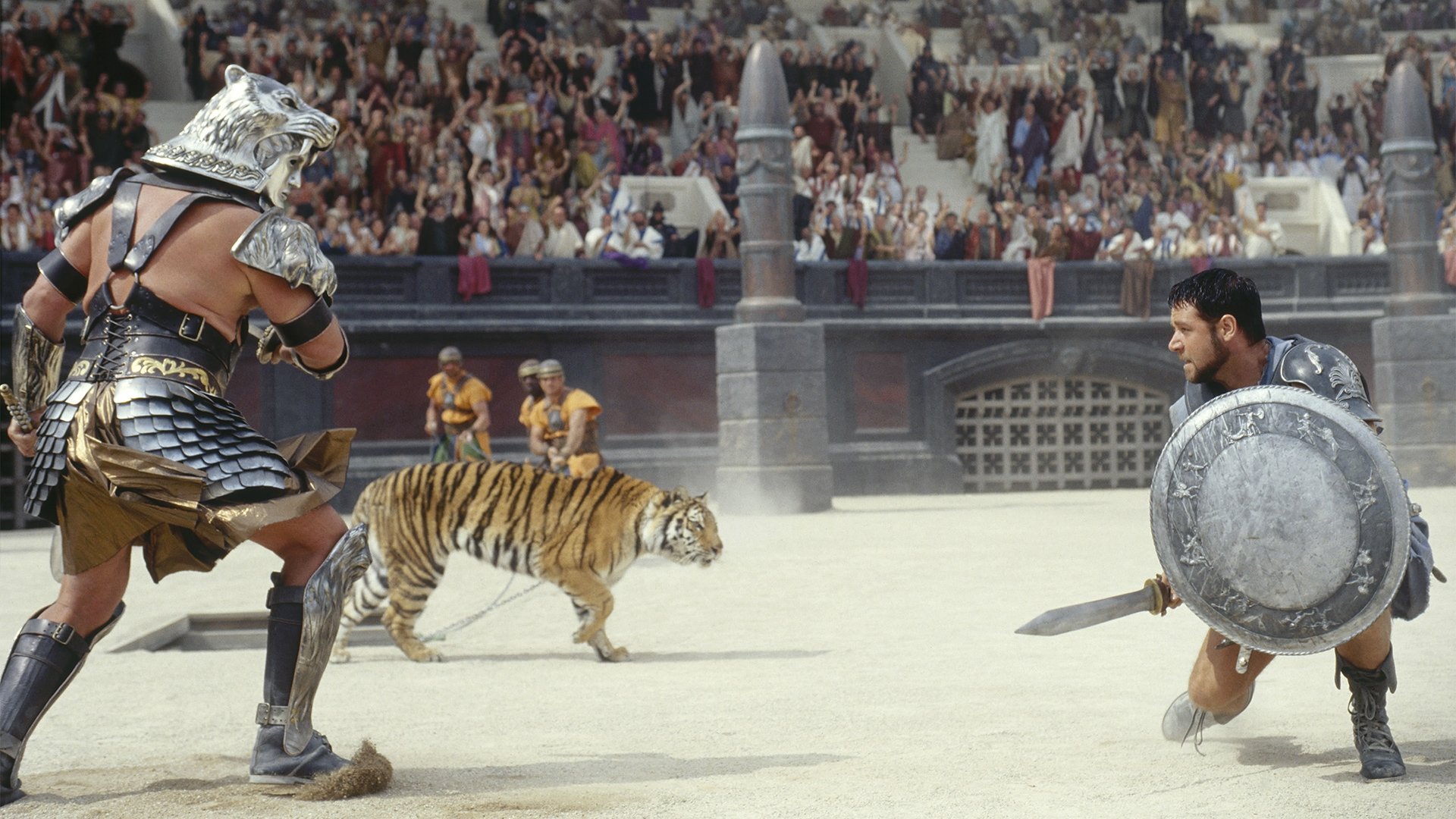
Arthur Max’s production design makes the arena feel large enough to swallow the people put inside it. That matters more than the sheer quantity of Rome on display: the surroundings help explain why a fighter might feel powerless. John Mathieson’s cinematography brings the violence close enough to be unpleasant, although the images sometimes make the combat difficult to read. Pietro Scalia’s cutting keeps it urgent but does not always let us establish where one fighter stands in relation to another. We could use a little less haste in exchanges that already have plenty of force.

The music by Hans Zimmer, Lisa Gerrard and Djivan Gasparyan presses hard on the sorrow as well as the excitement. It works because Crowe makes those feelings credible, though the insistence can become unnecessary when his face has already done the work. The screenplay by David Franzoni, John Logan and William Nicholson is similarly inclined to underline things. Its talk of power and honour gives the revenge a wider purpose, but too often the political exchanges have an obvious good side and bad side. Phoenix and Nielsen make those conversations more interesting than the writing warrants.

As a Roman adventure, the film is comfortable with broad villains, stern declarations and violence presented as public pleasure. There is some wit in the spectacle, and some unease in enjoying it, but Scott does not stop proceedings to explain the contradiction. Its talk about empire rarely gets beyond familiar complaints about corrupt men and obedient crowds. That limitation matters less whenever Crowe is allowed to hold our attention without another speech explaining the stakes.

At 155 minutes, Gladiator asks for a proper stretch of the evening, and its solemnity will not suit every mood. It helps to have an appetite for characters who speak about honour without a trace of embarrassment. If that sounds like work, leave it for another night; if it sounds like a relief, settle in.
Critical consensus AI synthesised

73
Positive
9
Mixed
1
Negative
2

Most critics welcome Gladiator as a vigorous revival of the Roman epic, with praise clustering around Ridley Scott’s handling of spectacle and Russell Crowe’s convincing lead performance. The action, production design and scale of ancient Rome give the favourable reviews plenty to admire, while several also single out Joaquin Phoenix. Crowe is the clearest point of agreement, earning credit even from critics who find the film’s storytelling or visual style wanting.

The spread is wide, with familiar plotting and thin characterisation treated as forgivable weaknesses by some and serious failings by others. The New York Times finds the violence pandering and the computer-generated spectacle detached, while RogerEbert.com finds the film dreary despite its strong performances. Eye for Film goes further, questioning both the acting and the technical handling of the arena scenes: the spectacle that carries the film for most critics does little for its strongest detractors.

Radio Times
★★★★★ · Adrian Turner
100

Hails it as the first genuine Roman epic in decades with a fine script, excellent performances and staggering visuals of ancient Rome. Praises the synthesis of classic epics and Russell Crowe's convincing hero.

Read the full review →
Empire
1 January 2000 · Simon Braund
90*

The review hails the film as a thrilling revival of the Hollywood period epic, brought to life by Ridley Scott's majestic vision and visceral set pieces. It singles out Russell Crowe's commanding, rock-solid performance as Maximus for particular praise.

Read the full review →
Total Film
12 May 2000
90*

The review calls Gladiator an awesome achievement and a glorious return to epic filmmaking, with visceral action and mythic storytelling that stands the test of time. It singles out Russell Crowe's brooding, indomitable central performance as the key to its success.

Read the full review →
Variety
24 April 2000 · Todd McCarthy
90*

The review hails the film as a thrilling, visceral return to the Roman epic genre with a compelling revenge story and spectacular action. It singles out Russell Crowe's splendid lead performance, the production design, and the integrity of the storytelling for particular praise.

Read the full review →
Sight and Sound
· Leslie Felperin
85*

Praises the film's bloody spectacle mixed with political satire and calls it Ridley Scott's best yet. Singles out the strong performances, especially Russell Crowe and Joaquin Phoenix, and the smart subtext about empire and spectacle.

Read the full review →
The Guardian
12 May 2000
80*

The critic gives a thumbs-up to Ridley Scott's camp but witty Roman empire epic, the first proper stab at the genre for 40 years. It is so entertaining and carried off with such dash and chutzpah that it makes you forgive the odd absurdity, with particular praise for the big Rome set-pieces and the central arena fight-sequence.

Read the full review →

Cast

Awards

Academy Awards, 2001

Nominated
Best Cinematography
Nominated
Best Director
Nominated
Best Film Editing
Nominated
Best Original Score
Nominated
Best Production Design
Nominated
Best Supporting Actor
Nominated
Best Writing, Original Screenplay
Won
Best Actor
Won
Best Costume Design
Won
Best Picture
Won
Best Sound
Won
Best Visual Effects

BAFTA Film Awards, 2000

Won
Best Film

European Film Award for Best Non-European Film, 2000

Nominated
European Film Award for Best Non-European Film

National Board of Review Award for Outstanding Production Design, 2000

Won
National Board of Review Award for Outstanding Production Design

If you liked this, try…

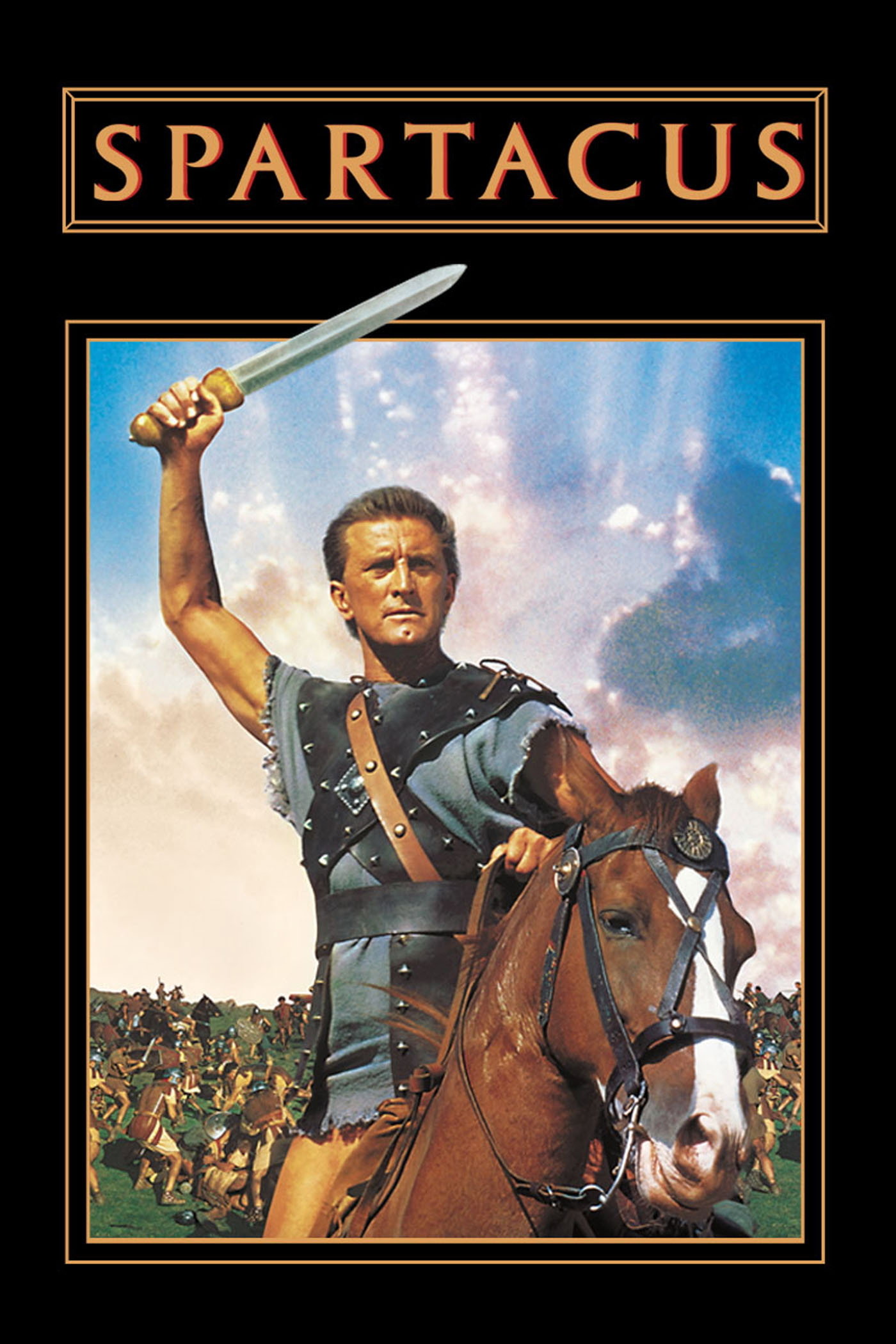
Spartacus poster

Spartacus

1960 · Another arena rebellion, with more room for politics and divided loyalties.

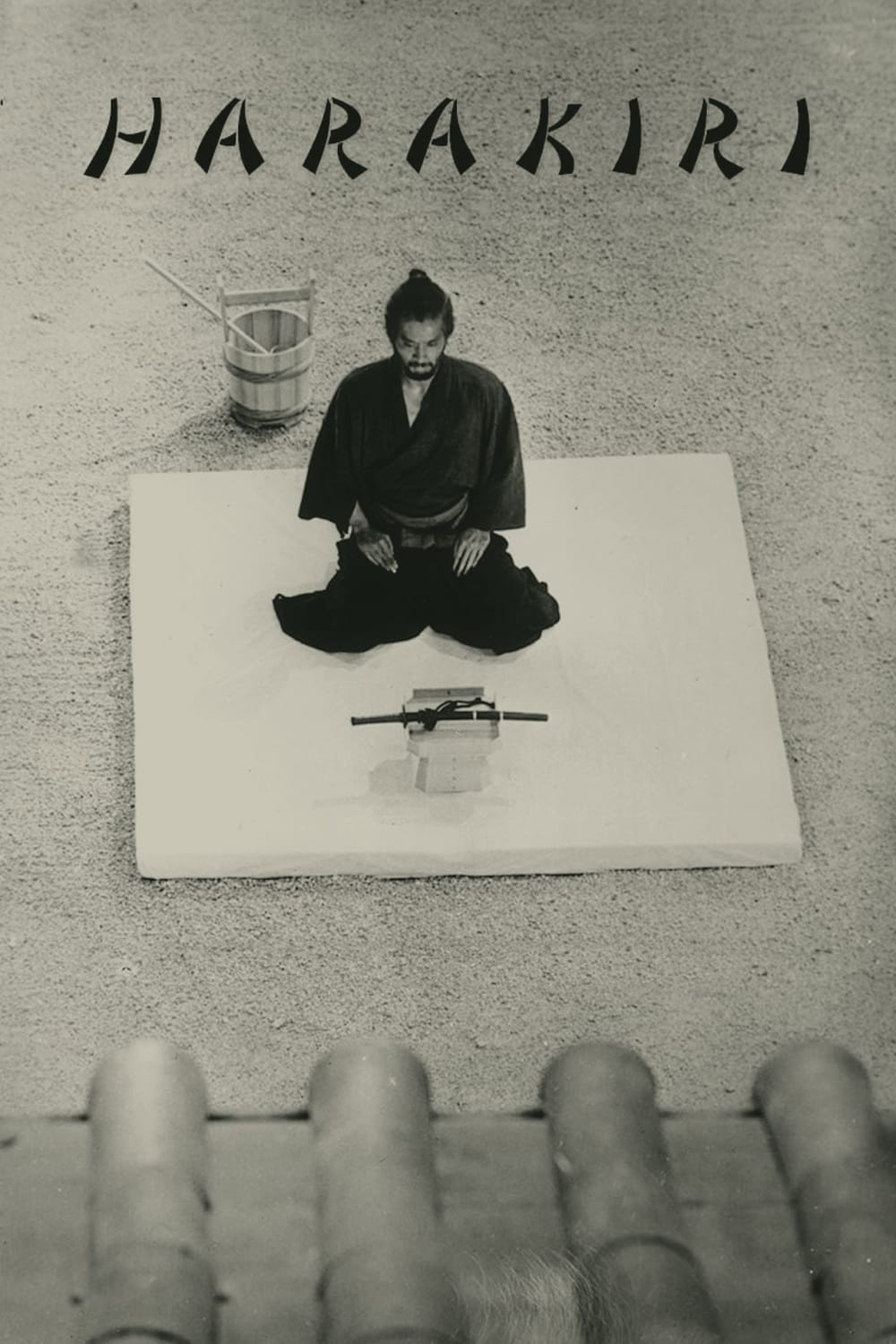
Harakiri poster91

Harakiri

1962 · For a sterner examination of honour, and the men who enforce it.

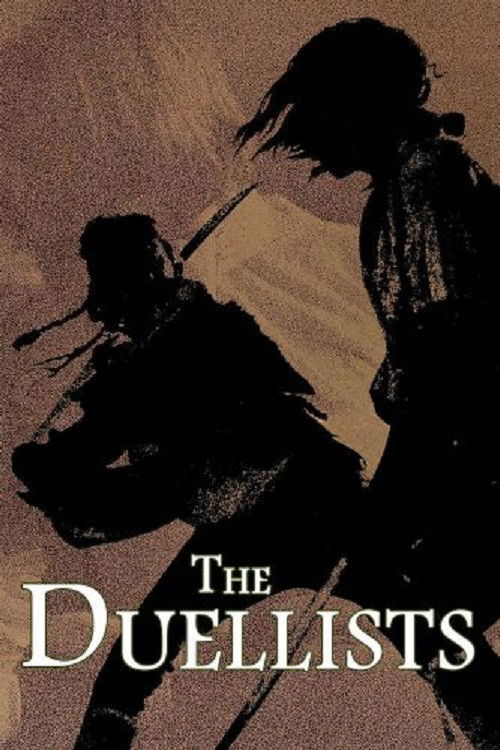
The Duellists poster

The Duellists

1977 · Scott follows another consuming feud, with fewer combatants and equally stubborn men.

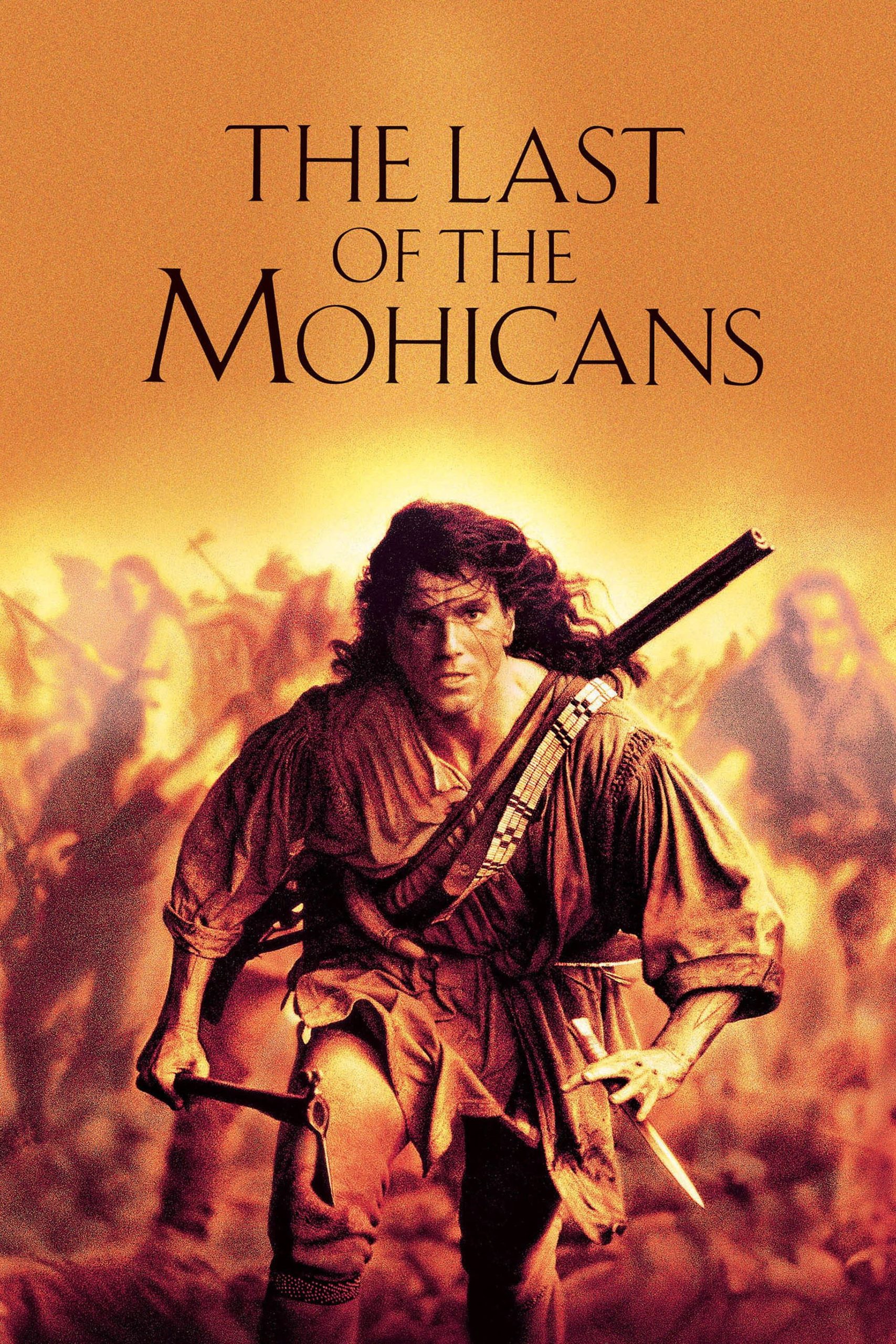
The Last of the Mohicans poster84

The Last of the Mohicans

1992 · Physical action and unabashed feeling, with landscapes worth the journey.

The Northman poster

The Northman

2022 · A revenge story with less Roman ceremony and considerably stranger family customs.