Ben Affleck’s crime drama is worth an evening for Casey Affleck and Amy Ryan, who make a missing-child investigation painfully personal. The plotting becomes too contrived, but the performances give us good reason to stay.
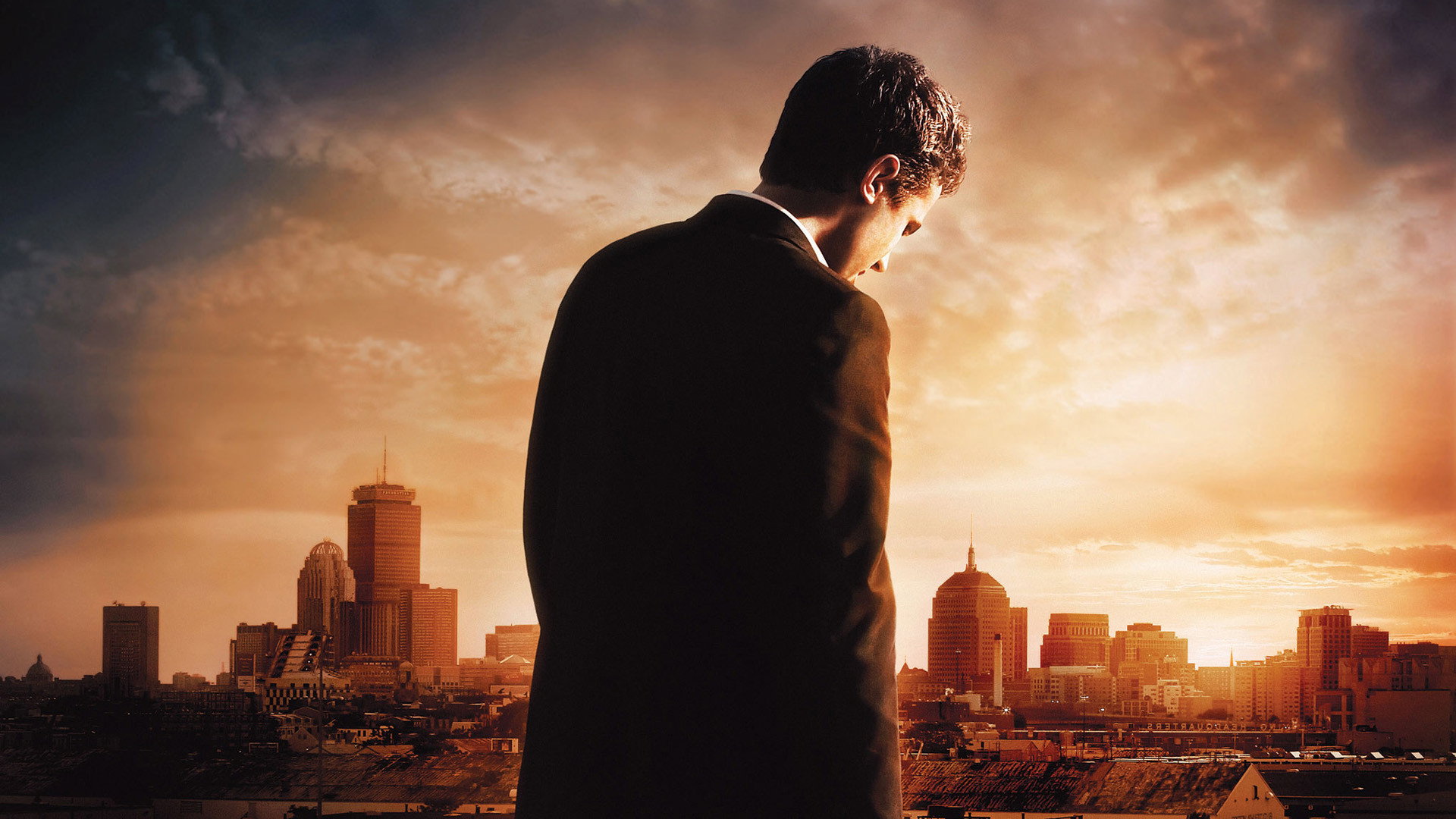
Ben Affleck’s Gone Baby Gone is a good crime drama with a detective story that occasionally tries our patience. Adapting Dennis Lehane’s novel with Aaron Stockard, Affleck is interested in what a child’s disappearance allows adults to say about one another, particularly when the mother is difficult to like. That makes the investigation uncomfortable well before it becomes complicated. The Boston setting matters because local knowledge brings loyalties and prejudices with it, and these affect how we hear the accounts being given.
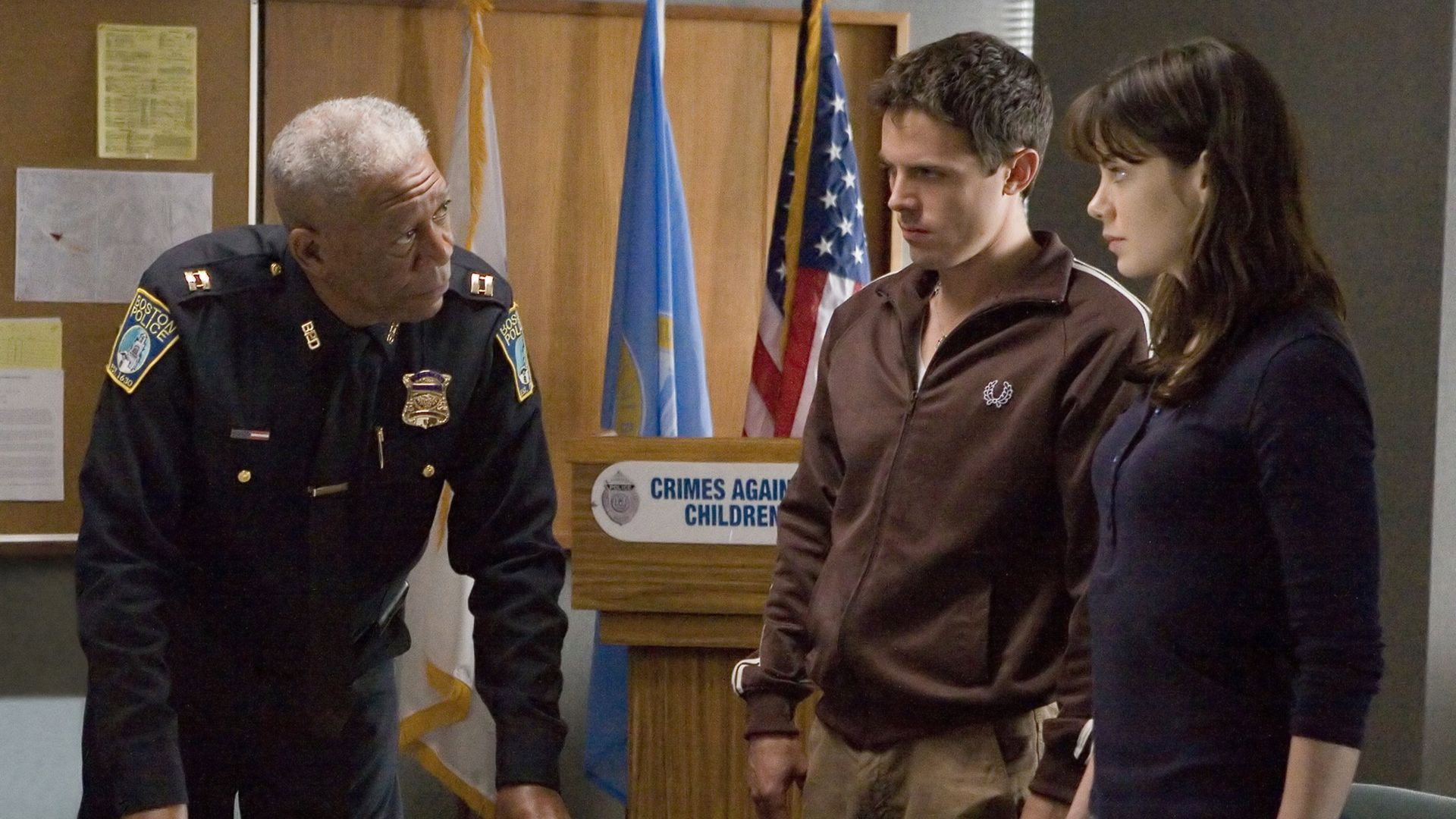
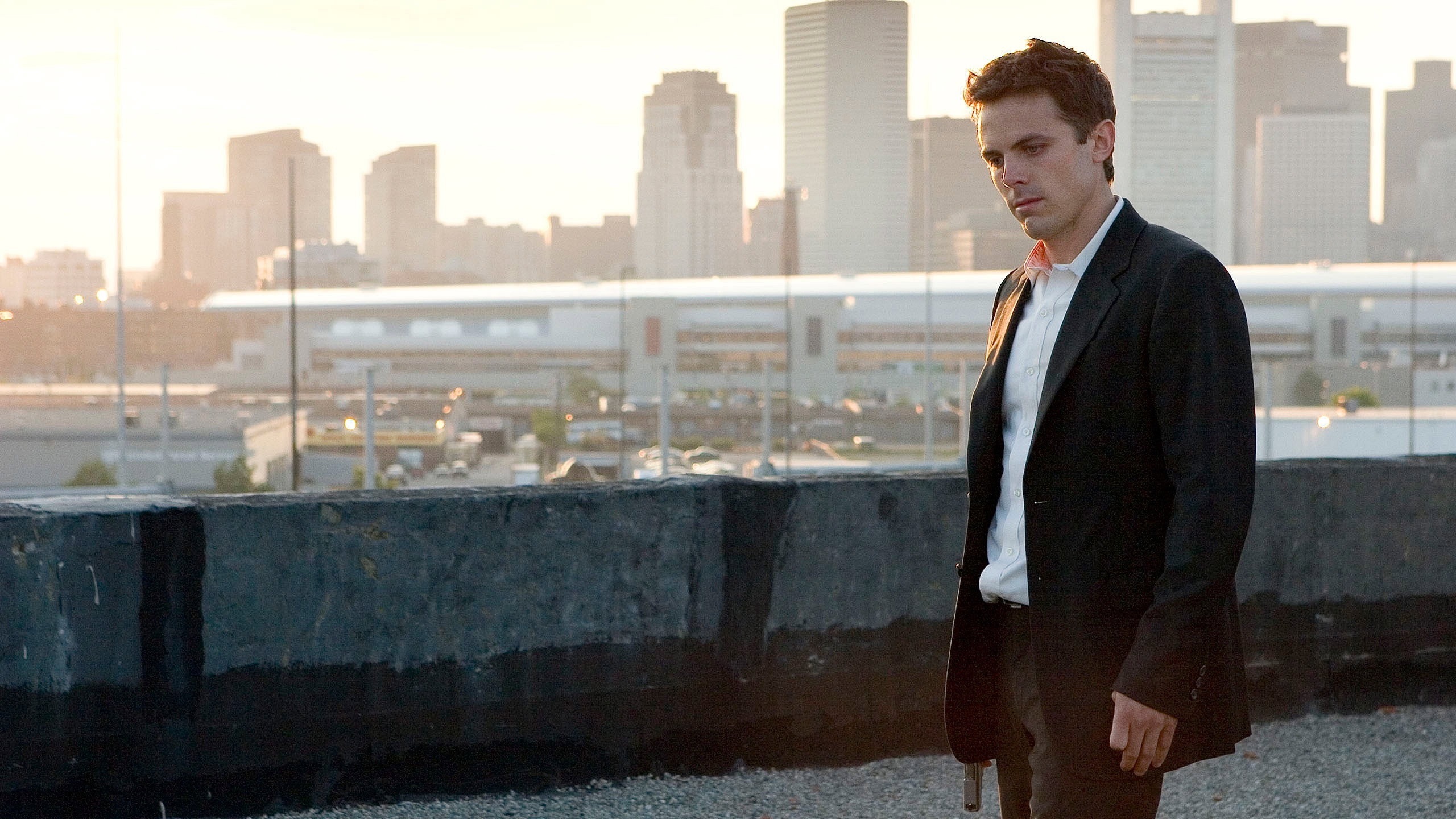
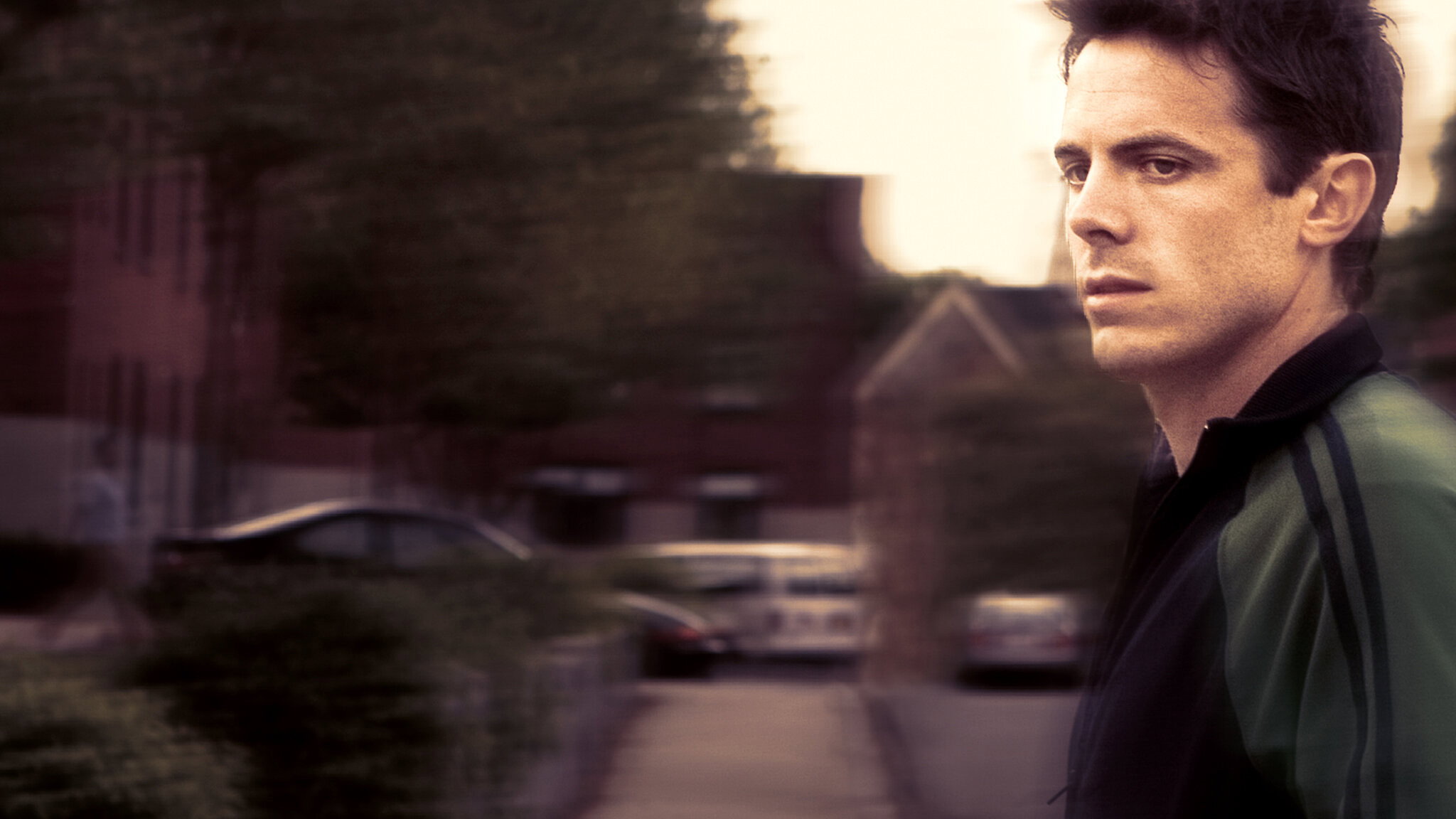
Casey Affleck gives Patrick Kenzie a quiet authority, and the film benefits from a lead who does not need to dominate every exchange. We believe he can listen to someone without immediately deciding what their story means, which matters among people so ready with a judgement. Michelle Monaghan’s Angie Gennaro gives the investigation a welcome second intelligence, though Affleck and Stockard do not develop her as fully as Patrick. Monaghan is good enough to make the shortage of attention frustrating.
Amy Ryan is the reason the film’s concern with parenthood never becomes an easy discussion about deserving people. Her Helene McCready is abrasive enough to test our willingness to care about her, even when the circumstances demand it. We felt ashamed of how quickly we wanted to dismiss her, because Ryan’s hostile delivery had made us treat an unpleasant mother as a less important one. Affleck lets that reaction become part of the investigation without asking Ryan to make Helene more agreeable.
John Toll’s cinematography gives the Boston neighbourhood the weight of a place that exists beyond the investigation. Sharon Seymour’s production design supports that impression; the working-class setting feels inhabited, and the film’s attention to it is properly unsentimental. The effect is to make the investigators seem answerable to the people around them, which lends the questioning an uncomfortable intimacy. Affleck gives the community enough attention for its residents to matter beyond whatever information they might supply.
William Goldenberg’s editing keeps the investigation clear enough to follow, which is an achievement given how much Affleck and Stockard ask it to carry. The script’s accumulating complications are a bigger problem: we can follow the investigation while increasingly doubting that people would behave this way. Harry Gregson-Williams’s music is less useful when it underlines the seriousness of material that hardly needs assistance. The cast can hold a scene without that help, especially Morgan Freeman as Jack Doyle and Ed Harris as Remy Bressant.
For a missing-child thriller, this spends an unusual amount of time taking an unlikeable parent seriously. We would have preferred fewer ingenious turns and more time with Angie, but Ryan’s performance keeps the film from becoming an exercise in solving clues and dispensing blame. At 113 minutes, it gives that discomfort time to register, and crime-film viewers willing to forgive the plotting should find plenty to hold them. Save it for an evening when a disagreement afterwards would be welcome.