Film review

Gravity

2013 · Directed by Alfonso Cuarón · 1h 31m · MPA PG-13

In a sentenceNinety-one minutes in space, followed by a renewed affection for the carpet

Science FictionThrillerDrama

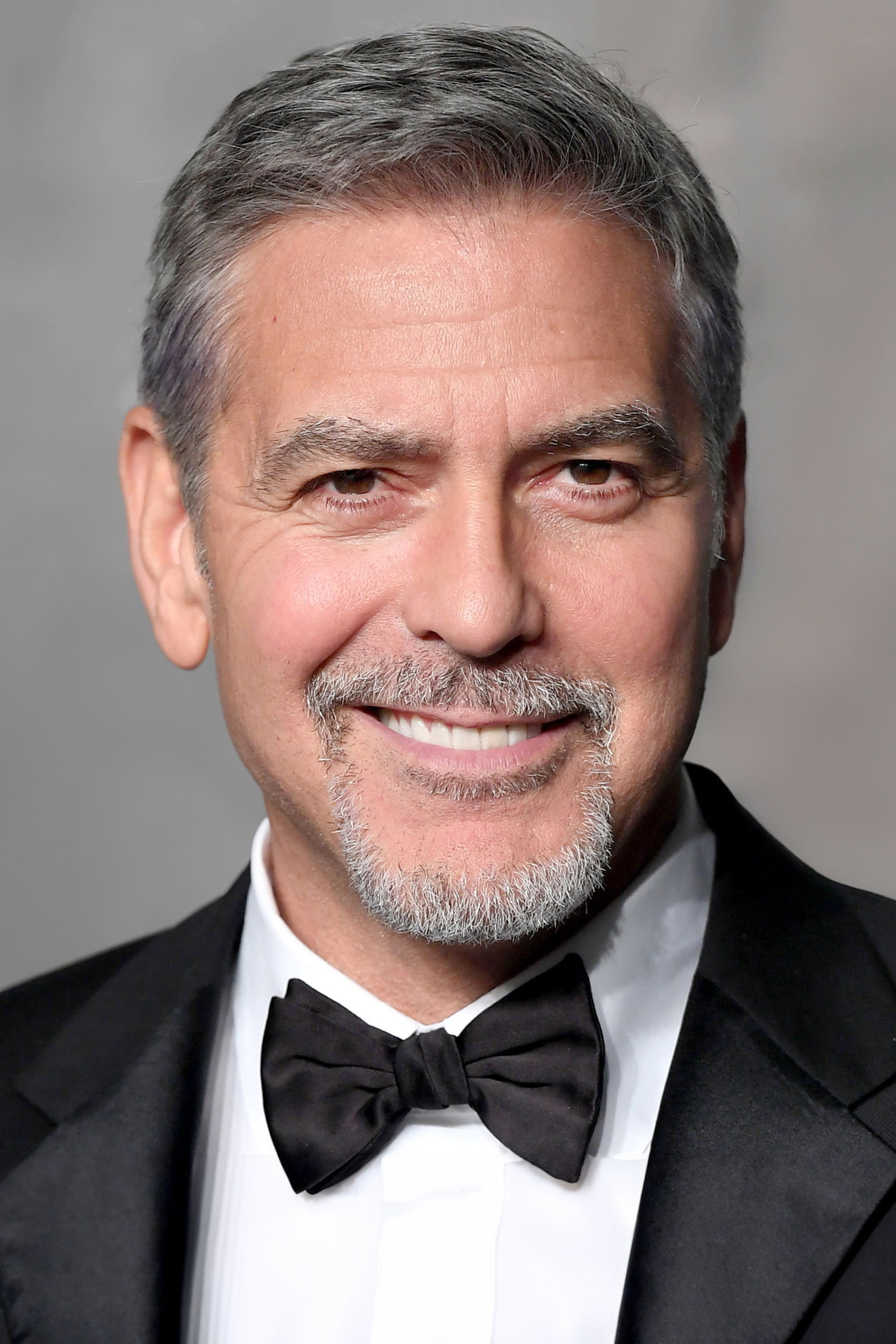
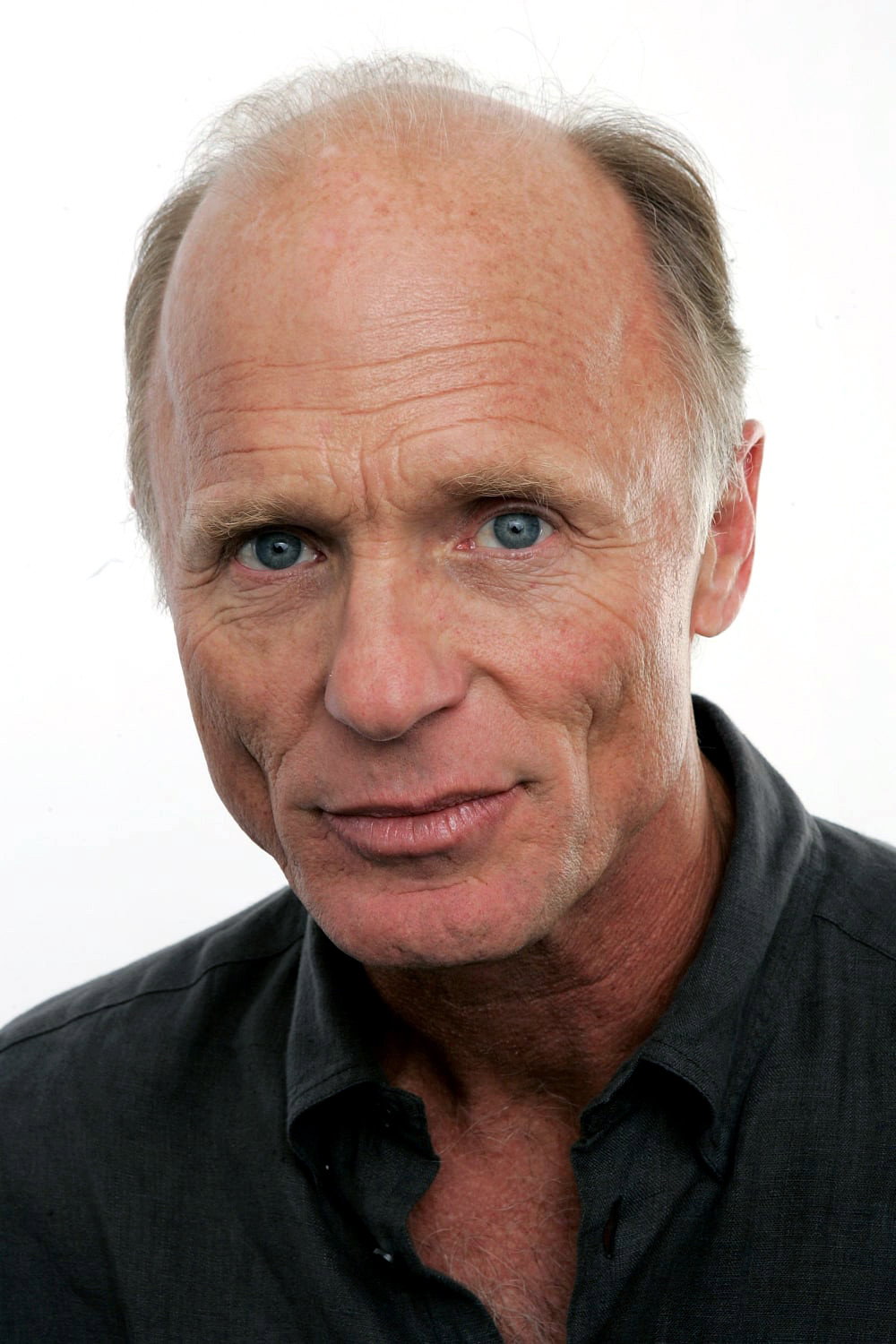
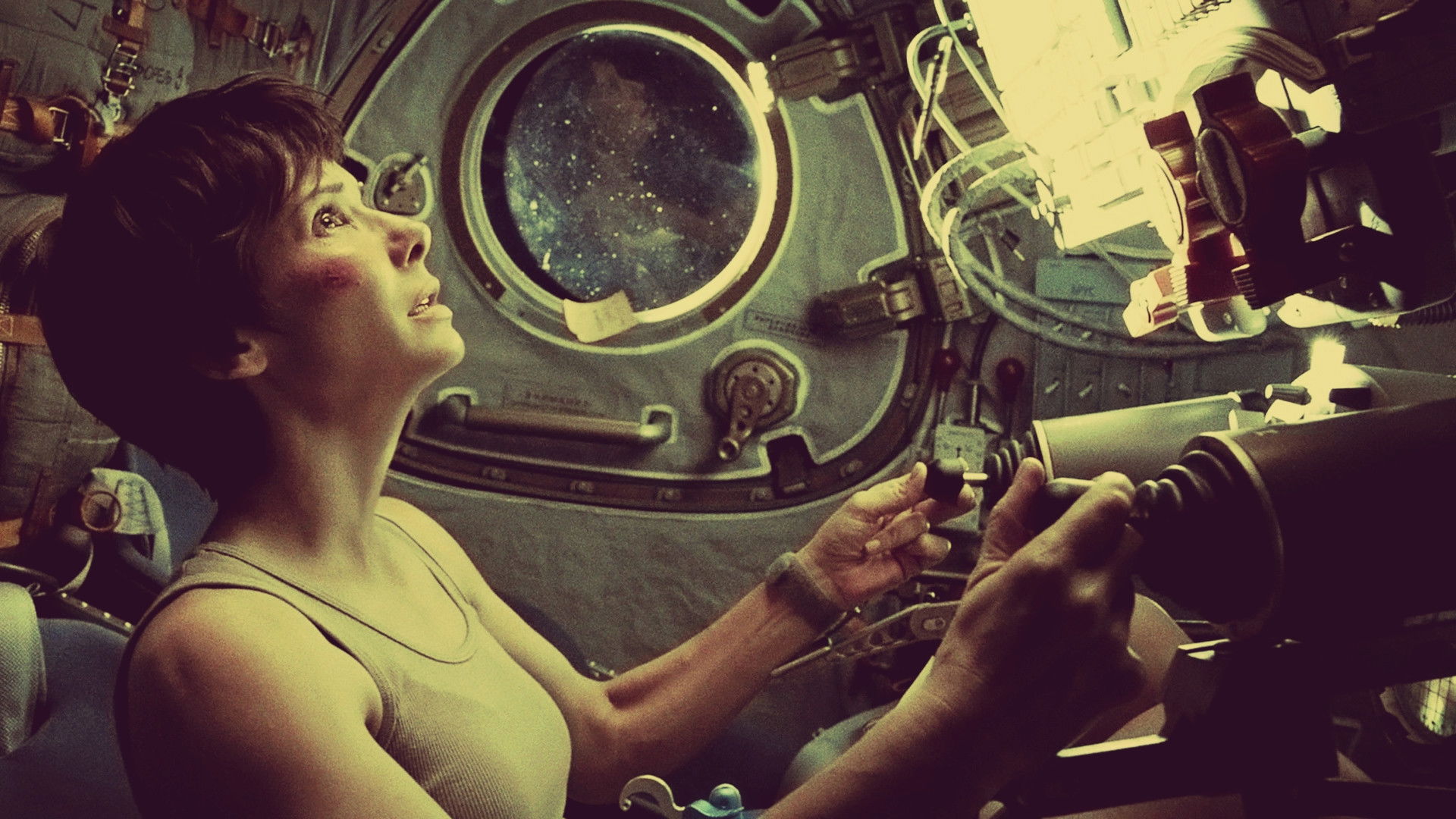
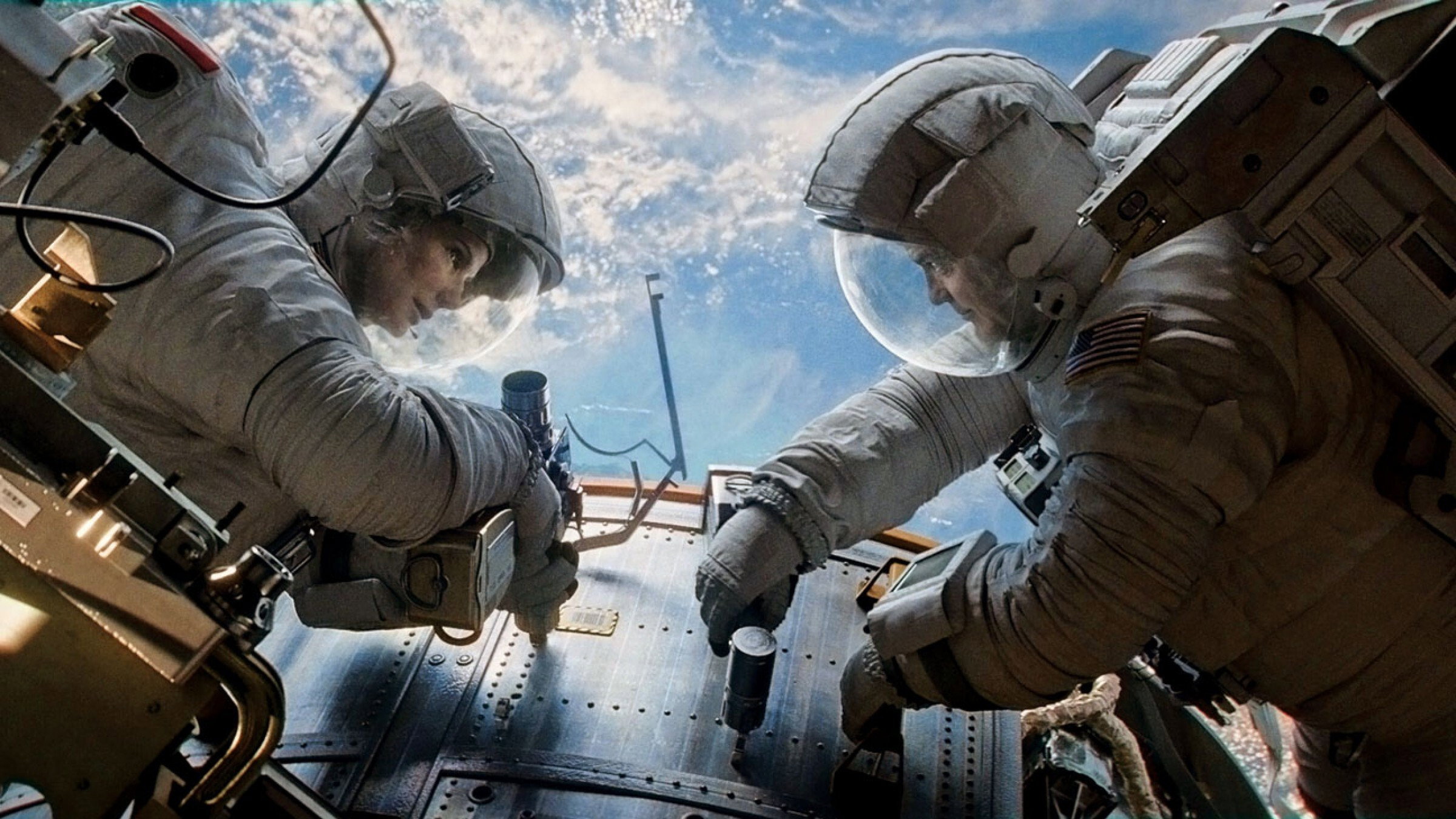
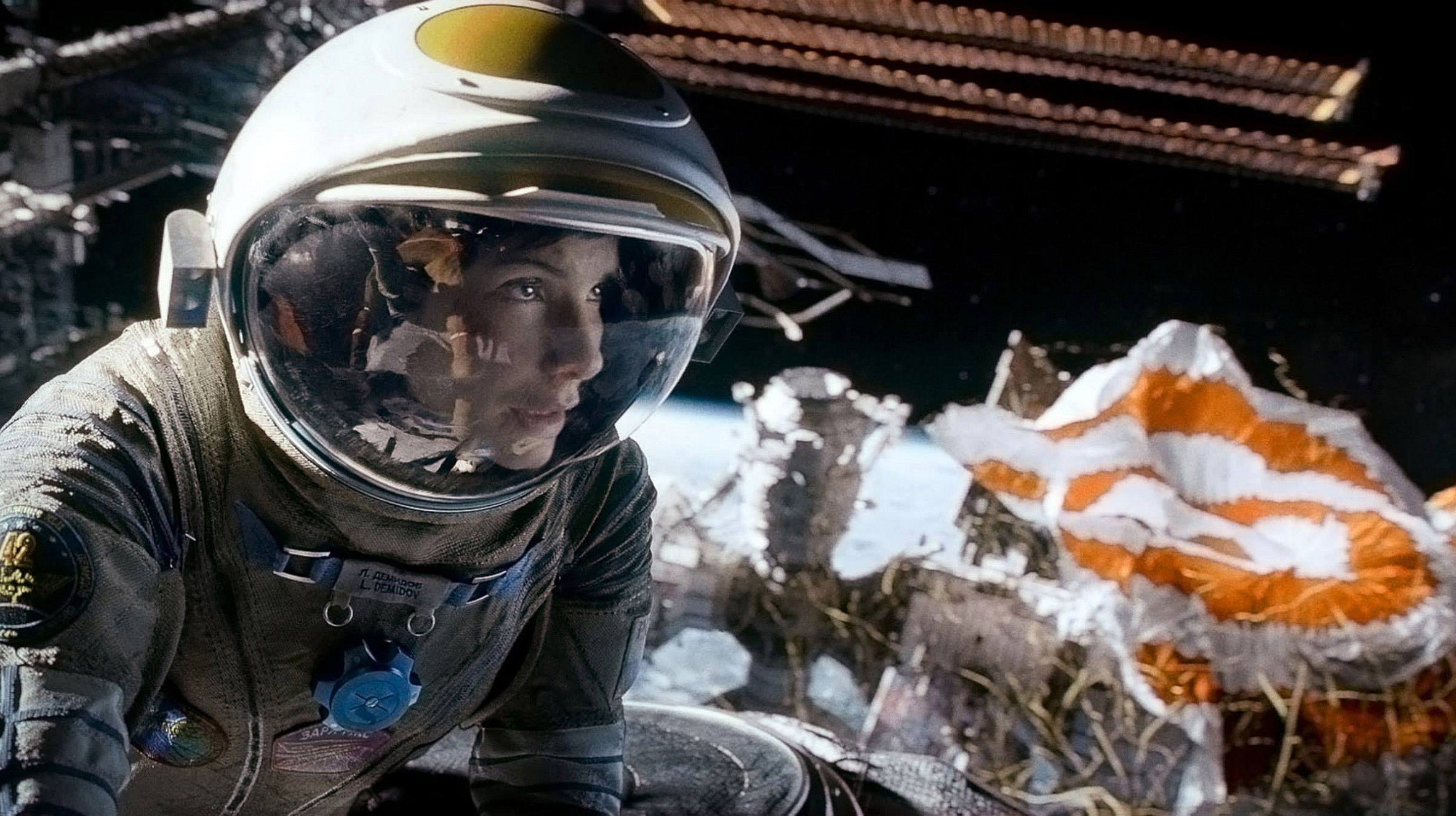
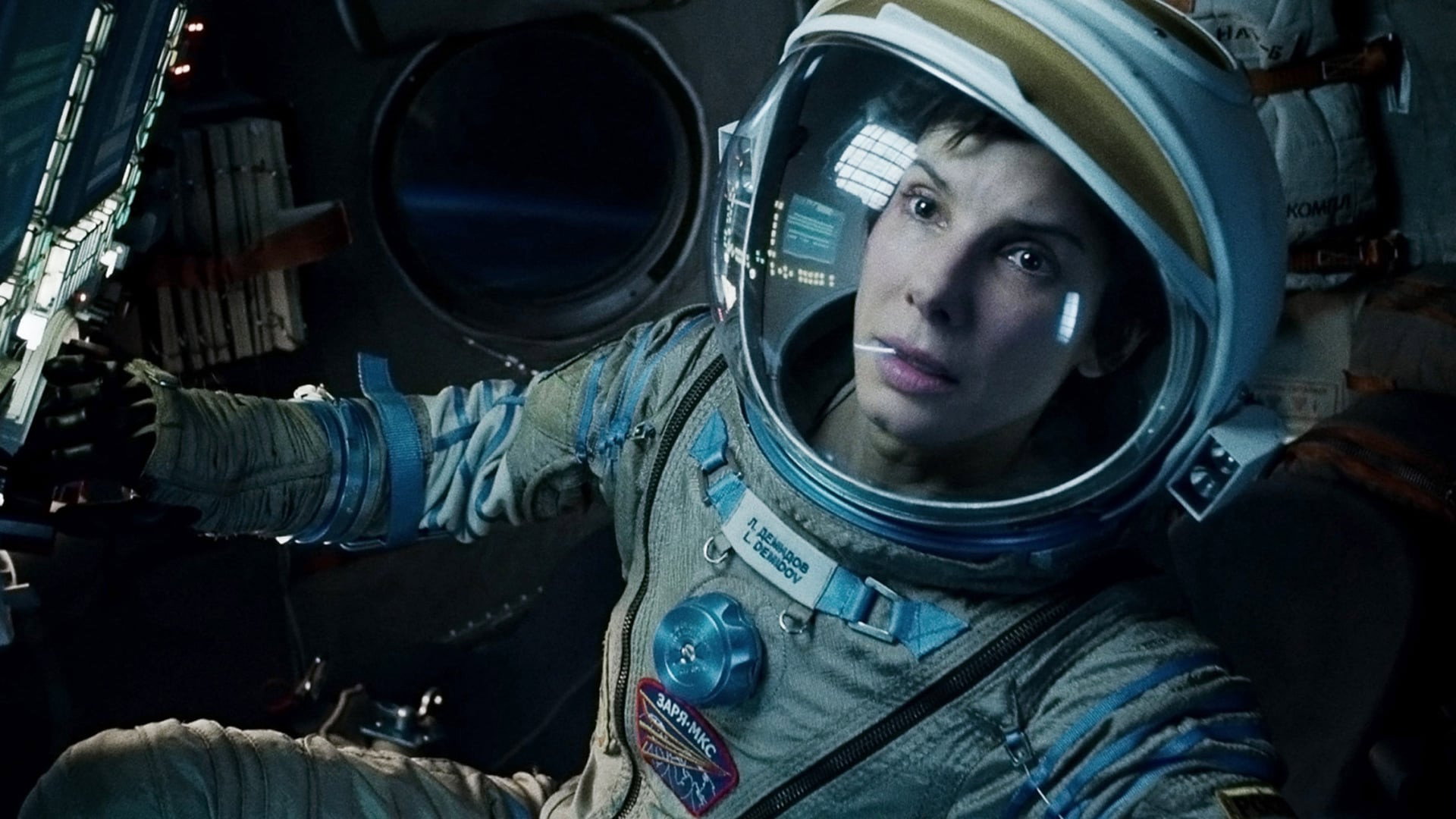
Sandra Bullock plays Ryan Stone and George Clooney plays Matt Kowalski, astronauts facing a disaster in space. Far from safety, they have to contend with zero gravity and the practical demands of staying alive. Stone’s struggle brings fear, isolation and the question of how to keep going when help seems out of reach. Ed Harris provides the voice of Mission Control. Directed by Alfonso Cuarón from a screenplay he writes with Jonás Cuarón, the film follows their fight for survival.

Plays from YouTube when you press play; nothing loads from them until then.

Fi1m review

Alfonso Cuarón makes being stranded in space frighteningly immediate, with Sandra Bullock giving the spectacle someone worth worrying about. The dialogue sometimes insists on feelings she has already made clear, but this is a gripping survival thriller.

Gravity is a gripping survival thriller whose dialogue occasionally makes a simple situation sound more profound than it needs to. Alfonso Cuarón has enough to work with in the spectacle of people trying to move through space without coming to harm. The lack of a complicated plot is a sensible choice: the distance between a person and safety can provide all the drama required. He gives this problem his full attention for much of the film’s 91 minutes.

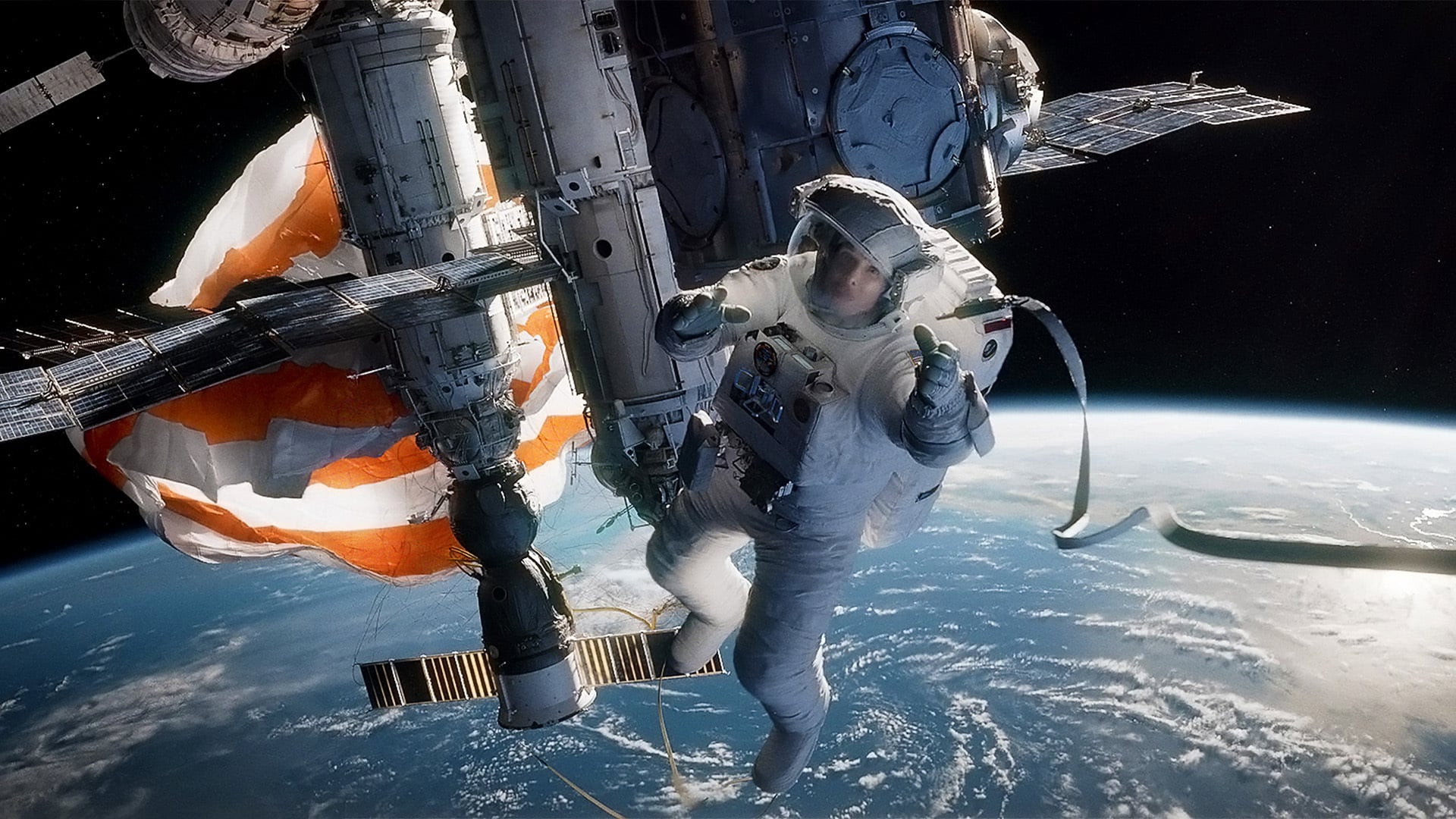
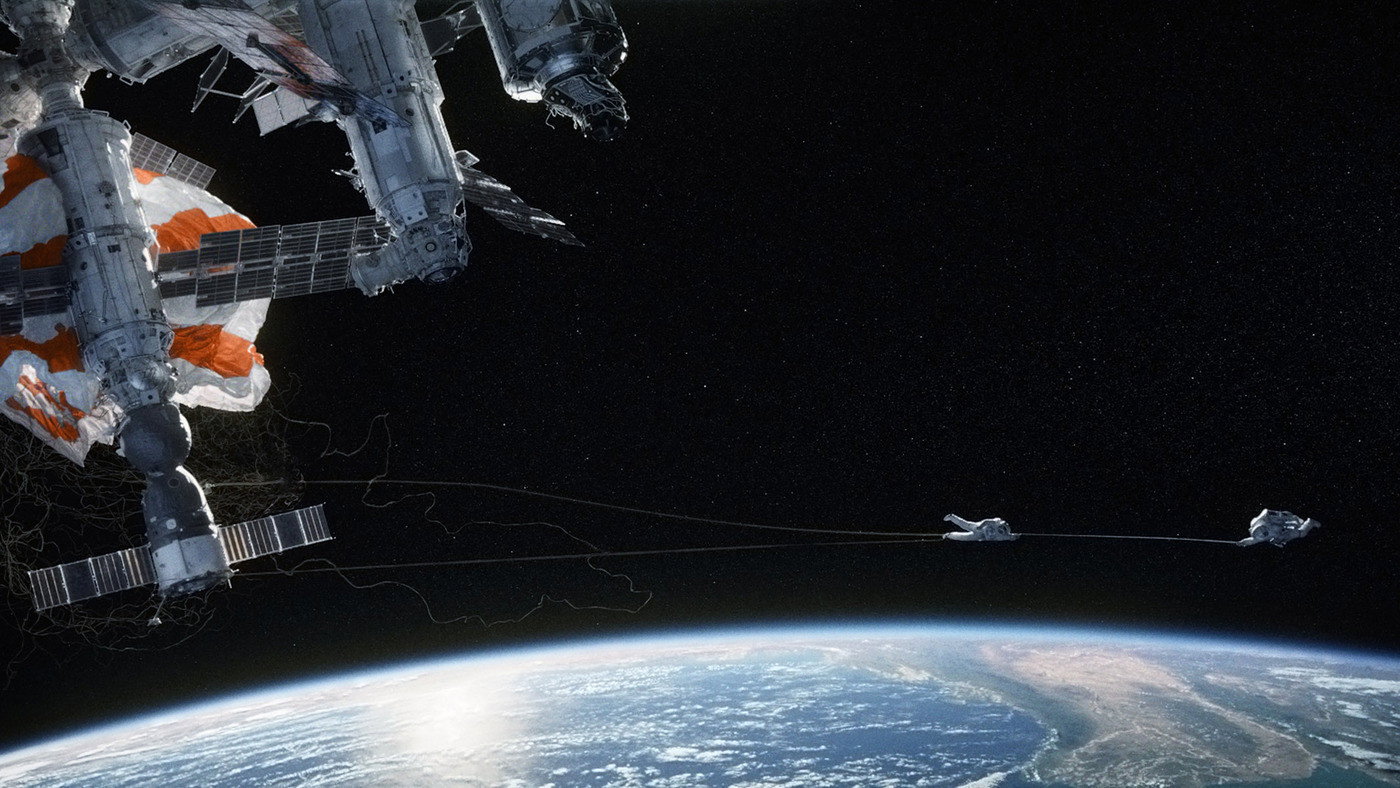
Emmanuel Lubezki’s cinematography makes that distance frighteningly difficult to judge. The long opening take lets the camera travel around the astronauts without supplying a steady viewpoint from which to assess their danger. We were frightened by the loss of a reliable sense of up or down. The effects remain convincing through these changes of perspective, so there is little chance to dismiss the danger as something happening inside a computer.

Editors Cuarón and Mark Sanger deserve credit for keeping those extended passages from feeling like demonstrations. The pace follows the difficulty of the task in front of the astronauts, allowing us to register effort before demanding the next alarm. Andy Nicholson’s production design helps us judge the distances involved, giving the astronauts’ movements a scale we can understand. The surroundings never become so busy that we lose sight of a body within them.

Sandra Bullock, as Ryan Stone, makes the physical business convincing enough to keep the film personal. Her movements suggest effort rather than the weightless ease the images might encourage us to expect. George Clooney, playing Matt Kowalski, is welcome company, but we watch Bullock more closely. She lets fear interrupt Stone’s thinking without making her seem incapable of it, and that is enough to keep us concerned.

The sound is just as important to the unease as the moving camera. Silence removes the usual reassurance of a busy soundtrack, and the shifts in sound draw us closer to the astronauts’ experience. Steven Price’s music is less persuasive when it presses for an emotional response that Bullock has already earned. At its most emphatic, it tells us how much to care.

The screenplay, by Alfonso and Jonás Cuarón, has the same weakness. It wants us to think about faith and the will to live, and it sometimes talks too much to make certain that we do. The sentiment is sincere, but the dialogue can be clumsy about explaining what Stone’s survival might mean. A survival thriller can work with a simple character; it becomes less convincing when that character has to tell us what we should be feeling.

See it on a large screen if possible, and in 3D if there is a choice. The extra depth helps make distance a problem we can feel, rather than a figure somebody has to explain. At home, a dark room and undivided attention will do more for it than any prior interest in space travel. Plan to leave the messages unanswered for a while.

Critical consensus AI synthesised

88
Positive
10
Mixed
0
Negative
1

Most critics greet Gravity with strong enthusiasm, with praise clustering around its effects, Emmanuel Lubezki’s floating camerawork and the sustained tension of its survival story. The long takes and 3D draw repeated praise for making the physical disorientation of space palpable, while sound and silence help establish the astronauts’ isolation. The performances also earn broad approval, particularly Bullock’s combination of physical precision, fear and resilience, which many reviews credit with giving the spectacle human weight.

The main division concerns how much the simple story offers beyond immediate danger. Many critics find emotional depth in its treatment of survival and endurance, but Time Out finds the feelings less persuasive than the visuals, and Vulture objects to predictable plotting and strained spirituality. The New Yorker is the sharp dissent, accepting the force of the physical sensations while finding the film boring and short of ideas; most reservations elsewhere stop well short of rejection.

Little White Lies
6 November 2013 · 4/5/5 · David Jenkins
100

Cuarón’s space disaster movie is one of the year’s best, a majestically rendered parable on creation and overcoming depression. It excels visually with breathtaking sequence shots and a focus on reproduction imagery.

Read the full review →
Radio Times
★★★★★ · Damon Wise
100

The film combines nerve-shredding tension with technical perfection in an intimate sci-fi spectacular. Tremendous special effects and Bullock’s balletic performance complement Cuarón’s breathtaking vision.

Read the full review →
The Guardian
10 November 2013 · ★★★★★ · Mark Kermode
100

The film is a visually mesmerising, crowd-pleasing fairground ride that expands a single sequence from 2001: A Space Odyssey into a full feature of eye-boggling invention. It singles out the level of sheer visual invention, aided by Framestore and Emmanuel Lubezki's cinematography, for praise, while noting its stripped-down narrative and effective 3D experience.

Read the full review →
Time Out
2 September 2013 · ★★★★ · Tom Huddleston
80

Gravity is one of the most awe-inspiring achievements in special-effects cinema, with astonishing beauty and originality in its untethered camera work. The emotional content cannot quite compete with the visuals.

Read the full review →
The New Yorker
4 October 2013 · Richard Brody
40*

The review finds the film viscerally thrilling yet deadly boring, with impressive technology but an absence of ideas or deeper worldview. It excels at conveying the physical sensations of space but remains complacently conventional.

Read the full review →
Empire
· Ian Nathan

The critic calls it the film of the year, a jaw-dropping technical achievement and existential thriller that puts viewers at the center of extreme jeopardy in space, praising the direction, effects, and performances.

Read the full review →

Cast

Stills

Awards

AACTA International Award for Best Film, 2014

Won
AACTA International Award for Best Film

Academy Awards, 2014

Nominated
Best Actress
Nominated
Best Picture
Nominated
Best Production Design
Won
Best Cinematography
Won
Best Director
Won
Best Film Editing
Won
Best Original Score
Won
Best Sound
Won
Best Sound Editing
Won
Best Visual Effects

Empire Award for Best Film, 2014

Won
Empire Award for Best Film

Hugo Awards, 2014

Won
Best Dramatic Presentation, Long Form

Saturn Awards, 2014

Won
Best Science Fiction Film

Los Angeles Film Critics Association Award for Best Film, 2013

Won
Los Angeles Film Critics Association Award for Best Film

If you liked this, try…

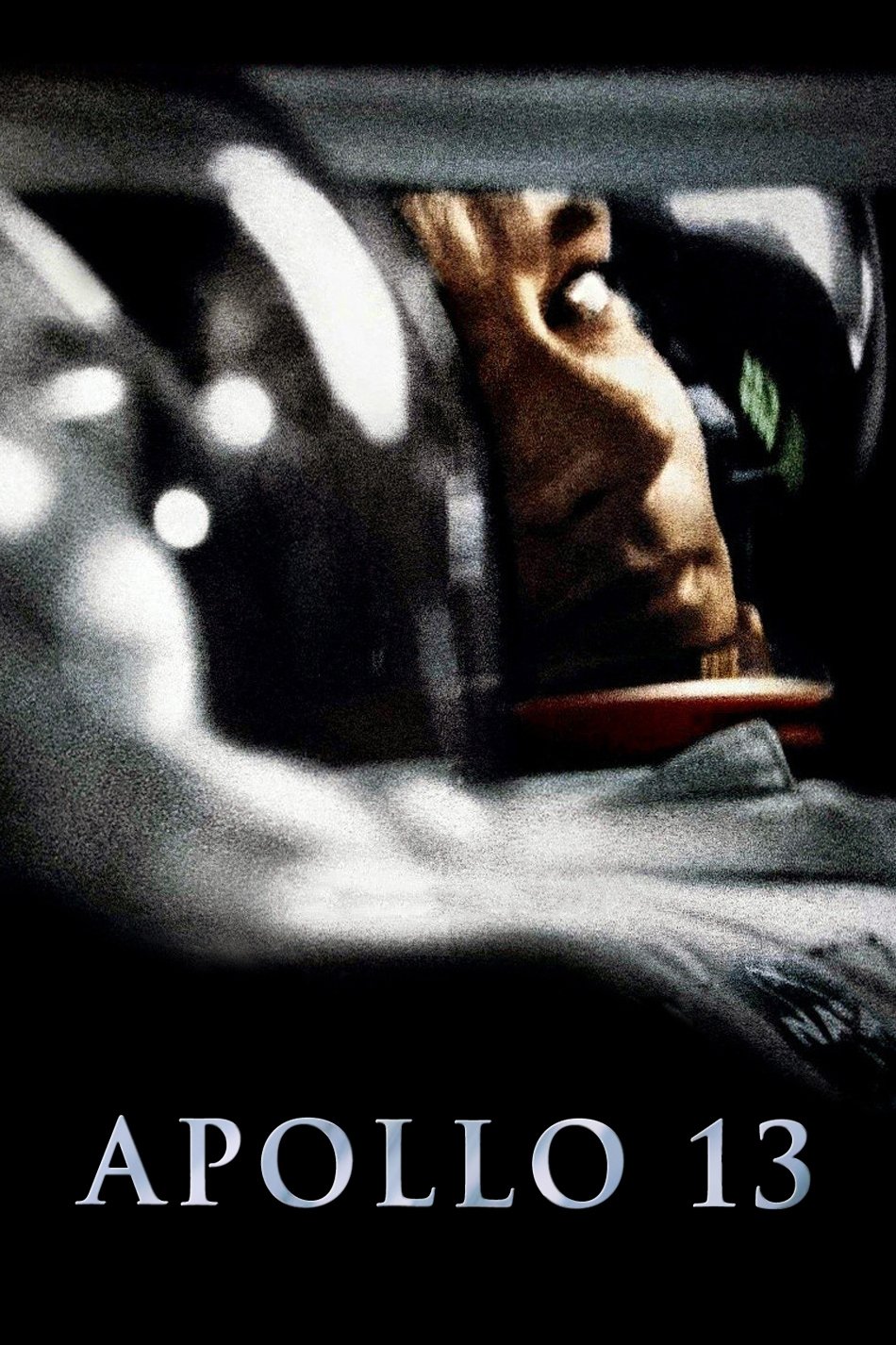
Apollo 13 poster84

Apollo 13

1995 · More space peril, with the practical problem-solving given room to breathe.

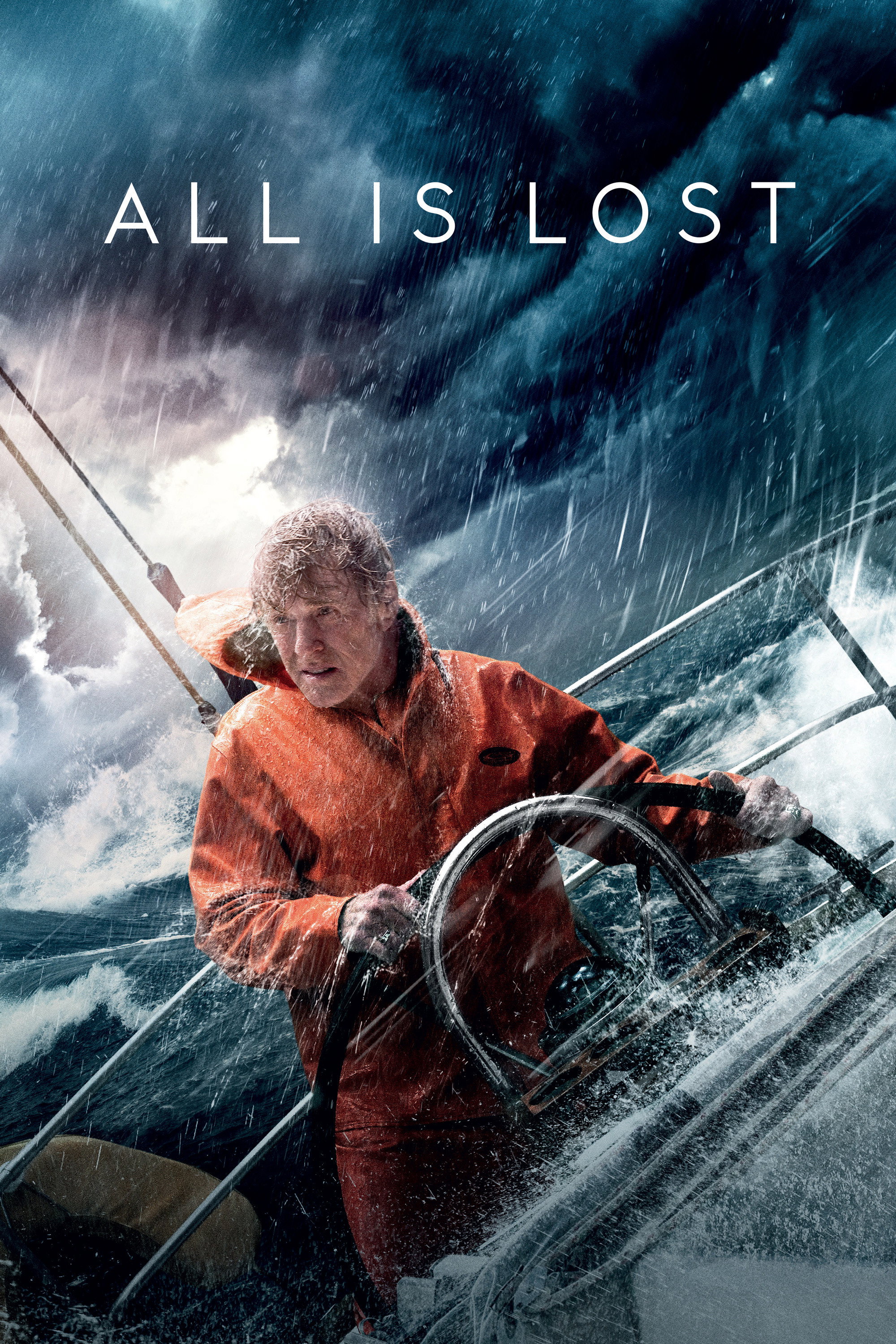
All Is Lost poster

All Is Lost

2013 · One person, mounting danger and almost no dialogue to explain the fear.

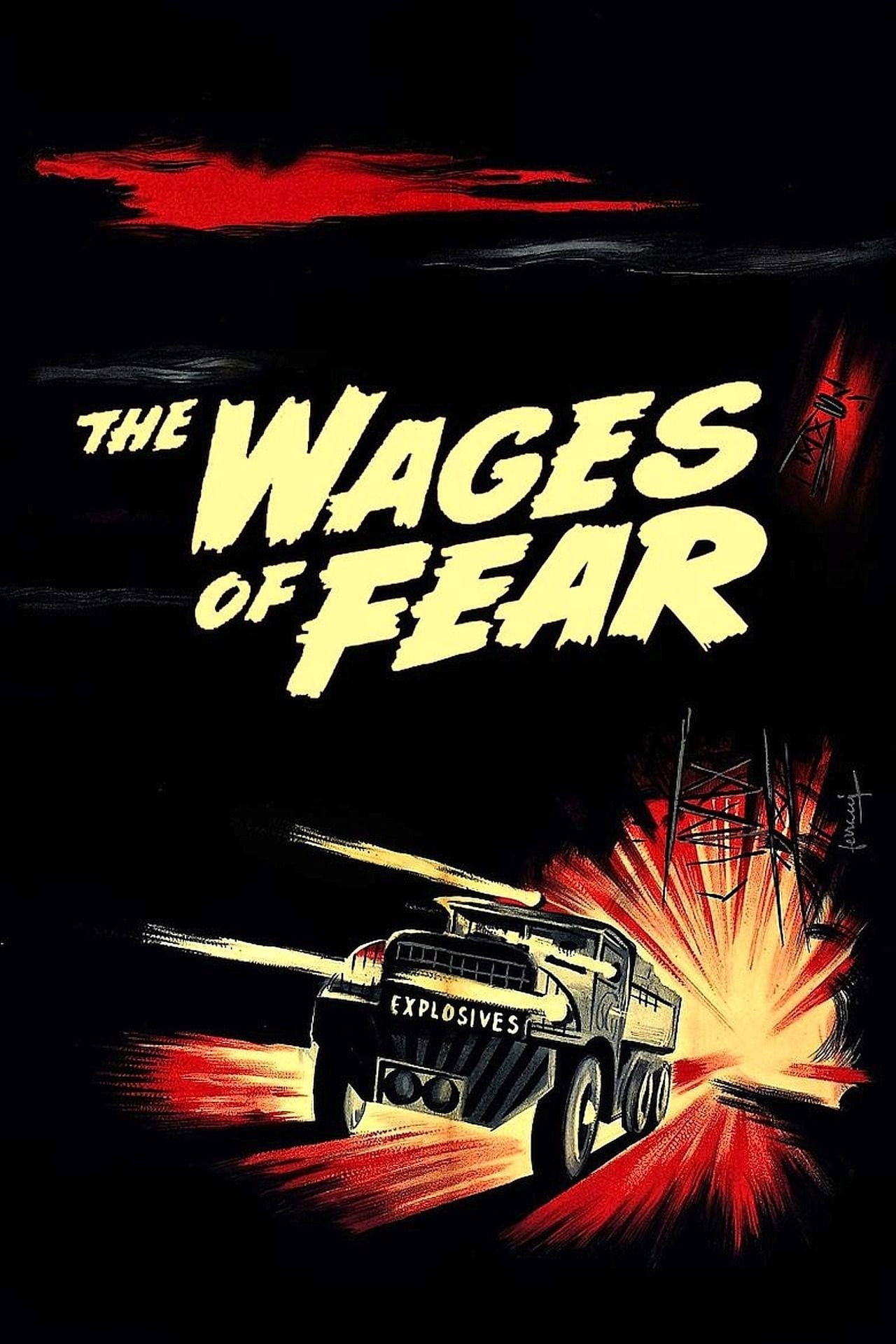
The Wages of Fear poster

The Wages of Fear

1953 · A hazardous journey where small movements become almost unbearable to watch.

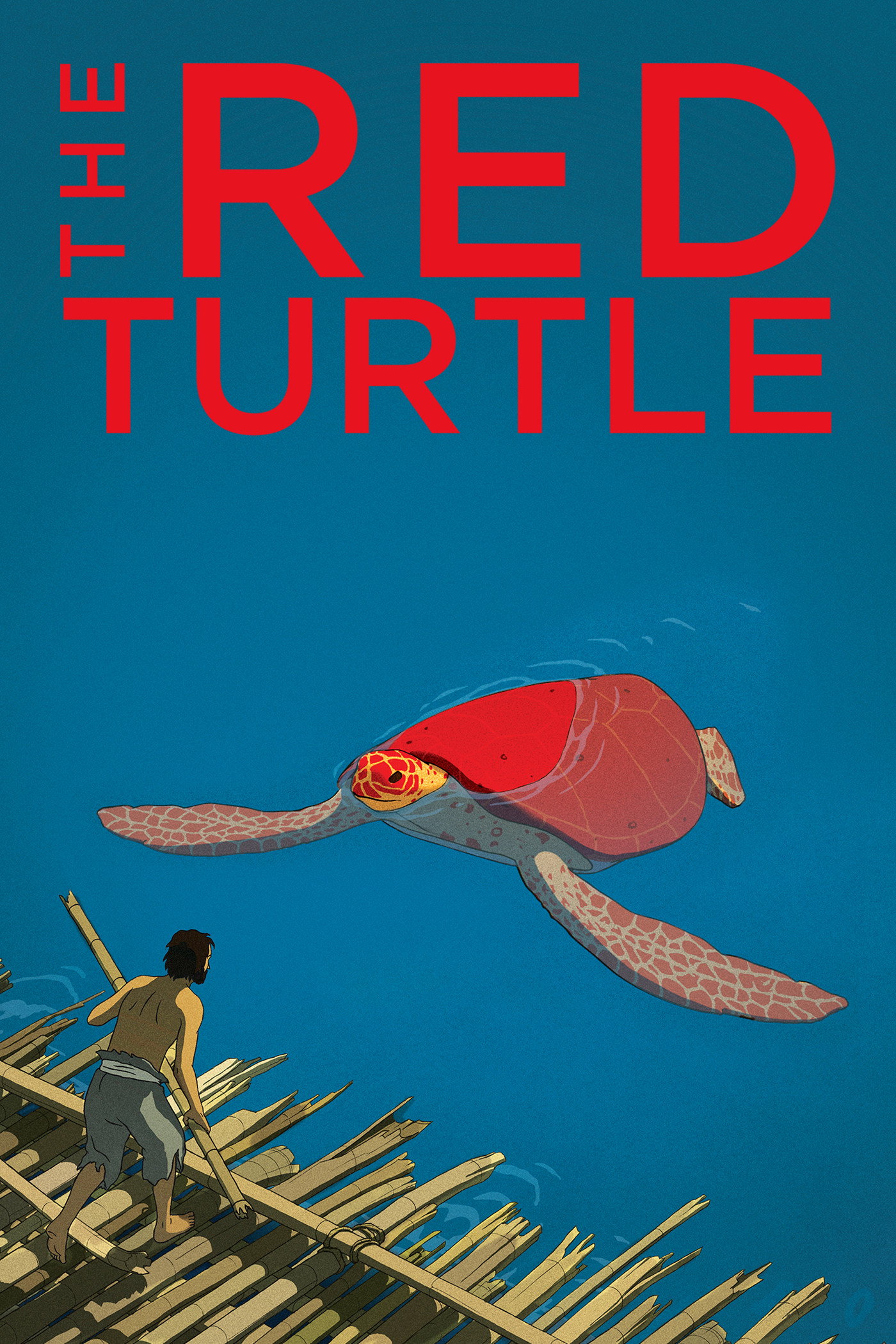
The Red Turtle poster

The Red Turtle

2016 · A quieter survival story that lets images carry its larger questions.

The Ascent poster

The Ascent

1977 · A harsher survival ordeal, with spiritual questions given difficult human answers.