Film review

Grease

1978 · Directed by Randal Kleiser · 1h 50m · MPA PG

In a sentenceJohn Travolta makes showing off look like a reasonable basis for a relationship

RomanceComedy

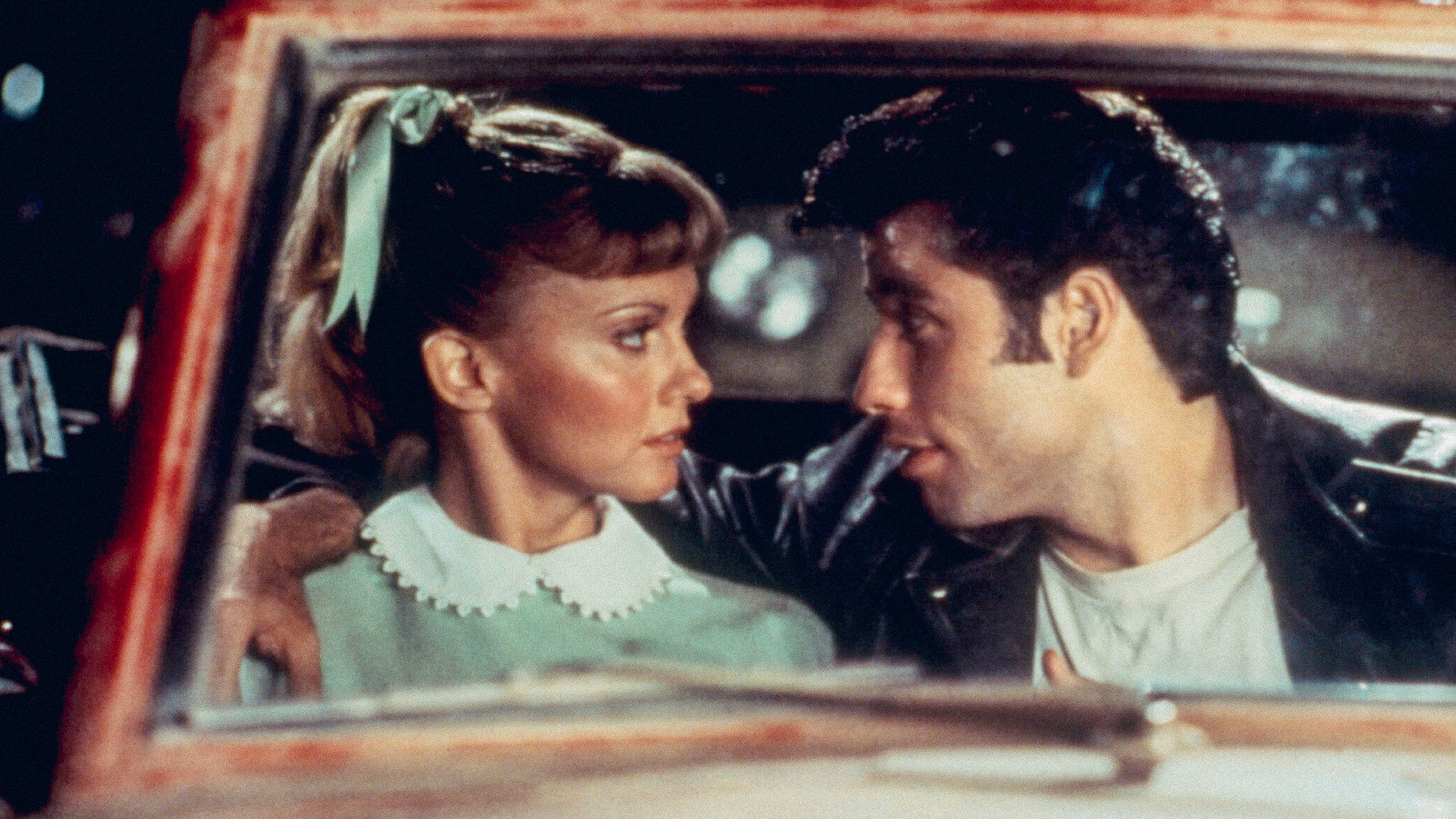
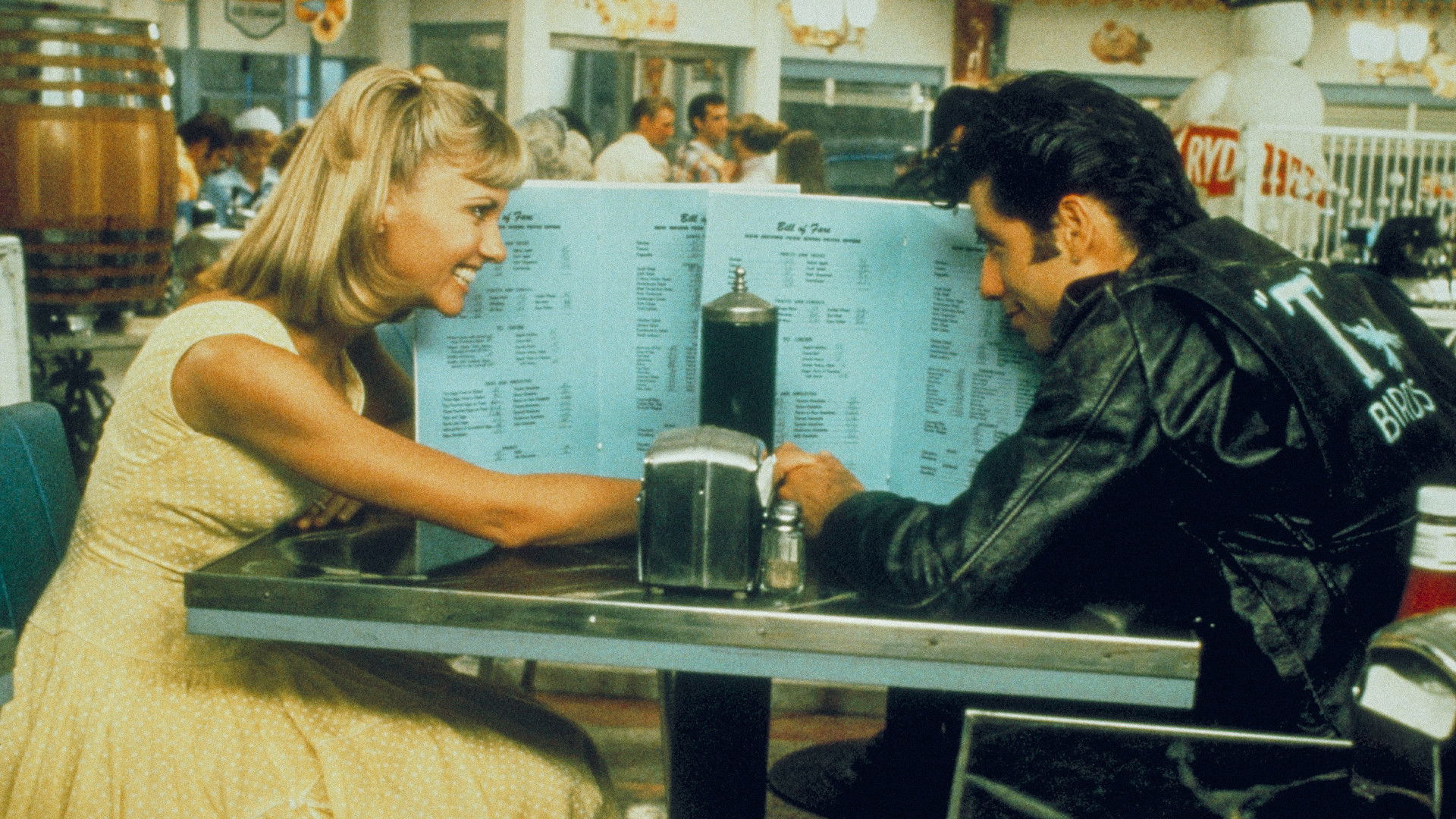
In a fantasy of 1950s American high-school life, Sandy (Olivia Newton-John) and Danny (John Travolta) try to make room for romance under the scrutiny of their friends. Around them are Rizzo (Stockard Channing), Kenickie (Jeff Conaway) and Frenchy (Didi Conn), with Principal McGee (Eve Arden) representing adult authority. The teenagers sing and dance through courtship, sexual boasting and the pressure to belong. Affection has to contend with the rules of the group, where admitting what someone means to you can threaten the reputation you have built.

Plays from YouTube when you press play; nothing loads from them until then.

Fi1m review

Grease earns its pleasures through the songs, John Travolta’s dancing and Stockard Channing’s sharpness. The romance is thin and the sexual politics need questioning, but the performances make the evening worthwhile.

Randal Kleiser’s Grease is a lively, uneven musical, carried through a thin romance by performers who know how to hold our attention. It treats 1950s teenage life as something to dress up and perform, with little interest in making its high-school pupils look or behave like actual children. The exaggeration is often funny, and the energy is hard to resist. The trouble comes when Bronté Woodard’s screenplay asks for emotional weight without doing much work between numbers.

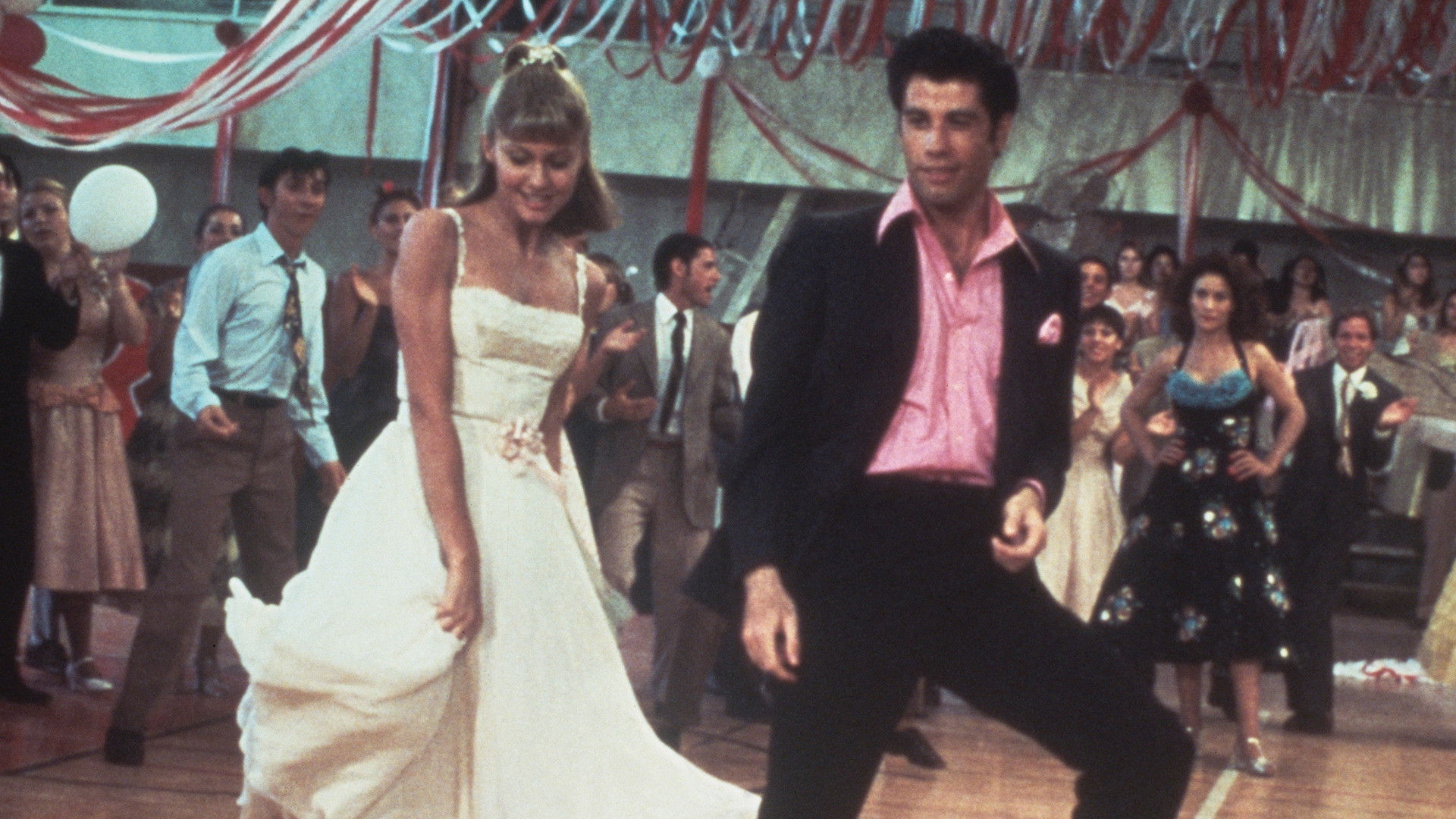
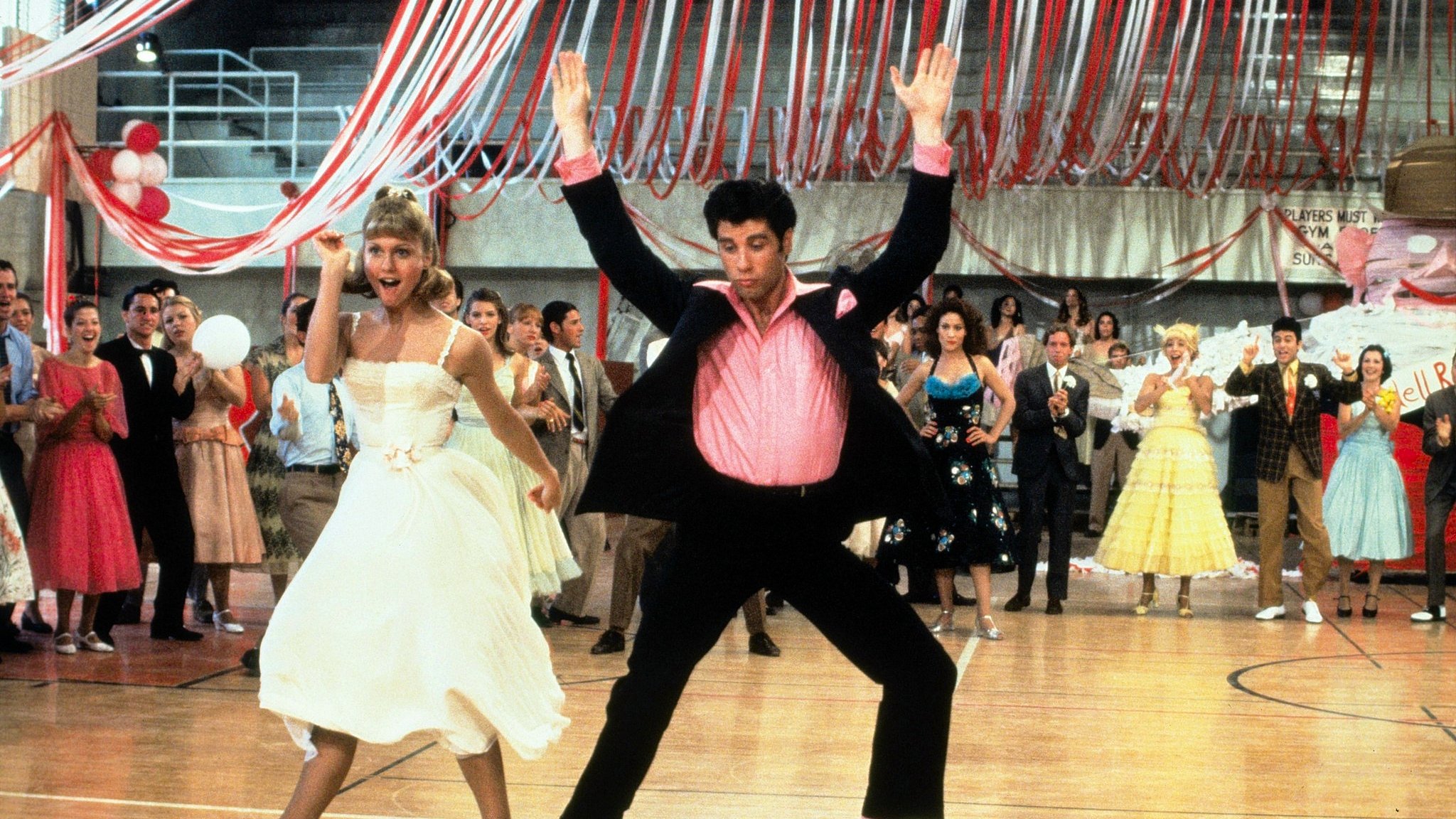
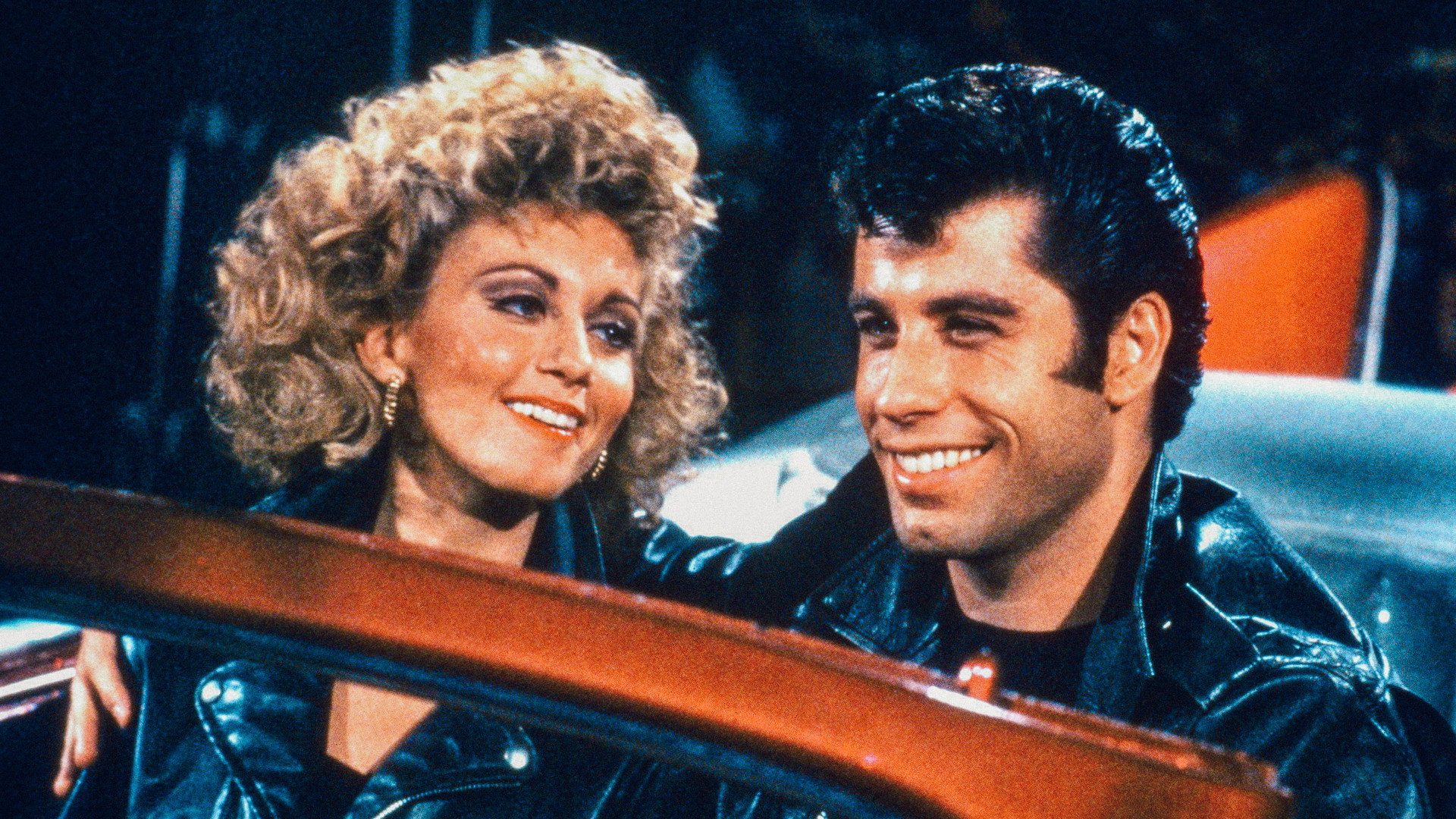
John Travolta makes Danny’s vanity enjoyable because he gives it such physical ease. His dancing has the confidence of someone who expects to be watched, without the laborious insistence that can make such a character unbearable. We found ourselves grinning at his relaxed swagger; it makes the showing off seem playful. Olivia Newton-John gives Sandy a sincerity that the surrounding performances sometimes lack, though she has fewer opportunities to make her character interesting when she is not singing.

Stockard Channing makes Rizzo more than another source of sharp remarks. There is an effort behind her toughness, and she lets us notice it without asking the whole film to become solemn on her behalf. Her singing is particularly affecting because she lets us hear the strain of keeping up that confidence. The broader comic playing around her is less dependable, too often demanding a laugh merely for being emphatic.

Bill Butler’s cinematography is most engaging when the dancers fill the frame, giving the group performances a bustle that the spoken scenes cannot always sustain. Philip M. Jefferies’s production design gives the cast a suitably artificial school in which to practise their adolescent poses. Albert Wolsky’s costumes help the performers announce themselves before they speak, which suits the broad characterisation. The colour and movement are enjoyable, although Randal Kleiser sometimes seems content to let a busy frame substitute for a well-staged joke.

Jim Jacobs and Warren Casey’s contributions to the music supply much of the pleasure, particularly when the songs expose the group’s rules about sex and popularity. A boast can sound ridiculous and still tell us why the person making it needs an audience. John F. Burnett’s editing is most persuasive in these stretches, keeping the musical exchanges lively enough to excuse some thin connective scenes. Away from the numbers, the gaps in the storytelling are harder to ignore, and 110 minutes occasionally feels generous.

As a screen musical, it gives the performers enough freedom to make its thin material enjoyable. Bronté Woodard’s screenplay is much less convincing about why these people ought to be together, and the sexual double standards are treated too readily as a source of jokes. The knowing exaggeration cannot excuse every lazy assumption about boys and girls, particularly when the romance asks us to take it seriously. Go for the singing and dancing; keep a little scepticism for the courtship.

Critical consensus AI synthesised

64
Positive
11
Mixed
1
Negative
4

Most critics respond warmly to Grease, with praise centred on its memorable songs, energetic dance routines and cheerful embrace of kitsch. John Travolta’s screen presence and dancing are recurring strengths, while Stockard Channing’s performance earns particular affection. The favourable reviews tend to find enough exuberance in the musical numbers to forgive the thin story, broad acting and conspicuously mature high-school pupils. Several also credit the staging with keeping the entertainment moving briskly.

The spread is wide, however, and the disagreement goes beyond how much the songs compensate for the shortcomings. Detractors find the nostalgia calculated, the sexual politics dated and the portrait of teenage life simplistic. The Guardian disputes even the dancing and direction that admirers celebrate, while Sight and Sound finds the knowing treatment of the 1950s condescending. Between those positions, reservations cluster around a dragging second half, unresolved subplots and musical numbers that prove less durable than the favourites.

The New York Times
16 June 1978 · Vincent Canby
90*

The critic calls the film a contemporary fantasy about a 1950s teen musical that is funnier, wittier and more imaginative than a typical Hollywood product, with a life of its own. The score is singled out as one of the best things about the production, supplemented by new and old material that enhances the energetic entertainment.

Read the full review →
The Times
20 April 2018 · ★★★★☆ · Kevin Maher
90*

Maher calls Grease a musical masterpiece despite dated sexual politics and cartoonish performances, praising the high-energy songs and direction as thrilling, foot-tapping achievements.

Read the full review →
Total Film
3 July 1998
90*

Twenty years on it is still clear why Grease was such a hit: it is the musical for everyone who thought musicals couldn't be cool, with great show-stopping songs and a perfectly cast ensemble. It has turned into a singalong interactive classic and is still the best musical of the last 20 years.

Read the full review →
The Hollywood Reporter
16 June 2015 · Arthur Knight
85*

The critic praises the film's youthful vitality and tremendous energy in its wall-to-wall song and dance numbers, along with John Travolta's charismatic screen presence and Randal Kleiser's promising directorial debut.

Read the full review →
Empire
1 January 2000 · Caroline Westbrook
80*

The memorable song-and-dance routines and all-round exuberance make it stand out among screen musicals. Its clunky kitsch quality ironically makes it a perpetual joy, with energetic numbers full of innuendo.

Read the full review →
Evening Standard
10 April 2012
70*

The 1978 film has some horrible acting but the kind of exuberance that has made it a cult classic. Half the cast playing 17-year-olds are well over that age, but what the hell, this is kitsch heaven.

Read the full review →

Cast

Stills

If you liked this, try…

Hairspray poster

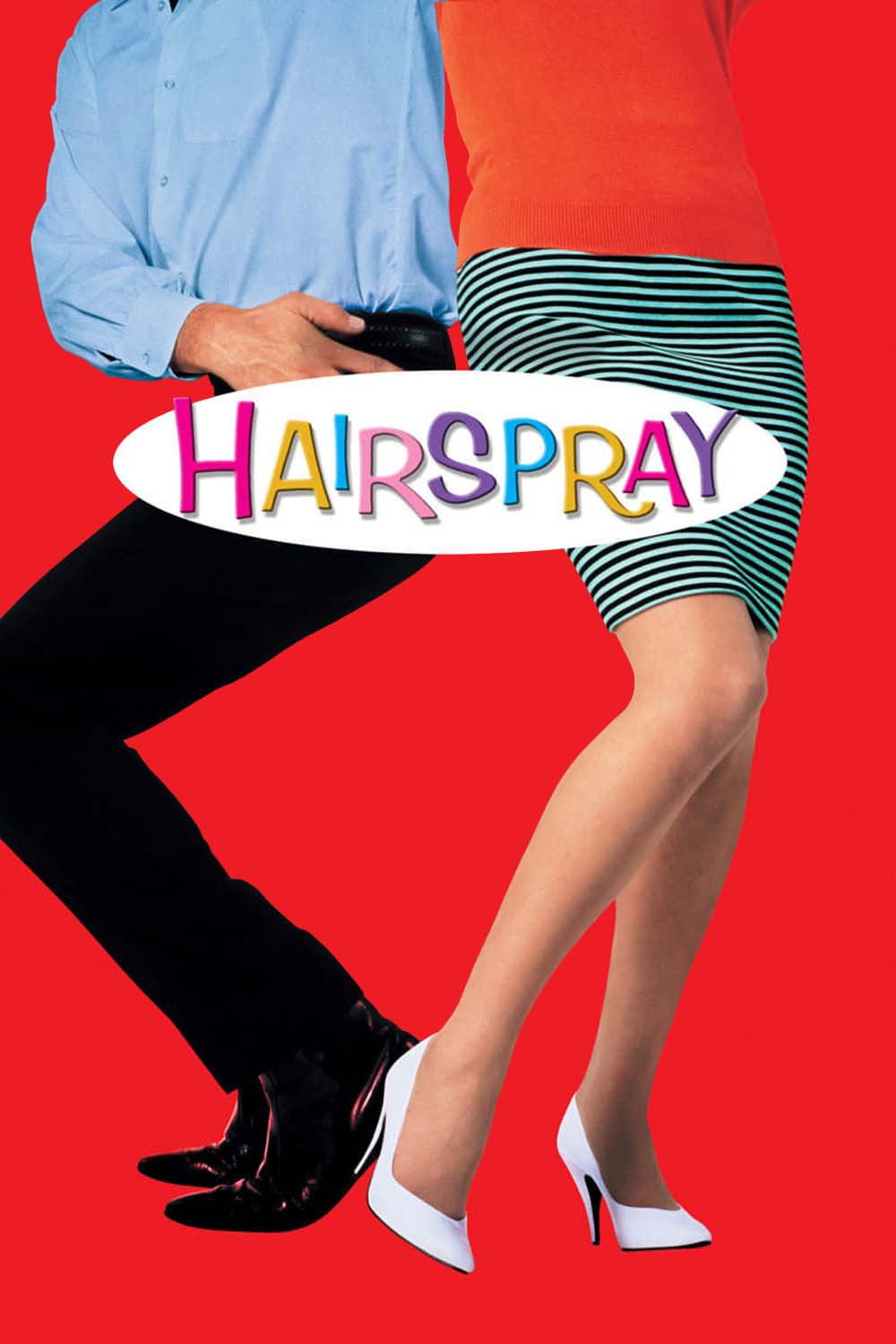
Hairspray

1988 · Teenage dancing and social rebellion, with a much sharper appetite for mischief.

The Young Girls of Rochefort poster

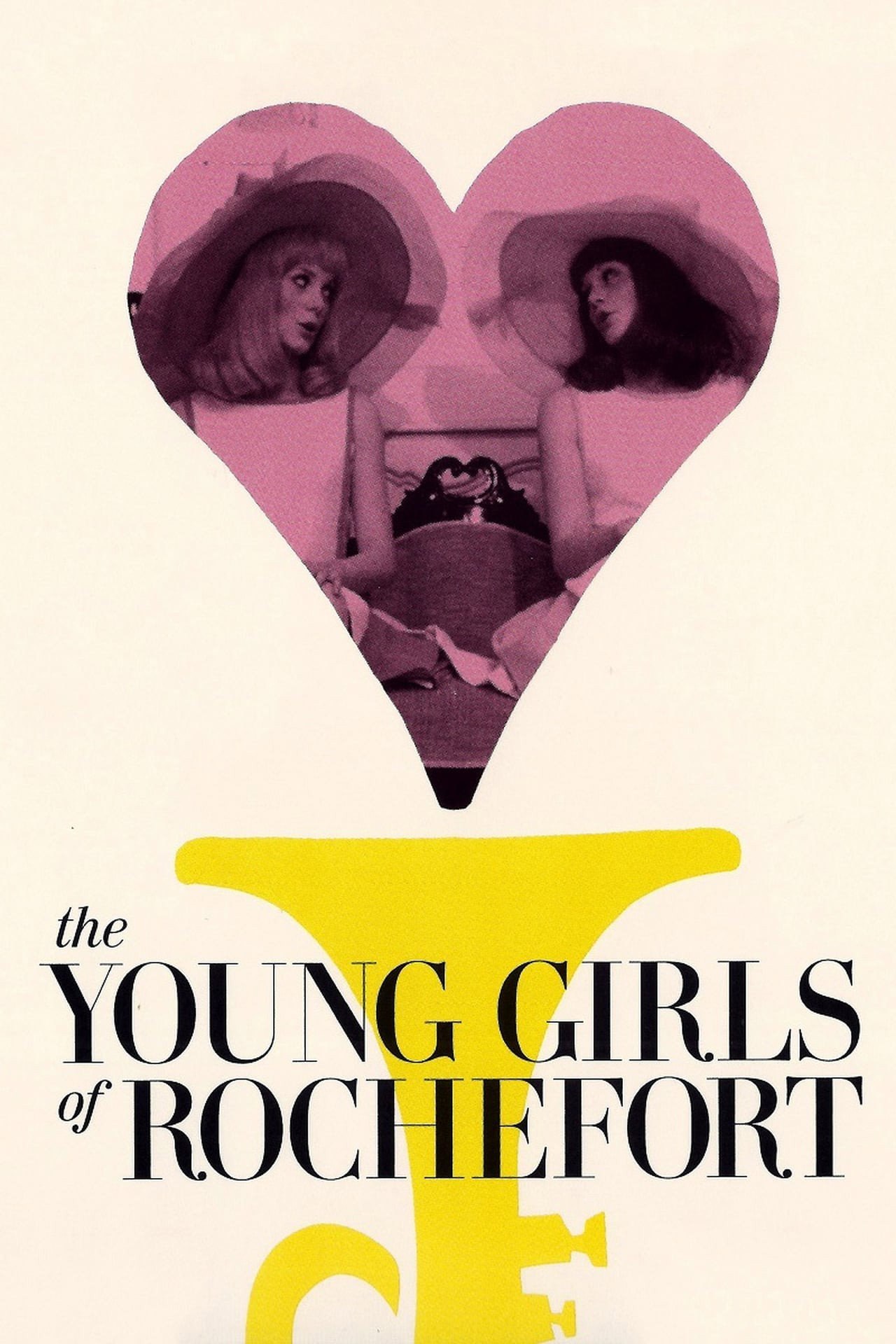
The Young Girls of Rochefort

1967 · Bright colours, intricate dancing and romantic complications handled with a lighter touch.

The Commitments poster82

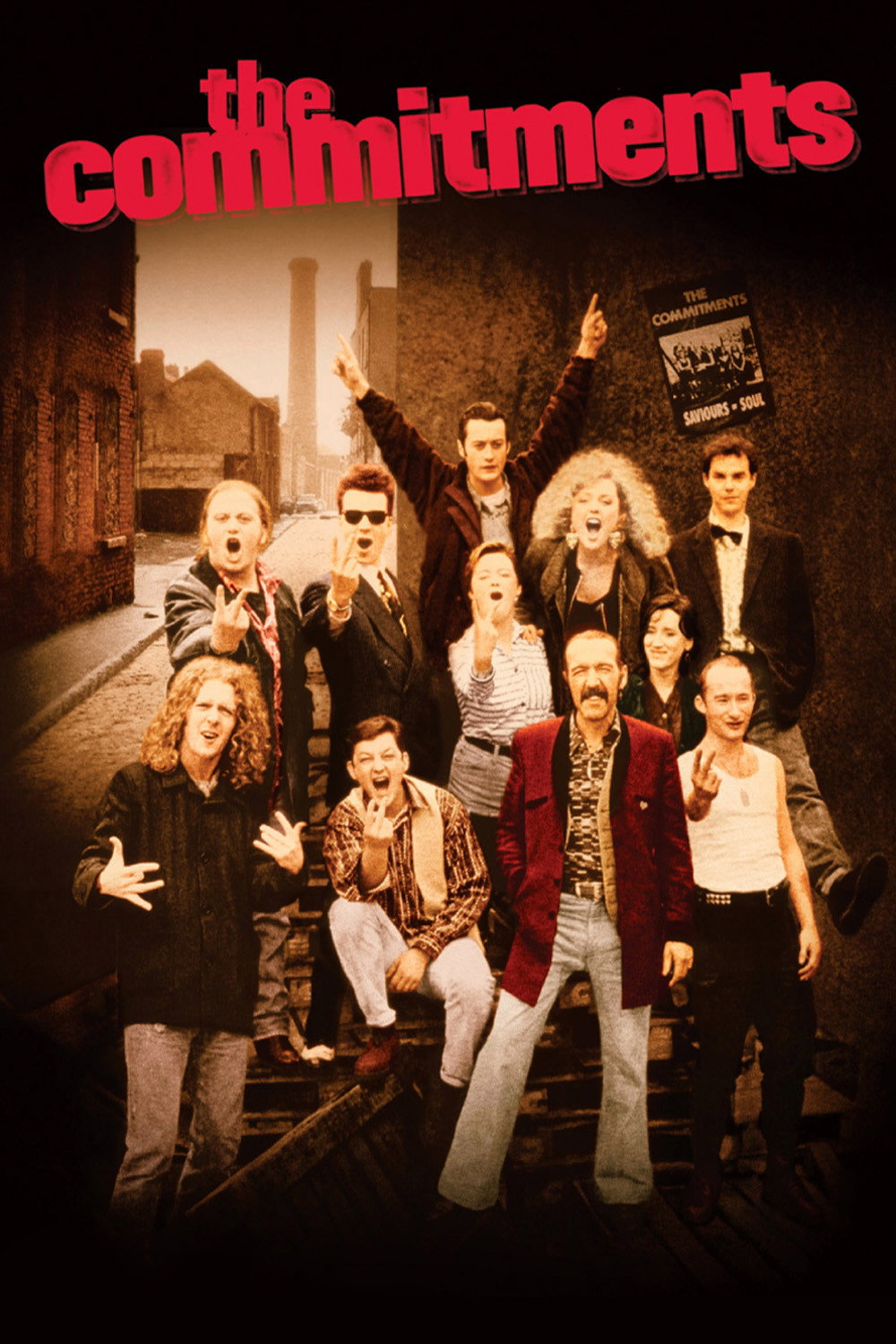
The Commitments

1991 · A scruffier ensemble whose singing is considerably more reliable than their judgement.

Strictly Ballroom poster83

Strictly Ballroom

1992 · Competitive dancing, social snobbery and enough comic exaggeration to fill the floor.

Linda Linda Linda poster

Linda Linda Linda

2005 · School friendships and musical rehearsals, with less swagger and more patient affection.