Film review

Mean Streets

1973 · Directed by Martin Scorsese · 1h 52m · MPA R

In a sentenceRobert De Niro makes a persuasive case for leaving your friends to their own devices

DramaCrime

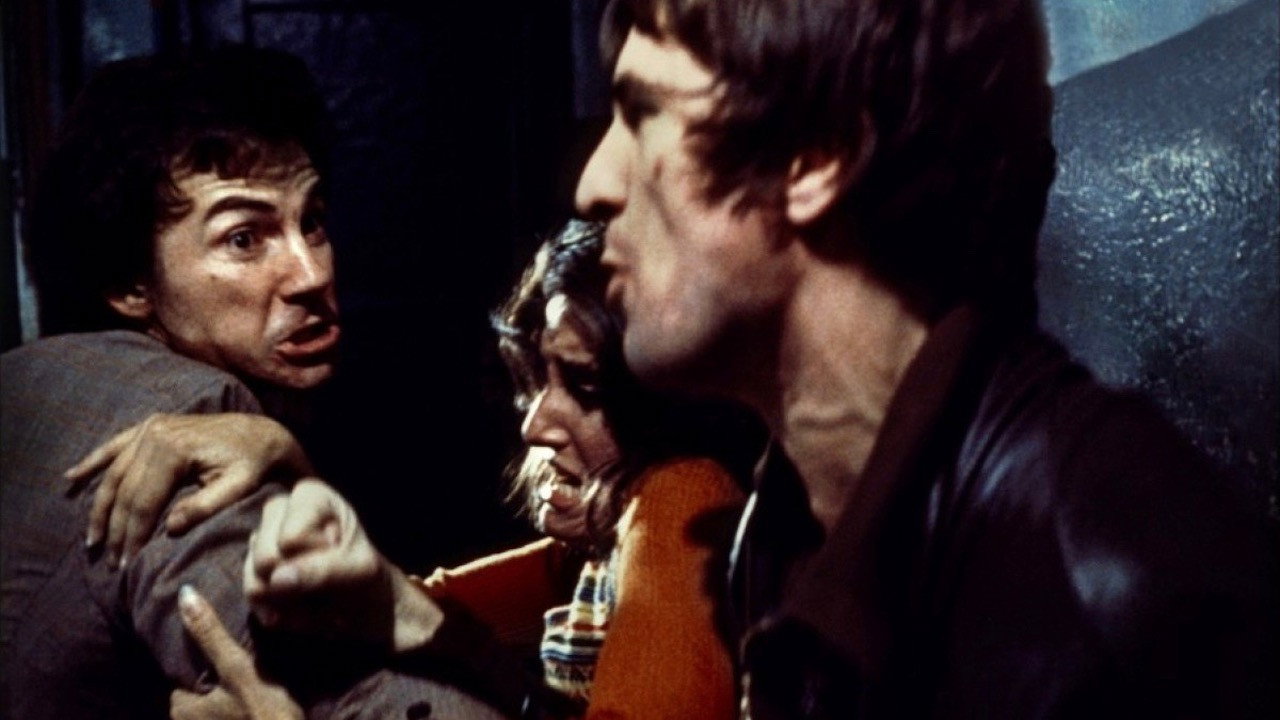
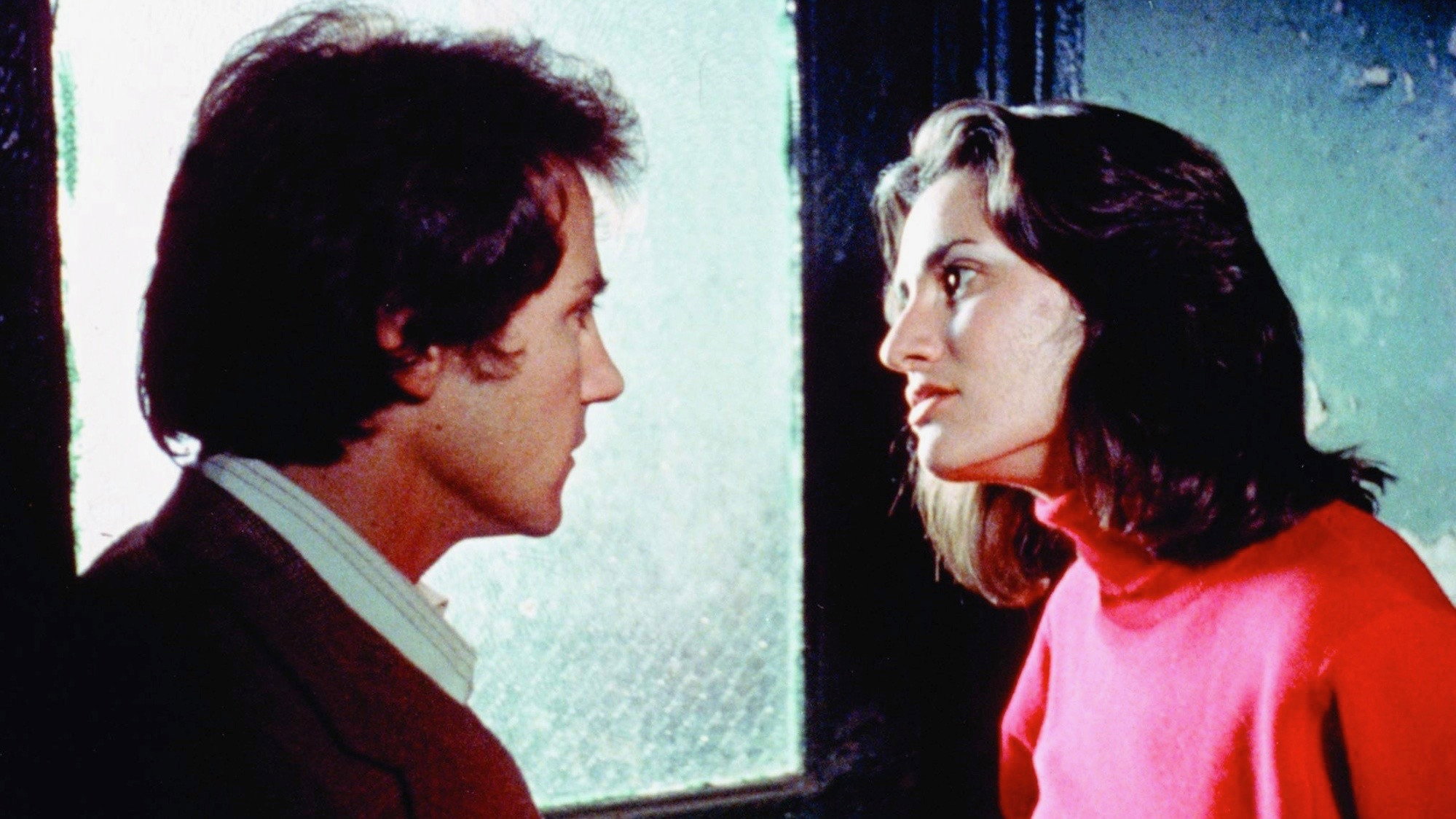
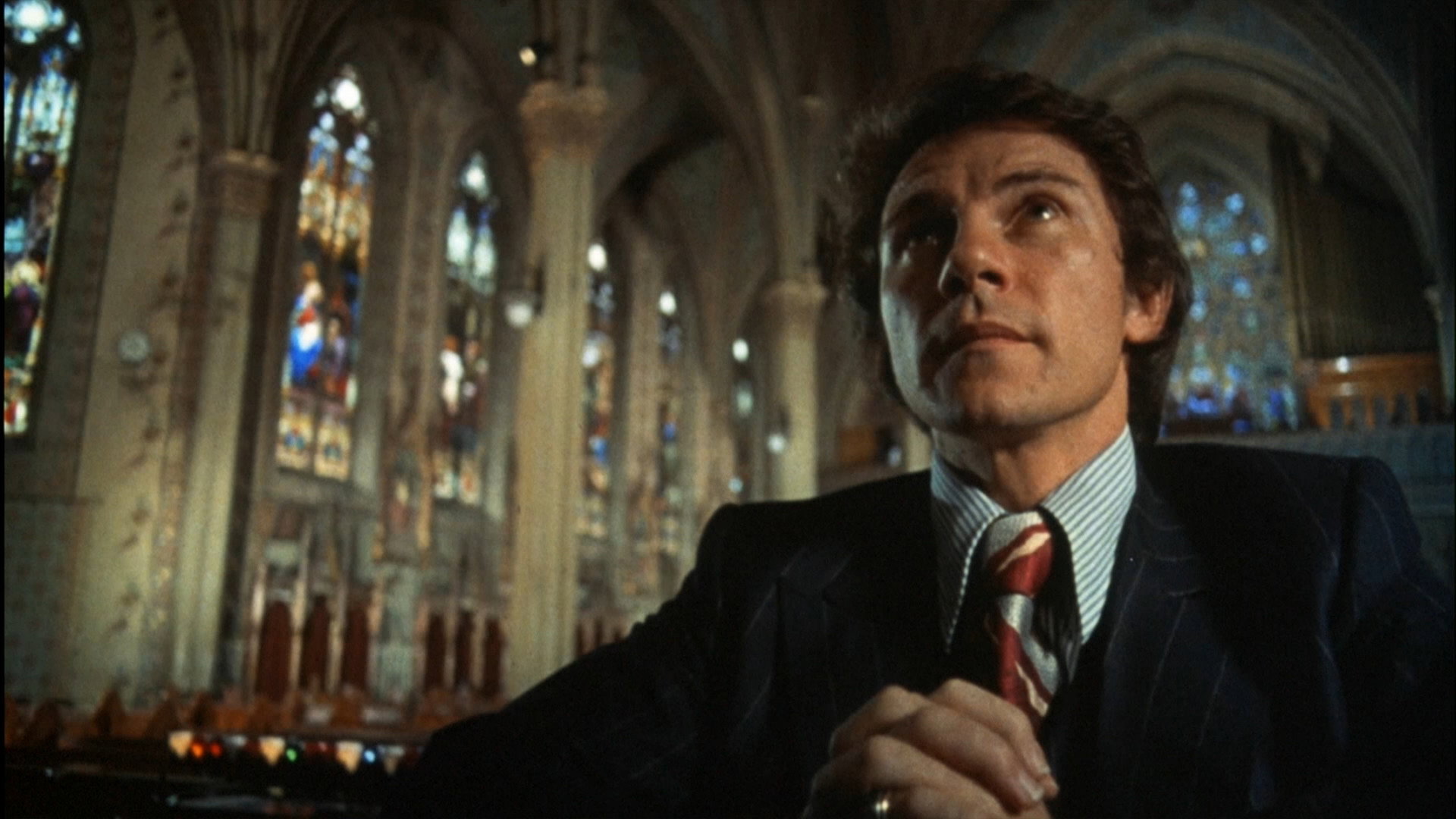
In New York’s Little Italy, small-time hood Charlie Cappa (Harvey Keitel) tries to look after his reckless friend John ‘Johnny Boy’ Civello (Robert De Niro). Catholic guilt makes the responsibility difficult to put down, while Johnny Boy gives Charlie little reason to believe he can keep him out of trouble. Their days revolve around neighbourhood encounters, arguments and unpaid debts. The people around them include Teresa Ronchelli (Amy Robinson) and Michael Longo (Richard Romanus). Charlie wants to help his friend without being dragged further into his problems, but Johnny Boy is not inclined to make that easy.

Plays from YouTube when you press play; nothing loads from them until then.

Fi1m review

Martin Scorsese’s small-time crime drama is funny, abrasive and frightening, with Harvey Keitel doing the worrying while Robert De Niro makes trouble. Its loose storytelling occasionally drags, but we recommend it for the performances and the unease.

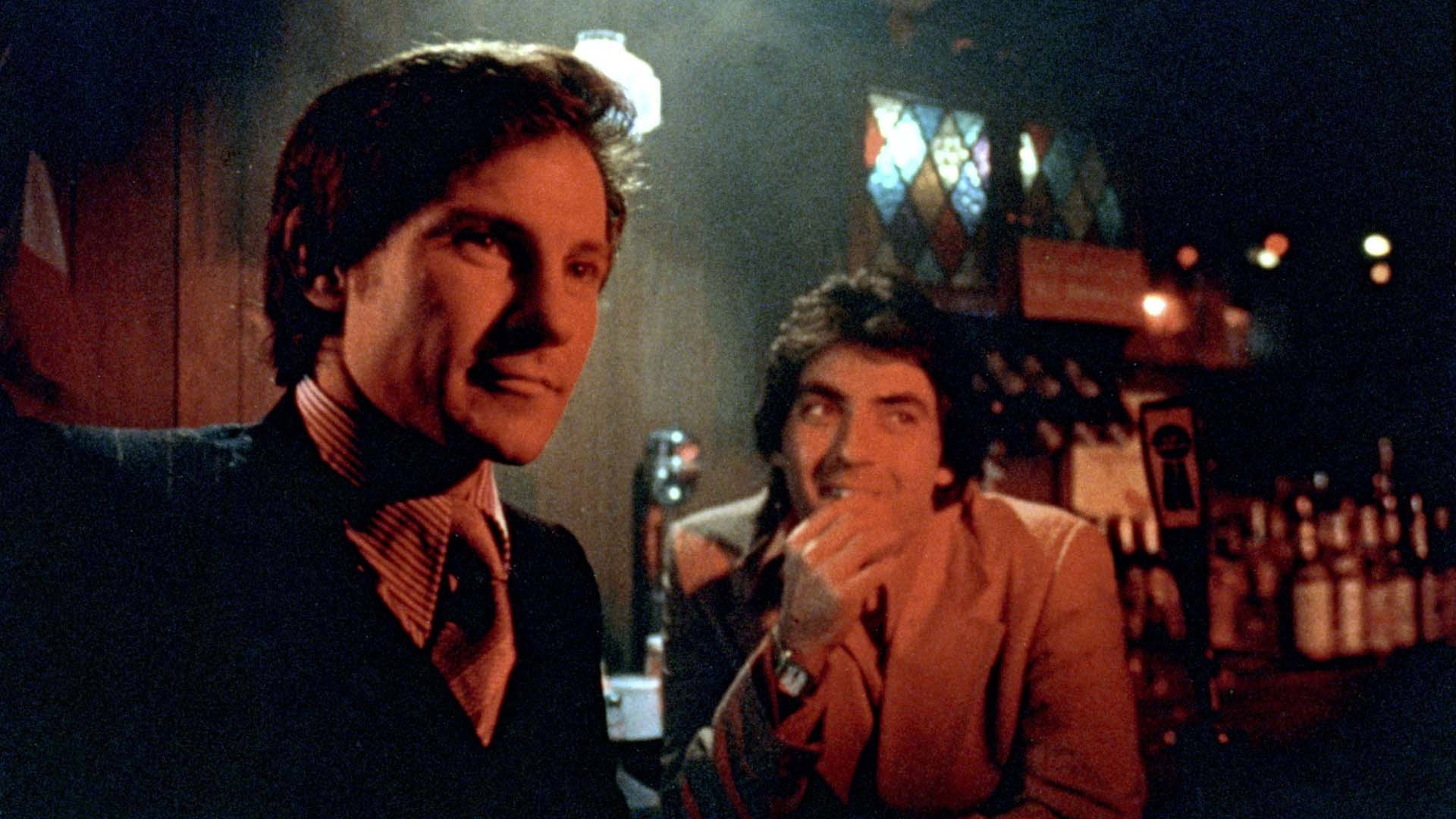
Mean Streets is a funny, troubling crime film whose strongest scenes make looking after a friend seem like a full-time occupation. We recommend it, with a warning that its wandering story sometimes forgets to move. Martin Scorsese follows small-time hustlers in New York’s Little Italy, where Catholic guilt and unpaid debts complicate Charlie Cappa’s efforts to look after Johnny Boy. The screenplay, by Mardik Martin and Martin Scorsese, gives their daily encounters room to become awkward and repetitive. We soon understand why Charlie has difficulty walking away, even when staying is exhausting.

Harvey Keitel makes Charlie’s concern feel like a habit he cannot break. There is affection in the performance, but also the strain of a man who keeps volunteering for more worry, and we never quite settle on how much of this caretaking is for Johnny Boy’s benefit. The Catholic guilt matters because it makes an ordinary sensible decision – stop taking responsibility for this man – feel morally suspect. Harvey Keitel holds our attention through those doubts without making Charlie seem nobler than the people around him.

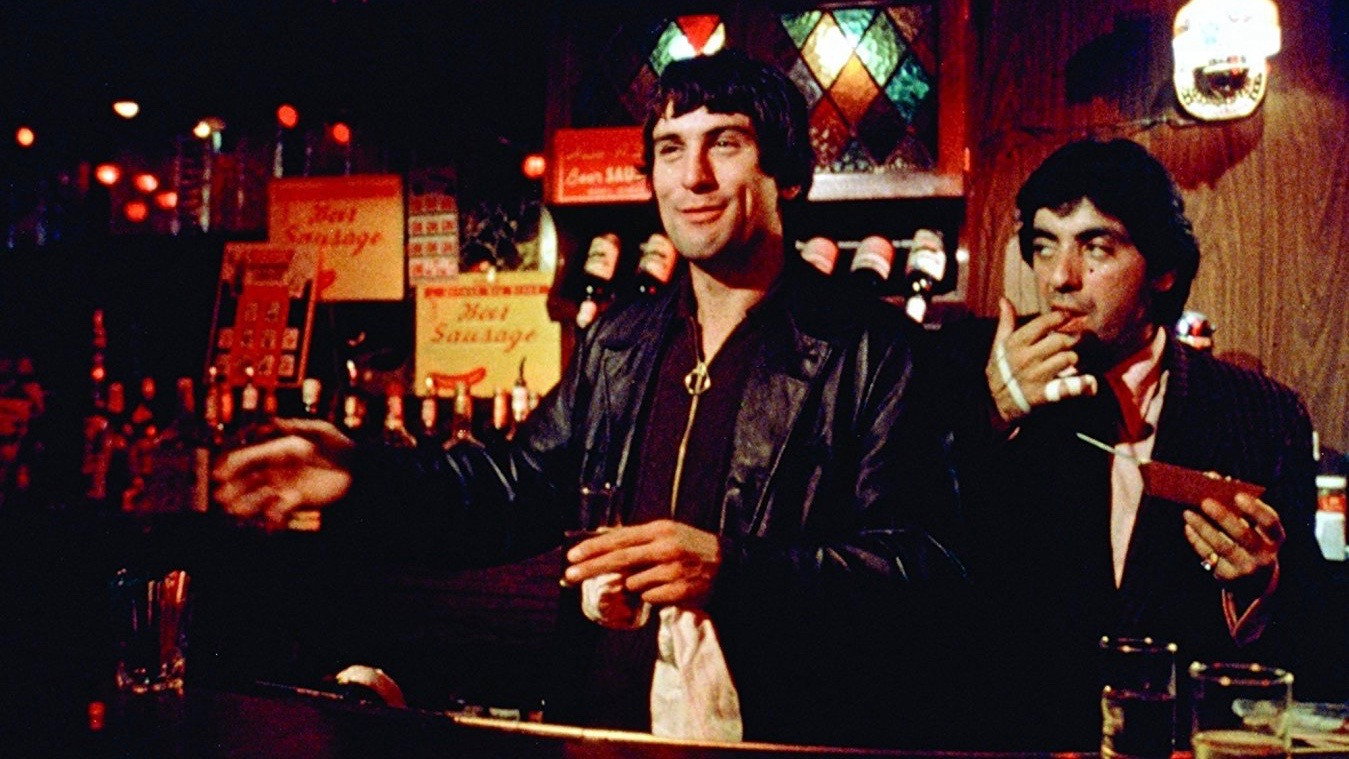
Robert De Niro is allowed to be much less reasonable. His Johnny Boy has a teasing, dangerous energy that makes each quarrel interesting even when the quarrel itself is petty. We laughed at their bickering, then felt anxious for Charlie, because Robert De Niro keeps making irresponsibility look entertaining enough to forgive. He also makes it hard to mistake that charm for kindness. The friendship works because Harvey Keitel keeps showing the effort involved in putting up with someone the audience can enjoy from a safe distance.

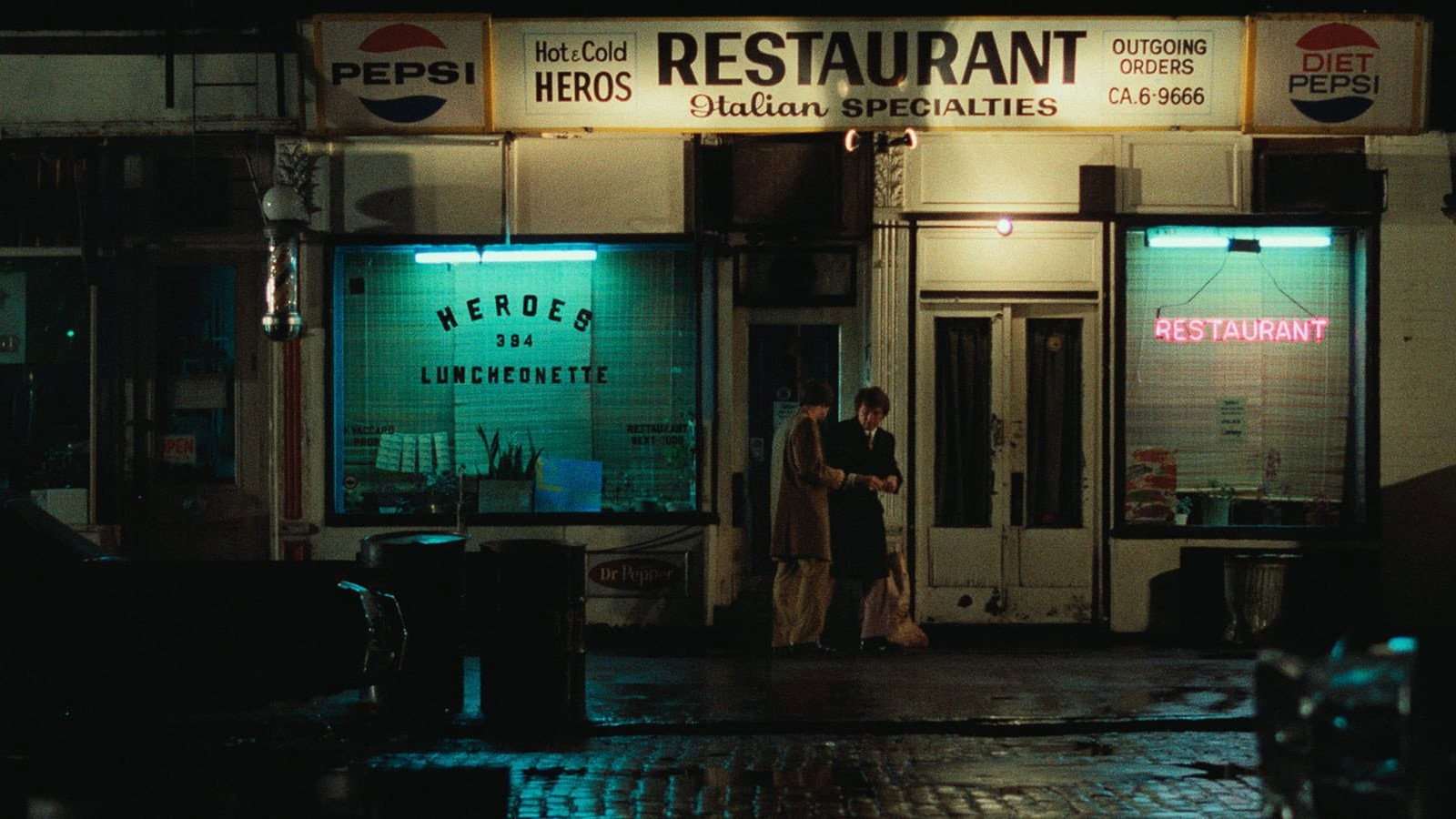
Kent L. Wakeford’s cinematography gives the neighbourhood a rough, immediate presence, with street scenes that feel caught in progress rather than tidied for inspection. The more feverish images suit men whose judgement is already unreliable; visual neatness would be the wrong choice here. David Nichols’s production design supports that sense of a small, enclosing neighbourhood, without the grand surroundings that might make crime look like a sensible career. The places matter because these people seem to belong in them, and because belonging does not make them comfortable.

The 1960s pop songs are essential to the film’s pleasure. They give the street life a lift without making the violence feel harmless, and their familiarity helps draw us towards people we might otherwise keep at a distance. Martin Scorsese and Sidney Levin’s editing keeps the rhythm unsettled as the music propels these everyday encounters. The roughness works because the quarrels can feel funny and dangerous almost together, without a solemn pause to tell us which response is correct.

The looseness also costs the film something. Some encounters repeat the same failures of judgement, and the later stretches occasionally slow when the accumulated worry ought to be enough to keep them moving. The screenplay could lose a little of that repetition without making these lives look any less aimless. At 112 minutes, the film is not long, but there are moments when the attention given to a quarrel exceeds what we learn from it.

As a gangster film, Mean Streets asks us to stay close to people with limited power and poor prospects. That small scale suits it: an unpaid debt or a friend’s bad judgement is enough to make the whole neighbourhood feel difficult to live in. Allow for the stretches that drift, and watch it for the uncomfortable business of liking someone Charlie would be wiser to avoid.

Critical consensus AI synthesised

86
Positive
16
Mixed
0
Negative
0

The reviews are unanimously positive, with praise clustering around Scorsese’s personal depiction of Little Italy, the performances of Harvey Keitel and Robert De Niro, and the use of popular music. Most critics value the film’s attention to small-time criminal life, where Catholic guilt, friendship and unpaid debts shape everyday behaviour. De Niro’s reckless Johnny Boy draws particular notice, while the street scenes, volatile rhythms and jukebox soundtrack are repeatedly praised for making the neighbourhood feel lived in.

The differences concern the degree of enthusiasm and the film’s loose storytelling, rather than its central strengths. Variety admires the performances but finds the screenplay content to sketch daily happenings; Slant Magazine notes narrative sags in the final stretch while praising the force of the filmmaking. The spread runs from qualified approval to wholehearted admiration, with no negative assessments and little disagreement about the conviction of the setting or the energy of the cast.

Radio Times
★★★★★ · Andrew Collins
100

Mean Streets is hailed as Scorsese's breakthrough and a keystone of 1970s American cinema, driven by powerful performances from Keitel and De Niro. The critic singles out its masterful integration of 1960s pop music with gritty violence and semi-autobiographical storytelling from Little Italy.

Read the full review →
The New Yorker
1 October 1973 · Pauline Kael
95*

Martin Scorsese’s “Mean Streets” is a true original and triumph of personal filmmaking with a hallucinatory look, unsettling rhythm, and high-charged emotional range. It gets at the psychological connections between Italian Catholicism and crime in a thick-textured way unlike any prior American movie.

Read the full review →
Los Angeles Times
13 March 1998 · Kevin Thomas
90*

Revisiting the film nearly 25 years later confirms its status as a modern American screen classic with leanness, innate structure, pace, and spontaneity that sustains career-making portrayals by Harvey Keitel and Robert De Niro. It moves with the inevitability of “Oedipus Rex.”

Read the full review →
RogerEbert.com
2 October 1973 · Roger Ebert
90*

Martin Scorsese’s “Mean Streets” is a perceptive, sympathetic, finally tragic story about growing up in a gangster environment. It excels in its improvisational feel, realistic violence, and strong performances by Harvey Keitel and Robert De Niro.

Read the full review →
The Guardian
12 October 2023 · Peter Bradshaw
90*

The critic calls the film a blistering early masterpiece and ultraviolent urban pastoral that remains thrilling and fluent on its 50th-anniversary re-release. It singles out the vivid, worm’s-eye view of low-level mafia life in Little Italy, the central theme of sin and unpaid debt, and Scorsese’s pioneering use of pop music and street scenes.

Read the full review →
The New York Times
14 October 1973 · Vincent Canby
90*

The film is a tough, vivid melodrama set in New York’s Little Italy with accurate look, language, and performances that evoke life rather than cinema. It is a decidedly first-rate film that reinforces its themes with gestures taken from life.

Read the full review →

Cast

Stills

If you liked this, try…

The Friends of Eddie Coyle poster

The Friends of Eddie Coyle

1973 · Small-time criminals discover how little protection a lifetime of acquaintances provides.

La Haine poster90

La Haine

1995 · Male friendship and neighbourhood loyalties grow dangerous under constant pressure.

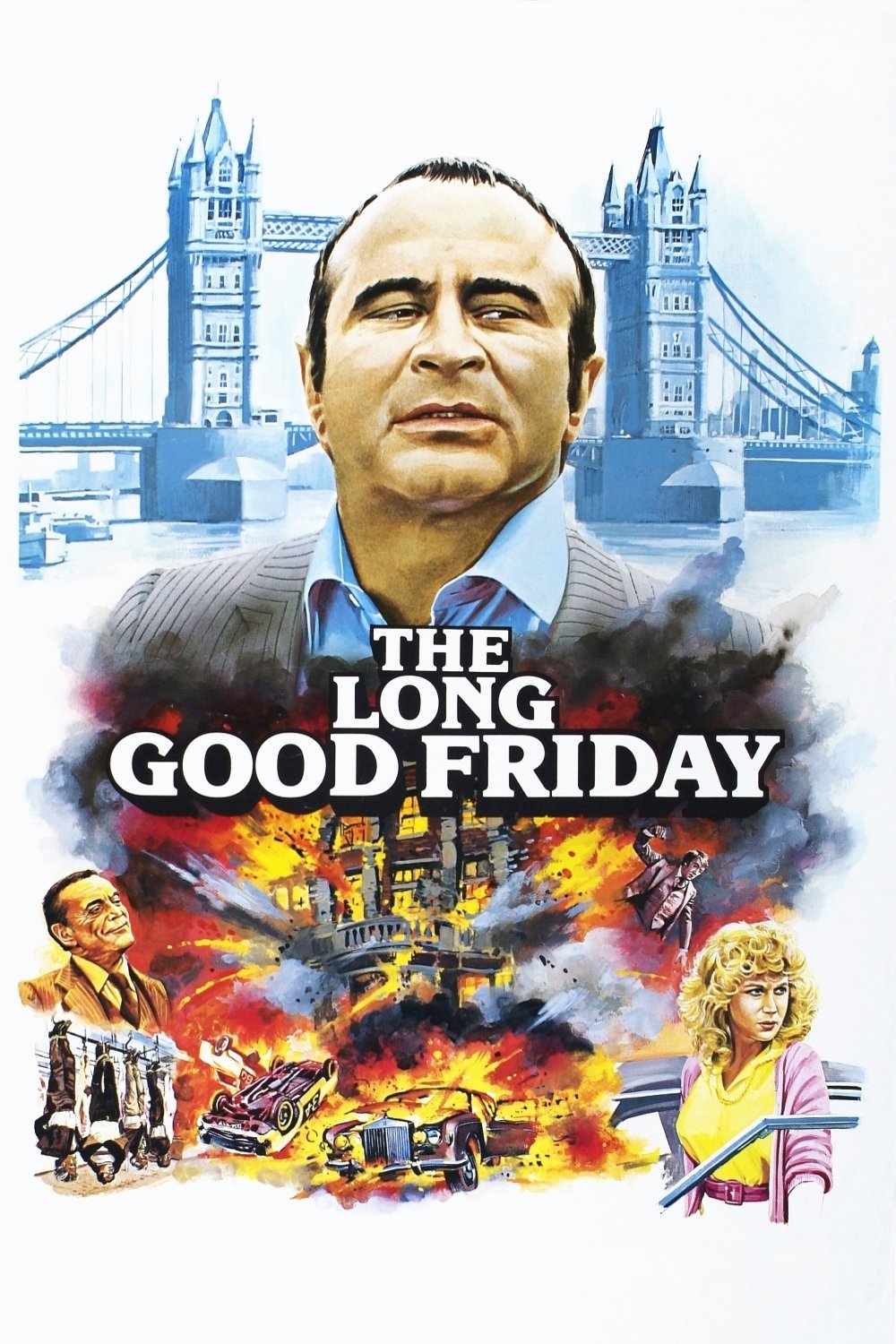
The Long Good Friday poster88

The Long Good Friday

1980 · A wider criminal operation, with the same fear beneath the swagger.

As Tears Go By poster

As Tears Go By

1988 · Another reckless friend makes loyalty an increasingly difficult way to live.

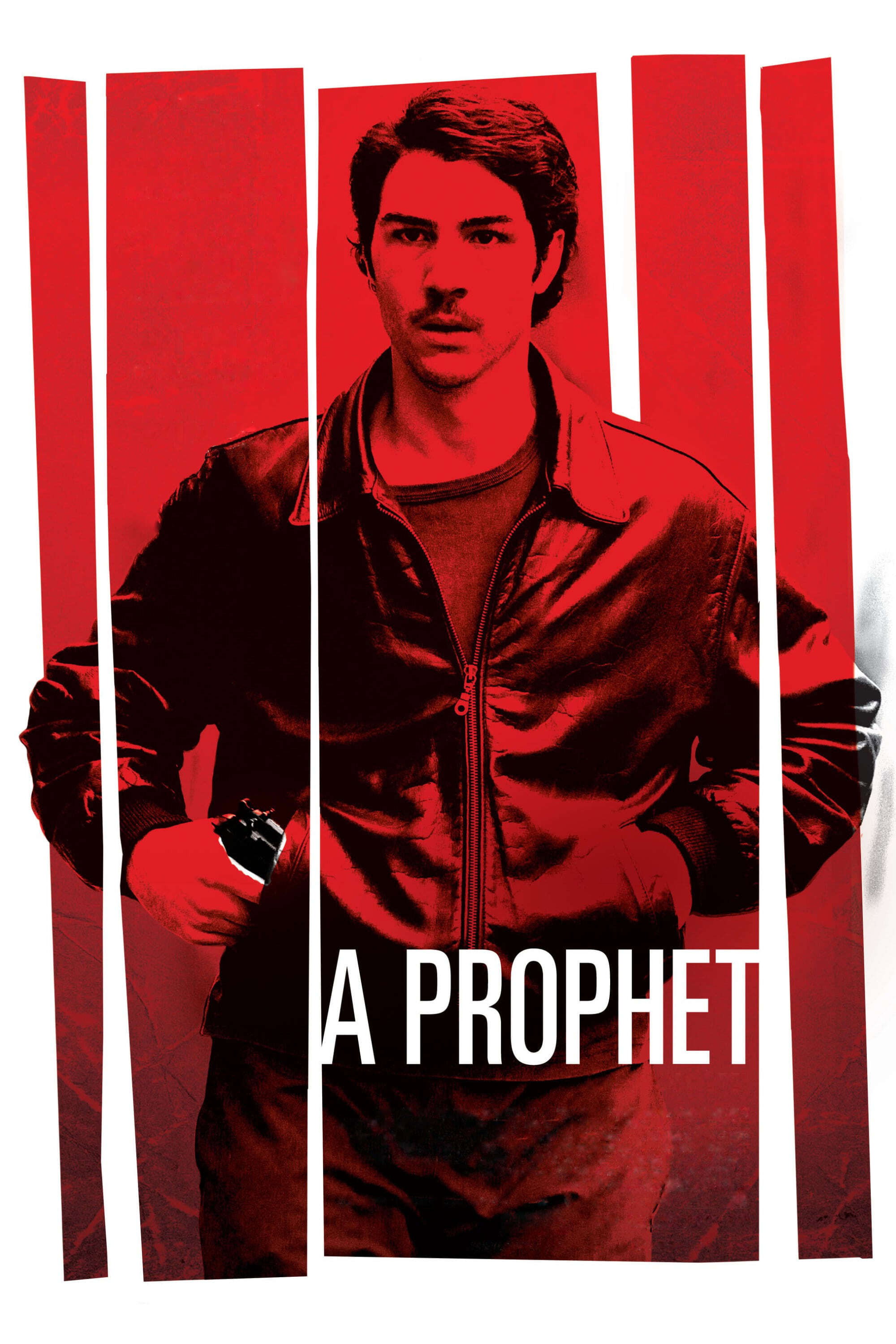
A Prophet poster86

A Prophet

2009 · Patient attention to criminal apprenticeship, with violence that never feels abstract.