Film review

Minority Report

2002 · Directed by Steven Spielberg · 2h 25m · MPA PG-13

In a sentenceThe police can see the future, which has not made them any easier to trust

Science FictionActionThriller

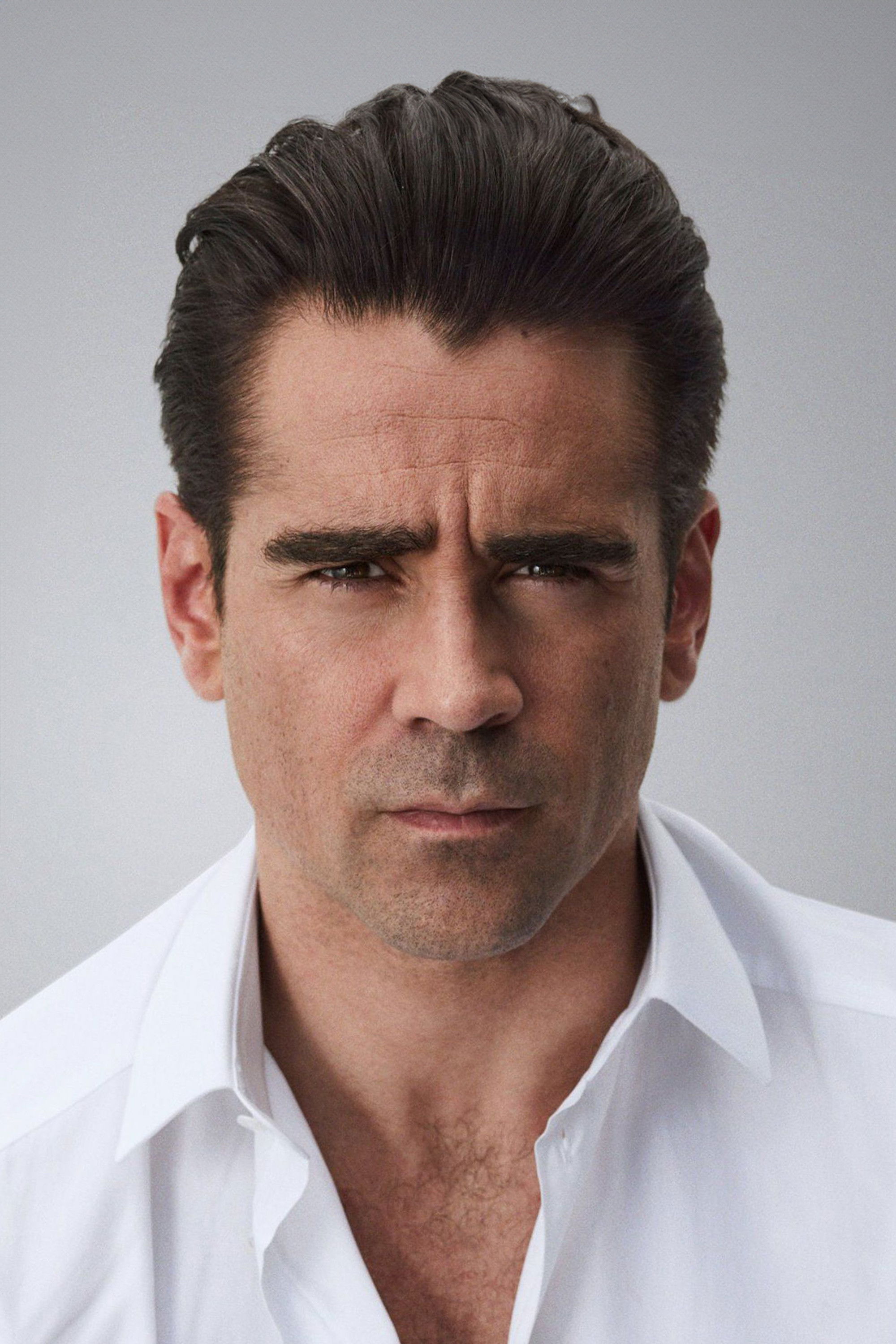
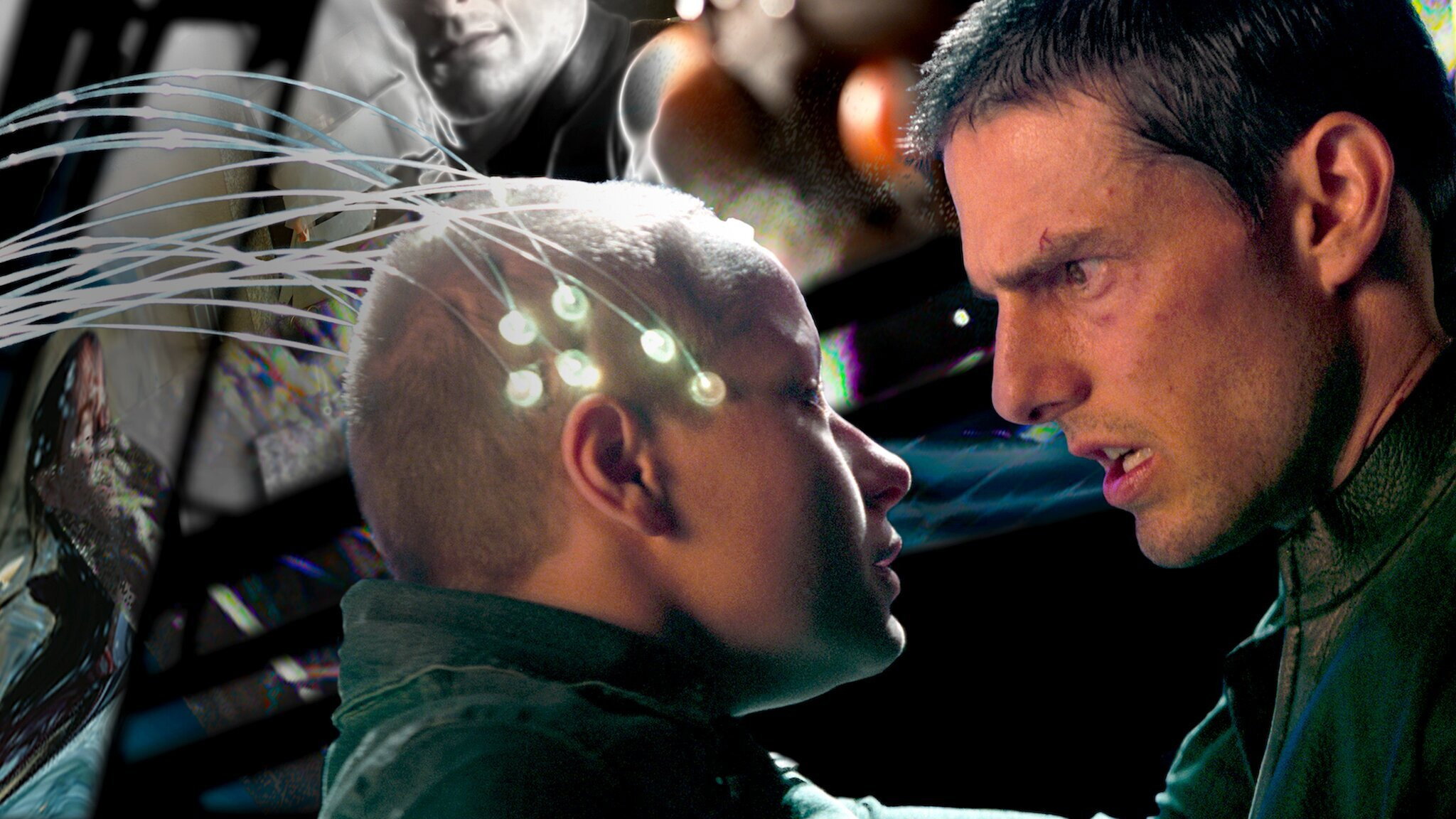
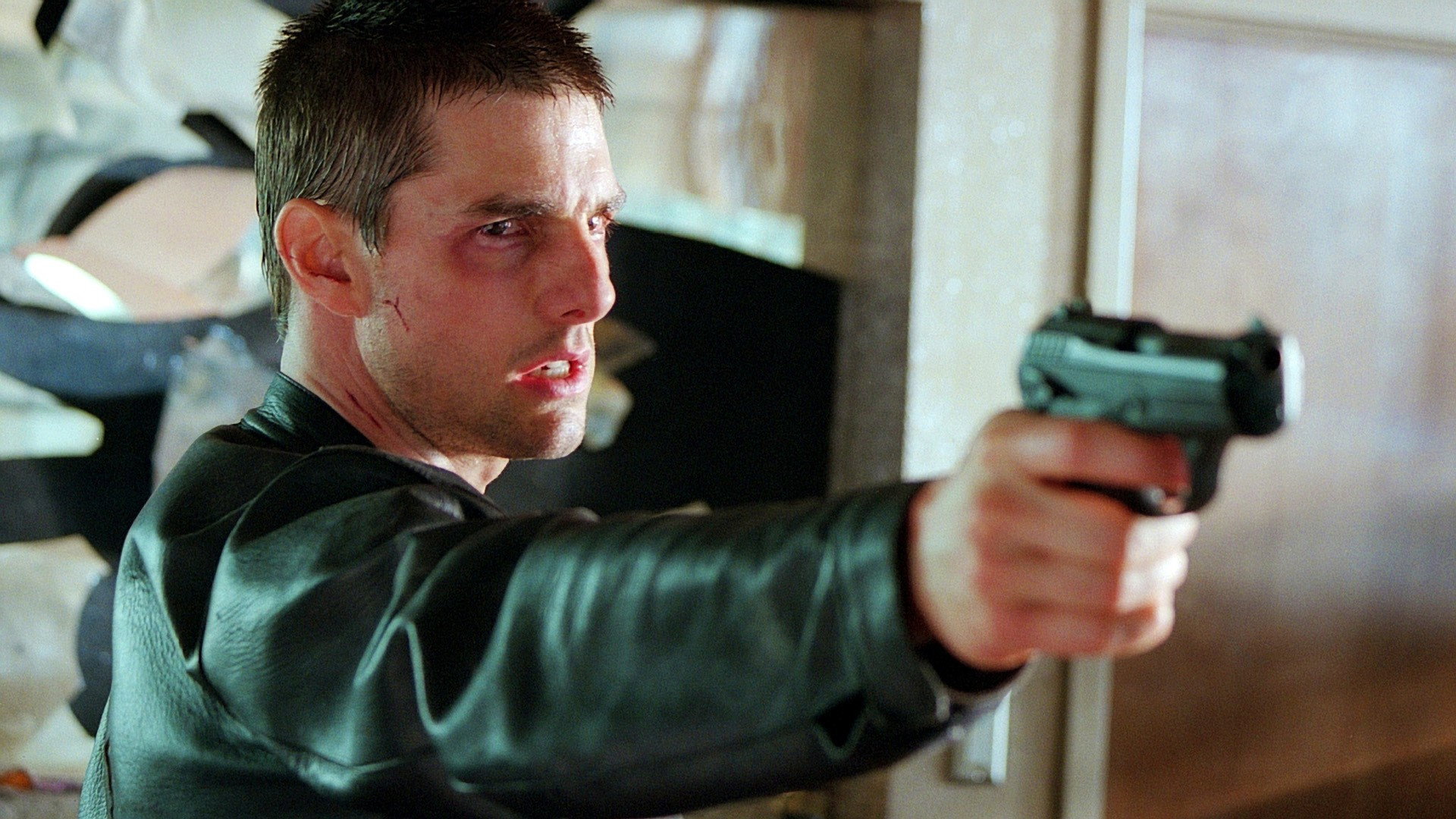
In a future shaped by crime prediction, the prospect of preventing violence changes the business of policing. Chief John Anderton (Tom Cruise) is at the centre of a society that pursues safety by acting on events that have not yet happened. As technology gives the authorities new powers, questions of choice and responsibility become inseparable from the pursuit of suspects. Colin Farrell plays Danny Witwer and Samantha Morton plays Agatha in Steven Spielberg’s science-fiction thriller about free will and the uses of foreknowledge.

Plays from YouTube when you press play; nothing loads from them until then.

Fi1m review

Steven Spielberg’s crime-prediction thriller is tense, thoughtful and convincing about its future. Tom Cruise and Samantha Morton give it emotional weight, though the later plotting takes longer to explain than it should.

Minority Report is a persuasive, troubling science-fiction thriller, even when Steven Spielberg lets the chase run too long. Its premise asks how much power we would give the police if they could stop a crime before it happened. We know the attraction immediately, which is why the film does not need to make its future look openly monstrous. The useful machines and professional assurance do much of the persuading. Spielberg understands how an efficient service might make an appalling intrusion seem reasonable.

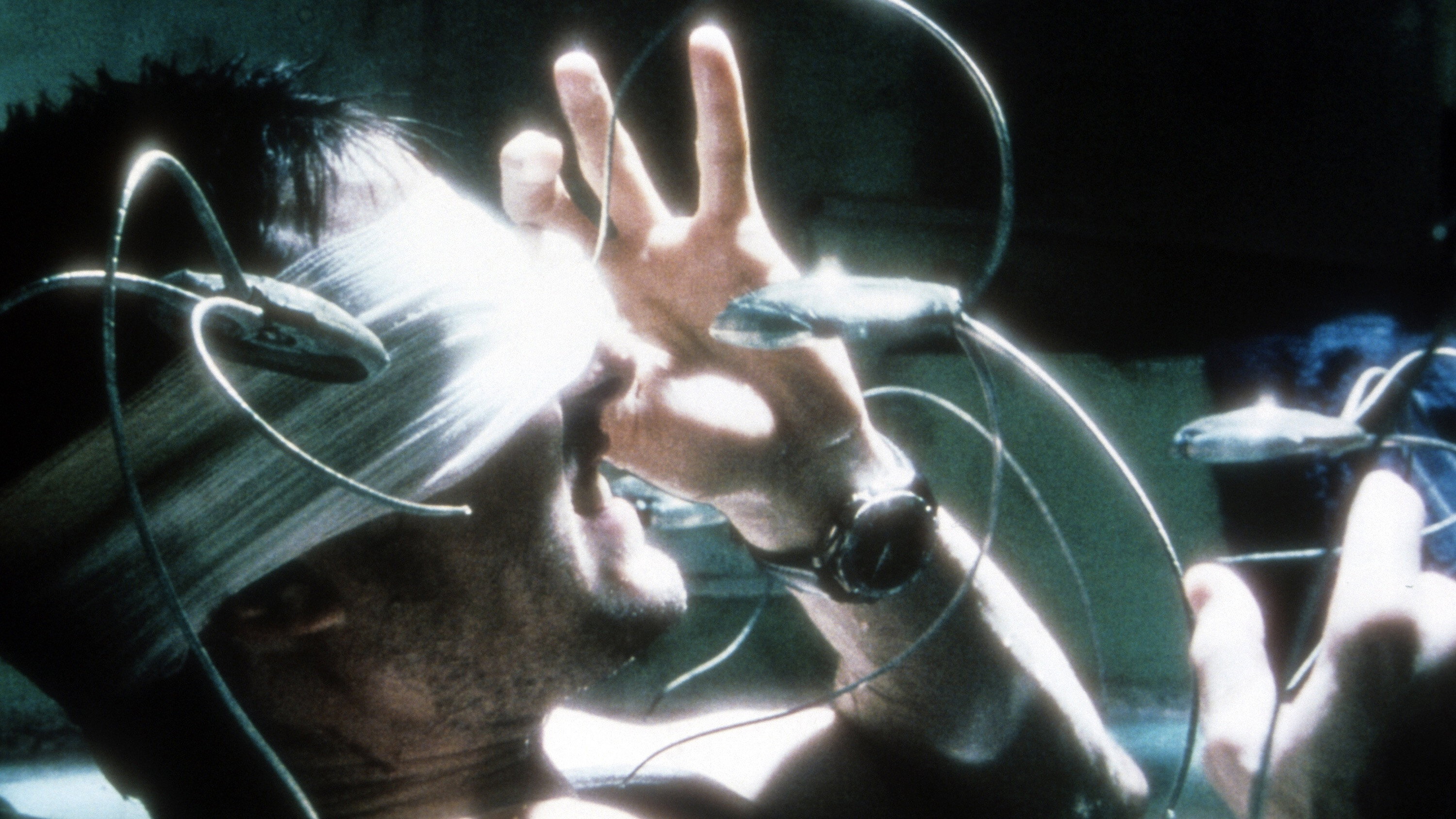
Alex McDowell’s production design makes the gadgetry look ready for everyday use, which helps sell the promise of a more orderly society. Janusz Kamiński’s photography gives the future a cold metallic sheen that makes it an uninviting place to spend time. The technology is interesting enough to distract us briefly from what it permits, and that distraction serves the story. We can admire the equipment while remaining uneasy about who gets to operate it.

Tom Cruise plays Chief John Anderton with a drive that keeps the ethical questions from turning into a discussion programme. He gives the pursuit an emotional pressure that physical exertion alone could not provide. The danger with a star-led chase is that concern for one man can crowd out concern for everyone subject to the same rules. Cruise’s intensity sometimes brings the film close to that, although his performance also makes its heavier passages worth staying with.

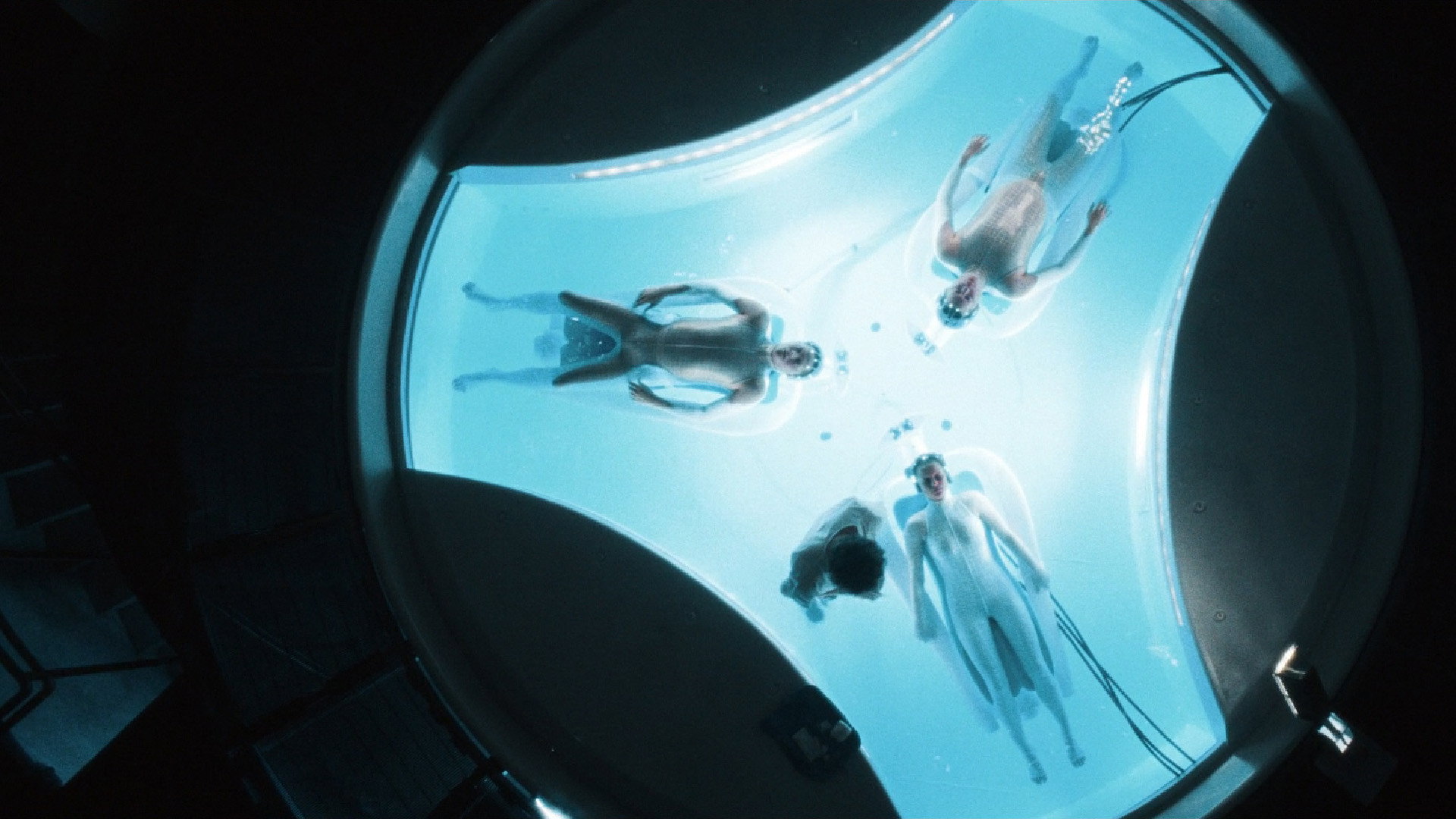
Samantha Morton, as Agatha, is crucial to the quieter side of the film. We were disturbed by the scenes involving the precogs, because the supposed benefit of predicting violence looks harder to defend when we attend to the people providing those predictions. Morton makes that concern immediate, without needing to compete with Cruise’s momentum. John Williams’s music gives the thriller urgency, though its insistence can make us wish for more space around the performances.

Michael Kahn’s editing handles the demands of the action confidently, and Spielberg rarely loses our attention within a sequence. The difficulty is the accumulation: at 145 minutes, the film keeps extending a pursuit whose underlying questions have already gripped us. The later plotting requires more explanation than it can absorb comfortably. The screenplay by Scott Frank and Jon Cohen becomes too occupied with getting its elaborate plot into order, and we begin to notice how much explaining remains to be done.

The film belongs to the chase thriller, but its interest in free will gives the running consequences beyond the next escape. We are asked to consider what guilt means when the relevant act has yet to occur, and how readily public safety can become an excuse for coercion. These are substantial questions for a film that also enjoys its gadgets this much. Spielberg makes room for them without treating the action as an obligation to be hurried through.

We recommend it for an evening when a thriller needs to offer something to argue about alongside the action. It rewards attention, but it does ask for patience with the later explanations. Leave time afterwards to disagree about how much certainty the police should be allowed to claim.
Critical consensus AI synthesised

78
Positive
7
Mixed
1
Negative
0

Most critics find Minority Report an ambitious, absorbing science-fiction thriller, with praise clustering around Spielberg’s control of suspense and the detailed future setting. The photography, effects and gadgetry help make that world feel both plausible and unsettling. The reviews also value the noir atmosphere and questions about free will and the cost of public safety. Cruise’s driven performance and the quieter scenes involving the precogs earn particular approval, while Morton receives praise for giving the speculative story emotional weight.

Reservations centre on length, repeated climaxes and a final act that several critics find less assured than the opening. Some also suggest Spielberg’s optimism softens the material’s bleakness. The spread runs from enthusiastic approval to qualified disappointment: Time Out argues that the promising premise gives way to routine chases and confused ideas. Collider likewise finds the individual set pieces more rewarding than the film as a whole.

RogerEbert.com
21 June 2002 · ★★★★/4 · Roger Ebert
100

Spielberg delivers a triumph that balances thrilling action with deep ideas and human emotion in a futuristic whodunit. The film excels through seamless integration of effects, strong performances especially from Cruise and Morton, and inventive sequences that prioritize story and character.

Read the full review →
The Hollywood Reporter
17 June 2002 · Kirk Honeycutt
85*

The critic calls it one of Spielberg's most compelling and entertaining films, a thought-provoking noirish sci-fi inquiry into how far society will go for safety through pre-crime technology.

Read the full review →
Empire
· Colin Kennedy
80*

The critic praises the film's ambitious noir structure and visionary near-future setting but notes that a tricky third act and overly long running time prevent it from achieving perfect precision.

Read the full review →
Radio Times
★★★★ · Alan Jones
80

This is a masterfully sleek sci-fi vision mixing twisted thrills, stunning photography, and inventive gadgetry. Spielberg crafts an unnerving world of wonder that rivals Blade Runner as the best Philip K. Dick adaptation.

Read the full review →
The New York Times
21 June 2002 · Elvis Mitchell
80*

Spielberg's atmospheric thriller is a muscular, dense exercise in skill and verve set in a chrome-toned future world. It offers a compassionate noir take on blurred passion and violence, though it could use tighter pacing and fewer climaxes.

Read the full review →
Los Angeles Times
21 June 2002 · Kenneth Turan
75*

Spielberg stretches himself with bleak, unsettling material that is creepiest when drawing from Dick's speculative premise about free will and predestination. The film holds attention best in quieter, emotional moments involving the precogs and Cruise's driven performance.

Read the full review →

Cast

Stills

Awards

Saturn Awards, 2003

Won
Best Science Fiction Film

European Film Award for Best Non-European Film, 2002

Nominated
European Film Award for Best Non-European Film

If you liked this, try…