Baz Luhrmann’s pop musical is worth the commotion for Nicole Kidman and Ewan McGregor, who make its romance matter. The rapid cutting is a persistent nuisance, especially when there is so much in the frame worth examining.
Baz Luhrmann’s Moulin Rouge is a good musical with an exhausting habit of interrupting its own pleasures. It takes an impossible romance in a fantasy Paris and fills it with pop songs that have no business belonging to 1899. The idea is simple enough: familiar songs let us recognise what these lovers feel without requiring much explanation. It is worth the commotion, though anyone hoping to watch a musical number unfold without constant visual interference will have a difficult evening.
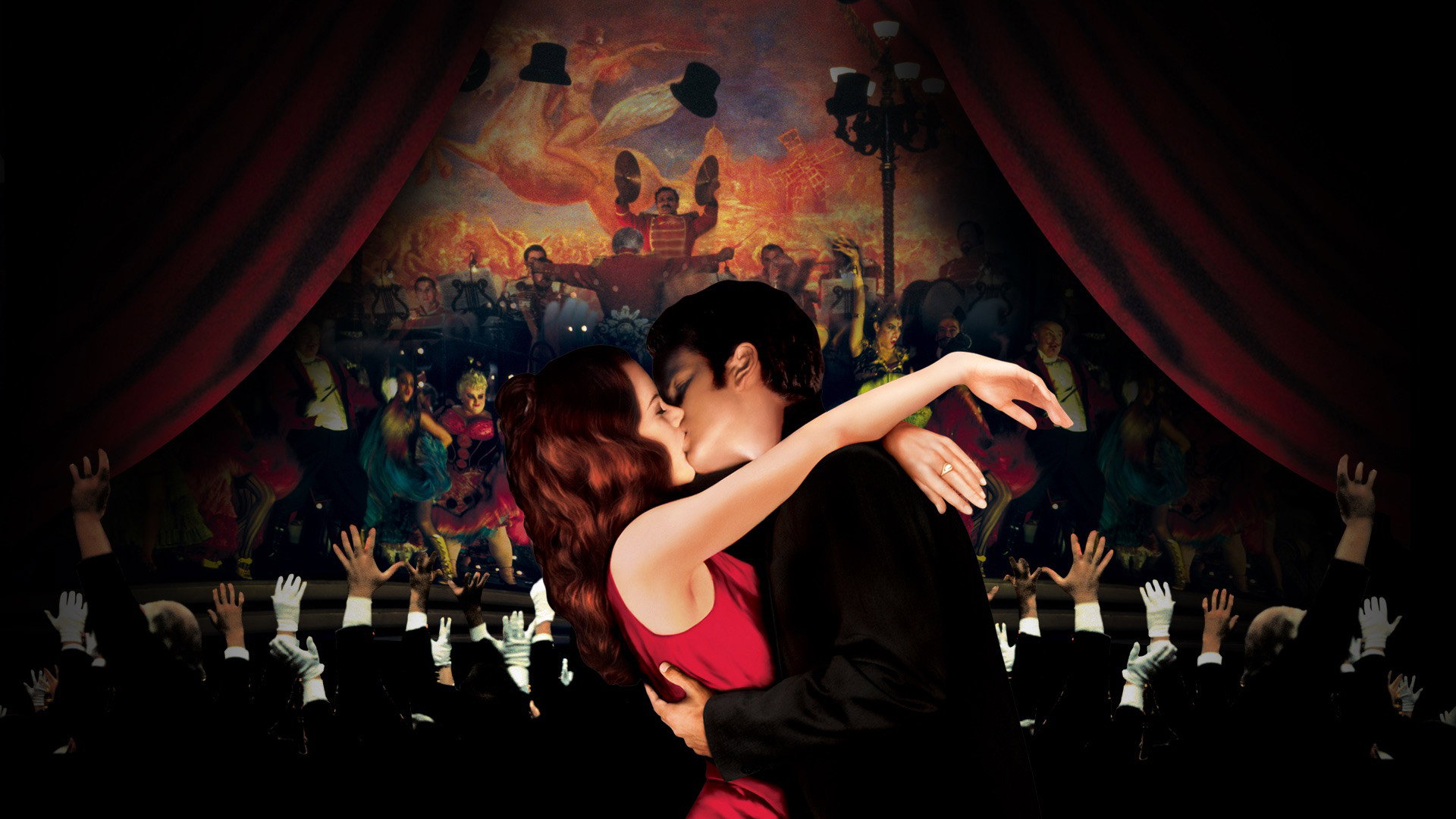
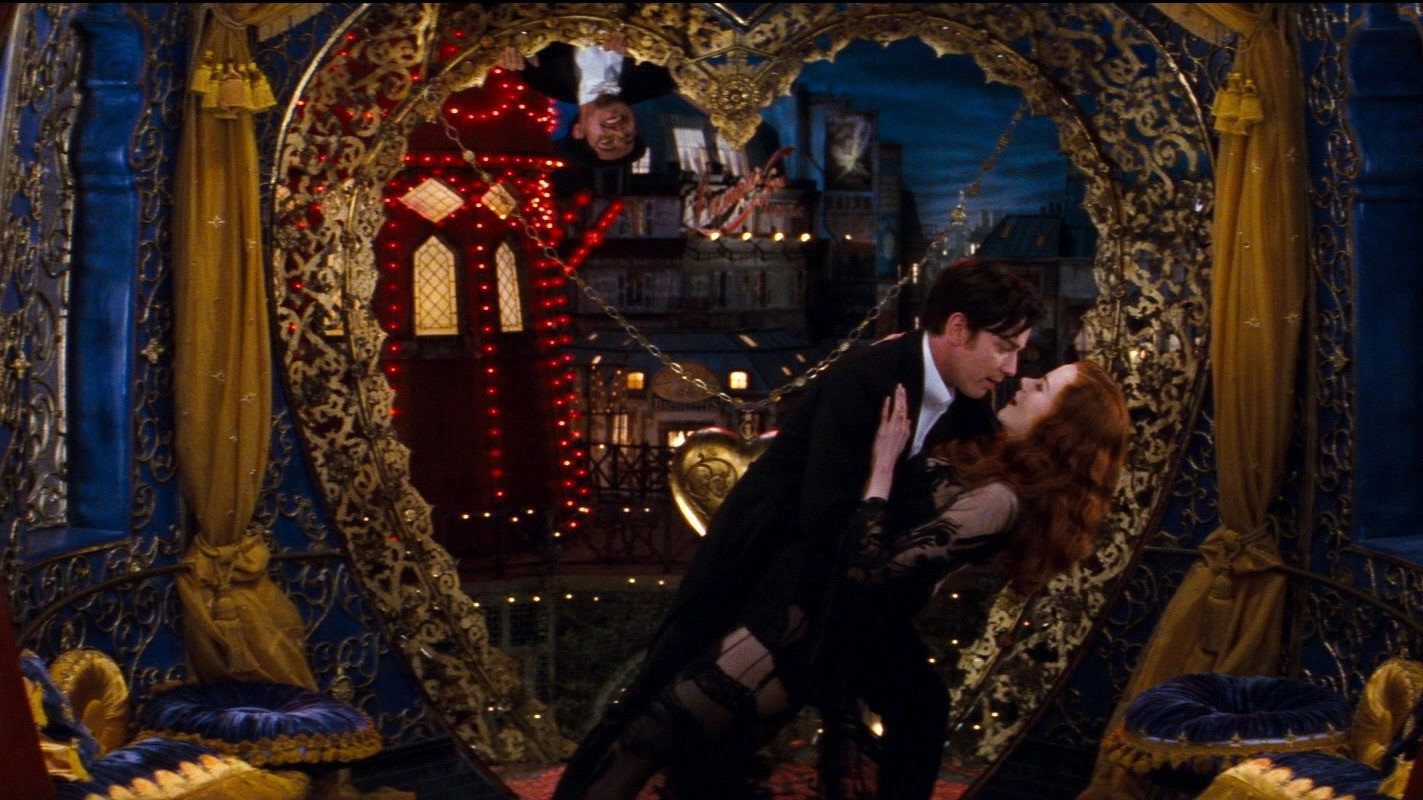
The central pairing does most of the persuading. Nicole Kidman’s Satine and Ewan McGregor’s Christian need to convince us that declarations this large can come from people who mean them, and their singing does that. We were moved more than we expected when they sang to one another, because the chemistry between them made the borrowed words sound personal. They give the romance enough warmth to survive a style that might otherwise make the whole thing seem like an elaborate joke.
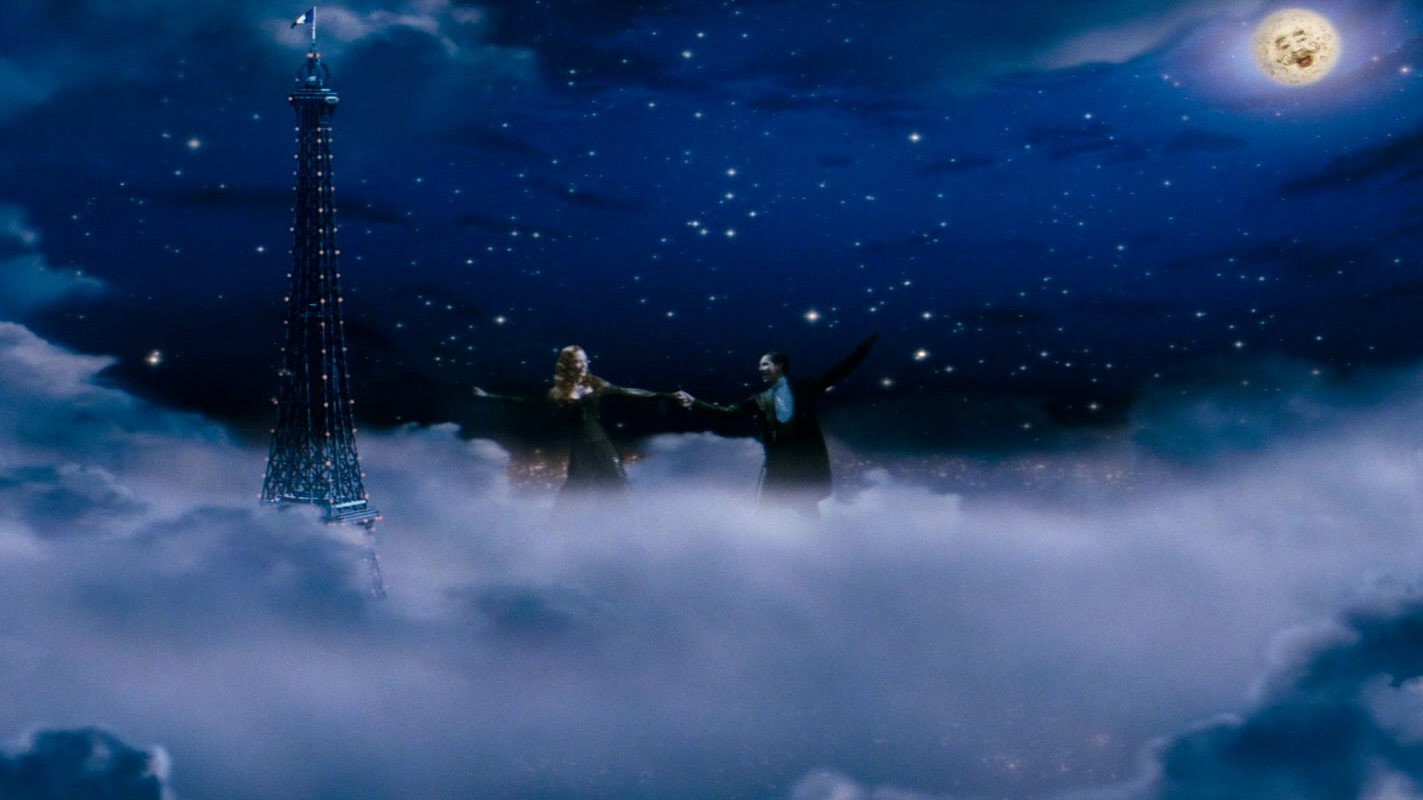
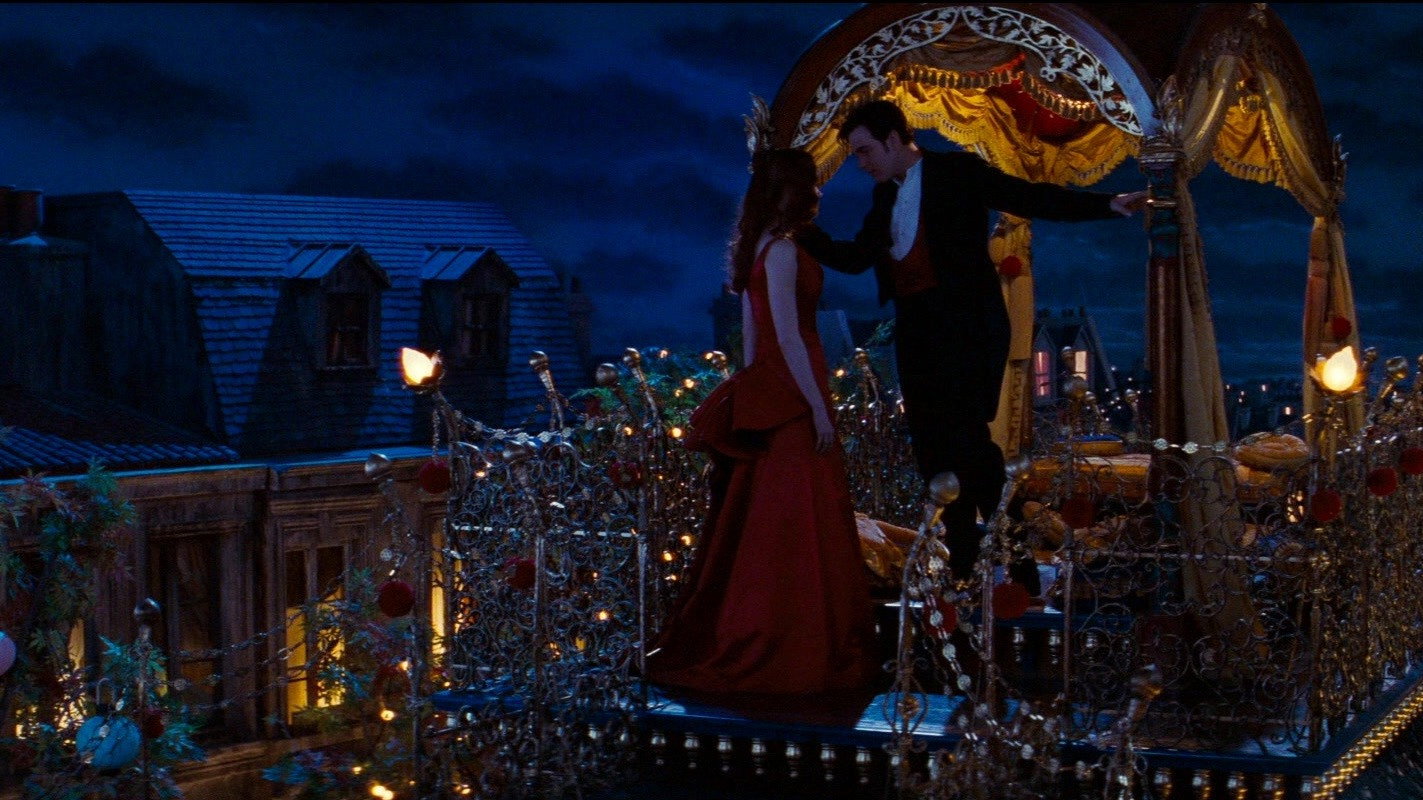
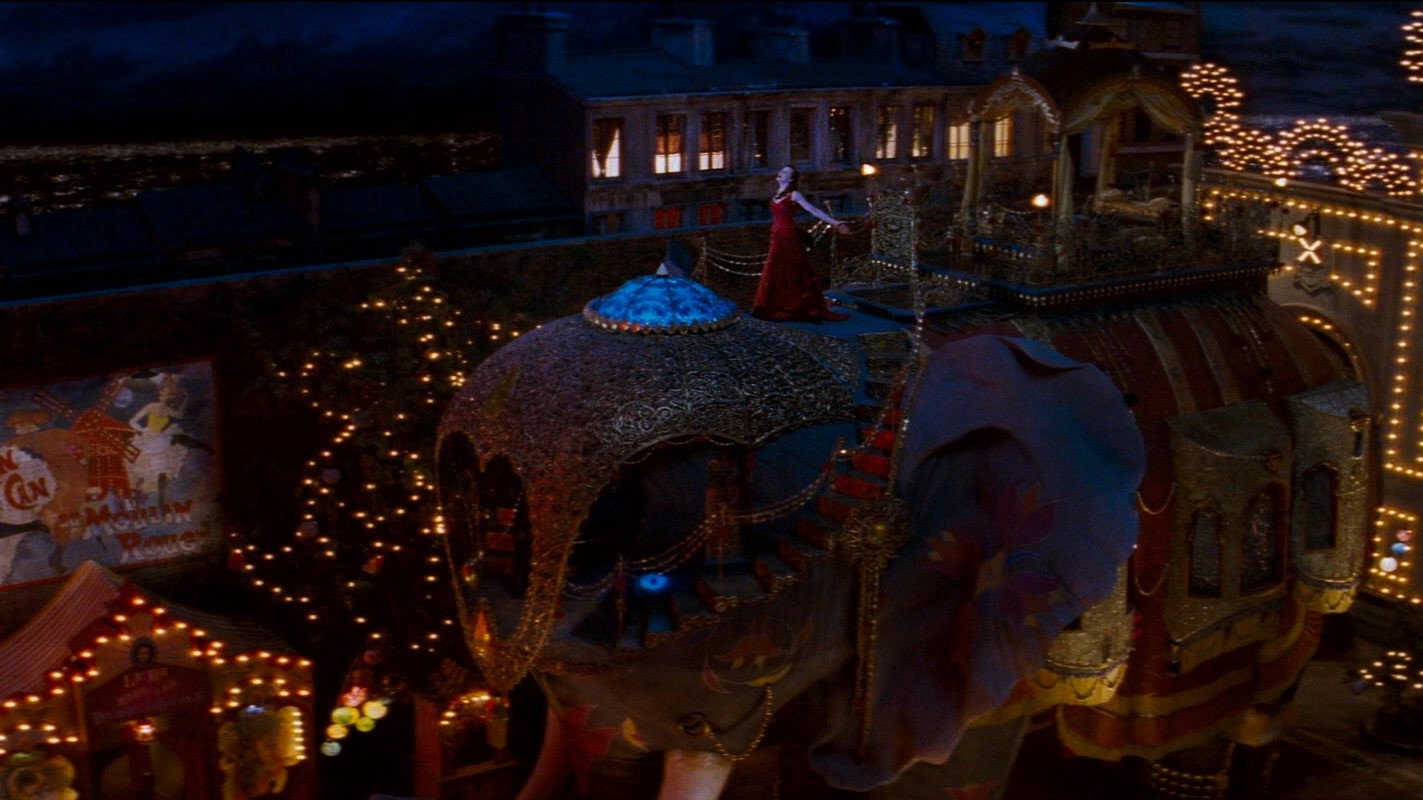
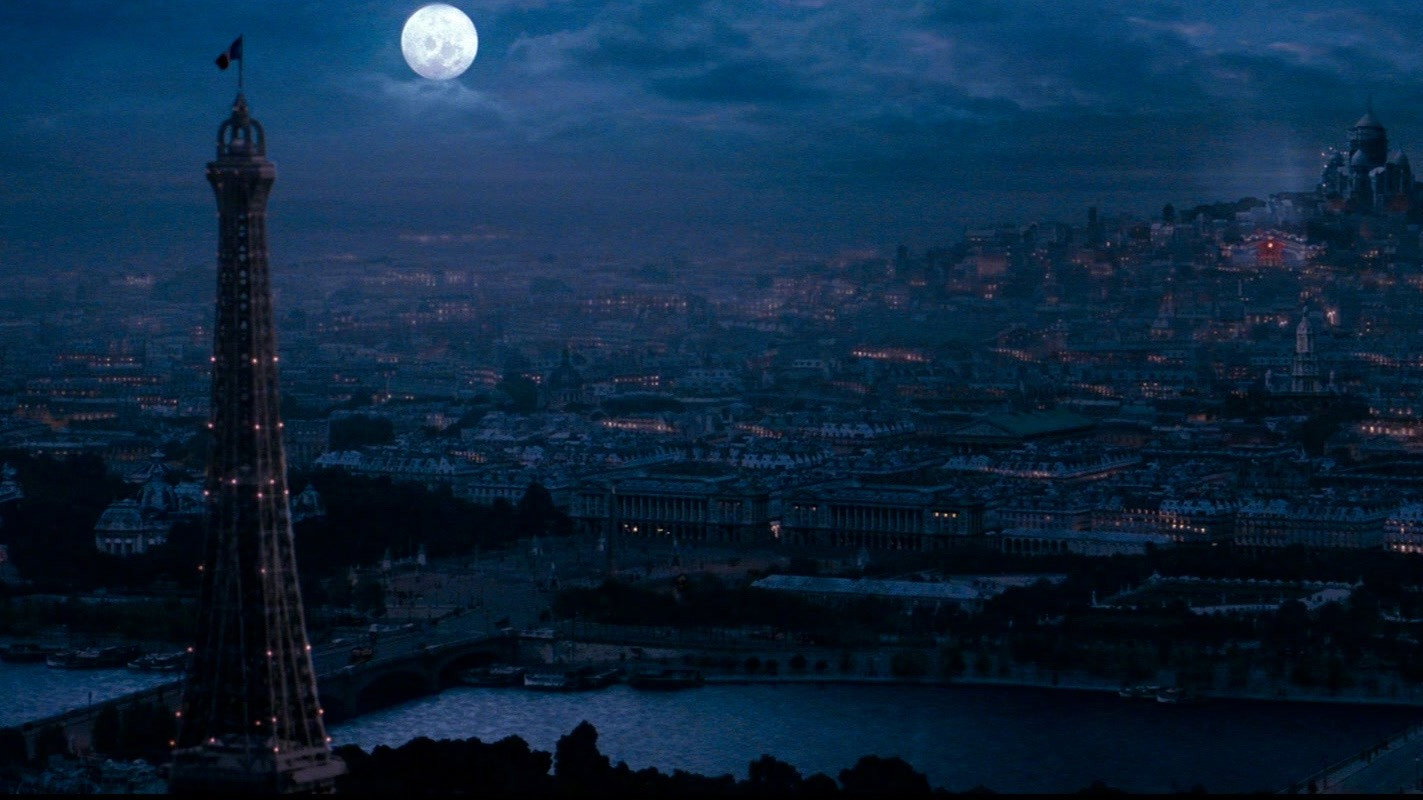
Donald McAlpine’s colour photography makes this Paris look proudly artificial, which suits the songs’ disregard for the calendar. Catherine Martin’s production design is crowded with decoration, giving us plenty to examine even when the story is doing something familiar. The extravagance works because the setting looks ready for people to break into song. The crash zooms are less helpful: they repeatedly redirect our attention when the scenery has already given it somewhere interesting to settle.
Jill Bilcock’s editing is the more persistent problem. A musical needs some time for a voice, a face or a movement to hold our attention, and here the next image so often arrives before the present one has registered. Speed can make a number exhilarating, but it cannot keep doing so indefinitely. Luhrmann too often treats a pause as something that must be prevented. Over 128 minutes, that insistence becomes tiring, especially when we would gladly spend longer looking at the people he has cast.
The music is more persuasive than the visual bustle. Craig Armstrong’s music supports the romance’s emotional excess, and the familiar pop material gives the lovers a language we already understand. Recognising a tune can become a substitute for listening to what a character is saying, and some combinations are too pleased with their own cleverness. But when Kidman and McGregor make those songs sound like things they need to say, we stop listening for the next reference and pay attention to the singing.
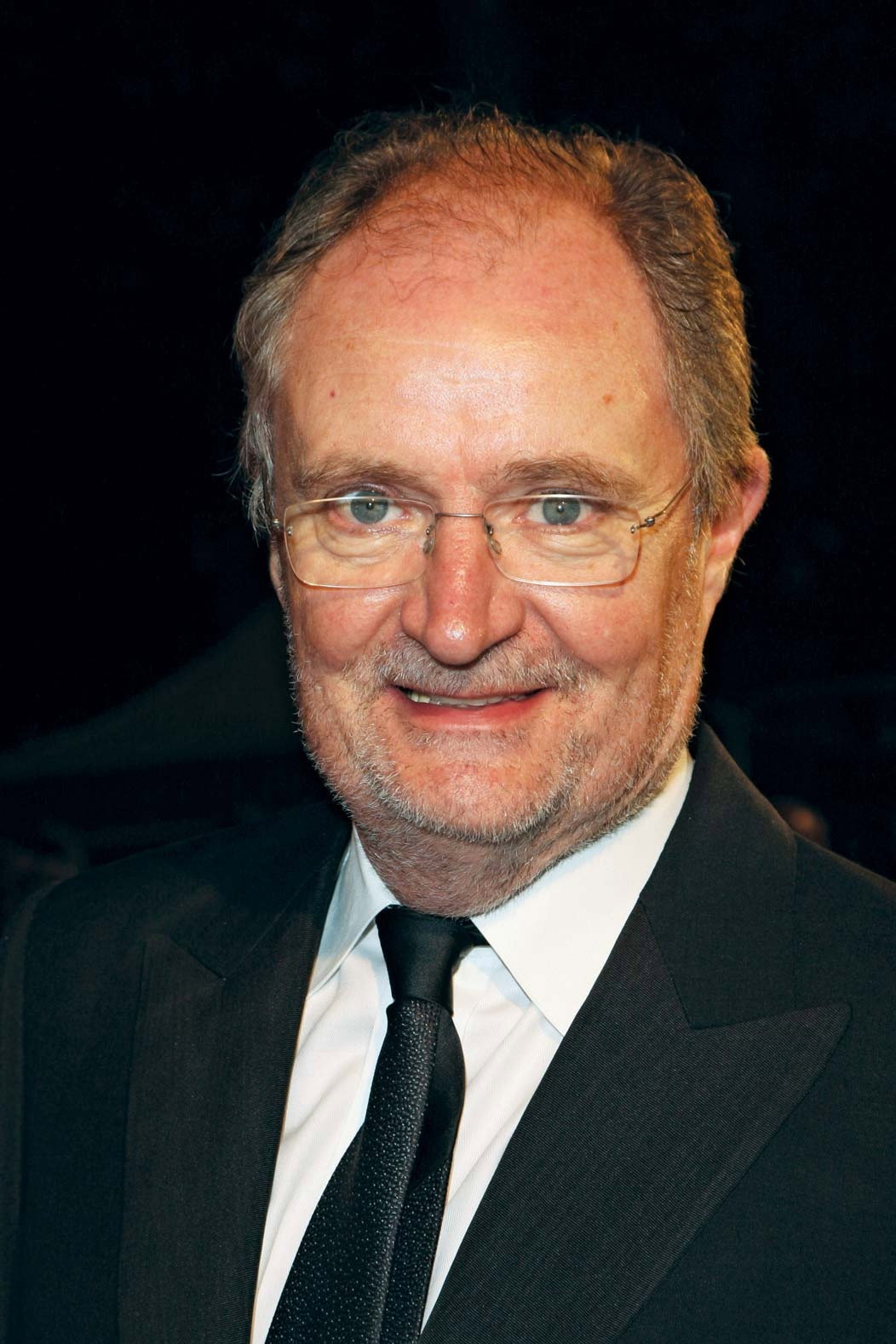
The screenplay by Luhrmann and Craig Pearce is less inventive than the presentation, relying on a familiar love story and characters drawn to be understood quickly. That limits how much the drama can surprise us, though it is hardly an unusual bargain for a musical. Jim Broadbent’s Harold Zidler benefits from that broadness; Broadbent gives the supporting performance enough comic confidence to compete with the scenery. Richard Roxburgh’s Duke is less rewarding, with a characterisation that rarely invites a second thought.
A fondness for musical melodrama will help; a tolerance for rapid cutting may be essential. There is enough feeling in the singing to make that bargain worthwhile for us. Choose it when a quiet love story would not quite do.